Imagine standing in a prehistoric landscape where earth trembles beneath your feet from sounds so powerful y could shatter your eardrums. While movies have fed us roaring T-rexes and screaming velociraptors, reality of dinosaur sounds might be even more fascinating than fiction. Scientists have been piecing toger acoustic clues from millions of years ago, discovering that some dinosaurs may have been nature’s original sound cannons.
hunt for dinosaur voices isn’t just about curiosity. It’s about understanding how se magnificent creatures communicated across vast distances and survived in a world where being heard could mean difference between life and death.
The Musical Giants of the Cretaceous
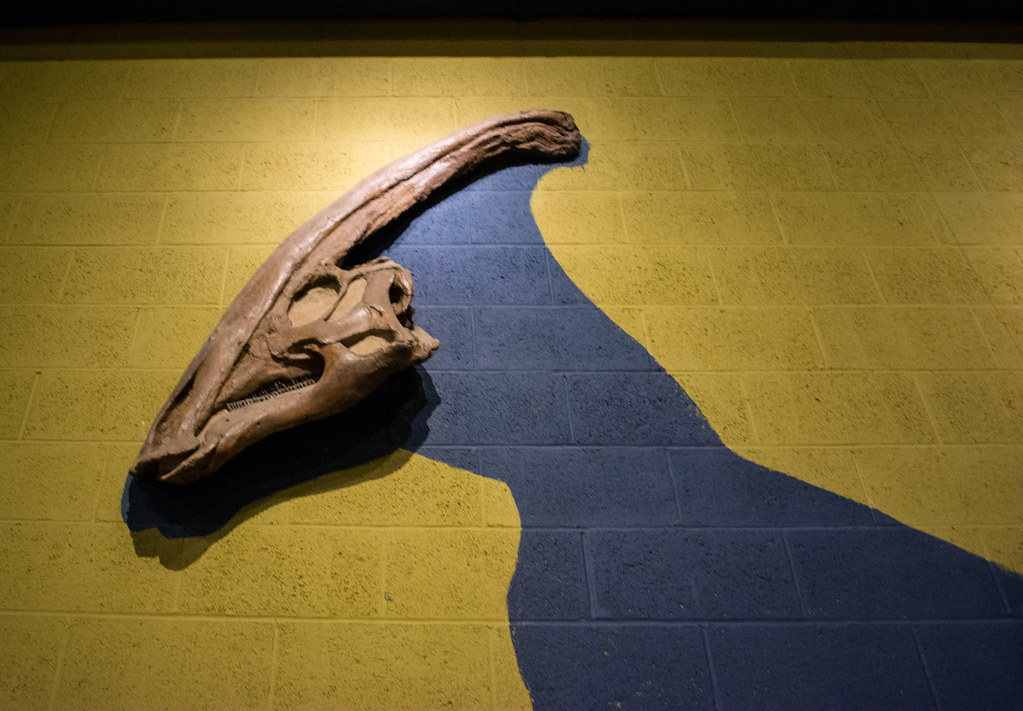
The study of dinosaur vocalization was advanced by discoveries of rare Parasaurolophus skull fossils, some measuring about 4.5 feet long. The dinosaur had a bony tubular crest that extended back from the top of its head. This wasn’t just any ordinary dinosaur skull.
Many scientists have believed the crest, containing a labyrinth of air cavities and shaped something like a trombone, might have been used to produce distinctive sounds. Think of it as nature’s brass section, with each dinosaur carrying its own built-in musical instrument. Each Parasaurolophus probably had a voice that was distinctive enough to distinguish it not only from other dinosaurs, but also from other Parasaurolophuses.
Breaking the Sound Barrier
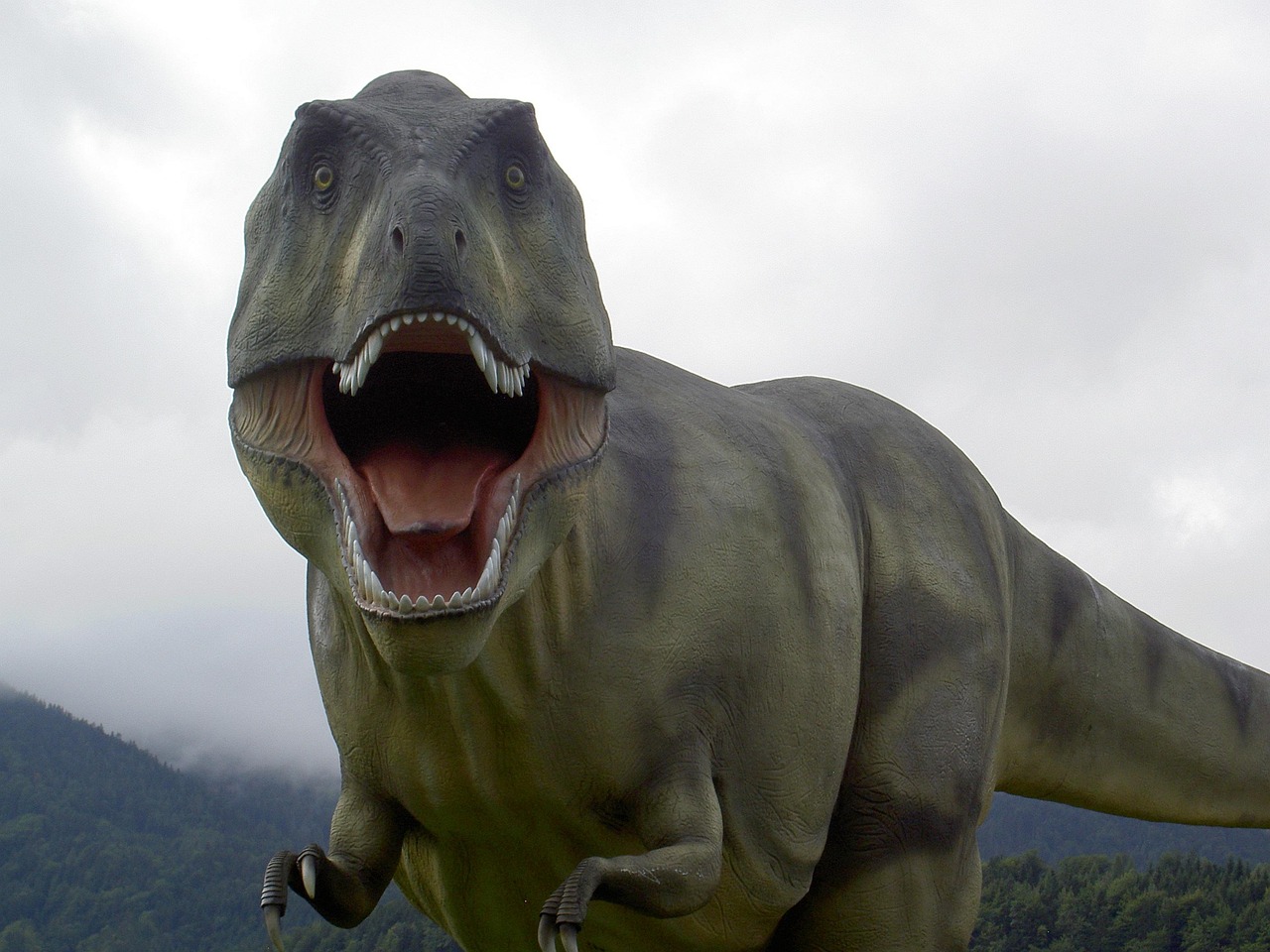
Some researchers have speculated that the roar of a T-Rex could potentially reach up to 140 decibels, a volume comparable to a jet engine at takeoff. Picture standing next to a Boeing 747 as it launches into the sky. That bone-rattling intensity gives you just a taste of what these ancient predators might have unleashed.
Several lines of evidence suggest some dinosaurs could produce exceptionally powerful vocalizations that might have rivaled or exceeded modern lion roars in volume. Among these, the roars of lions stand as some of the most powerful sounds in our modern world, capable of being heard up to five miles away. Still, dinosaurs may have pushed the boundaries even further.
The Supersonic Whip Tails

Sauropod dinosaurs may have broken the sound barrier with their incredibly long tails, according to a 12-foot-long model of a dino tail. When an object moves faster than about 1,200 kilometers (over 700 miles) per hour it compresses the sound waves in front of it, creating a loud noise. The moment the tip of a bullwhip exceeds supersonic speed, we hear an explosive sonic boom.
Turns out, the long-necked dino may have broken the sound barrier with its tail whips more than 150 million years ago. Paleontologists have all but gone back in time to prove the sonic booms, by creating and test-slapping a model tail made of aluminum, stainless steel, neoprene and Teflon. The thunderous crack these tails produced would have echoed across ancient valleys like prehistoric gunshots.
The Trombone-Headed Trumpeters
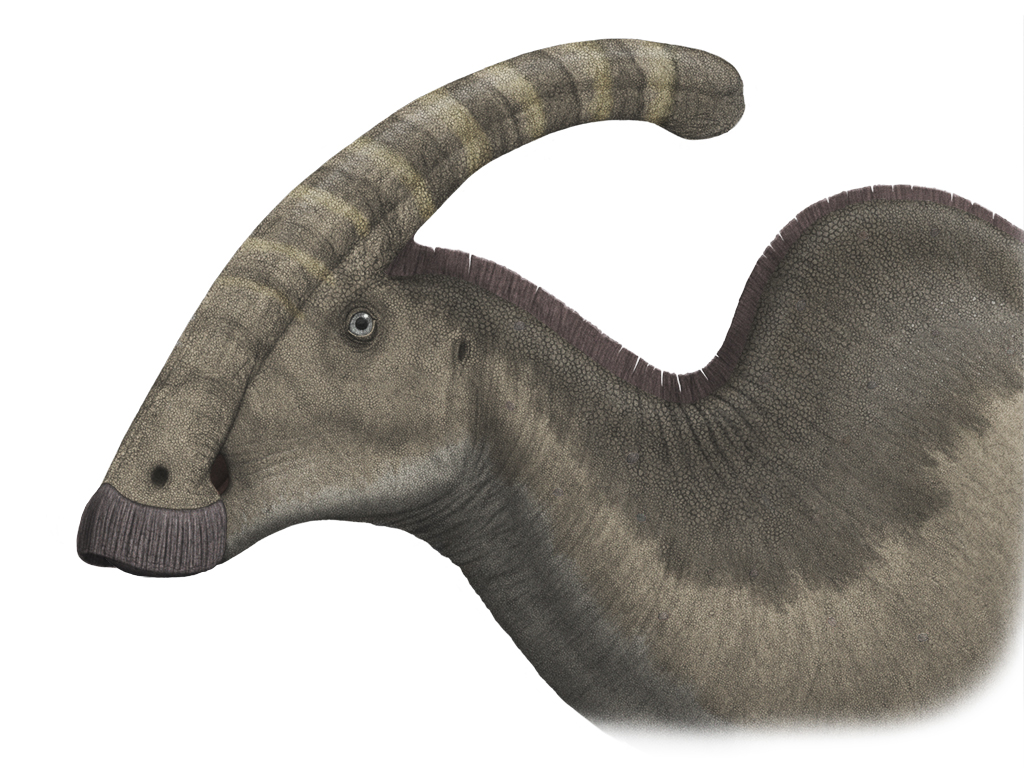
Weishampel in 1981 suggested that Parasaurolophus made noises ranging between the frequencies 55 and 720 Hz, although there was some difference in the range of individual species because of the crest size, shape, and nasal passage length. The main path resonates at around 30 Hz, but the complicated sinus anatomy causes peaks and valleys in the sound.
In fact, the internal anatomy of the Parasaurolophus crest was very similar to a woodwind instrument called the crumhorn, and Weishampel proposed that adult Parasaurolophus communicated over long distances through low-frequency sounds. Though not included in this paper itself, Weishampel even created a model of a Parasaurolophus crest using PVC pipe, which sounded something like a tuba when played. These dinosaurs were essentially walking around with their own personal orchestras attached to their heads.
The Infrasonic Specialists
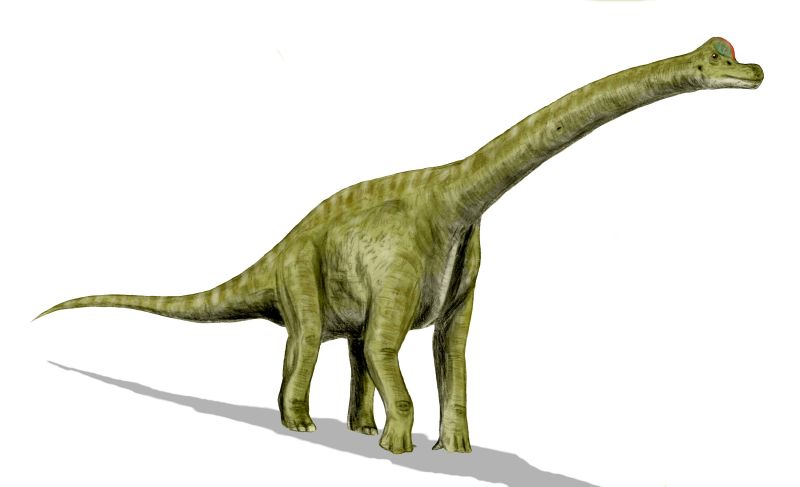
Sauropods like Brachiosaurus and Apatosaurus had extremely long necks and large chest cavities that could have functioned as massive resonating chambers, potentially generating infrasonic sounds below human hearing that traveled incredible distances. Compsognathus, a small bipedal dinosaur of the Jurassic, no more than 3 feet long would have probably produced high pitched squeaks and squawks, whilst a giant sauropod such as Apatosaurus would have produced very deep, low frequency sounds beyond the range of human hearing.
The sounds these huge animals produced would have caused vibrations (similar to the low frequency vibrations produced by alligators). Imagine feeling the ground shake beneath your feet from a sound you couldn’t even hear, as massive sauropods communicated across miles of ancient landscape using frequencies that bypassed your ears entirely.
The Reality Behind Movie Magic
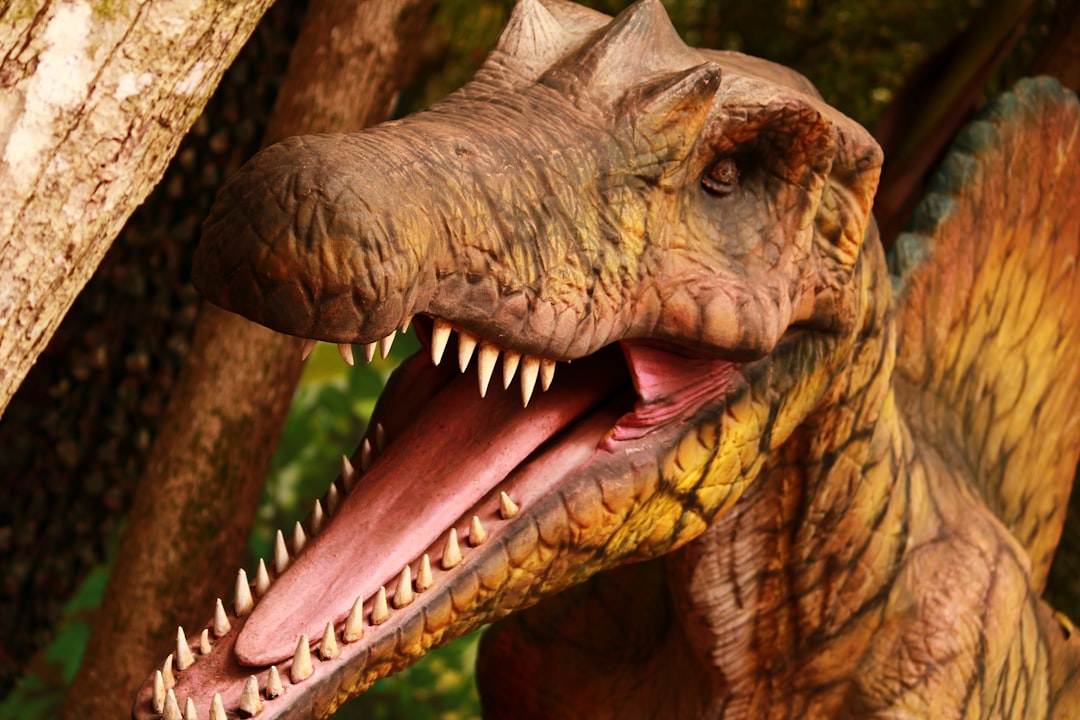
They found that birds have a special way of emitting sound, called closed-mouth vocalisation. This sound is produced through the skin in a bird’s neck while its beak is closed. “Looking at the distribution of closed-mouth vocalisation in birds that are alive today could tell us how dinosaurs vocalised,” Chad Eliason, the study’s co-author, said in a press release.
Dr. Clarke explained that instead of open-mouthed roars, scientists theorize that many dinosaurs may have produced closed-mouth vocalizations. Animals produce closed-mouth vocalizations by inflating their esophagus (the tube that connects the throat and stomach) or tracheal pouches (pouches on their windpipe) while keeping their mouth closed, producing something comparable to a low-pitched swooshing, growling, or cooing sound. So much for those terrifying Hollywood roars.
Modern Science Reconstructing Ancient Voices

The results show that it best amplifies frequencies at around 581 Hz, 827 Hz, and 1056 Hz, which implies that Parasaurolophus’s sound should be relatively low (and that aligns with the conclusions from previous paleontological studies). Linophone is at a 1:1.5 scale to an adult Parasaurolophus crest, so we expect an even lower spectrum of a real dinosaur’s voice.
While Lin hasn’t conclusively pegged the music from Parasaurolophus’ pipes, he was able to narrow it down to a living version of a brass instrument. “If I were to guess, it would sound like a huge coronet, a huge trumpet, a huge saxophone,” Lin says. Scientists today are literally rebuilding these ancient instruments to hear what our planet sounded like millions of years ago.
Conclusion
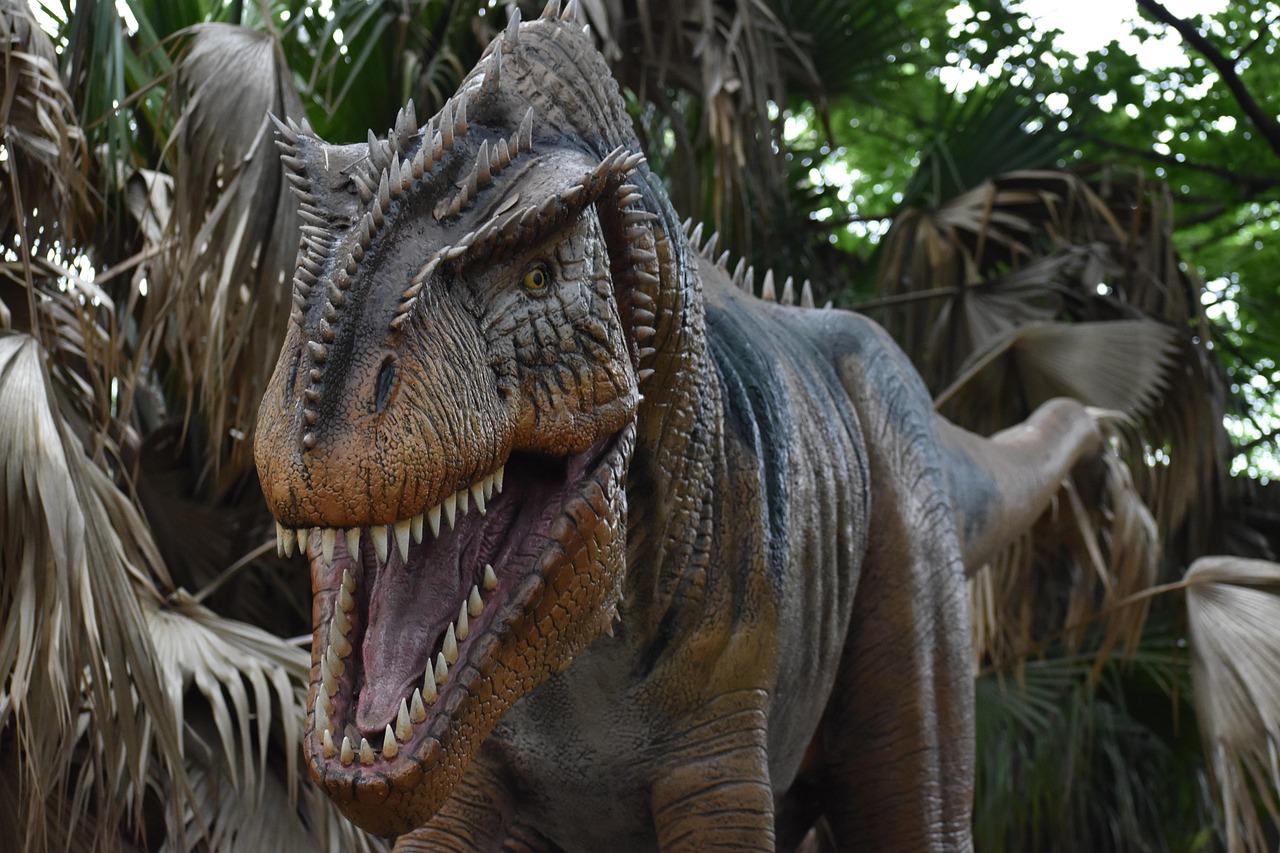
The quest to discover the loudest dinosaur takes us on a journey through cutting-edge paleoacoustics and biomechanical modeling. The sheer size of many dinosaur species offered advantages for sound production, as larger animals typically have longer air columns and larger resonating chambers that favor low-frequency, high-amplitude sounds.
From the supersonic tail whips of sauropods to the trumpet-like calls of Parasaurolophus, these ancient giants commanded attention through sheer acoustic power. While we may never know exactly which dinosaur held the title for loudest voice, the evidence points to a prehistoric world filled with sounds that would dwarf anything in our modern ecosystem. What would you have guessed was the loudest dinosaur before reading this?