
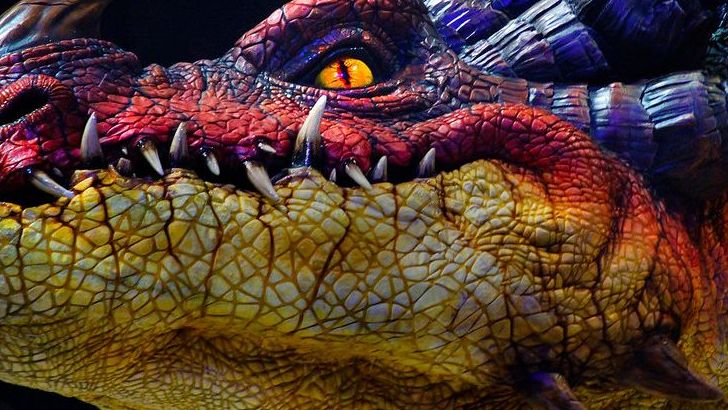
Picture a world where massive reptiles roamed the Earth in vibrant displays of color – not the drab gray and brown creatures we once imagined, but animals adorned with brilliant feathers, striking patterns, and sophisticated camouflage. These ancient beasts lived in a technicolor world that would make any modern bird jealous. Their weren’t just for show, though they certainly made impressive displays.
Scientists have discovered that dinosaur coloration served crucial survival functions that helped these magnificent creatures thrive for millions of years. From the reddish-brown stripes of Sinosauropteryx to the iridescent sheen of Microraptor, each color pattern tells a story of evolution, adaptation, and the fierce struggle for survival in prehistoric ecosystems. So let’s get started on this colorful journey through deep time.
The Science Behind Fossil
For decades, paleontologists believed that discovering dinosaur was impossible. Scientists assumed that pigments hardly ever survive the fossilization process, with the few known examples all coming from fossils of invertebrate creatures, not backboned ones. This meant researchers could only make educated guesses about ancient animal .
The breakthrough came when scientists examined fossilized squid ink under electron microscopes and discovered perfectly preserved melanin granules that looked exactly like those found in modern squid and octopuses. These tiny structures, called melanosomes, turned out to be the key to unlocking prehistoric color patterns.
Melanosomes: The Color Detectives
Melanin comes in different shapes that produce different – sausage-shaped melanosomes create black feathers, while round meatball-shaped ones produce ginger and reddish hues. Scientists can examine these microscopic structures in fossils and compare them to modern animals to determine what dinosaurs actually wore.
The discovery revolutionized paleontology because these microscopic pigment-bearing cell structures can persist in fossils for tens of millions of years. This means that color information survived the fossilization process far better than anyone had imagined, opening up entirely new ways to understand ancient life.
Striped Tails and Bandit Masks
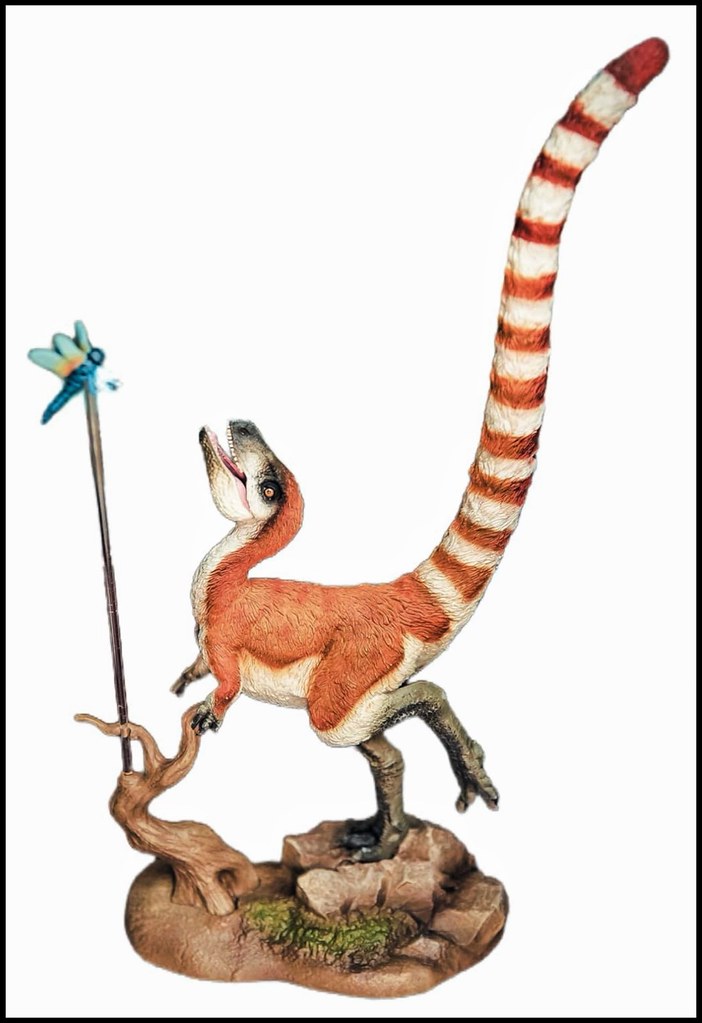
Sinosauropteryx, the first dinosaur discovered with feathers, had a striped tail and a bandit mask sort of like a raccoon, plus countershading camouflage where parts usually in shadow were lighter than parts usually in sunlight. This small predator looked nothing like the scaly reptiles people once imagined.
The dinosaur likely exhibited reddish-brown or ginger hues with distinct alternating light and dark bands along its long tail, displaying countershading where the upper body was darker and the underside lighter to help it blend into its environment. These patterns revealed sophisticated survival strategies that had been hidden for over 120 million years.
Camouflage for Giant Armored Tanks
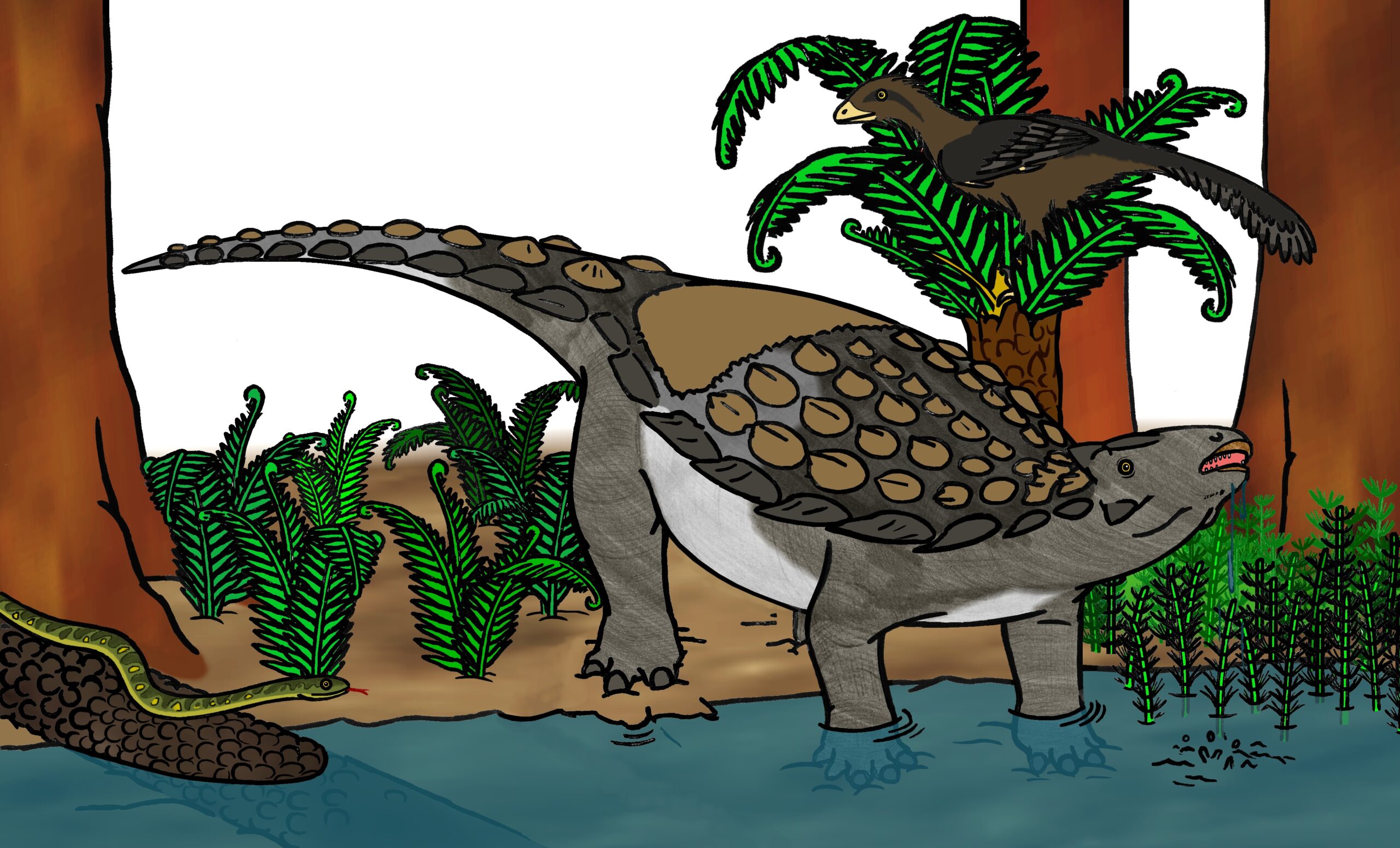
Even massive armored dinosaurs needed camouflage to survive. The discovery of countershading in a 1.3-tonne armored dinosaur was surprising because having an ankylosaur that needed countershading means the predator-prey landscape in the Cretaceous was very different. This suggests there were some truly terrifying predators around.
Even large armored dinosaurs like the tank-sized ankylosaur Borealopelta, which weighed 1300 kilograms and roamed North America over 100 million years ago, may have used camouflage to hide from predators that could have included the sharp-toothed Acrocanthosaurus, which grew as long as 11-12 meters. The implications are staggering – if these living fortresses needed to hide, what kinds of monsters were hunting them?
Forest Dwellers and Light Conditions
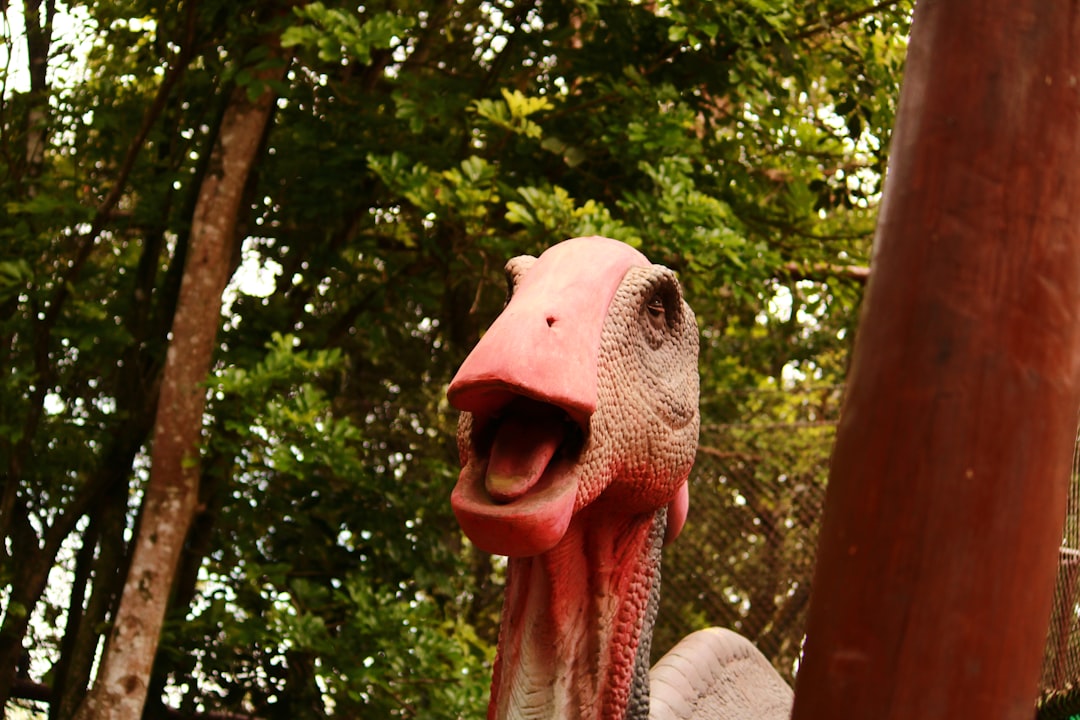
Countershading patterns reveal habitat preferences – sharp, high countershading like that found in Sinosauropteryx suggests the animal lived out in the open, while more gradual, low countershading suggests a forest environment where light is more diffuse. Scientists can essentially read the lighting conditions of ancient environments from color patterns alone.
Psittacosaurus, a speckled dinosaur about the size of a golden retriever, had a camouflaging pattern that may have helped it hide in forests, and was very much on the bottom of the food chain. Its mottled appearance would have been perfect for hiding among dappled forest shadows and vegetation.
Iridescent Feathers and Courtship Displays
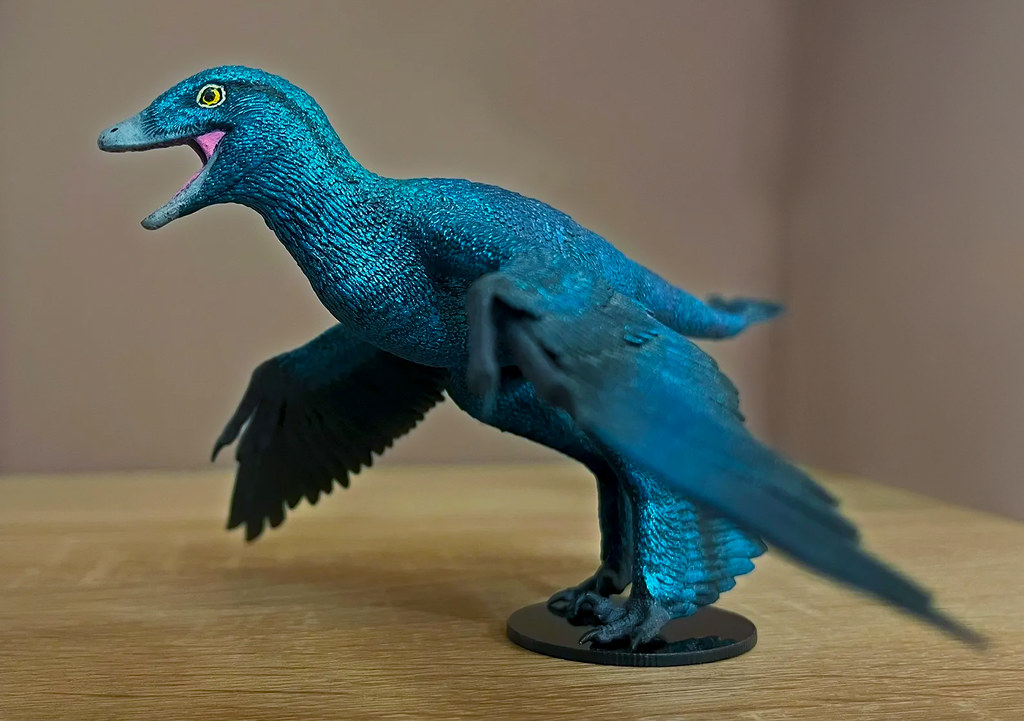
Some dinosaurs like Microraptor probably had weak, glossy iridescence all over their bodies, with scientists deducing the color from the shape of melanosomes preserved in fossils. These shimmering feathers would have caught the light beautifully, creating spectacular displays.
Microraptor feathers were determined to be iridescent black, with melanosomes that were narrow and arranged in stacked layers, reminiscent of modern blackbirds. The sophisticated arrangement of these microscopic structures created that shifted and changed with viewing angle, just like modern bird plumage.
Beyond Camouflage: Multiple Functions of Color
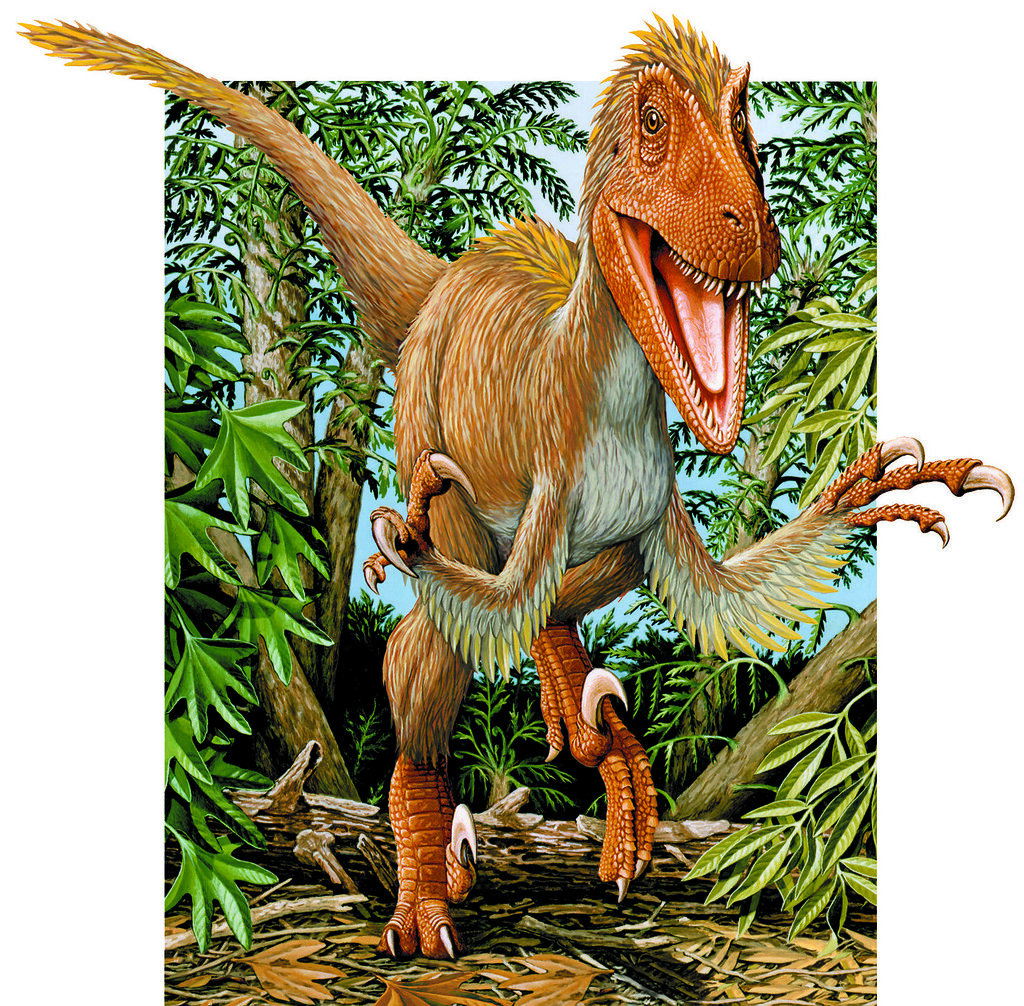
Scientists now recognize that affect thermoregulation and flight efficiency, with recent studies indicating that wing color in birds may play important roles in flight by leading to different rates of heating. Dinosaur likely served multiple purposes beyond simple visual communication.
Feather color in dinosaurs may reveal whether patterns were useful for camouflage or peacock-like courtship displays, and whether there were color differences between sexes, as scientists can now search for melanosomes in fossil feathers and other melanin-rich tissues like skin and hair. This opens up possibilities for understanding dinosaur social behavior in ways never before possible.
A Technicolor World Lost in Time
New discoveries are revealing how ancient technicolor beasts lived, with scientists now knowing the of several dinosaurs including Borealopelta, Caihong, and Sinosauropteryx, while improved technology promises to reveal many more. Each discovery adds another brushstroke to our understanding of this vanished world.
The evidence suggests dinosaurs lived in environments as colorful and visually rich as any tropical rainforest today. From the forest floors where small feathered predators stalked their prey to the open plains where massive herbivores grazed under the watchful eyes of enormous predators, color played a crucial role in the drama of survival that unfolded millions of years ago.
Conclusion
The revelation that dinosaurs wore brilliant transforms our understanding of these ancient creatures from drab, sluggish reptiles into vibrant, sophisticated animals that used color for survival, communication, and courtship. Their world was painted in hues we’re only beginning to appreciate – reddish-brown stripes that helped small predators disappear into shadows, iridescent feathers that caught prehistoric sunlight, and camouflage patterns so effective they could hide creatures the size of tanks from even larger predators.
These discoveries remind us that the past was far more colorful and complex than we ever imagined. What other secrets might be hiding in the fossil record, waiting for new technology to reveal them? The dinosaurs’ technicolor world offers just a glimpse of the wonders that once filled our planet.