Picture this: a tiny predator the size of a hummingbird, with razor-sharp teeth and bulging eyes, prowling through ancient forests 99 million years ago. This isn’t science fiction – it’s the incredible reality of discovered. The quest to find the tiniest prehistoric giants has captivated scientists for decades, leading to shocking discoveries that challenge everything we thought we knew about the age of dinosaurs.
The world of paleontology has been turned upside down by creatures so small they could fit in the palm of your hand. These miniature monsters have rewritten our understanding of dinosaur ecosystems and revealed a hidden world that existed alongside their massive cousins. So let’s dive into the fascinating realm of the world’s smallest dinosaurs and discover which tiny terror truly holds the record.
The Controversial Crown Holder: Oculudentavis
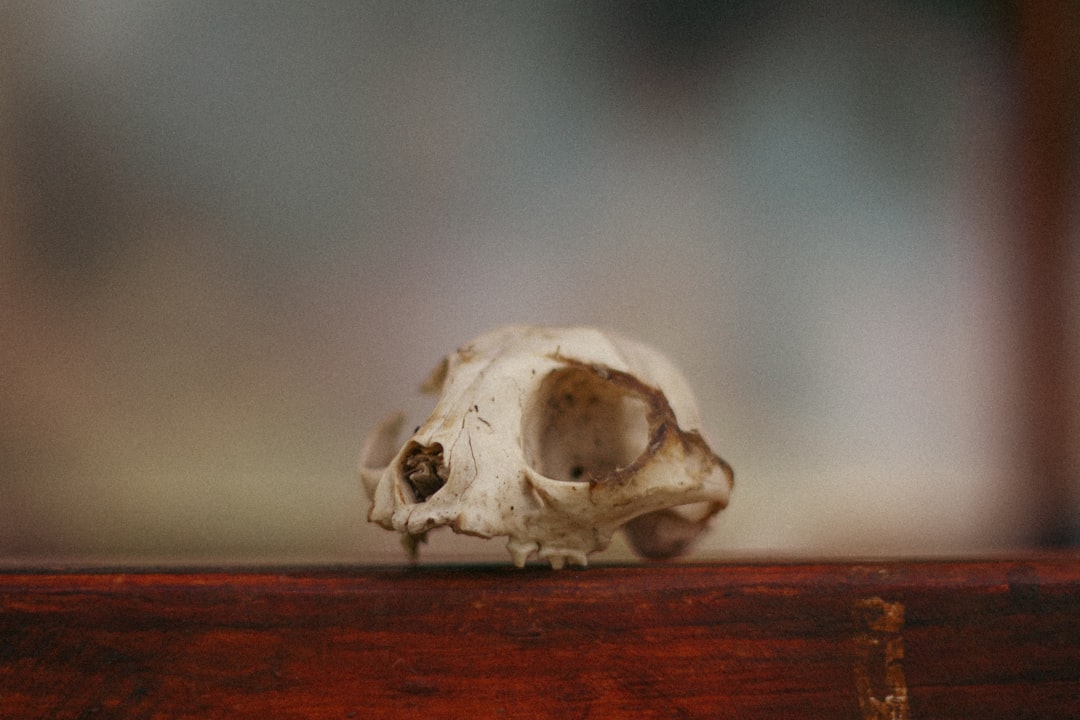
In Myanmar, archaeologists discovered the preserved skull of what was initially thought to be the smallest dinosaur to ever inhabit Earth, entombed in amber for about 99 million years. The skull belonging to Oculudentavis khaungraae is about the size of a thumbnail and is filled with razor-sharp teeth. This discovery sent shockwaves through the scientific community when it was first announced.
The tiny dinosaur known as Oculudentavis khaungraae was so small that it was the size of a hummingbird. The animal was probably about the size of the bee hummingbird, the smallest living bird. The implications were staggering – here was a fully grown dinosaur that could literally perch on your finger.
However, the story took an unexpected turn that highlights the challenges of paleontology. Scientists confirmed this small creature was no bird at all. Further studies revealed that Oculudentavis was not a dinosaur at all but a lizard, adding complexity to the search for the smallest dinosaur.
The Real Champion: Epidexipteryx
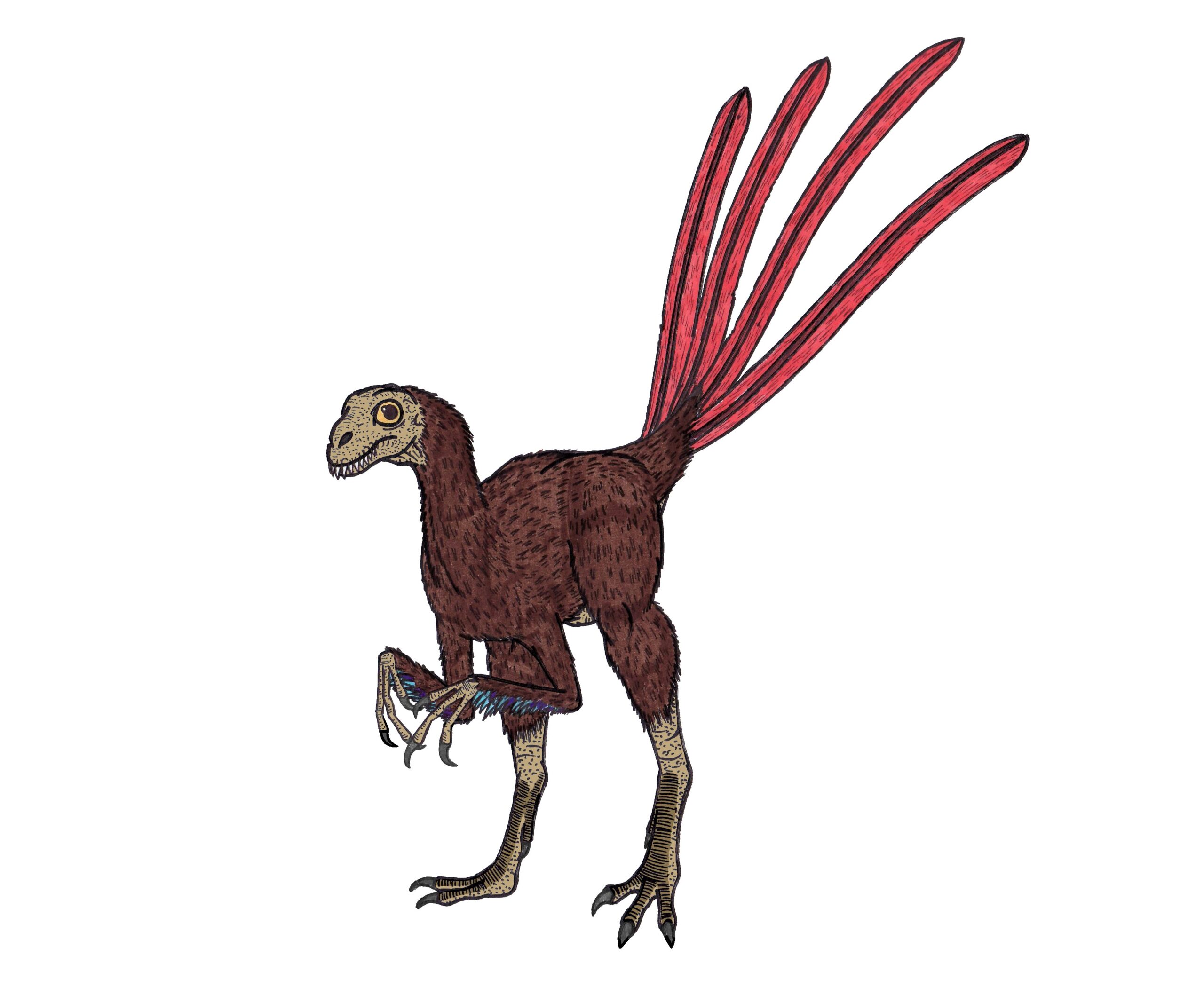
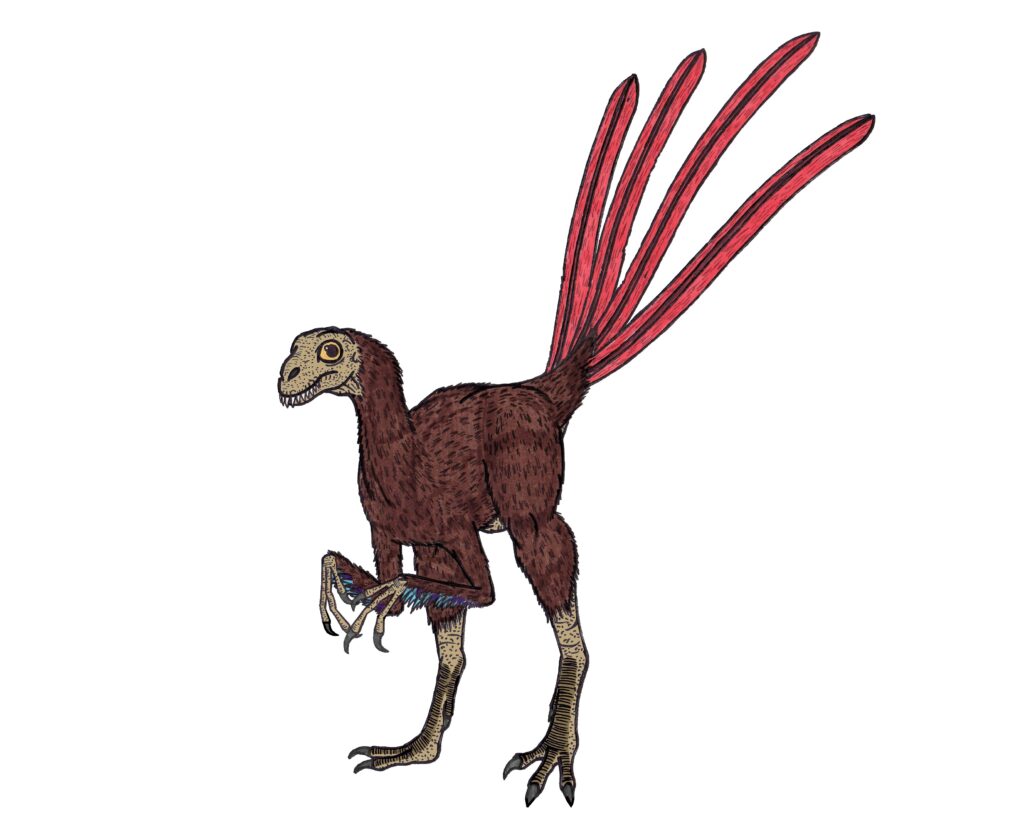
With Oculudentavis dethroned, the spotlight shifted to another remarkable creature. Epidexipteryx roamed the Earth during the Jurassic period in what is now modern-day China. Epidexipteryx is not the smallest dinosaur but the smallest non-avian dinosaur ever found. This distinction is crucial in understanding where this tiny terror fits in dinosaur history.
The skeleton of Epidexipteryx hui measures 25 cm (9.8 in) in length and the authors estimated a weight of 164 grams, smaller than most other basal avialans. It was as small as a modern pigeon and weighed about 0.49 pounds. Imagine holding a creature that once ruled its tiny corner of the prehistoric world – it would feel lighter than a smartphone in your hands.
Microraptor: The Crow-Sized Contender
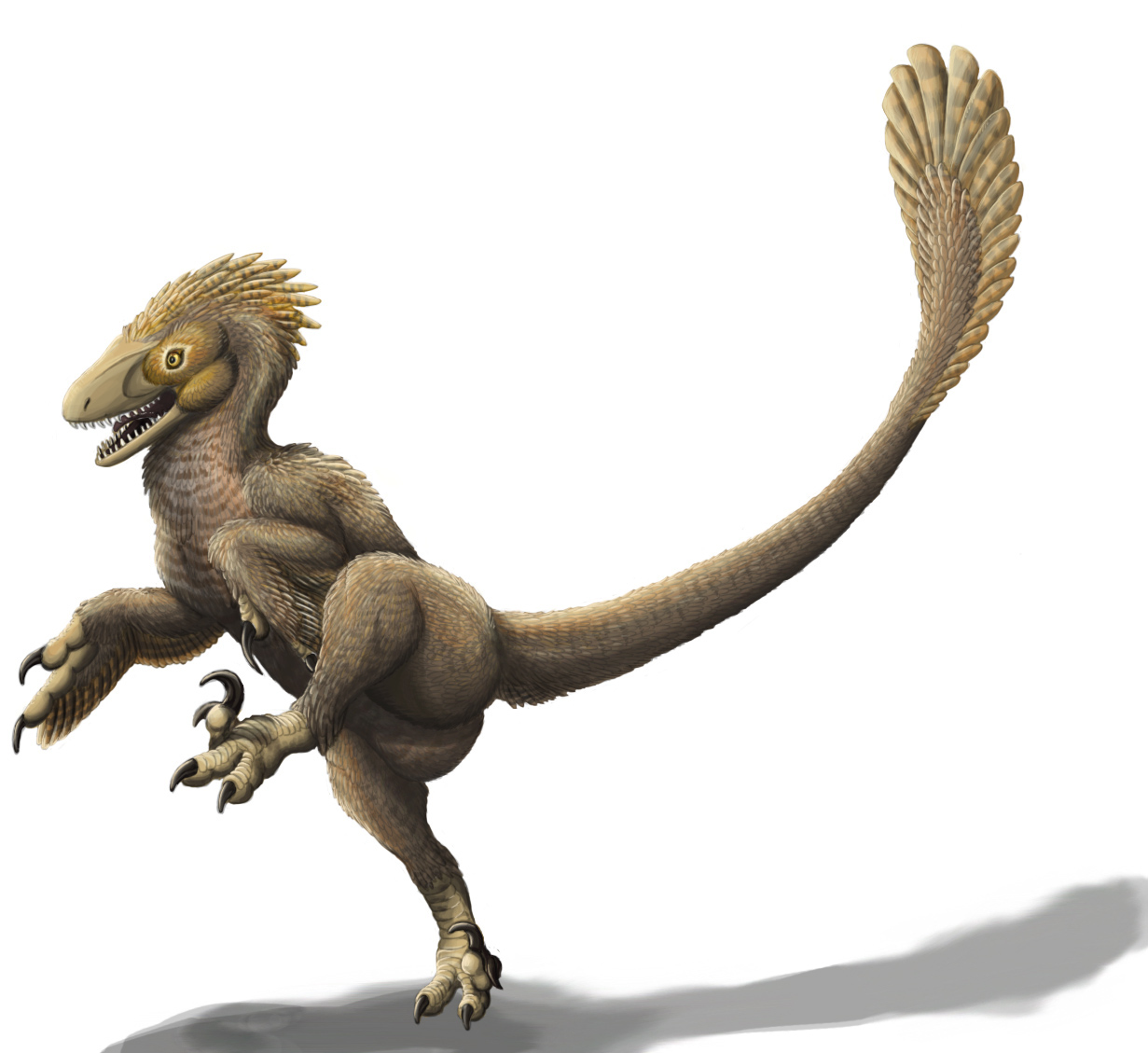
Another serious contender for the title emerged from the fossil beds of China. Microraptor, which means “small thief” in Greek, gets its name from being the smallest known species of raptor dinosaurs, and it was among the smallest known dinosaurs, weighing approximately 1-2 pounds and only a foot tall. This flying predator brings a different perspective to the smallest dinosaur debate.
About 120 million years ago, this crow-size creature would scurry to the top of hundred-foot-tall trees in northeastern China, then launch itself from trees and glide down like a flying squirrel. The image of these tiny dinosaurs soaring through ancient skies adds another layer to our understanding of prehistoric ecosystems.
This dinosaur had flight feathers on both its front and back limbs, and it had long upper arm bones similar to those seen in today’s birds. The discovery of Microraptor challenged traditional views about dinosaur evolution and flight capabilities.
Compsognathus: The Historical Record Holder
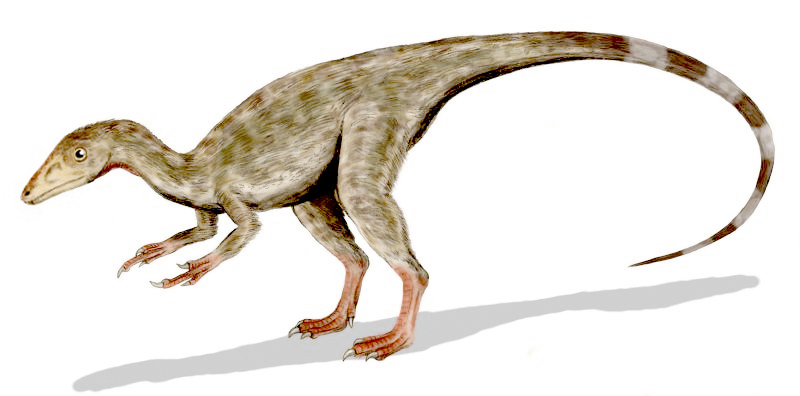
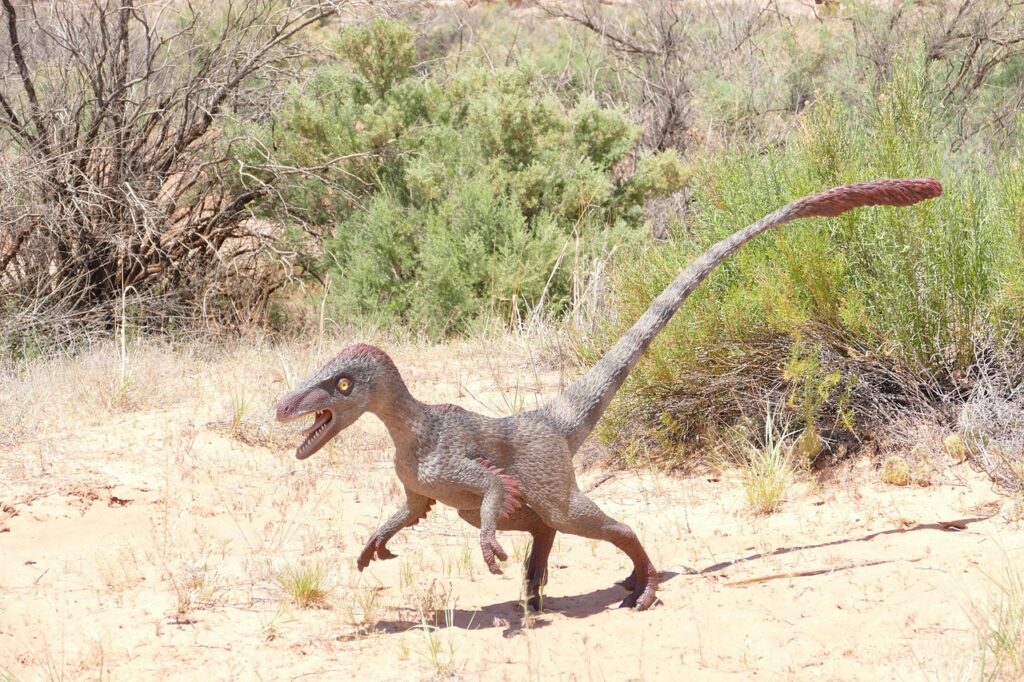
Before modern discoveries revolutionized our understanding, another tiny dinosaur held the crown for decades. Until the 1990s, Compsognathus was the smallest-known non-avialan dinosaur. Members of its single species Compsognathus longipes could grow to around the size of a chicken.
Compsognathus measured around one metre in length and had a body the size of a turkey, with fossils suggesting it weighed between 0.83-3.5kg, with smaller specimens being much lighter. Many presentations still describe Compsognathus as “chicken-sized” dinosaurs because of the size of the German specimen, which is now believed to be a juvenile. This revelation shows how our understanding of dinosaur sizes continues to evolve with new discoveries.
The Unique Features of Tiny Dinosaurs
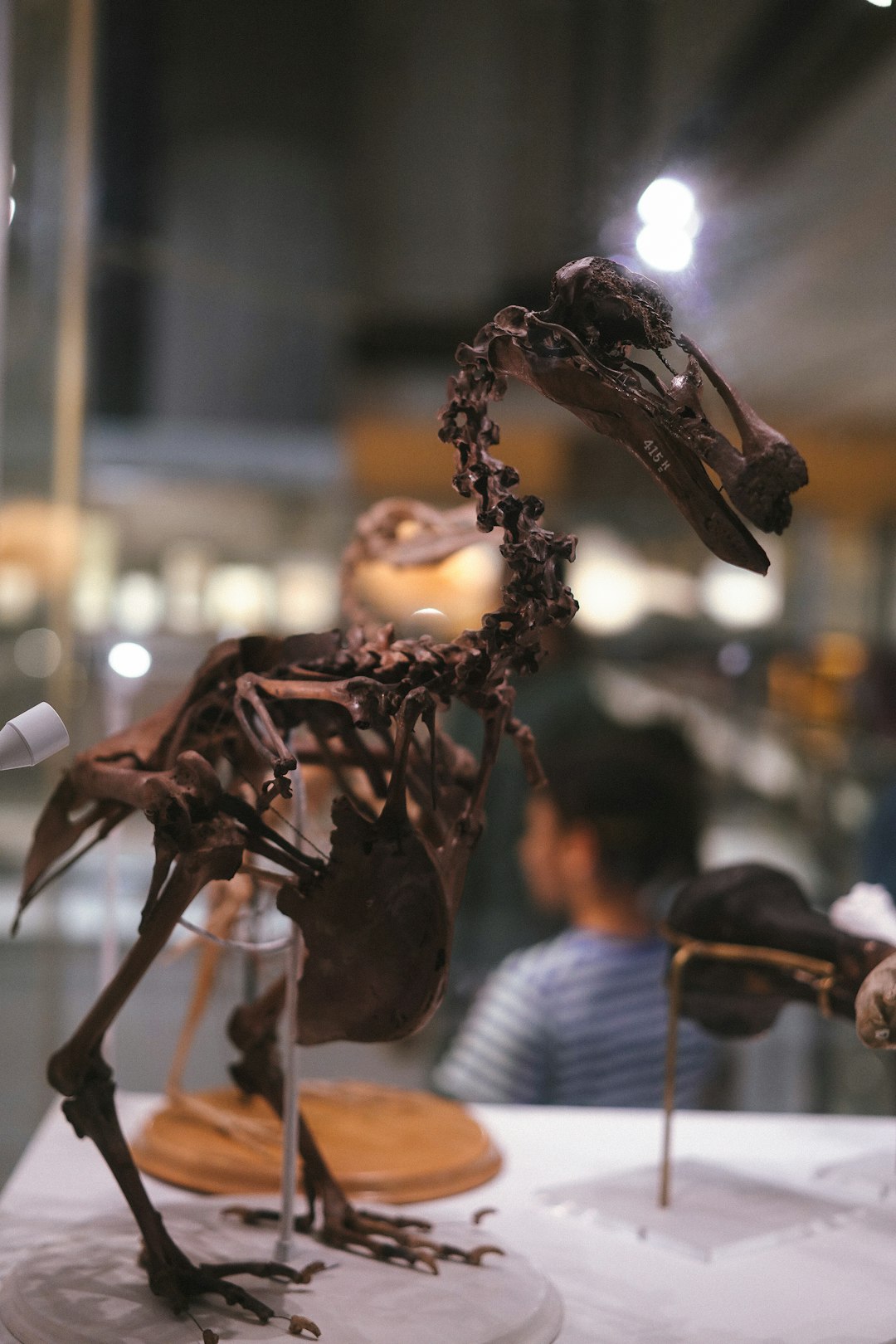
These miniature marvels weren’t just scaled-down versions of their larger cousins. Epidexipteryx had a distinctive short snout sporting small dagger-like teeth, large eye sockets, and its most stunning feature was its incredibly long fingers – its third digit alone was almost half as long as the dinosaur’s body. Such extreme proportions would look bizarre even by today’s standards.
Scientists believe Epidexipteryx had feathers but was flightless, with researchers finding two pairs of long feathers on its tail at least 20 centimeters long that likely resembled ribbons. These likely did not have any practical uses aside from showing off to other dinosaurs, as Epidexipteryx can be translated to “display feather”.
The long fingers made it easy to climb trees and pick up worms and larvae from tree holes. These specialized adaptations show how small dinosaurs carved out their own ecological niches in prehistoric ecosystems.
Challenges in Identifying the Smallest
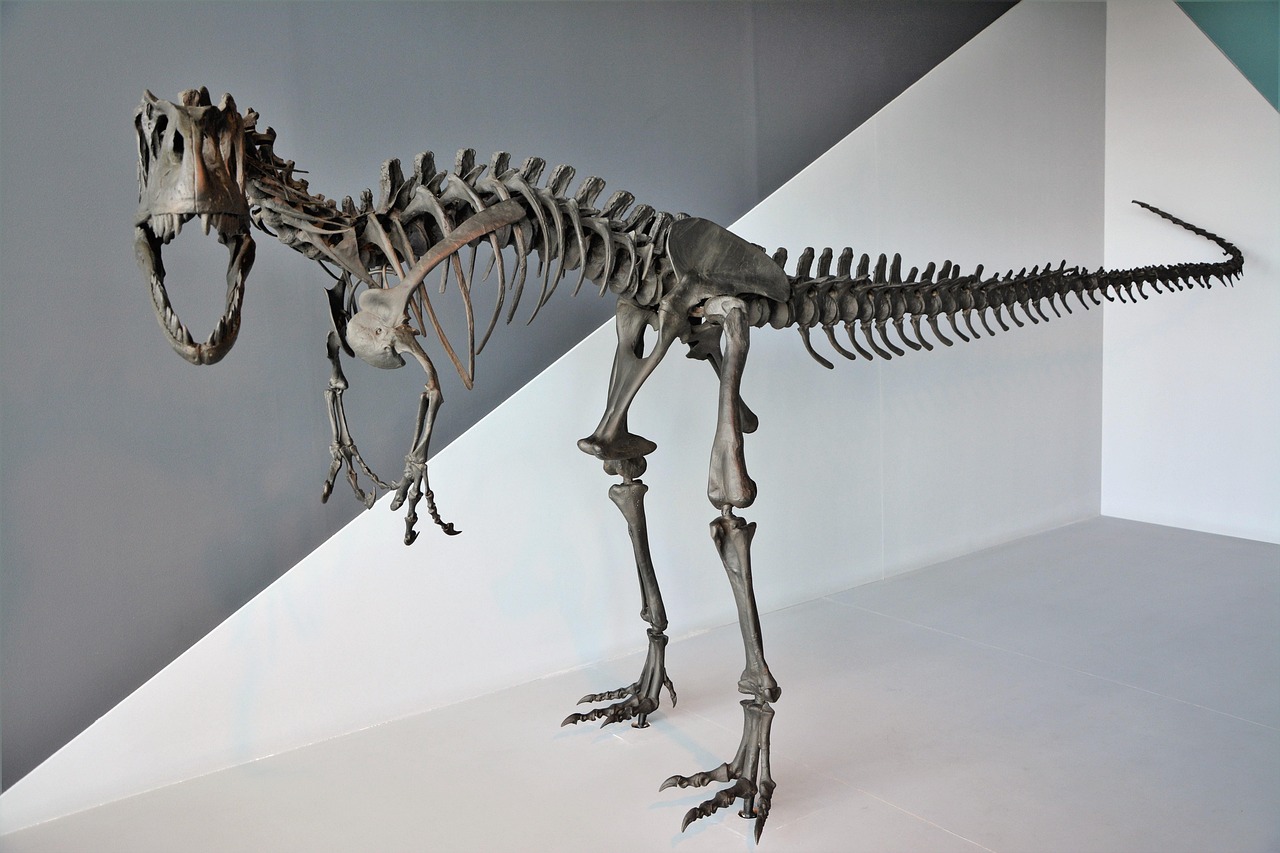
The quest to identify the smallest dinosaur faces numerous scientific challenges. The challenge of identifying the smallest dinosaur is compounded by the discovery of new species that may not have fully matured at the time of excavation, and the size of these species may vary as more specimens are uncovered and analyzed. This highlights a fundamental problem in paleontology – distinguishing between juvenile and adult specimens.
Fossils of small-bodied dinosaurs are extremely rare due to how fragile and easily destroyed they are during fossilization. Normally, the fossilization process in clay or sand destroys the remains of small animals like this, but amber is much better at preservation than sediment. This preservation bias means we’re likely missing many small dinosaur species from the fossil record.
Experts suggest that ecosystems were likely filled with both large and small dinosaurs, noting that “being big is almost synonymous with what we think of as being a dinosaur, but the really big dinosaurs are just easier to spot”.
Conclusion

The search for continues to reveal surprises that challenge our preconceptions about prehistoric life. From the controversial amber-preserved skull of Oculudentavis to the ribbon-tailed Epidexipteryx and the gliding Microraptor, each discovery adds another piece to the puzzle of ancient ecosystems. These tiny titans prove that the age of dinosaurs wasn’t just about massive predators and long-necked giants – it was also home to delicate, specialized creatures that lived in the shadows of their enormous relatives.
The ongoing debate about which species truly deserves the title shows how dynamic paleontology remains as a science. As new fossils emerge and technology improves our ability to study them, we’ll undoubtedly continue to uncover more about these fascinating miniature monsters. What other tiny treasures might be waiting to be discovered in the fossil record? Tell us in the comments what you think the next smallest dinosaur discovery might reveal about prehistoric life.