Deep in the windswept plains of Patagonia, one farm worker changed paleontology forever. He had no idea that spotting something unusual sticking out of the ground would lead to the discovery of what many consider the most massive land animal that ever walked Earth. The creature that emerged from Argentina’s desert was so enormous that it challenged everything scientists thought they knew about the limits of life on our planet.
This isn’t just another dinosaur story. The new dinosaur is the largest animal known that walked on Earth. Welcome to the remarkable tale of Patagotitan mayorum and how this colossal beast rewrote the record books on prehistoric giants.
The Chance Discovery That Changed Everything
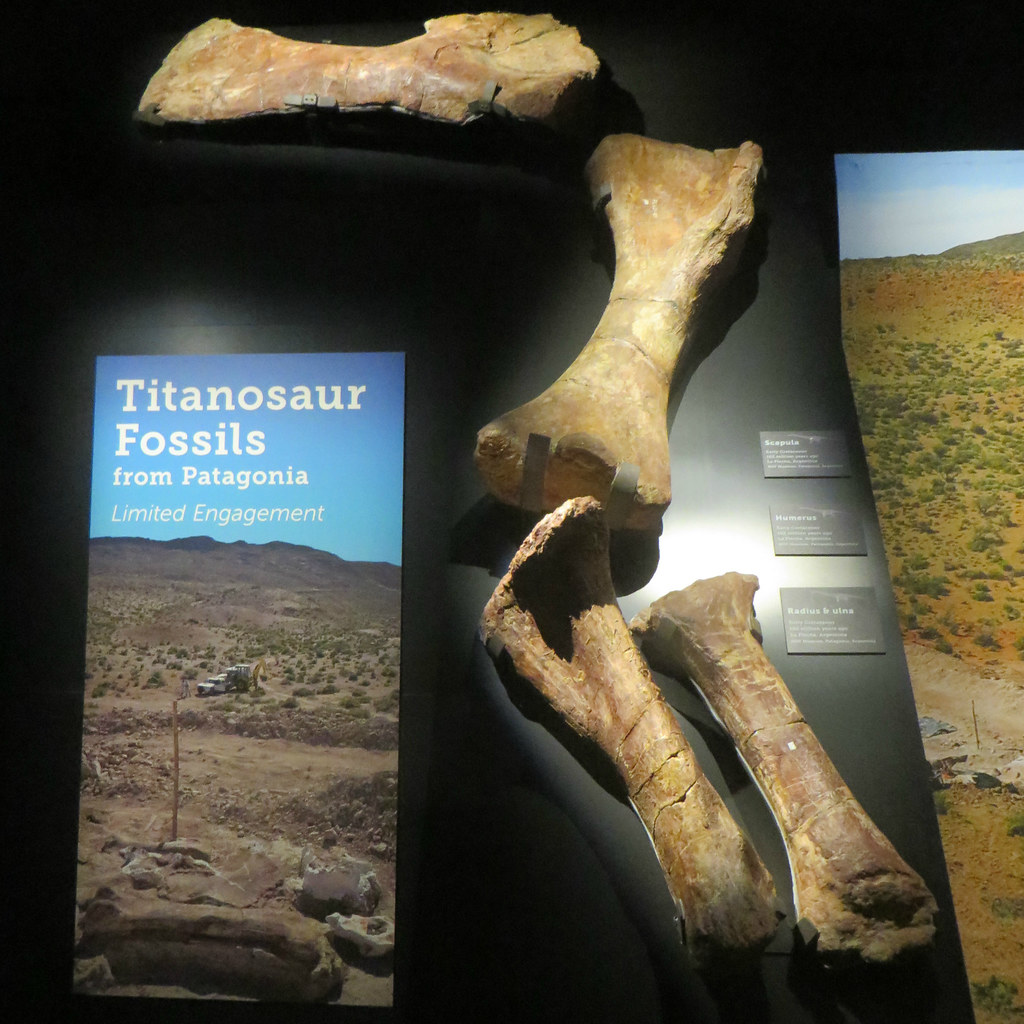
Sometimes the most important discoveries happen by pure accident. A part of a lower femur was discovered in 2010 by a farm laborer, Aurelio Hernández, in the desert near La Flecha, Argentina, about 250 km (160 mi) west of Trelew. Aurelio was just doing his job on the ranch when he spotted something massive protruding from the rocky ground.
When farm worker Aurelio Hernandez spotted a thumping great femur sticking out of the ground near La Flecha, he had chanced upon the 100-million-year-old remains of the largest animal ever to have walked the Earth. The bone was so huge that it seemed almost impossible. Yet there it was, weathered by time but unmistakably real.
Size Beyond Imagination
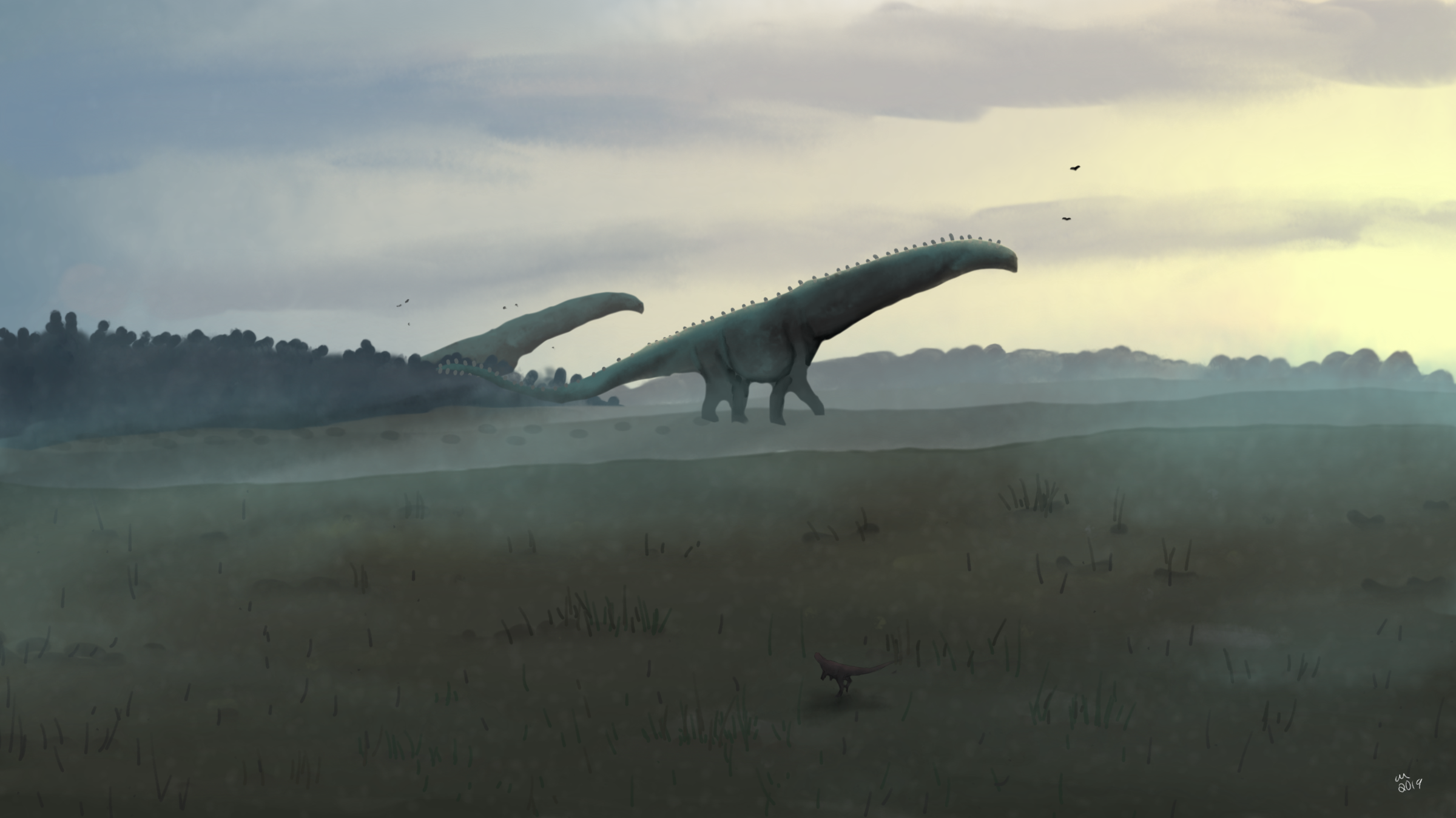
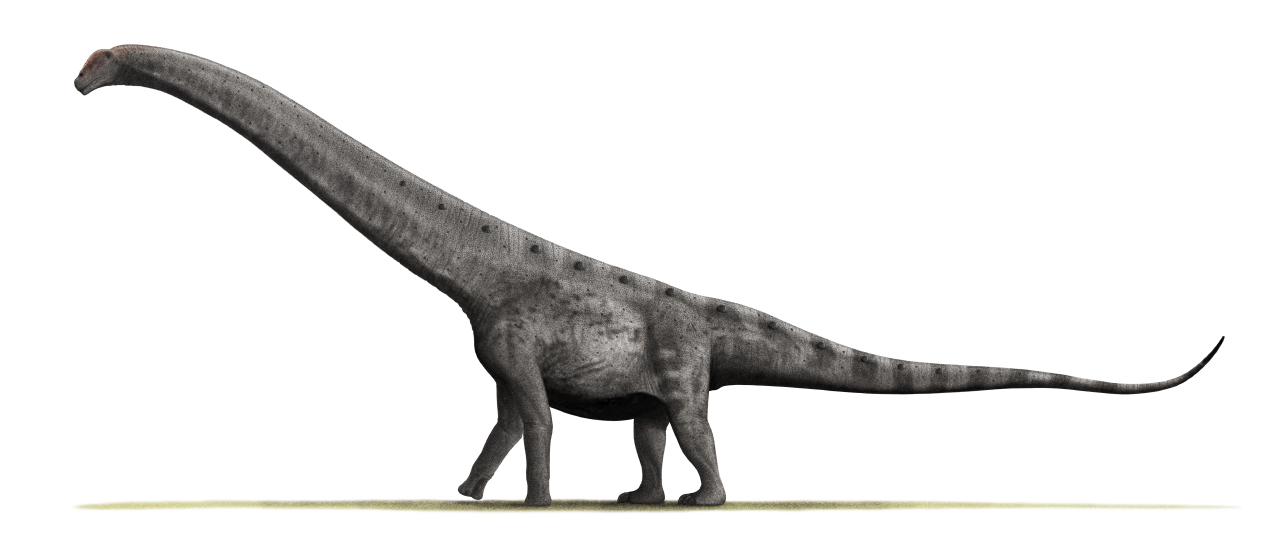
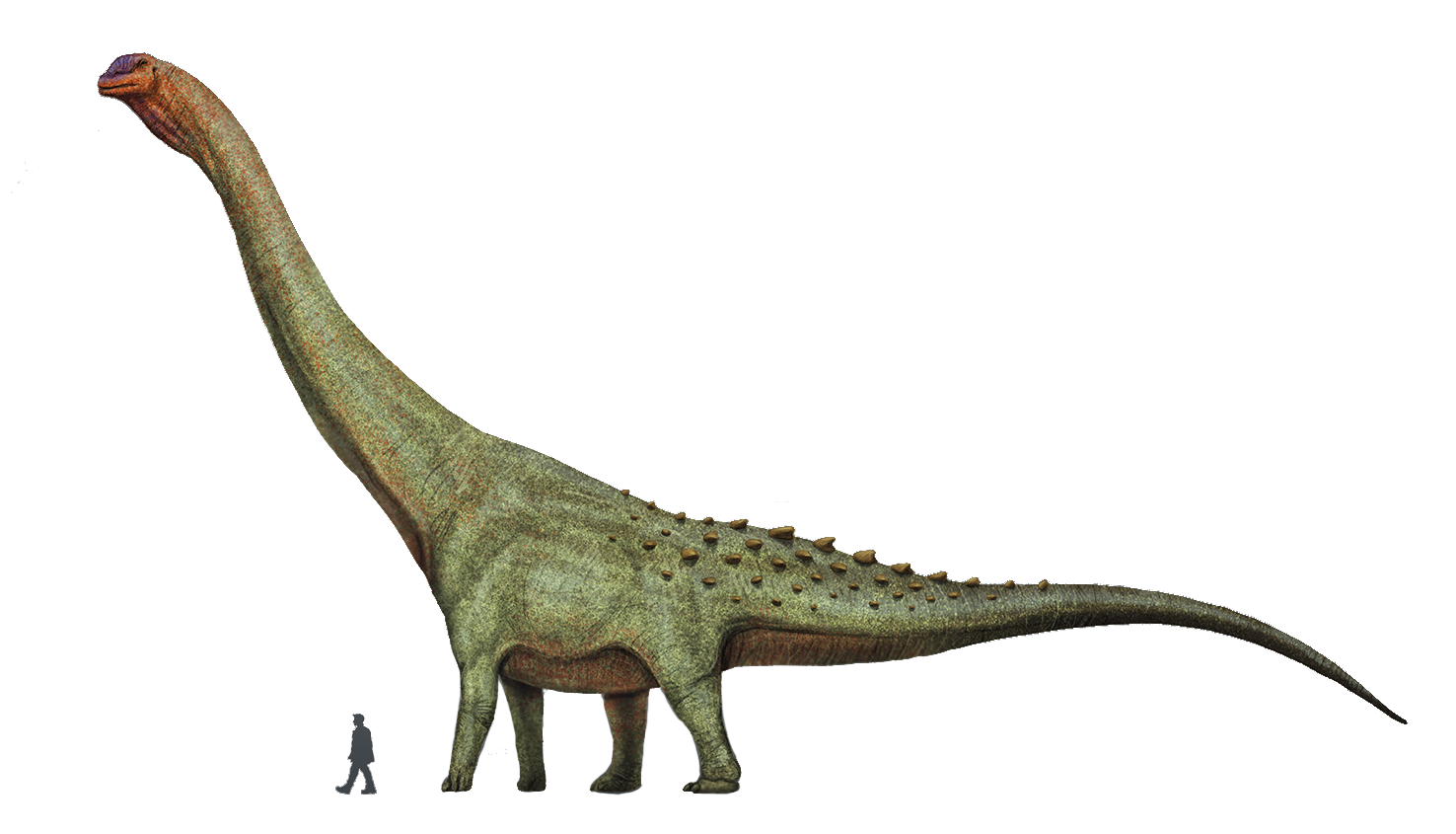
The sheer scale of Patagotitan defies comprehension. Preliminary studies and press releases suggested that Patagotitan was the largest known titanosaur and land animal overall, with an estimated length of 37 m (121 ft) and an estimated weight of 69 tonnes (76 short tons). To put this in perspective, this creature was longer than three school buses lined up end to end.
Standing next to a Patagotitan would have been like looking up at a five story building. The collection included a femur (thighbone) that measured 2.4 meters (8 feet) from end to end. Just one leg bone was taller than most humans. Tipping the scales at an estimated 69 tons, with a maximum weight of 77 tons, the new dinosaur was found to be about 10 percent bigger than Argentinosaurus, the previous record-holder.
The Scientific Team Behind the Discovery
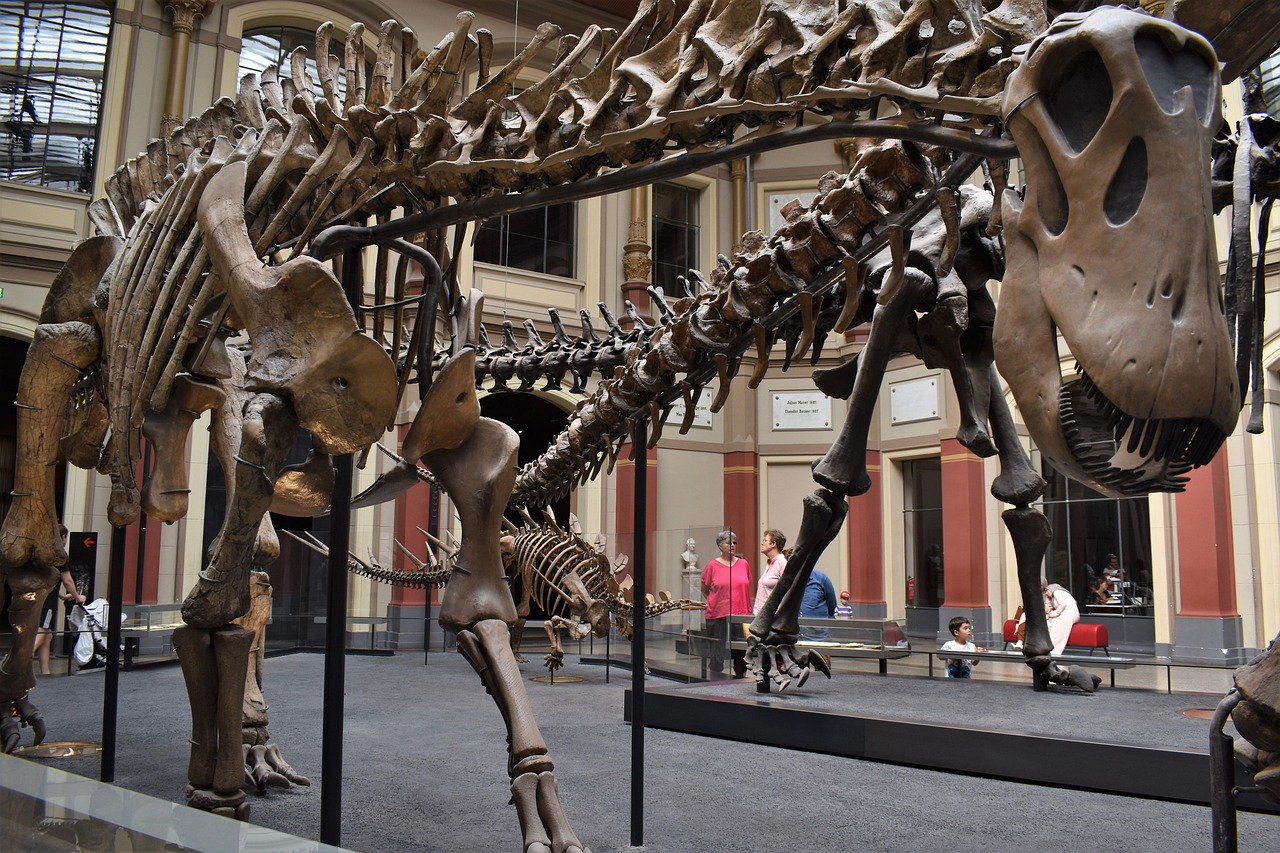
Scientists from the Museo Paleontológico Egidio Feruglio came in to investigate and soon realized the magnitude of this discovery. Paleontologists excavated over 130 fossils from at least six different individual dinosaurs – all the same type of enormous sauropod – including an eight-foot-long femur and most parts of a (very long) spine. The excavation turned into one of the most comprehensive dinosaur digs in paleontological history.
In 2017, José Luis Carballido, Diego Pol, Alejandro Otero, Ignacio Alejandro Cerda, Leonardo Salgado, Alberto Carlos Garrido, Jahandar Ramezani, Néstor Ruben Cúneo and Javier Marcelo Krause named these remains as the type species of a new genus, Patagotitan mayorum. The team worked tirelessly to piece together this prehistoric puzzle, creating the most complete picture of a giant titanosaur ever assembled.
What’s in a Name
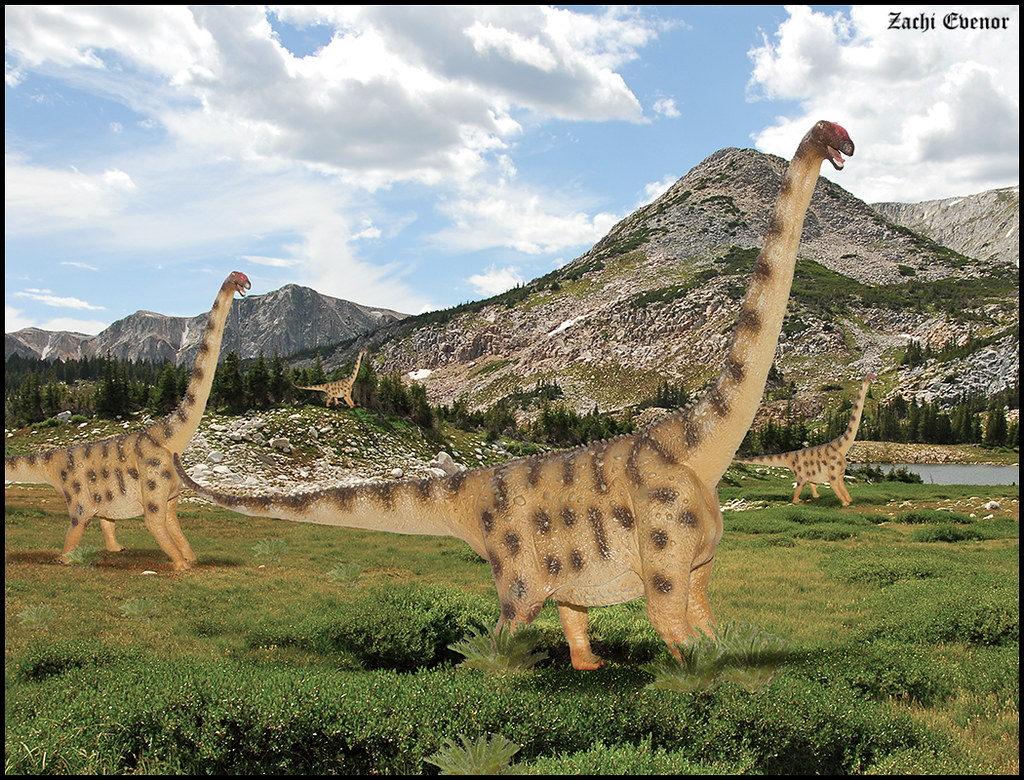
The generic name combines a reference to Patagonia with a Greek Titan for the “strength and large size” of this titanosaur. The specific name honours the Mayo family, owners of La Flecha ranch. Every part of the name tells a story of discovery, collaboration, and respect for the people who made the find possible.
The choice of “titan” was particularly fitting. The moniker was inspired by the region where this new species was discovered, Argentina’s Patagonia (Patago); by its strength and large size (titan), and by the Mayo family on whose ranch the fossils of this new sauropod species were excavated (mayorum). The name captures both the mythological grandeur and the very real scientific importance of this incredible creature.
Life in the Cretaceous World
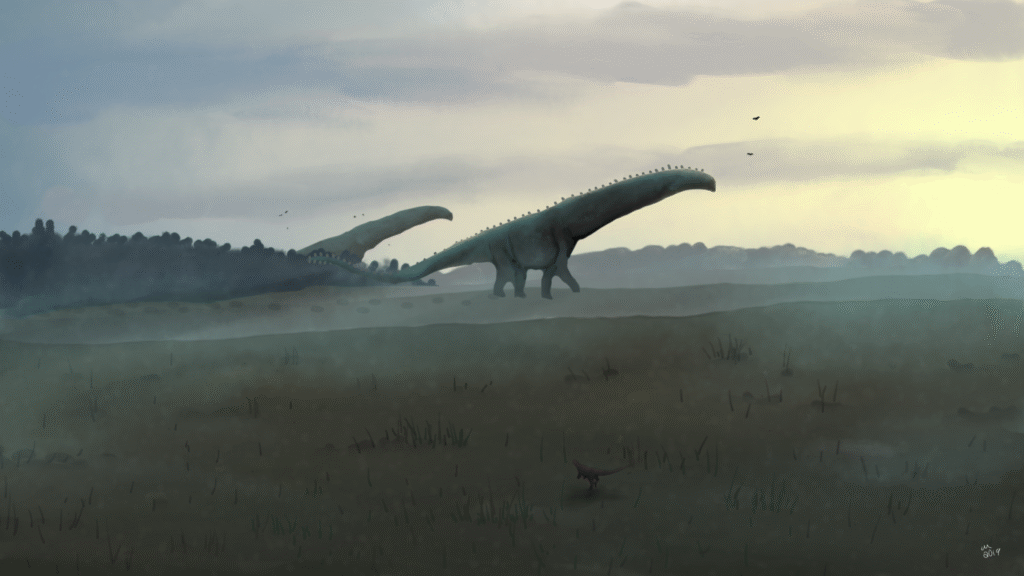
The species lived in the forests of today’s Patagonia about 100 to 95 million years ago, during the Late Cretaceous period, and is one of the largest dinosaurs ever discovered. This was a world dramatically different from today, where giant creatures roamed lush landscapes filled with coniferous forests and flowering plants.
In life, Patagotitan lived in a forested region on a floodplain that was dominated by coniferous trees. The environment was warm and humid, perfect for supporting the enormous appetites of these plant eating giants. They lived in fertile plains and river valleys with rich vegetation for them to feed on. Their blunt teeth were specialized for the purpose of stripping leaves from trees and swallowing them whole. With such massive bodies, Patagotitans would have needed to eat over 250 pounds of vegetation every day, and their long necks would have been crucial in helping them access every available food source from the ground to the highest treetops.
Engineering Marvels of Nature
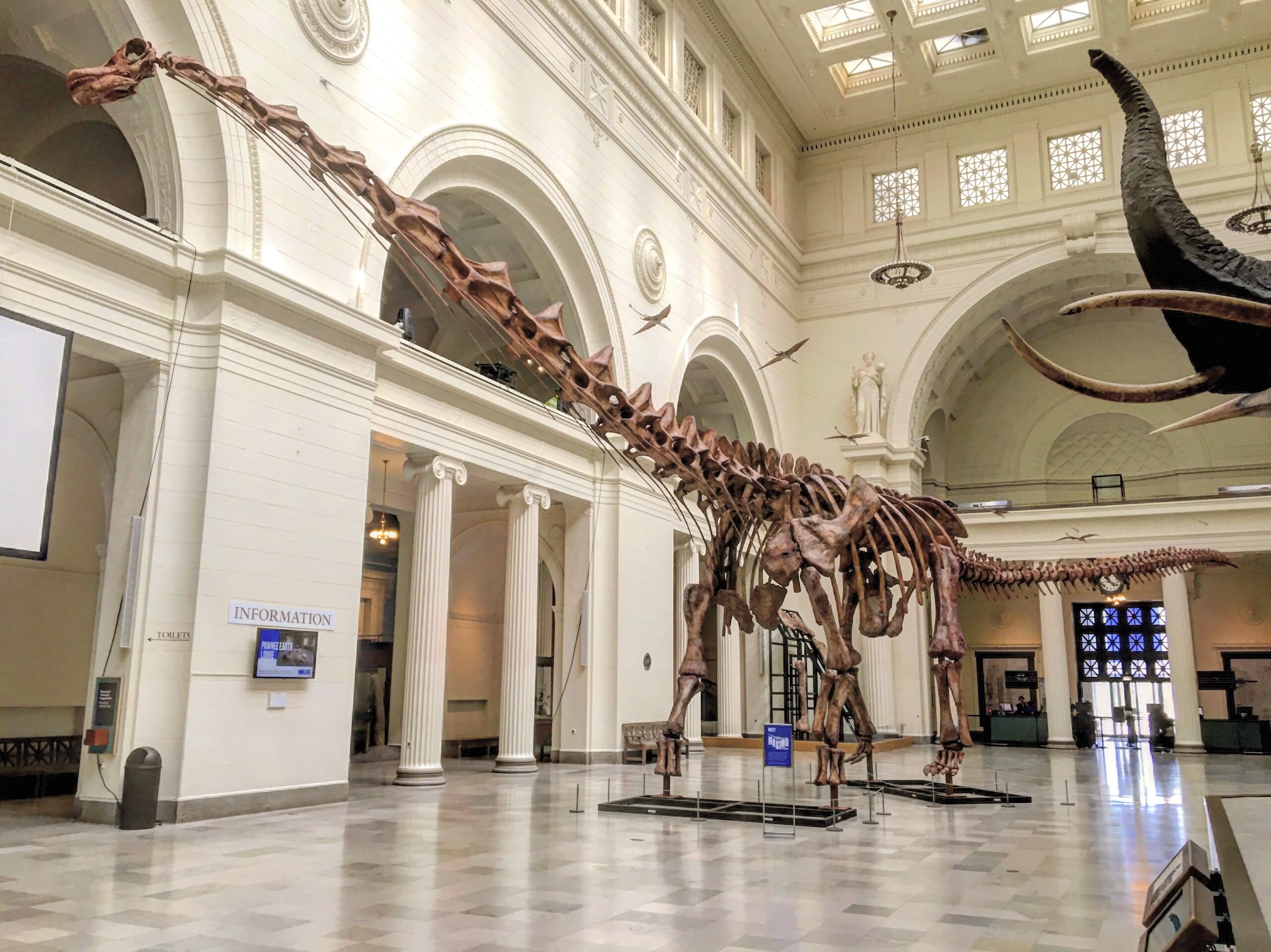
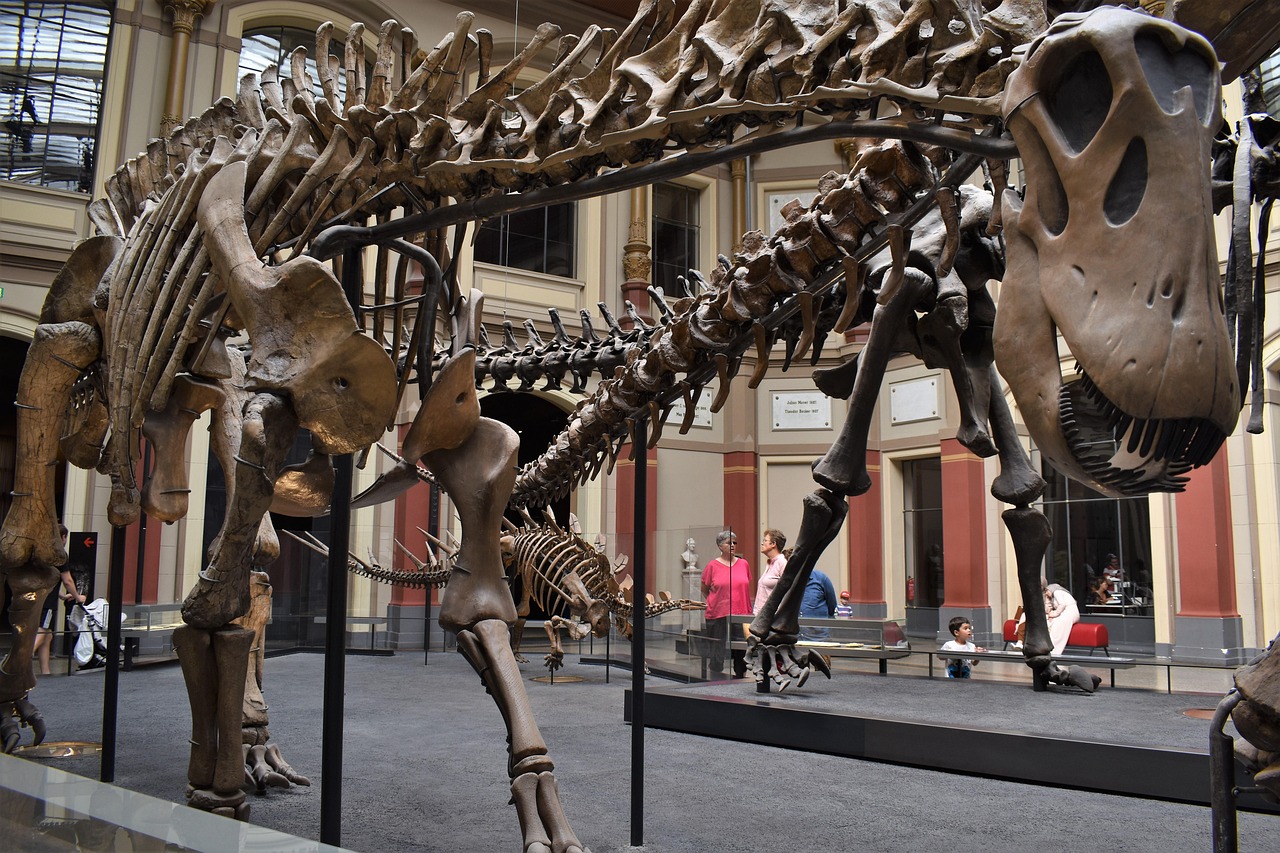
How did such an enormous creature actually function? Its leg bones were columnar and extraordinarily thick, resembling elephant legs but on a much grander scale. Titanosaurs like Patagotitan had specialized vertebrae filled with air sacs, making their massive frames surprisingly lightweight for their size. Nature had developed ingenious solutions for supporting tremendous weight.
Among these was the presence of accessory vertebral articulations known as the hyposphene-hypantrum articulations between only one pair of vertebrae at the level of the scapular blade, which was likely a weight-bearing adaptation not seen in any other sauropod (where they were either present between all pairs or between none). These unique anatomical features show how evolution fine tuned these giants for their massive size. Scientists estimate it may have been the size of a small car! This powerful organ had to generate enough pressure to push blood all the way up that 37-foot neck to the brain.
The Debate Over Size
Not all scientists agree on exactly how big Patagotitan was. In 2019 Gregory S. Paul estimated Patagotitan at 31 m (102 ft) in length and 50–55 tonnes (49–54 long tons; 55–61 short tons) in weight using volumetric models. The variation in estimates highlights the challenges paleontologists face when reconstructing ancient giants from fossilized remains.
However, almost every measurement that could be compared was larger in Argentinosaurus. Wedel also criticised the polygon-based method that Carballido and colleagues used to compare the sizes of Patagotitan and Argentinosaurus’ vertebrae, noting that the former was largely empty space. This scientific debate continues as researchers develop better methods for estimating dinosaur size and mass from incomplete fossil evidence.
Museum Giants Around the World
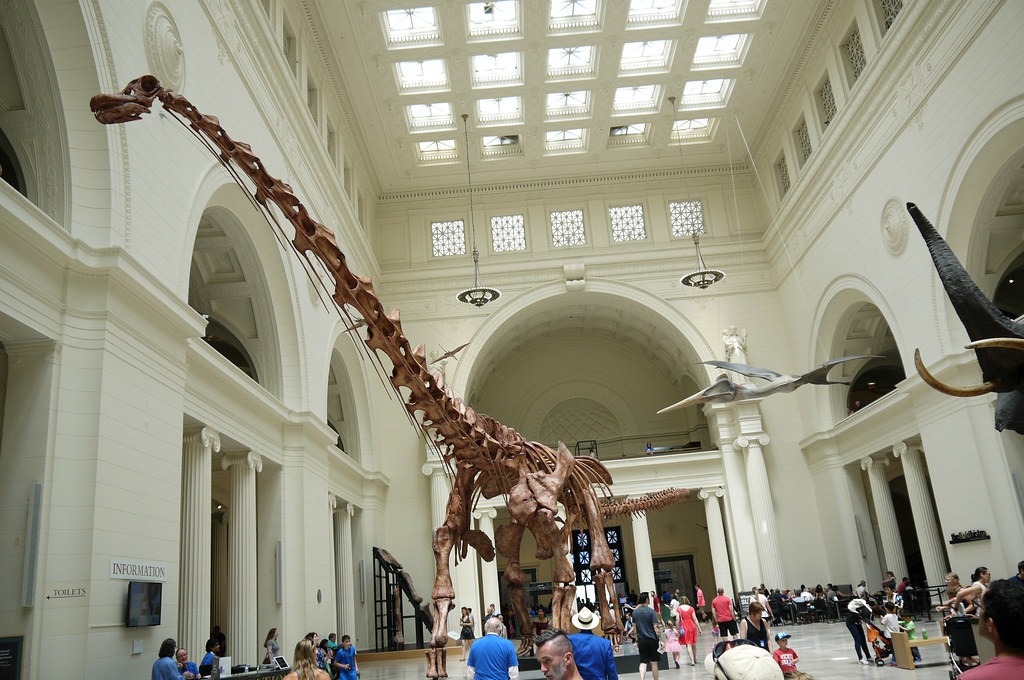
Named Máximo, meaning “maximum” or “most” in Spanish, our titanosaur cast reaches 122 feet across Stanley Field Hall on our main floor and stands 28 feet tall at the head. Museums around the world now display replicas of this incredible creature, allowing visitors to experience its enormous scale firsthand.
The Titanosaur cast grazes the gallery’s approximately 19-foot-high ceilings, and, at 122 feet, is just a bit too long for its home. Instead, its neck and head extend out towards the elevator banks, welcoming visitors to the “dinosaur” floor. These displays give people a chance to stand in the shadow of the largest land animal that ever lived. Replicas of Patagotitan are quite rare, with only a few on display worldwide – one at Chicago’s Field Museum and another at New York’s Museum of Natural History.
The Ongoing Mystery
Despite all the discoveries, questions remain about these ancient giants. Researchers say there was likely “one major event” that allowed this endemic clade to become so big. Scientists say there was probably “one major event” that allowed a group of titanosaurs to reach huge sizes. What evolutionary pressures drove these creatures to grow so large? The answer may lie in predator avoidance, food availability, or climate changes.
“Of course every group of animal will have its own limits, but in the case of dinosaurs they had a group of adaptations that allowed them to reach such giant sizes,” Carballido says. “There could be [bigger], but probably we are pretty close to the size limit.” Yet the possibility of finding even larger dinosaurs can’t be completely ruled out. Statistically, we’ve another 25 or so dinosaurs to discover before the end of the year. Could Patagotitan be bumped from the prehistoric podium?
Conclusion
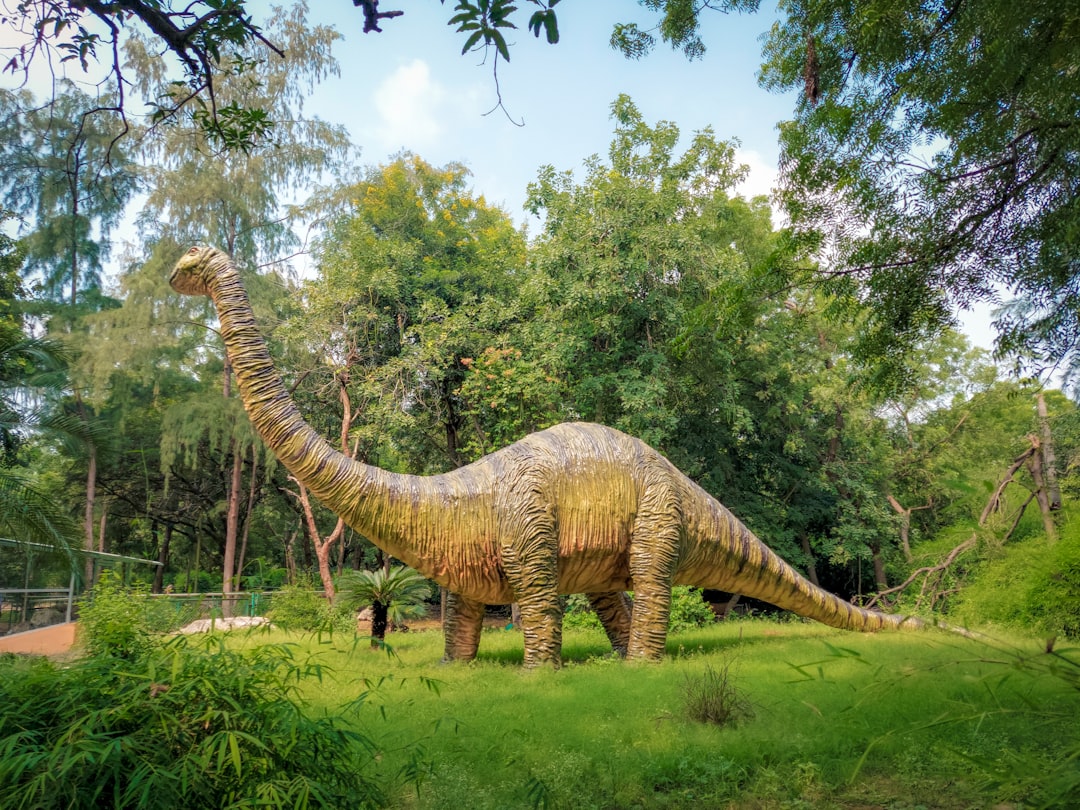
The discovery of Patagotitan mayorum stands as one of the most significant paleontological finds in recent history. From a chance encounter by a farm worker to groundbreaking scientific research, this colossal dinosaur has expanded our understanding of what life on Earth was capable of achieving. “We have solid scientific evidence which leads us to claim that Patagotitan was the largest dinosaur discovered so far on Earth,” paleontologist José Luis Carballido stated with confidence.
This gentle giant from Argentina’s ancient past continues to inspire wonder and scientific inquiry. Whether it will retain its title as the largest dinosaur ever found remains to be seen, but its impact on our understanding of prehistoric life is undeniable. Standing in museums around the world, Patagotitan serves as a monument to the incredible diversity and scale that life once achieved on our planet.
What do you think about these prehistoric titans that once roamed our planet? Tell us in the comments.