When you think about dinosaurs, what picture comes to mind? Most of us imagine massive, brown or gray beasts lumbering through ancient forests. Yet scientists have discovered something that changes everything we thought we knew about these prehistoric creatures. They dinosaurs that would make modern peacocks jealous with their spectacular rainbow displays.
Imagine walking through a Jurassic forest and encountering a creature that sparkled like a jewel in the sunlight. This isn’t science fiction, honestly. Thanks to remarkable fossil discoveries and cutting-edge technology, researchers have unveiled the true colors of some of Earth’s most ancient inhabitants.
Meet Caihong juji – The Rainbow Dinosaur
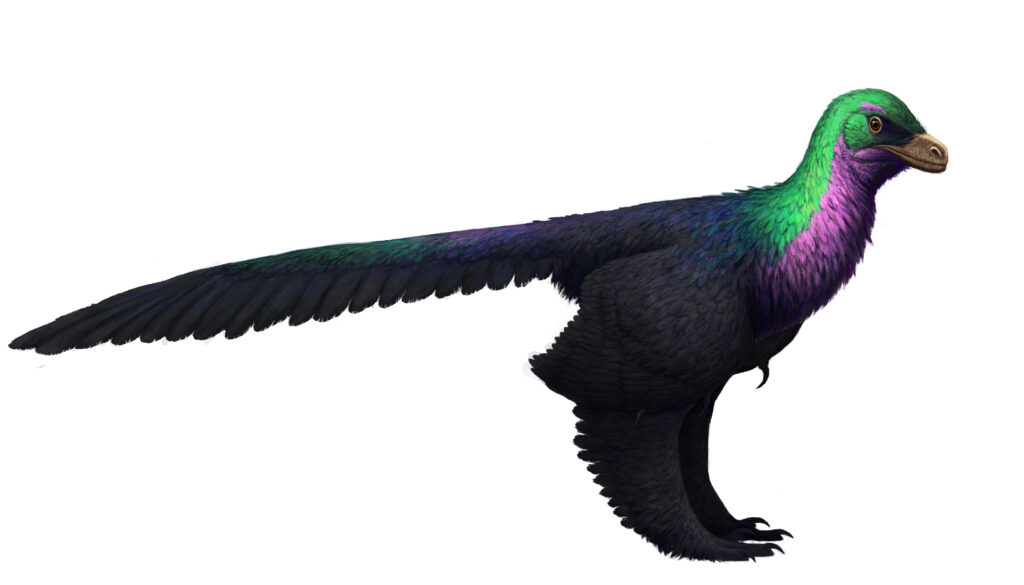
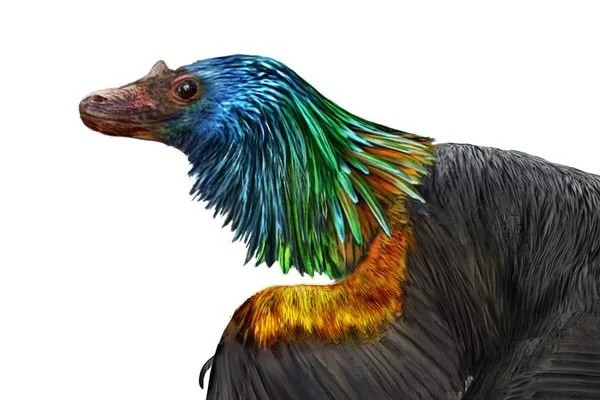
Caihong juji was tiny, about the size of a duck, with a bony crest on its head and long, ribbon-like feathers. This little dinosaur lived approximately 160-161 million years ago during the Middle to Late Jurassic period in what is now northeastern China. Its name literally translates to “rainbow” in reference to the splendor of the fossil and the spectrum of new scientific insights it offers.
Picture a creature the size of a mallard duck, but with feathers that shimmered and changed color as it moved through dappled sunlight. Based on its stunningly preserved remains, scientists say the dinosaur’s head and chest seem to have been covered with iridescent feathers akin to those on modern hummingbirds. The discovery came from a quarry in northeastern China the skeleton of a small theropod.
How Scientists Uncovered Its True Colors
The breakthrough in revealing dinosaur colors came from studying microscopic structures called melanosomes. The biological key to solving the coloration puzzle comes down to miniscule structures called melanosomes. These tiny organelles contain the pigments that create colors in modern birds and were preserved in the fossil feathers for millions of years.
When an international team of scientists including Dongyu Hu, a paleontologist at China’s Shenyang Normal University, examined the fossil, they that its well-preserved remnants contained traces of pigment in its feathers. The team sampled 66 sites across the fossil, comparing the melanosomes they saw with melanosomes from modern bird feathers. Think of it like comparing fingerprints, where different shapes create different colors when light hits them.
The Science Behind Rainbow Feathers

If you took a hummingbird feather and smashed it into tiny pieces, you’d only see black dust. The pigment in the feathers is black, but the shapes of the melanosomes that produce that pigment are what make the colors in hummingbird feathers that we see. This revelation changed everything about how we understand prehistoric coloration.
On Caihong’s head, chest, and parts of its tail, the researchers saw melanosomes that were long, flat, and organized into sheets. These patterns most closely match the melanosomes in the iridescent throat feathers of hummingbirds. In hummingbirds, similar structures split light like a prism, creating a metallic sheen that changes color with the viewing angle. The result would have been absolutely stunning in real life.
What Made Caihong Truly Special
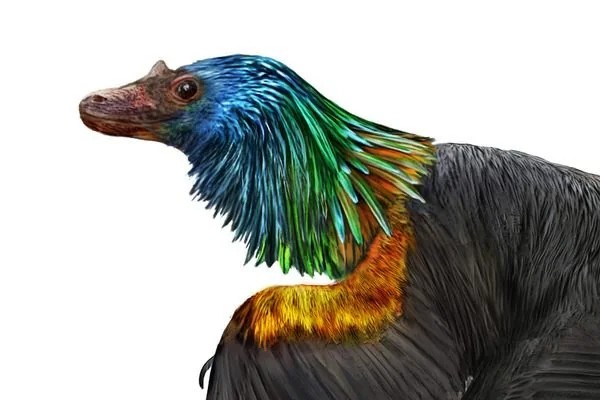
Beyond its spectacular coloring, Caihong possessed features that made it unique among dinosaurs. The dinosaur also has a bird-like body, including the sorts of feathers required for flight, but it has a crested head that more closely resembles that of a Velociraptor. This bizarre combination puzzled scientists initially.
It’s also the earliest known animal with asymmetrical feathers. But while Caihong’s feathers were a first, it had other traits associated with much earlier species of dinosaurs, including the bony crest on its head. The asymmetrical feathers appeared on its tail rather than wings, suggesting these early fliers had completely different flight mechanics than modern birds.
Other Colorful Dinosaur Discoveries

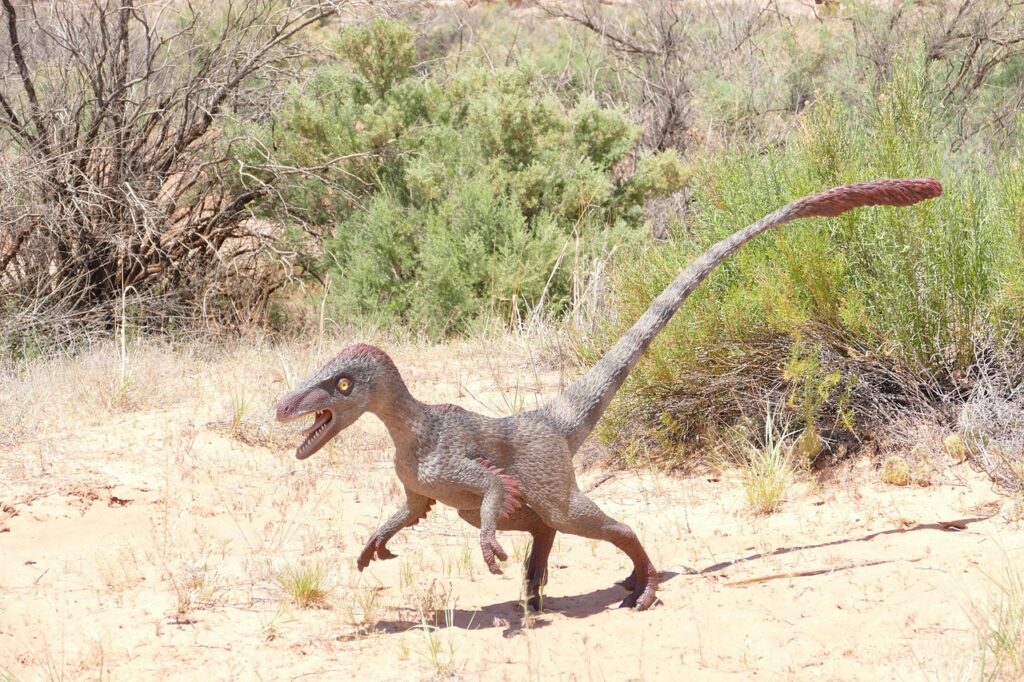
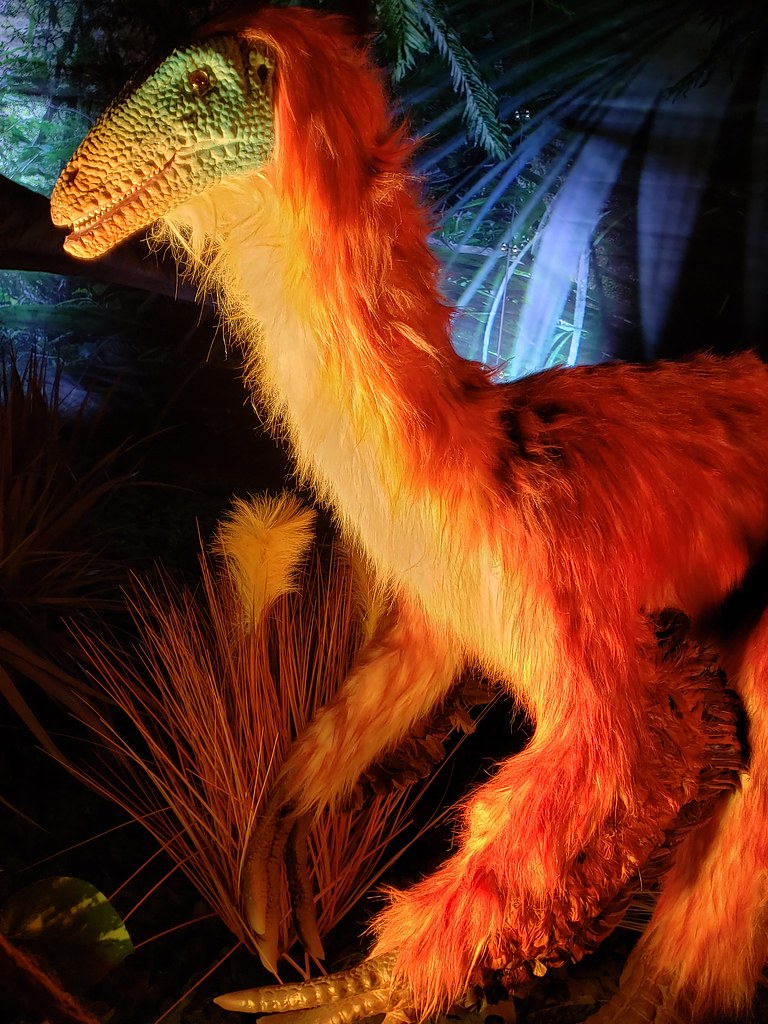
Caihong wasn’t alone in sporting vivid colors during the Mesozoic era. Sinosauropteryx was a long-tailed, turkey-sized meat-eater that lived approximately 125 million years ago in northeastern China and sported a gingery-brown coat of downy feathers, with a dark back and lighter underbelly. This little predator looked remarkably similar to a modern raccoon with its distinctive markings.
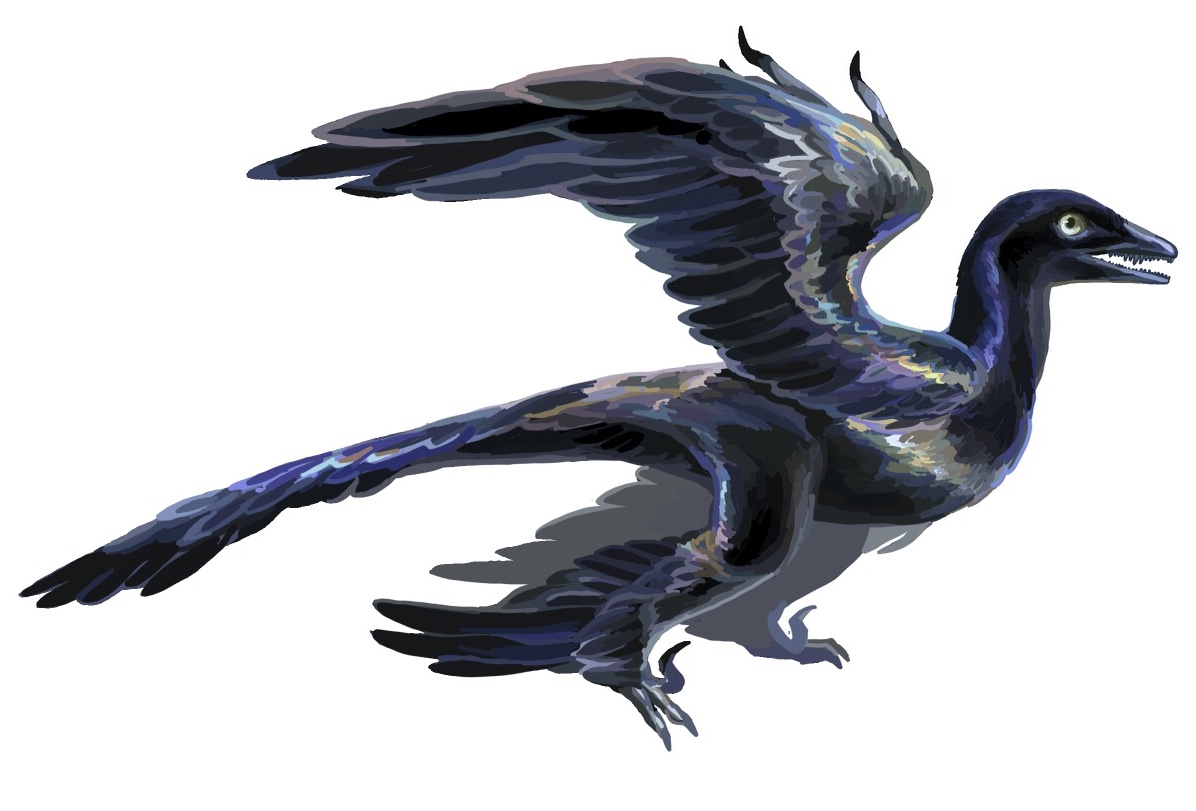
Microraptor was determined to have iridescent black coloration, creating a glossy, crow-like appearance that would have been striking against the ancient landscape. A 2017 examination of melanosomes preserved in a specimen of Borealopelta indicated that the nodosaurid had a reddish-brown coloration in life, with a counter-shaded pattern that may have been used for camouflage. Even massive armored dinosaurs needed to hide from predators.
Why These Colors Mattered
The vibrant displays weren’t just for show. Iridescent colouration is well known to be linked to sexual selection and signalling, and we report its earliest evidence in dinosaurs. Just like modern peacocks fanning their tails or cardinals flashing their red feathers, these ancient creatures used color to communicate with potential mates.
The flashy display may have provided a social or sexual cue, like modern peacock tails. The bony crest on Caihong’s head likely worked alongside its rainbow feathers to create an impressive courtship display. Scientists believe males probably showed off their most brilliant colors during mating season, turning Jurassic forests into natural fashion shows.
The Revolutionary Impact on Paleontology
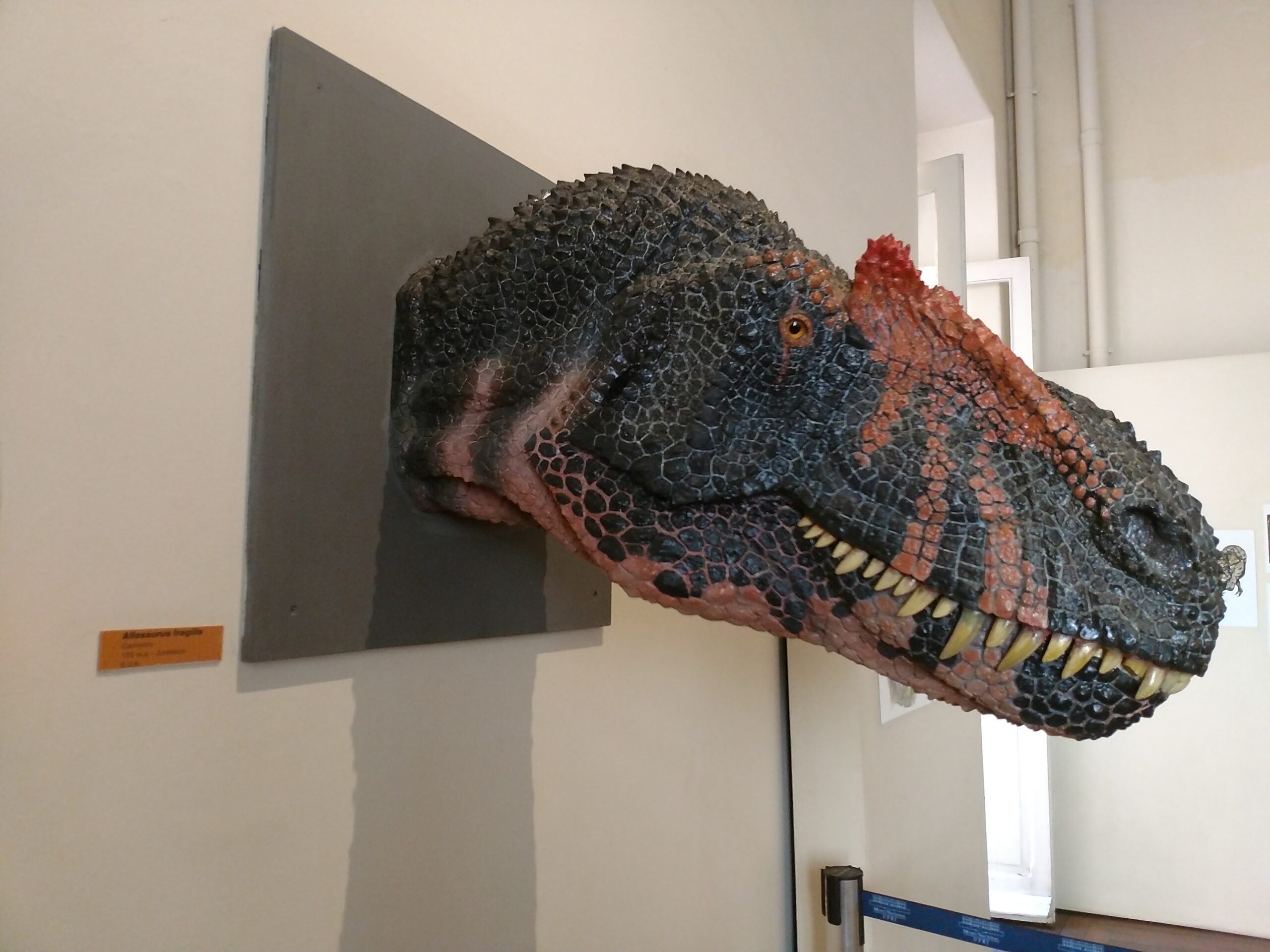
These color discoveries have revolutionized how paleontologists view prehistoric life. Thanks to a combination of delicate preservation and advanced imaging technology, allowing researchers to see the microscopic details of fossils, paleontologists are learning more than ever about the Mesozoic palette. We’re no longer limited to imagining dinosaurs as drab, colorless creatures.
The technology has opened new windows into understanding ancient behavior and ecology. Our discovery that it possessed iridescent plumage suggests otherwise because in modern birds such coloration is typically in species that are active in the daytime. The bold coloring of Anchiornis, for its part, probably helped to attract mates or served as some other kind of display, as occurs in flashily dressed modern birds. Colors can now tell us whether dinosaurs were nocturnal or diurnal, predator or prey.
These discoveries have transformed our understanding of prehistoric life from black and white movie monsters into living, breathing creatures as vibrant as anything alive today. The next time you see a hummingbird flash its iridescent throat or watch a peacock spread its magnificent tail, remember that you’re witnessing behaviors and displays that have existed for over 160 million years. What other colorful secrets might be waiting in the rocks beneath our feet?