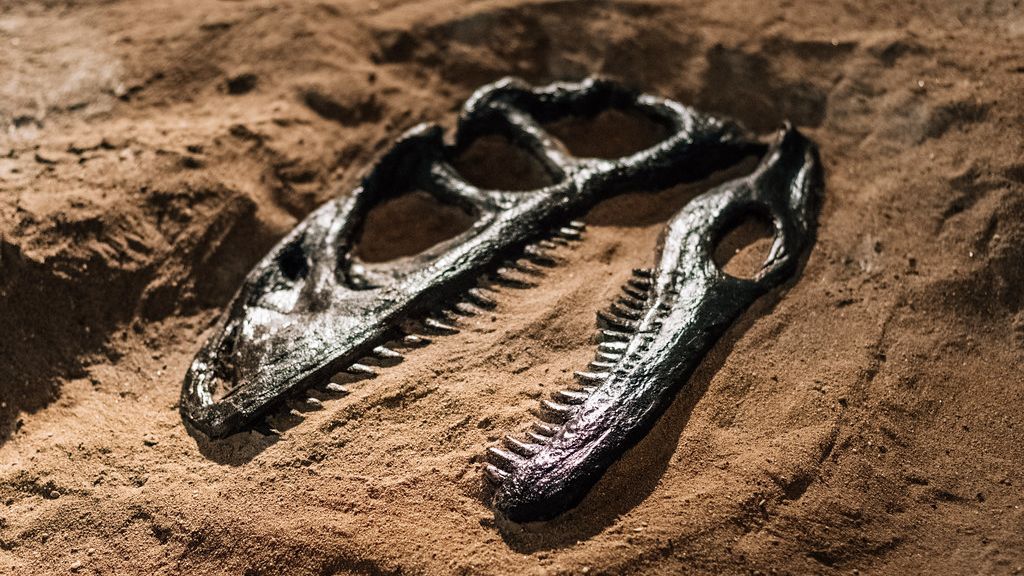
Picture walking through a park and spotting something extraordinary. Instead of the familiar gray pigeons and brown sparrows, imagine creatures with shimmering iridescent feathers that shift colors in the sunlight, powerful legs built for incredible speed, and heads crowned with elaborate crests. This isn’t fantasy – it’s a glimpse into what dinosaurs might look like if they still roamed our world .
Recent discoveries have revolutionized our understanding of these ancient giants. Scientists are no longer content with the traditional image of dull, scaly lizards. Through cutting-edge technology and remarkable fossil finds, we’re discovering that dinosaurs were likely as colorful and dynamic as the most spectacular birds alive . Scientists have made remarkable discoveries about the ancient animals in recent decades – from the color of their skin and feathers to how they lived and evolved. Let’s dive in and explore what these magnificent creatures would really look like if they were alive .
Feathers Would Dominate, Not Scales
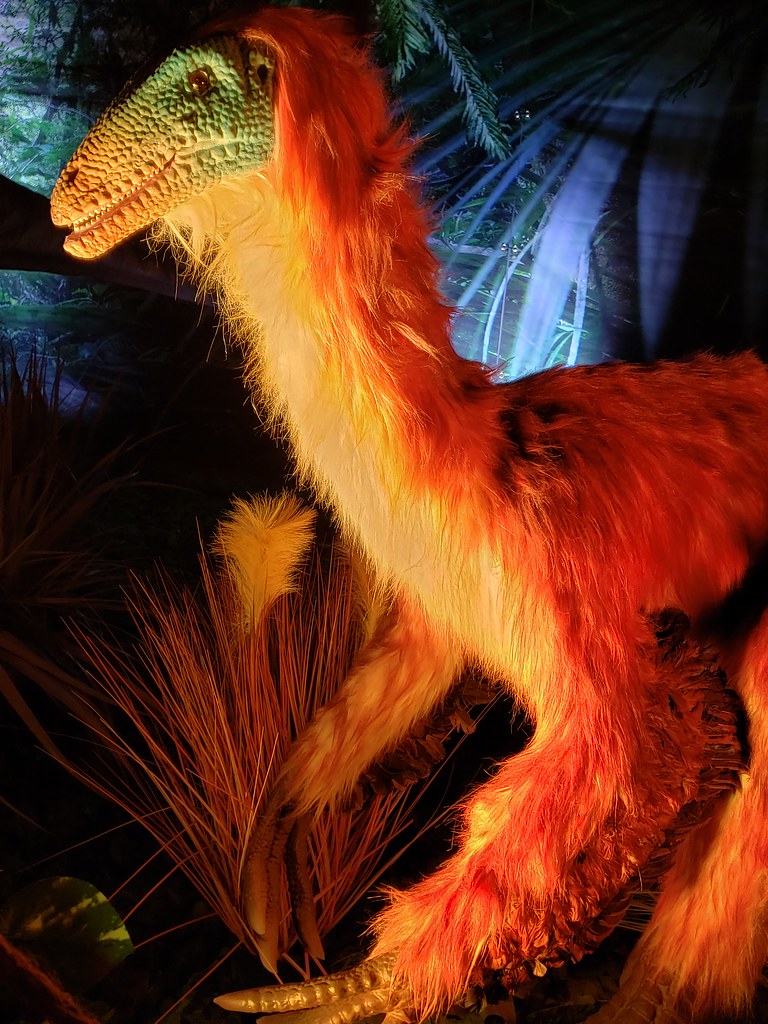
The biggest revelation that would transform our view of modern dinosaurs is the widespread presence of feathers. Far from the leathery, scaled monsters of our imagination, many dinosaurs would sport magnificent plumage. But in the past several decades, says Tseng, paleontologists around the world have uncovered dinosaur bones with feathers around them, representing species they didn’t realize were feathered before, including tyrannosaurs, the group of predatory dinosaurs that the T. rex belonged to.
These weren’t just simple, fluffy coverings. Dinosaurs would display an incredible variety of feather types, from downy insulation to elaborate display plumes. Recent discoveries, however, have unearthed evidence for feathered non-avian dinosaurs. Many species would look surprisingly bird-like, challenging our preconceptions about these ancient creatures and making them appear more vibrant and dynamic than ever imagined.
Vibrant Colors and Dazzling Displays
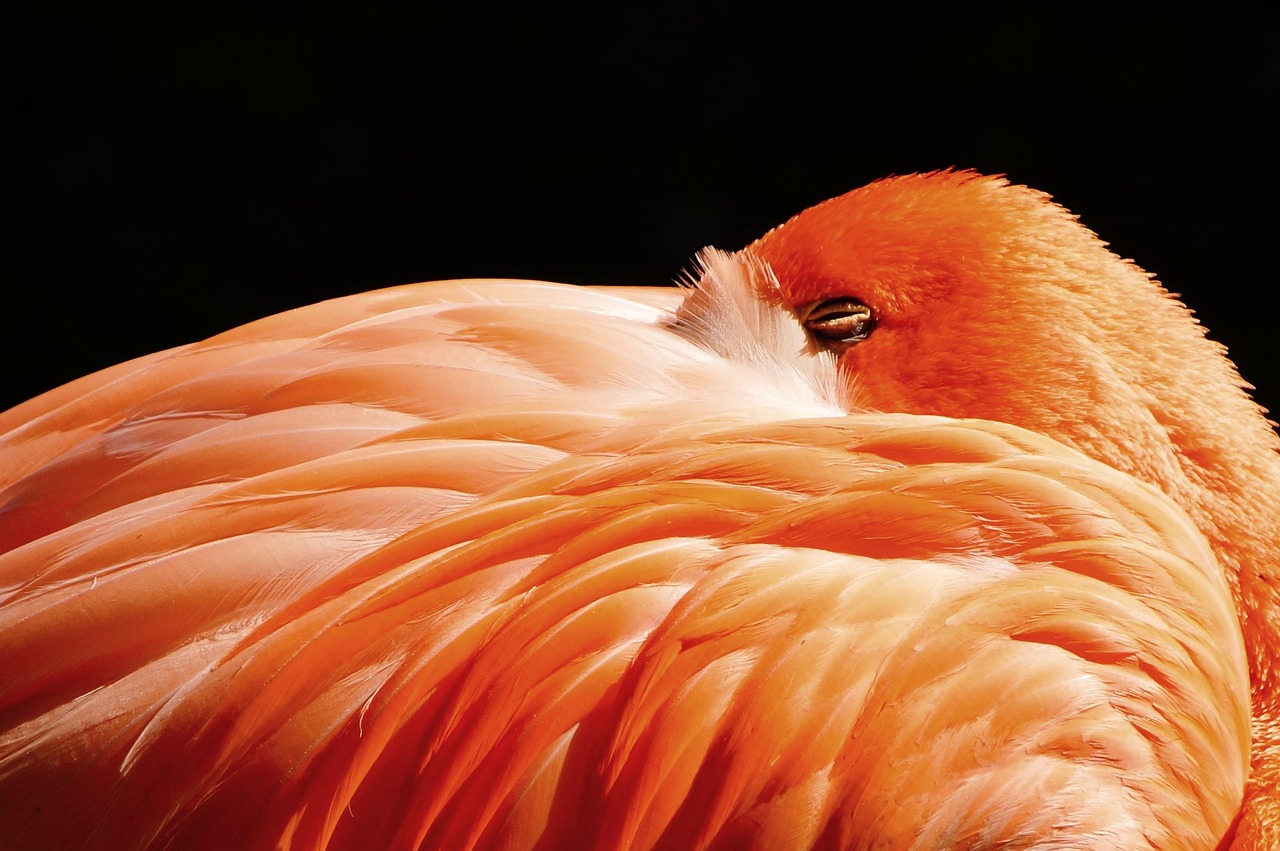
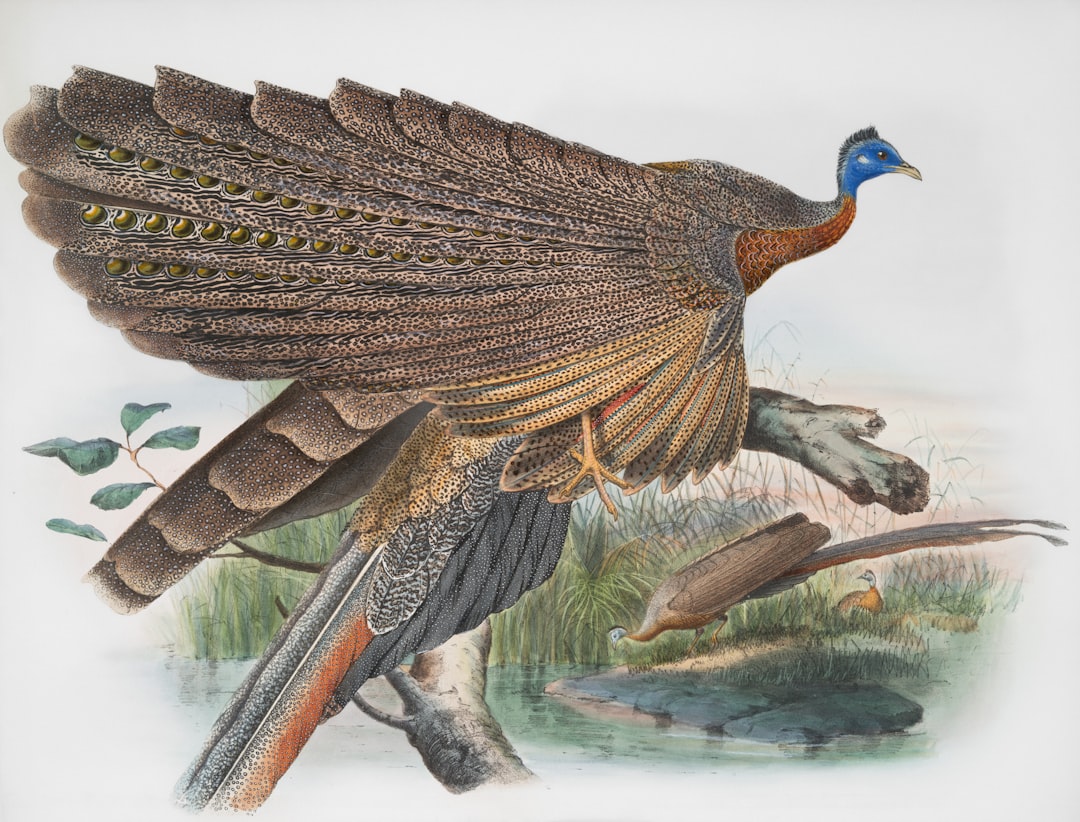
Forget the drab grays and browns typically shown in movies. Modern dinosaurs would likely be some of the most colorful animals on Earth. The non-avian dinosaur’s fossilized plumage, which had hues of black and blue like a crow, is the earliest record of iridescent feather color. Species like Microraptor would gleam with metallic sheens, their feathers shifting from deep black to brilliant blue as they moved.
Even more spectacular would be creatures like Caihong juji, whose name literally means “rainbow with a big crest.” Sublimely preserved, the critter was dubbed Caihong juji, which is Mandarin for “rainbow with a big crest,” in tribute to the microscopic structures in the fossil that suggest this Jurassic dino sported a coat of iridescent feathers These dinosaurs would display colors rivaling the most brilliant hummingbirds, with feathers that create prismatic effects in sunlight.
Elaborate Crests and Ornamental Features
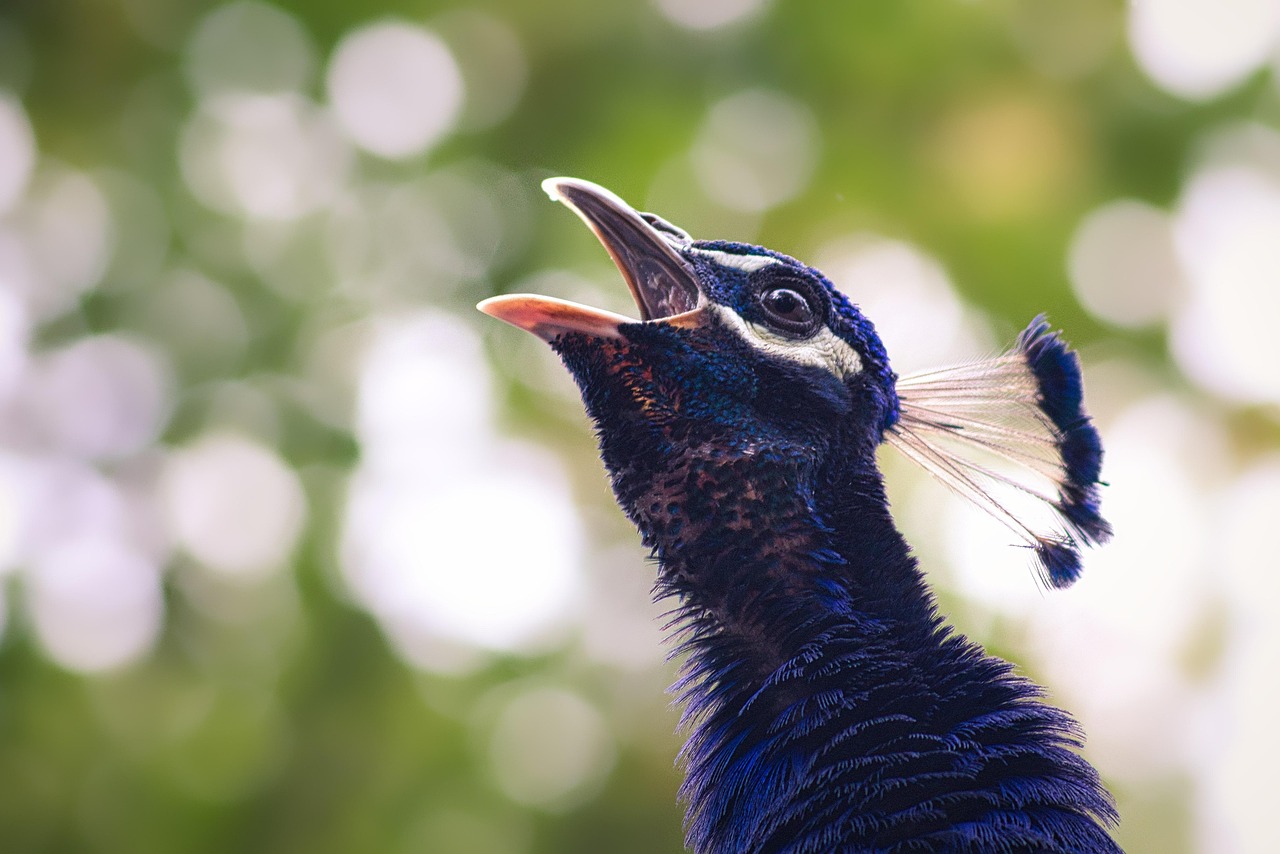
Modern dinosaurs would sport some of the most impressive headgear in the animal kingdom. Many species would feature prominent bony crests, colorful wattles, and elaborate feathered displays on their heads and necks. Caihong juji, a newly discovered species of dinosaur, was duck-sized with a bony crest on its head, and long, ribbon-like feathers that were likely iridescent. But while Caihong’s feathers were a first, it had other traits associated with much earlier species of dinosaurs, including the bony crest on its head.
These ornamental features wouldn’t just be for show. Like modern birds, dinosaurs would use their colorful displays for attracting mates, establishing dominance, and communicating with their kind. The combination of brilliant feathers and striking bone structures would create some of nature’s most spectacular displays, far exceeding anything we see in ‘s animal kingdom.
Surprisingly Agile and Bird-Like Bodies
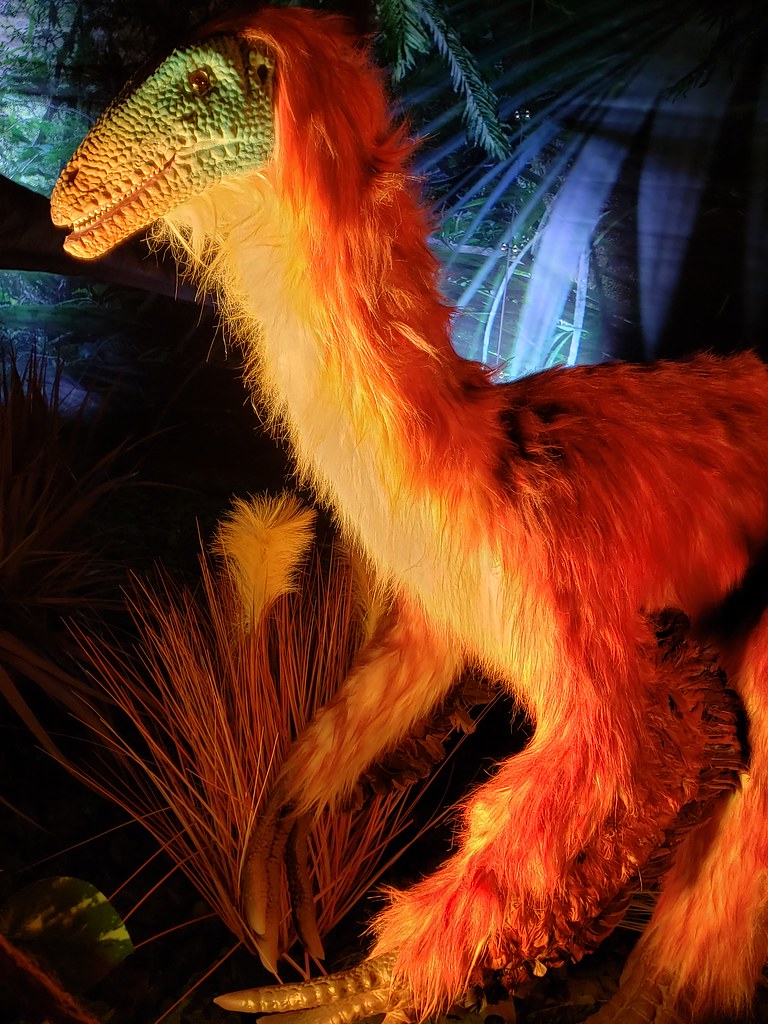
The lumbering, tail-dragging giants of popular culture would be nowhere to be found. Modern dinosaurs would move with surprising grace and agility, their bodies built more like oversized birds than giant reptiles. “The first birds were almost identical to the late embryo from velociraptors,” Abzhanov said. “Modern birds became even more babylike and change even less from their embryonic form.” In short, birds resemble tiny, infantile dinosaurs that can reproduce.
Many theropod dinosaurs would display remarkable similarities to their modern bird descendants. Their posture would be upright and dynamic, with long legs built for speed and powerful arms adapted for various functions. The traditional image of slow, cold-blooded reptiles would be replaced by active, warm-blooded creatures that move with the energy and purpose of large predatory birds.
Massive Yet Graceful Giants
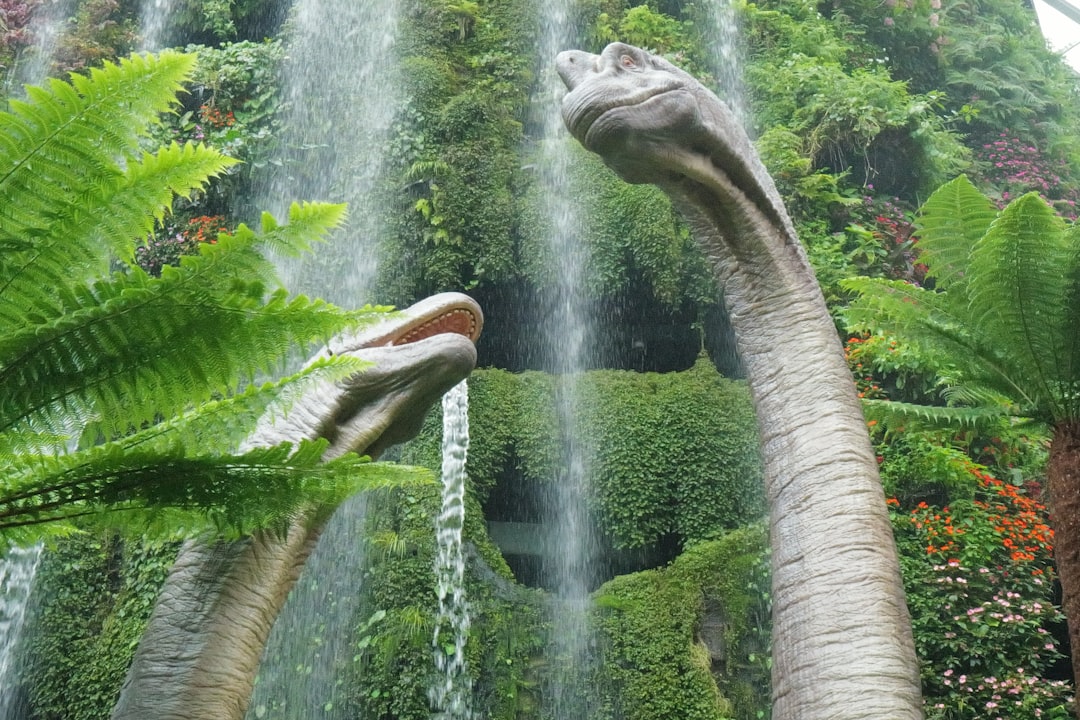
The largest dinosaurs would still be impressive in size, but their appearance would be far more elegant than traditionally depicted. Instead of massive, bloated bodies barely supported by thick legs, these giants would have streamlined forms with powerful but proportionate limbs. Most dinosaurs, and even prehistoric mammals, are “shrink-wrapped,” Ugueto says – the colloquial term for paleoart that squeezes the bones and muscles under a gaunt layer of skin.
Modern reconstructions show these creatures would have substantial fat layers and muscle mass, giving them a more robust and lifelike appearance. Rather than looking like animated skeletons, they would appear as the powerful, living animals they once were, with bodies built to support their enormous size while maintaining surprising mobility and grace.
Intelligent Eyes and Expressive Faces
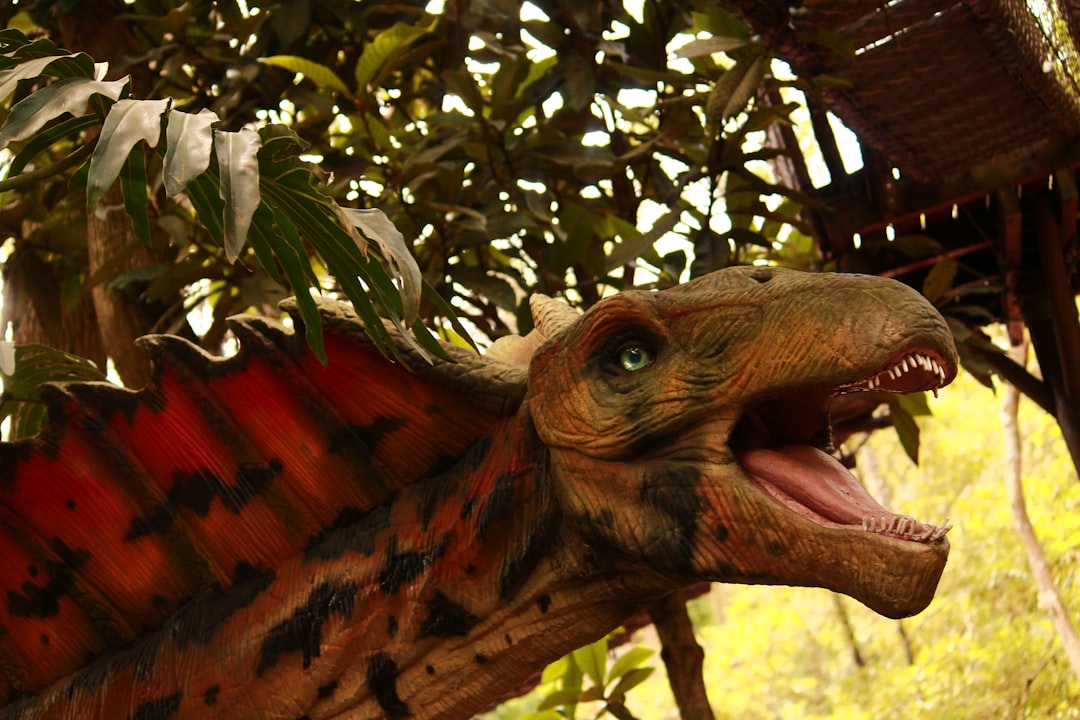
Gone would be the vacant, reptilian stares of old depictions. Modern dinosaurs would have intelligent, alert eyes and surprisingly expressive faces. Many species would display complex social behaviors, with facial expressions and body language as nuanced as those of modern intelligent birds like ravens or parrots.
Birds that fill the world’s skies are living dinosaurs, reminders of a distant and strange past. Decades of major new discoveries and studies have convinced researchers that there’s a direct link between modern bird species and theropod dinosaurs. Their eyes would be large and keen, adapted for hunting or foraging, and their faces would show the intelligence we now know many dinosaurs possessed.
Varied Feeding Adaptations
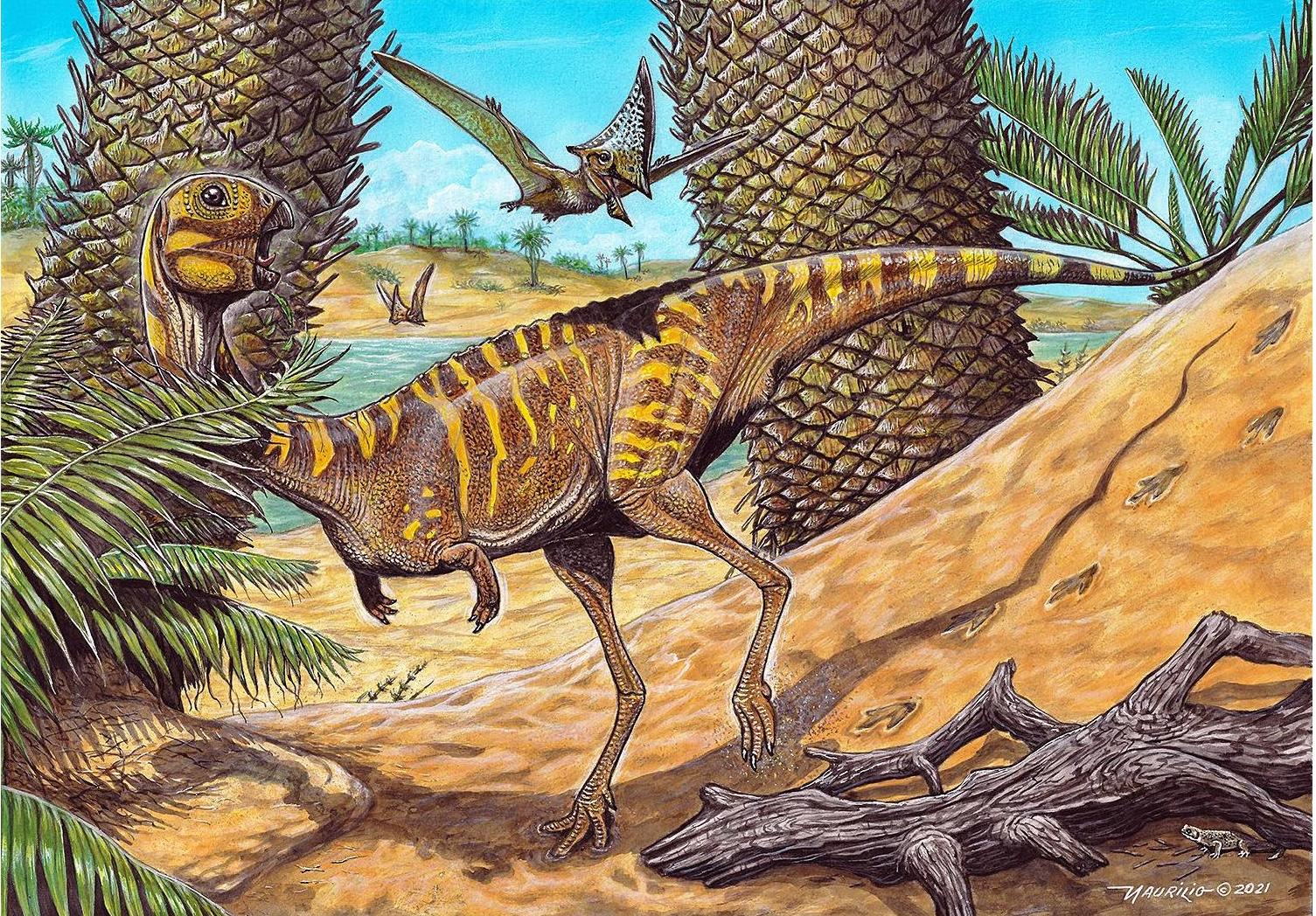
The diversity of feeding strategies would be immediately apparent in modern dinosaurs’ appearances. Instead of generic “meat-eater” or “plant-eater” categories, we’d see highly specialized feeding adaptations. Some would have powerful beaks for cracking nuts, others would sport long, probing bills for extracting insects, and still others would have massive grinding teeth for processing tough plant material.
Fossilized jaws, teeth, and dung provide important clues about what non-avian dinosaurs ate. Duck-billed dinosaurs would display impressive dental batteries, while predatory species would show razor-sharp teeth and powerful jaw muscles. Each species would be perfectly adapted to its ecological niche, showing the same specialized diversity we see in modern animals.
Social Creatures with Complex Behaviors
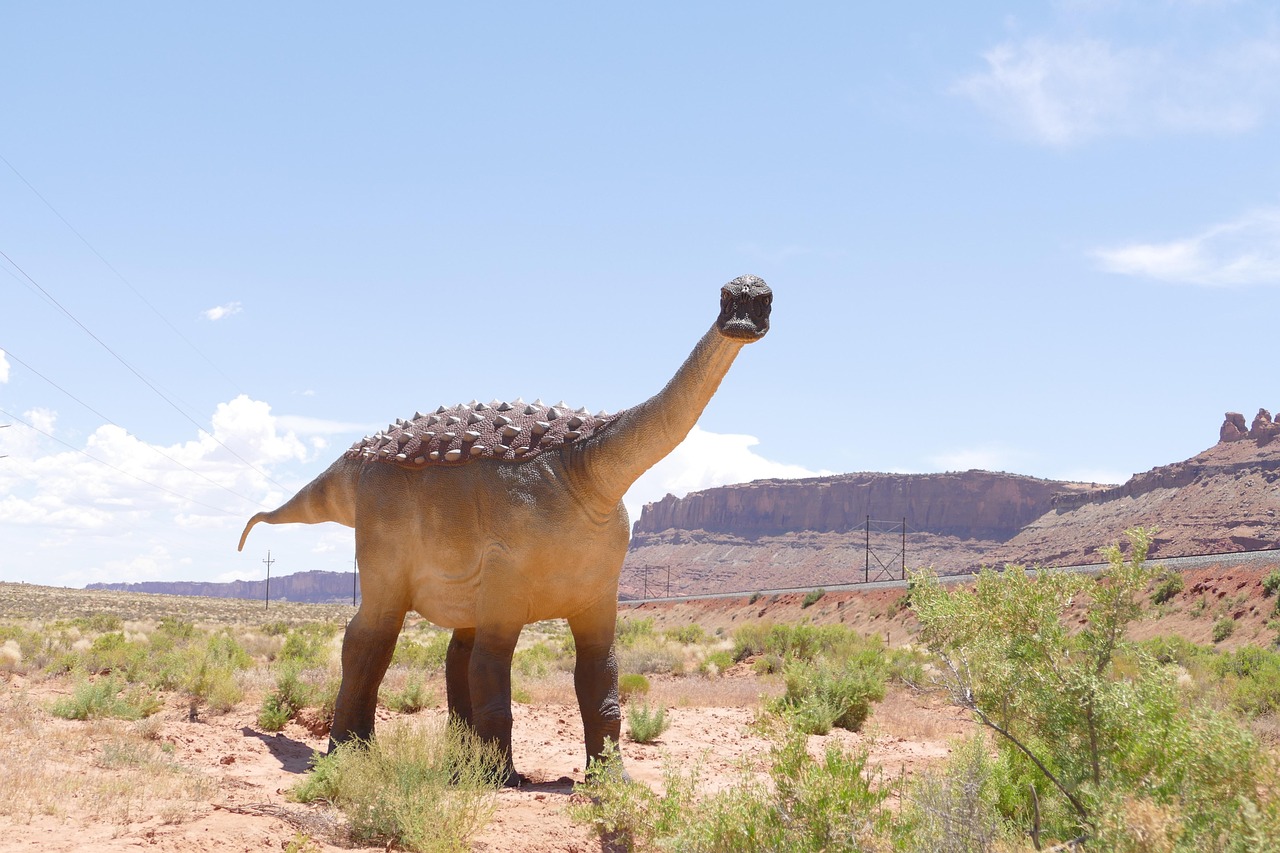
Modern dinosaurs would be highly social animals, living in complex groups with intricate social hierarchies. Many species would engage in elaborate courtship displays, with males showing off their colorful plumage and performing intricate dances to attract mates. “Iridescent colouration is well known to be linked to sexual selection and signalling, and we report its earliest evidence in dinosaurs,” said researcher Julia Clarke of the University of Texas Jackson School of Geosciences.
Parental care would be evident, with adults tending to nests and caring for their young. Some species would migrate in vast herds, while others would maintain territories or live in small family groups. Their social behaviors would be as complex and varied as those of modern mammals and birds.
Living Descendants Walking Among Us
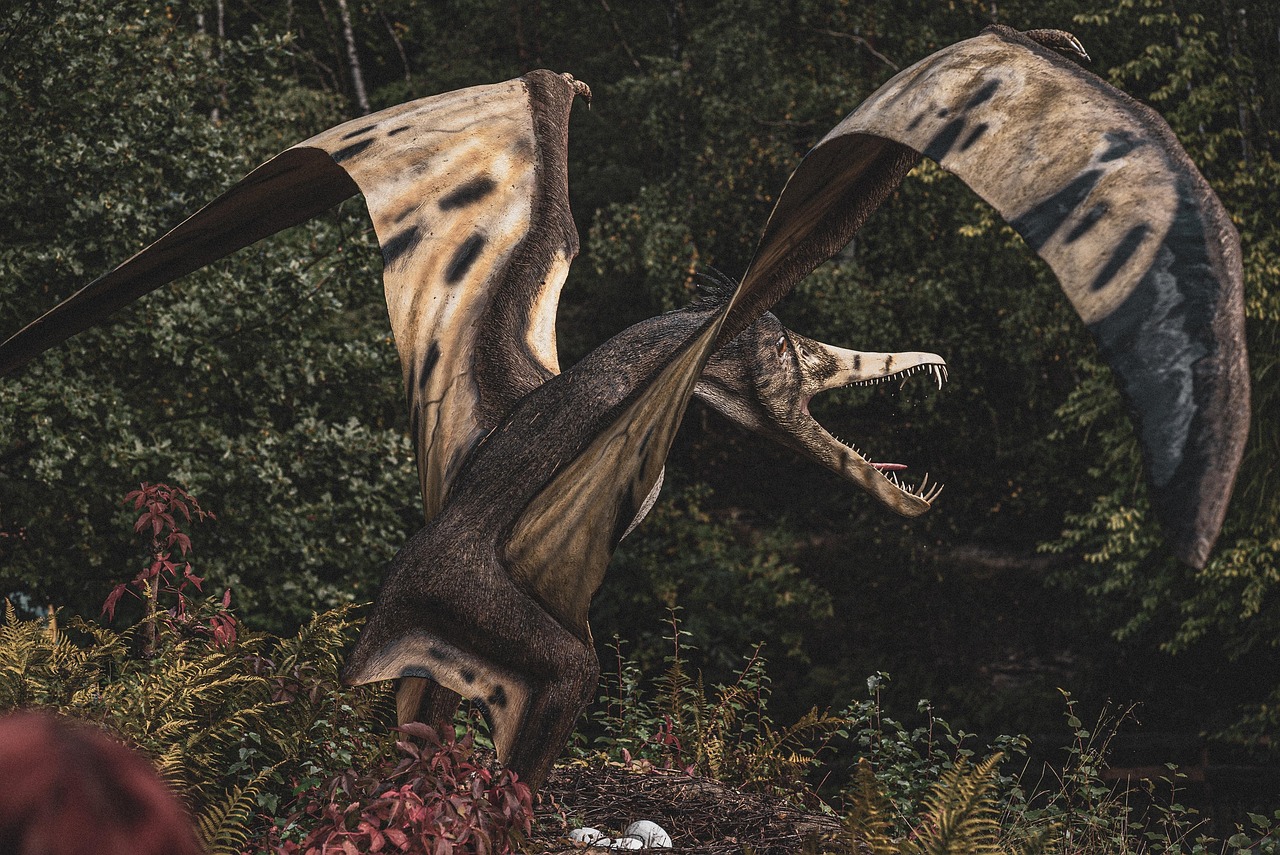
The most remarkable aspect of imagining modern dinosaurs is realizing they’re already here. It’s an unlikely relationship, but the humble pigeon is a descendant of the group of dinosaurs that also includes the mighty Tyrannosaurus rex. Birds that fill the world’s skies are living dinosaurs, reminders of a distant and strange past. Every bird we see carries the legacy of these ancient creatures in their genes, bones, and behaviors.
This evidence has led to the realization that the jays, finches, and hummingbirds that so peacefully frequent your backyard are indeed living dinosaurs – a surviving lineage of vicious predators that ruled the terrestrial ecosystems of the Mesozoic. The connection between past and present would be undeniable, showing us that dinosaurs never really went extinct – they simply evolved into the birds that surround us .
Conclusion
The dinosaurs of would be nothing like the monsters of our imagination. They would be magnificent, colorful, intelligent creatures that bridge the gap between our understanding of ancient life and modern biodiversity. These and other discoveries are upending decades of conventional wisdom regarding how dinosaurs looked in life. In doing so, they are providing an apt demonstration of how science adapts to include new data.
Instead of feared beasts, they would be marvels of evolution – creatures as beautiful and diverse as any animals alive , yet unmistakably unique in their own spectacular ways. The next time you see a bird outside your window, remember that you’re looking at a living dinosaur, carrying forward millions of years of evolutionary history in its flight.
What do you think about these amazing transformations? Tell us in the comments.