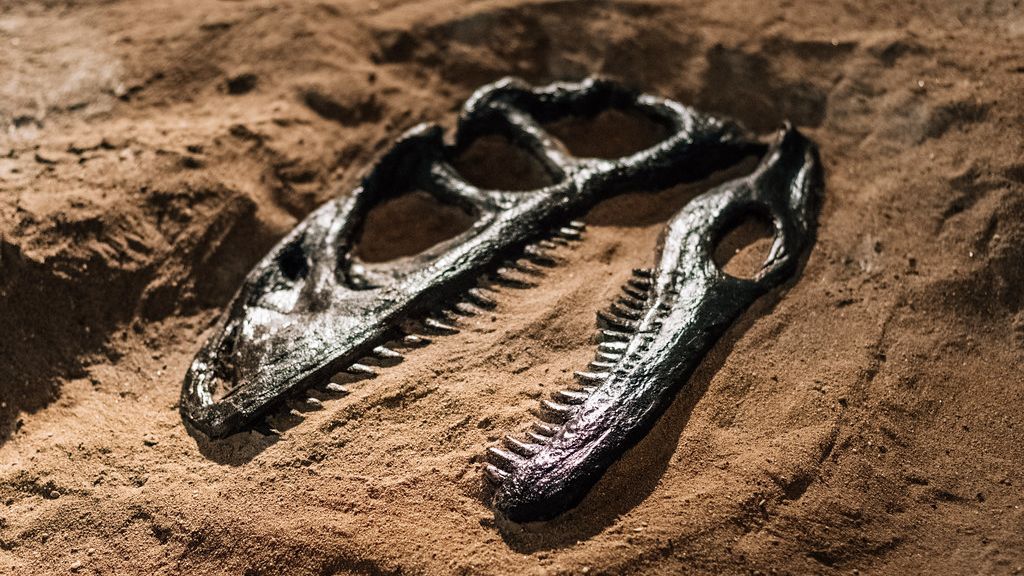
Think about the last time you had an X-ray or CT scan at the hospital. The technology that peers into your body to detect broken bones or tumors is now unlocking mysteries that are millions of years old. Scientists are using these same medical tools to diagnose in dinosaurs, revealing that these ancient giants suffered from many of the same ailments that plague us today.
From respiratory infections to bone cancer, arthritis to bacterial infections, dinosaurs dealt with a surprisingly familiar array of health problems. What makes this even more fascinating is how these discoveries are changing our understanding of dinosaur behavior, survival strategies, and the deep evolutionary roots of disease itself.
When Modern Medicine Meets Prehistoric Pathology
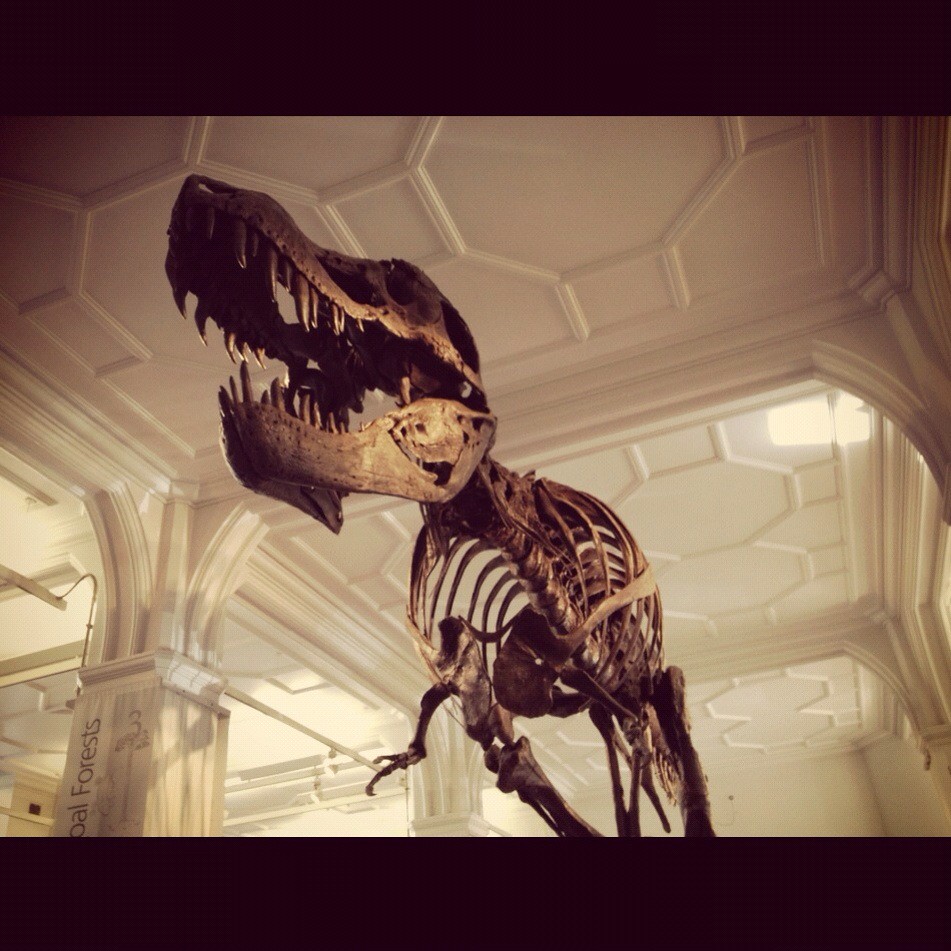
The field of paleopathology brings together an unlikely team: paleontologists, medical doctors, veterinarians, and radiologists all working together like a prehistoric version of the TV show “House.” Think of an episode of the television series “House” for dinosaurs.
This multidisciplinary approach has revolutionized how we study . This is a novel and modern multidisciplinary approach to detection and diagnosis of cancer in the fossil record and the first to report osteosarcoma in a dinosaur. Instead of relying solely on visual examination of fossil bones, researchers now use CT scans, microscopic analysis, and even compare findings to modern animals to reach accurate diagnoses.
The process mirrors how doctors diagnose patients today. “The approach we took in this case was very similar to how we approach a patient that comes in with a new tumor, and we don’t know what kind of tumor it is,” says Seper Ekhtiari, an orthopedic surgery resident at McMaster University who worked on the team.
The Technology That Unlocks Fossil Secrets
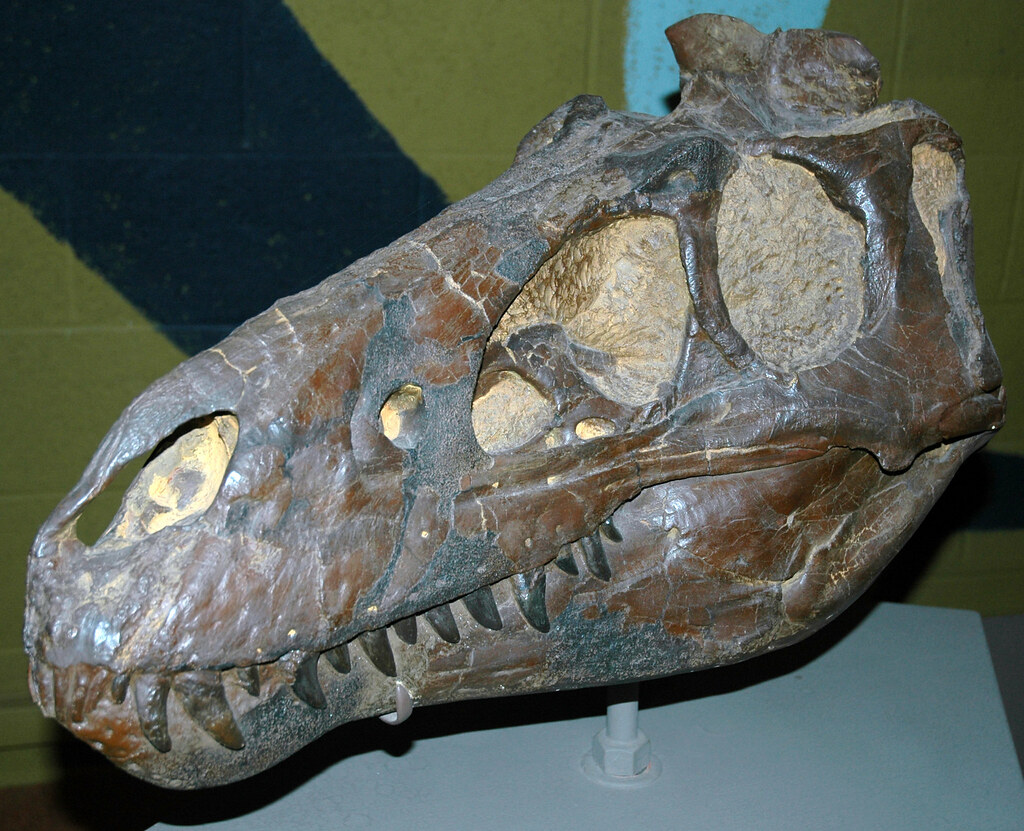
CT scanning has become the cornerstone of modern paleopathology research. As a non-destructive 3D imaging technique, CT scan has also been widely used in paleontological research, which provides the solid foundation for taxon identification, comparative anatomy, functional morphology, etc.
What makes these tools so valuable is their non-destructive nature. Micro-CT is a non-destructive technique, with no sample preparation, staining or thin slicing. This makes it ideal for prehistoric artefacts, as you can examine the internal micro-structure in 3D, without damaging or altering the sample itself
The latest advances include photon-counting detector CT, which provides unprecedented detail. PCD-CT clearly depicts the internal structure and morphology of large dinosaur fossils without damaging them and also provides spectral information, thus allowing researchers to gain insights into fossil mineral composition and the preservation state in the future. This technology can reveal details so fine that researchers can study individual cells within ancient bones.
The First Dinosaur Cancer Patient
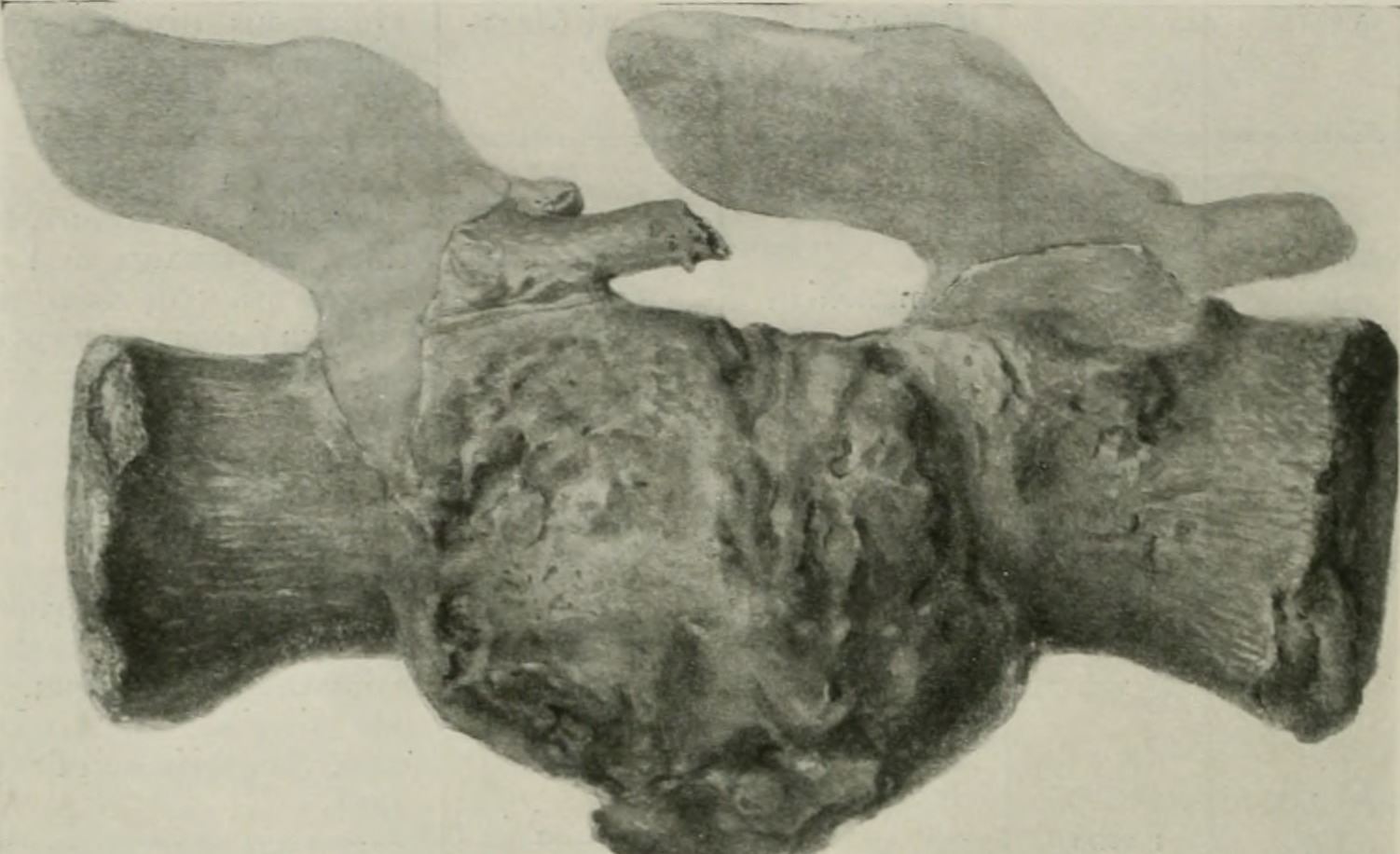
In 1989, paleontologists discovered a malformed leg bone from a Centrosaurus, initially thinking it was just a poorly healed fracture. Thirty years later, advanced medical imaging revealed something far more significant: The advanced cancer was found in the lower leg bone (fibula) of a Centrosaurus apertus, a plant-eating, horned dinosaur that lived about 76 to 77 million years ago. The fossil was originally discovered in Alberta, Canada in 1989.
This became the first confirmed case of malignant cancer diagnosed in a dinosaur. “Here, we show the unmistakable signature of advanced bone cancer in (a) 76-million-year-old horned dinosaur – the first of its kind. It’s very exciting,” said Crowther, author of the paper, which published Monday in the journal Lancet Oncology.
The cancer was so advanced it likely affected the dinosaur’s entire body. “Malignant cancers are aggressive and can spread to other parts of the body, and as such they are often fatal,” Evans says. In this case, the bone cancer appears so advanced that it had likely spread to other points in the body. Yet remarkably, this dinosaur survived alongside its herd until they all perished in a flood.
Respiratory Disease: A Familiar Foe

One of the most relatable discoveries came from studying “Dolly,” a young diplodocid dinosaur found in Montana. Odd growths in the fossilized neck bones of a sauropod suggest the animal suffered from infected air sacs about 145 million years ago.
The symptoms would have been achingly familiar to anyone who’s battled respiratory illness. “Coughing, breathing difficulties, lethargy, fever, sneezing, and diarrhea – these are all respiratory-derived symptoms expressed in birds today,” Woodruff says. This discovery marked the first time scientists had identified a respiratory infection in a dinosaur fossil.
But respiratory disease is something humans are potently familiar with. The connection between ancient and modern illness creates an unexpected bridge across millions of years, reminding us that the struggle against disease is truly timeless.
The Arthritis Epidemic Among Giants
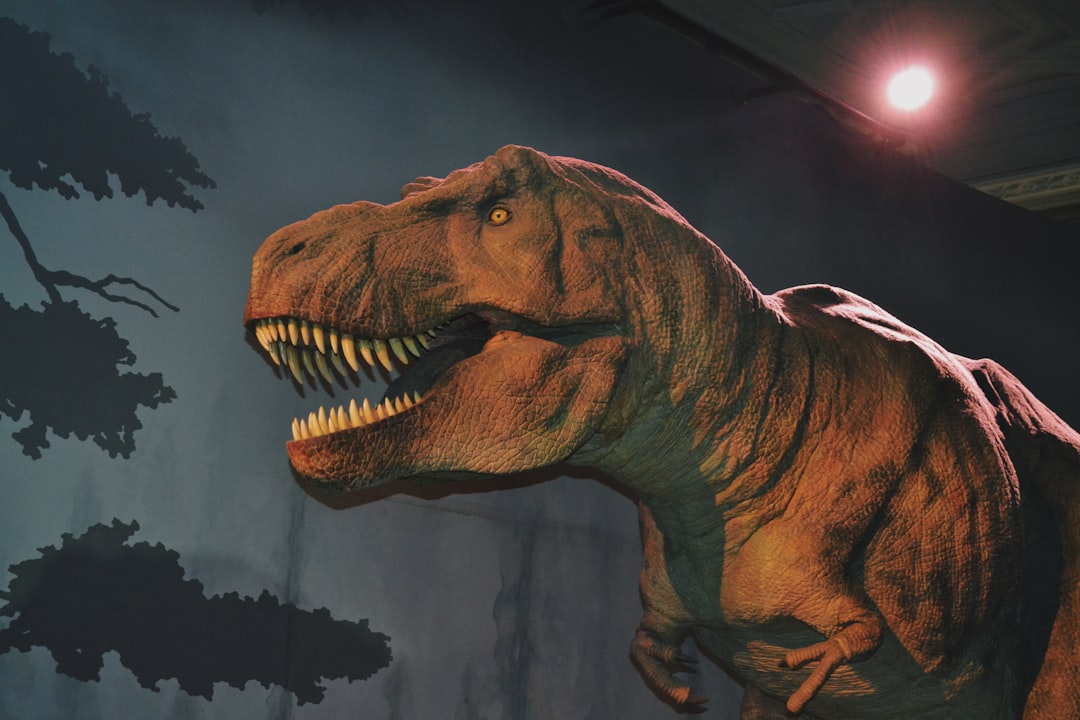
Perhaps surprisingly, arthritis was incredibly common among dinosaurs. It was present in most dinosaurs, including ceratopsians (horned), hadrosaurs (duckbill), iguanodonts and pachycephalosaurs (head-butting dinosaurs). However, what scientists once thought was painful joint disease turned out to serve an important purpose.
The “arthritis” in many dinosaur tails was actually a adaptation that helped them walk upright. Whereas dinosaurs were once considered tail-dragging animals, fossil dinosaur tracks prove that they must have walked with their tails above the ground. Spinal ligamentous fusion apparently assisted in keeping their tails elevated, perhaps for use as a weapon.
Recent research has uncovered more genuine cases of joint problems, including the first diagnosis of septic arthritis in a dinosaur. At long last, paleontologists are giving it a diagnosis: septic arthritis, a bone disease that often develops when an injury is followed by infection. The duck-billed dinosaur likely suffered tremendous pain from this infected joint in its arm.
Stress Fractures and the Active Life
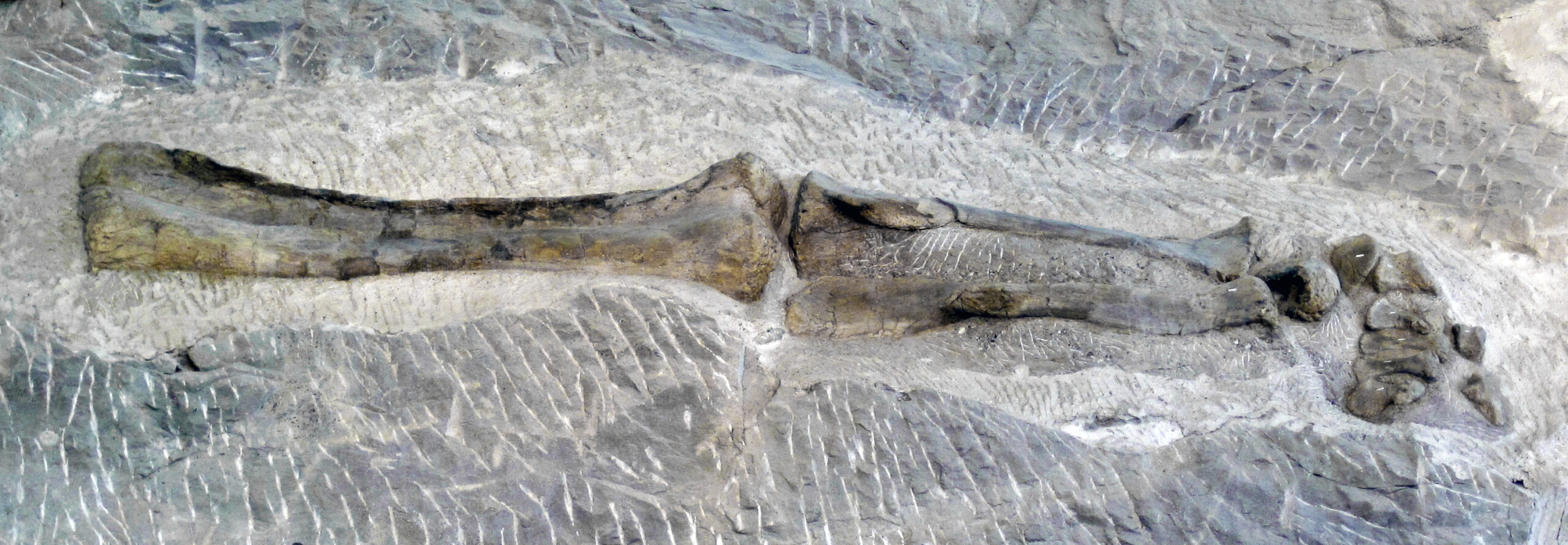
Dinosaur bones tell stories of surprisingly active, sometimes dangerous lives. The most commonly detected pathology in the dinosaur fossil record is bone fractures – with some dinosaurs apparently surviving very severe trauma that must have left them living in great pain.
Stress fractures in foot bones suggest intense physical activity. Bumps on the foot bones of horned dinosaurs were caused by stress fractures. One could postulate foot stamping and pawing, as is done by bulls, or long migration efforts, similar to the strains encountered by military recruits.
These injuries provide insights into dinosaur behavior that would be impossible to obtain otherwise. Specific studies into the stress fractures in the bones of dinosaurs have used their presence and distribution to identify the activity levels of the impacted animals such as running, migrating, or restraining prey.
The Mystery of Osteomyelitis in Brazilian Giants
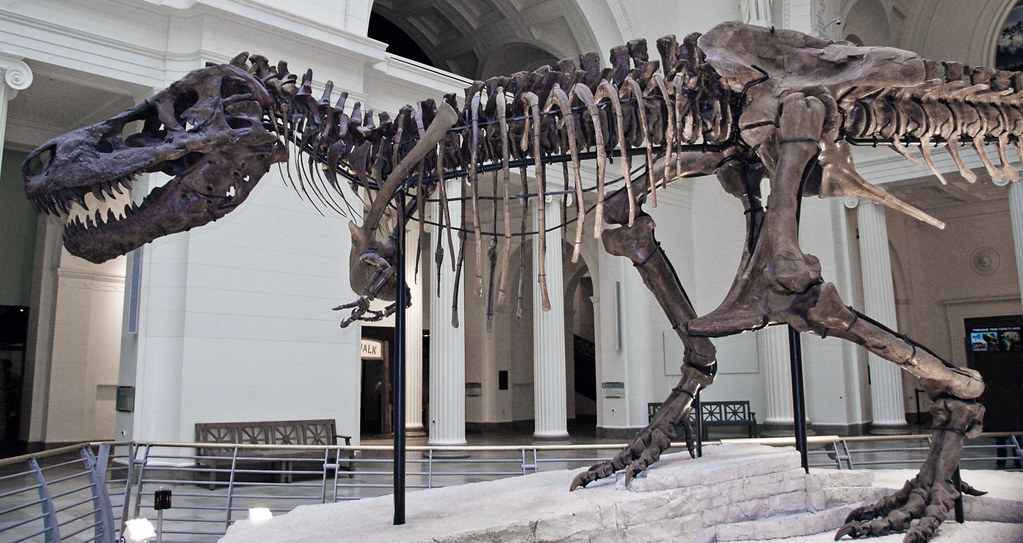
Recent discoveries in Brazil have revealed another devastating disease affecting ancient sauropods. Supported by FAPESP, the researchers found signs of osteomyelitis, a bone disease that can be caused by bacteria, viruses, fungi, or protozoa, in the fossils of six individuals from the Cretaceous period, approximately 80 million years ago.
The environment where these dinosaurs lived may have been a breeding ground for disease. “This environment probably favored pathogens, which may have been transmitted by mosquitoes or by the water itself that was ingested by the fauna, which included dinosaurs, turtles, and animals similar to today’s crocodiles,” says Aureliano.
Researchers uncovered unhealed lesions consistent with osteomyelitis, pointing to pathogens spread through stagnant waters or insect bites. This suggests that even in prehistoric times, environmental factors played a crucial role in disease transmission.
A Conclusion: Disease as Evolution’s Constant Companion
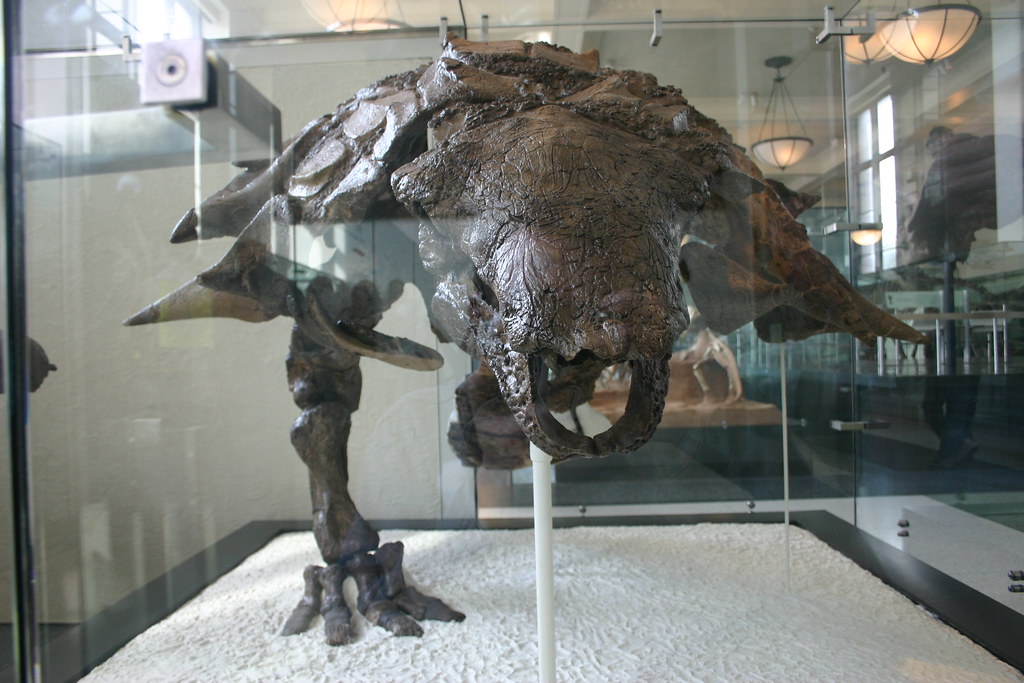
The study of dinosaur diseases has revealed something profound about life itself. Cancer is a disease that not only afflicts humans in the modern age but is a prehistoric pathology with deep evolutionary origins. This adds to our understanding of cancer as not only a modern human disease phenomenon, but a prehistoric pathology with deep evolutionary origins.
These discoveries challenge our perception of dinosaurs as invincible giants. “We always think of dinosaurs as big and tough,” Wolff adds, “but they got sick. They had respiratory illnesses like birds do today, in fact, maybe even the same devastating infections in some cases.” Yet they also reveal remarkable resilience and the power of community survival strategies.
“When you look at dinosaurs, you recognize that they suffered the same types of problems [as humans].” Their resilience, he says, is quite impressive. What did you expect from creatures that dominated Earth for over 160 million years? Tell us what aspect of dinosaur disease surprised you most in the comments.