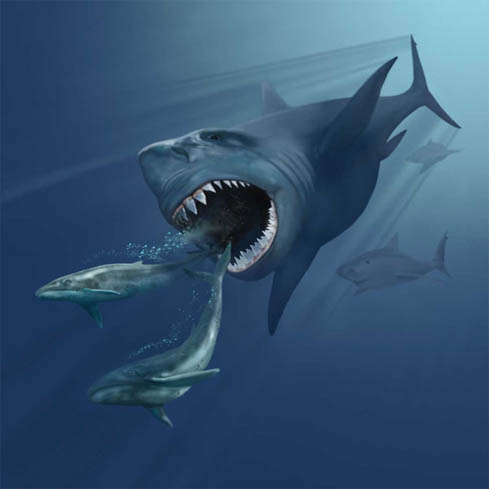
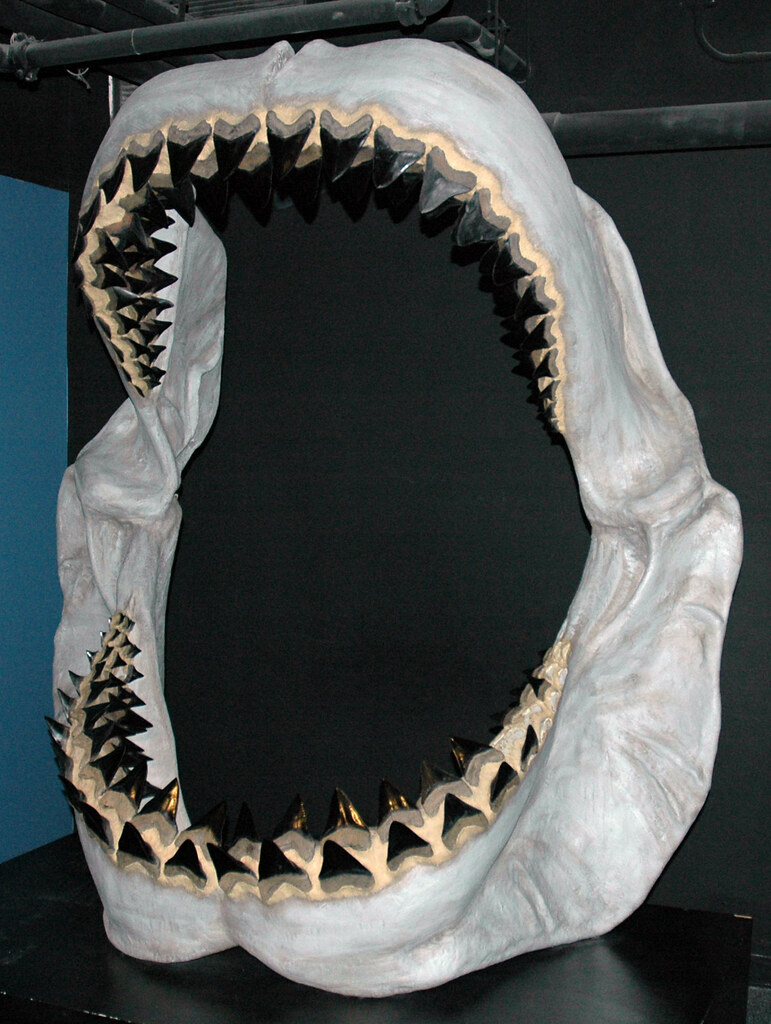
The sheer mention of megalodon sends shivers down spines and ignites imaginations worldwide. This prehistoric titan, officially known as Otodus megalodon, dominated the ancient seas with jaws capable of crushing whales and teeth the size of dinner plates. While mainstream science firmly places this monster in the fossil record as extinct, persistent theories suggest these giants might still patrol the deepest, most unexplored corners of our oceans.
Picture this: vast underwater chasms stretching deeper than Mount Everest is tall, shrouded in perpetual darkness and crushing pressure. These abyssal trenches remain largely unexplored, with scientists mapping approximately 25% of our ocean floor. Could such mysterious realms harbor surviving populations of the most feared predator ever to rule the seas? The question continues to captivate researchers, conspiracy theorists, and ocean enthusiasts alike, fueled by our planet’s greatest remaining mystery beneath the waves.
The Scientific Evidence for Megalodon’s Extinction
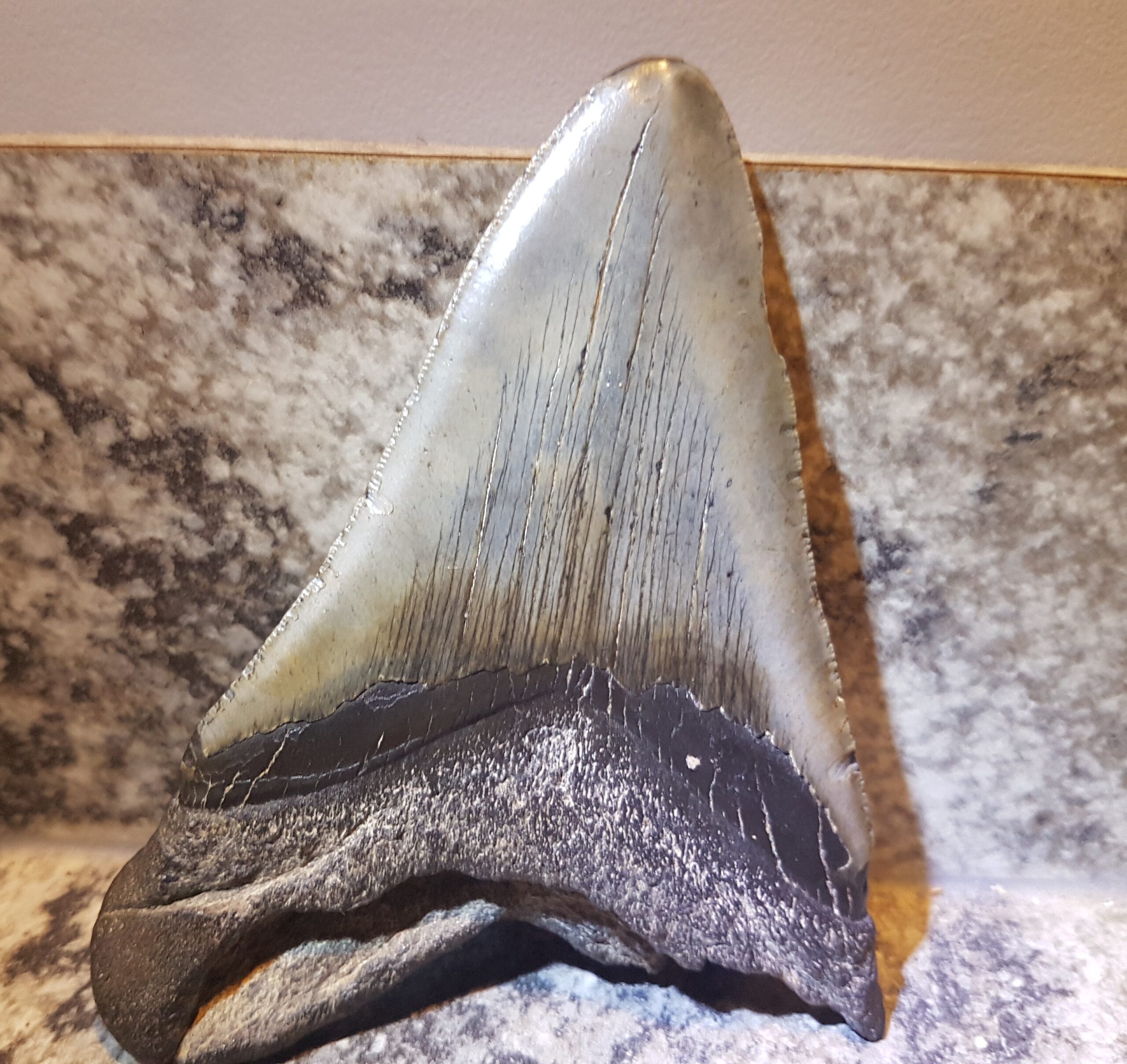
The scientific consensus regarding megalodon’s extinction stands firmly rooted in multiple lines of evidence. Fossil records show that authentic megalodon teeth do not occur later than the Pliocene-Pleistocene boundary, with most studies suggesting the species died out around 3.6 million years ago. This timeframe coincides with significant global climate changes that reshaped marine ecosystems worldwide.
During the time megalodon went extinct, there were climate shifts and restructuring of ocean circulation patterns that altered the size and availability of potential food sources, creating a precarious energetic balance when productive coastal shelf habitats diminished. The fossil evidence presents a clear timeline of disappearance rather than gradual migration to deeper waters.
Moreover, scientists estimate that up to a third of all large marine animals, including 43% of turtles and 35% of sea birds, became extinct as temperatures cooled and the number of organisms at the base of the food chain plummeted. This mass extinction event provides a logical explanation for megalodon’s demise without requiring survival in hidden ocean depths.
The Deep Ocean Trench Theory
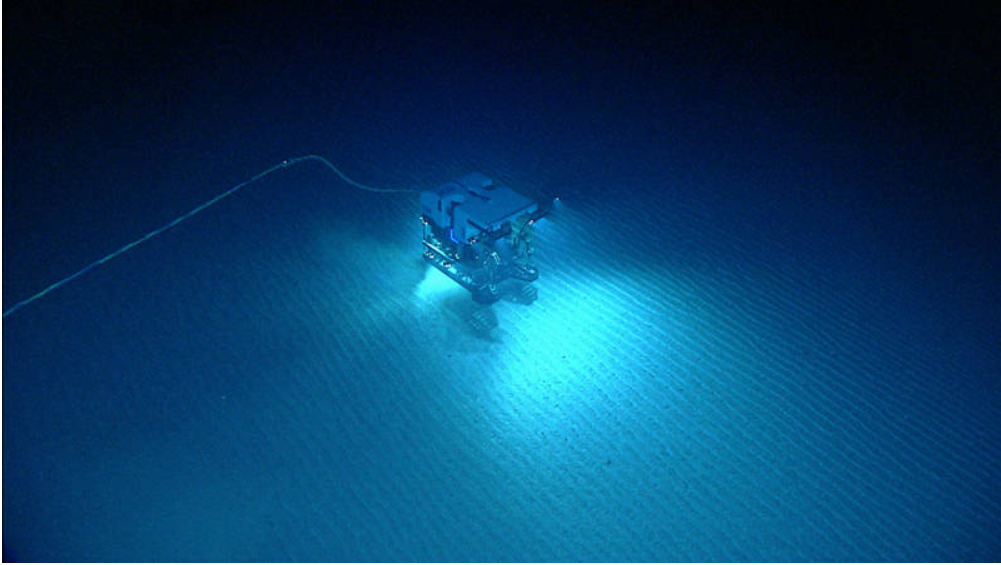
Proponents of megalodon survival often point to oceanic trenches as potential refuges for these ancient predators. They argue that humans have mapped less than 20% of the seafloor in detail, with the deep ocean beyond the continental shelf reaching depths of over 36,200 feet in trenches, creating immense, dark realms that could theoretically harbor large, unknown species, including relict populations of prehistoric creatures.
The Mariana Trench, stretching approximately 6.8 miles down at its deepest point, represents Earth’s most extreme underwater environment. While theories exist suggesting that the huge megalodon ancient shark might have survived deep in the Mariana Trench, even though it’s deep enough to accommodate a giant shark, it is highly unlikely that the megalodon could survive down there because the pressure is extreme and food is very scarce.
Some theorists cite examples like the coelacanth, a prehistoric fish presumed extinct for 65 million years until rediscovered in 1938, as evidence that large creatures can remain hidden from scientific detection. However, the comparison falls short when considering the vastly different environmental requirements and ecological impacts of these species.
Why Deep Ocean Survival Is Impossible
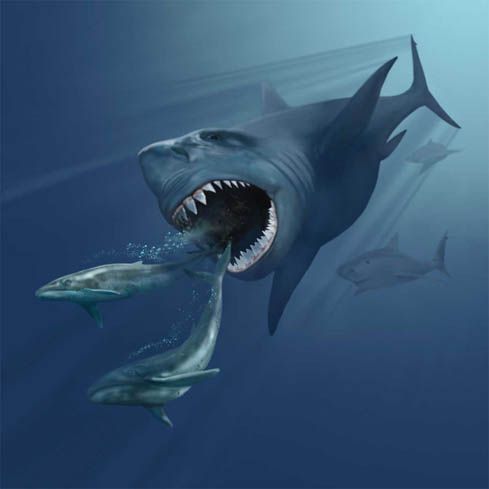
Once you reach the abyssal zone at 3,000 metres deep there’s barely any food, with deep-sea creatures surviving mainly on occasional carcasses and marine snow that drifts down from shallower waters. A diet of debris and scant leftovers wouldn’t sustain a shark of megalodon’s size, requiring a metabolism so slow it would probably have to spend most of its life not moving at all.
The physiological challenges prove insurmountable for a creature evolved for warm, shallow waters. Megalodons were warm-water creatures, and paleontologists believe a cooling period that froze the ocean in areas where megalodon pups matured may have been the primary reason for their demise. The deep ocean is too cold for them to survive.
Deep-sea environments would be totally unsuitable habitats for such a big apex predator, as deep-sea sharks found today come nowhere close in size to a 65-foot giant. The Mariana Trench has mostly microscopic life that wouldn’t even feed one megalodon, let alone a secret population.
The Ecological Impact Problem
If megalodons still existed, their presence would create unmistakable ripple effects throughout marine ecosystems. Not only would microscopic deep-sea life be insufficient to satisfy the hungry giant, but such an apex predator would have an enormous and noticeable impact on marine life. The absence of such ecological disruption strongly suggests these creatures no longer exist.
The food chain would look very different if the species was still alive. If megalodon were alive today, we would likely know about it as they would be under threat from poaching, much like great white sharks. As humans kill as many as 100 million sharks every year, with larger sharks being at particular risk, they would probably not be able to survive us rather than the other way around.
The sheer scale of megalodon’s energy requirements would necessitate massive prey populations that simply don’t exist in deep ocean environments. Their hunting behavior would leave clear evidence in bite marks, scattered teeth, and disrupted whale migration patterns that marine biologists would easily detect with modern monitoring technology.
Modern Ocean Exploration Reveals New Species, But Not Megalodons
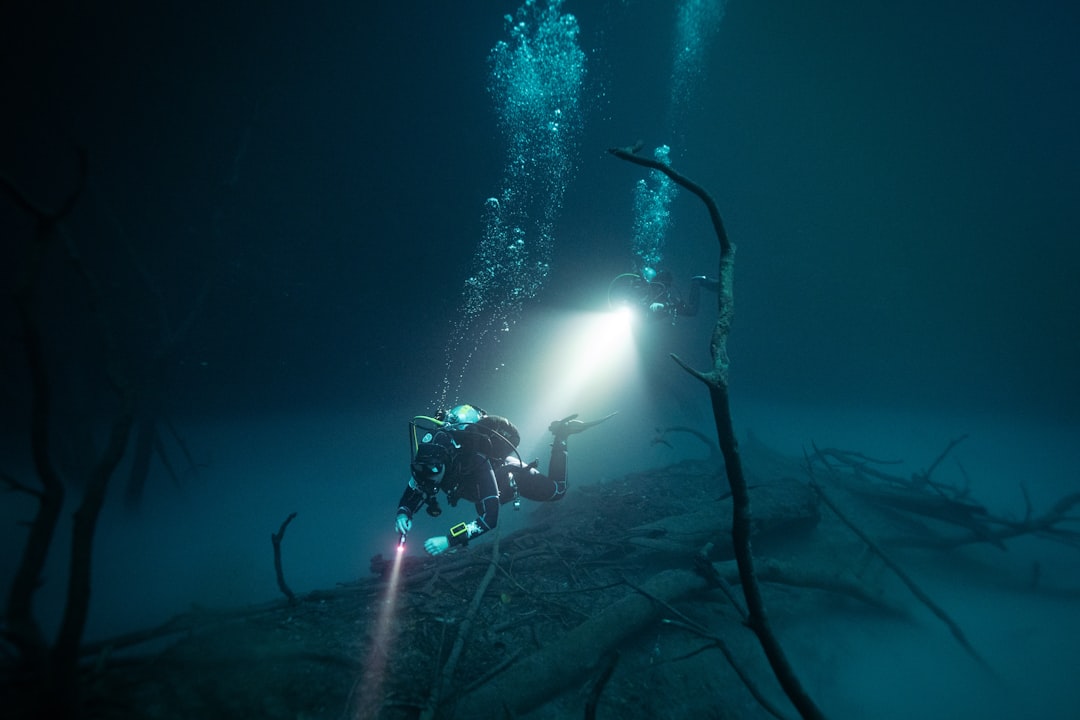
While ocean exploration continues to yield remarkable discoveries, these findings actually strengthen the case against megalodon survival. The Ocean Census has announced the identification of over 700 new marine species, yet much of the ocean remains unexplored, with only around 10 per cent of marine species having been documented thus far. Despite thousands of new species discoveries, none approach megalodon’s size or ecological requirements.
Recent expeditions have observed 160 species on seamounts off the coast of Chile previously unknown to the region, with scientists suspecting at least 50 of these species are new to science. During recent cruises, more than 100 new species have been discovered on oceanic ridges, along with coral and sponge gardens.
These discoveries highlight how thoroughly modern expeditions document marine life. The absence of any megalodon-sized predators or their ecological signatures in thousands of deep-sea surveys strongly contradicts survival theories.
The Warm-Blooded Extinction Factor
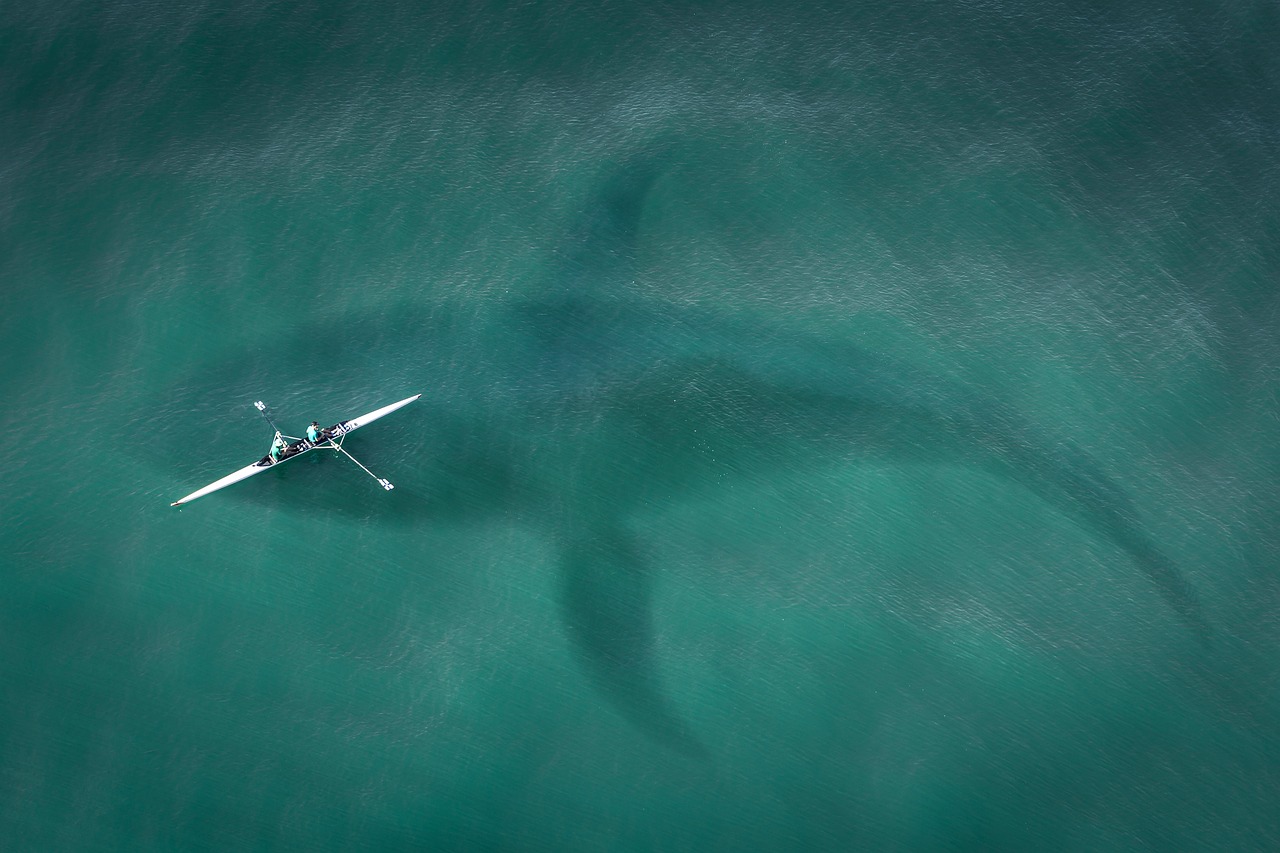
Recent research reveals that megalodons had elevated body temperatures compared to surrounding water, allowing them to swim faster, go deeper and access different prey, but they needed significantly more energy to survive. When prey sources became smaller but energy requirements remained high, these factors worked against each other.
This warm-blooded nature, while providing evolutionary advantages, ultimately contributed to their downfall during climate changes. As water temperatures cooled, megalodons would have needed to eat even more food to maintain their body temperature, creating additional environmental stress. These massive sharks went extinct for various reasons, with smaller, faster competitors like great whites posing a definite threat.
The combination of high metabolic demands and changing ocean conditions created an impossible survival scenario that deep-ocean refuge couldn’t resolve.
Expert Scientific Consensus

Leading megalodon researchers unanimously dismiss survival theories as scientifically unfounded. Experts state that any suggestion that megalodon potentially still exists in unexplored ocean regions is complete nonsense based on not a shred of credible evidence. This consensus reflects decades of research across multiple scientific disciplines.
Paleobiologists who have studied megalodon extensively note that claims these massive sharks still live somewhere today have never been substantiated. Understanding how megalodons went extinct helps explain why they wouldn’t survive in today’s oceans, with several dominant theories including extinction due to climate change.
The scientific method demands extraordinary evidence for extraordinary claims. Despite millions of hours of deep-sea exploration, countless marine surveys, and advanced detection technology, no credible evidence supports megalodon survival theories.
Conclusion
The romantic notion of megalodons lurking in oceanic trenches captures our imagination precisely because it represents the unknown depths of our planet’s final frontier. However, scientific evidence overwhelmingly demonstrates that these magnificent predators succumbed to extinction millions of years ago, victims of climate change, ecosystem collapse, and their own evolutionary success becoming a liability.
While our oceans continue revealing new species and hidden wonders, the absence of any megalodon evidence in thousands of deep-sea expeditions speaks volumes. Perhaps the real magic lies not in clinging to extinction fantasies, but in appreciating the incredible creatures that actually inhabit our ocean depths and working to protect them from the very real threats they face today.
What fascinates you more about the ocean’s mysteries? Tell us in the comments.