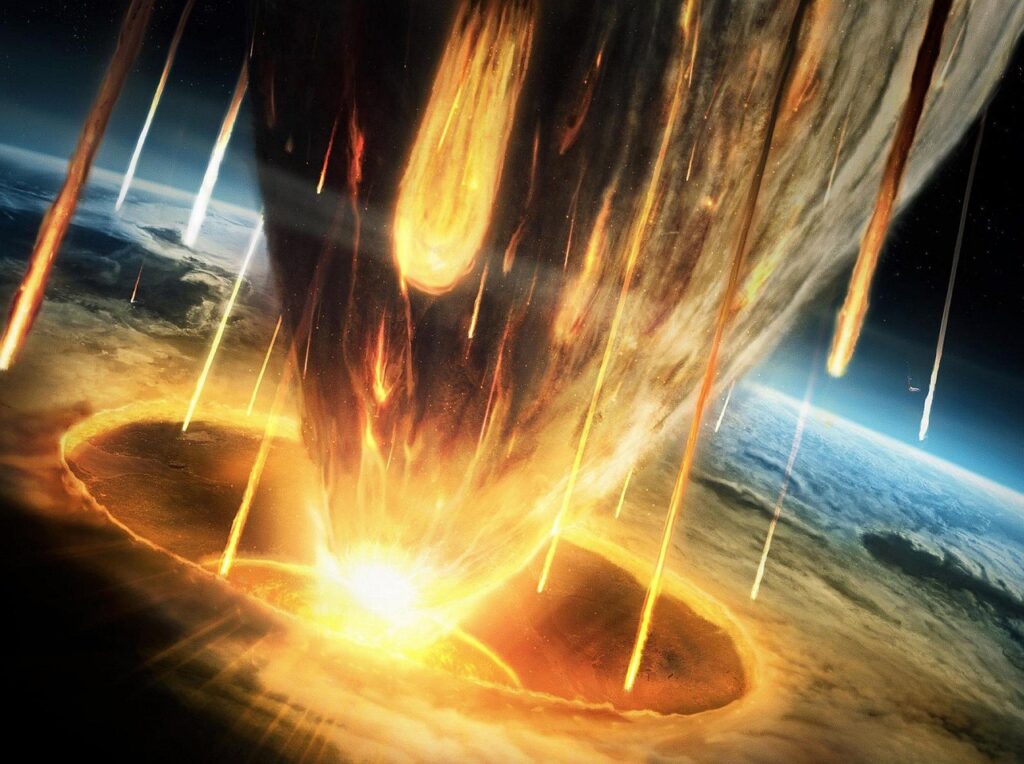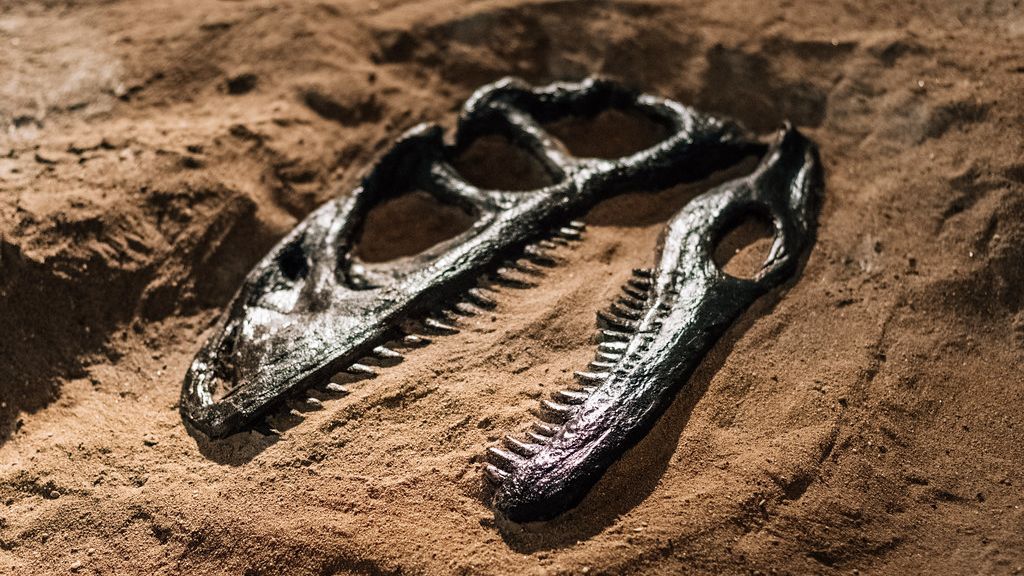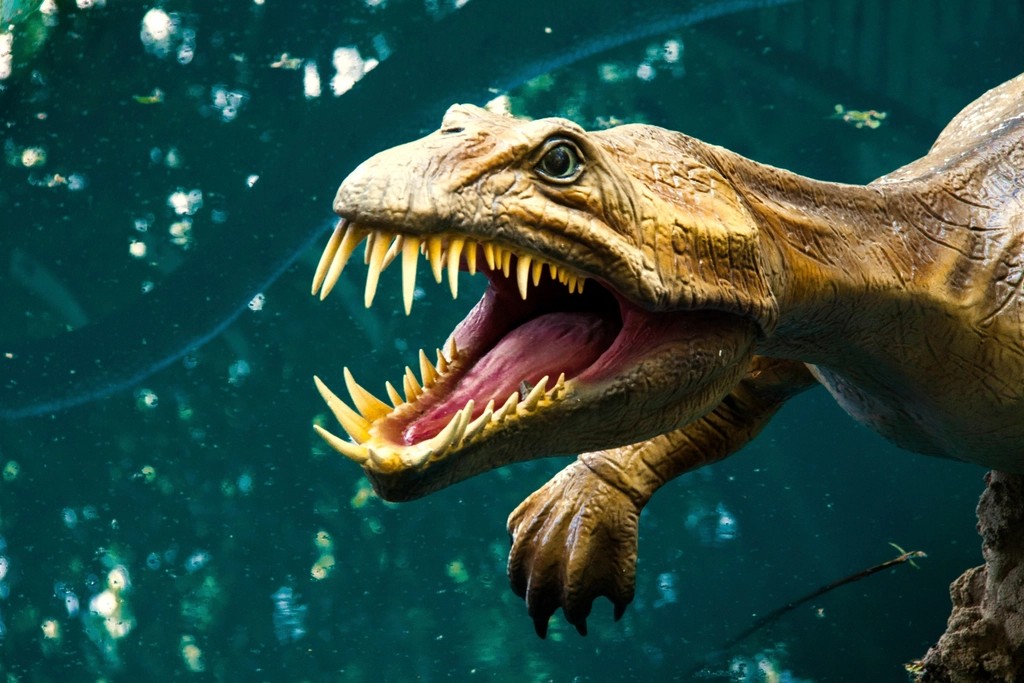
Walking through a natural history museum today, you might wonder how the massive bones of creatures from millions of years ago connect to the world outside. The answer lies in one of ‘s most remarkable stories. The fossil record shows that birds are feathered dinosaurs, having evolved from earlier theropods during the Late Jurassic epoch, and are the only dinosaur lineage known to have survived the Cretaceous–Paleogene extinction event approximately 66 mya.
Birds that fill the world’s skies today are living dinosaurs, reminders of a distant and strange past. Decades of major new discoveries and studies have convinced researchers that there’s a direct link between modern bird species and theropod dinosaurs. Let’s explore how these ancient rulers of Earth continue to shape the animal kingdom today.
The Direct Descendants: Birds as Living Dinosaurs
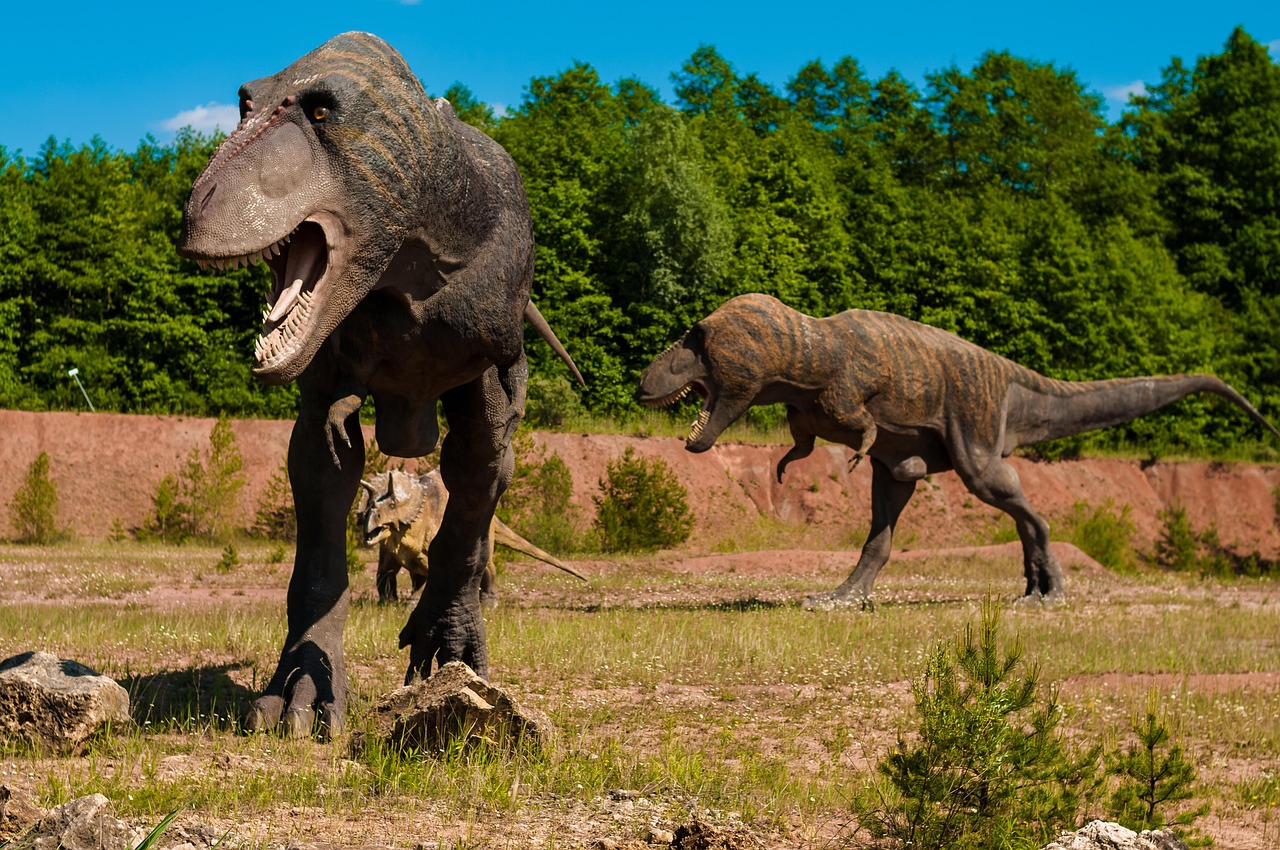
Today’s birds represent perhaps the most successful dinosaur lineage ever produced. Modern birds descended from a group of two-legged dinosaurs known as theropods, whose members include the towering Tyrannosaurus rex and the smaller velociraptors. This isn’t just a loose connection through distant ancestors. Birds descended from a group of two-legged dinosaurs known as theropods, the members of which include the powerful predator Tyrannosaurus rex and the smaller Velociraptors. Fossil studies suggest evolutionary connections between T-rex and modern-day chickens through shared skeletal features and, by extension, all birds.
The transformation didn’t happen overnight, though it might seem sudden in evolutionary terms. The origin of modern birds from animals similar to Tyrannosaurus rex is among the most remarkable examples of an evolutionary transition. Not only have birds retained the bipedalism, hollowed bones, and the three fully developed toes of their theropod predecessors, but these animals also share a series of air spaces connected to the ear region, unique structures of their vertebral column and rib cage, elongate forelimbs with wrist bones allowing swivel-like movements of the hand and similar structures in the pelvis and hindlimbs, as well as many other characteristics distributed over the entire skeleton
The Mammalian Explosion After Dinosaur Extinction
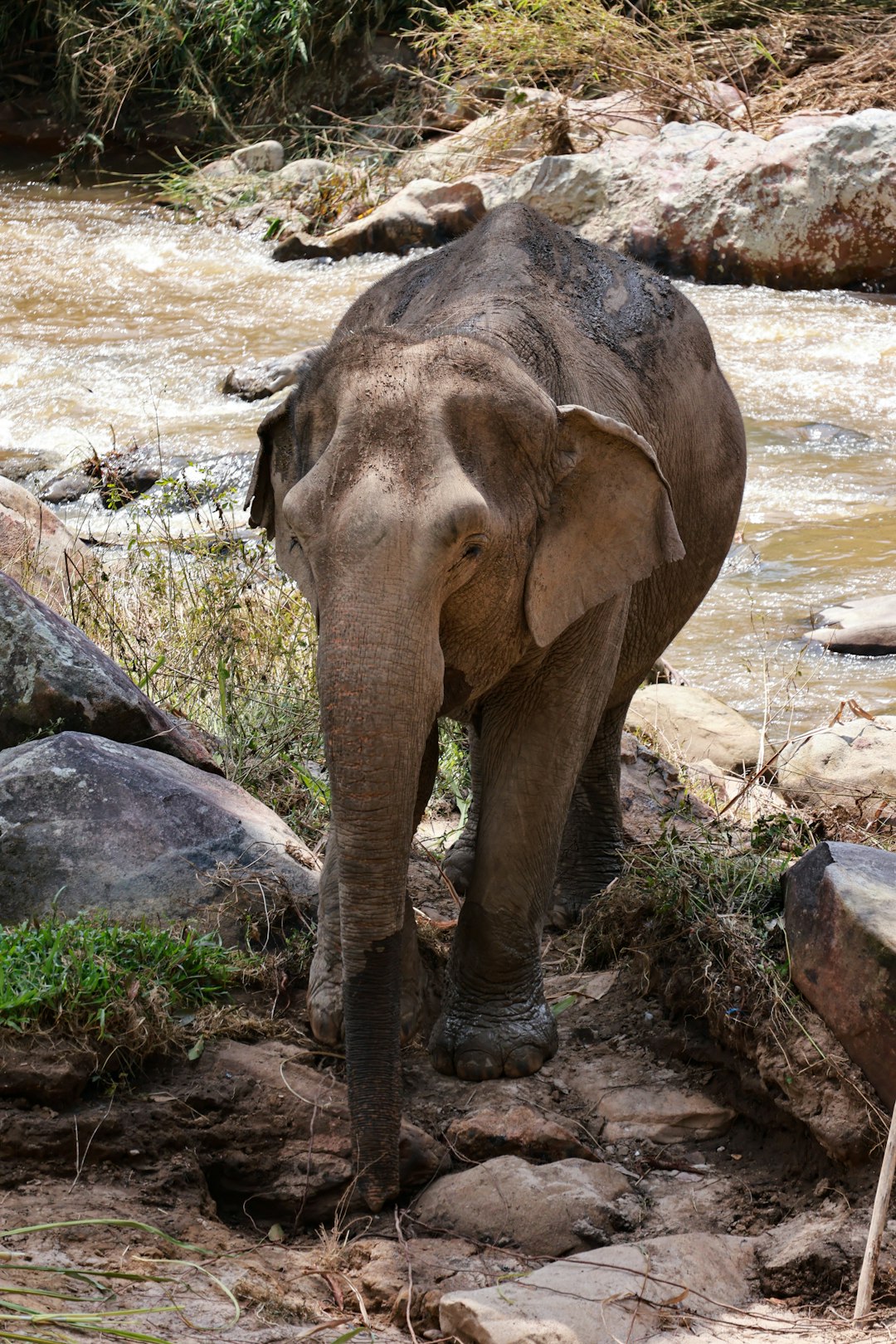
The diversity of mammals on Earth exploded straight after the dinosaur extinction event, according to UCL researchers. New analysis of the fossil record shows that placental mammals, the group that today includes nearly 5000 species including humans, became more varied in anatomy during the Paleocene epoch – the 10 million years immediately following the event. This wasn’t just gradual change over millions of years. A few hundred thousand years after dinosaurs disappeared, there were much larger, cow-sized species. ‘Mammals just took advantage of the opportunity and started to evolve really fast,’ Dr Brusatte said.
When dinosaurs went extinct, a lot of competitors and predators of mammals disappeared, meaning that a great deal of the pressure limiting what mammals could do ecologically was removed. They clearly took advantage of that opportunity, as we can see by their rapid increases in body size and ecological diversity. Mammals evolved a greater variety of forms in the first few million years after the dinosaurs went extinct than in the previous 160 million years of mammal evolution under the rule of dinosaurs.
Crocodiles: The Ancient Survivors
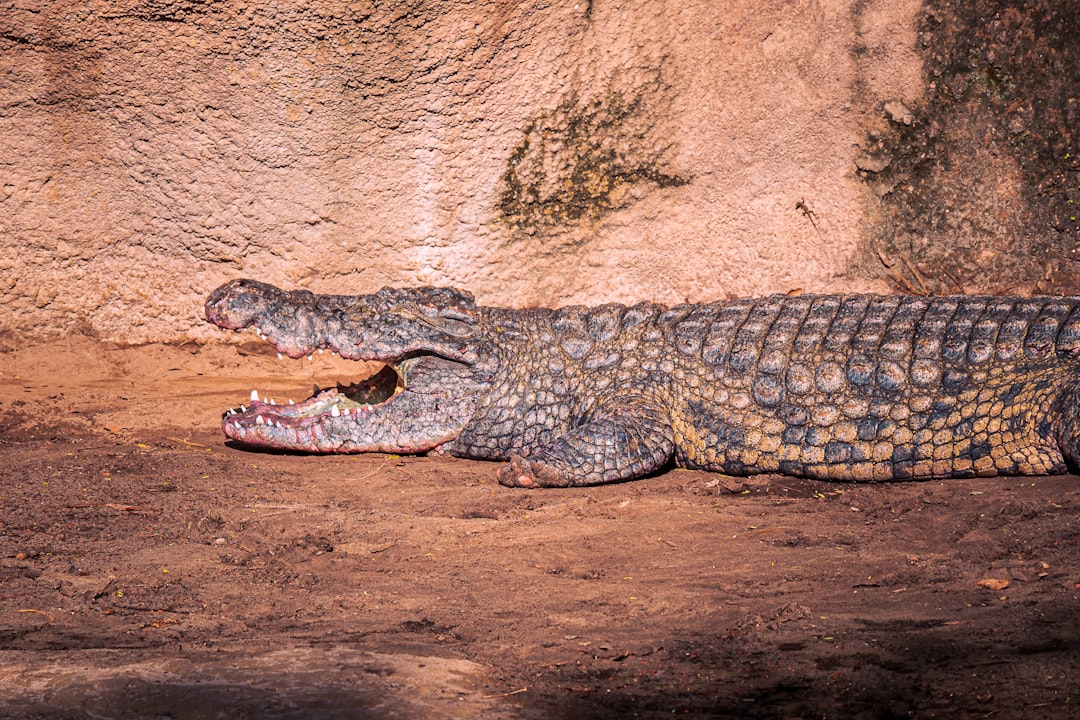
While dinosaurs evolved into birds, their reptilian relatives took different paths. Chickens may be the rightful descendants of dinosaurs, but we also know that crocodilians like crocodiles and alligators share common ancestors with dinosaurs too. In fact, crocs as we know them today are actually pretty similar to their ancient ancestors of the Cretaceous period (about 145-66 million years ago) – and to think that these creatures outlived the dinosaurs!
Modern animals that lived alongside dinosaurs, like crocodilians and the tuatara, help scientists understand prehistoric ecosystems by providing insights into the evolutionary adaptations and survival strategies that have persisted through time. Several animals alive today have lineages that date back to the time of the dinosaurs, including crocodilians, the tuatara (a reptile species found in New Zealand) and various species of egg-laying mammals. These living fossils serve as evolutionary time capsules, showing us what worked well enough to survive mass extinction events.
Body Plan Innovations That Persist Today
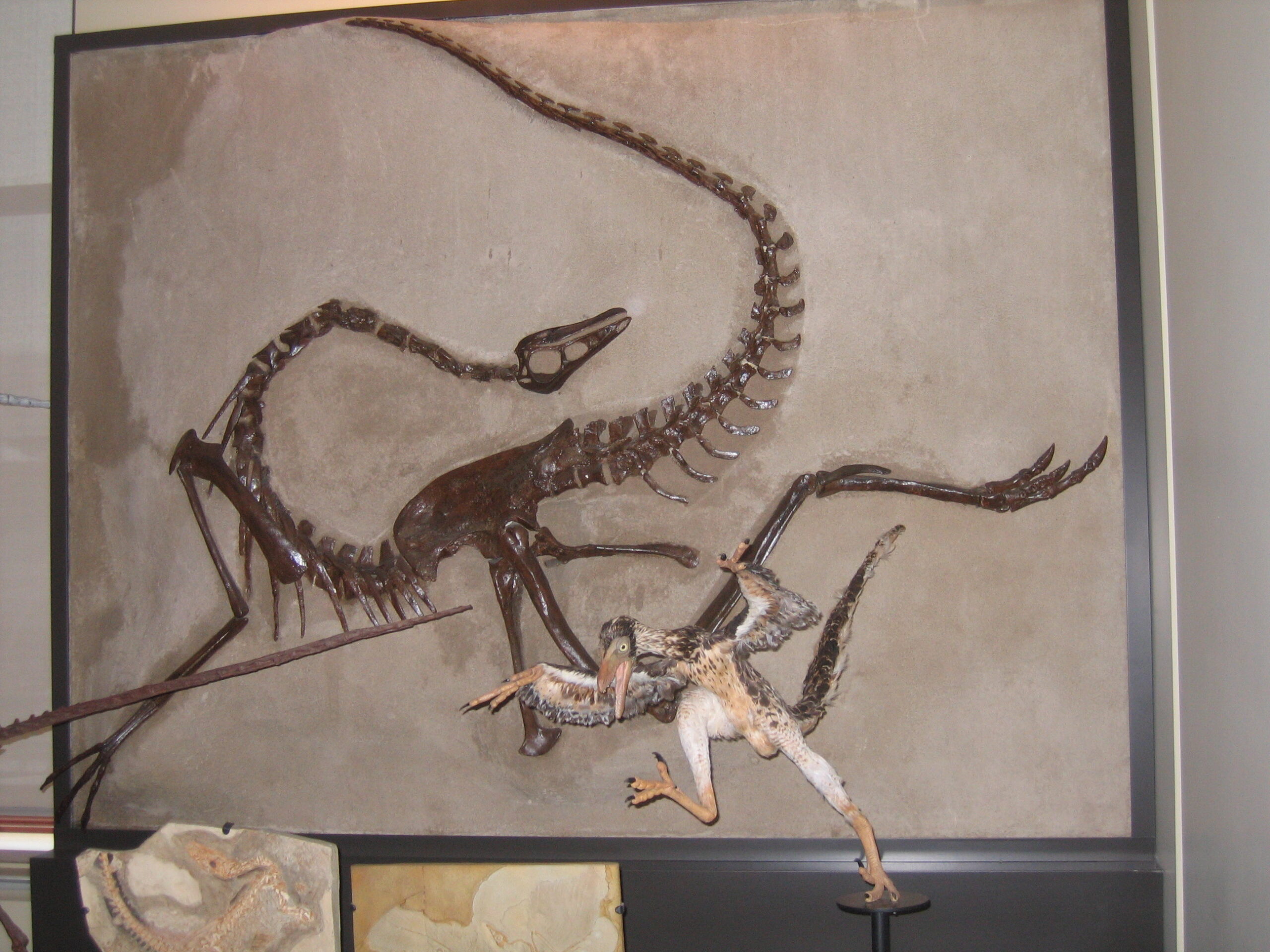
Dinosaurs stand with their hind limbs erect in a manner similar to most modern mammals, but distinct from most other reptiles, whose limbs sprawl out to either side. This posture is due to the development of a laterally facing recess in the pelvis (usually an open socket) and a corresponding inwardly facing distinct head on the femur. Their erect posture enabled early dinosaurs to breathe easily while moving, which likely permitted stamina and activity levels that surpassed those of “sprawling” reptiles.
This upright stance was revolutionary in reptilian evolution. Erect limbs probably also helped support the evolution of large size by reducing bending stresses on limbs. Modern mammals inherited variations of this efficient body plan, allowing them to become the dominant land vertebrates we see today. The contrast between a sprawling lizard and a galloping horse shows how profoundly dinosaurian innovations shaped vertebrate evolution.
The Rise of Warm-Blooded Metabolism
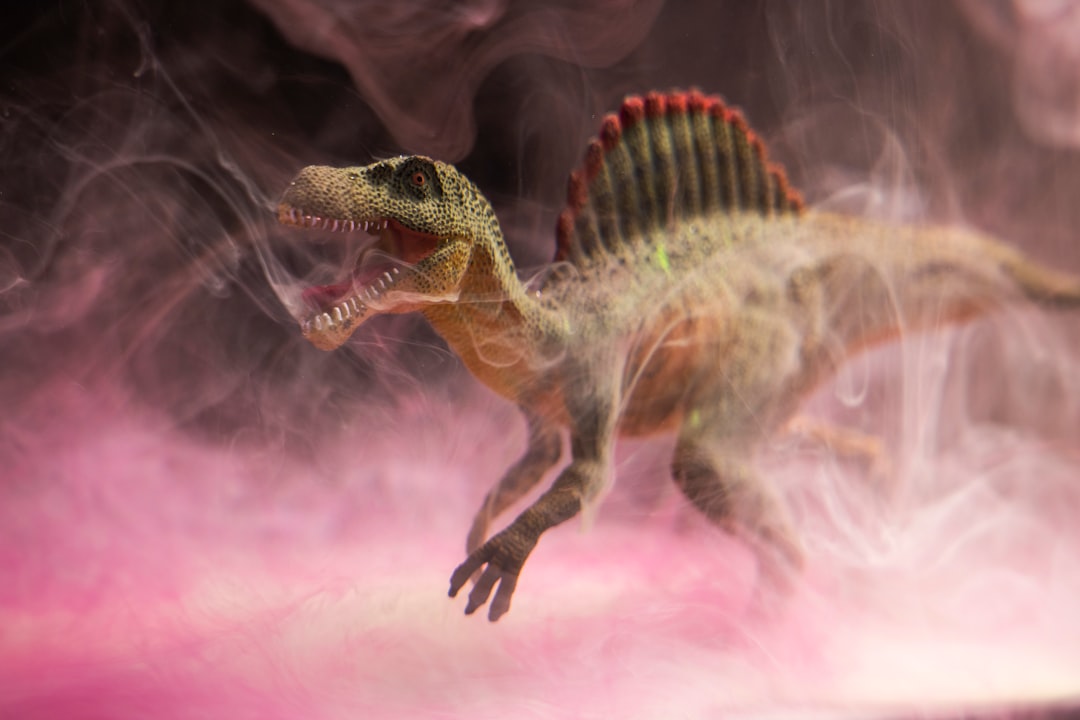
Most research conducted since the 1970s, however, has indicated that dinosaurs were active animals with elevated metabolisms and numerous adaptations for social interaction. This wasn’t the lethargic, cold-blooded image people once had of dinosaurs. Studies of dinosaurian growth rates, based on details preserved in the fossilized tissue of their bones, have documented that these animals, once believed to be slow-growing, actually grew at speeds comparable to many living birds, and special bone tissues, such as the medullary bone characteristic of ovulating birds, have been documented in a female T. rex.
The metabolic revolution that dinosaurs pioneered became essential for modern animal success. From the 1960s forward, Armand de Ricqlès suggested that the presence of fibrolamellar bone – bony tissue with an irregular, fibrous texture and filled with blood vessels – was indicative of consistently fast growth and therefore endothermy. Fibrolamellar bone was common in both dinosaurs and pterosaurs, though not universally present. This has led to a significant body of work in reconstructing growth curves and modeling the evolution of growth rates across various dinosaur lineages, which has suggested overall that dinosaurs grew faster than living reptiles.
Feeding Innovations and Ecological Niches
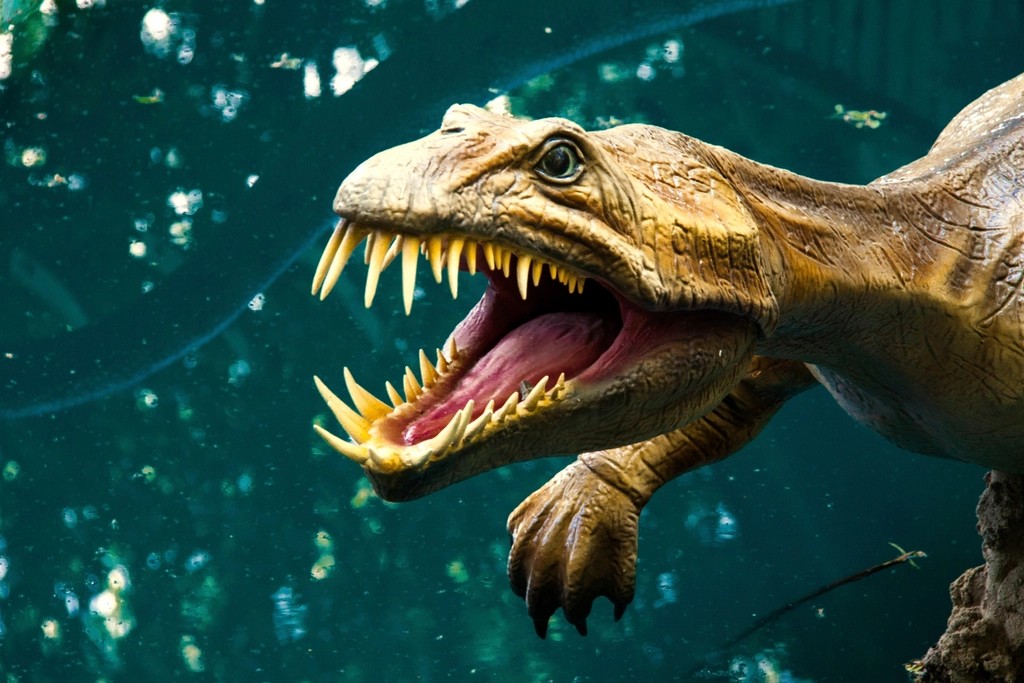
We found rapid evolutionary rates in early dinosaur evolution, beginning more than 200 million years ago, as dinosaur body sizes diversified rapidly to fill new ecological niches, including herbivory. High rates were maintained only on the evolutionary line leading to birds, which continued to produce new ecological diversity not seen in other dinosaurs. Dinosaurs pioneered feeding strategies that modern animals still use today.
Plant-eating dinosaurs had teeth of various shapes designed for their particular diets. Triceratops, for example, had hundreds of teeth that formed a solid “wall” with sharp ridges. The teeth were used to chop off vegetation. They also ingested small stones, called gastroliths, most likely to grind up the food in their stomachs, much the same way modern birds, such as parakeets and chickens, do today. This innovation of using stones for digestion can be found in various modern birds and even some crocodiles.
Social Behaviors and Parental Care
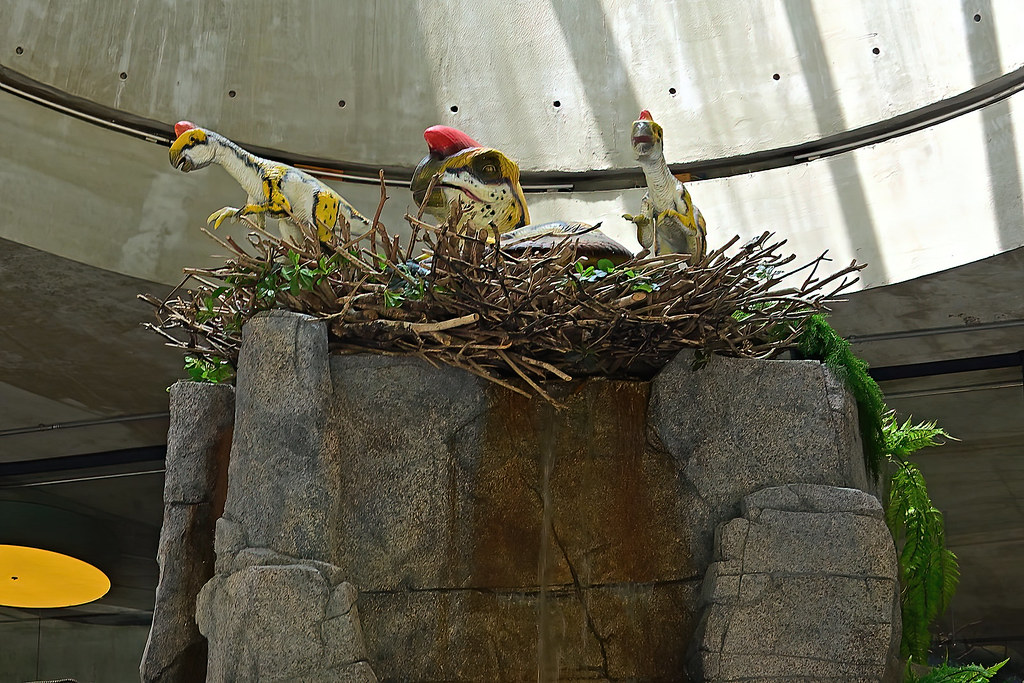
Evidence suggests that all dinosaurs were egg-laying, and that nest-building was a trait shared by many dinosaurs, both avian and non-avian. These weren’t just creatures that laid eggs and walked away. The discovery of dinosaur eggs and nests provided evidence for the behavior of some dinosaurs. Many species showed complex parental behaviors that mirror what we see in modern birds and even some mammals.
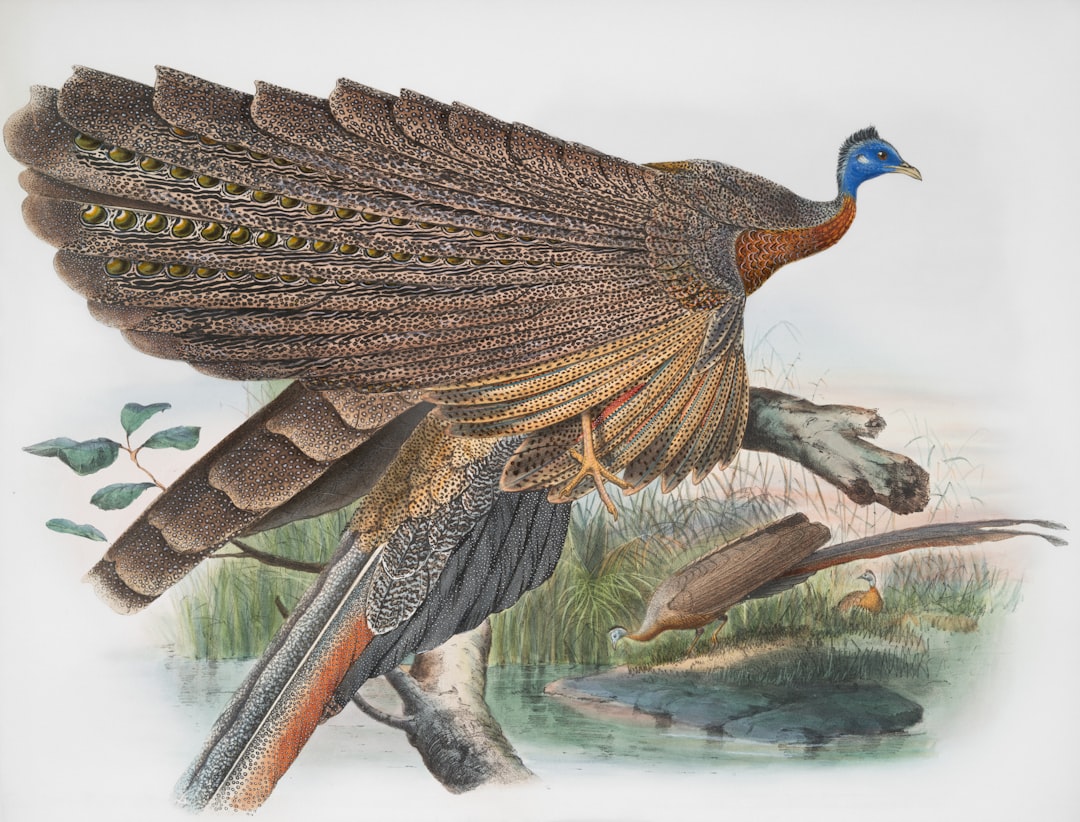
The development of elaborate display structures became another lasting innovation. Elaborate display structures such as horns or crests are common to all dinosaur groups, and some extinct groups developed skeletal modifications such as bony armor and spines. From peacock feathers to deer antlers, the modern animal kingdom still relies heavily on visual displays for communication, territory disputes, and mating rituals that dinosaurs perfected millions of years ago.
The Ongoing Evolutionary Legacy
What’s truly fascinating is how dinosaur innovations continue to influence animal evolution today. Had a volcano-driven mass extinction not occurred at the end of the Triassic 201 million years ago, we likely would have had something closer to an Age of Crocodiles than the Age of Dinosaurs that actually followed. Ancient relatives of today’s swamp-dwelling reptiles were more diverse than dinosaurs and came in an even greater array of shapes and sizes, with dinosaurs largely on the ecological sidelines. When intense volcanic outpourings caused global climates to rapidly swing between hot and cold, however, fuzzy and warm-blooded dinosaurs were better able to cope. Crocodiles and other forms of ancient reptiles were hit much harder.
The dinosaur body plan’s success becomes clear when we look at convergent evolution. Tens of millions of years before the origin of ostriches and their relatives there were the ornithomimosaurs – beaked, flightless dinosaurs covered in feathers. And tens of millions of years before ornithomimosaurs lived Effigia. The Triassic crocodile relative caused a stir when it was described in 2006, because it clearly walked on two legs with each one tucked under the body, a trait that was thought to be unique to dinosaurs among reptiles. More than that, Effigia had a toothless beak and roughly resembled the ornithomimosaurs that would come much later.
Dinosaurs didn’t just rule the Earth for over 160 million years and then disappear. They fundamentally reshaped what it means to be a successful vertebrate on land. From the sparrow outside your window to the mammals that fill our ecosystems, the dinosaur legacy lives on in body plans, behaviors, and ecological strategies that continue to evolve today. Their influence on isn’t just a chapter in ancient history; it’s the foundation upon which contemporary life is built. What other evolutionary innovations might we discover as we continue to uncover their secrets?