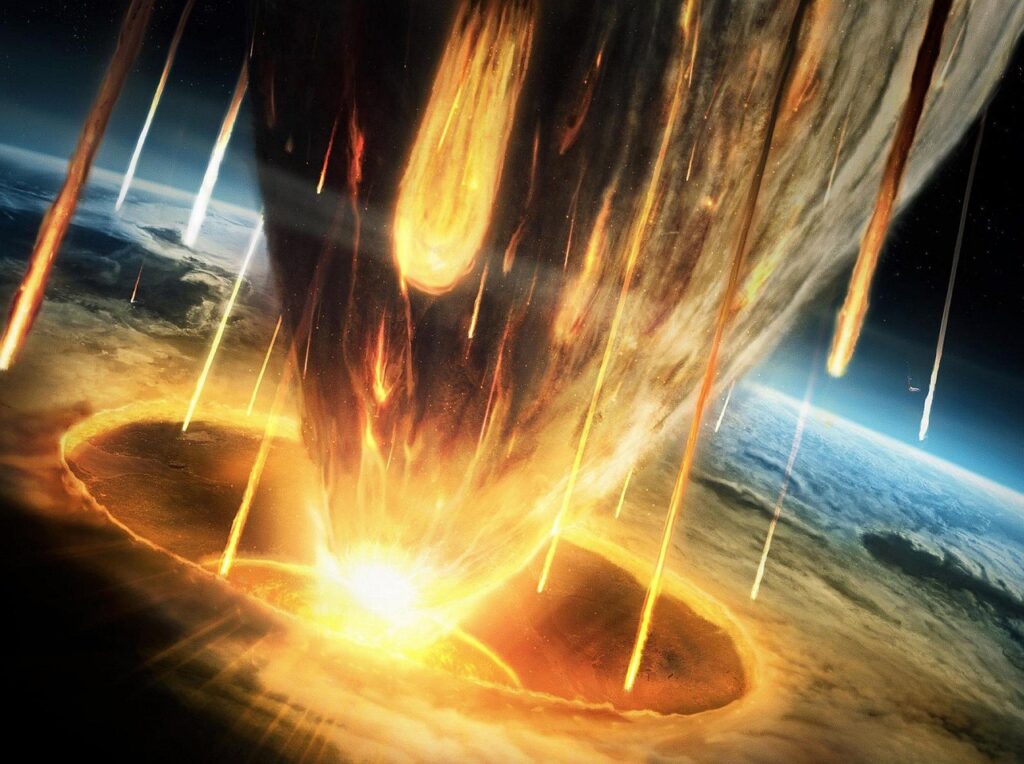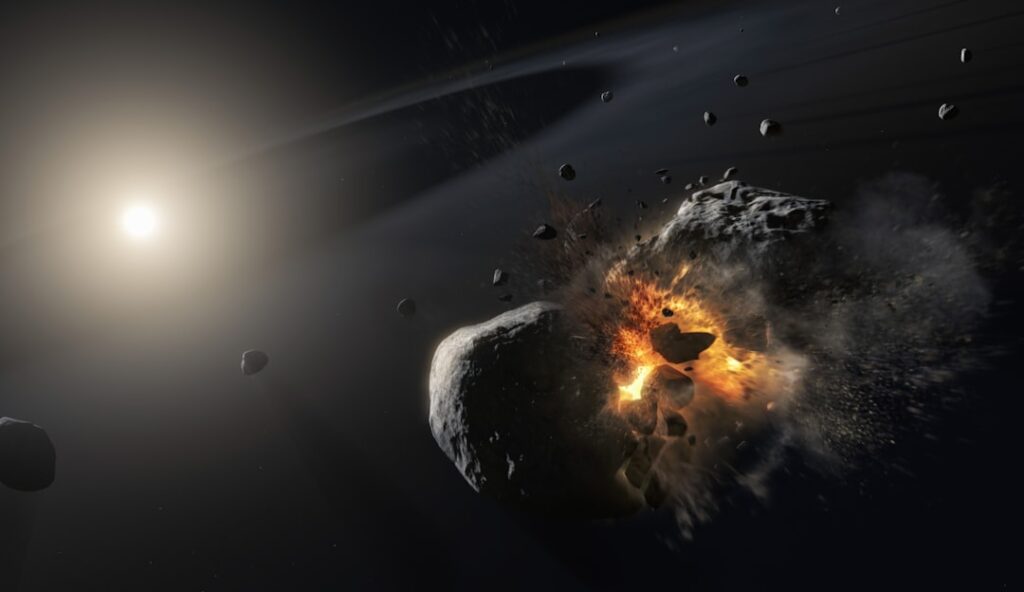
Picture Earth as a massive canvas where cosmic forces have painted their signatures across millions of years. When we look at today’s weather patterns, hurricanes swirling across oceans, or unexpected climate shifts, we’re witnessing the lingering effects of ancient cosmic collisions that reshaped our planet’s atmosphere. These weren’t just momentary disruptions but permanent alterations to Earth’s climate system.
Most people think of meteor impacts as brief, catastrophic events that happened long ago and disappeared into geological history. The reality is far more fascinating and unsettling. These ancient strikes created atmospheric changes that continue to influence how our weather behaves today, making our planet’s climate story one of cosmic intervention and lasting transformation. So let’s dive into the hidden connections between ancient space rocks and the weather patterns that shape our daily lives.
The Chicxulub Impact Changed Everything About Earth’s Atmosphere
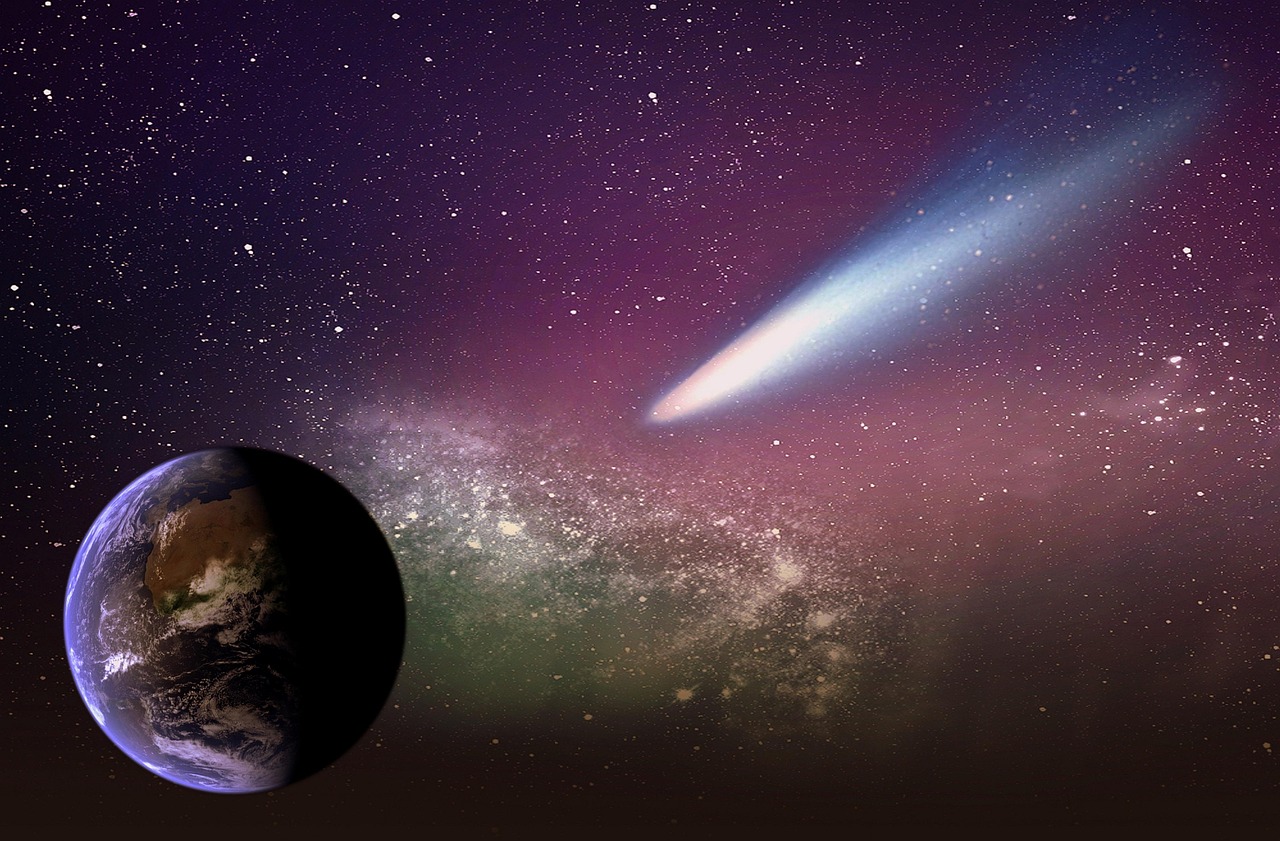
Sixty-six million years ago, an asteroid approximately ten kilometers wide slammed into what is now the Yucatan Peninsula, creating the Chicxulub crater. This wasn’t just any impact – it fundamentally rewrote the rules of Earth’s atmospheric behavior.
The collision released massive amounts of carbon dioxide into the atmosphere, warming Earth’s climate for 100,000 years with temperatures increasing by five degrees Celsius. Think of it as the first major greenhouse gas experiment, but one conducted by a cosmic projectile traveling at enormous speed.
Sulfur Clouds That Blocked the Sun for Years

The immediate aftermath created what scientists call “impact winter” – a prolonged period when more than three times as much sulfur entered the atmosphere than previously estimated, blocking sunlight and creating years of extremely cold weather. This sulfur stayed suspended in the stratosphere, acting like a planetary sunshade.
Three-dimensional atmospheric models show these impacts caused drastic cooling of land surfaces due to sunlight interception by high-altitude dust. The debris created weather patterns unlike anything in human experience, with global atmospheric circulation completely disrupted for extended periods.
Modern Ocean Currents Bear Ancient Impact Signatures

Today’s ocean circulation patterns still reflect the massive disruptions caused by ancient meteor strikes. The lack of sunlight and changes in ocean circulation devastated Earth’s marine biosphere, but also established new circulation patterns that persist in modified forms today.
These impacts suggested catastrophic changes in the hydrological cycle, altering how water moved between oceans, atmosphere, and land. The thermal gradients created by impact cooling established circulation patterns that influence everything from seasonal monsoons to deep-ocean currents that regulate global climate today.
Atmospheric Chemistry Forever Altered by Space Debris
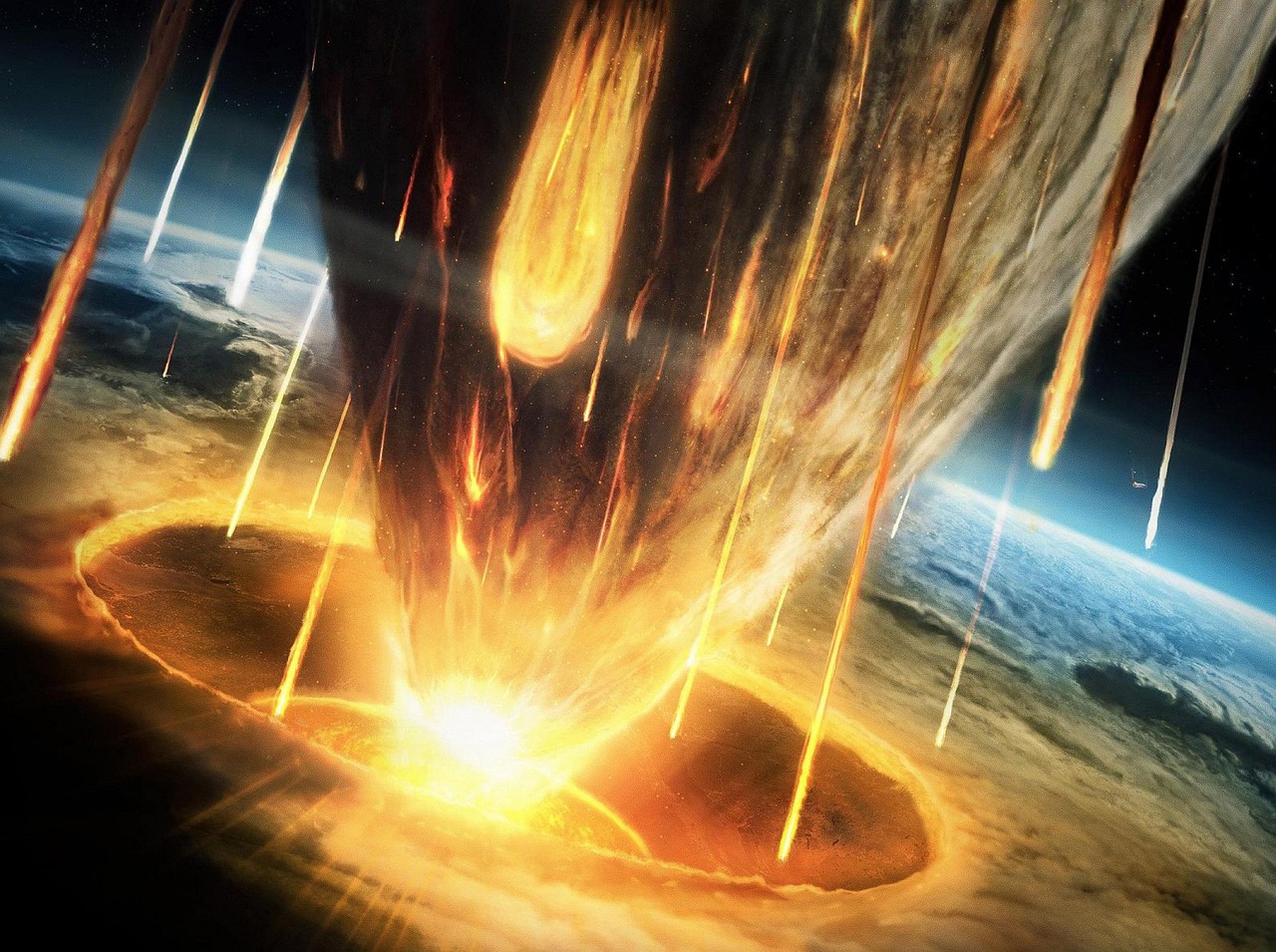
Ancient impacts didn’t just move air around – they chemically transformed it. Asteroid strikes damaged the ozone layer, disrupting the protective stratosphere for up to two years and dramatically increasing ultraviolet radiation reaching Earth’s surface. These chemical changes created feedback loops that still influence atmospheric composition.
The impacts released gases including carbon dioxide and sulfur dioxide, with CO2 contributing to greenhouse warming while sulfur dioxide formed aerosols that reflected sunlight and cooled the atmosphere. This complex chemical cocktail established atmospheric conditions that modern weather systems still navigate.
Continental Formation Changed Global Weather Patterns
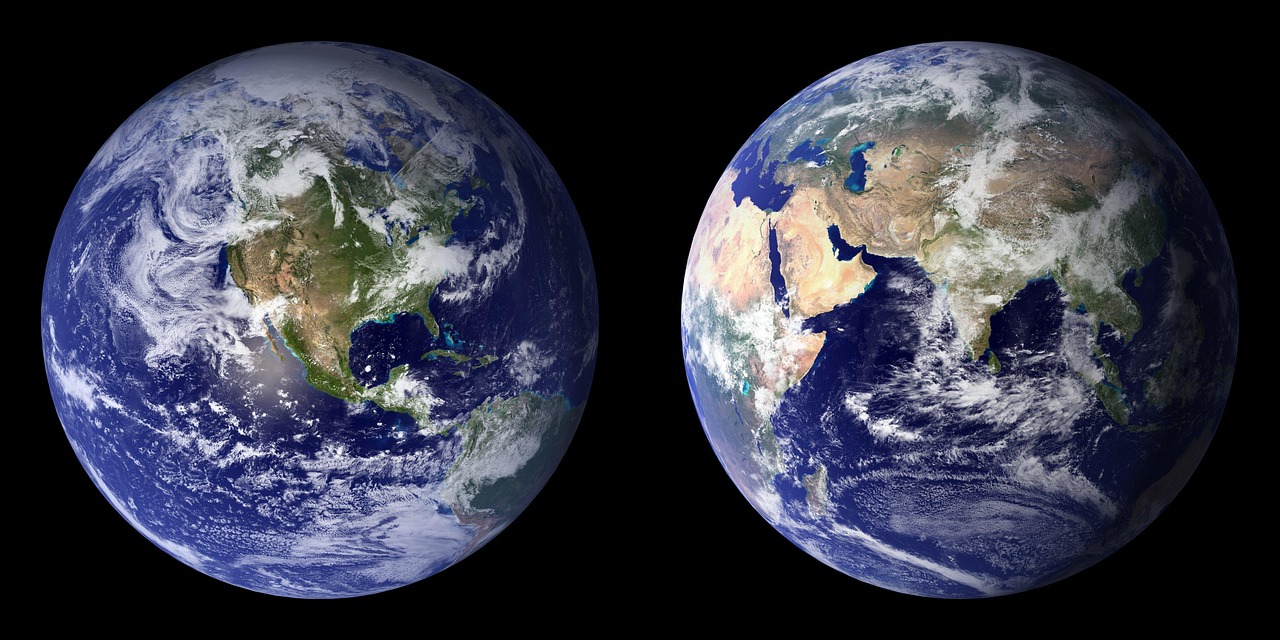
Perhaps most remarkably, recent evidence suggests Earth’s continents themselves were created at sites of massive meteorite impacts, with zircon crystals revealing a top-down melting process consistent with giant meteorite impacts. This means the very shape of our continents reflects cosmic bombardment from billions of years ago.
The positioning and structure of continents directly control weather patterns, ocean currents, and seasonal variations. Every mountain range that deflects storms, every landmass that creates rain shadows, potentially traces back to ancient impact events that shaped Earth’s geography in ways that continue influencing global weather circulation.
The Ongoing Bombardment Keeps Weather Systems Dynamic

Recent research reveals that 290 million years ago, the rate of impacts on Earth increased dramatically, and that bombardment may not yet have died down. Earth experiences constant impacts, with most being small objects that burn up in the atmosphere, adding tens of thousands of tons of material annually.
This continuous input of cosmic material subtly influences atmospheric chemistry and particle concentrations that affect cloud formation and precipitation patterns. Modern weather prediction models may be missing this cosmic component that adds complexity to atmospheric behavior in ways scientists are just beginning to understand.
Long-Term Climate Cycles Rooted in Impact History
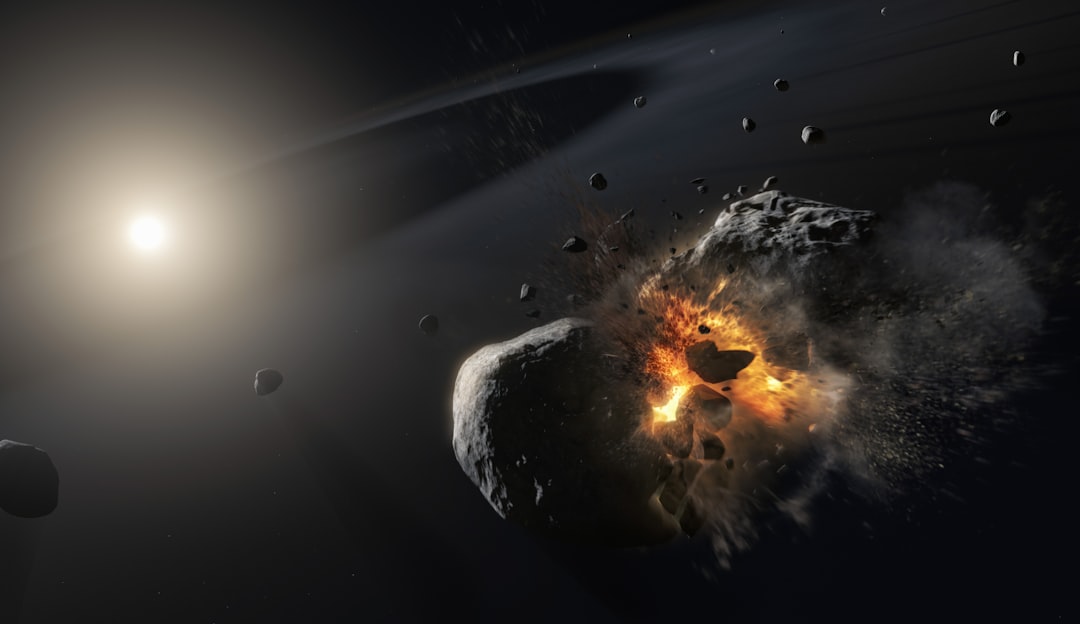
The carbon dioxide release from major impacts caused warming that persisted for roughly 100,000 years, loading the atmosphere and creating consequences that lasted far beyond the initial event. These extended climate shifts established the baseline conditions from which all subsequent weather patterns evolved.
Impact-generated fires released greenhouse gases that had long-term effects on post-impact climate, with chemical constituents like sulfate aerosols and greenhouse gases remaining in the atmosphere and generating climatic effects that persisted long after the impact. Understanding these ancient disruptions helps explain why Earth’s climate system behaves with such complex variability today.
Conclusion
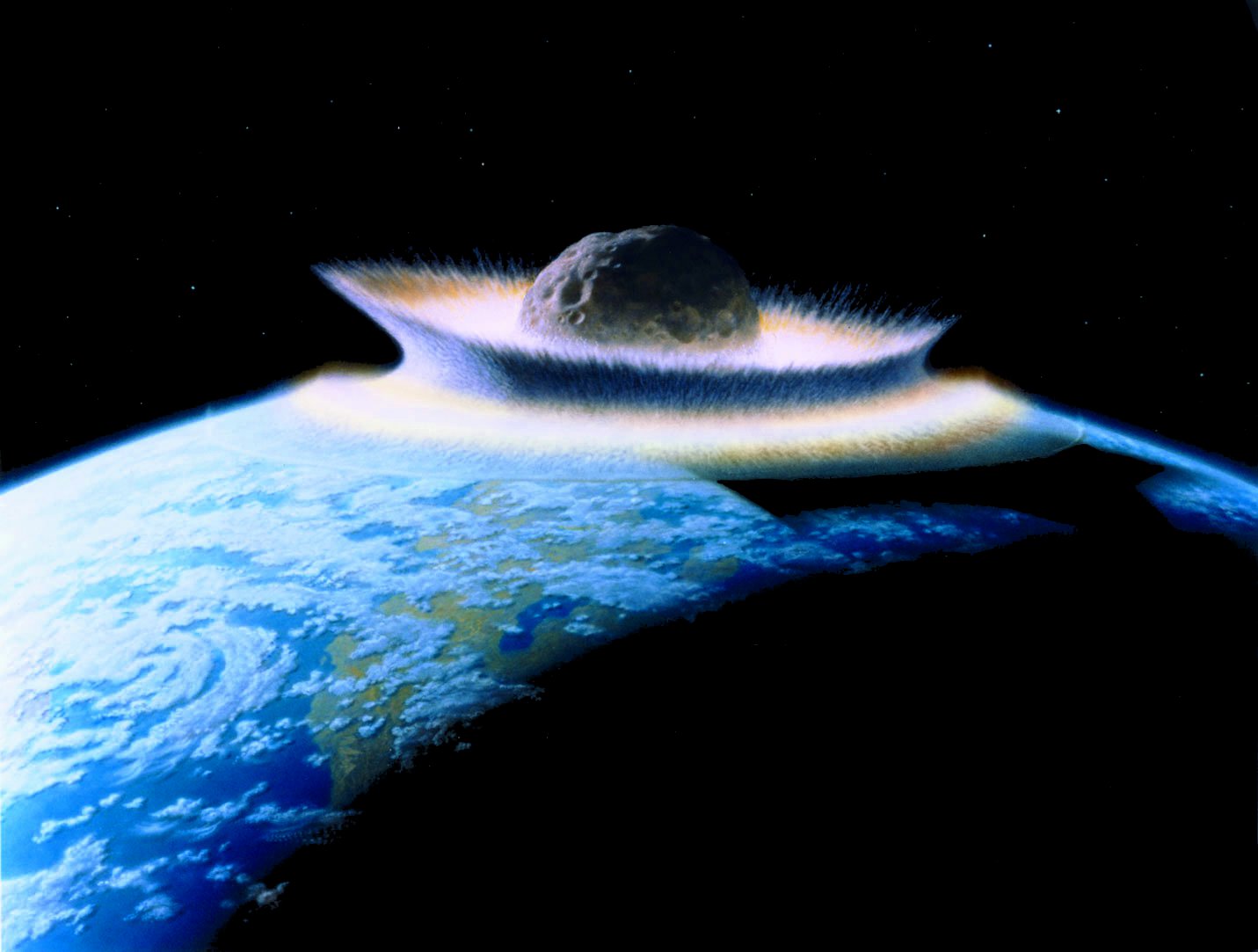
Ancient meteor strikes weren’t just brief moments of destruction – they were permanent climate engineering events that continue shaping Earth’s weather systems millions of years later. From the continental positions that guide storm tracks to the atmospheric chemistry that influences cloud formation, these cosmic collisions established the fundamental framework within which all modern weather operates. Our daily forecasts are, in essence, predictions about a climate system that was forged by ancient impacts and continues to evolve within parameters they established.
What’s truly remarkable is how these billion-year-old events still echo through today’s weather patterns, reminding us that Earth’s climate story extends far beyond human influence into the realm of cosmic intervention. What would you have guessed about the lasting power of these ancient cosmic collisions?