
You’re looking at fossil evidence of creatures so strange, so utterly unlike anything alive today, that they’ve stumped scientists for decades. These prehistoric enigmas lived hundreds of millions of years ago, yet their bizarre anatomies continue to challenge our understanding of life’s evolutionary tree. The most puzzling specimens appear to violate the basic rules of how animals should be built, leaving researchers scratching their heads about where to place them in the grand scheme of life.
What makes these ancient beings so perplexing? They possess combinations of features that simply don’t exist in modern organisms, forcing scientists to completely rethink what we know about early animal evolution. So let’s get started with these mysterious creatures that continue to baffle the scientific community.
The Riddle of Dickinsonia’s Identity

Dickinsonia is a genus of extinct organism that lived during the late Ediacaran period in what is now Australia, China, Russia, and Ukraine. It had a round, approximately bilaterally symmetric body with multiple segments running along it. It could range from a few millimeters to over a meter in length, and likely lived in shallow waters, feeding on the microbial mats that dominated the seascape at the time.
As a member of the Ediacaran biota, its relationships to other organisms has been heavily debated. It was initially proposed to be a jellyfish, and over the years has been claimed to be a land-dwelling lichen, placozoan, or even a giant protist. Currently, the most popular interpretation is that it was a seafloor dwelling animal, perhaps a primitive stem group bilaterian, although this is still contentious.
This flattened, ribbed oval can grow over four feet across and sports a distinct ridge down its center. However, the question of what exactly Dickinsonia is has long puzzled scientists. At various points in history, they’ve assigned these curious forms to almost every kingdom of life. Only recently have researchers been able to use chemical evidence to solve this decades-old mystery.
The Cholesterol Breakthrough
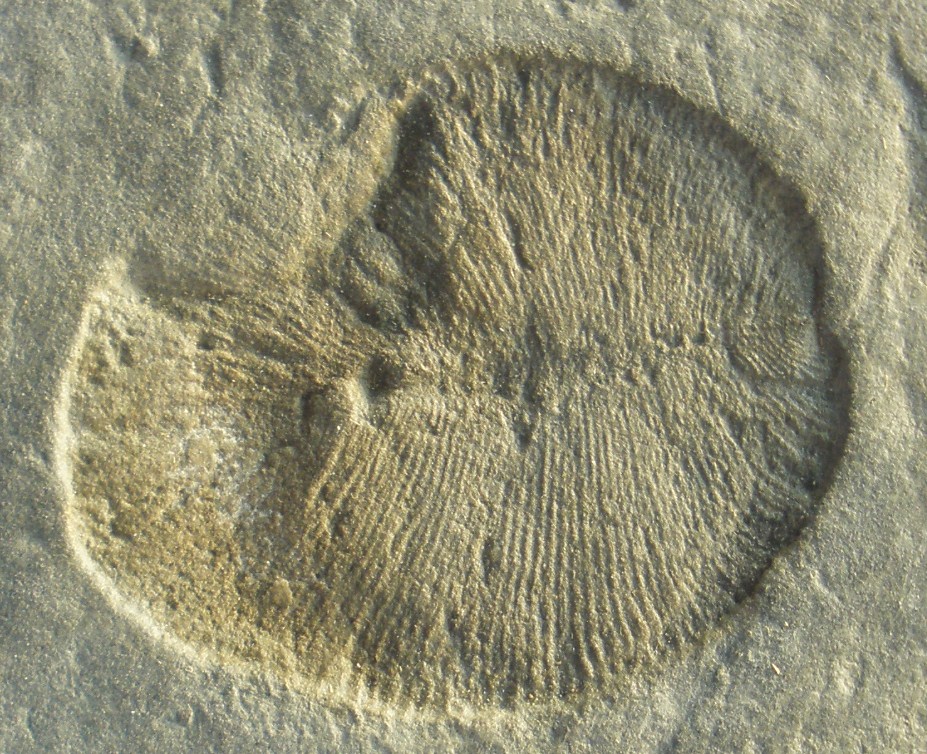
But the recent discovery of additional Dickinsonia fossils revealed something that had never been seen in this type of fossil before: organic tissue preserved in the fossilized impression left behind by the creature’s body. From this impression, or biofilm, researchers were able to identify molecules of cholesterol, a fat that is recognized as “a hallmark” of animals, the scientists reported in a new study.
Indeed, when Brocks and his colleagues analyzed the samples, they uncovered cholesteroids: the molecular fossils of cholesterol, a distinctive signature of animal life. Whether animal, vegetable or otherwise, every Earthly organism is composed of cells bounded by layers of lipid molecules; only animals, however, have cholesterol in their cell membranes. So spotting cholesteroid meant Dickinsonia were in fact animals.
Scientists have been debating for more than 70 years over what Dickinsonia and other bizarre fossils of the Ediacaran biota were: giant single-celled amoeba, lichen, failed experiments of evolution or the earliest animals on Earth. The fossil fat now confirms Dickinsonia as the oldest known animal fossil, solving a decades-old mystery that has been the Holy Grail of palaeontology.
Opabinia’s Outrageous Anatomy

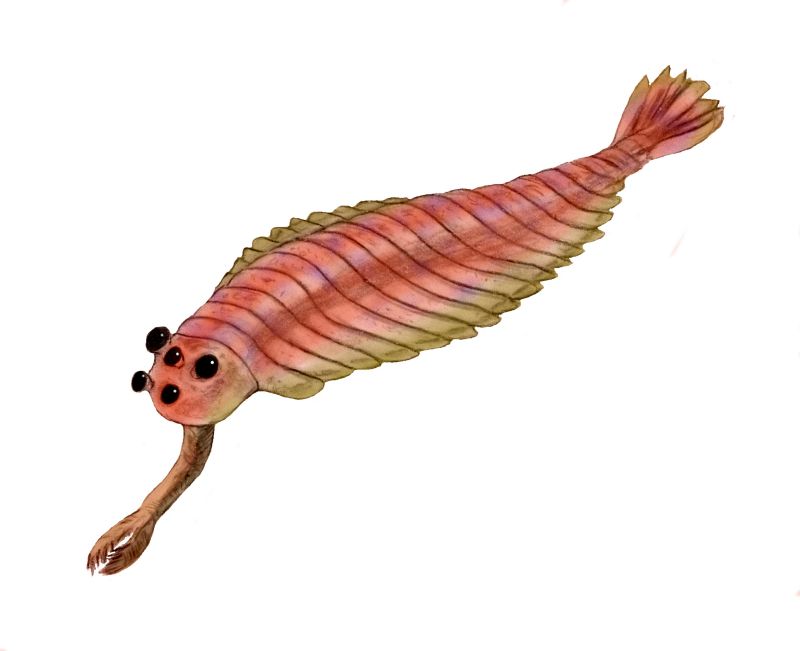
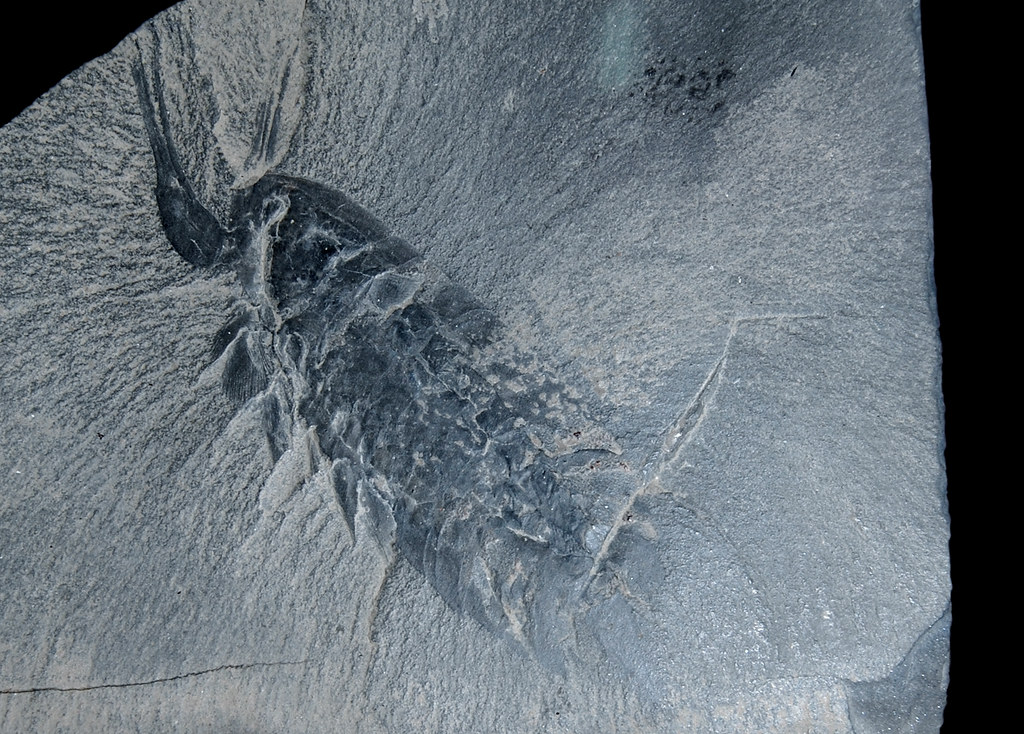
Opabinia regalis is an extinct, stem group marine arthropod found in the Middle Cambrian Burgess Shale Lagerstätte (505 million years ago) of British Columbia. Opabinia was a soft-bodied animal, measuring up to 7 cm in body length, and had a segmented trunk with flaps along its sides and a fan-shaped tail. The head showed unusual features: five eyes, a mouth under the head and facing backwards, and a clawed proboscis that most likely passed food to its mouth.
Perhaps the best word to describe Opabinia is bizarre. With five eyes, a forward facing proboscis a third of the length of the body and a mouth that is not only on the underside of the body but faces backwards, and you end up with a creature like no other we know of today. Famously, when Whittington displayed a preliminary version of this reconstruction at the Paleontological Association meeting in 1972, he was greeted with peals of laughter.
The Classification Nightmare
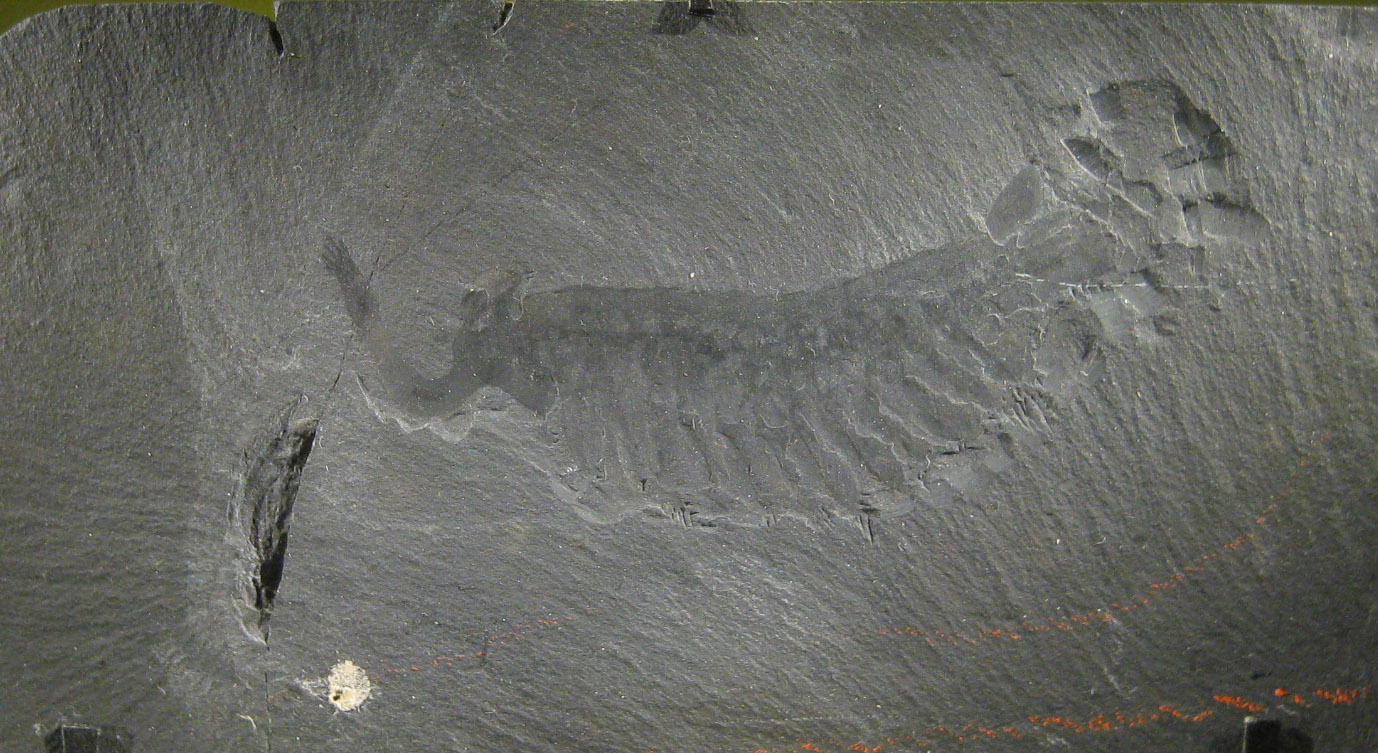
When the first thorough examination of Opabinia in 1975 revealed its unusual features, it was thought to be unrelated to any known phylum, or perhaps a relative of arthropod and annelid ancestors. In a word, it was a freak. So he concluded that Opabinia was an animal of uncertain affinity, which on present knowledge could not be assigned to any living group. In his words, “this enigmatic animal exhibits features common to arthropods and annelids, but cannot be placed in any recognized group of either”.
Opabinia was not an outlier. As Whittington and his colleagues worked through the fauna, creature after creature fell between the taxonomic cracks. They were, in Gould’s words, “weird wonders” – creatures without close relatives in the modern ocean, or even, for that matter, the ocean of a quarter-billion years ago.
Modern Taxonomic Chaos
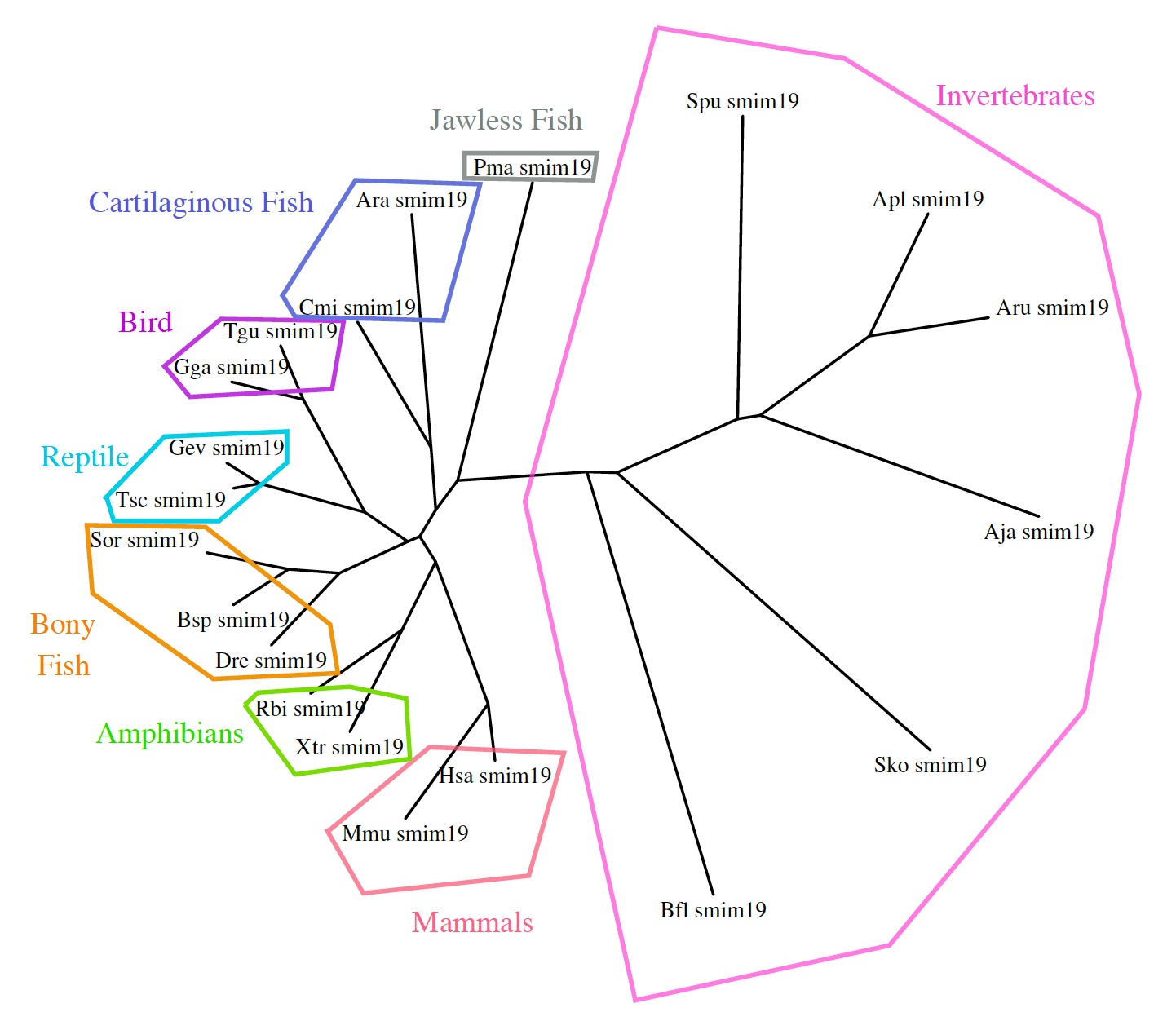
Scientists now understand that major animal groups are related in ways not anticipated by classical taxonomists. The many changes in our understanding of evolutionary relationships among animals have resulted in confusing and conflicting relationships among animal groups defined using ranks.
To this day, the concept of Linnaean Taxonomy persists. In truth, this means of classifying biological organisms is rendered outdated and obsolete by cladistics (derived from kládos, the Ancient Greek term for “branch”), a standard that first appeared in 1901 and eventually became adopted by the scientific community as the proper, technical way of classifying living beings. The way cladistics works is that animals are grouped by their most common ancestor. This shift has revealed just how problematic some prehistoric animals truly are.
The Trilobite Imposters

Trilobites are an extinct clade of Arthropods (like crustaceans). Nothing like them exists today. Trilobites are diverse! Trilobites are Arthropods. They look like little hard shelled insects, and are often nicknamed “bugs” by fossil collectors. However, they are not related to insects.
Eurypterids, or Sea Scorpions are an order on ancient arthropods that live in the Paleozoic seas. They tended to live in very shallow water. Although they resemble scorpions, Eurypterids are not related to them. Most Eurypterids were under a foot in length, however, some grew over 8 feet in length. These creatures perfectly demonstrate how prehistoric animals can look remarkably similar to modern ones while belonging to completely different evolutionary lineages.
The Stem Group Solution
While this discussion about specific fossils such as Opabinia and Anomalocaris was going on in the late 20th century, the concept of stem groups was introduced to cover evolutionary “aunts” and “cousins”. A crown group is a group of closely related living animals plus their last common ancestor plus all its descendants. A stem group contains offshoots from members of the lineage earlier than the last common ancestor of the crown group; it is a relative concept.
Viewing strange-looking organisms like Opabinia in this way makes it possible to see that, while the Cambrian explosion was unusual, it can be understood in terms of normal evolutionary processes. Although Opabinia initially defied assignment to any group of modern animals, it is now interpreted as lying below anomalocaridids on the stem leading to the living arthropods. This approach has helped scientists place many previously problematic fossils into a coherent evolutionary framework.
The Ongoing Mystery

For more than 70 years, scientists have puzzled over the bewildering shapes of half-a-billion-year-old fossils that don’t look like any other organisms that have ever lived on Earth. Paleontologists haven’t even been able to tell whether many of these oddly shaped fossils from ancient oceans represent plants, animals, or some other life form.
From this gorgeously illustrated compendium, here are ten creatures to be found on its pages, many of which are unlike any species alive today. Lost Animals brings back to life some of the most charismatic creatures to inhabit the planet. The continued discovery of such bizarre prehistoric forms reminds us that life has experimented with body plans and biological strategies far beyond what we see in today’s world.
These ancient enigmas continue to challenge our understanding of life’s history on Earth. From Dickinsonia’s pancake-like form to Opabinia’s impossible anatomy, these creatures represent evolutionary experiments that pushed the boundaries of what we consider possible in animal design. They remind us that the tree of life is far more complex and surprising than we ever imagined, with branches that led to dead ends and possibilities we’re only beginning to understand.
What do you think about these mysterious ancient creatures? Tell us in the comments.