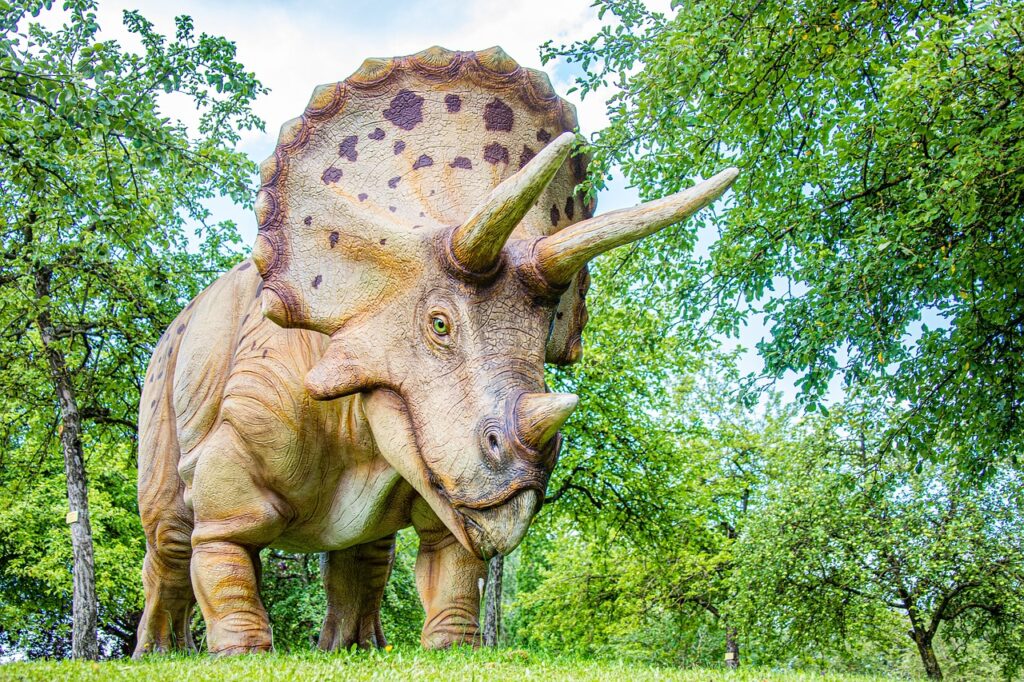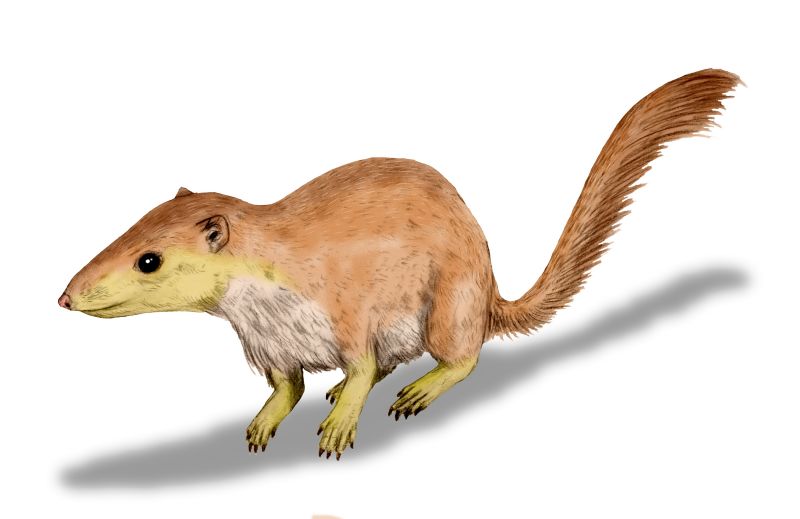
Picture this: When a massive asteroid slammed into Earth sixty-six million years ago, it ended the reign of the mighty dinosaurs in a blaze of fire and devastation. Yet somewhere in the chaos, small creatures barely the size of shrews managed to survive and eventually inherit the planet. These weren’t just any animals though – they were our ancient mammalian ancestors, and their survival story is far more remarkable than you might imagine.
Some creatures survived, including certain rat-sized mammals that would later diversify into the approximately 5,500 mammal species that exist today, including humans. The tale of how mammals outsmarted extinction and reshaped the world is a testament to adaptation, resilience, and sometimes plain old luck. So let’s dive into the extraordinary journey of the little creatures that would eventually give rise to elephants, whales, bats, and yes – even us.
The Underground Advantage
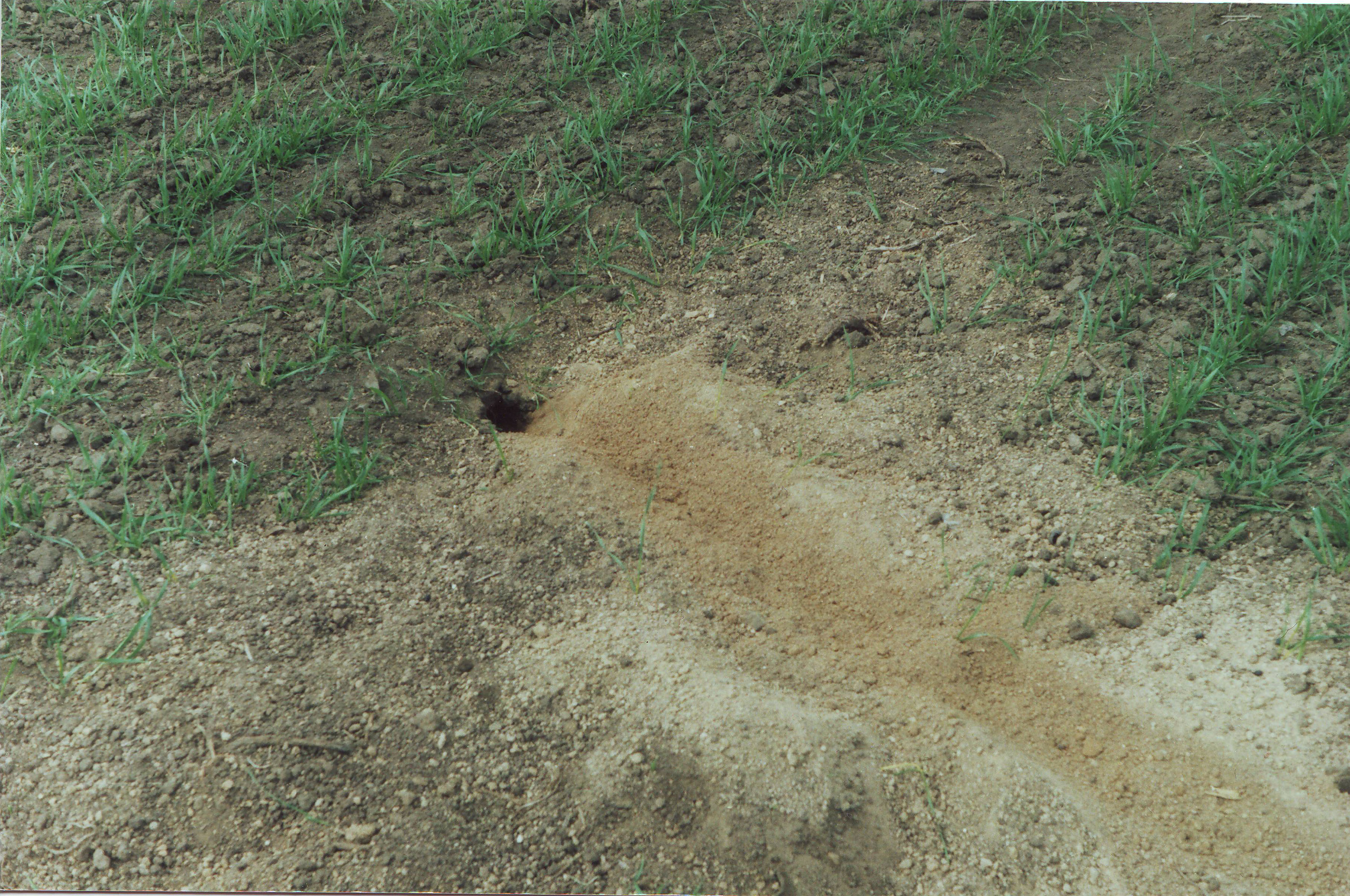
When that asteroid struck with the force of millions of nuclear bombs, “It was the huge amount of thermal heat released by the meteor strike that was the main cause of the K/T extinction.” But while dinosaurs were caught completely exposed to this searing heat, mammals had a crucial advantage: they could hide.
Underground burrows and aquatic environments protected small mammals from the brief but drastic rise in temperature. Think of it like nature’s ultimate bomb shelter. Animals that could burrow or take refuge in aquatic environments were shielded from the immediate effects of the impact. Mammals, many of which were small and nocturnal, often lived in burrows, providing protection from wildfires and temperature fluctuations.
Size Mattered for Survival
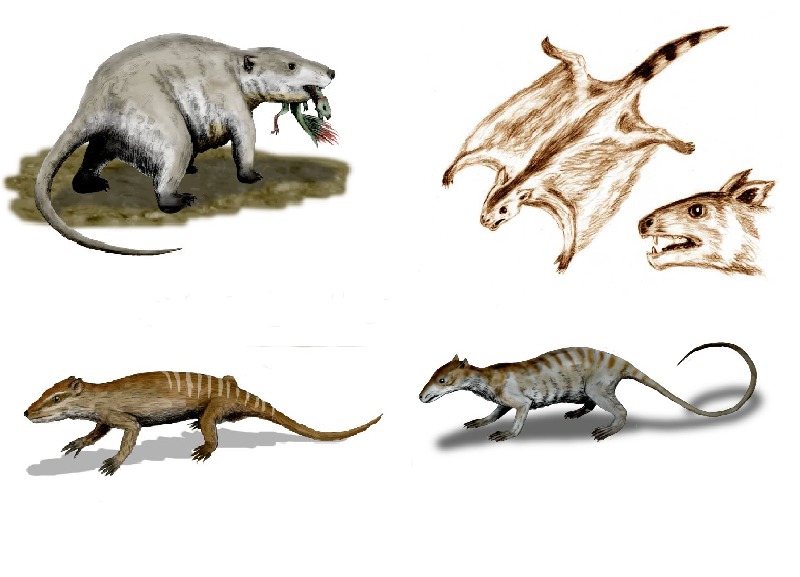
During the age of dinosaurs, being small wasn’t exactly glamorous. The mammals alive at the time of the mass extinction event were typically quite small. However, this turned out to be their saving grace when disaster struck.
K–Pg boundary mammalian species were generally small, comparable in size to rats; this small size would have helped them find shelter in protected environments. Large animals, particularly those with high energy demands like the non-avian dinosaurs, struggled to find enough food and regulate their body temperatures. Smaller animals, like mammals, birds, and many reptiles, had lower energy requirements and could subsist on smaller food sources or enter periods of dormancy. Sometimes in nature, the meek really do inherit the Earth.
Flexible Diets Save the Day
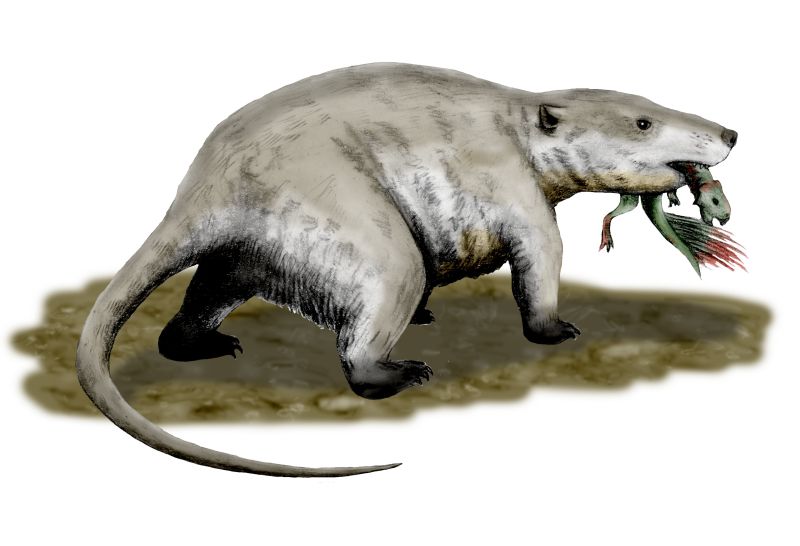
After several days of searing heat, the earth’s surface temperature returned to bearable levels, and the mammals emerged from their burrows, but it was a barren wasteland they encountered, one that presented yet another set of daunting conditions to be overcome. It was their diet which enabled these mammals to survive in habitats nearly devoid of plant life.
While the massive herbivorous dinosaurs starved without their plant-based meals, mammals showed remarkable adaptability. “Even if large herbivorous dinosaurs had managed to survive the initial meteor strike, they would have had nothing to eat,” because most of the earth’s above-ground plant material had been destroyed.” Mammals, in contrast, could eat insects and aquatic plants, which were relatively abundant after the meteor strike. This dietary flexibility proved to be a game-changer in the devastated post-impact world.
Not All Mammals Made It
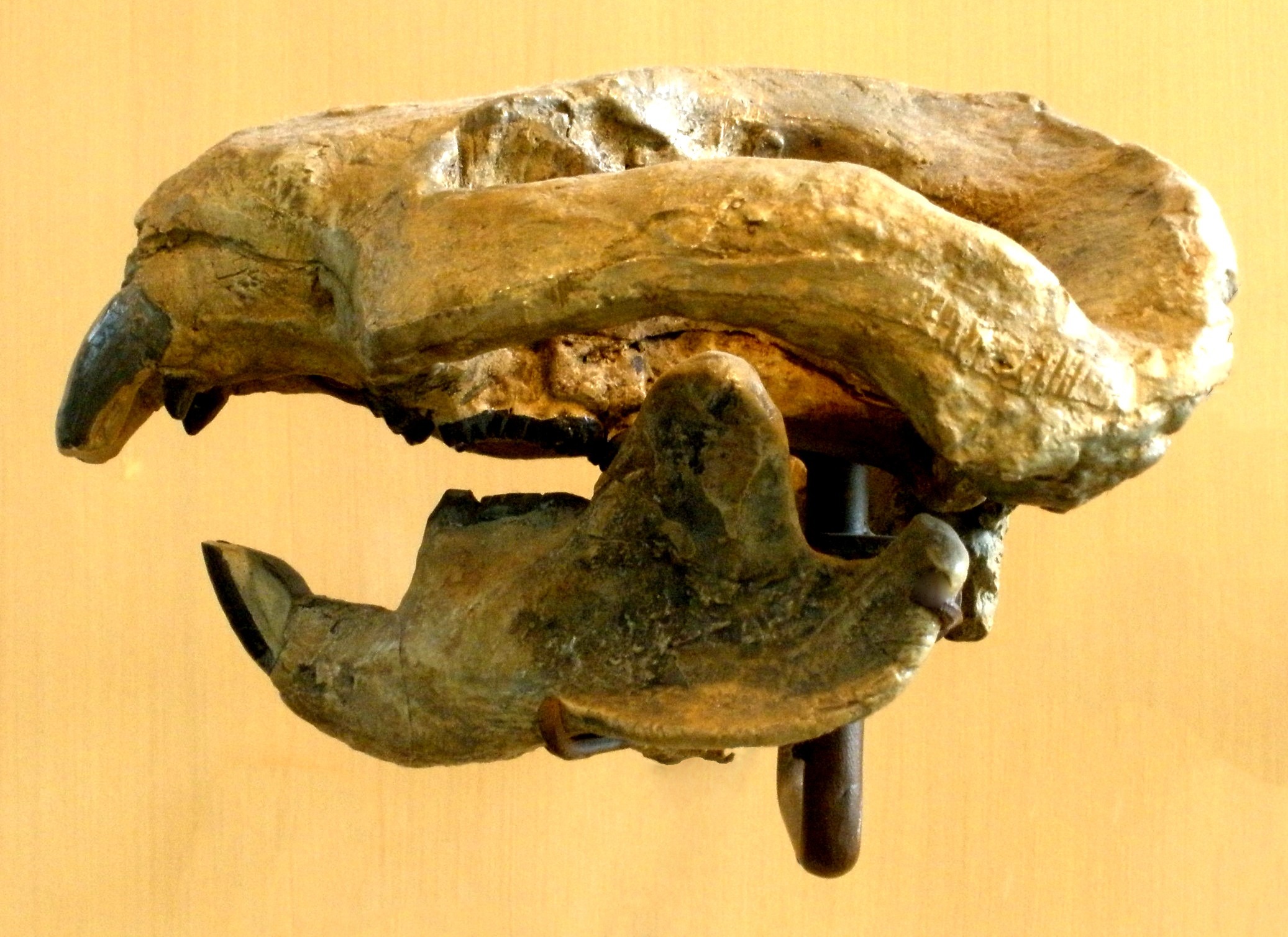
Here’s something that might surprise you: contrary to popular perceptions, mammals did not escape the extinction event unscathed. Several groups of mammals most people have never heard of (like the triconodontids, spalacotheroids, dryolestids and multituberculates) perished right at or not long after the extinction event.
The story wasn’t as simple as “mammals survived, dinosaurs didn’t.” A recent study indicates that metatherians suffered the heaviest losses at the K–Pg event, followed by multituberculates, while eutherians recovered the quickest. Some mammalian lineages thrived while others vanished entirely, showing that survival often came down to specific adaptations rather than just being a mammal.
The Great Expansion Begins
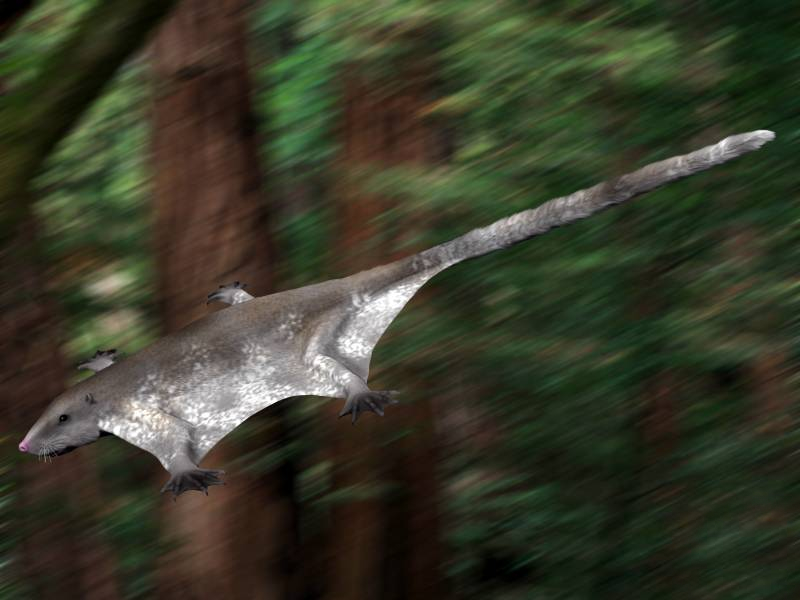
Once the dust settled – literally – mammals didn’t waste time. After the K–Pg extinction, mammals evolved to fill the niches left vacant by the dinosaurs. As the remaining dinosaurs died off, mammals began to flourish. Although representatives from other classes of animals also survived the K/T extinction – crocodiles, for instance, had the saving ability to take to water – mammals were clearly the main beneficiaries, and they have since spread to nearly every corner of the planet.
This wasn’t just a gradual takeover either. Morphological diversification rates among eutherians after the extinction event were thrice those of before it. Also significant, within the mammalian genera, new species were approximately 9.1% larger after the K–Pg boundary. After about 700,000 years, some mammals had reached 50 kilos (110 pounds), a 100-fold increase over the weight of those which survived the extinction.
The Adaptive Radiation Explosion
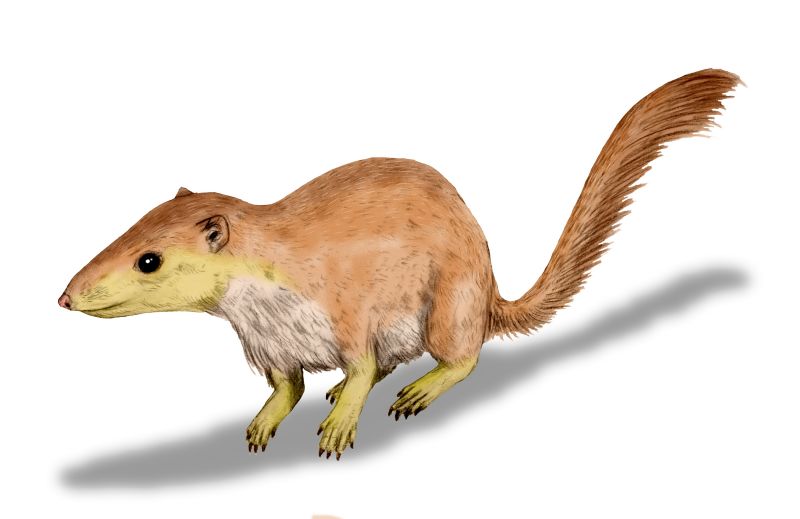
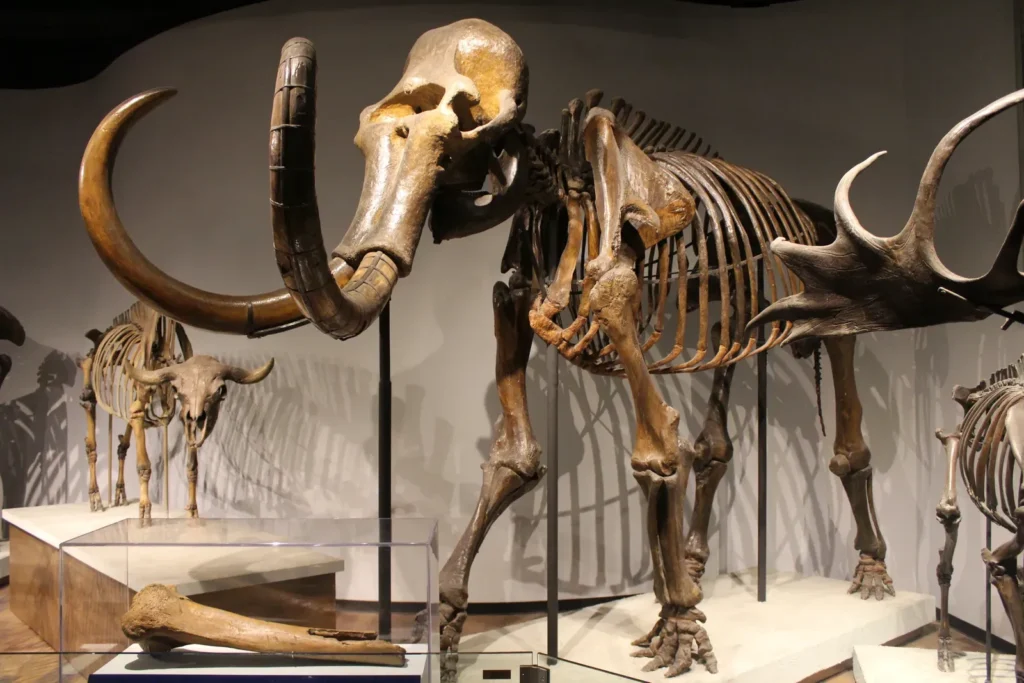
What happened next was nothing short of spectacular. Perhaps the most familiar example of an evolutionary radiation is that of placental mammals immediately after the extinction of the non-avian dinosaurs at the end of the Cretaceous, about 66 million years ago. At that time, the placental mammals were mostly small, insect-eating animals similar in size and shape to modern shrews. By the Eocene (56–34 million years ago), they had evolved into such diverse forms as bats, whales, and horses.
The term “adaptive radiation” perfectly captures what happened. Placental mammals illustrate a great example of adaptive radiation, where multiple diverse forms have developed from the common lineage of a primitive, short-legged,, insectivorous, rat-like creature, that coexisted with dinosaurs. Extinction of dinosaurs triggered a global adaptive radiation event that resulted in the rich mammal diversity that exists today.
Early Signs of Mammalian Innovation
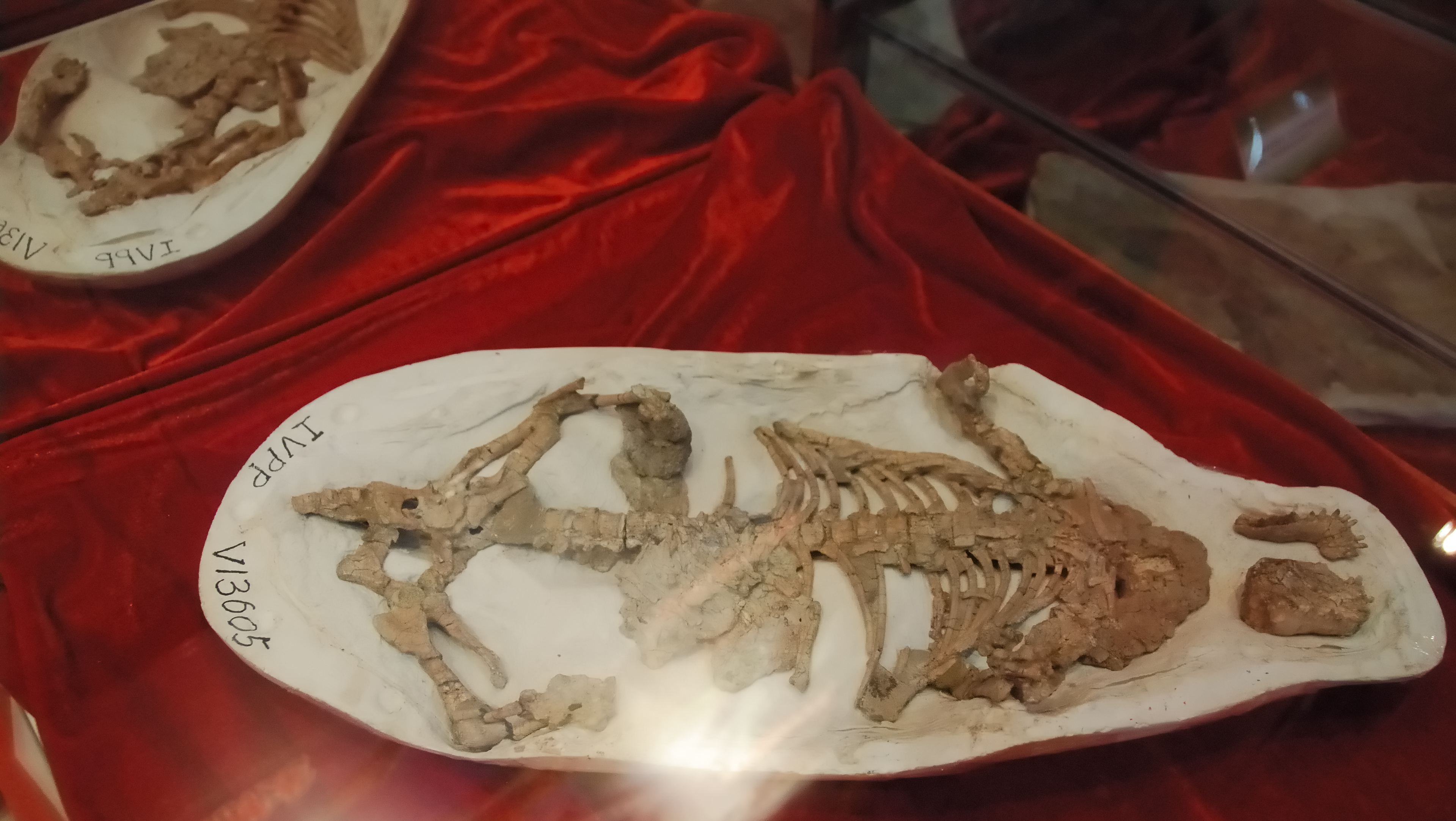
Interestingly, mammals weren’t just waiting around for dinosaurs to disappear. Recent research reveals adaptive radiation of Mesozoic-era multituberculate mammals began at least 20 million years before the extinction of non-avian dinosaurs and continued across the Cretaceous–Paleogene boundary – probably as a result of dietary expansion towards herbivory during the ecological rise of angiosperms.
Tiny fossils suggest that many small mammals embraced ground-based living long before the arrival of the asteroid that ended the dinosaur age. Researchers say these creatures were already exploring terrestrial spaces several million years ahead of that cosmic event. This challenges the idea that mammals only moved down from the trees to the ground after dinosaurs were out of the picture. These clever creatures were already preparing for their moment in the sun.
Beyond Luck: Smart Survival Strategies
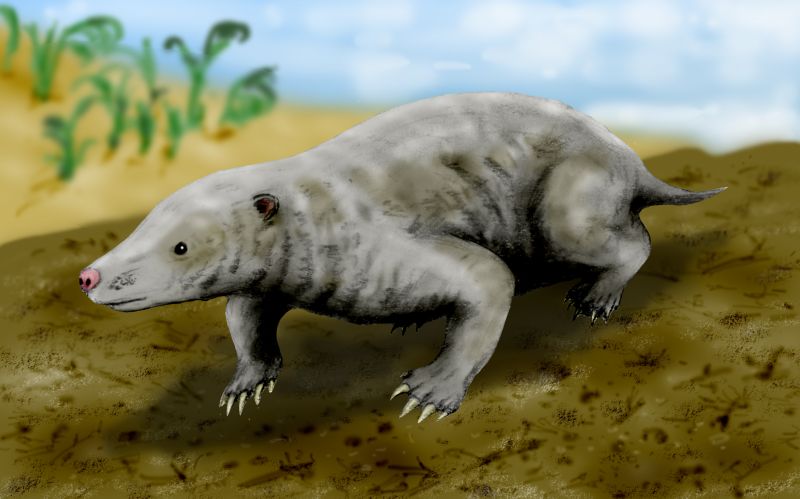
While some survival might have been luck, mammals had developed some genuinely smart strategies. It is postulated that some early monotremes, marsupials, and placentals were semiaquatic or burrowing, as there are multiple mammalian lineages with such habits today. Any burrowing or semiaquatic mammal would have had additional protection from K–Pg boundary environmental stresses.
A new study suggests that ground-dwelling and semi-arboreal mammals were better able to survive the cataclysm than tree-dwelling mammals, due to the global devastation of forests that followed the Chicxulub asteroid impact. A possible exception to that pattern may have been the earliest primates, which likely resembled modern tree shrews and marmosets. These animals weren’t just surviving – they were evolving survival into an art form.
The Ultimate Comeback Story
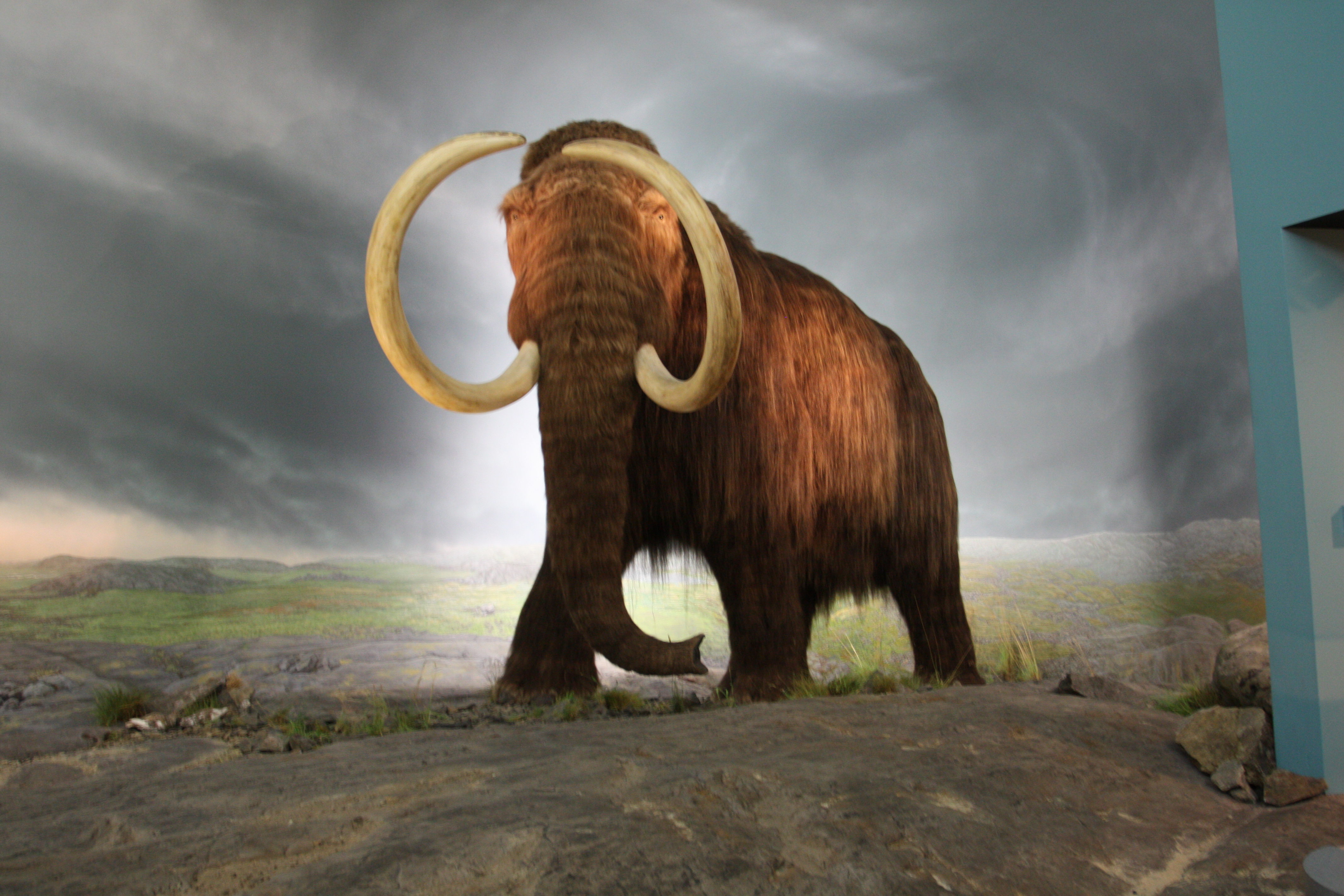
The study further indicates that the early Cenozoic differentiation of mammals was explosive in character, occurring within only a few million years after the dinosaur extinction. This supports the interpretation that mammalian evolution had been held in check because dinosaurs occupied most of the available ecological space, leaving very little opportunity for the ancestral mammals to diversify. Once the dinosaurs were removed, by whatever mechanism, mammals had virtually unlimited prospects, which they took advantage of very quickly.
From those tiny, shrew-like survivors emerged the incredible diversity we see today. Mammals survived and took over. The following Paleogene Period saw the evolution of everything from bats to whales. Without the end-Cretaceous extinction, we might not be here to learn about it. Talk about making the most of an opportunity!
The story of mammalian survival isn’t just about dodging an asteroid. It’s about adaptation, flexibility, and the remarkable ability of life to find a way forward even in the darkest moments. Those tiny creatures hiding in their burrows sixty-six million years ago couldn’t have imagined they were laying the foundation for every mammal that would ever exist – including the ones reading this story today.
What do you think about it? These ancient survivors truly changed the course of history by simply being in the right place at the right time with the right adaptations. Tell us in the comments.