
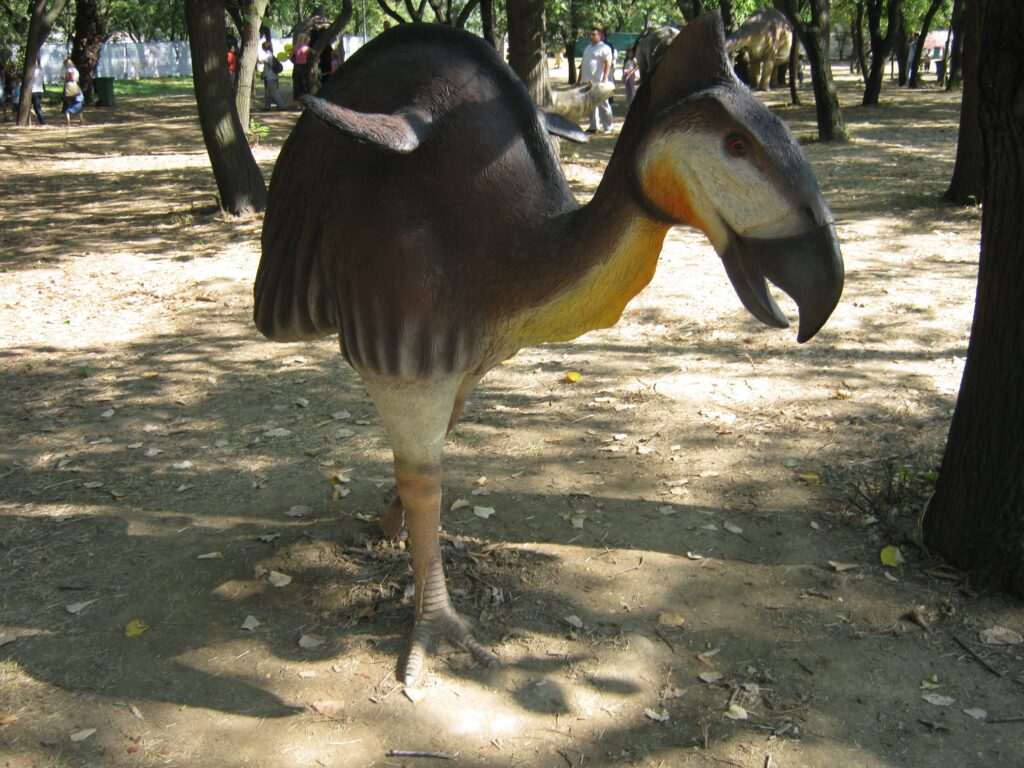
Picture walking through the ancient forests of South America millions of years ago. You hear a thunderous crash through the underbrush, then see towering shadows emerging from the trees. These weren’t dinosaurs returning from extinction, but something arguably more terrifying: birds the size of grizzly bears with beaks like battle axes. Welcome to the world of terror birds, prehistoric predators that ruled an entire continent for over 40 million years.
Phorusrhacids, colloquially known as terror birds, are an extinct family of large carnivorous, mostly flightless birds that were among the largest apex predators in South America during the Cenozoic era. Their definitive fossil records range from the Middle Eocene to the Late Pleistocene around 43 to 0.1 million years ago, though some specimens suggest they were present since the Early Eocene. These magnificent predators dominated landscapes where no large mammalian carnivores existed, filling a void left by the extinction of non-avian dinosaurs. Let’s dive into the extraordinary world of these feathered giants that redefined what it meant to be an apex predator.
Giants Among Birds: Size Beyond Imagination
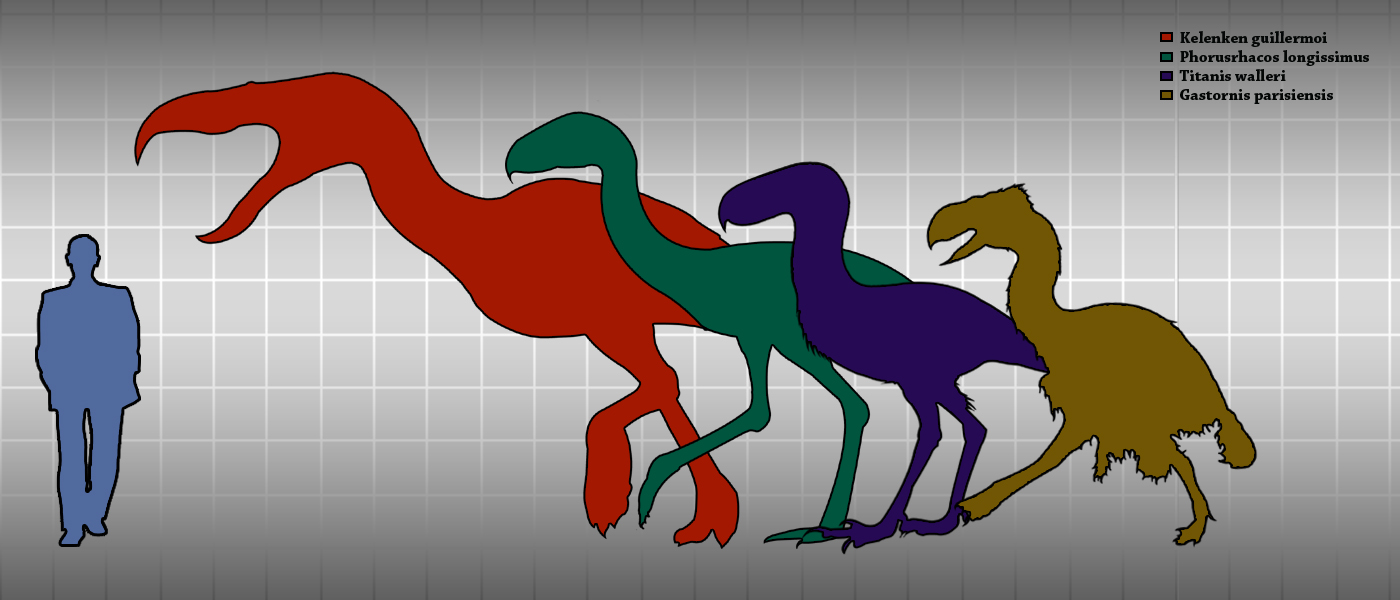
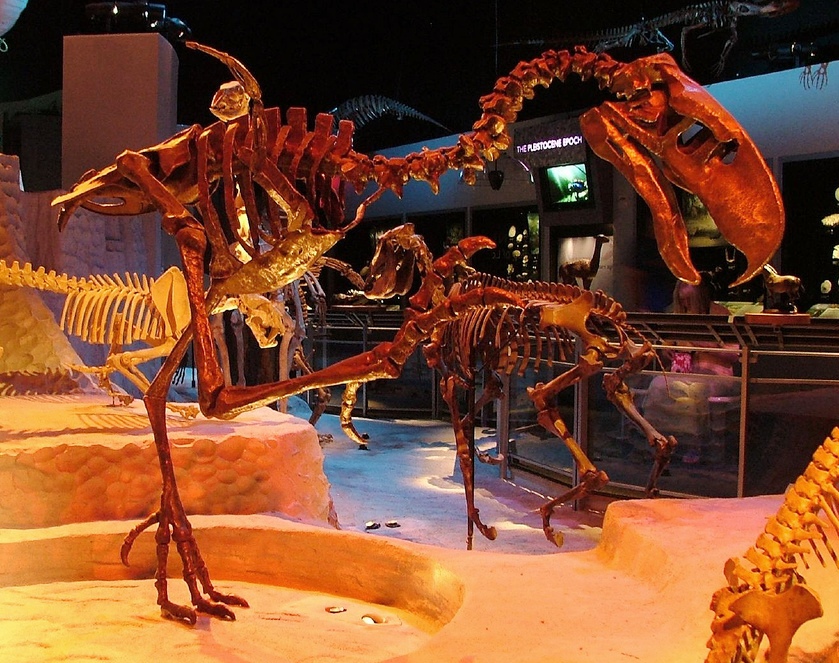
The sheer scale of terror birds defies everything you think you know about avian anatomy. They ranged in height from 1 to 3 m (3 to 10 ft), though recent discoveries suggest some species may have been even larger. “We are talking about a species that was larger than 2.5 meters [8.2 feet] and weighed more than 150 kilograms [330 pounds],” lead author Federico Degrange, a paleontologist at Argentina’s science agency CONICET, tells Newsweek’s Aristos Georgiou.
One of the largest specimens from the Early Pleistocene of Uruguay, possibly belonging to Devincenzia, would have weighed up to 350 kilograms (770 lb). To put this in perspective, imagine an ostrich that weighs as much as a grizzly bear and stands taller than most basketball players. Kelenken is the largest-known phorusrhacid, 10% larger than its largest relatives known previously. At 716 mm (2.3 ft) long, the holotype skull is the largest known of any bird, and has been likened to the size of a horse’s skull.
Millions of years ago, apex predators in the Phorusrhacidae family lived up to their more common name – terror birds. The mostly flightless, meat-eating dinosaur descendents were the size of dogs at their smallest, but the largest known examples reached nearly 10 feet in height. Now, however, paleontologists have confirmed that a possibly unknown species of terror bird grew up to 20 percent bigger than any previously known, per a recently analyzed fossil.
The Colombian Discovery: A Record-Breaking Giant

A recent groundbreaking discovery in Colombia’s Tatacoa Desert has rewritten our understanding of terror bird distribution and size. Nearly 20 years ago, while repairing a fence on his ranch in Colombia, fossil collector César Perdomo found the middle leg bone of a bird. The 12-million-year-old fossil, known as a tibiotarsus, belonged to a now-extinct creature in the Phorusrhacidae family, which was made up of mostly flightless, giant, meat-eating birds known collectively as “terror birds.”
Now, in a new study published this week in Papers in Paleontology, researchers suggest this fossil belonged to a previously unknown species that could’ve grown from 5 to 20 percent bigger than other terror birds. This discovery is particularly significant because Perdomo’s discovered fragment of a tibiotarsus is the northernmost record for terror birds in South America, the authors write in the study, suggesting these animals might have also lived in more tropical environments. Previously, fossils from terror birds had mostly been found in Argentina near the southernmost part of the continent, or in more northern regions like Texas and Florida, leaving a big gap in between.
Anatomy of a Killer: The Weaponized Skull

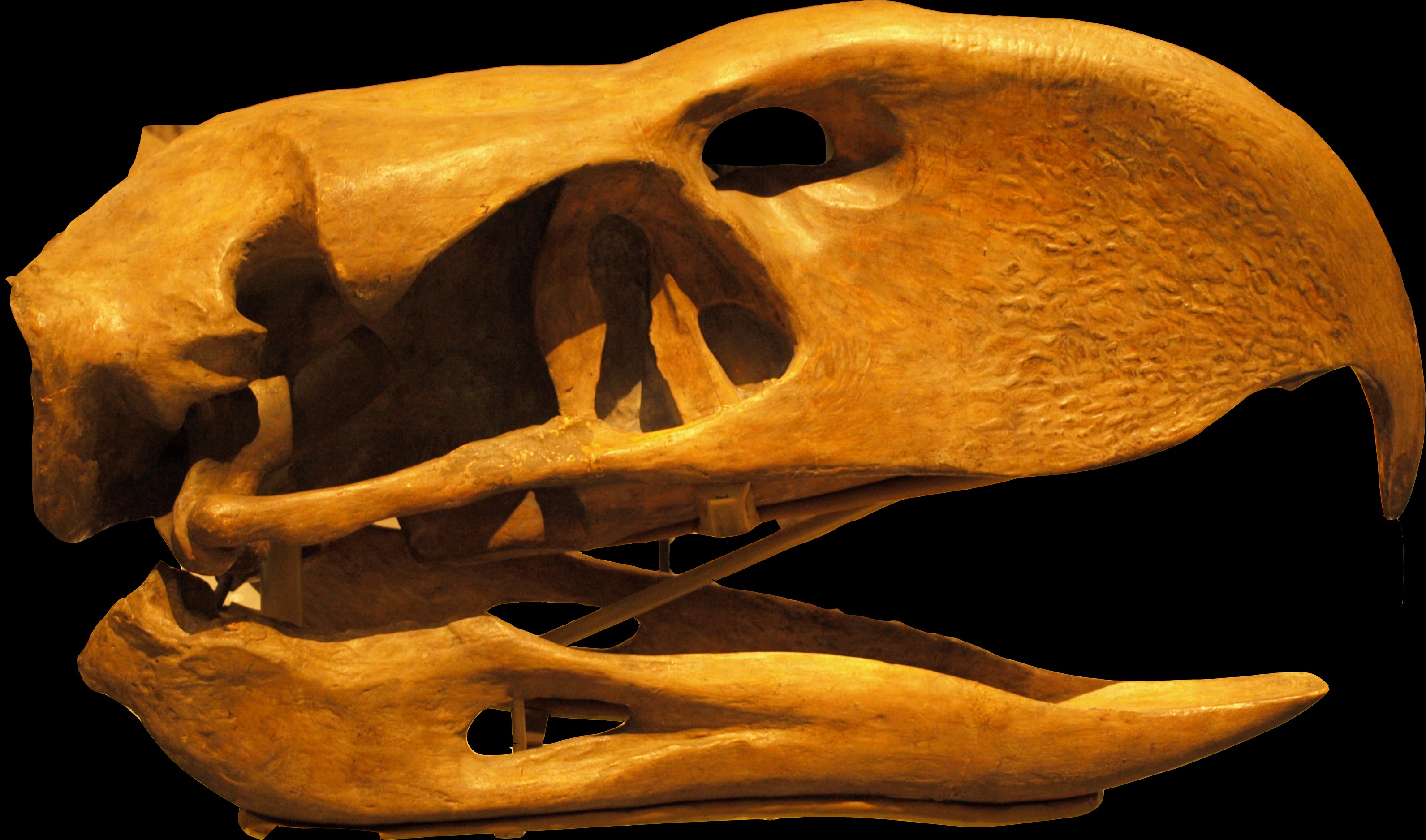
Terror birds possessed skulls that were essentially biological weapons systems. Kelenken guillermoi, from the Langhian stage of the Miocene epoch, some 15 million years ago, discovered in the Collón Curá Formation in Patagonia in 2006, represents the largest bird skull yet found. The fossil has been described as being a 71-centimetre (28 in), nearly intact skull. The beak is roughly 46 cm (18 in) long and curves in a hook shape that resembles an eagle’s beak.
All phorusrhacids possessed a large hooked beak and a relatively large skull. The bones of the beak were tightly fused together, making the beak more resilient to force from the front to back direction, thus suggesting that it could cause a great amount of harm through pecking, but earlier studies indicate relatively weak bite force quotients. With this fossil, it was found that the internal structure of the beak is hollow and reinforced with thin-walled trabeculae. There is also an absence of both zona flexoria palatina and zona flexoria arcus jugalis, which are key features that relate to the evolution of cranial akinesis.
What made these skulls truly remarkable was their rigidity. Degrange and Wroe also found that Andalgalornis’s skull was surprisingly inflexible. Most birds have joints in their skulls that make them fairly supple – both halves of the bill can flex slightly and the bill itself can move against the main skull. But in terror birds (or at least the medium-sized and large species), all of these joints had been replaced with thick bone so that the entire skull was very rigid.
Precision Predators: The Muhammad Ali of the Bird World

Contrary to popular depictions of terror birds as brute-force predators, cutting-edge biomechanical analysis reveals they were precision hunters. Instead, the study shows that the terror bird was required to engage in an elegant style more like Muhammad Ali, using a repeated attack-and-retreat strategy, using well-targeted, hatchet-like jabs. Once killed, the prey would have been ripped into bite-sized morsels by the powerful neck pulling the head straight back or, if possible, swallowed whole.
Our comparative FE analyses show that the skull of Andalgalornis was best optimized to resist rostrocaudally and dorsoventrally directed loads, but less well-adapted to resist laterally directed loadings. Moreover, as noted above, the plesiomorphically dorsoventrally flattened flexion zones have been transformed into thickened bony connections that are reoriented into more vertically disposed, transversely compressed bars that would resist sagittal loads well but be relatively weak with regard to lateral loads.
This was a predator that was adapted for biting down hard and pulling back sharply, using the hooked tip of its beak to rip and dismember. But it wasn’t adapted for a protracted struggle. When Wroe simulated a side-to-side shake, the entire skull lit up with angry red and white patches. This “lateral shake” put the skull under dangerous levels of stress, twice as much as on a normal bite, and four times as much as on a pull-back action.
Speed Demons on Two Legs
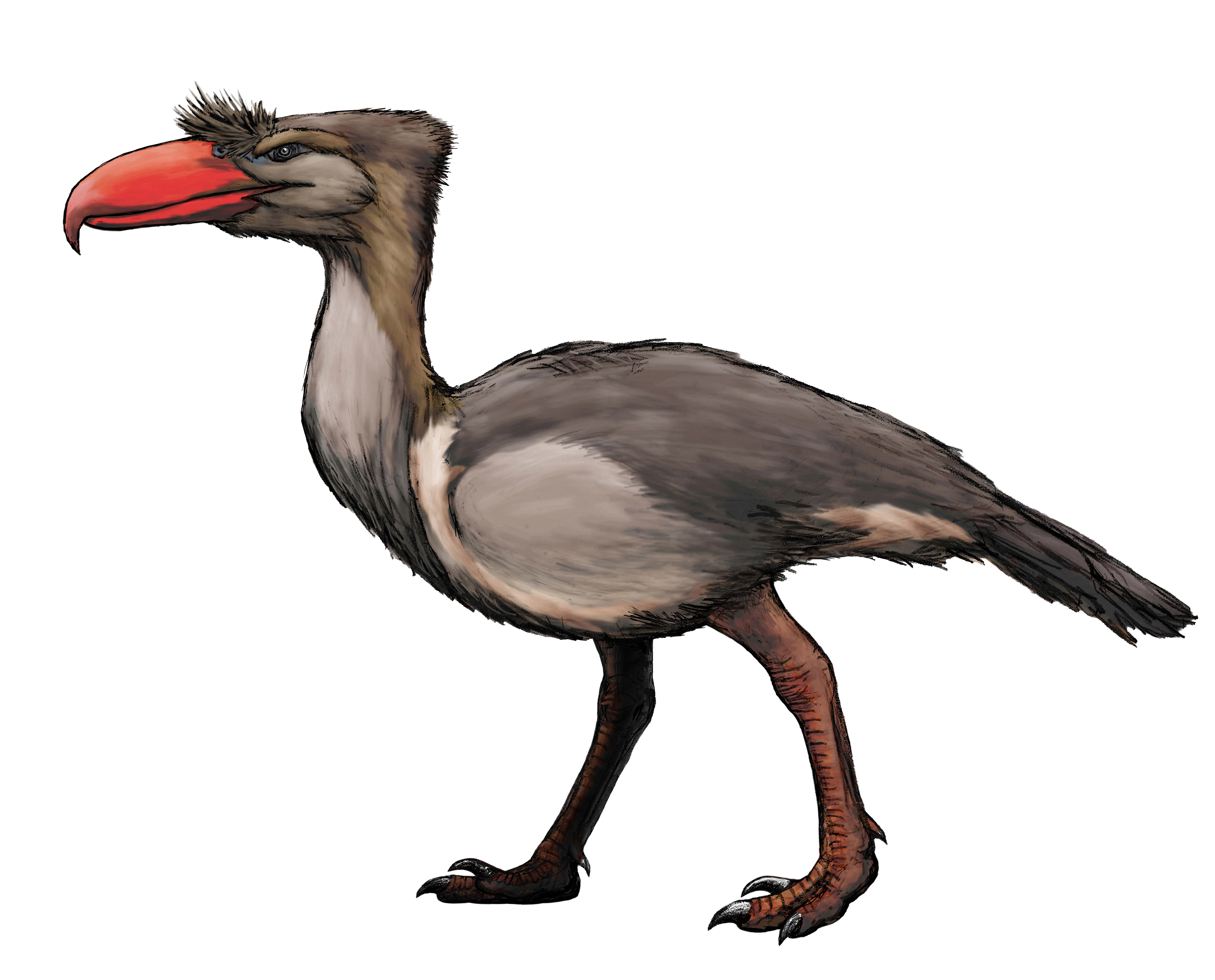
Scientists theorize that the large terror birds were extremely nimble and quick runners, able to reach speeds of 48 km/h (30 mph). These weren’t lumbering giants but athletic powerhouses built for pursuit hunting. Their long, powerful legs were perfectly adapted for running across the open plains and forests of prehistoric South America.
Imagine a bird the size of a bear, with a hook-shaped beak as powerful as a crocodile’s jaws and long legs capable of reaching speeds of up to 31 mph (50 km/h). The feet of the phorusrhacids had four toes, the first of which, known as the hallux, was reduced and did not touch the ground, while the others, corresponding to the second, third and fourth toes, were kept on the ground.
Recent trackway evidence supports their cursorial lifestyle. This is further supported by footprints from the Late Miocene of the Río Negro Formation, showcasing a trackway made by a mid-to-large sized terror bird with functionally didactyl footprints, the inner toe with the sickle claw raised mostly off the ground akin to their Mesozoic counterparts. The parallel to their dinosaurian ancestors becomes clear when examining these fossil footprints.
Hunting Strategy: Ambush and Strike
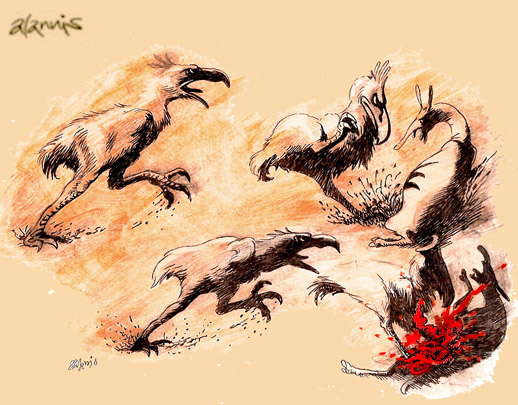
The predatory behavior of the Terror Birds has been the subject of much speculation and study. Biomechanical analyses suggest that these birds used a combination of speed, strength, and precision to hunt. They likely stalked their prey in open grasslands, using their great height to spot them from a distance. Once they spotted the prey, they would chase it down in a short but explosive sprint.
The attack itself was brutal and efficient. With their hook-shaped beak, they could deliver devastating blows, crushing skulls or breaking bones. Their sharp claws allowed them to firmly grasp their prey while tearing it apart with their beak. Generally speaking, it is thought that a terror bird would use its feet to injure prey by kicking it, and to hold the prey down and dispatch by pecking at it with its large beak. Larger prey may also have been attacked by pecking and kicking, or by using the beak as a blade to strike at or slash vital organs.
Their hunting strategy was sophisticated and calculated. These birds used a strategy called ambush hunting. They would remain still and wait for unsuspecting prey to come close. Once the moment was right, they swiftly attacked using their speed and powerful beaks. This combination of patience and explosive action made them incredibly effective predators in their ancient ecosystems.
Enhanced Hearing: The Secret Weapon
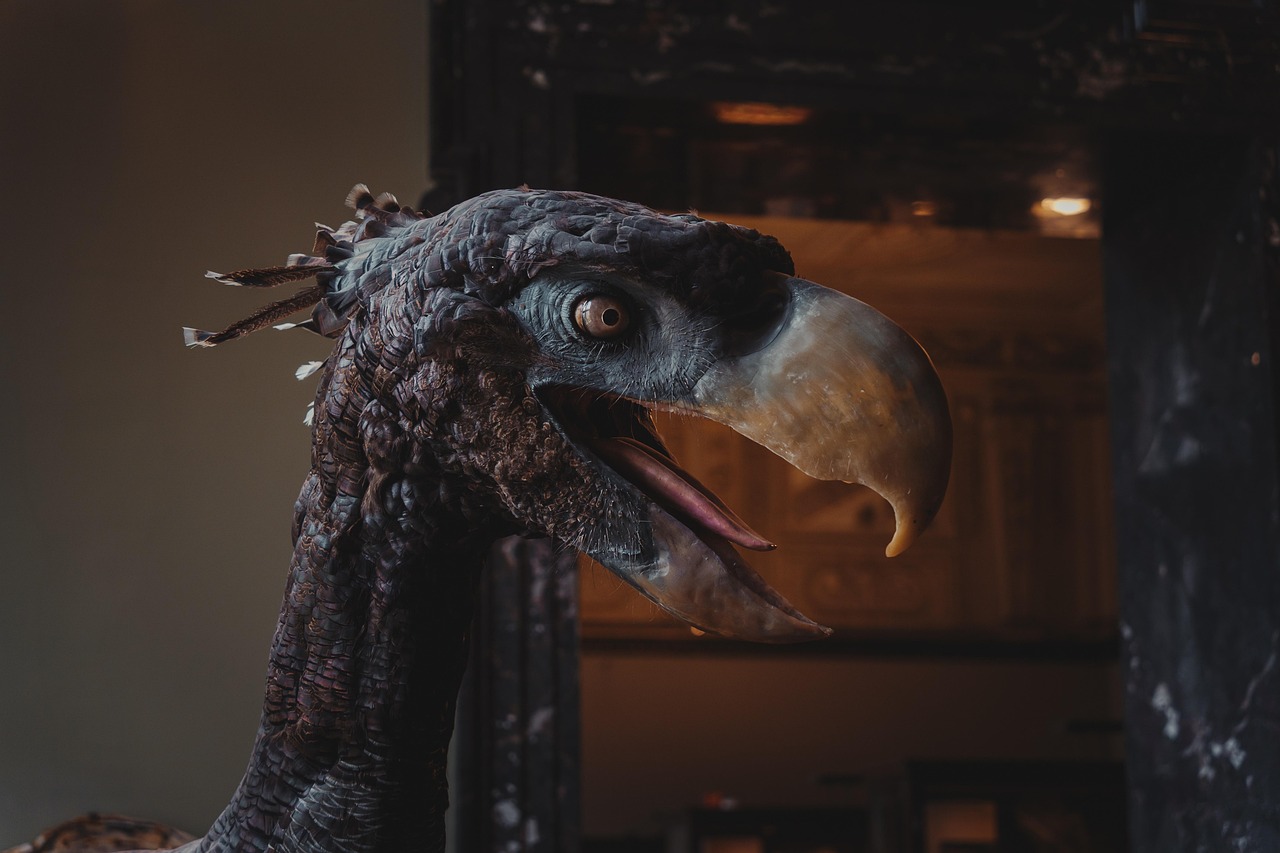
One of the most fascinating recent discoveries about terror birds involves their exceptional hearing abilities. An analysis of L. scagliai’s inner ear structures suggests the terror bird heard low-frequency sounds, an advantage for predators that hunt by listening for the low rumble of their prey’s footsteps hitting the ground, the researchers said. The new findings also suggest that the terror bird communicated using low-frequency noises, the researchers added.
“That actually tells us quite a bit about what the animals do, simply because low-frequency sounds tend to propagate across the environment with little change in volume,” said Lawrence Witmer, a professor of anatomy at Ohio University who has worked with Degrange before, but was not involved in the new study. This skill puts L. scagliai in good company. Other animals that can or could hear low-frequency sounds include Tyrannosaurus rex, crocodiles, elephants and rhinos, Witmer said.
This enhanced hearing capability gave terror birds a significant advantage in hunting and communication. The ability to detect the low-frequency vibrations of approaching prey or distant members of their own species would have been invaluable in the dense forests and open plains they inhabited.
When Apex Predators Met Their Match
Even the most formidable predators had enemies, as dramatically illustrated by the Colombian discovery. Interestingly, a pair of indentations on the recently described bone suggested the bird might have met its fate in the jaws of a giant relative of the crocodile. The prehistoric bite marks are thought to have been made by a Purussaurus, an extinct caiman from the Miocene that grew more than 40 feet long. “We suspect that the terror bird would have died as a result of its injuries given the size of crocodilians 12 million years ago,” Cooke says in a statement.
The fossil does more than show us the size of these ancient creatures; it also provides evidence of a dangerous interaction. The leg bone bears bite marks consistent with those left by a giant caiman, an extinct crocodilian that could grow up to 30 feet long. These markings suggest a predatory encounter between the terror bird and the giant crocodile, possibly at the water’s edge.
The encounter captured in this fossil suggests that these birds lived in a highly competitive, predator-rich environment, where survival depended not just on speed and hunting prowess but also on the ability to avoid or confront giant predators like the Purussaurus. This discovery provides a rare glimpse into the deadly interactions between apex predators in prehistoric South America.
Global Expansion and the Great American Interchange
Titanis walleri, one of the larger species, is known from Texas and Florida in North America. This makes the phorusrhacids the only known large South American predator to migrate north in the Great American Interchange that followed the formation of the Isthmus of Panama land bridge. This migration event, approximately 3 million years ago, fundamentally changed the ecosystems of both continents.
About five million years ago, the emergence of a traversable Isthmus of Panama allowed the diverse animal species of the once-isolated island to migrate and interact with those living in present-day North America during what is known as the Great American Biotic Interchange. Cooke cited similar terror bird remains found as far north as Texas and Florida indicate they “weren’t [just] birds from Patagonia that decided to walk north 5,000 miles.”
However, their success in North America was limited. The terror birds did not do as well though. One, named Titanis managed to make it up to Florida of about 2 million years ago, but died out due to added competition with big cats and dogs. The arrival of placental mammalian predators ultimately spelled doom for these remarkable birds.
The Final Chapter: Extinction and Legacy
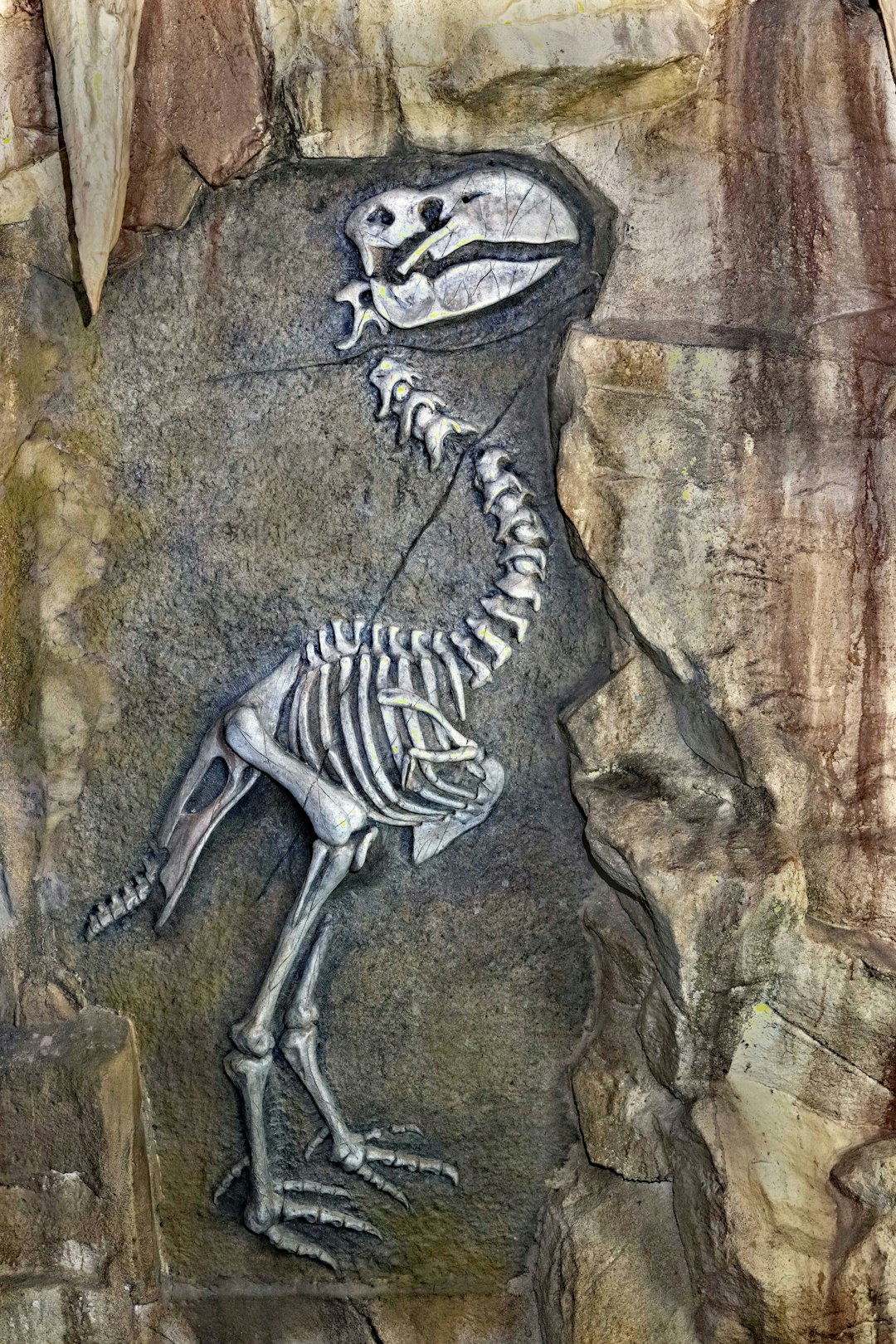
The reign of terror birds came to an end around 2.5 million years ago, but their extinction wasn’t sudden. Despite a few more millions of years at the top of their food chain, terror bird populations began to dwindle, likely due to increased competition from canines and big cats. Another factor that affected the phorusrhacids was South America’s steadily changing climate. The rising Andes Mountains that run down the eastern side of South America triggered most of the rain fall to fall on them. This resulted in other parts of South America becoming much drier with forested scrublands becoming arid steppes and open savannah.
Climate change combined with increased competition created an impossible situation for these giants. Not only would this change the kinds of herbivores available, phorusrhacids would have found themselves very exposed and not able to use cover to hide their tall forms. Even fast running predators don’t have much chance of catching prey if their prey can see them coming at a distance.
But while the original terror birds are long gone, their smaller descendents are still formidable – today’s Brazilian farmers often use their closest living relatives, the red-legged seriema, as guard animals against livestock predators and burglars. Their closest modern-day relatives are believed to be the 80-centimetre-tall (31 in) seriemas, a living reminder of these prehistoric giants.
The story of terror birds represents one of evolution’s most remarkable experiments in avian predation. For over 40 million years, these feathered giants ruled South America with precision, power, and intelligence that rivaled any mammalian carnivore. From their massive skulls designed like biological weapons to their sophisticated hunting strategies and enhanced hearing abilities, terror birds were perfectly adapted apex predators. The recent discoveries in Colombia continue to expand our understanding of these magnificent creatures, revealing that they were even larger and more widespread than previously imagined. Though they vanished millions of years ago, their legacy lives on in their smaller relatives and in our fascination with these extraordinary birds that proved feathers and fury could indeed rule a continent. What other secrets might these ancient giants still hold, waiting to be discovered in the fossil record?