The Cretaceous Period, spanning from approximately 145 to 66 million years ago, represents one of Earth’s most dramatic chapters. During this time, our planet experienced unprecedented volcanic activity along what geologists now call the “Cretaceous Ring of Fire” – a vast horseshoe-shaped belt of intense volcanic and tectonic activity that encircled much of the Pacific Ocean. This geological phenomenon dramatically influenced Earth’s climate, ecosystems, and ultimately the evolution of life during this critical period. From the formation of massive igneous provinces to the potential contribution to the mass extinction that ended the age of dinosaurs, the Cretaceous Ring of Fire represents one of the most significant geological forces that shaped our planet’s history.
The Geological Framework of the Cretaceous Ring of Fire

The Cretaceous Ring of Fire formed along the boundaries of several major tectonic plates that were undergoing significant movement during this period. Unlike today’s Pacific Ring of Fire, the Cretaceous version was characterized by even more extensive subduction zones, where oceanic plates plunged beneath continental plates, generating intense volcanic activity. This ring-shaped zone of volcanism extended around much of the Pacific Ocean basin, creating a nearly continuous belt of volcanic mountains, island arcs, and deep oceanic trenches. Geologists have identified remnants of this ancient system in locations ranging from western North America through Asia and into the southern hemisphere. The driving force behind this intensified activity was the accelerated plate tectonic movements that characterized the Cretaceous, which were fundamentally reshaping Earth’s surface geography.
Large Igneous Provinces: Earth’s Greatest Eruptions
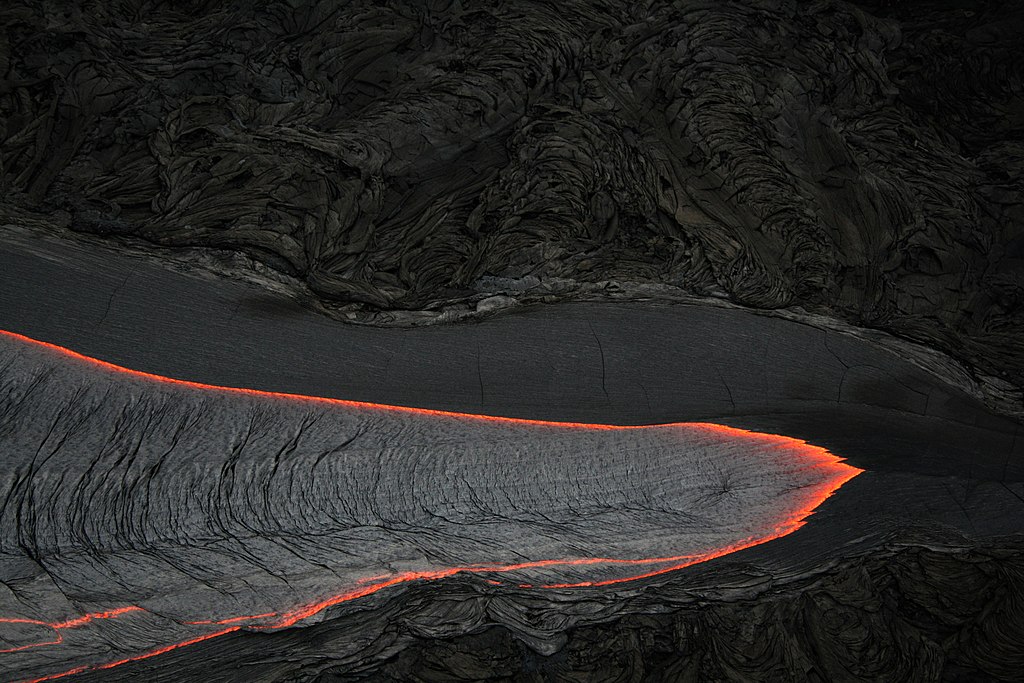
Perhaps the most dramatic manifestations of the Cretaceous Ring of Fire were the Large Igneous Provinces (LIPs) – massive outpourings of lava that covered areas sometimes exceeding a million square kilometers. The Ontong Java Plateau in the western Pacific, formed approximately 120 million years ago, represents the largest known LIP on Earth, covering an area roughly the size of Alaska. Other significant Cretaceous LIPs include the Kerguelen Plateau in the southern Indian Ocean and the Caribbean-Colombian Plateau. These weren’t ordinary volcanic eruptions but represented catastrophic events where millions of cubic kilometers of lava erupted over relatively short geological timespans. The scale of these eruptions is difficult to comprehend – the volume of a single LIP could be sufficient to cover the entire United States in lava hundreds of meters deep.
The Deccan Traps: End-Cretaceous Volcanic Catastrophe
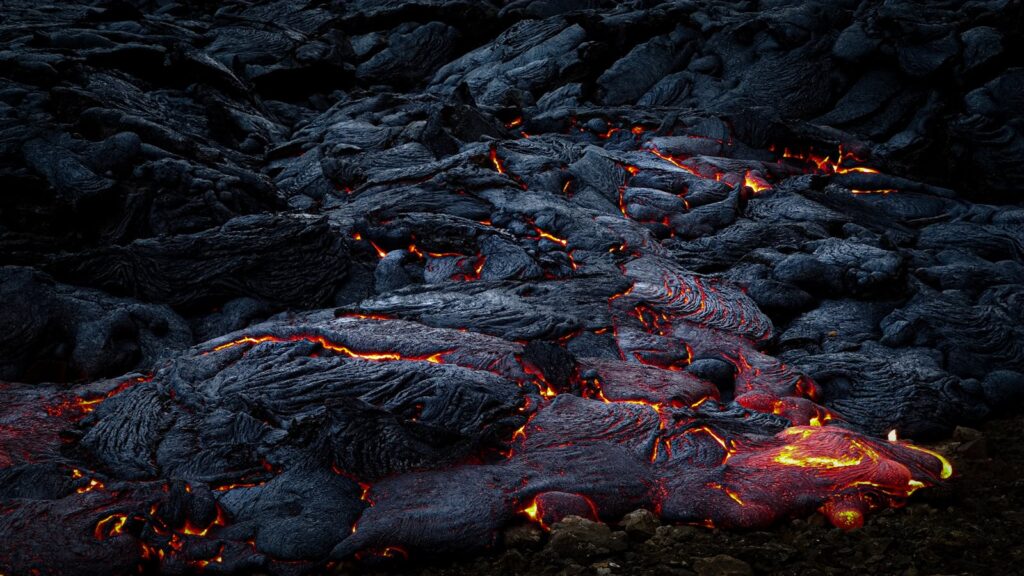
Among the most consequential volcanic events associated with the Cretaceous Ring of Fire was the formation of the Deccan Traps in what is now western India. Beginning approximately 66 million years ago, coinciding suspiciously with the end-Cretaceous mass extinction, this massive flood basalt province spewed over 500,000 cubic kilometers of lava across the Indian subcontinent. The eruptions occurred in pulses over approximately one million years, with the most intense phase coinciding with the dinosaur extinction. Each individual lava flow could extend for hundreds of kilometers, with the total thickness of accumulated lava reaching several kilometers in some locations. The timing of these massive eruptions has led many scientists to propose that the Deccan Traps volcanism played a significant role in the mass extinction at the end of the Cretaceous, either as a primary cause or working in conjunction with the Chicxulub asteroid impact.
Atmospheric Impacts and Climate Disruption
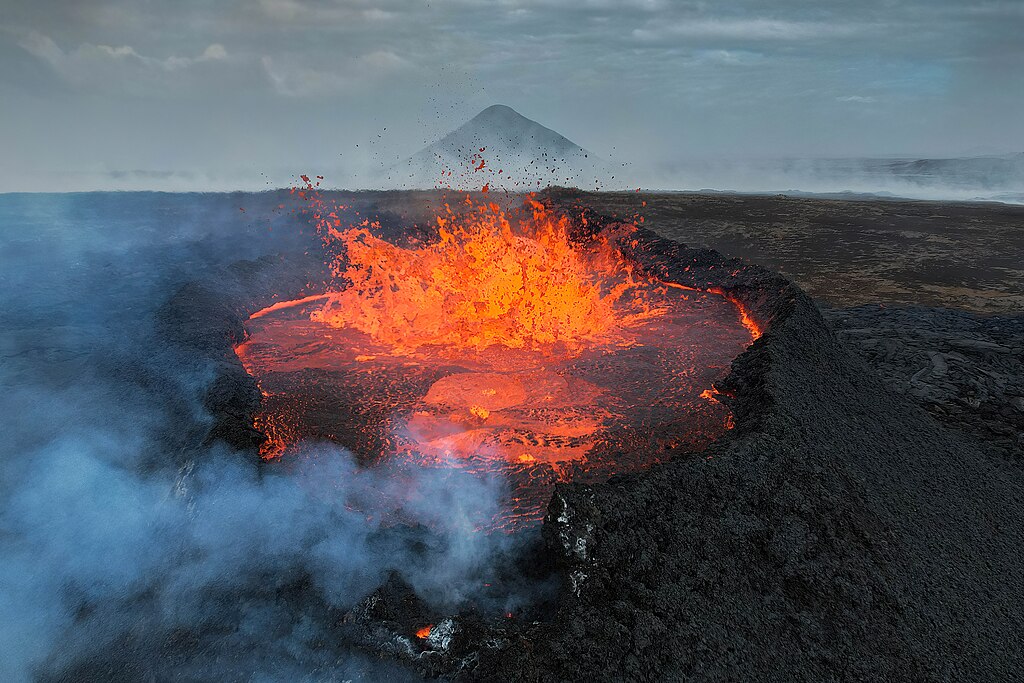
The volcanic activity along the Cretaceous Ring of Fire injected enormous quantities of gases and particulates into the atmosphere, profoundly affecting Earth’s climate. Sulfur dioxide erupted from these volcanoes would have formed sulfate aerosols in the stratosphere, reflecting incoming solar radiation and causing periods of global cooling that could last for years or even decades. Conversely, the massive amounts of carbon dioxide released would have enhanced the greenhouse effect, potentially causing longer-term warming periods. This volcanic activity likely created a climate roller-coaster, with short-term cooling events followed by extended warming periods. Evidence from ocean sediments and plant fossils suggests that the Cretaceous experienced several abrupt climate shifts that align with periods of intensified volcanic activity, demonstrating the Ring of Fire’s profound influence on global climate dynamics.
Oceanic Anoxic Events: When Seas Lost Their Breath
One of the most dramatic consequences of Cretaceous Ring of Fire activity was the triggering of Oceanic Anoxic Events (OAEs) – periods when significant portions of the world’s oceans became depleted of dissolved oxygen. The massive volcanic eruptions associated with the Ring of Fire released enormous quantities of nutrients, particularly iron, into the oceans, triggering explosive growth of photosynthetic organisms. When these organisms died, their decomposition consumed available oxygen, creating dead zones throughout the ocean basins. At least seven major OAEs occurred during the Cretaceous, with the most significant (OAE2) occurring approximately 94 million years ago. These events left distinctive black, carbon-rich shale layers in the geological record that can be traced worldwide. The OAEs had profound effects on marine ecosystems, causing mass die-offs of oxygen-dependent organisms while creating conditions favorable for the preservation of organic matter that would eventually form valuable hydrocarbon deposits.
Transforming Earth’s Geography

The tectonic activity associated with the Cretaceous Ring of Fire dramatically reshaped the geography of our planet. The accelerated seafloor spreading along mid-ocean ridges pushed continents apart, contributing to the final breakup of the supercontinent Pangaea. North America began separating from Europe, while South America pulled away from Africa, creating the beginnings of the Atlantic Ocean as we know it today. Simultaneously, the relentless subduction along the Ring of Fire created new continental crust, gradually building what would become the western portions of the Americas. The formation of island arcs – curved chains of volcanic islands – created stepping stones across oceanic regions, influencing both marine and terrestrial ecosystems. By the end of the Cretaceous, this tectonic remodeling had established continental positions that would be recognizable as precursors to our modern world map.
Creating Earth’s Mineral Wealth
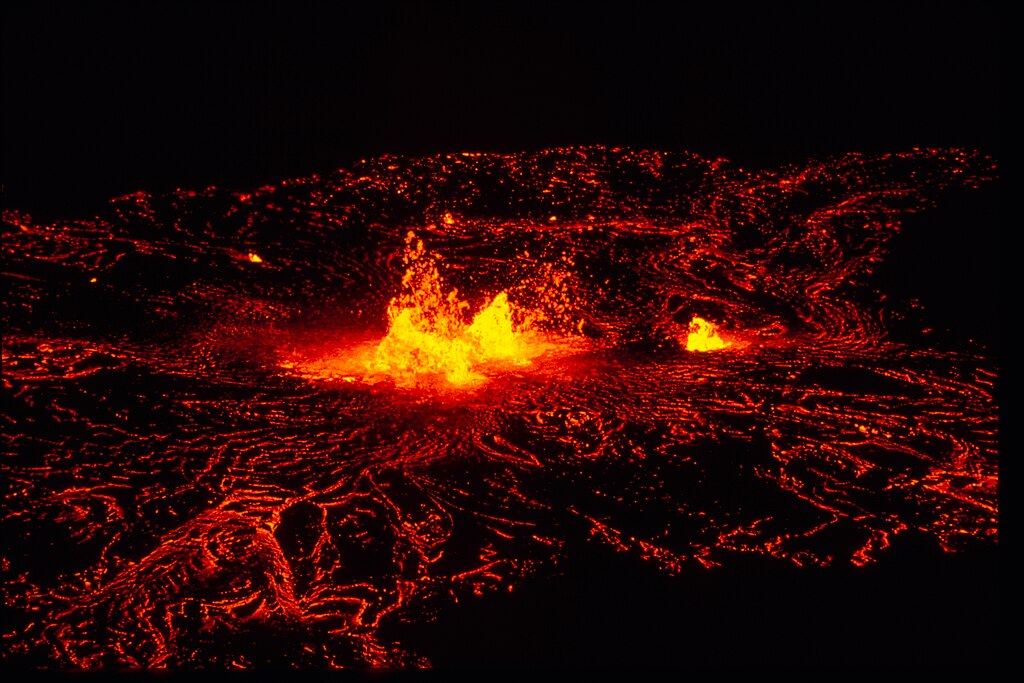
The intense volcanism and associated hydrothermal activity along the Cretaceous Ring of Fire created some of Earth’s most valuable mineral deposits that we mine today. As magma intruded into surrounding rocks, it carried dissolved metals that concentrated into rich ore deposits. Porphyry copper deposits, which provide much of the world’s copper, formed extensively along the Cretaceous Ring of Fire, particularly in western North America and the Andes region. Gold, silver, zinc, lead, and numerous other economically important minerals were similarly concentrated by these magmatic processes. The hydrothermal systems associated with this volcanism also created massive sulfide deposits on the seafloor, which were later uplifted and incorporated into continental margins. Many of the mining districts that have powered industrial development over the past two centuries owe their existence to the mineral-concentrating mechanisms of the Cretaceous Ring of Fire.
The Chalk Seas: Biological Response to Volcanic Activity
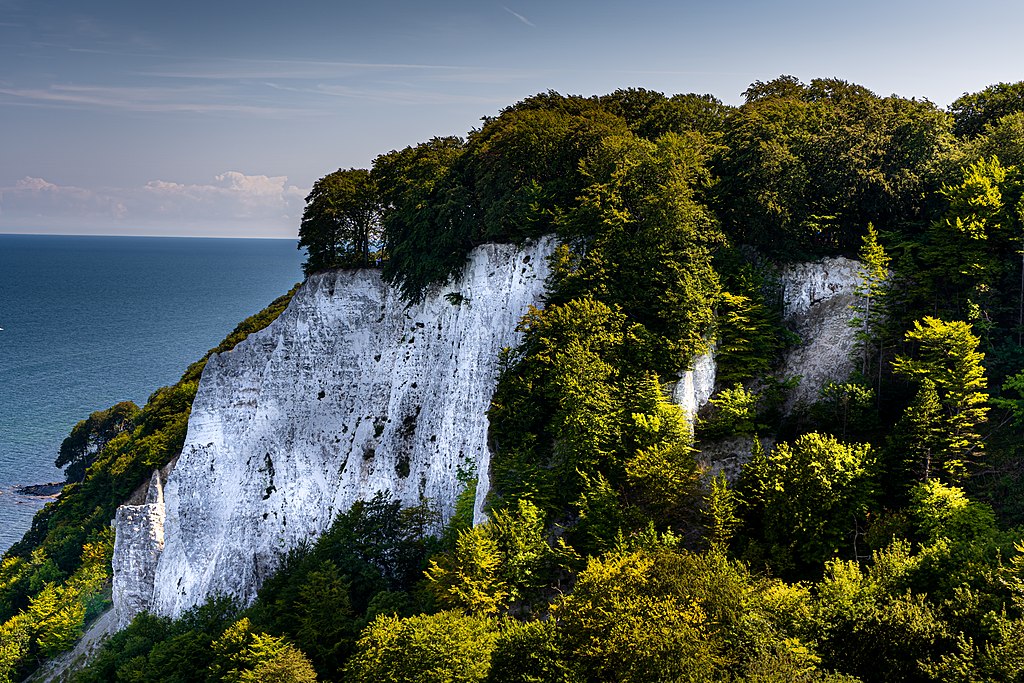
The Cretaceous Period derives its name from the Latin word “creta,” meaning chalk, referring to the massive chalk deposits that formed during this time. These deposits resulted from an explosion of calcium carbonate-producing microorganisms, particularly coccolithophores, which thrived in the warm, shallow seas of the period. The volcanic activity along the Ring of Fire contributed to this biological phenomenon by increasing atmospheric CO₂ levels, which dissolved in seawater to form carbonic acid. This acid reacted with minerals washed from the continents, increasing ocean alkalinity and calcium concentrations, creating ideal conditions for chalk-forming organisms. The famous White Cliffs of Dover in England exemplify these deposits, consisting almost entirely of the calcium carbonate plates (coccoliths) from these tiny marine organisms. This biological response to volcanic-induced environmental change created one of the most distinctive and widespread rock formations of the Cretaceous Period.
Evolutionary Consequences for Marine Life
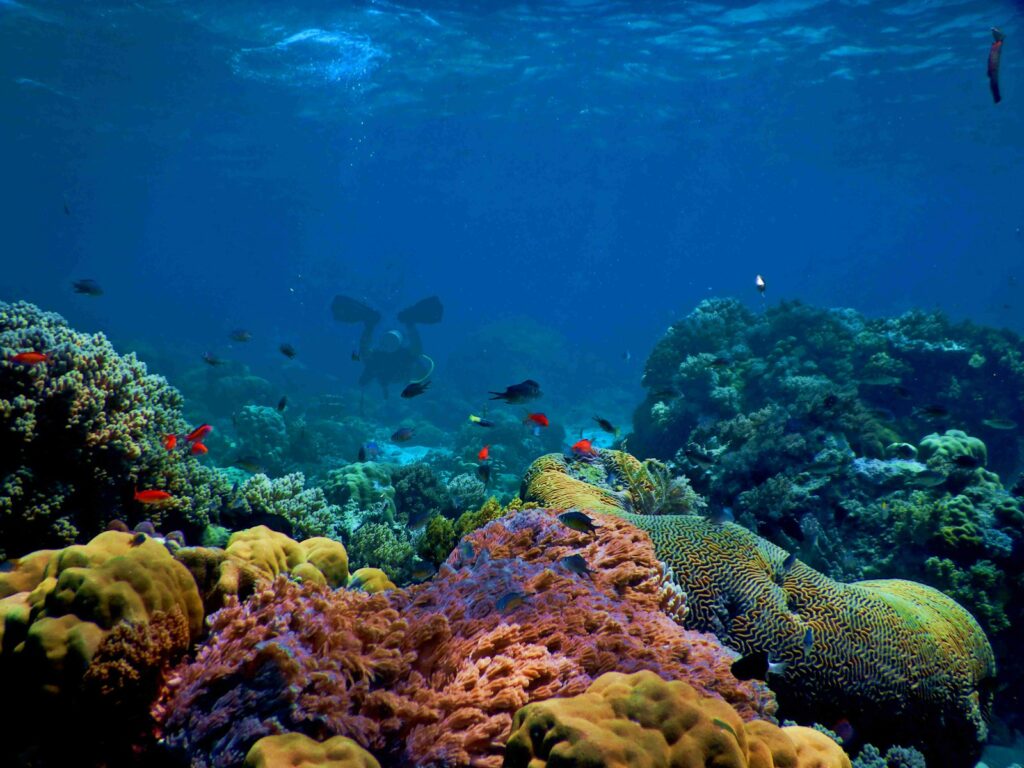
The volcanic and tectonic activity of the Cretaceous Ring of Fire drove significant evolutionary change in marine ecosystems. The oceanic anoxic events periodically devastated bottom-dwelling communities, creating ecological vacancies that were filled by new evolutionary innovations. Modern reef-building corals emerged during this period, evolving from ancestors that survived the disrupted ocean chemistry. Ammonites, the coiled relatives of modern squid and octopuses, underwent rapid diversification as they adapted to changing ocean conditions, evolving a stunning array of shell forms. Perhaps most significantly, many modern groups of fish, including early ancestors of teleosts that dominate today’s oceans, underwent adaptive radiation during the Cretaceous. The paleontological record shows clear connections between major evolutionary transitions in marine life and periods of intensified Ring of Fire activity, demonstrating how geological processes drove biological innovation in Earth’s oceans.
Effects on Terrestrial Ecosystems and Dinosaur Evolution
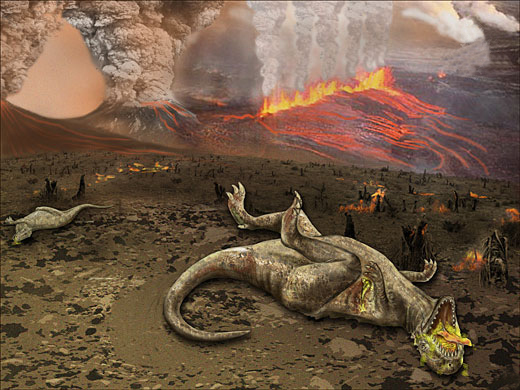
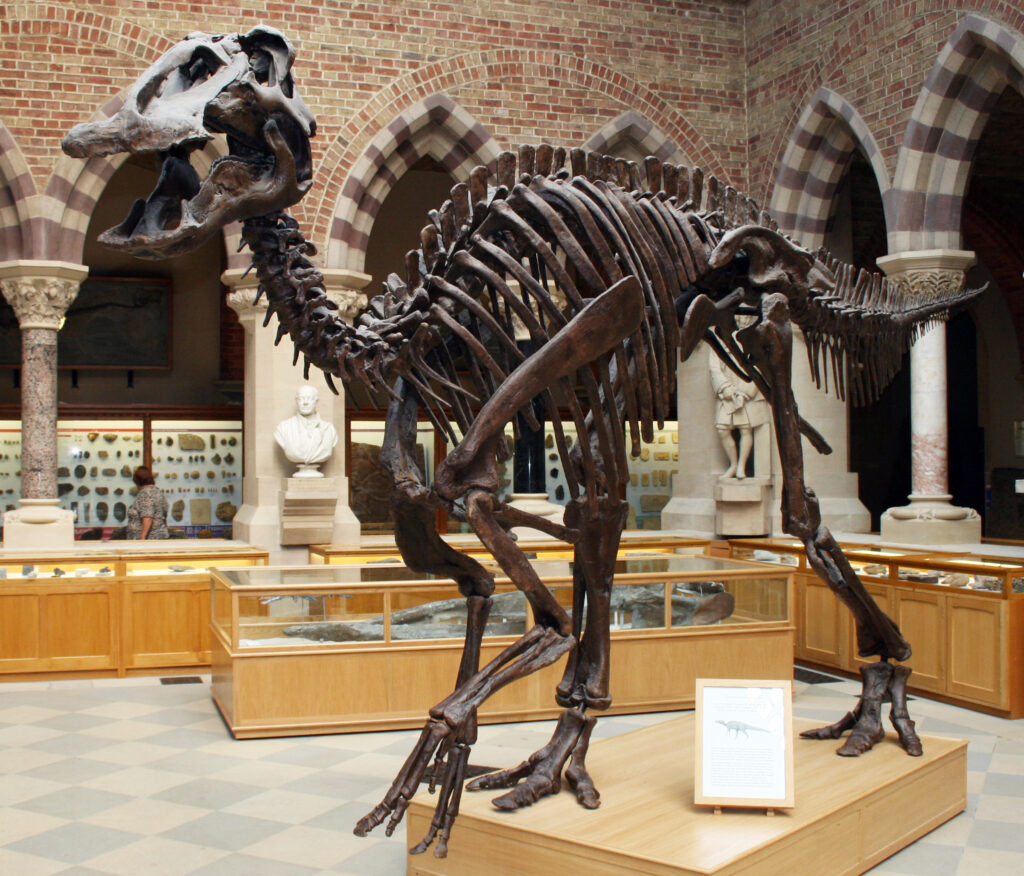
The volcanic activity along the Cretaceous Ring of Fire significantly influenced terrestrial ecosystems and the evolution of dinosaurs. Periodic ashfalls from major eruptions would have buried landscapes but also enriched soils with nutrients, potentially creating lush recovery environments. This volcanic fertilization may have contributed to the explosive diversification of flowering plants (angiosperms) during the mid-Cretaceous, which fundamentally transformed terrestrial ecosystems. The changing geography driven by Ring of Fire tectonics created new barriers and corridors for dinosaur migration, influencing patterns of isolation and dispersal. Regional volcanic activity created distinct dinosaur provinces, with different evolutionary trajectories emerging in separated regions. Paleontologists have noted that some of the most rapid evolutionary changes in dinosaur lineages coincide with periods of intensified volcanic activity, suggesting that adaptations to changing environments drove dinosaur evolution during this dynamic period.
Contributing to the Great Dying: The K-Pg Extinction Event

The culmination of Cretaceous Ring of Fire activity may have contributed significantly to the mass extinction event that marks the Cretaceous-Paleogene (K-Pg) boundary approximately 66 million years ago. While the Chicxulub asteroid impact in Mexico’s Yucatán Peninsula is widely accepted as a primary cause of this extinction, the massive Deccan Traps eruptions were occurring simultaneously, representing one of the largest volcanic events in Earth’s history. These eruptions released enormous quantities of greenhouse gases and sulfur compounds, causing climate instability in the lead-up to the asteroid impact. Recent high-precision dating has revealed that the most intense phase of Deccan volcanism coincided precisely with the extinction event, suggesting a potential one-two punch of volcanic stress followed by asteroid impact. The resulting environmental catastrophe eliminated approximately 75% of all species, including all non-avian dinosaurs, ammonites, and many marine reptiles, fundamentally reshaping Earth’s evolutionary trajectory.
Modern Analogues: Today’s Ring of Fire
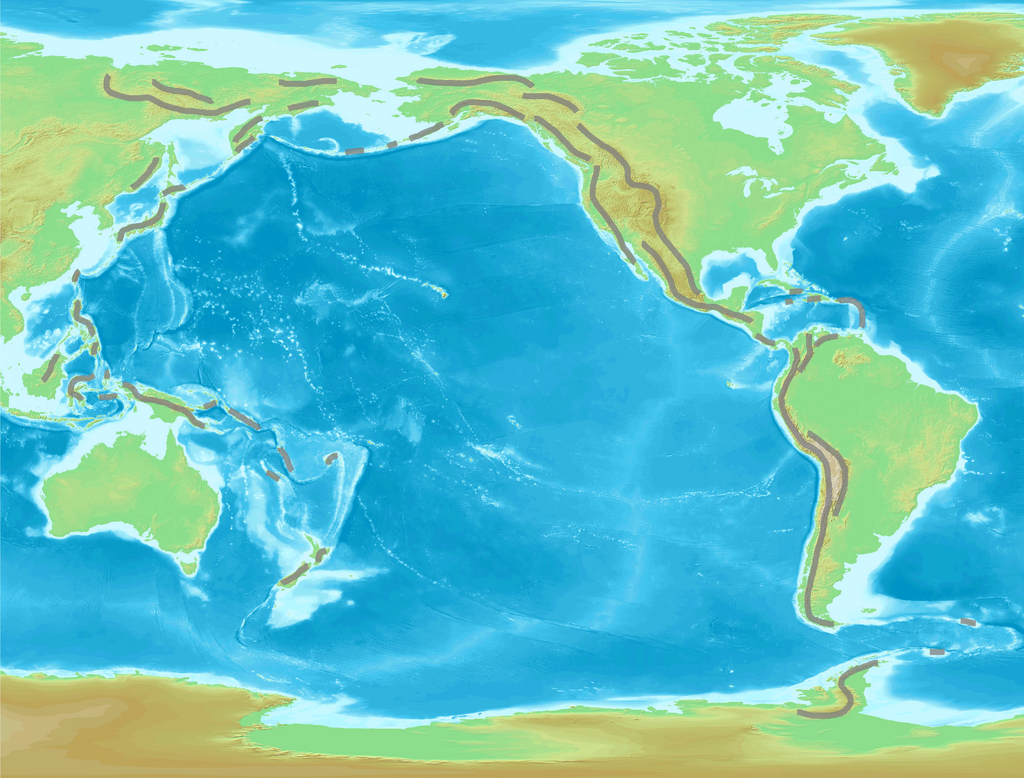
The modern Pacific Ring of Fire provides valuable insights into the geological processes that shaped the Cretaceous world. Today’s Ring of Fire hosts approximately 75% of Earth’s active volcanoes and generates about 90% of the world’s earthquakes, demonstrating the ongoing power of plate boundary processes. However, the current volcanic output pales in comparison to the intensity of Cretaceous activity, particularly during the formation of Large Igneous Provinces. Modern volcanologists studying eruptions along today’s Ring of Fire can extrapolate these observations to better understand the scale and impact of Cretaceous eruptions. By examining chemical signatures in modern volcanic gases and comparing them with signatures preserved in ancient rocks, scientists can reconstruct the atmospheric impacts of Cretaceous volcanism. This comparative approach has revolutionized our understanding of how volcanic processes influenced Earth’s systems during this critical period in our planet’s history.
Conclusion: The Fiery Foundation of Our Modern World
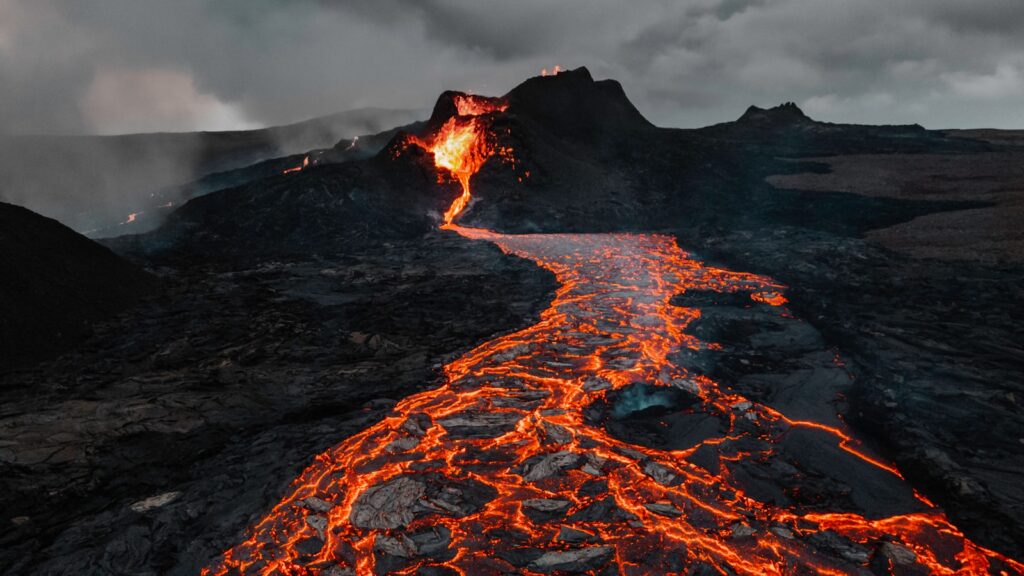
The Cretaceous Ring of Fire represents one of the most significant geological forces that shaped our planet’s history and laid the groundwork for the modern world. Through its intense volcanic and tectonic activity, it transformed Earth’s geography, climate, and ecosystems, driving evolutionary change across marine and terrestrial environments. The mineral wealth it concentrated now powers our industrial civilization, while the fossil fuels formed during associated oceanic anoxic events provided the energy foundation for modern society. The mass extinction it potentially helped trigger cleared the ecological stage for the rise of mammals, ultimately leading to human evolution. By studying this ancient ring of geological activity, we gain deeper insights not only into Earth’s past but also into the ongoing processes that continue to shape our dynamic planet today. The legacy of the Cretaceous Ring of Fire is literally built into the foundations of our modern world.