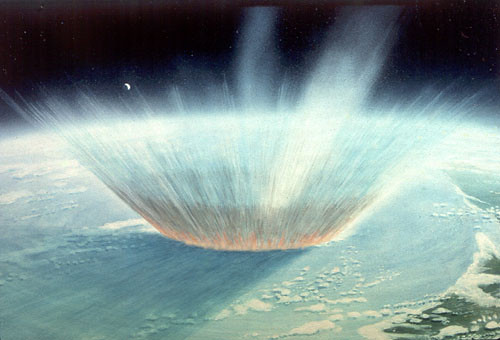
If you scroll through documentaries, podcasts, or even TikTok, you’ll notice something strange: people cannot stop talking about lost civilizations, global floods, volcanic winters, and mysterious collapses. It is not just idle curiosity about the past. Hidden underneath the obsession with things like the fall of Rome or the eruption of Vesuvius is a visceral question: could everything we know vanish just as quickly? That quiet dread sits in the background of our lives, especially now that we live with climate anxiety, nuclear worries, pandemics, and the relentless buzz of bad news.
Psychology suggests that our fascination with ancient disasters is not random, and it is not just because ruins look cool on Instagram. We are drawn to these stories because they mirror our deepest fear: the fear that we are not really in control of our world, our bodies, or our future. Ancient catastrophes offer a safe, time‑distanced way to stare directly at that fear. They let us play out terrifying possibilities in a world that has already ended, instead of risking the thought that our own might be next.
The Human Brain Is Wired To Obsess Over What Can Go Horribly Wrong

Psychologists have long noted that our brains are built with a strong negativity bias. In simple terms, we pay far more attention to threats, disasters, and losses than to neutral or positive events. From an evolutionary angle, this made perfect sense: paying close attention to the volcano that might erupt or the storm that could wipe out your crops increased the odds that you and your family survived. Today, that same bias means that stories about the city of Pompeii being buried in ash or the sudden collapse of the Maya civilization tend to grab our minds and refuse to let go.
Ancient catastrophes are like threat simulations that have already played out. They let our threat‑hungry brains run wild without the risk being directly aimed at us. Reading about a Bronze Age city swallowed by an earthquake or a civilization undone by drought gives us a rush of fear, relief, and morbid curiosity all at once. It is as if our minds are saying: if I can understand how their world ended, maybe I can stop mine from ending the same way. The fascination is not simply historical; it is an emotional rehearsal for the worst‑case scenarios we imagine for ourselves.
Catastrophes Expose Our Fragile Illusion Of Control

Modern life runs on the comforting assumption that the systems around us will mostly keep working. Power will stay on, the internet will load, food will appear in stores, and cities will function tomorrow roughly the way they did today. Psychologists call this a sense of control or mastery: the belief that our actions can shape our environment in predictable ways. When we look back at entire societies undone by volcanic eruptions, plagues, famines, or sudden invasions, that belief is quietly attacked. These stories say, in no uncertain terms, that even huge, complex civilizations can be shattered by events no one saw coming or could stop.
That is exactly why they are so gripping. Catastrophes puncture the illusion that if we just work hard enough, plan carefully enough, and innovate fast enough, we will be safe. On some level, we know that is not true. Flood myths, lost city legends, and archeological tales of sudden abandonment all speak to the same core discomfort: maybe we are passengers more than pilots. Our interest in ancient disasters lets us flirt with that possibility without fully admitting it about our own world. We study their loss of control to reassure ourselves we still have it, even as the evidence suggests the opposite.
Myths Of Floods And Fire Are Really About Psychological Anxiety
Across many cultures, stories of world‑ending floods, cleansing fires, or sky‑sent punishment show up again and again. Whether tied loosely to real events or not, these myths are psychologically revealing. They usually feature human beings who push too far, become arrogant, or break some sacred rule, followed by overwhelming forces wiping the slate clean. In psychological terms, these narratives externalize an inner fear: that our own behavior, greed, or hubris will invite forces we cannot contain. Instead of saying “I am afraid we are wrecking our environment,” the story says “the gods sent a flood.”
In that sense, ancient catastrophe myths are like emotional metaphors. They turn the vague dread of living in an unpredictable world into images that are easier to picture and talk about: rising waters, darkened skies, unending storms. Listeners feel both terror and comfort. Terror, because it suggests that overwhelming disaster is possible. Comfort, because the chaos at least has a shape, a cause, and sometimes even a moral lesson. It is psychologically easier to believe there is a reason behind catastrophe, even a punishing one, than to accept total randomness and lack of control.
Archaeology Gives Us Disaster Stories With Just Enough Mystery
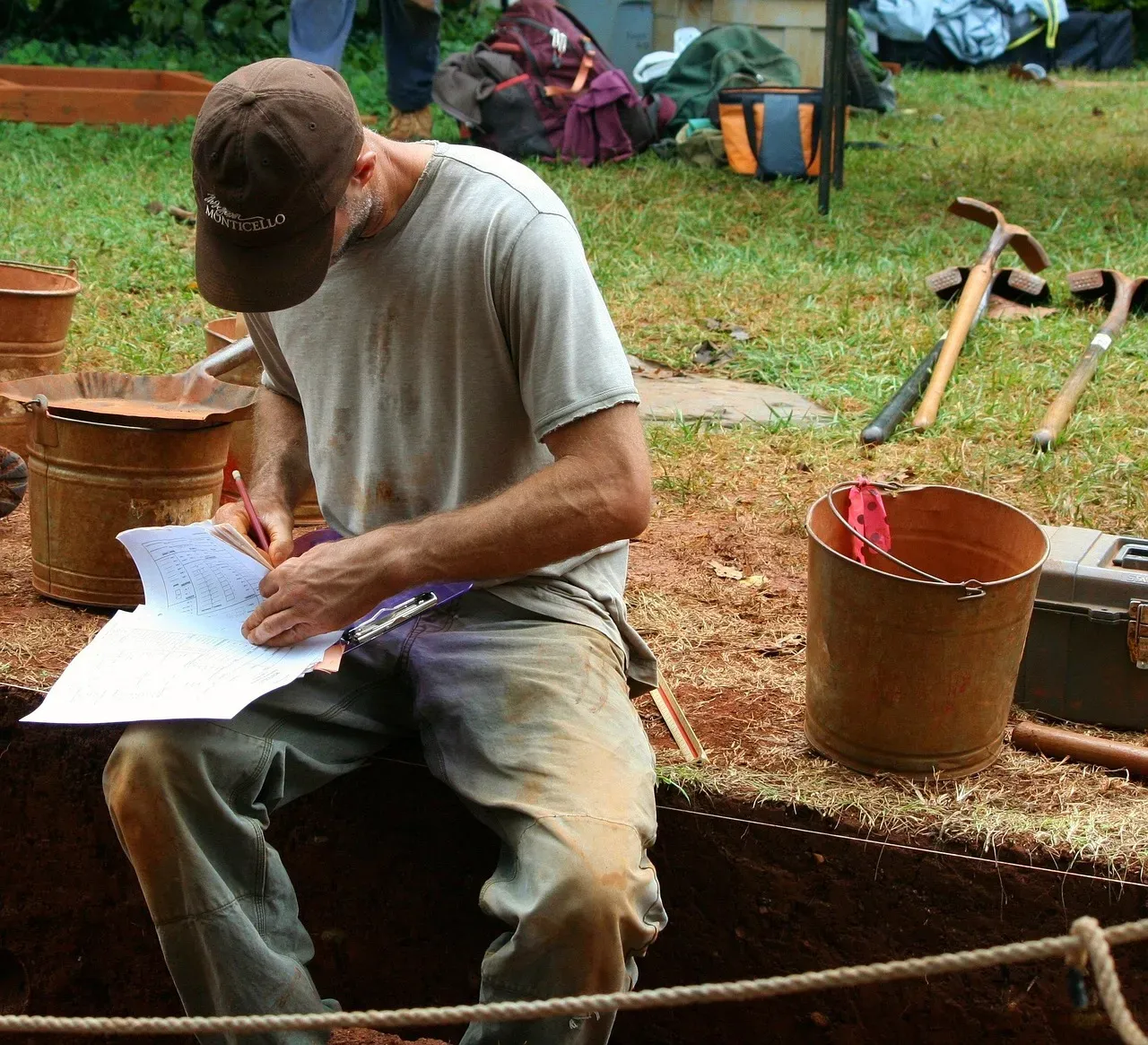
Modern archaeology adds a scientific twist to our disaster fascination. When researchers uncover a city that seems frozen in time, layers of ash over homes, broken pottery lying where it fell, or skeletons in unnatural positions, it provides tangible proof that things can go catastrophically wrong, fast. But crucially, there is usually some uncertainty: was it climate change, disease, conflict, or a chain of small events that finally tipped everything over? That blend of evidence and mystery is irresistible to the human mind, which loves patterns but also craves open questions.
This is where the fear of losing control quietly sneaks in. We are drawn to asking how societies could fail to see the warning signs or why their systems could not adapt in time. Underneath that question is a more uncomfortable one: are we making the same mistakes without noticing? The incomplete nature of archaeological records leaves room for projection. We fill in gaps with our current worries – global warming, pandemics, resource scarcity – and imagine that those, too, might have been the invisible forces pushing ancient societies over the edge.
Modern Apocalypse Culture Is Old Catastrophe Anxiety In New Clothes
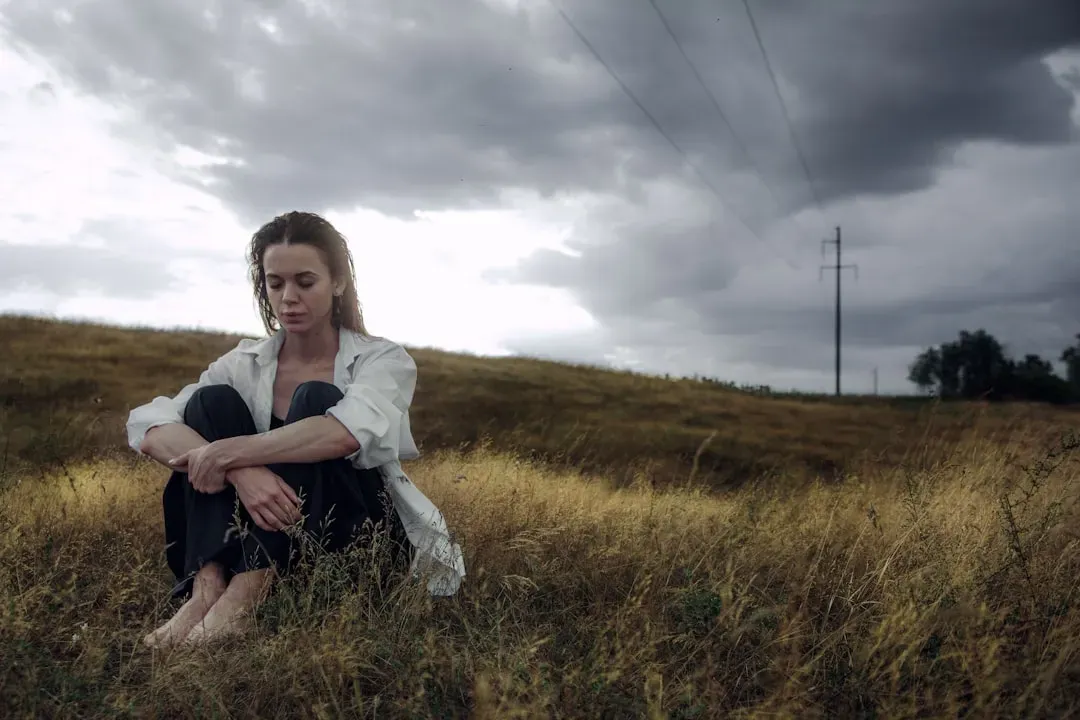
Our binge‑watching habits say a lot about us. Zombie outbreaks, climate‑ravaged futures, rogue AI, nuclear winters, and pandemic dramas all echo themes that appear in ancient catastrophe stories: sudden collapse, scrambling for survival, and the loss of familiar structures. Psychologically, this is not a coincidence. These narratives let us project our fear of losing social, technological, and political control into imagined worlds where those fears play out to the extreme. It is emotionally intense, but strangely satisfying, to see what happens when all the systems we rely on are stripped away.
On a personal level, I have caught myself doom‑scrolling through threads about possible future scenarios and then, almost as a palate cleanser, watching a documentary on ancient volcanic eruptions or vanished kingdoms. It feels safer to think about their apocalypse than fully sit with the thought of our own. Modern apocalypse culture works the same way at scale. It packages deep anxieties into entertainment, allowing us to rehearse disaster responses – who would I be if everything collapsed? – while keeping enough psychological distance to sleep at night.
Control, Meaning, And The Urge To “Learn From Their Mistakes”

One of the most common reactions to ancient catastrophe stories is the phrase that we should learn from the past so we are not doomed to repeat it. Psychologically, this belief is comforting because it restores a sense of agency. If we can identify the exact combination of overuse of resources, political breakdown, poor planning, or environmental shifts that toppled an ancient society, then perhaps we can engineer better systems this time around. The desire to extract clear lessons from past collapses is often as emotional as it is rational: it says that if we are smart enough, we can keep control.
But the evidence from history is messy. Sometimes societies crash because of overlapping causes, sheer bad luck, or slow changes that no one fully understood while they were happening. That uncertainty challenges the fantasy that everything is controllable if we just have enough data and good intentions. Yet we still return to those stories and say things like “we cannot ignore warning signs the way they did.” It is our way of pushing back emotionally against the idea that some events are fundamentally bigger than us. Even if that belief is only partly true, we cling to it because the alternative – accepting how limited our control really is – feels unbearable.
Why Facing Our Fear Of Losing Control Might Be The Real Lesson
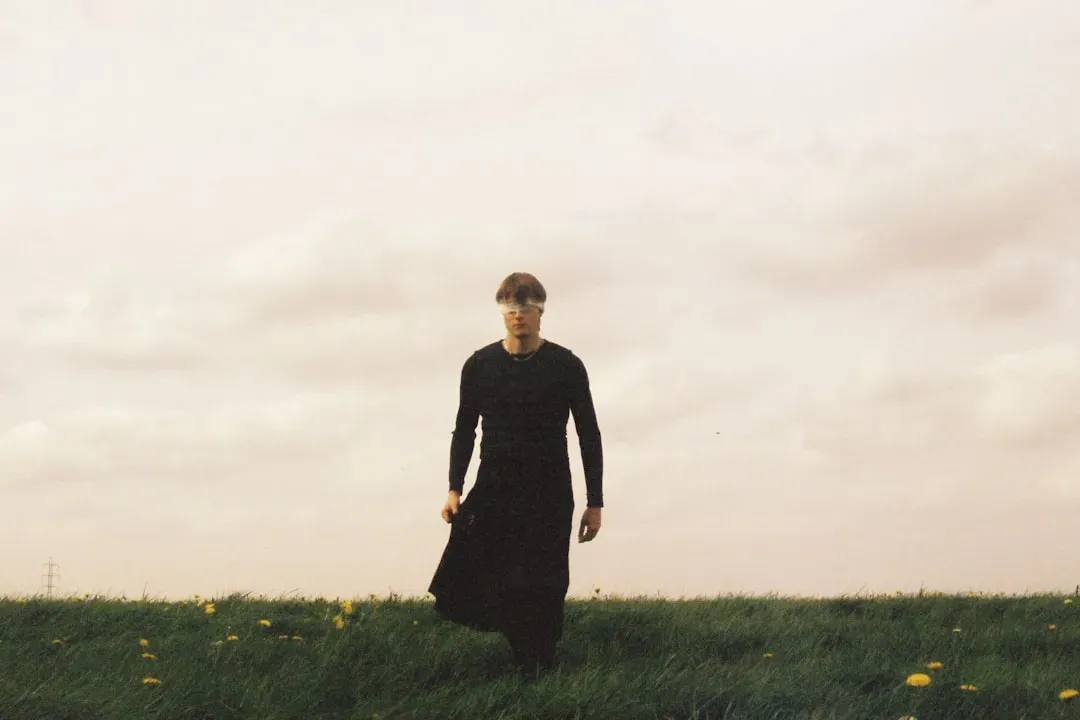
When you strip away the ruins, the myths, and the cinematic imagery, our obsession with ancient catastrophes shines a harsh light on a very modern problem: we are deeply uncomfortable with vulnerability. We like to think of ourselves as the most advanced, most informed, most prepared generation in history, but stories of past collapses whisper that progress does not guarantee safety. My opinion is that our real psychological work is not to convince ourselves we can control everything, but to learn how to live honestly with the fact that we cannot.
That does not mean giving up or turning fatalistic; it means trading the illusion of total control for a more grounded sense of responsibility. We can reduce risks, listen to early warnings, design more resilient systems, and treat our environment with greater care, all while admitting that some variables will always be beyond us. If anything, accepting our limits might make us less arrogant and more compassionate, to both the past and the future. Ancient catastrophes are mirrors, not just warnings. The uncomfortable question they leave us with is simple and unsettling: are we willing to face how fragile our world really is, or will we keep telling ourselves that this time, we are different?