When you think of prehistoric predators, your mind probably jumps straight to T-Rex or velociraptors. Yet the world of ancient mammals holds some truly nightmarish creatures that could give any dinosaur a run for its money. These forgotten giants ruled their respective time periods with bone-crushing jaws, razor-sharp claws, and appetites for destruction that would make today’s apex predators look like house cats.
From bear-like monsters the size of small cars to wolf-sized hypercarnivores with self-sharpening teeth, these prehistoric mammals dominated ecosystems millions of years ago. Some of them even shared the planet with early humans, turning our ancestors’ daily survival into a deadly game of hide and seek. Let’s dive into the shadowy world of these forgotten killers.
Sarkastodon: The Flesh-Tearing Giant of Asia

Imagine a creature that combined the worst features of a bear, weasel, and big cat into one terrifying package. Sarkastodon has an estimated length of 3 m (9.8 ft). In 2009, it was estimated to have had a body mass of about 800 kg (1,800 lb), making it roughly twice the weight of a modern polar bear. This Eocene monster roamed the plains of Mongolia around 40 million years ago, hunting with jaws specifically designed for one purpose: tearing flesh.
Similar to the modern hyaena, Sarkastodon had a fierce set of canines backed up by premolars made for tearing and hearty, smashing molars to finish the job. Unlike modern predators, this beast possessed a skull that was over a foot and a half long, housing teeth that could crack bones like twigs. Its name literally translates to “flesh-tearing tooth,” and every aspect of its anatomy lived up to that brutal reputation.
What made Sarkastodon particularly terrifying was its hunting strategy. It was probably an ambush predator, not a fast runner. This massive predator would lie in wait for unsuspecting prey like ancient rhinoceroses and chalicotheres, then unleash its devastating bite force to crush both bone and flesh simultaneously.
Hyaenodon: The Self-Sharpening Nightmare

Despite its name suggesting a connection to hyenas, Hyaenodon were not at all related to modern-day hyenas, despite their name. Nevertheless, they were even more dangerous. These prehistoric carnivores possessed one of the most ingenious dental designs in mammalian history. Hyaenadon had a bone-shattering bite force of over 1,300 lb psi and a design in the jaws that allowed the teeth to sharpen themselves throughout their entire life.
The largest species could reach lengths of up to 4 meters and weigh several hundred kilograms, these fast and vicious canine-like rhinoceros-sized mammalian carnivores dominated their ecosystems for millions of years. The largest species, H. gigas, represents one of the biggest land-dwelling carnivorous mammals ever discovered. These apex predators didn’t just hunt alone either – evidence suggests they operated in coordinated packs.
Their hunting repertoire was impressively diverse. This animal preyed on the bizarre group of animals called Chalicotherium, newborn or juvenile Paraceratherium, bear-dogs and a large, omnivorous relative of swine, the Entelodon. When a creature this massive needs to hunt other giant predators to survive, you know you’re dealing with something truly formidable.
Entelodon: The Hell Pig That Ate Everything
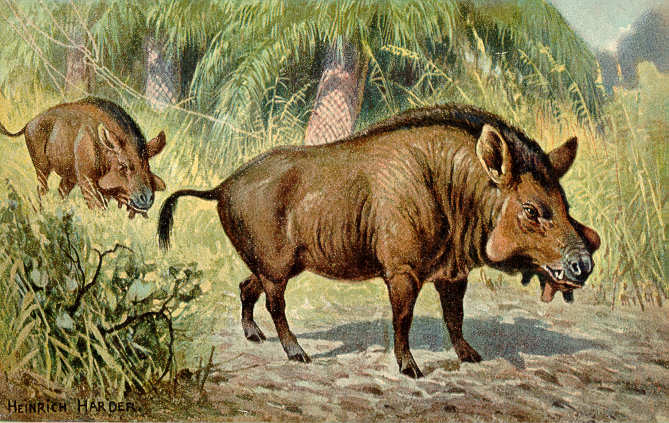
If someone told you that prehistoric pigs were among the most dangerous predators of their time, you’d probably laugh. You wouldn’t be laughing if you encountered Entelodon, better known as the “Hell Pig.” On the other hand, the Entelodon, a prehistoric pig relative, was a full time carnivore and possibly one of the most monstrous-looking mammals ever. Standing on all fours, this beast was as tall as a man, and had an immense head armed with powerful jaws and sharp teeth.
These weren’t your typical farm animals. Entelodon stood 2 metres tall and weighed 1 ton. What made them particularly deadly wasn’t just their size, but their aggressive territorial behavior. Its bite marks also suggest that it fought viciously with its own kind, and it is even possible that Entelodonts were cannibalistic. Any creature willing to eat members of its own species wouldn’t hesitate to make a meal out of you.
Their success as predators came from their adaptability and intimidation factor. Scientists believe that it was able to hunt live prey, but that it also scared other predators away from their kills (which should have been very easy). Imagine being a smaller predator and trying to defend your hard-earned kill from a one-ton pig with the temperament of a rabid honey badger.
Andrewsarchus: The Mysterious Wolf-Sheep Monster

Picture a wolf the size of a small car with jaws powerful enough to crush your bones to powder, and you’re getting close to understanding Andrewsarchus. Andrewsarchus is considered among the largest known terrestrial mammalian carnivores. The Andrewsarchus could bite with a force of over 2000 pounds which is comparable to 1 ton, over twice that of a modern day tiger.
What makes this creature even more fascinating is its bizarre evolutionary background. It was related to sheep and had a fearsome appearance, somewhat resembling a warg. This distant relative of sheep and whales somehow evolved into a apex predator that could have easily made a snack out of early mammals. The fact that we only know this beast from a single skull specimen makes it even more mysterious and terrifying.
The sheer size of Andrewsarchus placed it in a league of its own. It’s estimated to have been about 6 feet tall at the shoulder and over 12 feet long, making it larger than most modern bears. When paleontologists discovered that skull, they realized they were looking at evidence of a predator unlike anything alive today.
Arctodus: The Short-Faced Speed Demon
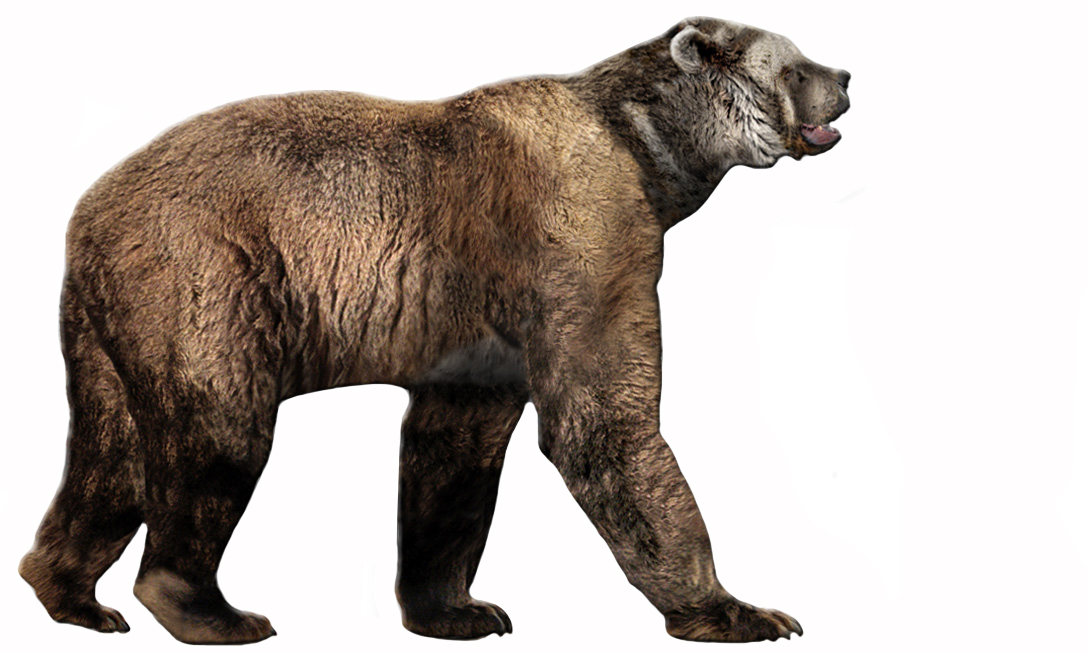
Modern grizzly bears are terrifying enough, but they pale in comparison to their prehistoric cousin Arctodus simus. Arctodus simus, also called the short-faced bear, could reach heights of up to 11 feet when standing on its hind limbs and was capable of considerable speed. Imagine a bear nearly twice the height of a basketball hoop charging at you faster than you could drive through a school zone.
This wasn’t just about size and speed though. Some studies suggest it was an omnivore like many of the bears alive today, but in another study, chemical analysis of its bones suggested that it ate meat almost exclusively, and it probably would have needed to eat 35 pounds of flesh every day. That’s roughly the equivalent of consuming an entire medium-sized dog daily just to maintain its massive frame.
Perhaps most chilling of all, And, since they only went extinct 11,000 years ago, there’s a solid chance that humans had to deal with these guys. And by deal with, we mean, “get eaten by.” Our ancestors shared the landscape with these massive predators, turning every hunting trip or journey into a potential death sentence.
Cave Lions: The Oversized Feline Nightmares
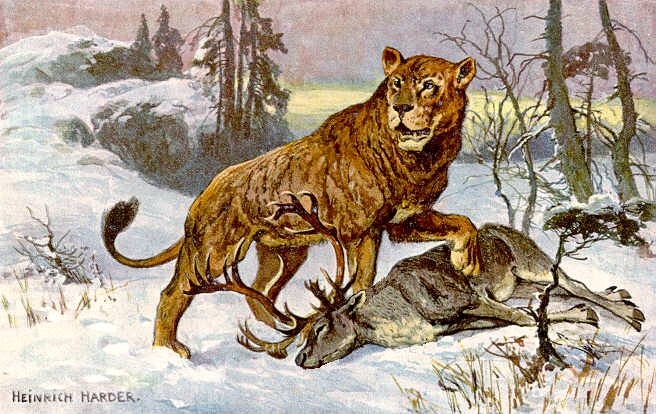
Lions are already among the most feared predators on Earth, but their prehistoric relatives took feline terror to an entirely new level. American lions were about 20 percent bigger than modern lions, and that was just the beginning of their impressive stats. These weren’t confined to Africa either – they dominated territories stretching across multiple continents.
It had a bite force of over 1,600 psi (pounds per square inch). It could grow up to 12 feet in length, 5 feet in height, and weigh over 930 lbs. With dimensions like these, cave lions were essentially the ultimate feline predators, combining the stealth and hunting instincts of modern cats with the raw power of a small dinosaur.
Their hunting grounds were vast and varied. In the Pleistocene, their extinct relatives cave lions lorded over territory that stretched all the way from the Iberian Peninsula to North America, and included the British Isles. They were amongst the most successful predators that lived on the Mammoth Steppe This global dominance speaks to their incredible adaptability and effectiveness as killers.
Thylacosmilus: The Saber-Toothed Marsupial
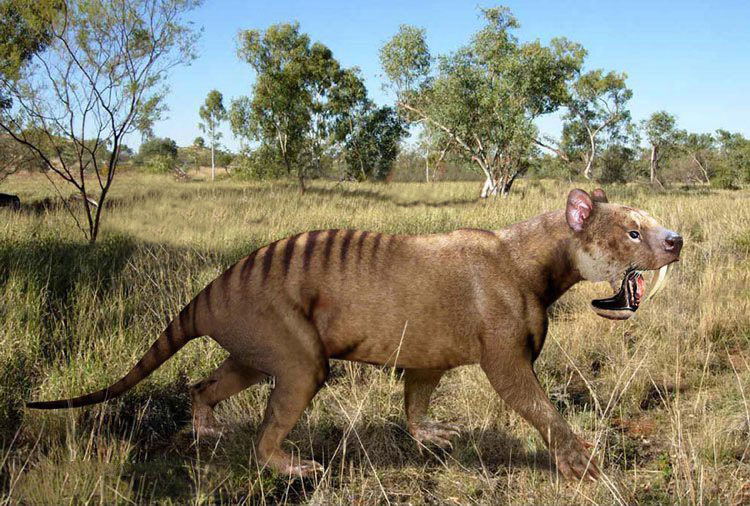
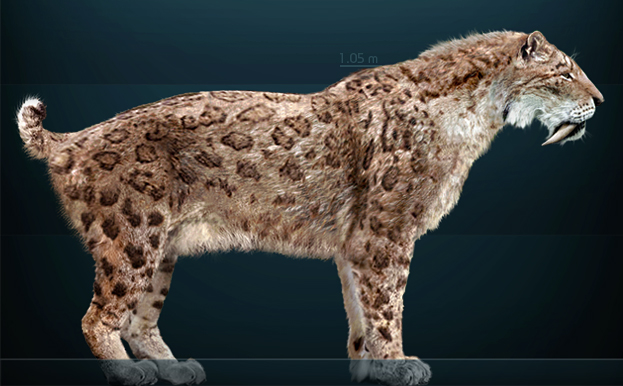
While everyone knows about saber-toothed cats, few people have heard of their marsupial doppelganger that was arguably even more dangerous. But back in the good old days of the Upper Miocene (~five million years ago), that title went to Thylacosmilus. These ferocious predators look like saber-tooth cats, but actually belonged to an extinct group called sparassodonts, closely related to the marsupials alive today.
This convergent evolution created a predator that combined the worst aspects of both marsupial and placental mammal designs. Another large metatherian was Thylacosmilus atrox, weighing 80 to 120 kilograms (180 to 260 lb), with one estimate suggesting 150 kg (330 lb). Unlike true saber-toothed cats, Thylacosmilus possessed continuously growing canines that never stopped getting longer and sharper throughout its lifetime.
What made this creature particularly effective was its unique hunting style and geographic isolation. They lived in what’s now South America and were discovered by Field Museum paleontologist Elmer Riggs in the 1920s. In the isolated ecosystem of ancient South America, these marsupial predators evolved to fill the same ecological niche as saber-toothed cats elsewhere, creating their own brand of prehistoric terror.
Dire Wolves: The Pack Hunters From Hell
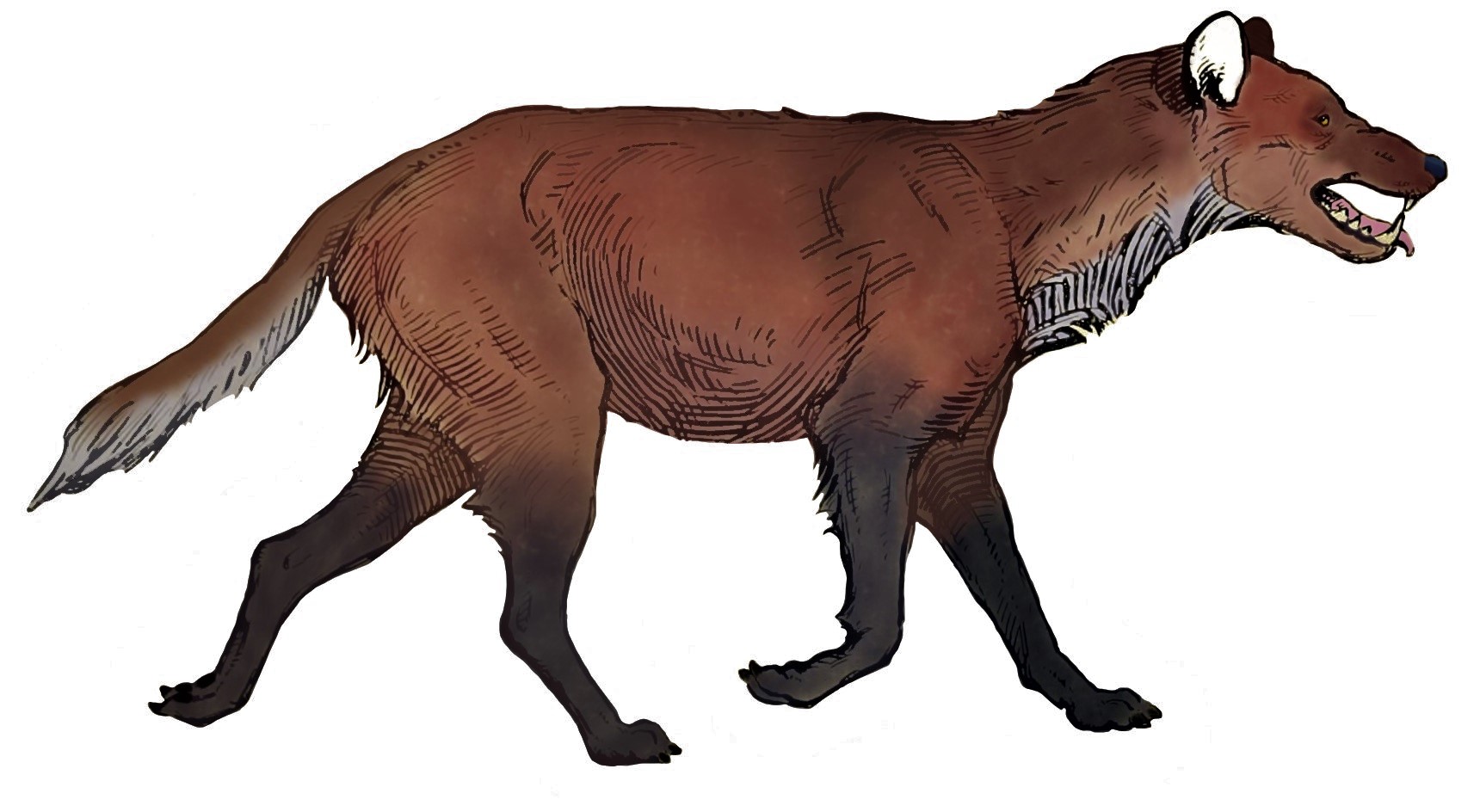
Thanks to popular culture, dire wolves have gained some recognition, but most people don’t realize just how much more dangerous they were than regular wolves. Another big predator that’s commonly found in the La Brea Tar Pits, this wolf species was about the same length as the modern gray wolf, but it weighed quite a bit more – as much as 175 pounds. Dire wolves had stronger jaws than today’s gray wolves, which meant (among other things) that they were good at crushing bone
Their pack hunting behavior made them even more formidable than their individual strength suggested. Lots of dire wolf remains are found at the famous La Brea Tar Pits in Los Angeles, natural tar traps that, during the Late Pleistocene, claimed the lives of thousands of animals, predators in particular. As other animals got trapped in these tar pits, predators like dire wolves came over to feast on their remains only to then find themselves trapped too.
The fossil evidence suggests these wolves were more willing to take risks than modern wolves, possibly because their enhanced jaw strength allowed them to tackle more dangerous prey. Unfortunately for early humans, Nonetheless, they went extinct about 10,000 years ago, meaning our ancestors had to contend with packs of super-wolves during some of humanity’s most vulnerable periods.
Terror Birds: The Feathered Executioners
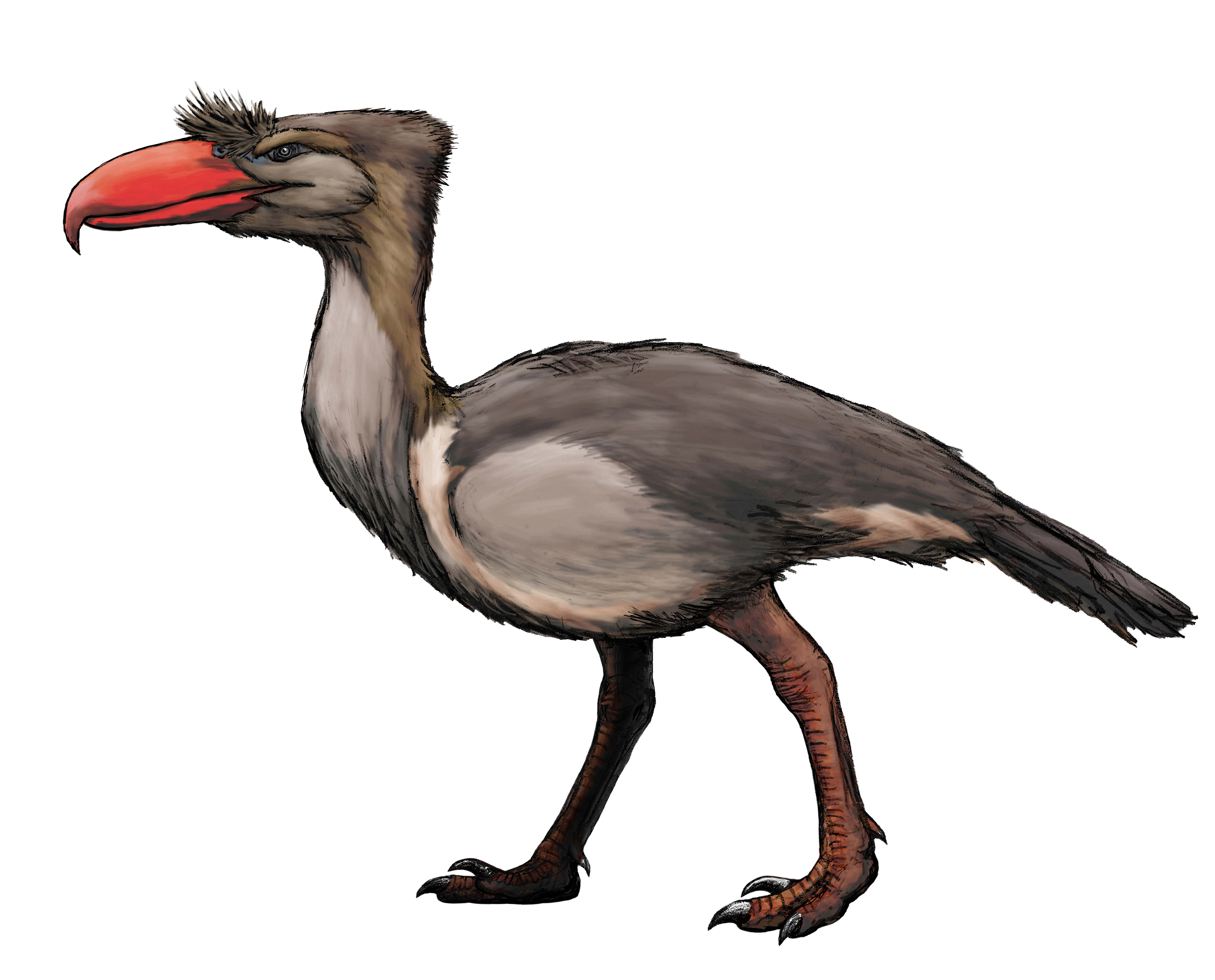
When mammals were still recovering from the dinosaur extinction, South America developed its own unique solution to the apex predator problem: massive, flightless birds with an appetite for destruction. Terror birds, which got as big as 10 feet tall, developed in South America around 60 million years ago, during a period when there were few other predators on the continent. Terror birds occupied the top tier of the food chain, using their large hooked beaks to kill prey until they went extinct around 2 million years ago.
Phorusrhacos Longissimus was a species in the Phorusrhacidae family, a group of animals which are also known as ‘terror birds’. These huge, flightless meat-eaters lived up to their name, being equipped with powerful hooked beaks and large claws. Living in South American during the Miocene epoch, Phorusrhacos Longissimus was likely to have been an apex predator.
What made terror birds particularly effective killers was their unique anatomy. Unlike modern flightless birds, these creatures were built specifically for predation. Their powerful legs could deliver devastating kicks, while their massive hooked beaks could tear chunks of flesh from prey with surgical precision. For nearly 58 million years, they ruled South American ecosystems as the continent’s primary large predators.
Gigantopithecus: The Giant Ape That Could Crush You

The idea of a massive, aggressive ape might sound like pure fiction, but Gigantopithecus was very real and absolutely terrifying. Gigantopithecus was the largest ape to have ever lived, standing as tall as 10 feet and weighing upwards of 1,100 pounds. Its startling girth served as an advantage during its six to nine-million-year reign throughout what is now South China
While primarily vegetarian, the sheer size and strength of Gigantopithecus would have made it incredibly dangerous if threatened. It could grow up to three meters tall and weigh up to 550 kgs! Its strength must have been extraordinary and probably kept it safe from most predators. Any creature capable of growing to these proportions would have possessed bone-crushing grip strength and limbs powerful enough to tear apart any threats.
Most chillingly, While some cryptozoologists are still hoping to prove the existence of Bigfoot, such a creature definitely did exist until approximately 300,000-400,000 years ago. This means early modern humans might have encountered these giants, though thankfully hominids would have surely sought to keep their distance from such an intimidating and potentially-threatening primate.
Conclusion

The prehistoric world was filled with mammals that make today’s apex predators look like gentle pets in comparison. These forgotten giants possessed combinations of size, strength, and specialized hunting adaptations that have never been replicated in the modern world. From bone-crushing pigs to self-sharpening-toothed wolves, each of these creatures represents a unique evolutionary solution to the problem of being a successful predator.
What’s perhaps most remarkable is how many of these deadly mammals shared the planet with early humans, turning our ancestors’ survival into a daily battle against creatures that seemed designed by nightmares. The fact that we’re here today is testament to human ingenuity and luck in equal measure. What do you think about these forgotten prehistoric killers? Tell us in the comments.