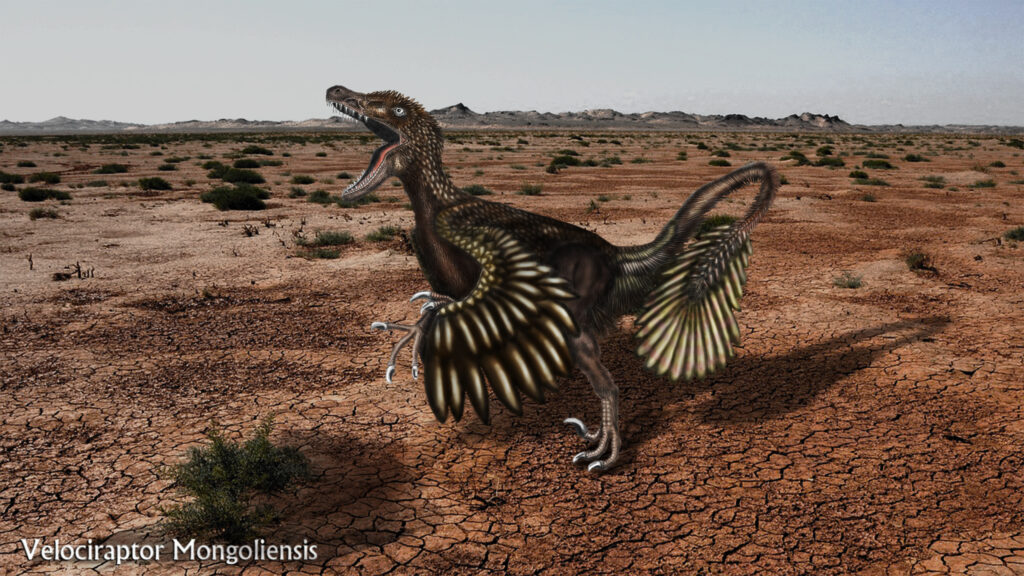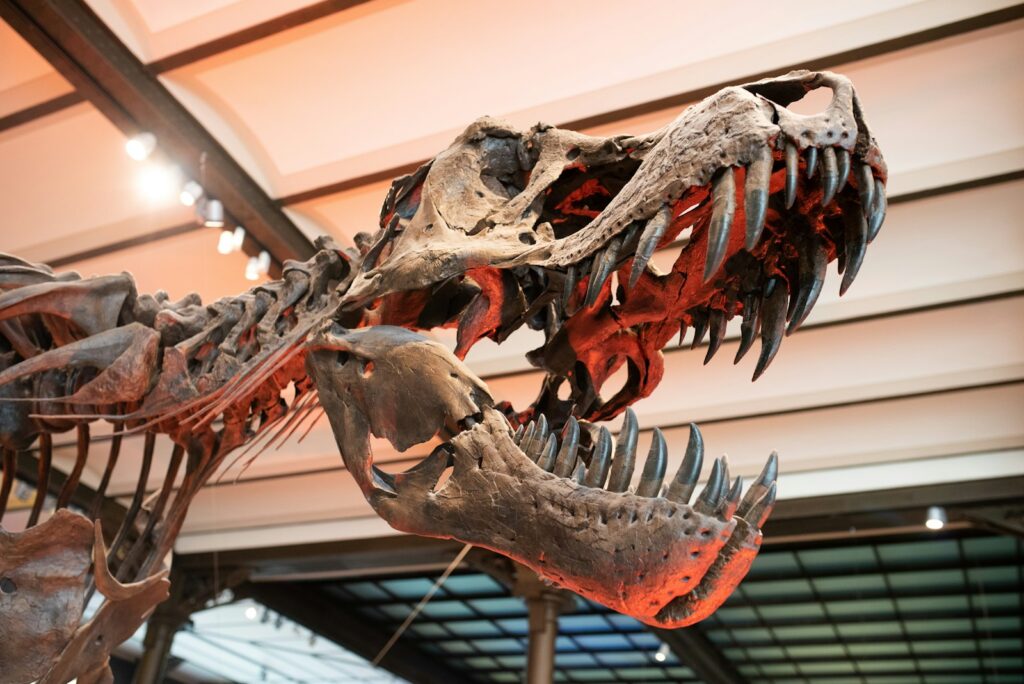
The dinosaurs’ sudden disappearance 66 million years ago marks one of Earth’s most dramatic turning points – when approximately 75% of all species vanished within a geologically brief period. This event, known as the Cretaceous-Paleogene (K-Pg) extinction, fundamentally reshaped life on our planet and allowed mammals to eventually dominate. As we face accelerating climate change, habitat destruction, and biodiversity loss, a concerning question emerges: could a catastrophic extinction event comparable to what eliminated the dinosaurs happen again? The answer involves understanding both cosmic threats and human-induced ecological changes that are reshaping our planet at an unprecedented rate.
The Dinosaur Extinction: What Actually Happened?
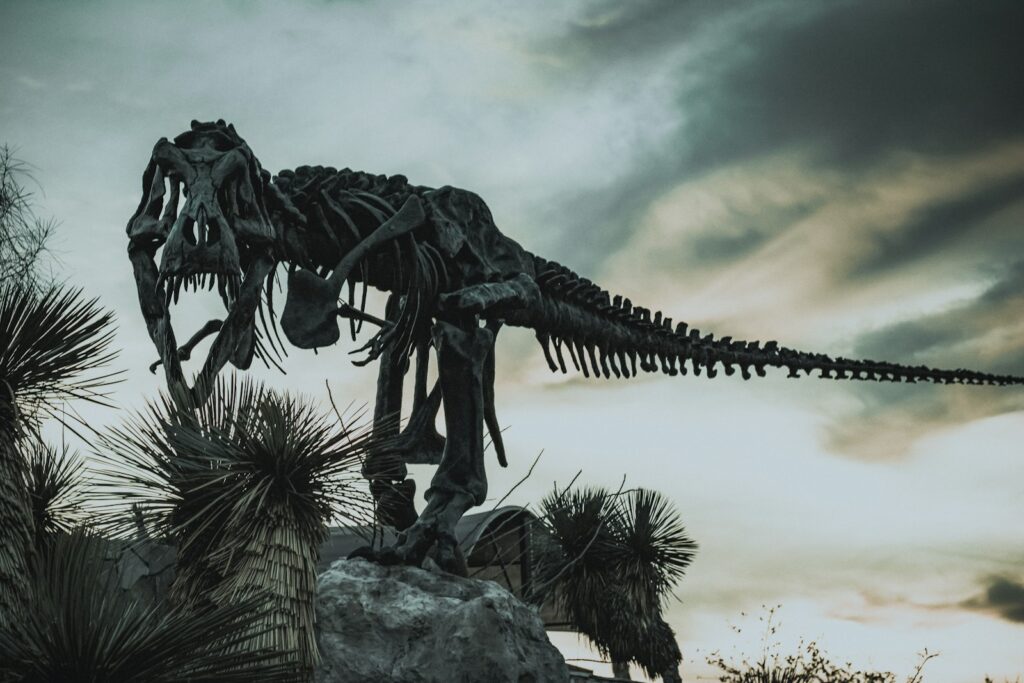
The extinction that claimed the non-avian dinosaurs was triggered primarily by a massive asteroid approximately 6-9 miles (10-15 kilometers) wide that struck Earth near today’s Yucatán Peninsula in Mexico. This impact site, known as the Chicxulub crater, tells the story of an explosion over a billion times more powerful than the atomic bombs dropped during World War II. The immediate effects included tsunamis, widespread fires, and a global “impact winter” where dust and aerosols blocked sunlight for years, collapsing food chains worldwide.
Secondary effects included massive volcanic eruptions in the Deccan Traps of India that further contributed to climate destabilization. This wasn’t just dinosaurs disappearing – marine reptiles, ammonites, numerous plant species, and countless other organisms perished in what scientists classify as one of the “Big Five” mass extinctions in Earth’s history.
Asteroid Impacts: Still a Threat Today

The threat of catastrophic asteroid impacts remains very real, though astronomers are working diligently to catalog and track potentially hazardous objects. NASA’s Center for Near-Earth Object Studies monitors thousands of asteroids that cross Earth’s orbit, with particular attention to those larger than 140 meters that could cause regional devastation. While another dinosaur-killer-sized asteroid impact is statistically rare – occurring perhaps once every 100 million years – smaller but still devastating impacts are more probable.
The 2013 Chelyabinsk meteor that exploded over Russia injured 1,500 people despite being relatively small at just 20 meters wide. Scientists are developing planetary defense strategies, including potential deflection technologies like NASA’s DART mission, which successfully altered an asteroid’s orbit in 2022, demonstrating that with adequate warning, we might avert an extinction-level impact.
Supervolcanoes: Earth’s Internal Extinction Engines
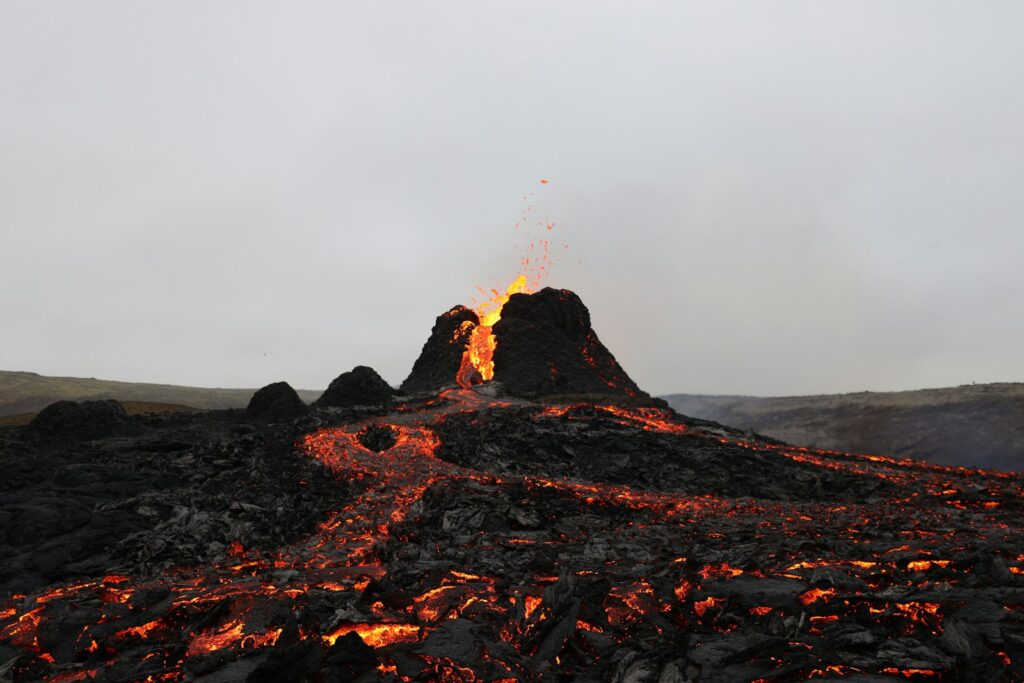
Supervolcanic eruptions represent another natural mechanism capable of triggering mass extinctions. These cataclysmic events can eject hundreds or thousands of cubic kilometers of material, dwarfing any historical eruption humans have witnessed. The Yellowstone caldera, Toba in Indonesia, and several other supervolcano sites worldwide remain active on geological timescales. When these massive systems erupt, they can cause global cooling by injecting sulfur aerosols into the stratosphere, potentially triggering “volcanic winters” lasting years.
The Toba eruption approximately 74,000 years ago might have reduced human populations to near-extinction levels according to some genetic evidence, though this remains debated. While modern monitoring systems can detect warning signs of increased activity, we currently possess no technology capable of preventing or significantly mitigating a supervolcanic eruption if one were imminent.
The Sixth Mass Extinction: Already Underway?
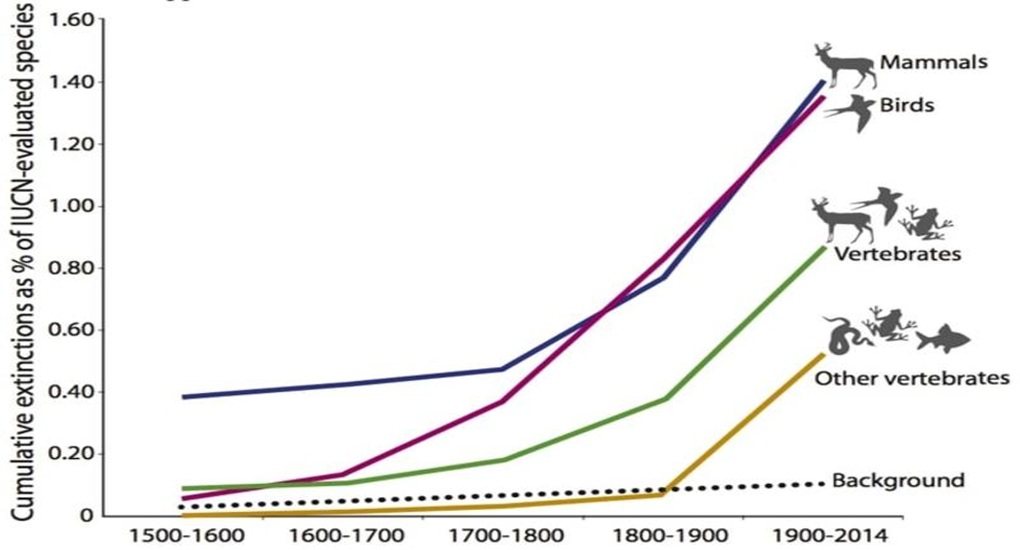
Many scientists argue that, unlike the dinosaur extinction, which came suddenly from space, we are already witnessing the beginning stages of a sixth mass extinction driven primarily by human activities. Current extinction rates are estimated to be 100 to 1,000 times higher than natural background rates, with approximately one million plant and animal species currently threatened. Habitat destruction, particularly deforestation of tropical rainforests, which host the majority of terrestrial biodiversity, continues at alarming rates.
Ocean acidification from absorbed carbon dioxide threatens marine ecosystems, particularly coral reefs, which support 25% of all marine species. Unlike previous extinction events, which unfolded over thousands or millions of years, the current biodiversity crisis is occurring within decades, giving species little time to adapt. The rapid pace of change, rather than a single catastrophic event, makes this potential extinction distinct from previous ones.
Climate Change: A Slow-Motion Extinction Event
Climate change represents perhaps the most significant driver of modern biodiversity loss, functioning as a “slow-motion asteroid impact” with potentially comparable consequences. As global temperatures continue rising, many species face conditions outside their evolutionary experience. Shifting rainfall patterns, increasing extreme weather events, and changing seasonal timing disrupt ecological relationships that evolved over millions of years.
Some ecological models suggest that with business-as-usual emissions scenarios, we could lose over 50% of species in biodiversity hotspots by 2100. Unlike the dinosaur extinction, which occurred before humans existed, we are both the cause and potential solution to this climate-driven biodiversity crisis. The rapidity of current warming – faster than any known natural climate change in Earth’s history – leaves many species with insufficient time to adapt through evolution or migration.
Ocean Acidification and Marine Ecosystem Collapse
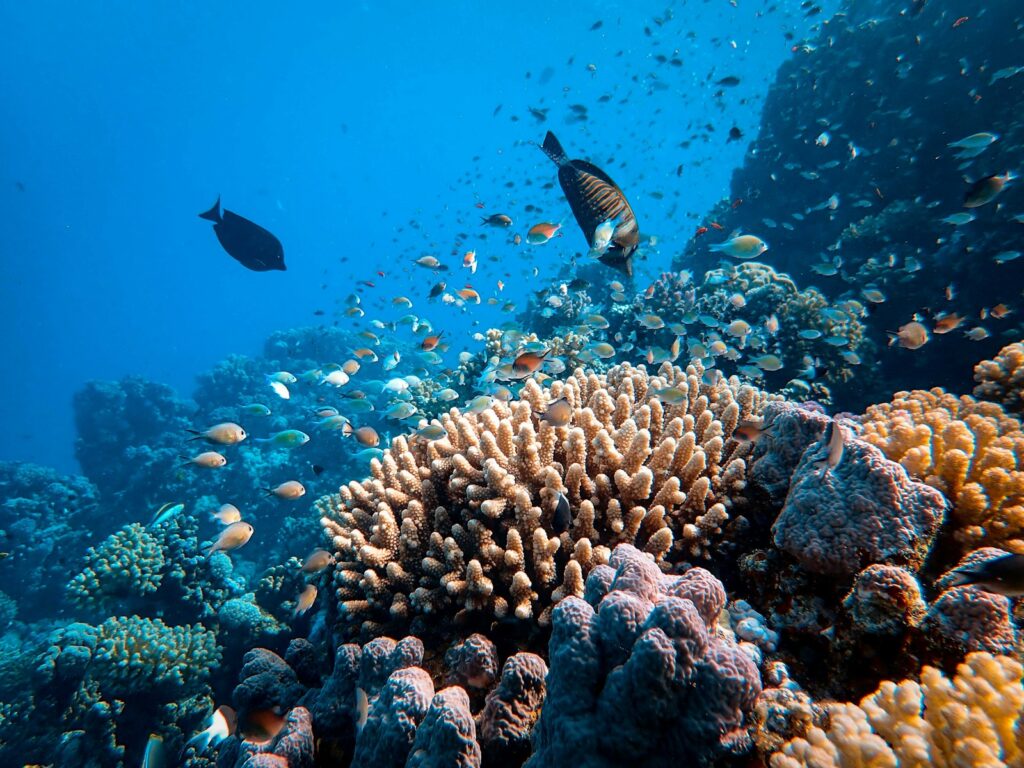
The world’s oceans face a particular threat from carbon dioxide emissions that could trigger marine ecosystem collapses comparable to those seen during previous mass extinctions. When atmospheric CO₂ dissolves in seawater, it forms carbonic acid, lowering the ocean’s pH and making it more difficult for countless marine organisms to build their calcium carbonate shells and skeletons. This includes not just coral reefs but also many plankton species that form the foundation of marine food webs.
During the End-Permian extinction 252 million years ago (the most severe mass extinction known), ocean acidification played a key role in eliminating nearly 96% of marine species. Current acidification is occurring at a rate ten times faster than during that ancient catastrophe. If emissions continue unabated, large portions of the ocean could become corrosive to calcium carbonate structures within this century, potentially triggering ecological cascades throughout marine systems.
Ecosystem Tipping Points and Ecological Cascades
Complex ecosystems can appear stable until they reach critical thresholds where rapid, often irreversible transformations occur. These “tipping points” represent particular danger zones where gradual environmental changes suddenly produce dramatic ecological effects. The Amazon rainforest, for instance, may be approaching a tipping point where deforestation and climate change trigger a conversion of large regions into savanna, releasing massive carbon stores and eliminating habitat for countless species. Arctic systems face similar thresholds as permafrost thaw releases methane, potentially accelerating warming beyond human control.
What makes ecological cascades particularly dangerous is how the loss of key species can trigger broader ecosystem collapse. For example, the disappearance of large herbivores from an ecosystem can allow woody plants to dominate, changing fire regimes and ultimately transforming entire landscapes. These complex interconnections mean extinctions can accelerate once critical ecological relationships begin breaking down.
Pandemic Risks: Natural and Engineered Threats

While infectious disease has never caused a mass extinction throughout Earth’s history, modern globalization creates unprecedented conditions for pandemic spread. As humans continue encroaching on wildlife habitats, the risk of zoonotic disease transmission increases. The COVID-19 pandemic demonstrated how quickly a novel pathogen can spread worldwide, and future pandemics could potentially be more lethal. Additionally, advances in biotechnology, while offering tremendous benefits, also create the possibility of engineered pathogens with high mortality rates and transmissibility.
While a pandemic would primarily threaten human populations rather than causing a multi-species extinction event like the dinosaur extinction, the loss of human civilization would have profound impacts on countless other species due to our deep integration with Earth’s ecosystems. Infrastructure failures at nuclear facilities, chemical plants, and other hazardous sites following a human population collapse could create widespread contamination affecting numerous species.
Nuclear Winter: A Human-Made Extinction Mechanism
Since the development of thermonuclear weapons, humanity has possessed the technical capacity to create conditions similar to the “impact winter” that contributed to the dinosaur extinction. Models of nuclear winter scenarios suggest that even a limited nuclear exchange could inject enough soot and particulates into the stratosphere to block sunlight globally for years, causing agricultural collapse and mass starvation. A full-scale nuclear war between major powers could reduce global temperatures by 8°C or more for several years – comparable to the cooling after the Chicxulub impact.
Beyond the immediate human casualties, the resulting climate disruption would threaten species worldwide through ecosystem disruption, especially agricultural systems. Unlike natural extinction drivers, nuclear winter could unfold within hours or days rather than over geological timescales, giving natural systems virtually no time to adapt. While nuclear arsenals have decreased since Cold War peaks, thousands of warheads remain operational worldwide.
Technological Existential Risks

Emerging technologies create novel extinction pathways without precedent in Earth’s history. Advanced artificial intelligence systems, if misaligned with human values or ecological protection, could potentially utilize resources in ways detrimental to biodiversity. Molecular nanotechnology, if developed without appropriate safeguards, presents theoretical risks of uncontrolled self-replication scenarios sometimes called “gray goo” events. Synthetic biology provides tools to modify organisms fundamentally or create entirely new ones, potentially disrupting ecosystems if released intentionally or accidentally.
While these technological risks differ substantially from asteroid impacts or supervolcanic eruptions, they share one key characteristic with them: the potential for sudden, system-wide disruption to planetary ecological networks. What sets technological risks apart is that with appropriate governance and foresight, they can be managed through intentional safeguards, unlike purely natural disasters, which can only be prepared for but not prevented.
Feedback Loops and Compounding Threats

Perhaps the most concerning aspect of modern extinction drivers is how they can amplify each other through feedback mechanisms. Climate change increases forest fire frequency and intensity, which releases more carbon dioxide, further accelerating warming. Biodiversity loss can reduce ecosystem resilience, making biological communities more vulnerable to climate extremes. The thawing Arctic permafrost releases methane, a potent greenhouse gas that speeds warming, causing more permafrost thaw.
Unlike the dinosaur extinction, which had a primary trigger (the asteroid) followed by cascading effects, today’s extinction drivers operate simultaneously and synergistically. Ocean acidification weakens marine ecosystems already stressed by overfishing and pollution. Habitat fragmentation reduces species’ ability to migrate in response to climate shifts. These compounding threats create a situation potentially more dangerous than any single extinction driver alone, as systems lose resilience to absorb disturbances from multiple sources simultaneously.
Detecting and Preventing Extinction Events

Unlike the dinosaurs, humans possess both the awareness of extinction threats and the technological capacity to detect and potentially prevent many of them. Planetary defense systems continue improving their ability to detect and track potentially hazardous asteroids years or decades before possible impacts. Geological monitoring networks provide early warnings of volcanic activity, allowing for evacuation if not prevention. Climate monitoring through satellite systems, ocean buoys, and atmospheric sampling gives unprecedented insight into planetary changes.
The challenge lies not primarily in detection capabilities but in mobilizing effective responses once threats are identified. Political short-termism, economic interests in maintaining harmful practices, and psychological barriers to acknowledging existential threats all hinder preventive action. Conservation biology has developed sophisticated tools for assessing extinction risk, but implementation of protective measures frequently lags behind scientific understanding. International cooperation remains essential, as extinction drivers cross political boundaries and require coordinated responses.
Learning from Past Extinctions
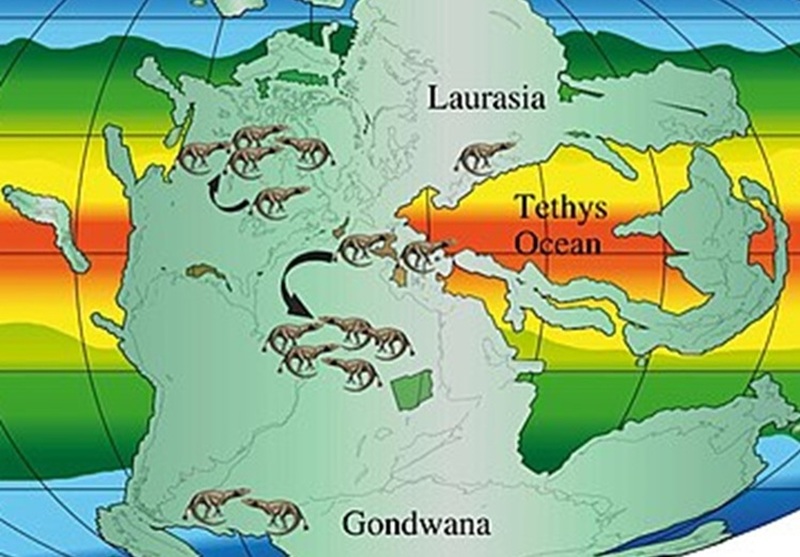
Paleontology offers crucial insights into how life recovers from mass extinctions, providing both warnings and hope for our current biodiversity crisis. After each of Earth’s previous mass extinctions, biodiversity eventually recovered and often surpassed previous levels, but this process typically required millions of years – far beyond human timescales. The recovery periods were characterized by ecological restructuring, where surviving groups often evolved rapidly to fill vacant niches. Following the dinosaur extinction, mammals diversified into numerous forms previously unavailable to them due to dinosaur dominance.
Certain traits appeared to favor survival across multiple extinction events: geographical range, dietary flexibility, and lower specialization generally increased survival odds. However, recovery from the current extinction would differ fundamentally from previous events because the human-modified environment creates novel constraints and possibilities for evolution. Understanding these historical patterns helps identify which species might be most vulnerable today and how to prioritize conservation efforts.
Building Planetary Resilience

In contrast to the dinosaurs, who had no defense against cosmic calamity, humanity has begun developing strategies to build resilience against various extinction threats. Seed banks like Norway’s Svalbard Global Seed Vault preserve agricultural biodiversity against catastrophe. Conservation programs increasingly focus on protecting genetic diversity rather than just preventing the extinction of iconic species. Climate adaptation measures include developing crop varieties resistant to drought, heat and flooding. Marine protected areas give ocean ecosystems space to rebuild resilience against acidification and warming.
Beyond these ecosystem approaches, technological solutions like carbon capture technologies, alternative energy systems, and sustainable agricultural practices aim to reduce human pressure on natural systems. Perhaps most importantly, improving governance systems for managing global commons and developing international cooperation frameworks for addressing transboundary threats represents essential social infrastructure for extinction prevention. Unlike previous mass extinctions, which were unavoidable natural disasters, today’s extinction threats are largely within human capacity to mitigate, if not entirely prevent.
The Unique Position of Humanity

Humanity occupies an unprecedented position in Earth’s history – we are simultaneously a potential extinction driver and the only species capable of preventing one. The dinosaurs could not detect the approaching asteroid or mitigate its effects, but we possess both the scientific understanding and technological capacity to address many extinction threats. This positions our species with a unique moral responsibility as planetary stewards. The concept of the “Anthropocene” – a proposed geological epoch defined by human influence on Earth systems – recognizes our species’ outsized impact.
Unlike any previous extinction, the outcome of the current biodiversity crisis will be substantially determined by human choices rather than just natural processes. While natural extinction drivers like asteroids and supervolcanoes remain possible, the most immediate threats stem from human activities that can be modified through policy, technology, and behavioral changes. This agency gives reason for both hope and responsibility – we are not merely passive observers of extinction like all previous species, but active participants in determining Earth’s biological future.
Conclusion
The question of whether a dinosaur-level extinction could happen again has no simple answer. Natural drivers like asteroids and supervolcanoes remain threats, though ones we increasingly monitor. Meanwhile, human-driven extinction processes are already underway and could, if unchecked, potentially match or exceed the dinosaur extinction’s impact over longer timeframes. The key difference is that, unlike the dinosaurs, who were powerless against cosmic disaster, humanity possesses the knowledge, technology, and capacity to prevent the worst extinction scenarios.
Whether we will use these capabilities effectively remains the defining question of our relationship with Earth’s biodiversity. The extinction that ended the dinosaurs’ reign ultimately paved the way for mammalian evolution that eventually produced our species – the first on Earth capable of understanding extinction itself and potentially preventing it. This knowledge brings both profound responsibility and hope that we need not share the dinosaurs’ fate.