Have you ever walked into a room and felt an invisible weight pressing on your shoulders? That subtle but unmistakable sense that you’re being silently evaluated, measured against some unknown standard? You’re not imagining it.
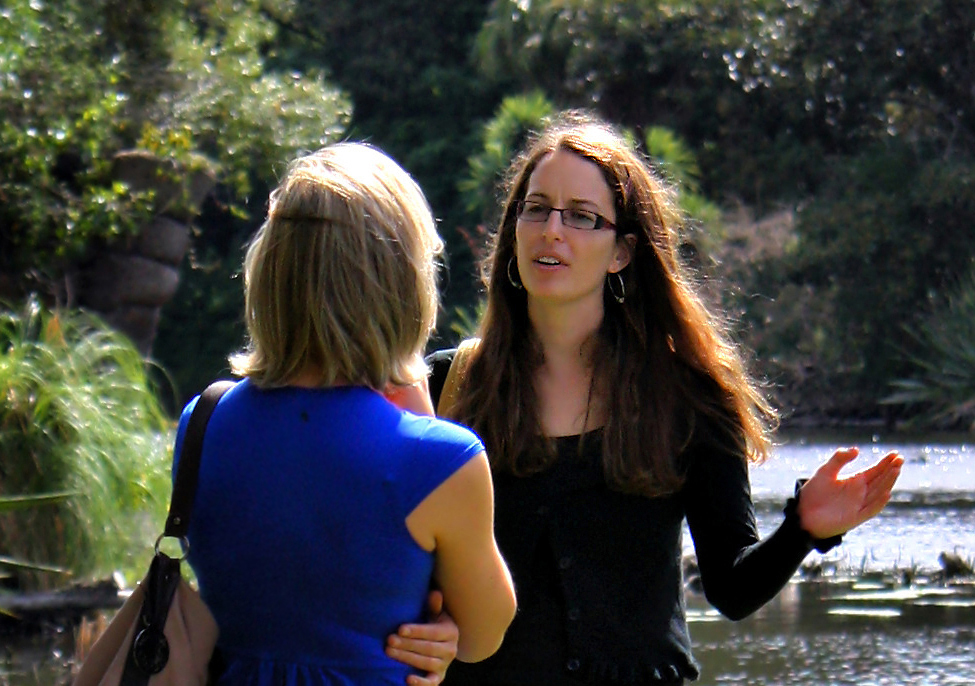
Your nonverbal behaviors – the gestures you make, your posture, your tone of voice, how much eye contact you make – send strong messages. In fact, it’s not the words that you use but your nonverbal cues or body language that speak the loudest. While some people excel at hiding their true thoughts behind polite smiles and agreeable nods, their bodies often betray their real feelings. Understanding these hidden signals can transform how you navigate social situations, giving you the power to decode what people really think about you.
The Sideways Glance of Assessment

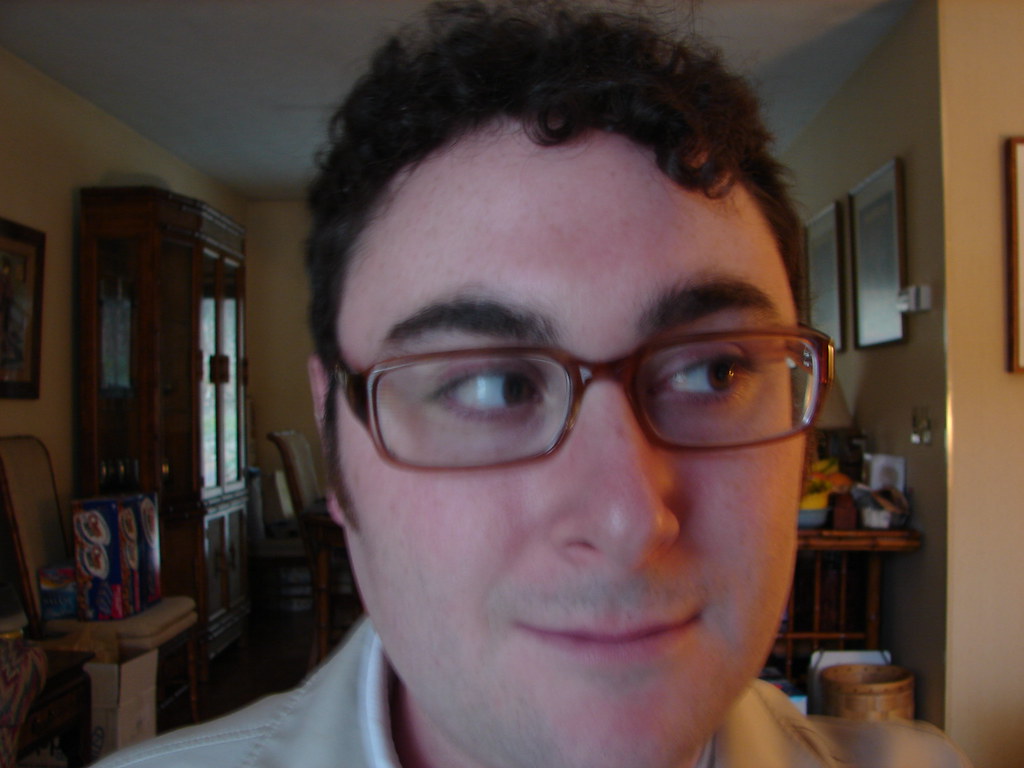
People tend to glance sideways when they’re making a judgement. It’s a subtle cue, but once you know to look for it, you’ll see it everywhere. The sideways glance isn’t always negative – sometimes it’s just a sign of curiosity. This quick, almost imperceptible shift of the eyes typically happens when someone is processing information about you while trying to appear engaged.
The sideways glance differs from normal eye movement because it carries a sense of evaluation. You might notice it when you’re speaking in a meeting and catch someone’s eyes darting to your colleagues, as if seeking validation for their assessment. It’s particularly common during first impressions, job interviews, or when you’ve said something unexpected.
Crossed Arms: The Universal Barrier

If someone’s exhibiting one or more of the following, negative behaviors, they’ll likely be disengaged, disinterested or unhappy: Arms folded in front of the body. This gesture creates a literal barrier between you and the other person, often indicating they’re mentally distancing themselves from what you’re saying or doing.
Crossed arms may not always mean judgement, but they often indicate resistance. The key is context and duration. If someone crosses their arms briefly because they’re cold, that’s different from maintaining this posture throughout your entire conversation. When combined with other negative cues, crossed arms suggest the person is forming unfavorable opinions about you.
Forced Smiles That Don’t Reach the Eyes

We’ve all seen it – that tight-lipped, insincere grin that doesn’t quite reach the eyes. It’s often a sign that someone is not genuinely pleased or in agreement with what’s being said. Genuine smiles, what psychologists call Duchenne smiles, involve the muscles around the eyes and create small wrinkles at the corners.
A forced smile serves as social camouflage, allowing someone to maintain politeness while harboring critical thoughts. You’ll often see this at networking events, family gatherings, or workplace interactions where social norms demand pleasantness despite underlying tension. The smile might appear too quick, fade too rapidly, or seem disconnected from the person’s overall demeanor.
Minimal Eye Contact and Averted Gaze
Lack of Eye Contact. A consistent research finding is that people in love spend a great deal of time gazing into each other’s eyes. If your partner rarely makes eye contact, or looks away when you look into their eyes, this is a sign of disinterest. While this research focuses on romantic relationships, the principle applies broadly to all social interactions.
When , they often struggle to maintain normal eye contact. They might look at their phone, scan the room, or focus on objects rather than your face. This behavior stems from discomfort with their internal criticism and a desire to avoid revealing their true thoughts through their eyes.
Fidgeting and Restless Movements
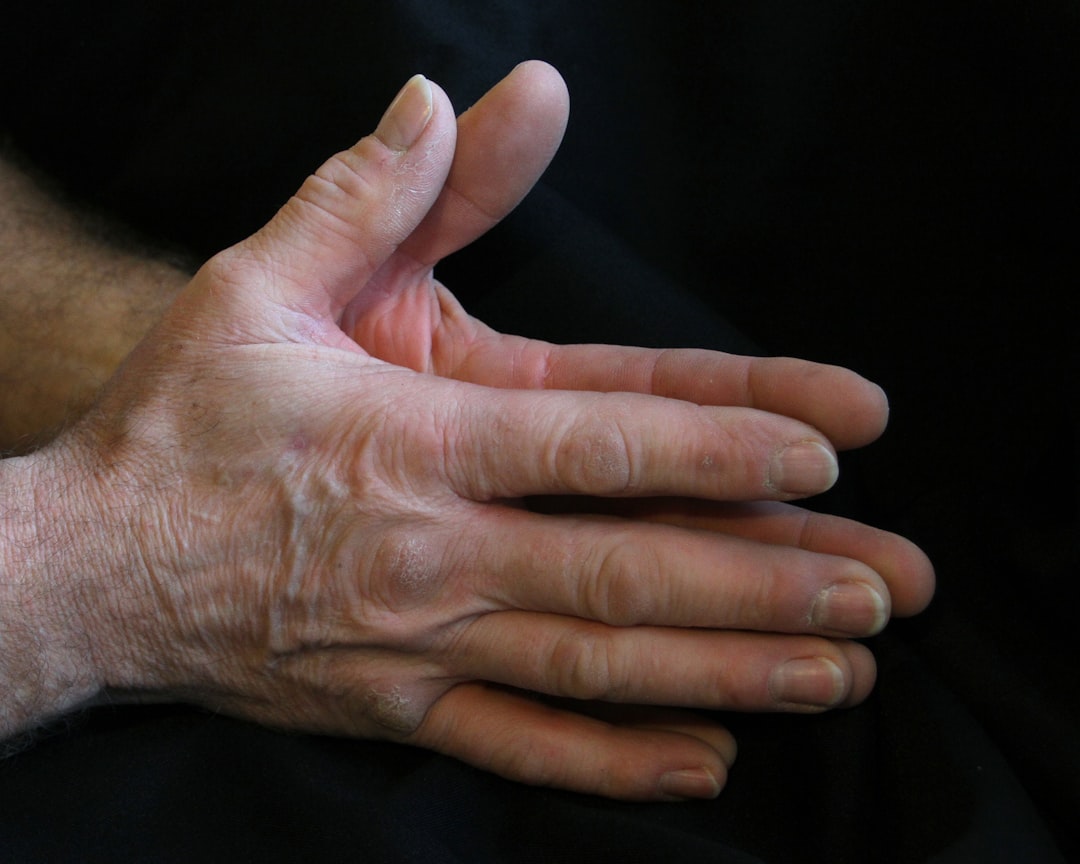
When interacting with that certain someone, does he or she give off body language cues of impatience? Head shaking, agitated motions, and quick-talking responses all suggest that a person doesn’t have time for you. These restless behaviors often indicate internal conflict between social expectations and genuine feelings.
Fidgeting manifests in various forms: tapping fingers, bouncing legs, playing with jewelry, or constantly adjusting clothing. These movements reveal nervous energy created by the tension between wanting to express criticism and feeling obligated to remain polite. The person might seem physically uncomfortable in your presence, even when the conversation appears normal.
Body Orientation Away from You

Body Orientation. When people are making a personal connection, they give off “cues of immediacy” – orienting their bodies to face the other individual, leaning forward, and maybe even engaging in “postural mirroring.” If your partner is standing to your side, turning his or her head to talk, it’s a sign that he or she may not be that into you.
This subtle shift in body positioning speaks volumes about someone’s true feelings. When people genuinely engage with you, their bodies naturally turn toward you like flowers following the sun. The opposite behavior, angling away or positioning themselves for easy escape, suggests they’re mentally creating distance while judging your words or actions.
Excessive Agreement Without Engagement

Surprisingly, the last cue isn’t a sign of disagreement, but rather excessive agreement. It might seem counterintuitive, but when someone agrees with everything you say without offering any input of their own, they might be judging you. This behavior represents a form of social withdrawal disguised as cooperation.
I once had a business partner who would always nod and agree with every idea I presented. At first, I thought it was great to have such an agreeable partner. But over time, I realized that his constant agreement wasn’t because my ideas were always stellar, but rather, he was silently judging them and not voicing his concerns. People use excessive agreement as a shield, protecting themselves from conflict while maintaining their critical internal dialogue.
Tone of Voice Changes
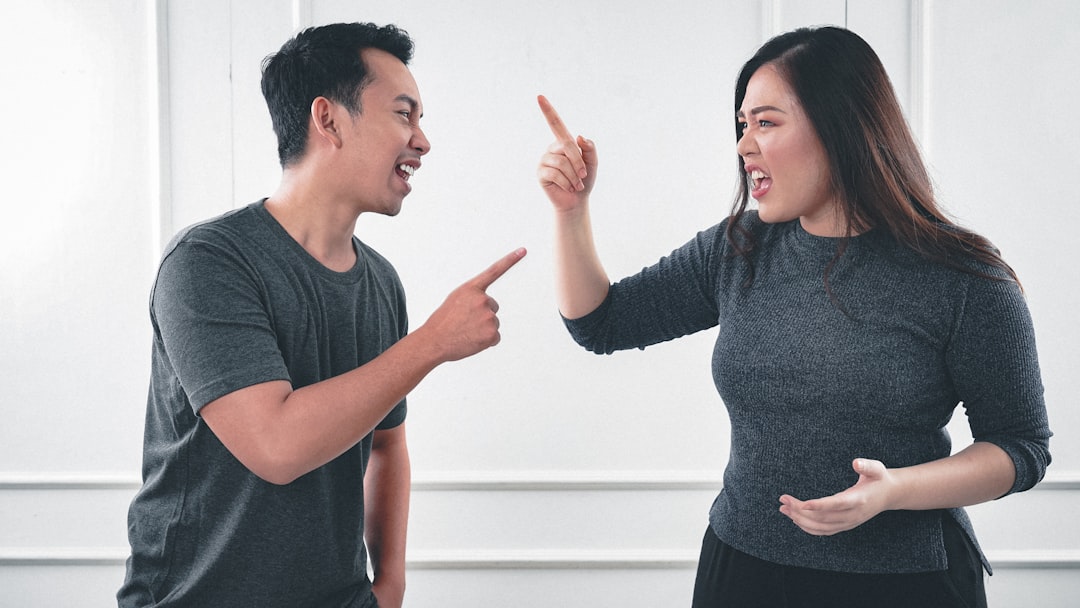
Tone of Voice. Voice tone is a subtle but informative nonverbal channel. A shrill or impatient tone of voice suggests disinterest. When , their vocal patterns often shift in noticeable ways, even if their words remain polite.
The changes might include speaking more quickly to end conversations sooner, using a higher pitch that suggests stress, or adopting an artificially formal tone that creates emotional distance. These vocal shifts occur because genuine emotions leak through despite conscious efforts to maintain social appropriateness.
Microexpressions of Disapproval

This is a universal sign of concern or disagreement, and it’s often accompanied by a slight frown. Eyebrow or mouth movements (a raised eyebrow can show suspicion of a person or situation) reveal fleeting moments when true feelings break through social masks.
These lightning-quick facial expressions last mere fractions of a second but carry powerful messages. A briefly raised eyebrow, a momentary tightening around the eyes, or a quick downturn of the mouth can reveal skepticism, disapproval, or criticism. Most people display these expressions unconsciously, making them reliable indicators of genuine reactions.
Conclusion

Understanding these nine undeniable gestures gives you a powerful advantage in social situations. Rather than walking through life wondering if people are silently criticizing you, you now have the tools to read the room with confidence. Remember that context matters tremendously, and one gesture alone rarely tells the complete story.
You can make a conscious effort to avoid sending negative signals – by maintaining an open stance and truly attempting to understand what they’re saying, and why. Most importantly, use this knowledge not to become paranoid or defensive, but to navigate relationships with greater awareness and emotional intelligence.
What do you think about these hidden signals? Have you noticed any of these gestures in your own interactions?