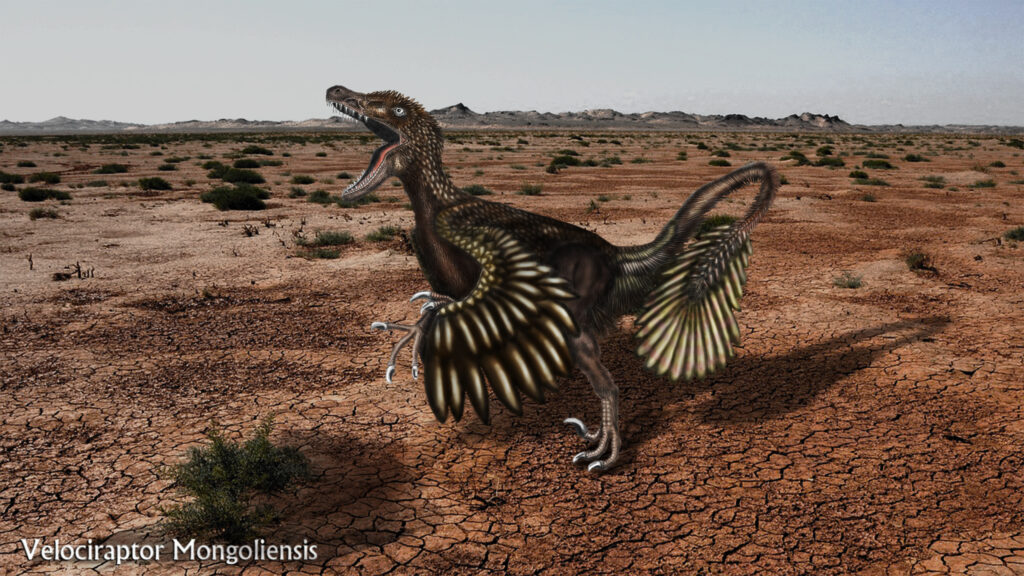
Dinosaurs, those magnificent creatures that ruled Earth for 165 million years, continue to fascinate scientists and the public alike. Among their most remarkable adaptations were their hollow bones—a feature that helped define their success and evolutionary trajectory. This skeletal characteristic, known as pneumaticity, wasn’t just a random evolutionary quirk but a sophisticated adaptation that provided multiple advantages. Understanding hollow bones gives us profound insights into dinosaur physiology, behavior, and their evolutionary connection to modern birds. Let’s explore this fascinating aspect of dinosaur biology and what it reveals about these ancient creatures.
The Structure of Hollow Bones

Hollow bones in dinosaurs weren’t simply empty spaces but complex structures filled with air sacs connected to the respiratory system. These pneumatic bones contained internal struts and support structures, creating a lightweight yet surprisingly strong skeletal framework. The hollow spaces, called pneumatic foramina, varied in size and distribution depending on the dinosaur species.
In some theropod dinosaurs like Tyrannosaurus rex, up to 60% of the skeleton showed evidence of pneumaticity, with air spaces extending from the skull through the vertebrae and into limb bones. This intricate internal architecture resembles modern engineering principles seen in aircraft construction, where maximum strength is achieved with minimal material through strategic reinforcement.
The Evolutionary Origins of Pneumatic Bones
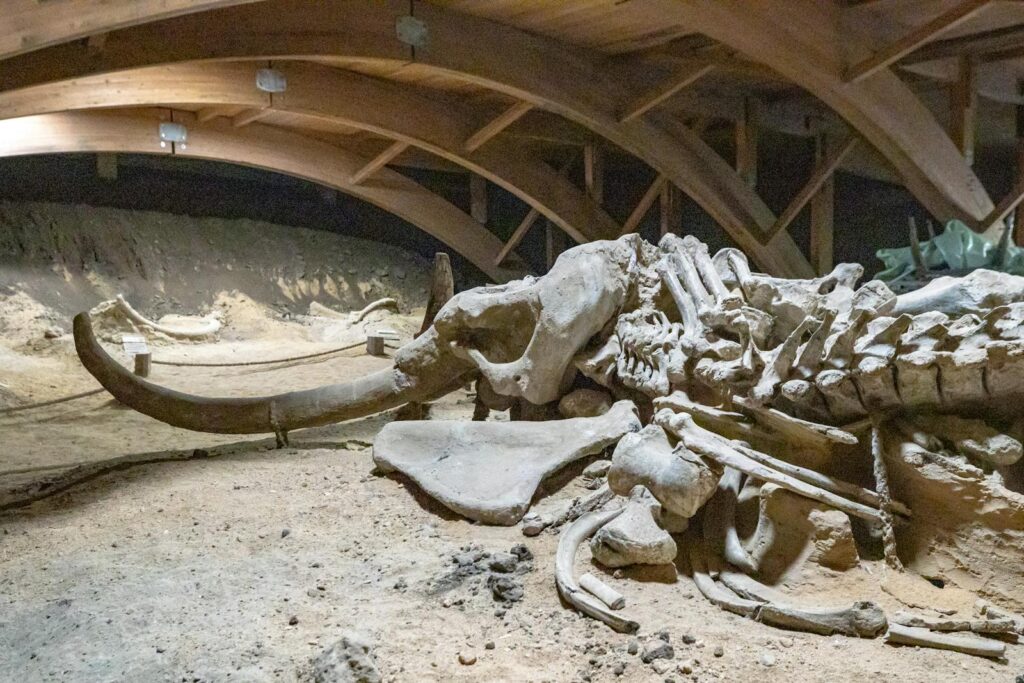
Hollow bones didn’t appear suddenly in dinosaurs but evolved gradually over millions of years. The earliest evidence of pneumaticity appears in early archosaurs, the group that includes dinosaurs, pterosaurs, and crocodilians, dating back to the late Triassic period around 230 million years ago. Pneumaticity developed independently in different dinosaur lineages, reaching its most extreme development in theropods and sauropods.
The evolution of this feature coincided with changes in posture, from the sprawling limbs of early reptiles to the more upright stance of dinosaurs. Fossil evidence suggests that pneumatic features became more elaborate over time, with the most extensive air sac systems appearing in the most derived theropods—those closest to the bird lineage. This gradual development points to strong evolutionary pressure favoring this adaptation.
Weight Reduction: A Primary Advantage
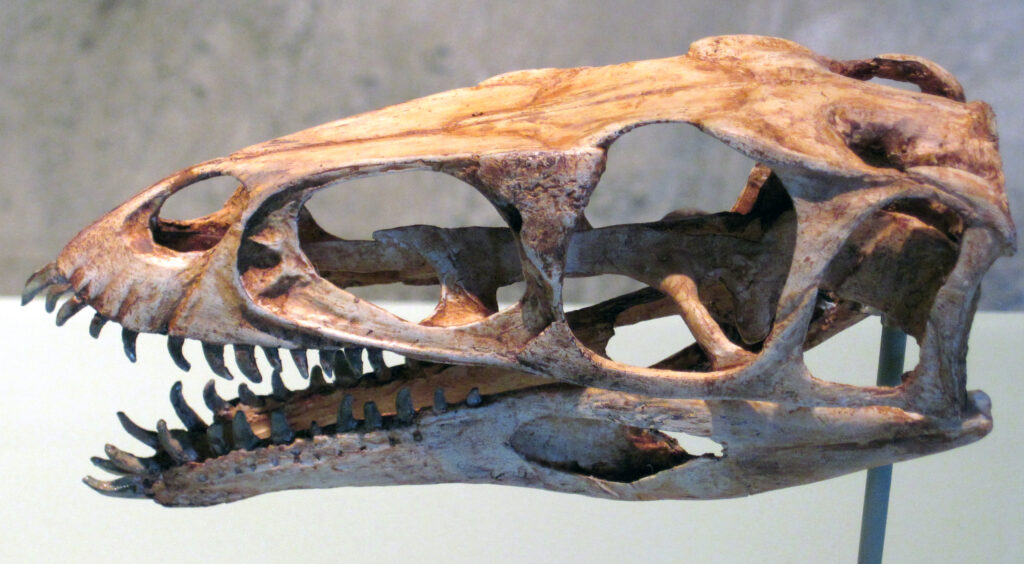
Perhaps the most obvious benefit of hollow bones was significant weight reduction, which proved especially crucial for the largest dinosaurs. For sauropods like Brachiosaurus and Diplodocus, which could weigh up to 80 tons, having solid bones throughout their massive bodies would have been biomechanically challenging, if not impossible. By evolving hollow structures, these giants reduced skeletal weight by an estimated 30-50% while maintaining necessary structural integrity.
For theropods like Velociraptor and early birds like Archaeopteryx, lighter bones facilitated greater agility and eventually powered true flight. Computer modeling has demonstrated that without pneumatic bones, many of the largest dinosaurs would have required drastically different body proportions or been unable to support their own weight on land, highlighting how this adaptation was not merely beneficial but essential for gigantism.
The Connection to Respiratory Efficiency

Hollow bones were integrally connected to dinosaurs’ advanced respiratory systems, which likely resembled the highly efficient air sac system found in modern birds. Unlike mammals, who breathe in and out using the same pathway, dinosaurs with extensive pneumaticity probably employed a unidirectional flow of air through their lungs, extracting oxygen both during inhalation and exhalation. This respiratory innovation allowed for much more efficient oxygen extraction from each breath, estimated to be 2-3 times more efficient than mammalian breathing.
The air sacs that invaded bones created a larger respiratory volume and surface area for gas exchange. For active predators like Allosaurus or high-metabolic herbivores like Triceratops, this respiratory advantage translated into greater endurance and activity levels, supporting theories that many dinosaurs were warm-blooded or maintained elevated metabolic rates.
Thermal Regulation Benefits

Hollow bones likely played a crucial role in dinosaur thermoregulation, an aspect often overlooked in discussions of pneumaticity. The air-filled cavities within bones created insulating spaces that could help regulate body temperature, much like double-walled construction in modern buildings. For large dinosaurs, which faced challenges dissipating excess body heat due to their low surface-area-to-volume ratio, pneumatic bones may have acted as thermal windows, allowing heat exchange with the respiratory system.
Blood vessels lining the pneumatic cavities could have carried heat away from the body core and dissipated it through respiration. This thermal advantage would have been particularly important during the generally warmer Mesozoic climate, especially for active predators that generated significant metabolic heat during hunting or for gigantic sauropods that risked overheating due to their massive body size.
Hollow Bones in Different Dinosaur Groups
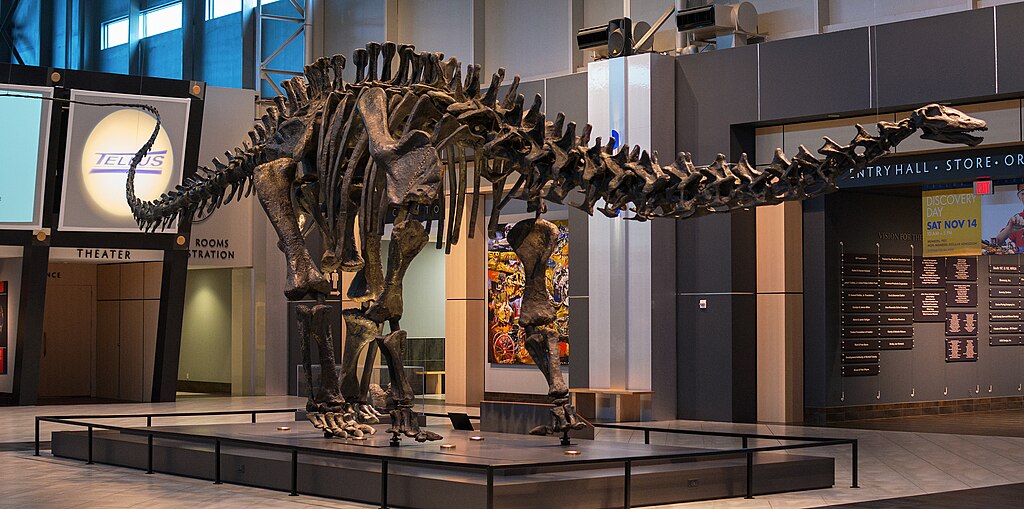
The extent of pneumaticity varied dramatically across dinosaur lineages, reflecting different evolutionary pressures and lifestyles. Theropods, the primarily carnivorous bipedal dinosaurs including Tyrannosaurus and Velociraptor, typically displayed the most extensive pneumatization, particularly in the vertebral column and skull. Sauropods like Apatosaurus and Brachiosaurus also evolved highly pneumatic vertebrae and limb bones, crucial adaptations supporting their immense size.
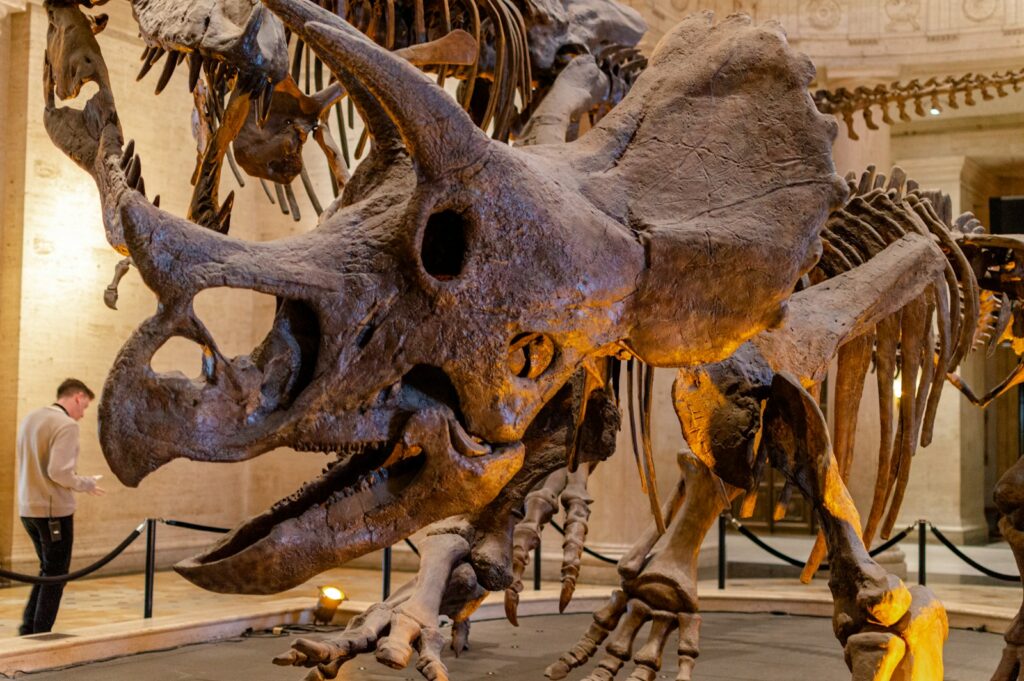
Interestingly, ornithischian dinosaurs such as Triceratops and Stegosaurus generally showed much less pneumaticity, with some species having no hollow bones at all. This disparity suggests that pneumatic bones weren’t universally advantageous but represented specialized adaptations tied to particular ecological niches and body plans. The distribution pattern of hollow bones across dinosaur taxa provides paleontologists with important clues about metabolic rates, activity levels, and evolutionary relationships.
The Bird Connection: Hollow Bones as Evidence of Relatedness

The presence of extensively pneumatic bones in both theropod dinosaurs and modern birds represents one of the strongest pieces of evidence for their evolutionary relationship. Modern birds have the most pneumatic skeletons of any living vertebrates, with air spaces comprising up to 90% of some bones. The specific pattern of pneumaticity—how air sacs connect to particular bones and in what sequence—follows remarkably similar developmental pathways in birds and their dinosaur ancestors.
Transitional fossils like Archaeopteryx and Microraptor show intermediate states of pneumaticity, documenting the evolutionary path from terrestrial theropods to aerial birds. Recent discoveries of exceptionally preserved fossils have even revealed the soft-tissue components of ancient respiratory systems, confirming that the air sac system fundamental to bird respiration was already well-developed in non-avian theropods. This anatomical continuity represents one of paleontology’s most compelling examples of evolutionary transformation.
Biomechanical Advantages Beyond Weight Reduction
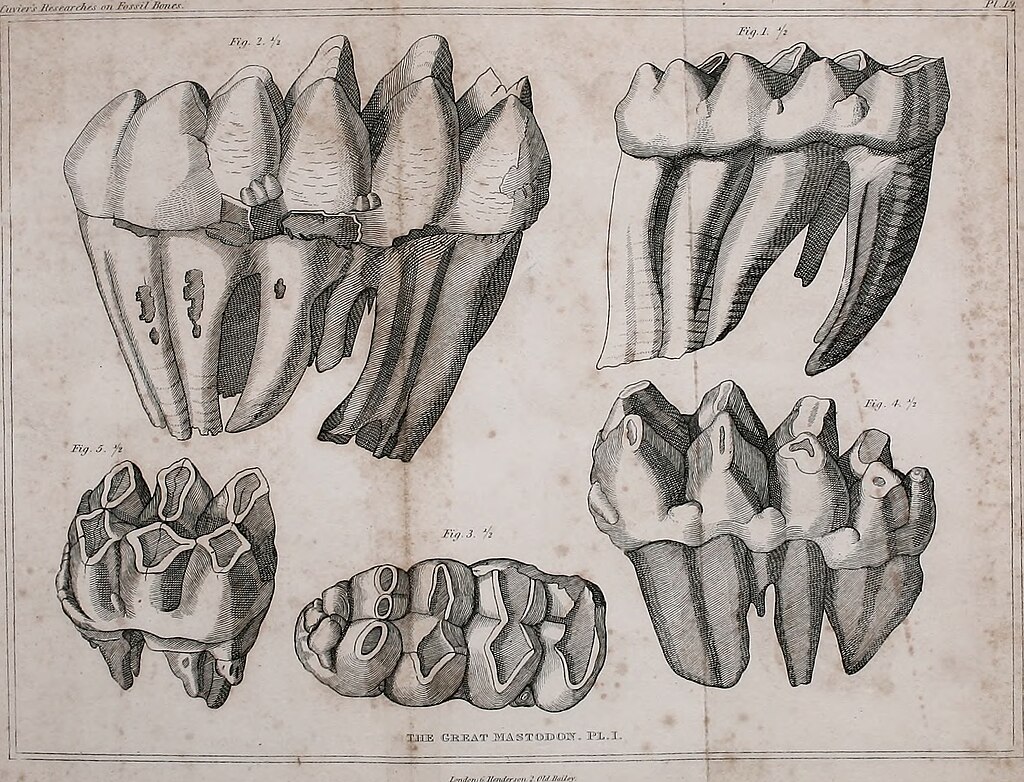
Hollow bones provided dinosaurs with biomechanical advantages extending beyond simple weight reduction. The internal structure of pneumatic bones, with their strategically placed struts and supports, created remarkable strength-to-weight ratios that modern engineers attempt to replicate in aircraft and building design. This architecture allows for greater resistance to bending and torsional forces while using less material. For predatory dinosaurs engaged in high-speed pursuits or powerful biting, pneumatic bones could absorb and distribute impact forces more effectively than solid bones of equal weight.
Research using finite element analysis has demonstrated that pneumatic vertebrae in some theropods could better withstand the stresses of rapid direction changes during hunting. Additionally, the hollow nature of these bones may have provided greater flexibility in certain parts of the skeleton, particularly the neck of long-necked sauropods, allowing for increased range of motion without compromising structural integrity.
Developmental Aspects of Pneumatic Bones
The development of pneumatic bones in dinosaurs followed distinct patterns throughout an individual’s growth, offering insights into dinosaur maturation. Juvenile specimens of species like Allosaurus and Diplodocus show that pneumaticity increased progressively as the animals matured, with air sacs gradually invading more bones. This developmental sequence suggests pneumatization was an ongoing, regulated process rather than a fixed trait present from hatching. Growth studies indicate that pneumatic features often appeared first in the vertebral column near the lungs before expanding to more distant skeletal elements.
The timing of pneumatization coincided with growth spurts in many species, potentially facilitating the rapid size increases observed in some dinosaur growth curves. This progressive development mirrors what we see in modern birds, where pneumaticity continues to expand through adolescence, providing further evidence of the developmental continuity between dinosaurs and their avian descendants.
Challenges in Studying Ancient Pneumaticity

Investigating pneumaticity in extinct dinosaurs presents significant scientific challenges that have required innovative research approaches. Unlike soft tissues that rarely preserve in fossils, the distinctive openings where air sacs entered bones remain identifiable millions of years later, providing direct evidence of pneumatic structures. Modern technologies like computed tomography (CT) scanning have revolutionized this field by allowing researchers to visualize the internal architecture of fossil bones without damaging specimens. These scans reveal complex networks of internal chambers and connecting passages that would be impossible to study otherwise.
Comparative studies with modern birds have proven invaluable, as researchers can observe living pneumatic systems and extrapolate to extinct dinosaurs. However, limitations remain—the soft tissues of the respiratory system almost never preserve in fossils, forcing paleontologists to infer their structure from skeletal evidence alone. Additionally, taphonomic processes can distort or obscure pneumatic features, requiring careful interpretation to avoid mischaracterizing these important anatomical details.
Implications for Dinosaur Metabolism and Activity Levels

The presence of extensive pneumaticity strongly suggests that many dinosaurs maintained elevated metabolic rates more similar to birds than to modern reptiles. The bird-like respiratory system associated with hollow bones enables much higher oxygen throughput, necessary for sustaining vigorous activity and powering an endothermic (warm-blooded) metabolism. Growth rate studies on dinosaur bones show rings indicating rapid, sustained growth more consistent with endothermy than ectothermy. For active predators like Deinonychus or Allosaurus, high metabolic rates would have been essential for the sustained pursuit hunting suggested by their anatomy.
Even for massive sauropods, the energy requirements of growing to enormous sizes within reasonable timeframes likely required metabolic rates exceeding those of modern reptiles. While pneumaticity alone doesn’t definitively prove dinosaur endothermy, it represents part of a constellation of evidence suggesting many dinosaur groups maintained higher activity levels and metabolic rates than once believed, fundamentally reshaping our understanding of how these animals lived and behaved.
Hollow Bones and Dinosaur Extinction
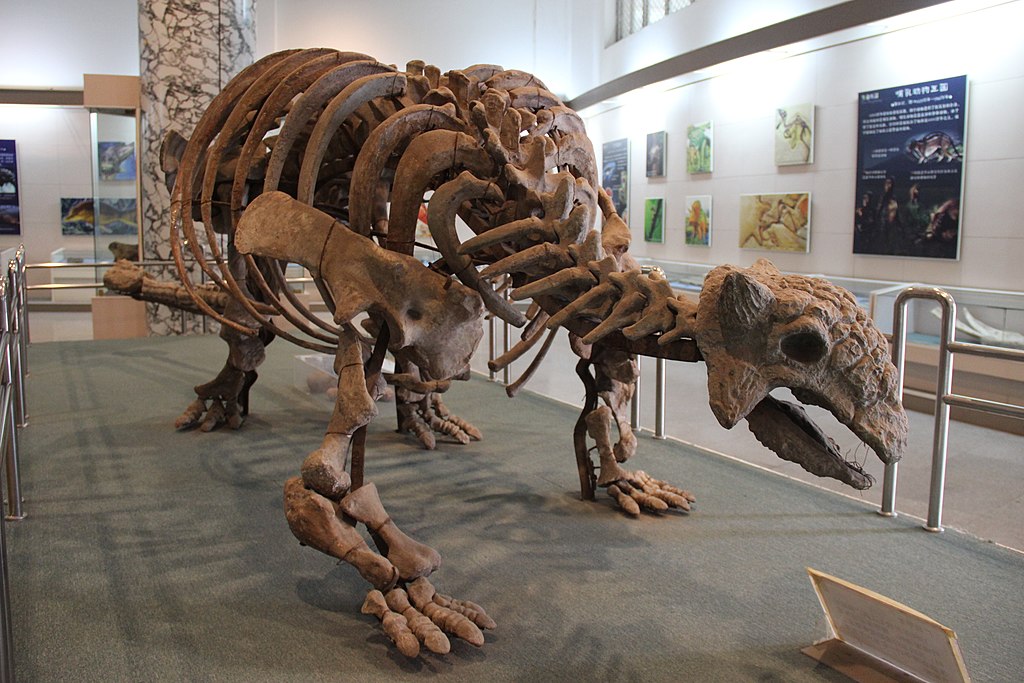
The pneumatic skeleton that served dinosaurs so well for millions of years may have influenced which lineages survived the Cretaceous-Paleogene extinction event 66 million years ago. When the Chicxulub asteroid struck Earth, triggering global catastrophes including atmospheric dust clouds and temperature fluctuations, only dinosaurs with the most highly developed pneumatic systems—the lineage leading to modern birds—survived. These smaller, highly pneumatic theropods possessed respiratory and metabolic advantages that may have been crucial during the extinction crisis. Their efficient breathing systems could extract more oxygen from poor-quality air, and their high metabolic rates helped maintain body temperature during sudden climate fluctuations.
Additionally, the smaller body sizes enabled by pneumatic skeletons may have allowed for dietary flexibility and reduced caloric requirements during food shortages. While many factors contributed to the selective survival of avian dinosaurs, their advanced pneumatic systems likely provided critical advantages during Earth’s most recent mass extinction, allowing this single dinosaur lineage to persist and diversify into the 10,000+ bird species alive today.
Modern Scientific Applications of Dinosaur Pneumaticity

The study of dinosaur hollow bones has inspired applications extending far beyond paleontology into engineering, medicine, and materials science. The remarkable strength-to-weight ratio achieved by pneumatic dinosaur bones has directly influenced biomimetic design in aerospace engineering, where similar principles are applied to create lightweight yet strong aircraft components.
Medical researchers studying osteoporosis have examined dinosaur bone architecture to better understand how structural integrity can be maintained despite decreased bone density. The pneumatic structures in dinosaur vertebrae have informed the design of lightweight, durable prosthetic limbs that maximize strength while minimizing material use.
Conservation biologists studying modern birds utilize knowledge of pneumaticity to assess respiratory health and disease in endangered species, applying principles first discovered through dinosaur research. As imaging technologies advance, the complex internal geometries of pneumatic dinosaur bones continue to provide new inspiration for computer-optimized design in various industries, demonstrating how ancient adaptations can inform cutting-edge innovation across multiple scientific disciplines.
Conclusion

The hollow bones of dinosaurs represent far more than an interesting anatomical curiosity—they embody a sophisticated evolutionary innovation that helped enable the remarkable 165-million-year reign of these extraordinary animals. From providing the weight reduction necessary for gigantism to supporting the respiratory efficiency needed for active lifestyles, pneumatic bones were fundamental to dinosaur biology and success.
This feature also provides one of our clearest windows into the evolutionary connection between non-avian dinosaurs and modern birds, demonstrating the continuity of life’s adaptations across vast spans of time. As we continue studying these remarkable structures using increasingly sophisticated technologies, dinosaur hollow bones will undoubtedly yield further insights into these magnificent creatures and the world they dominated for so long.