You probably grew up picturing dinosaurs stomping across dry land, shaking the earth with every step. But what if some of the most impressive “dinosaurs” you imagine were actually ocean hunters, cruising through warm, prehistoric seas instead of trampling forests? When you dive into the fossil record, you realize the ancient world was not just a land of giants, but a planet of swimmers, divers, and ambush predators perfectly at home in the water.
To really answer whether dinosaurs swam, you have to separate pop-culture dinosaurs from what scientists actually find in rock. You’re dealing with three big groups: true dinosaurs that mostly lived on land, huge reptile cousins that ruled the oceans, and a few awkward in‑between species that blur the line. As you look closer, the story becomes much more interesting than a simple yes or no. It turns into a tale of how life keeps reinventing the same trick: “If there’s water, something big will learn to rule it.”
Land Dinosaurs vs. Marine Reptiles: Getting Your Terms Straight
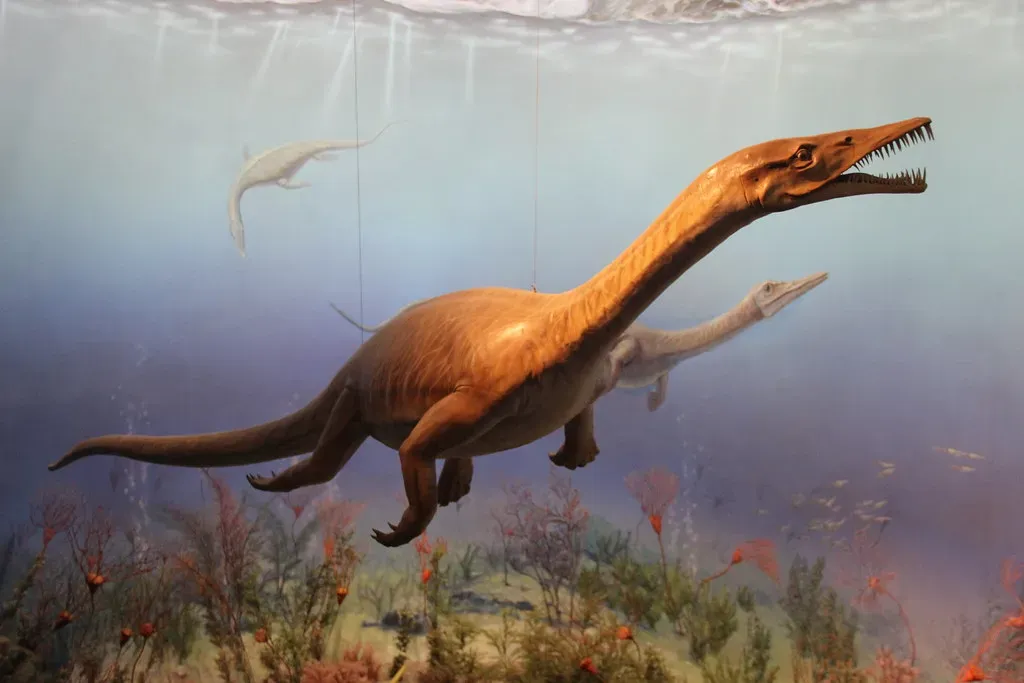
Before you decide whether dinosaurs swam, you need to know that most of the classic ocean “dinosaurs” you see in documentaries were not dinosaurs at all. Animals like ichthyosaurs, plesiosaurs, and mosasaurs belonged to different reptile groups that just happened to live at the same time as dinosaurs. You can think of them like marine cousins: related in a broad sense, but not part of the official dinosaur family tree.
True dinosaurs, by definition, were mostly land-dwellers, walking with their legs directly under their bodies rather than sprawled out to the sides like lizards. That body plan works great on land, but it is not the typical layout you see in fully ocean-going creatures. When you imagine the ancient seas, it helps to mentally separate “dinosaurs on land, marine reptiles in the water,” and then look at the exceptions and overlaps that make the story more nuanced.
Mosasaurs: The Ocean Terrors That Lived Alongside Dinosaurs
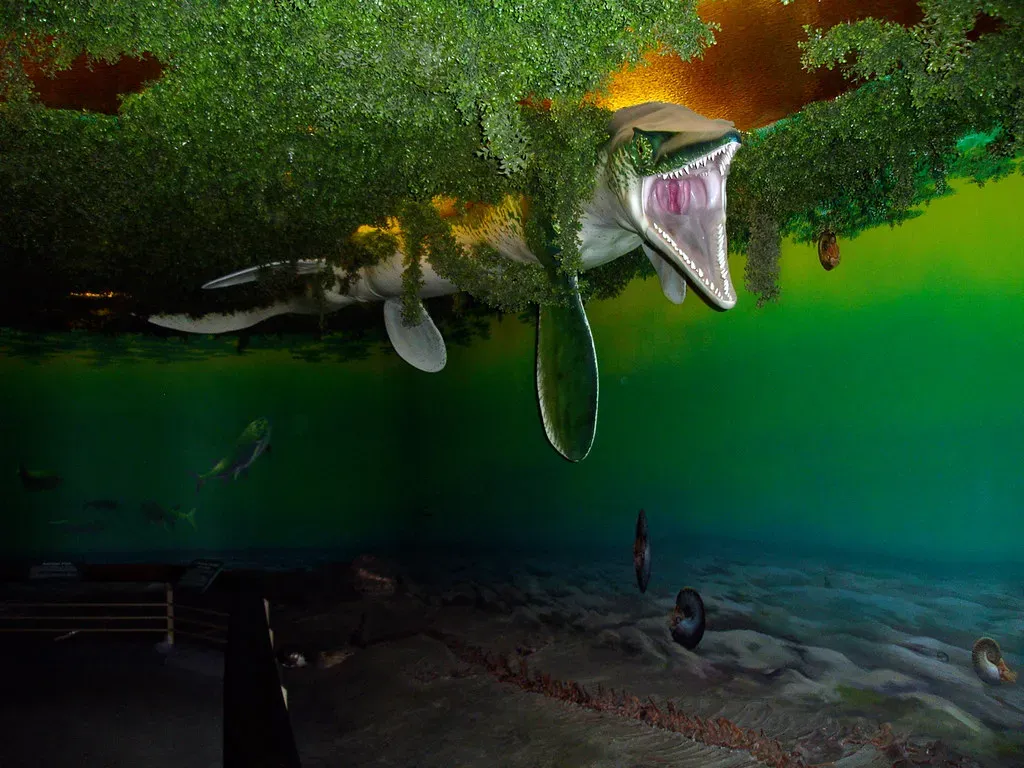
If you were dropped into a Late Cretaceous ocean, a mosasaur is the last thing you’d want to see coming toward you. These were gigantic marine reptiles, some longer than a bus, with streamlined bodies, powerful tails, and jaws full of sharp, conical teeth built for gripping slippery prey. You might picture them like a terrifying mash-up of a crocodile and a monitor lizard that decided to become a shark-sized torpedo.
When you look at their fossils, you see paddle-like limbs, flexible spines, and tail structures that scream “swimmer,” not “walker.” Some specimens even preserve impressions of soft tissues that point to a tail fin, giving them extra thrust, much like a shark’s tail. If you imagine yourself watching from above, you’d see them weaving through the water column, ambushing fish, smaller marine reptiles, and anything unlucky enough to cross their path.
Plesiosaurs and Pliosaurs: Long Necks, Massive Skulls, and Powerful Flippers
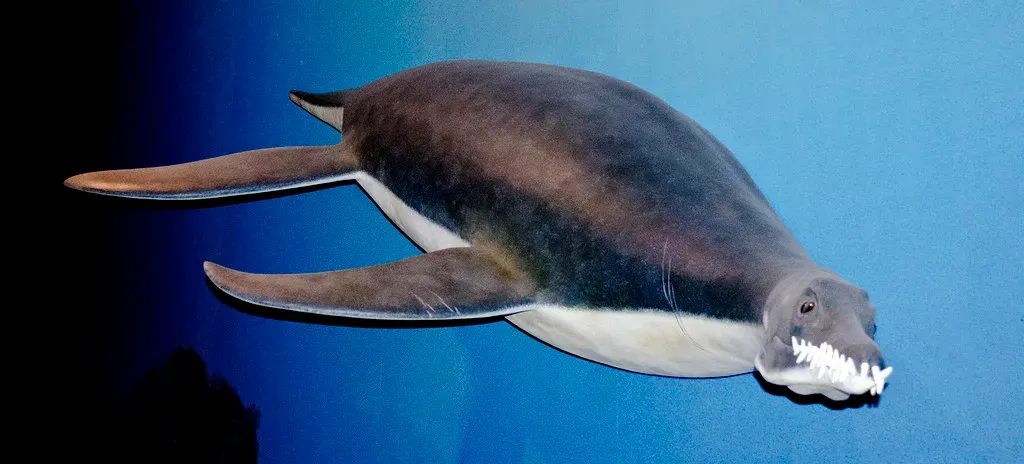
When you picture a sea monster with a long neck poking out of the water, you’re probably thinking of a plesiosaur, even if you do not realize it. These marine reptiles had four strong flippers and could have long, flexible necks with small heads, or, in the case of pliosaurs, massive skulls with shorter necks and a more compact, power-focused shape. Either way, they were fully aquatic and completely at home in the oceans that covered large parts of the planet.
Their flippers tell you a lot about how they lived. Instead of paddling like a turtle, they used a kind of underwater “flight,” beating their flippers in coordinated strokes to glide and maneuver through the water. If you imagine watching them from a clear reef, you’d see them flying through the water like huge, terrifying penguins, some stalking prey near the surface, others diving deeper, all far more graceful than their bulky skeletons might first suggest.
Ichthyosaurs: The Dolphin-Like Reptiles That Perfected Life at Sea
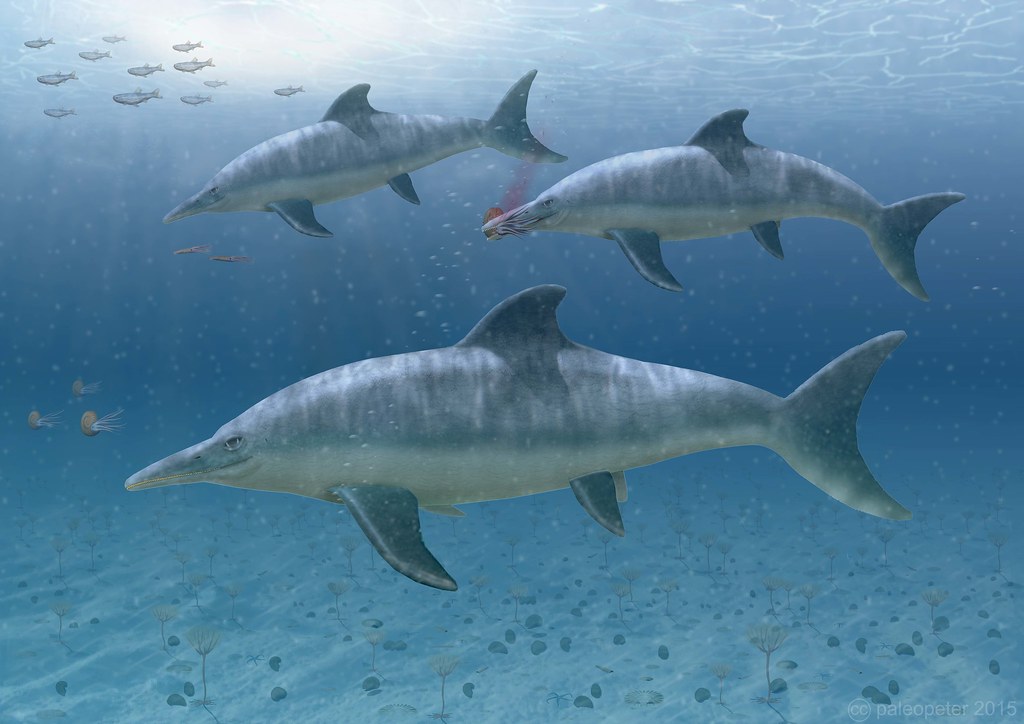
If someone showed you the silhouette of an ichthyosaur without context, you might mistake it for a dolphin or a tuna at first glance. These marine reptiles evolved streamlined, fish-shaped bodies, big eyes, and crescent-shaped tails that made them incredibly efficient swimmers. They are a striking example of how evolution keeps reusing the same sleek design whenever an animal fully commits to life in open water.
Fossils of ichthyosaurs sometimes preserve stomach contents and even unborn young inside the body cavity, giving you an intimate look at their lives. You see evidence that they gave birth in the water instead of hauling out onto land, which means they did not need the shore the way sea turtles do today. In your mind, you can place them in the same mental category as modern dolphins: fast, agile predators patrolling ancient oceans in groups, hunting fish and squid-like animals in deep, open water.
Did True Dinosaurs Swim? Footprints, Anatomy, and Semi-Aquatic Hunters
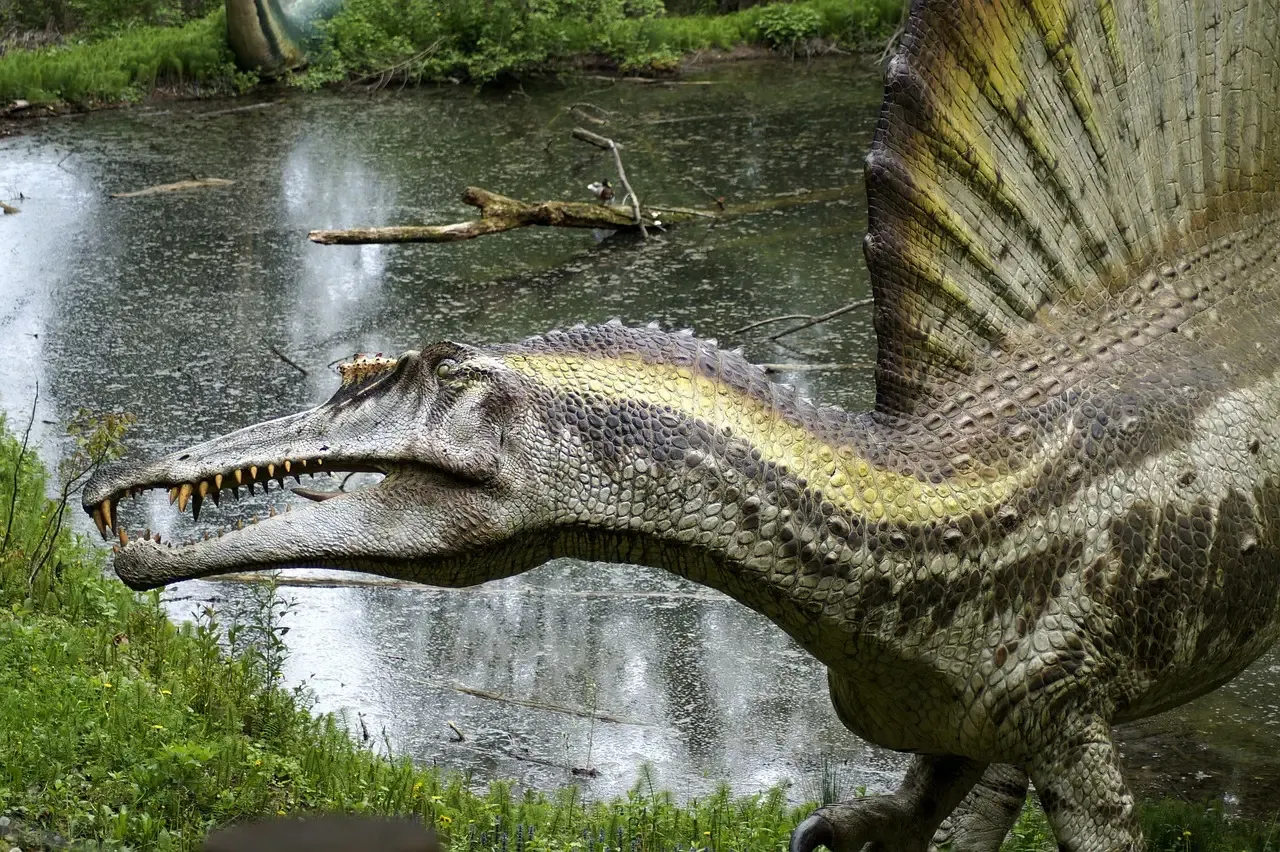
Once you understand that marine reptiles ruled the seas, you can turn back to the central question: did actual dinosaurs, the land animals, ever swim? The short answer is that many could probably swim when they had to, but only a few show strong signs of being semi-aquatic. Fossil trackways exist where you see claw marks and partial impressions that look like dinosaurs were wading and paddling, almost like you dragging your toes along the bottom as you move through a lake.
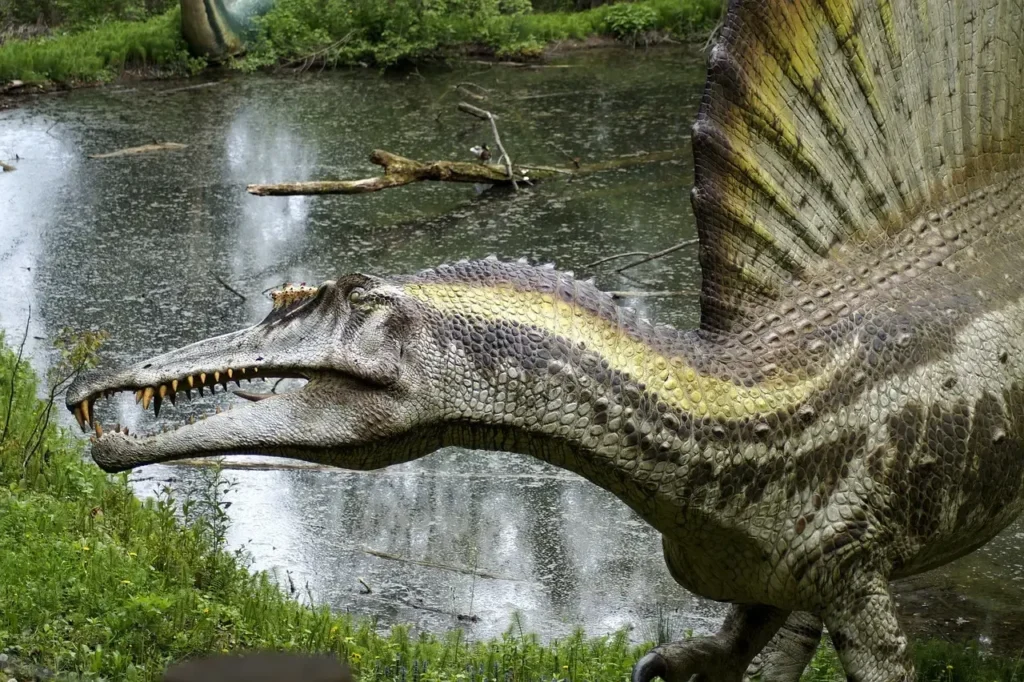
Some theropods, especially large ones like the infamous Spinosaurus, have sparked big debates. You see bone density changes, limb proportions, and tail shapes in certain fossils that hint at an animal spending more time in water than a typical predator. You can imagine these creatures stalking river margins, plunging into deeper channels, and using swimming as part of their hunting strategy, even if they were not as fully adapted to ocean life as a mosasaur or ichthyosaur.
Spinosaurus and Other “Water-Ready” Dinosaurs
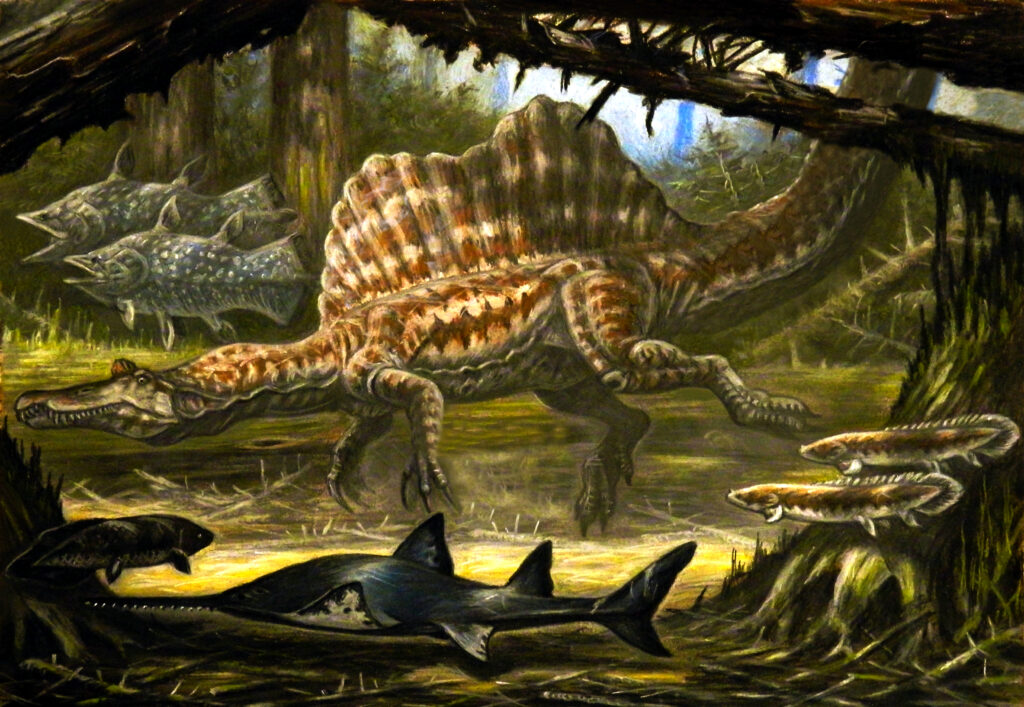
Spinosaurus is the dinosaur that forces you to rethink your neat categories. Its long, narrow jaws packed with conical teeth, crocodile-like snout, dense bones, and unusual tail all suggest an animal that spent a lot of time in or around water. When you look at reconstructions based on newer fossils, you see a creature that might have moved awkwardly on land compared with its carnivorous relatives, but gained an advantage when submerged in rivers or lagoons.
Other dinosaurs show smaller hints of aquatic habits too. Some had limb proportions or skull shapes consistent with fishing or at least regularly feeding near water. When you hear about duck-billed dinosaurs or small raptors living around wetlands and floodplains, it is easy to picture them wading, paddling, or crossing channels when they needed to. You start to see dinosaur habitats not just as dry plains, but as complex landscapes of rivers, lakes, deltas, and coastlines where swimming was sometimes a survival skill.
Fossil Clues from Ancient Seafloors: Bones, Teeth, and Stomach Contents
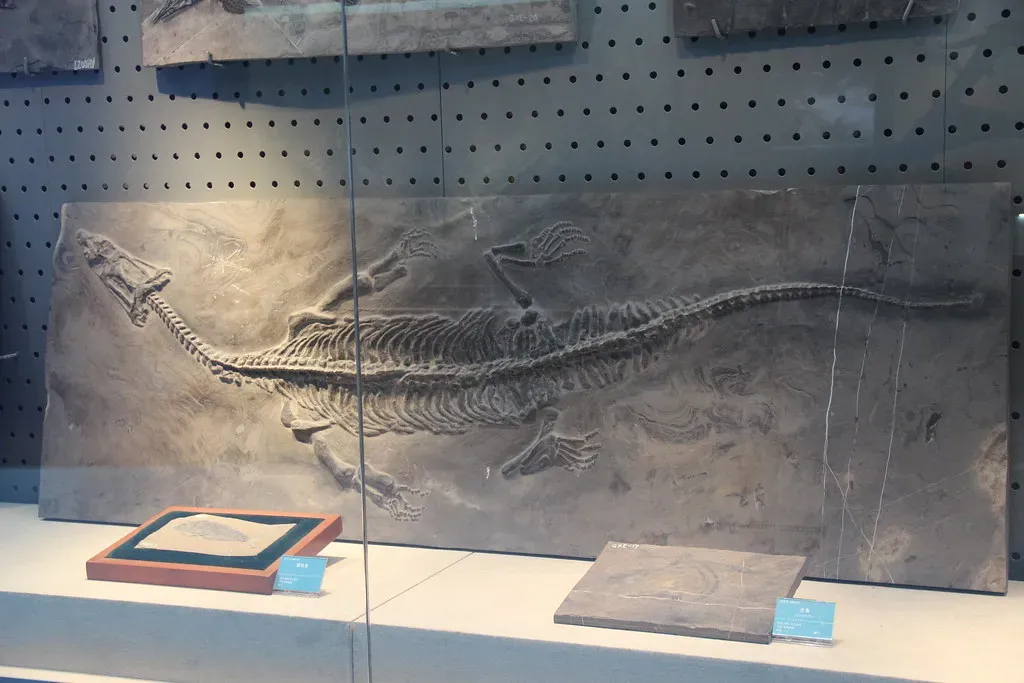
To understand how ancient seas really worked, you have to look at where fossils are found and what they contain. When you see skeletons of marine reptiles preserved in rock that used to be deep seafloor mud, you know those animals were not just splashing near the coast; they were genuine ocean creatures. Some fossils preserve fish, cephalopods, and even smaller reptiles inside the ribcage, showing you exactly what these predators were eating.
You also find isolated dinosaur bones and teeth washed into marine sediments, which tell you that coastlines and river mouths were busy, dangerous places. A dead dinosaur could be dragged out by currents, scavenged by marine predators, and eventually buried in offshore mud. When you visualize these scenes, you do not see a clean divide between “land world” and “sea world,” but a messy, overlapping system where rivers carried nutrients, carcasses, and even live animals back and forth.
Birds, Crocodiles, and What Modern Animals Teach You About Dinosaur Swimming
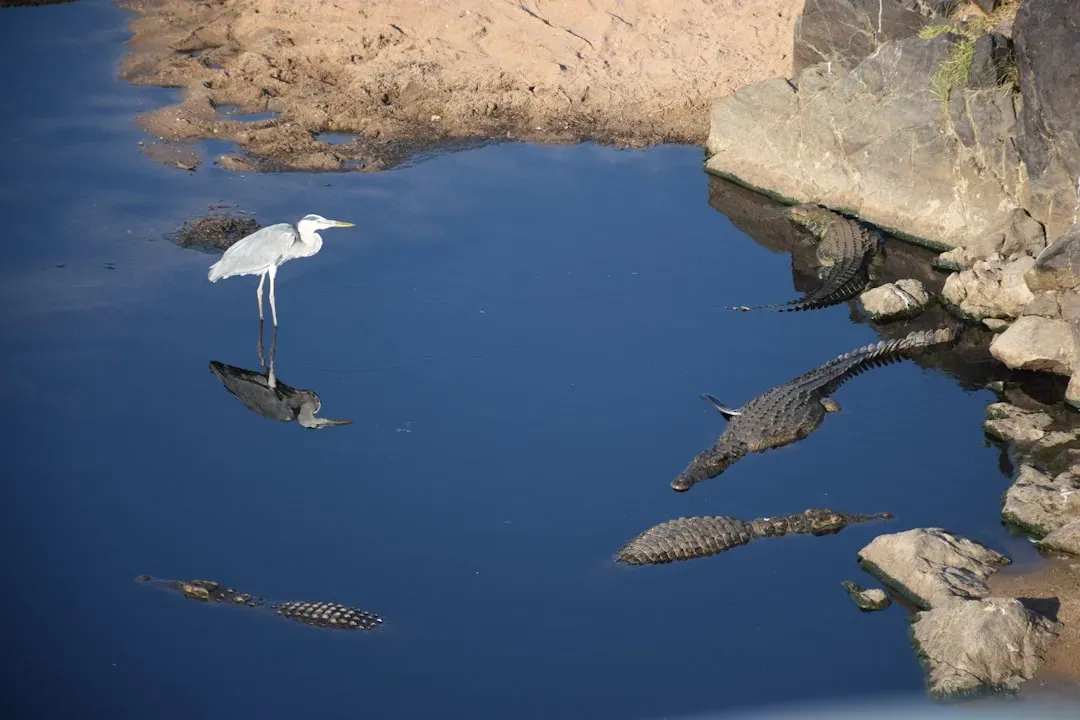
Modern animals give you useful clues about what dinosaurs might have been capable of in the water. Birds, which are living dinosaurs, include everything from penguins that fly underwater to herons that wade and hunt fish without ever fully swimming like a duck. This tells you that even within one broad group, you can get a huge range of water-related lifestyles, from occasional dabbling to full aquatic specialization.
Crocodiles and alligators add another piece to the puzzle. They are not dinosaurs, but they are close relatives, and they show how a big, semi-sprawling reptile can become an excellent swimmer and ambush predator. When you put birds and crocodiles together in your mind, you get a spectrum of possibilities. Dinosaurs could have slotted into many of those roles, from land-dominant hunters that could swim in a pinch, to rare specialists like Spinosaurus that pushed closer to a water-based life.
When you step back and look at the full picture, the idea that “dinosaurs did not swim” falls apart pretty quickly. True, most dinosaurs were mainly land animals, but many likely waded, paddled, and even swam competently when survival demanded it, and a handful show stronger signs of semi-aquatic habits. At the same time, their reptile cousins fully owned the oceans, evolving into sleek, powerful swimmers that filled the roles sharks, whales, and dolphins play today.
If you imagine ancient Earth, you should not just see herds marching across dusty plains, but a world where rivers churned with predators, coastlines swarmed with life, and deep oceans hid reptilian giants. The real story is not whether dinosaurs swam in some simple, all-or-nothing way; it is that life around them relentlessly pushed into every possible niche, including the water, again and again. Knowing that, how different do those prehistoric seas look in your mind now?