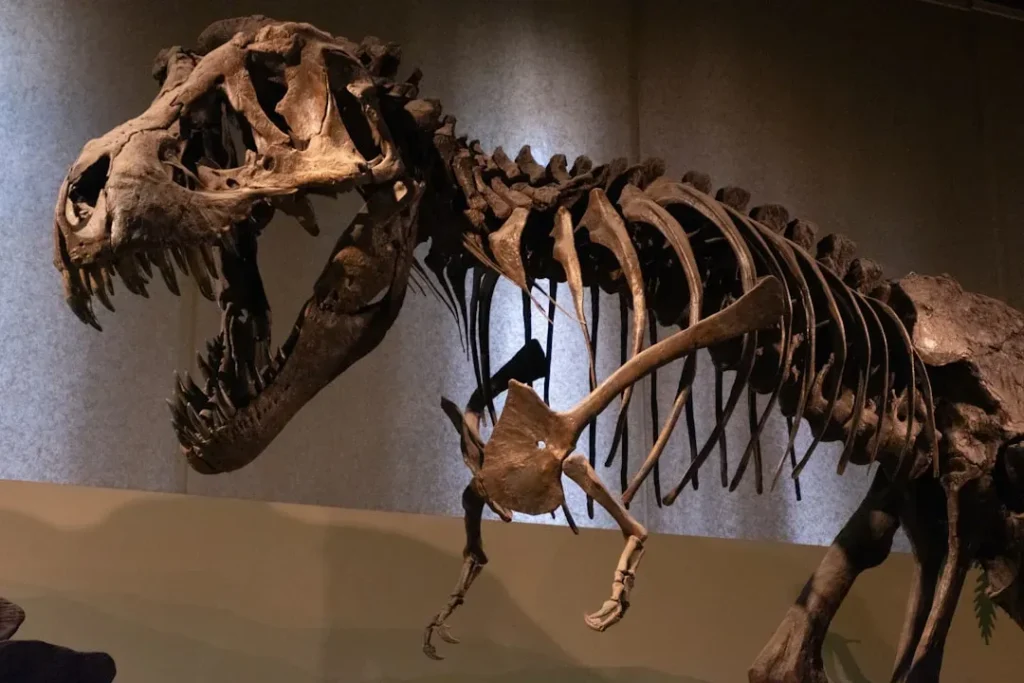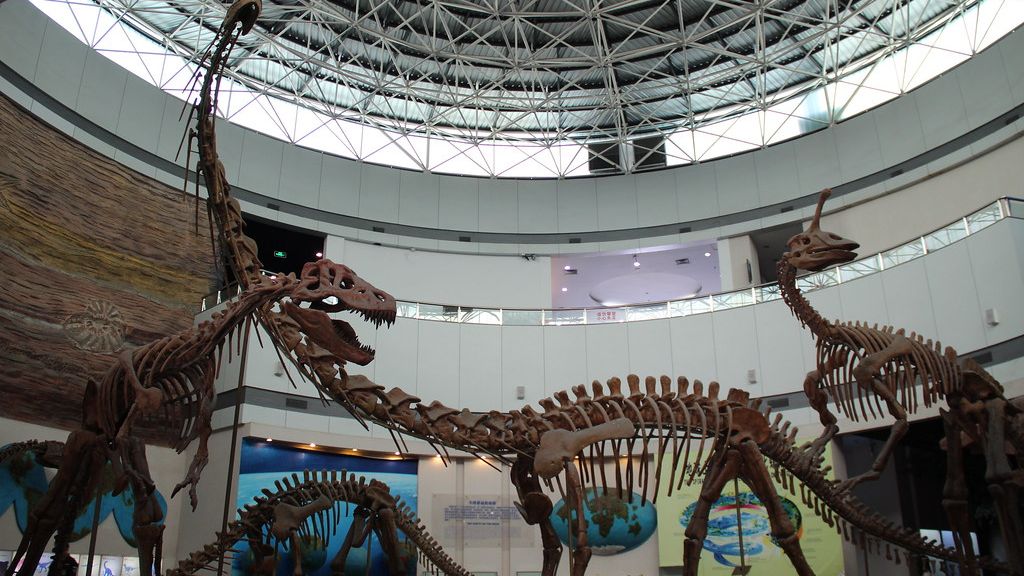
When you think of apex predators from the age of dinosaurs, Tyrannosaurus rex likely dominates your imagination. Yet this iconic beast ruled for only the final chapter of a much longer story. For over 160 million years, Earth witnessed a fascinating succession of fearsome hunters, each perfectly adapted to their era’s unique challenges and ecosystems.
The truth is far more complex than the popular T-Rex narrative suggests. Each geological period brought forth its own specialized killing machines, creatures so perfectly evolved for their time and place that they make T-Rex look like just another player in an ancient game of evolutionary musical chairs. From sail-backed semi-aquatic giants to pack-hunting raptors with sickle claws, the real story of prehistoric predation will surprise you.
The Triassic Titans: When Rauisuchians Ruled
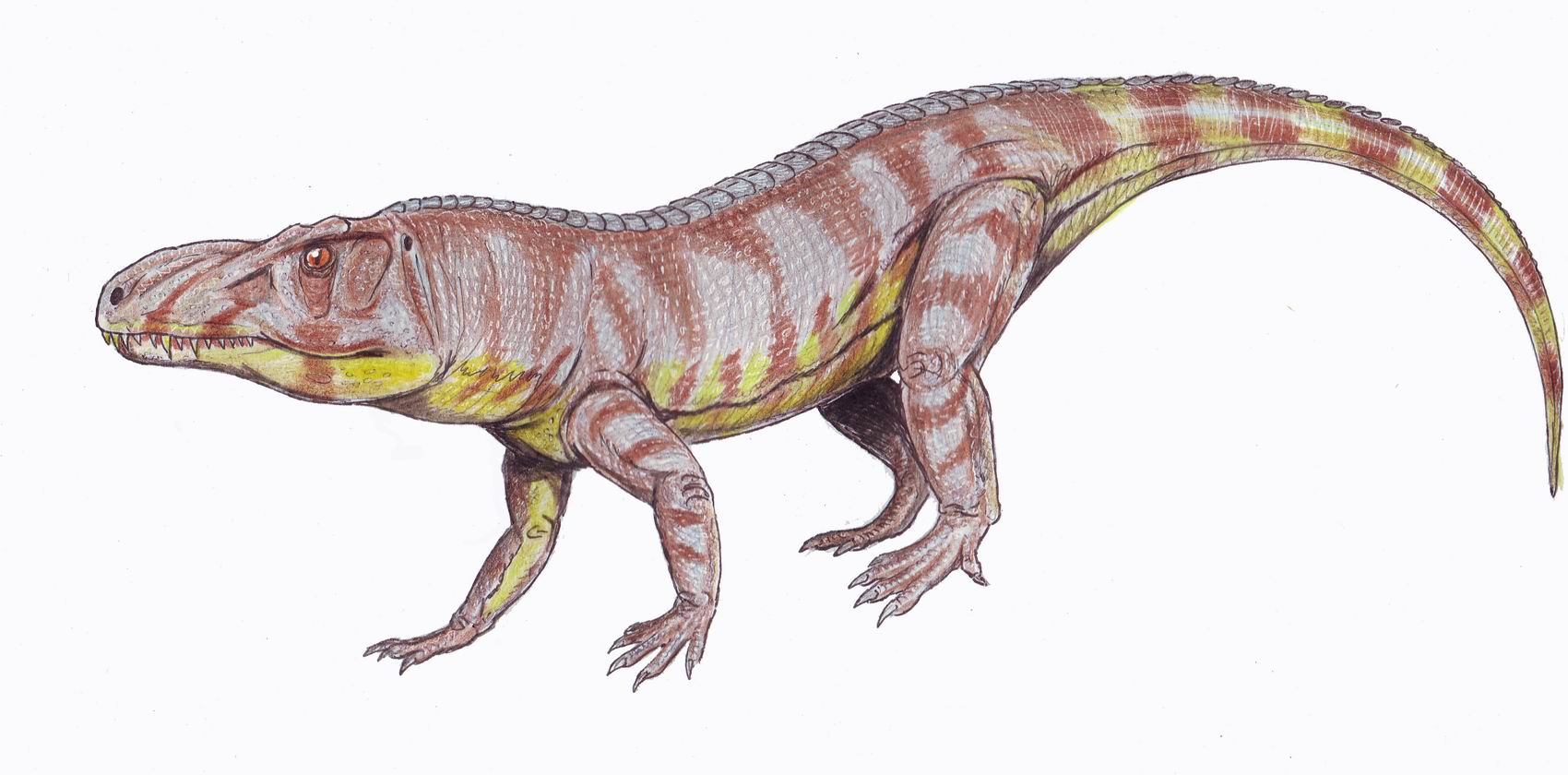
The Triassic Period marked the dawn of the Mesozoic Era, but dinosaurs weren’t the rulers yet – they lived in a world dominated by massive rauisuchians, the largest terrestrial carnivores of their time with cosmopolitan distribution. These pseudosuchians reached lengths of over 8 meters and were among the largest terrestrial animals of the Middle and Late Triassic.
Postosuchus was the arch-predator in the Triassic forests of the American Southwest, measuring about fifteen feet long and eight feet high, walking on two powerful legs with a skull equipped with sharp, serrated teeth for cutting flesh. Meanwhile, Saurosuchus was the second largest rauisuchian, larger than its North American cousin Postosuchus, sitting at the top of the food chain in Argentina and capable of killing nearly anything in its area.
Herrerasaurus: The Early Dinosaur Pioneer
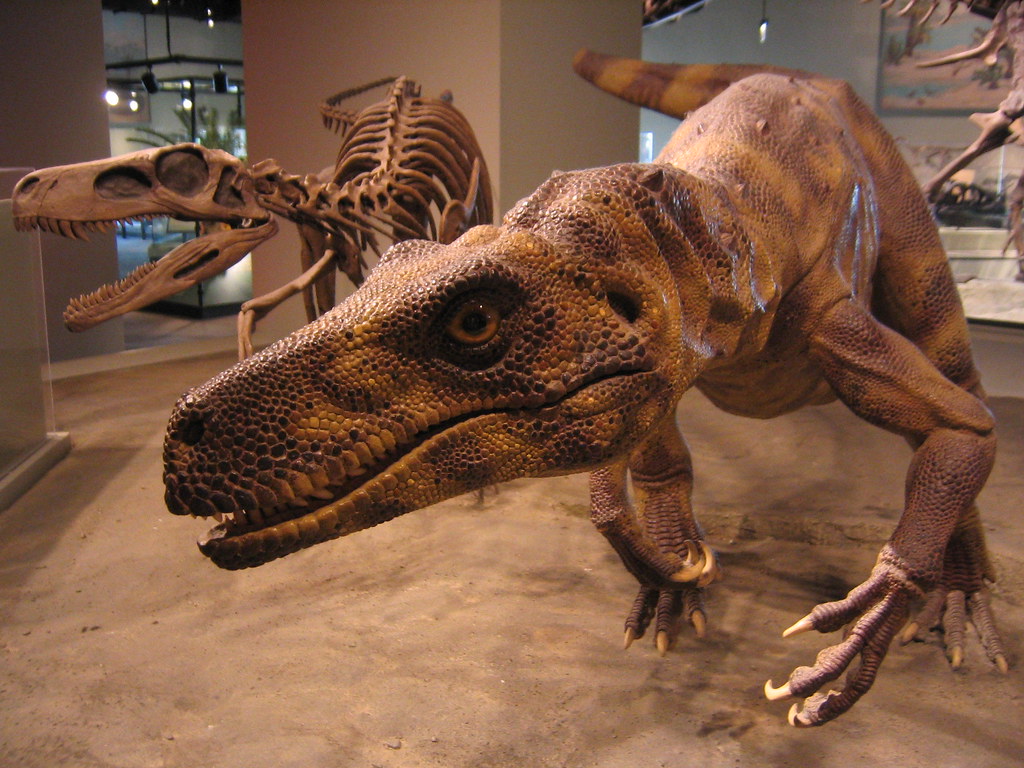
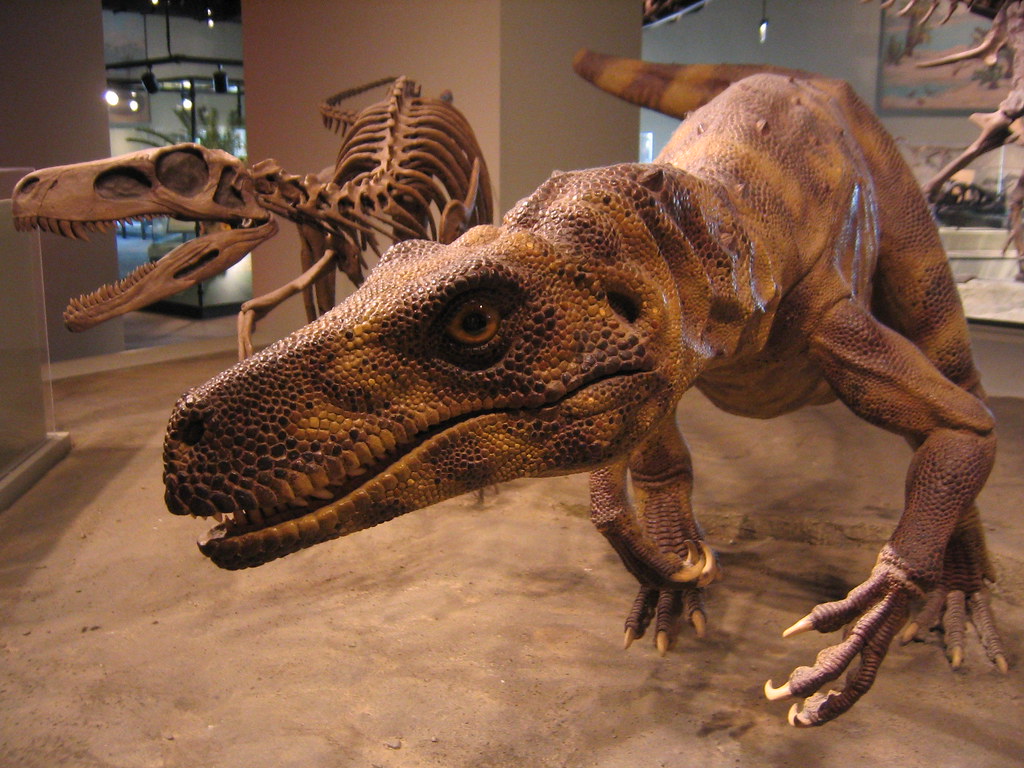
Herrerasaurus, dating back to the Triassic, was perfectly capable of hunting other primitive dinosaurs, but it was itself preyed upon by giant rauisuchians like Saurosuchus, with puncture wounds found in skull fossils. This saurischian dinosaur from the Late Triassic measured 6 meters long and weighed around 350 kilograms, making it one of the earliest dinosaurs from the fossil record.
The teeth of Herrerasaurus indicate it was a carnivore that would have preyed upon small and medium-sized plant eaters, including other dinosaurs like Pisanosaurus, as well as more plentiful rhynchosaurs and synapsids. Despite its predatory capabilities, this early pioneer remained in the shadow of the much larger rauisuchian apex predators of its time.
The Great Triassic Transition
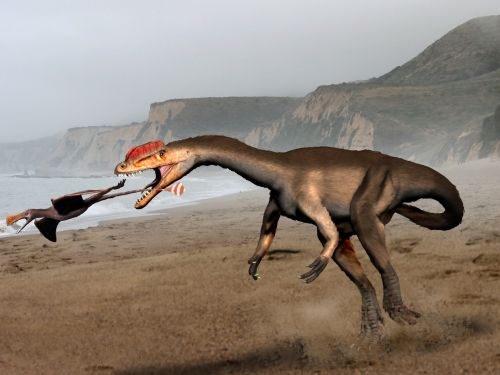
At the end of the Triassic, drastic global climate change saw many forests give way to more open prairies with drier, arid habitats, reflected by dune sands over large areas of the southwestern United States. In this open country, the great speed and endurance of dinosaurs became more advantageous, while the ambush hunting strategy of rauisuchians became less effective, leading to their decline and extinction.
The Triassic-Jurassic mass extinction paved the way for dinosaur evolution and reign, following the devastating Permian-Triassic extinction that had wiped out roughly nine-tenths of marine species and seven-tenths of terrestrial vertebrates. This transition marked the end of one evolutionary chapter and the explosive beginning of another.
Allosaurus: Lord of the Jurassic
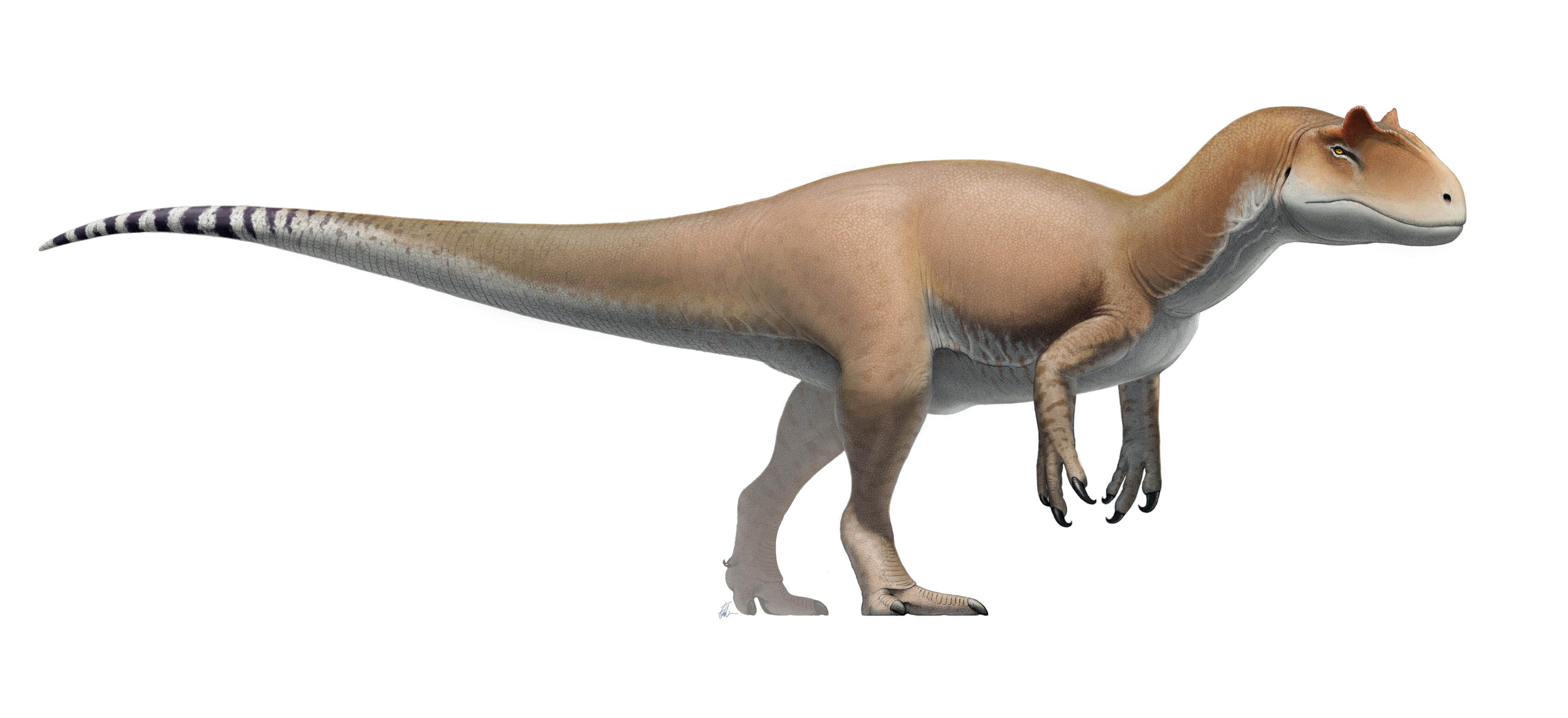
The Jurassic Period is often hailed as the “Golden Age of Dinosaurs,” when these ancient reptiles reached their evolutionary pinnacle, with theropods like Allosaurus reigning as apex predators while being the best represented large theropod in the fossil record. On land, the fauna transitioned from Triassic assemblages dominated jointly by dinosauromorph and pseudosuchian archosaurs to one dominated by dinosaurs alone.
Yangchanosaurus was probably the apex predator of its environment in China during the early Jurassic, while still representing the need for carnivores from the Jurassic period. These diverse predatory theropods established the template for carnivorous dinosaur success that would dominate for millions of years to come.
The Cretaceous Powerhouse: Acrocanthosaurus
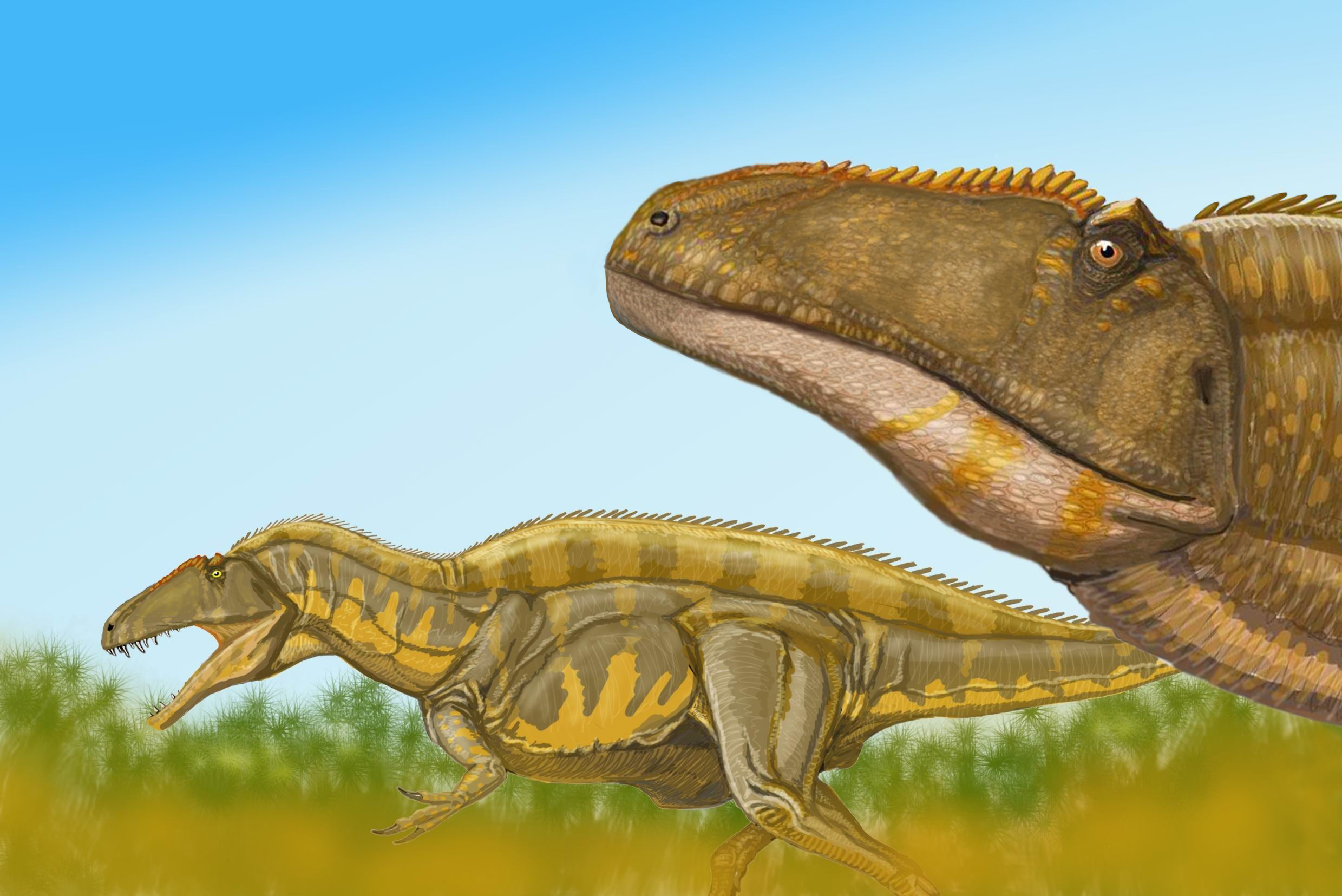
North America saw the rise and fall of numerous apex predators during the Cretaceous, including Acrocanthosaurus atokensis, which grew to a size comparable to the later Tyrannosaurus and dominated the landscape after Allosaurus but before the tyrannosaurs. This theropod featured elongated neural spines that projected upwards to support a hump running down its back, likely serving as fat storage and possibly as a display feature.
After the extinction of large Jurassic theropods around 145 million years ago, it took time for new large predators to arise, with the first fairly large theropod being the massive dromaeosaur Utahraptor, estimated at 5-7 meters long and 450-700 kilograms, appearing around 126 million years ago.
Siats: The Forgotten Giant
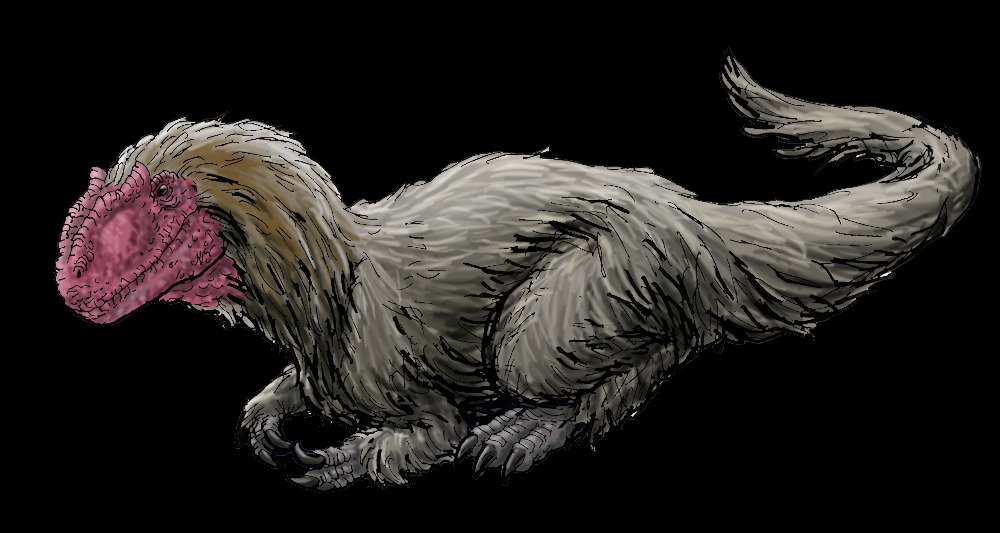
Siats meekerorum was a giant new allosauroid that provided the first evidence for the cosmopolitan clade Neovenatoridae in North America, representing the youngest allosauroid discovered from the continent and demonstrating the clade endured into the Late Cretaceous. The reign of Siats didn’t last forever, as new theropods better adapted at hunting ornithopods and ankylosaurs arose, with Siats being less equipped than the competition and eventually outcompeted and rendered obsolete.
The discovery provides evidence for ecological sympatry of large allosauroids and small-bodied tyrannosauroids, supporting the hypothesis that extinction of Allosauroidea permitted ecological release of tyrannosauroids, which went on to dominate end-Cretaceous food webs.
Spinosaurus: The Semi-Aquatic Specialist
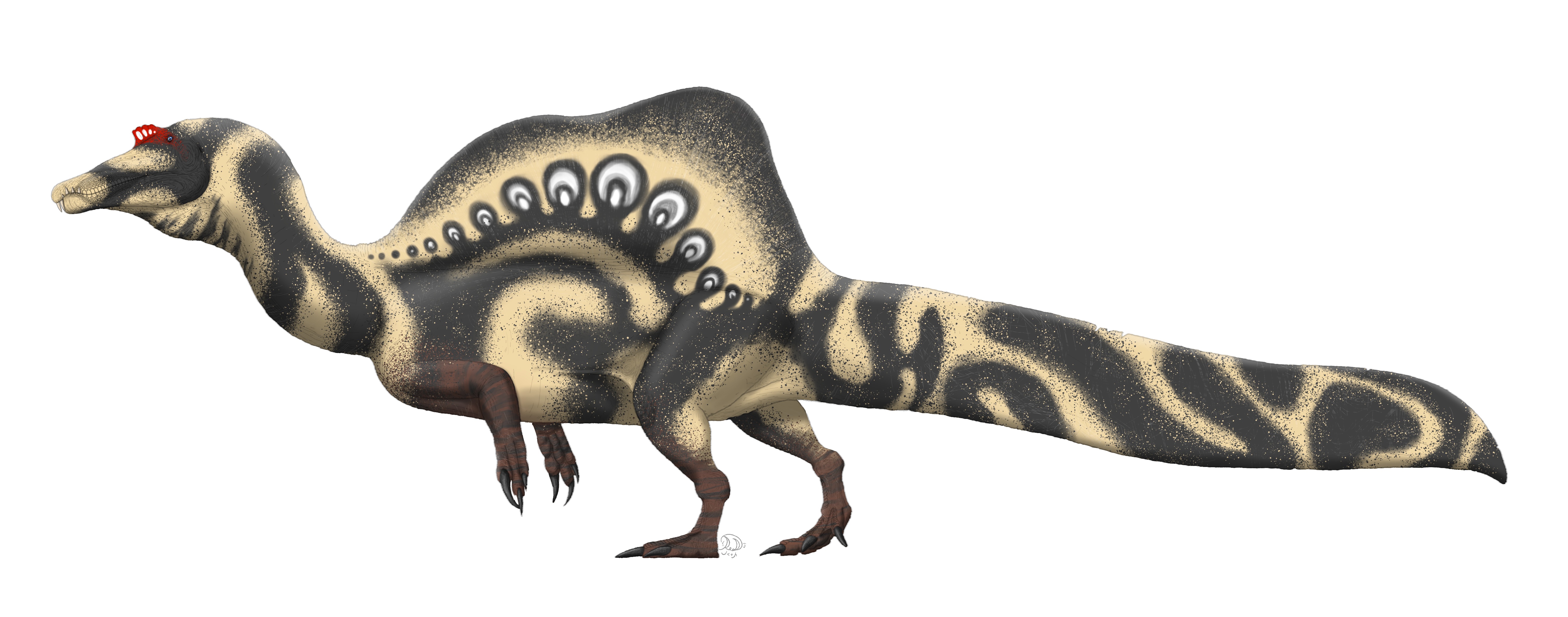
Spinosaurus was able to coexist with other apex predators due to “ecological niche partitioning” – they lived in different environments. This species is interpreted as a semiaquatic shoreline ambush predator more closely tied to waterways than other spinosaurids, flourishing over a relatively brief Cretaceous interval in circum-Tethyan habitats.
An adult Spinosaurus measured 50 feet long, surpassing T-Rex by almost 10 feet, making it perhaps not only the largest carnivorous dinosaur that ever lived but also the only known truly aquatically adapted one. However, modeling shows that on land it was bipedal, and in deep water was an unstable, slow-surface swimmer too buoyant to dive, favoring the view of this dinosaur as a wading ambush predator of large fish.
The Rise of Tyrannosaur Dominance
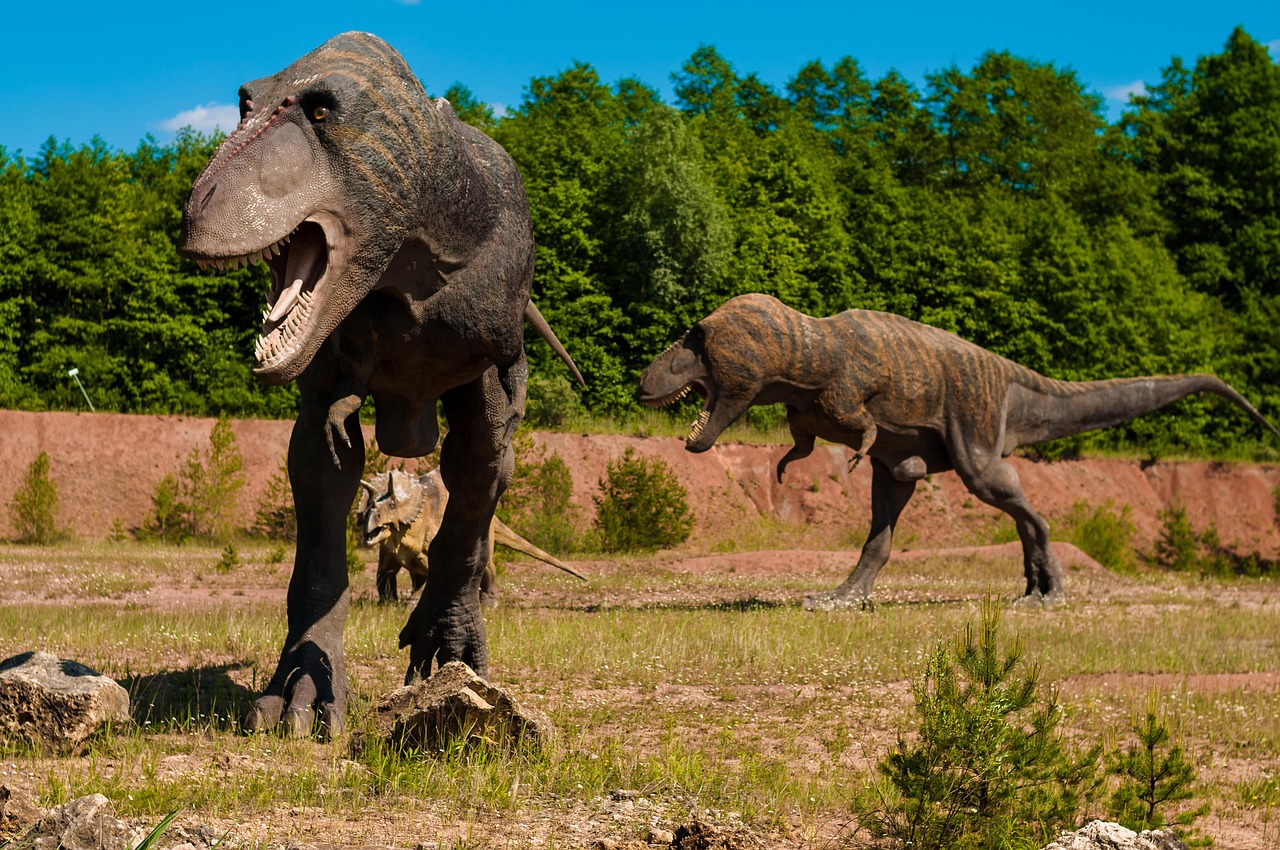
Around 90 million years ago, all carcharodontosaur species went extinct, leaving a vacancy in North American and Asian ecosystems for new large predators, allowing tyrannosaurs – which had been knee-high to carcharodontosaurs for tens of millions of years – to finally evolve toward larger body sizes between 90 and 80 million years ago.
Roughly 68 million years ago, Tyrannosaurus rex arrived and quickly established its dominance in western North America, with adults exceeding 12 meters in length and weighing over 7000 kilograms, arguably the heaviest theropod ever known, with little competition. This marked the final chapter of the age of giant predatory dinosaurs.
Marine Rulers: Ichthyosaurs of the Seas
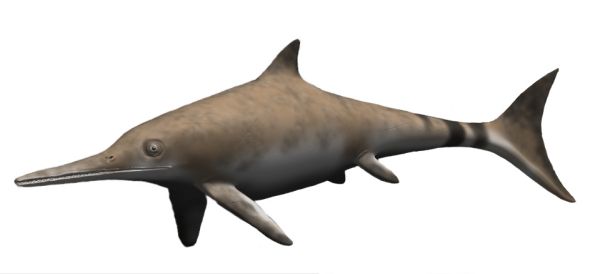
Ichthyosaurs were predatory marine reptiles that ruled the seas during part of the dinosaur era, claiming the title as maritime apex predators for millions of years, appearing about 250 million years ago and dying off about 90 million years ago. By the late Triassic period, several ichthyosaur species attained great size, with some exceeding 50 feet long, while recent discoveries suggest some rivaled blue whales at 85 feet or more in length.
Their range of feeding habits helped ichthyosaur species adapt to various ocean environments, with feeding realms varying from nearshore during the Triassic to pelagic during the Jurassic and Cretaceous, with deep-diving species plunging down to 2,000 feet. These marine giants represent a completely different evolutionary approach to apex predation, mastering aquatic environments that terrestrial dinosaurs never truly conquered.
Conclusion: The True Legacy of Prehistoric Predation
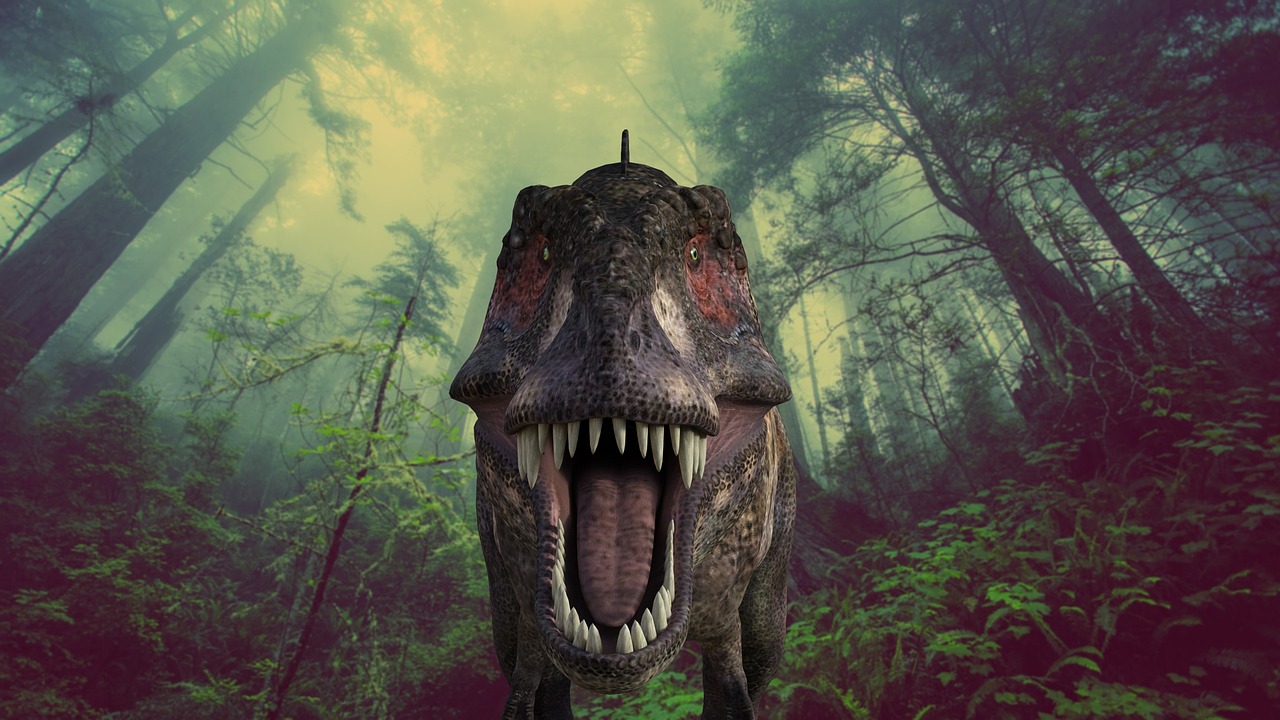
The story of prehistoric apex predators reveals a far richer tapestry than the T-Rex-dominated narrative popular culture often presents. Each era produced its own perfectly adapted killing machines, from the massive rauisuchians of the Triassic to the specialized semi-aquatic Spinosaurus of the mid-Cretaceous. These creatures didn’t simply precede T-Rex – they represent entirely different evolutionary solutions to the challenge of being a top predator.
Understanding these diverse apex predators helps us appreciate the incredible creativity of evolution and the complex ecosystems that supported such magnificent beasts. The next time someone mentions dinosaur predators, you’ll know that T-Rex was just the final act in a much grander prehistoric drama. What other evolutionary surprises might be waiting in the fossil record, challenging everything we think we know about life in the ancient world?