Picture this: you’re mowing your lawn on a typical Saturday afternoon when your mower blade hits something hard. You bend down to inspect the obstruction and discover what appears to be an enormous bone sticking out of the earth. That bone could be the femur of a Tyrannosaurus rex that once prowled through your neighborhood 66 million years ago. This scenario isn’t as far-fetched as you might think.
North America sits atop one of the world’s richest treasure troves of dinosaur fossils. From Montana’s rolling plains to the red rocks of Utah, these ancient giants have left their mark literally everywhere. Your backyard, your local park, even the stone quarry down the road could be hiding the next great paleontological discovery. The continent you call home was once a prehistoric playground for creatures so massive they would dwarf today’s elephants.
The First Footsteps of Discovery

Your journey through North America’s dinosaur heritage begins with a fascinating tale of accidental discovery. In 1806, while on his famous expedition, Meriwether Lewis found what was probably a dinosaur rib near Pompey’s Pillar in Montana and attempted to collect it. This marks the first recorded dinosaur fossil discovery on your continent, though Lewis had no idea what he had stumbled upon.
At that time a boy named Pliny Moody uncovered a piece of reddish sandstone with bird-like three toed footprints while ploughing on his father’s farm in South Hadley. This was the first recorded dinosaur footprint discovery in North America. Little did these early Americans know they were uncovering evidence of creatures that would captivate the world’s imagination for centuries to come.
When Giants Ruled Your Landscape
The dinosaurs that once dominated your continent lived during three distinct time periods, each painting a dramatically different picture of prehistoric North America. The earliest potential record of dinosaurs in North America comes from rare, unidentified (possibly theropod) footprints in the Middle-Late Triassic Pekin Formation of North Carolina. However, the most reliable early record of North American dinosaurs comes from fragmentary saurischian fossils unearthed from the Late Triassic Dockum Group of Texas.
These early North American dinosaur fossils show that dinosaurs were establishing their presence much earlier than scientists previously believed.
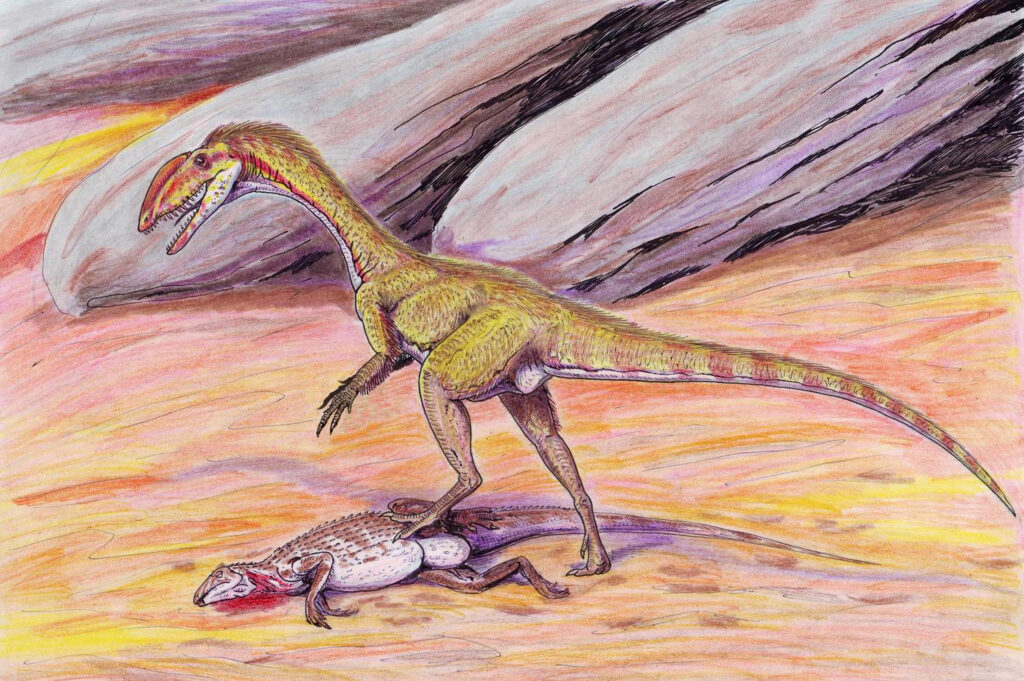
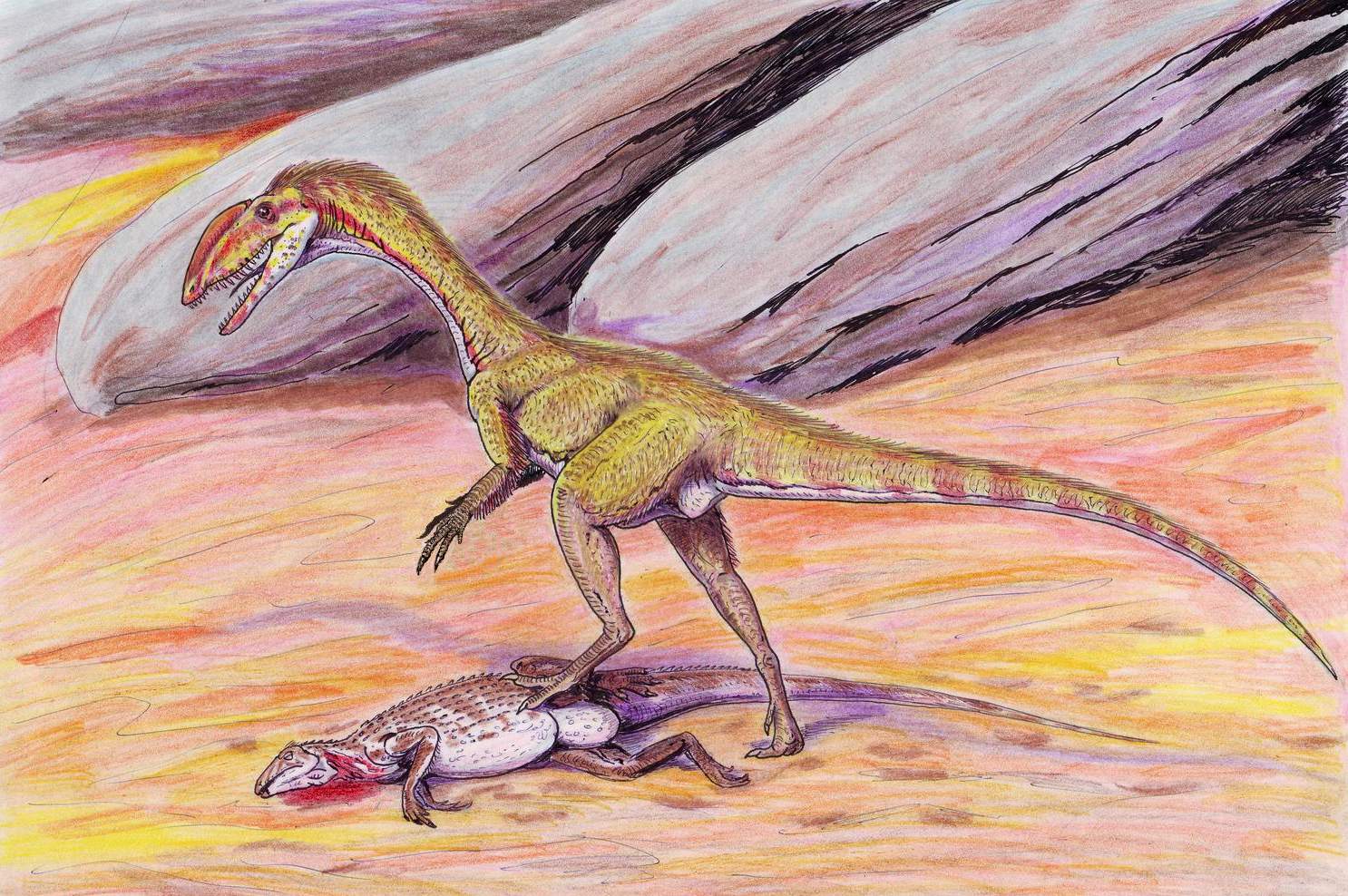
During the Early Jurassic, dinosaurs such as Dilophosaurus, Anchisaurus, Podokesaurus, and the early thyreophoran Scutellosaurus lived in North America. The latter is thought ancestral to all stegosaurs and ankylosaurs.
The Morrison Formation: Your Continental Treasure Chest
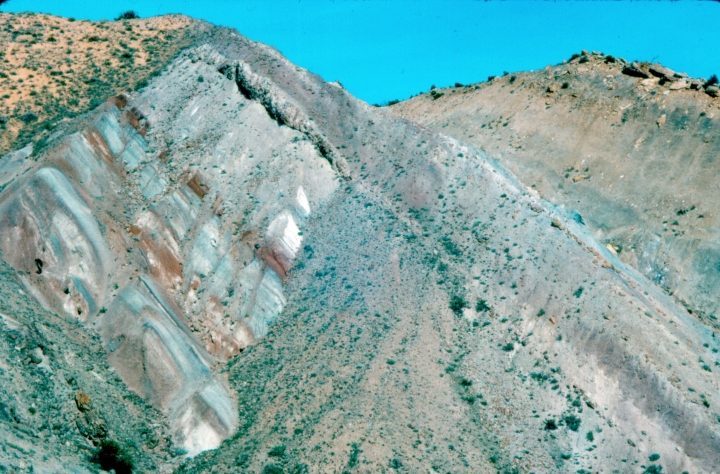
It is notable as being the most fertile single source of dinosaur fossils in the world. The roster of dinosaurs from the Morrison is impressive. This geological formation stretches across your western states and has yielded some of the most spectacular dinosaur discoveries ever made.
Among the theropods, Allosaurus, Torvosaurus, Ceratosaurus, Coelurus, Ornitholestes, Tanycolagreus, Stokesosaurus, and Marshosaurus are found in the Morrison. An abundance of sauropods has been found there, including Apatosaurus, Diplodocus, Barosaurus, Brachiosaurus, Camarasaurus, Brontosaurus and Amphicoelias. These creatures would have made your local landscape look like a scene from another world.
The Morrison Formation is known worldwide for its fossils of dinosaurs, from predators such as Allosaurus and Ceratosaurus, to enormous sauropods such as Apatosaurus, Brachiosaurus, Brontosaurus, Camarasaurus, and Diplodocus, to the bipedal herbivore Camptosaurus and plated Stegosaurus.
T-Rex: The King That Ruled Your Western Territories
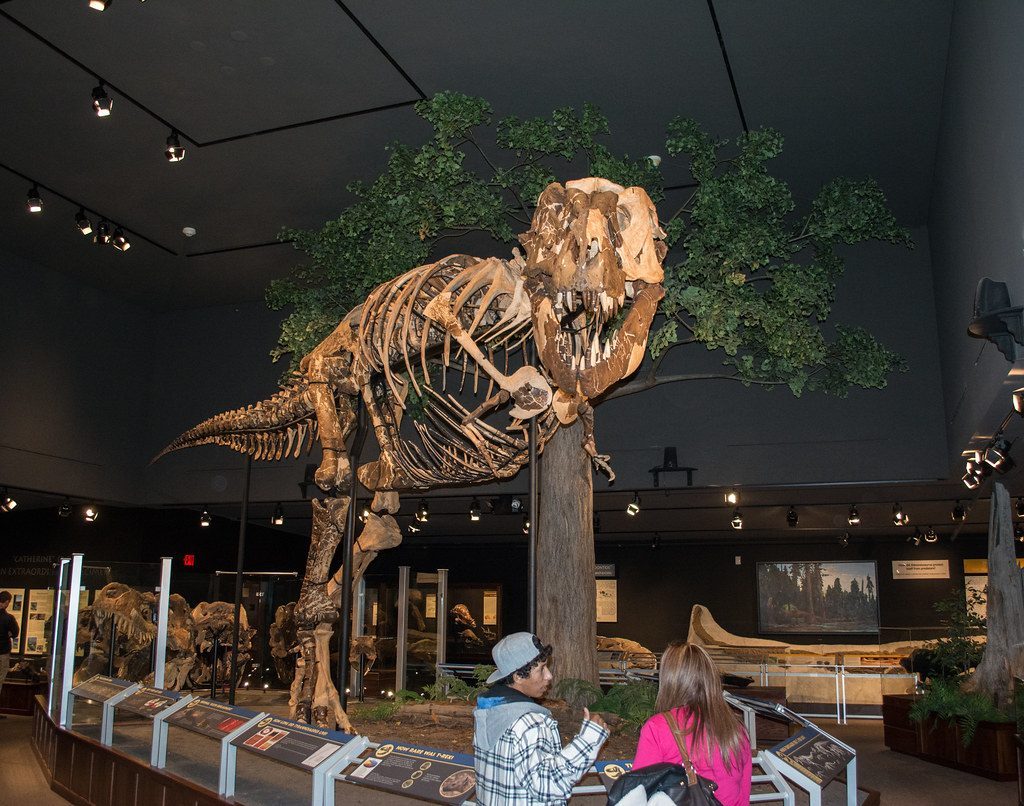
Tyrannosaurus rex, meaning “tyrant lizard king,” roamed the earth 66 million years ago. Now among only a handful of museums in the world to display a fossilized T. rex skeleton, this exhibit presents one of the most spectacular specimens ever unearthed called Montana’s T. rex. Discovered near the Fort Peck Dam and one of the most complete T. rex skeletons ever found, Montana’s T. rex stands 12 feet tall and approximately 40 feet from nose to tail.
Although arguably the most iconic and well-known dinosaur, T. rex fossils are rare. This remarkable find is one of only about 25 of this level of completeness. The skull is the 15th reasonably complete T. rex skull known to exist in the world. These statistics make every T. rex discovery incredibly valuable to science.
It lived throughout what is now western North America, on what was then an island continent known as Laramidia. T. rex only lived on the small island continent of Laramindia (now western North America). Fossils of T. rex from Laramindia are found from Canada down into Texas.
Triceratops: The Three-Horned Giant of Your Plains
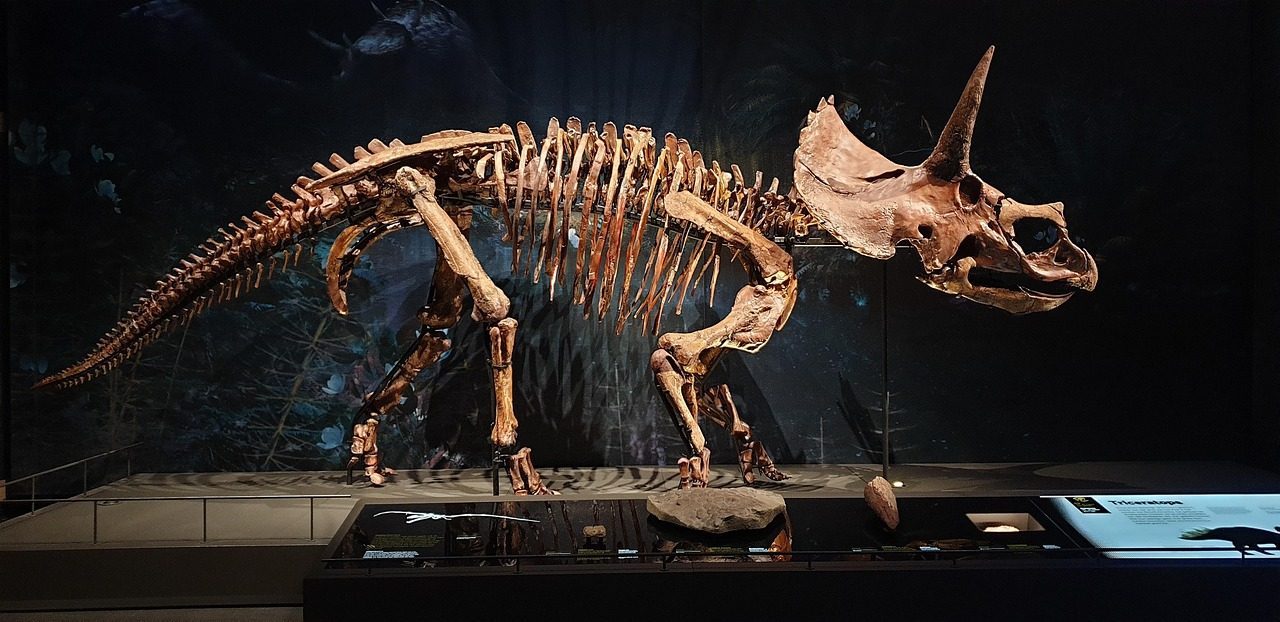
Triceratops is the most commonly recovered dinosaur in the uppermost Cretaceous deposits of western North America, and its remains have been found throughout the region. Paleontologists estimate that the body length of Triceratops approached 9 metres (30 feet). The largest adults are thought to have weighed 5,450–7,260 kg (approximately 12,000–16,000 pounds).
Big John is a fossilized Triceratops … in South Dakota’s Hell Creek geological formation in 2014. It is the largest known Triceratops skeleton, according to the team that assembled the fossil. The skeleton is 3 metres (9.8 ft) high and 8 metres (26 ft) long. The remains, which weigh over 700 kilograms (1,500 lb), include a 2.62-metre (8 ft 7 in) collarbone.
Between 2000 and 2010, forty-seven triceratops skulls were found in an a single area of Montana, called Hell Creek Formation. The largest Triceratops skull was measured at 8.2 feet long, almost a third of its body length. This abundance shows just how common these magnificent beasts were in your ancient landscape.
Alamosaurus: North America’s Largest Giant
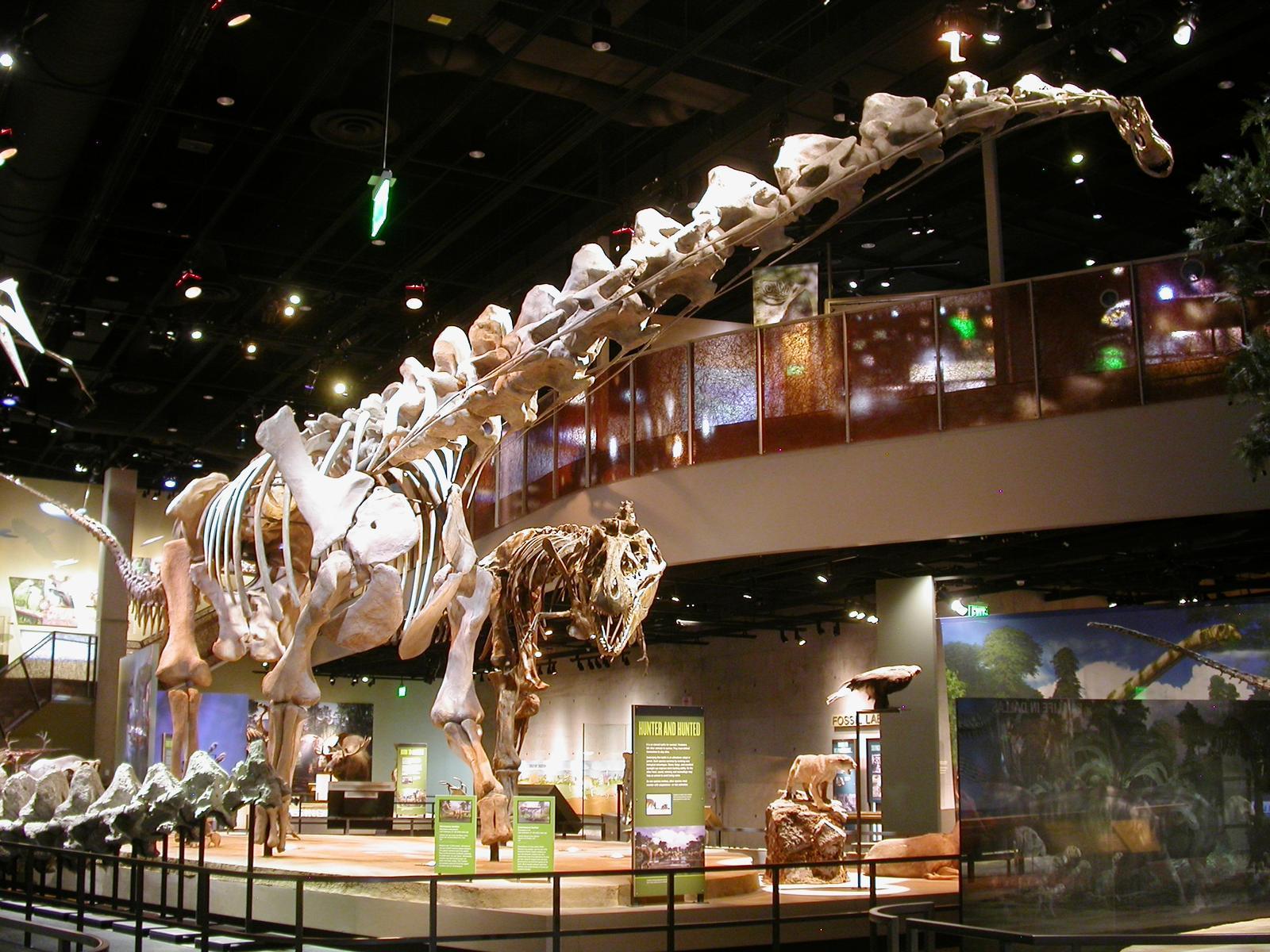
When complete, the bone was taller than a grown man and belonged to a creature exceeding 30 meters (98 ft) in length. This makes Alamosaurus the biggest dinosaur in North America, as well as one of the biggest creatures to have ever walked the planet. This massive sauropod challenges everything we thought we knew about dinosaur size in North America.
Alamosaurus was a titanosaur, a long-necked and long-tailed herbivore of the kind that dominated both the southern and northern hemispheres at the end of the Cretaceous Period. Titanosaurs were far broader and more heavily built than their more famous Jurassic kin like Brontosaurus and Diplodocus. Fossils show that the immense Alamosaurus too had the characteristic titanosaur features of a double-wide torso and a very heavy, thick upward-pointing neck.
It is the massive skeleton of an Alamosaurus sanjuanensis, a Texas native that is roughly 66 million years old. Fossils of the big animal were discovered in 1997 in the Late Cretaceous rocks of Big Bend National Park.
Finding Fossils in Your Backyard
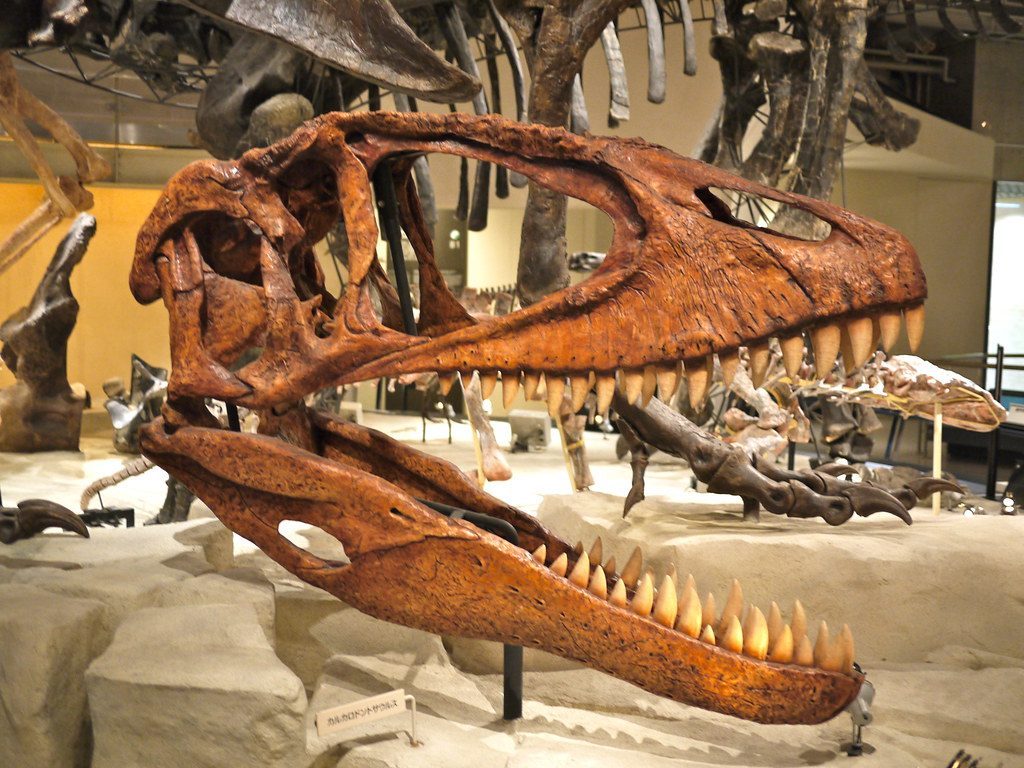
In the United States, the fossilized remains of the mighty creatures that lived in eons past are subject to an age-old law – “finders keepers.” In America, if you find a dinosaur in your backyard, that is now your dinosaur. You can mount it on the wall, you can give it to a museum, or, as is the case with two notable dinosaur fossils, you can put them up for auction – garnering, if you’re lucky, millions of dollars in the process.
Almost all of the United States have produced at least one dinosaur fossil (the exceptions are the states along the along the Ohio River and around Lake Michigan, the northern portion of New England, Florida, and Hawaii), although most finds come from a rectangular area from Montana and North Dakota south to Arizona and Texas. This means your chances of discovering something significant are higher than you might imagine.
The Western United States, from Texas to Montana, are the best places to find fossils in North America, source: Dinosaur World. However, discoveries happen in unexpected places throughout the continent.
The Great Bone Wars and Modern Discovery
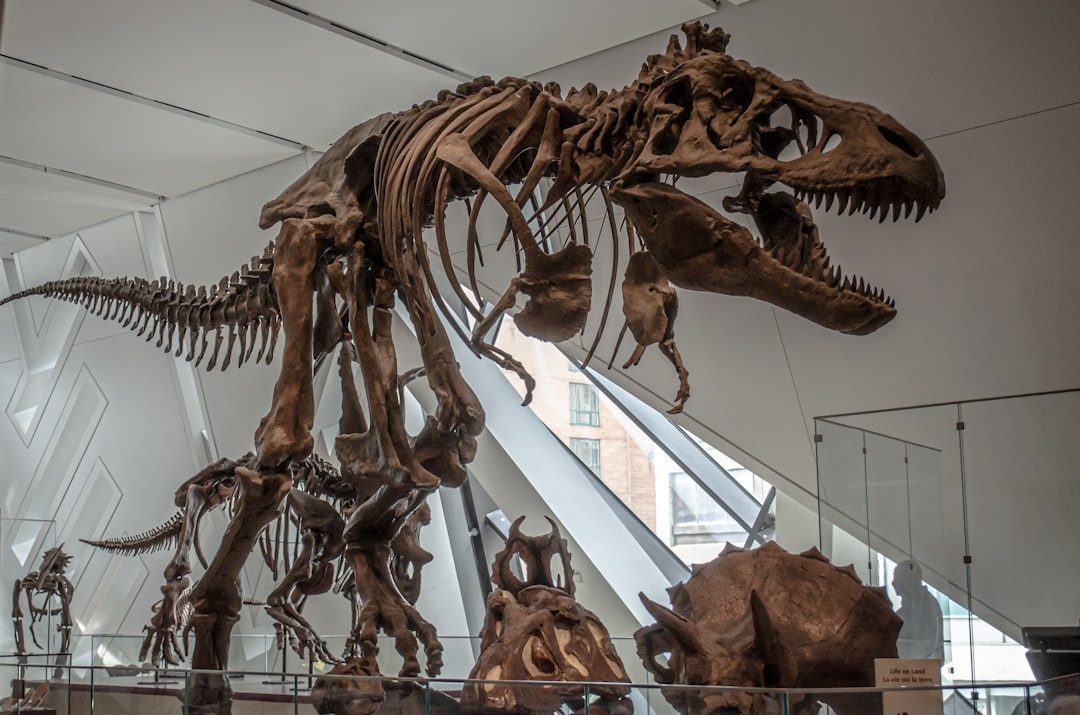
Later in the century as more dinosaur fossils were uncovered eminent paleontologists Edward Drinker Cope and Othniel Charles Marsh were embroiled in a bitter rivalry to collect the most fossils and name the most new prehistoric species. What came out of this period was … the two men described 136 species of dinosaurs, including some famous names such as Stegosaurus, Triceratops, Allosaurus, Diplodocus and Brontosaurus.
Mid-to-late twentieth century discoveries in the United States triggered the Dinosaur Renaissance as the discovery of the bird-like Deinonychus overturned misguided notions of dinosaurs as plodding lizard-like animals, cemented their sophisticated physiology and relationship with birds. Other notable finds include Maiasaura, which provided early evidence for parental care in dinosaurs and “Seismosaurus” the largest known dinosaur.
Probably the most significant event for the study of dinosaurs in NPS areas was Earl Douglass’s discovery of what would become the Dinosaur Quarry on August 17, 1909, eventually leading to Dinosaur National Monument in Colorado and the famous quarry wall display. To the south, expeditions to collect dinosaur fossils in the future Big Bend National Park began in the 1930s.
The giants that once ruled your continent left behind more than just fossils. They left a legacy that connects you to an ancient world where creatures of unimaginable size roamed landscapes that would one day become your neighborhoods. From the first accidental discoveries to modern paleontological expeditions, North America continues to yield secrets about these magnificent beasts. Every shovel full of dirt in fossil-rich areas could potentially uncover the next great discovery. The next time you walk across your backyard or hike through the badlands, remember that you’re treading on ground that was once home to the most incredible creatures our planet has ever known. What do you think lies buried beneath your feet?