
Have you ever walked away from a conversation feeling like something didn’t quite add up? That nagging sensation that someone isn’t being completely honest with you is surprisingly common. Here’s the thing, though. Most of us aren’t nearly as good at detecting lies as we think we are. Research shows that our ability to detect when somebody is lying is not much better than chance. Yet our brains constantly scan for inconsistencies, searching for clues hidden beneath words and gestures. What if you could sharpen that instinct and learn to decode the signals people send when they’re bending the truth?
Understanding deception isn’t about becoming paranoid or distrusting everyone around you. It’s about developing awareness of the subtle patterns that emerge when someone conceals reality. The human body has a fascinating way of betraying what the mind tries to hide. Let’s dive into the telltale markers that can help you separate truth from fiction.
Their Story Keeps Changing

When a person’s story changes or contains contradictions, it may indicate dishonesty. Liars often struggle to keep track of the details they’ve fabricated, leading to inconsistencies when they retell their account. You might notice small variations at first, like changing the time they arrived somewhere or contradicting themselves about who was present during an event.
The challenge with maintaining a lie is that it requires significantly more mental effort than telling the truth. Lying is more mentally taxing than honesty. When you’re recalling something that actually happened, your memory naturally fills in the gaps. When you’re inventing details, your brain works overtime to construct a believable narrative while simultaneously monitoring whether your listener is buying it. This cognitive overload often results in slip-ups and contradictions that careful observers can catch.
They Give Too Much Detail

Counterintuitively, excessive detail can be a red flag rather than a sign of truthfulness. Often the narratives that those engaging in deceit create are too rich in detail, and have too much information contained in them. Most truthful narratives don’t contain a lot of inter-linked facts and events. When someone volunteers an overwhelming amount of specific information unprompted, they might be overcompensating to appear credible.
Think about it this way. When you’re asked where you were last Tuesday, you probably recall the general outline without listing every mundane detail. Someone who’s lying, however, may provide an elaborate timeline complete with unnecessary specifics about what they ate, what they wore, and precisely what route they took. They’re essentially building a fortress of details to protect their fabrication. The irony is that this very abundance of information can actually expose them.
Their Eye Contact Feels Off
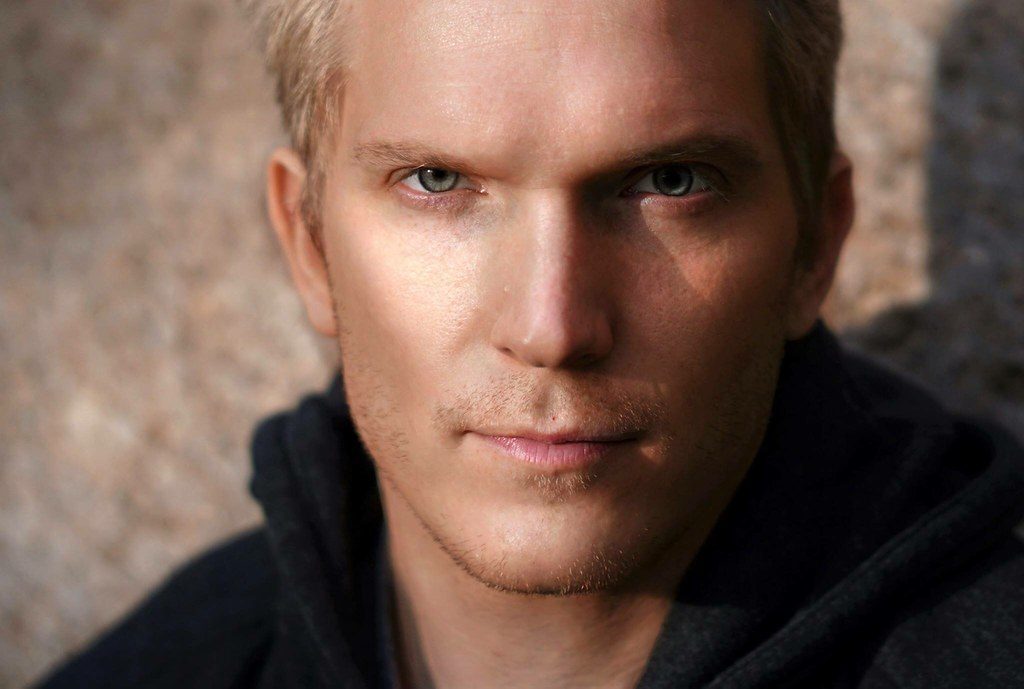
Eye contact during deception is tricky because it doesn’t follow a simple rule. Refusing to break a gaze as a form of intimidation can be a warning sign that the person in question may be lying, just as refusing to look someone in the eyes at all can be telling. Some liars avoid eye contact entirely, their gaze darting around the room as if searching for an escape route. Others do the opposite, maintaining uncomfortably intense eye contact in a deliberate attempt to appear sincere.
Research found that those who lied were more likely to stare than those who were truthful, so much so that roughly two thirds of clips of people lying showed them staring directly at the people they were lying to. It’s fascinating how awareness of deception cues can actually backfire. Many people know that avoiding eye contact is associated with lying, so when they deceive, they overcompensate by staring harder. Watch for extremes in either direction.
Their Body Language Contradicts Their Words

If a person says yes but shakes their head no, it may indicate that they’re not telling the truth. Non-congruent gestures are movements in the body that don’t match the words a person says, and the gestures are the truth-tellers. These mismatches happen because our nonverbal communication is harder to control consciously than our verbal statements. Your body often reveals what your mouth is trying to hide.
Pay attention to whether someone’s facial expressions align with their claimed emotions. There are times when a person’s facial cues seem to corroborate their story, but the eyes could reflect another emotion. When a person smiles, their eyes could reflect another emotion, such as concern, sadness, or even anger. A genuine smile reaches the eyes, creating small wrinkles at the corners. A forced smile typically only involves the mouth muscles, leaving the eyes cold and disconnected from the supposed happiness being expressed.
They Become Defensive or Redirect Blame
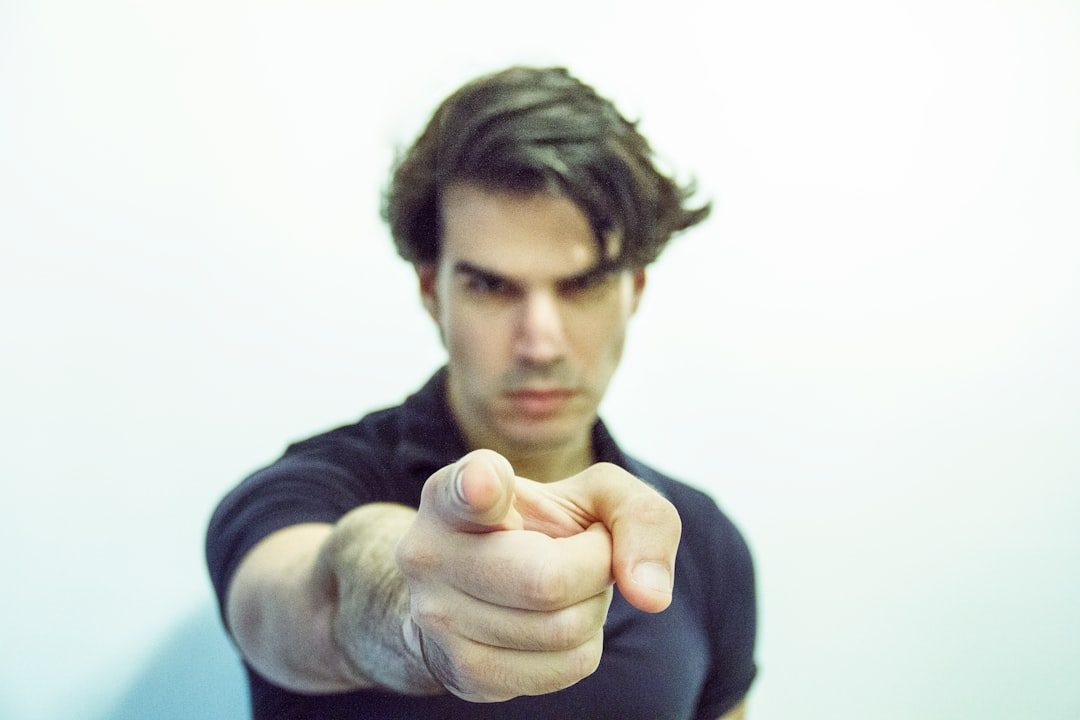
When caught in a potential lie, many people shift into defensive mode rather than calmly clarifying the situation. When a person is lying, they want to take the attention off of themselves and turn it to another or away from themselves. They may point a finger, literally or figuratively, at others as a way to shift focus. This deflection strategy serves a dual purpose: it moves scrutiny away from the liar while simultaneously creating confusion about who’s actually at fault.
Honest people typically respond to questioning with straightforward answers and a willingness to address concerns. Liars, conversely, may become hostile, accuse you of being suspicious or paranoid, or launch into lengthy explanations about why you’re wrong to question them. This aggressive response stems from the anxiety of being discovered and the instinctive need to protect their deception at all costs.
Their Vocal Patterns Change

One telltale sign someone may not be telling the whole truth is irregular speech. A person’s voice or mannerisms of speaking may change when they tell a lie. Listen carefully to shifts in pitch, pace, or volume. Someone might speak more rapidly when nervous about maintaining their fabrication, or they might slow down dramatically as they carefully construct each false detail.
One may make too little or too much eye contact, sweat or flush in their face, fidget or enact unusual gestures, and have trouble maintaining normal speech patterns, and have difficulty controlling the volume and tone of their voice. Establishing a baseline of how someone normally speaks is crucial. If a typically confident speaker suddenly becomes hesitant and peppers their sentences with “um” and “uh,” that change itself is meaningful regardless of the specific pattern.
They Display Nervous Fidgeting or Self-Soothing Gestures

Shuffling the feet, rocking the body back and forth, and moving the head to the side can be signs of deception. When people are nervous and are telling lies, there are fluctuations in the autonomic nervous system. These fluctuations can prompt people to feel tingles or itches on their bodies, resulting in more fidgeting and scratching. Watch for repetitive movements like tapping fingers, adjusting clothing, or touching the face and neck.
People tend to display grooming behaviors like playing with their hair or touching their necks while being dishonest. These self-soothing actions help reduce the anxiety that accompanies deception. Someone might repeatedly rub the back of their neck, cover their mouth while speaking, or fiddle with jewelry. While nervousness alone doesn’t prove dishonesty, it’s worth noting when these behaviors cluster together or intensify during specific topics.
They Hesitate Before Responding

Liars take longer to start answering questions than truth-tellers, but when they have time to plan, liars actually start their answers more quickly than truth-tellers. This paradox reveals an important distinction. When caught off guard by an unexpected question, liars need extra seconds to construct a believable response. Their mental wheels are spinning as they calculate what answer will sound most credible.
However, for questions they’ve anticipated and rehearsed answers for, they might jump in suspiciously fast, eager to deliver their prepared story before nerves undermine them. The key is noticing unusual patterns compared to how they answer neutral questions. Someone who responds instantly to casual conversation but pauses awkwardly when asked about a specific event is displaying a behavioral shift worth noting.
They Use Distancing Language

Liars often unconsciously create linguistic distance between themselves and their fabrications. They might avoid using first-person pronouns like “I” or “me,” instead opting for more detached phrasing. Instead of saying “I didn’t go there,” they might say “That place wasn’t visited” or “Nobody went to that location.” This grammatical gymnastics helps them psychologically separate from the lie.
Liars’ answers sound more discrepant and ambivalent, the structure of their stories is less logical, and their stories sound less plausible. Liars are more likely to repeat words and phrases. They might also speak in overly formal or stilted language that doesn’t match their usual conversational style. Pay attention to shifts in how someone references themselves and their actions, especially if their language suddenly becomes vague or impersonal when discussing critical details.
Your Gut Tells You Something’s Wrong

Never underestimate the power of your intuition. Your gut often senses deceit before your mind does. Sometimes you can’t pinpoint exactly what’s off, but something deep in your awareness signals that the person in front of you isn’t being genuine. This instinctive response often combines dozens of micro-signals your conscious mind hasn’t fully processed yet.
Dr. Leanne ten Brinke, a forensic psychologist, suggests that our instincts for judging liars are quite strong. Your body might respond with physical sensations like tension in your stomach, restlessness, or an inexplicable urge to step back. While gut feelings alone shouldn’t be your only evidence, they’re worth acknowledging as part of a broader pattern. When your intuition combines with observable behavioral cues, you’re likely picking up on genuine deception.
Conclusion
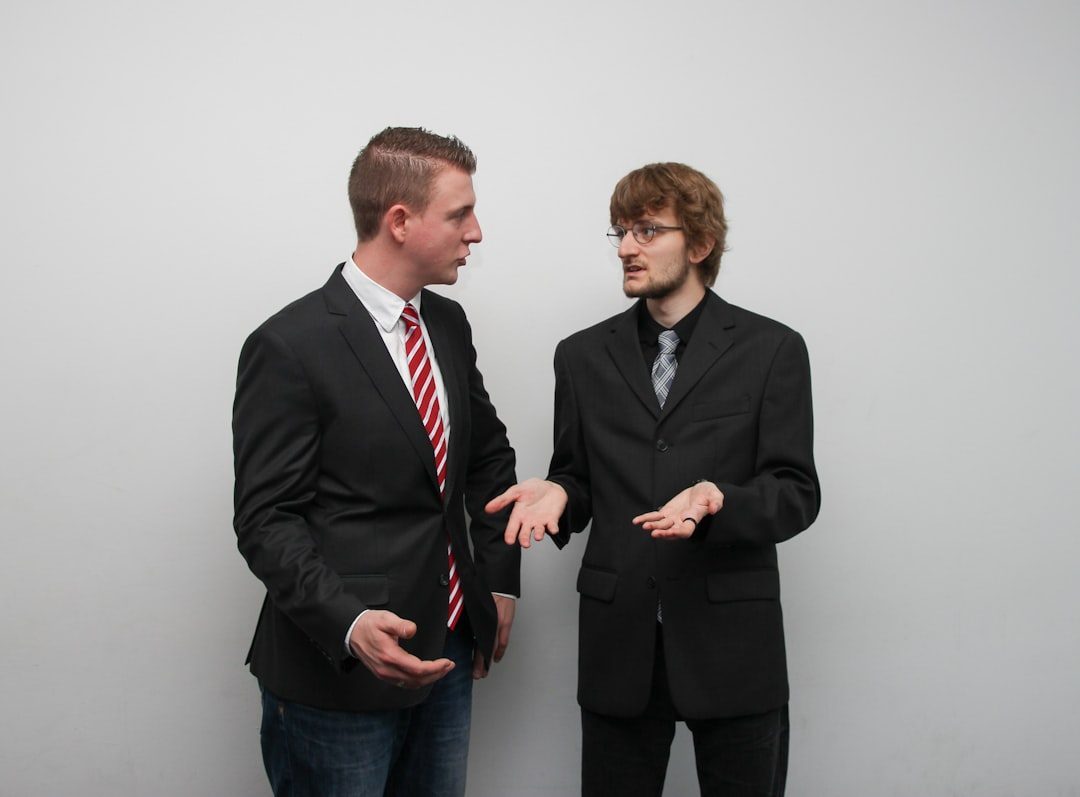
Spotting deception is far more nuanced than simply watching for a single telltale sign. The most reliable approach involves observing clusters of behaviors rather than relying on any individual cue. To more accurately decipher if someone is lying, look for a cluster of three red flags. Remember that context matters enormously. Someone might fidget because they’re anxious, not because they’re lying. Cultural differences, personality variations, and situational factors all influence how people behave.
The real skill lies in establishing a baseline for how someone normally acts and then noticing meaningful deviations from that pattern. Pay attention to when their behavior shifts, especially if multiple indicators align during specific topics or questions. While you may never become a perfect human lie detector, developing awareness of these patterns can significantly improve your ability to discern truth from fiction.
At the end of the day, trust is built on more than just analyzing every gesture and word. These tools should serve to protect you from manipulation, not to create constant suspicion in your relationships. What subtle signals have you noticed when someone wasn’t being completely honest with you?