Have you ever noticed how certain animals seem to resonate with your soul in ways you can’t quite explain? That inexplicable pull toward the wolf’s howl or the eagle’s soaring flight isn’t random. It’s a mirror reflecting something primal within you. Your emotional nature doesn’t exist in isolation. It’s deeply intertwined with ancient instinctive patterns that have guided survival for millions of years.
The creatures you feel drawn to carry messages about your deepest emotional rhythms. They reveal truths about how you process fear, joy, anger, and love. Let’s be real, understanding this connection can transform the way you see yourself.
The Ancient Language Your Emotions Speak

Your emotional responses aren’t as modern as you might think. In many ways, human emotions are the gifts of our animal ancestors. When you feel that surge of panic in your chest or the warmth of connection with loved ones, you’re experiencing sensations that have been refined over countless generations. Many animals also display wide-ranging emotions, including joy, happiness, empathy, compassion, grief, and even resentment and embarrassment, and it’s not surprising that animals share many emotions with us because we also share brain structures, located in the limbic system.
The brain’s limbic system operates as the main control-area for response to certain stimuli, including a variety of instinctual behaviour, and processes external stimuli related to emotions, social activity, and motivation, which propagates a behavioural response. Think of your spirit animal as a symbolic representation of this ancient wiring. The characteristics you admire in that creature already live inside you, waiting to be acknowledged and understood.
When Your Fear Mirrors Wild Survival

Fear has evolved as a human instinct because it protects us, and we can even see this instinct in animals because it’s so important to keeping us alive. The rabbit that freezes at the snap of a twig shares the same biological imperative you feel when walking alone at night. Your heart races, your muscles tense, your breathing quickens. This isn’t weakness. It’s ancient wisdom speaking through your nervous system.
Consider how different animals respond to threat. To survive animals need to integrate information about a threat to guide the activation of a repertoire of predetermined instinctive behaviours, both to select the most appropriate response and to keep the predator guessing about its intentions, and such an integration-selection task is better served by the activation of an internal state that encodes threat intensity and that empowers a variety of behavioural responses. Perhaps you’re someone who confronts danger head-on like a bear protecting cubs. Or maybe you’re more like the deer, sensitive to every shift in your environment, ready to leap away at the first sign of trouble. People with a deer as their spirit animal are often highly intuitive and strongly connected to their emotions, and they are gentle and kind and use their intuition to navigate life.
The Pack Mentality Living In Your Social Bonds
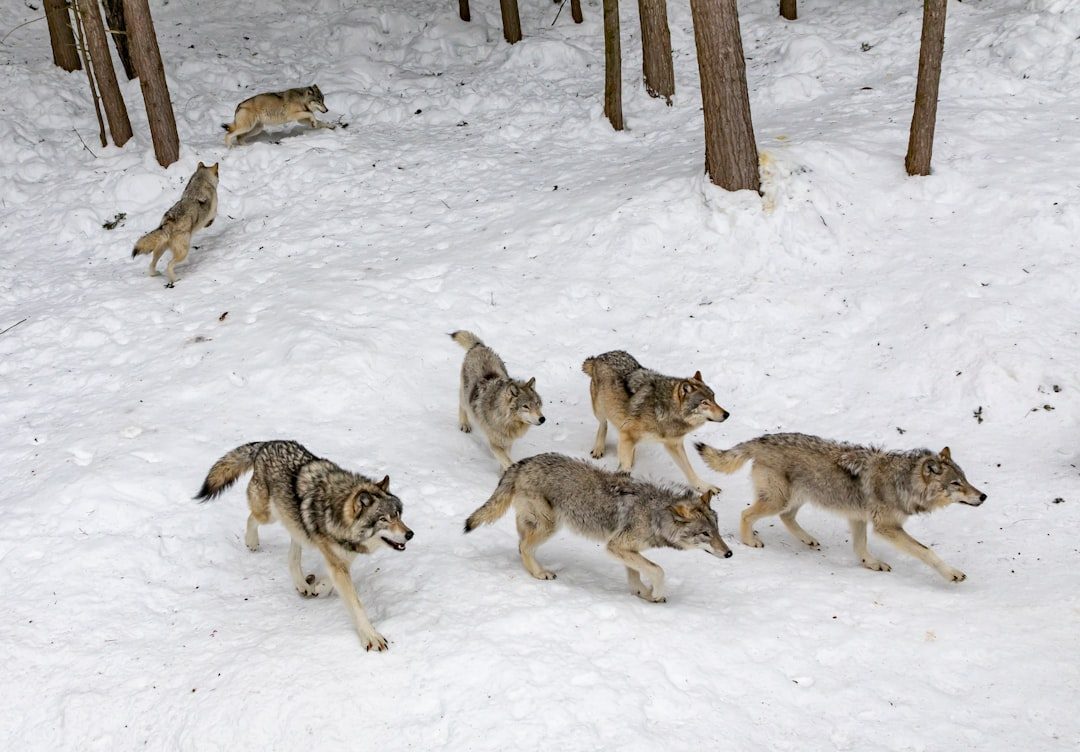
The wolf is a powerful spirit animal, symbolizing strength, freedom, and individuality, and it is often associated with loyalty, intelligence, and a strong sense of family. If the wolf speaks to your soul, you probably understand the delicate balance between fierce independence and deep connection. Wolves teach us something profound about emotional needs. They hunt together, protect together, mourn together.
Your need for belonging isn’t a sign of dependence. It’s an instinct as natural as breathing. The wolf is connected to intelligence, instincts, and freedom, and it follows primal instincts above all else. You might notice how your mood shifts when you’re isolated too long, or how energized you feel surrounded by your chosen pack. That’s your wolf nature expressing itself, reminding you that emotional wellness requires both solitude and community.
Fierce Protection And The Mother Bear Within
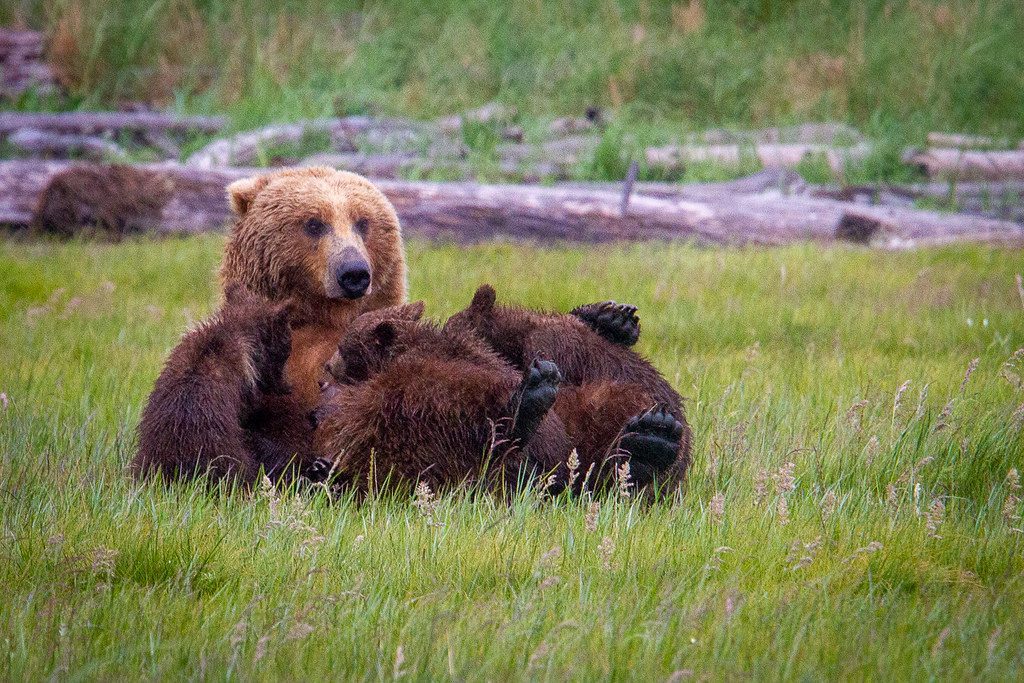
There’s a reason we talk about mama bear energy. The bear represents strength and protection, and teaches to set healthy boundaries and to enter into silence to regenerate. When someone threatens what you love, that roar rising in your chest connects you to every protective creature that has ever lived. This isn’t aggression for its own sake. It’s love wearing armor.
People with Bear Medicine are considered by many as self-sufficient, and would rather stand on their own two feet than rely on others, and they are often considered dreamers. Perhaps you withdraw periodically, needing that metaphorical hibernation to process emotions and restore your strength. This pattern isn’t antisocial. It’s how bears survive winters, and how you survive emotional intensity. The bear spirit reminds you that true power includes knowing when to be still, when to reflect, and when to emerge renewed.
The Eagle’s Perspective On Your Emotional Landscape
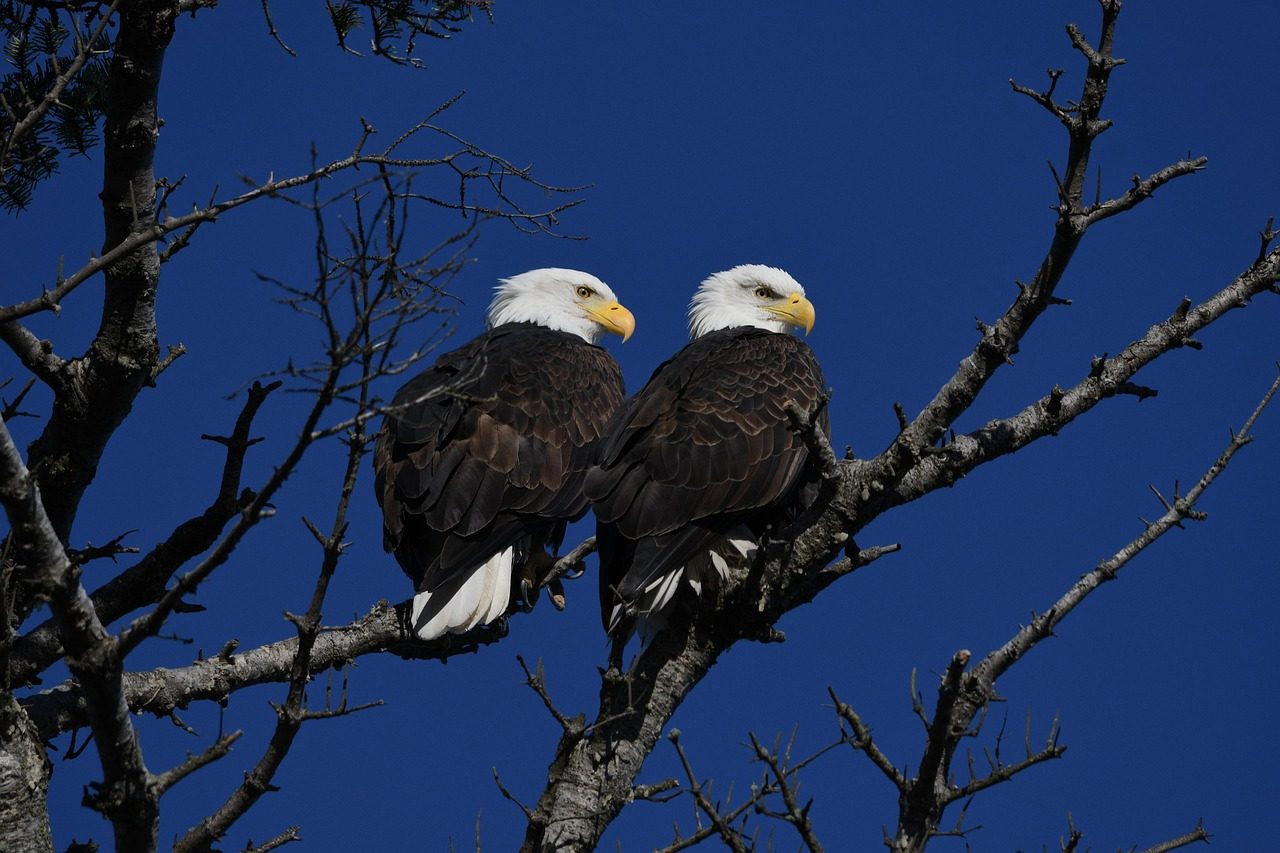
Owls have the ability to see what others miss, and they know the deeper meaning of things and discover the hidden treasures in life. Similarly, eagles and other birds of prey offer you the gift of perspective. When you’re drowning in emotional overwhelm, connecting with your bird totem reminds you to rise above the chaos. Not to escape it, but to see it differently.
Eagle Medicine is the gift of clear vision with which one can truly see the things one sees, and it is the patience to wait for the appropriate moment. Your emotions look different from altitude. That argument that consumed your whole day? From the eagle’s view, it’s a small piece of a much larger pattern. This doesn’t diminish your feelings. It contextualizes them. It offers you the emotional intelligence to choose your battles and recognize what deserves your energy.
Swimming Through Emotional Depths With Dolphin Joy

The dolphin represents joy and harmonious communication, and conveys the power of emotional connection and play as a way of healing. If dolphins capture your imagination, you probably understand instinctively that emotions don’t have to be heavy. Joy is just as primal as fear or anger. Play serves survival too.
Dolphins navigate vast oceans with intelligence and social grace. They communicate in ways we’re still trying to understand, using sonar to perceive what lies beneath the surface. Your dolphin nature might express itself in how you read rooms, sensing emotional undercurrents others miss. You know that laughter can diffuse tension and that playfulness creates bonds stronger than serious discussion ever could. This isn’t superficiality. It’s emotional wisdom disguised as lightness.
The Tiger’s Raw Emotional Honesty
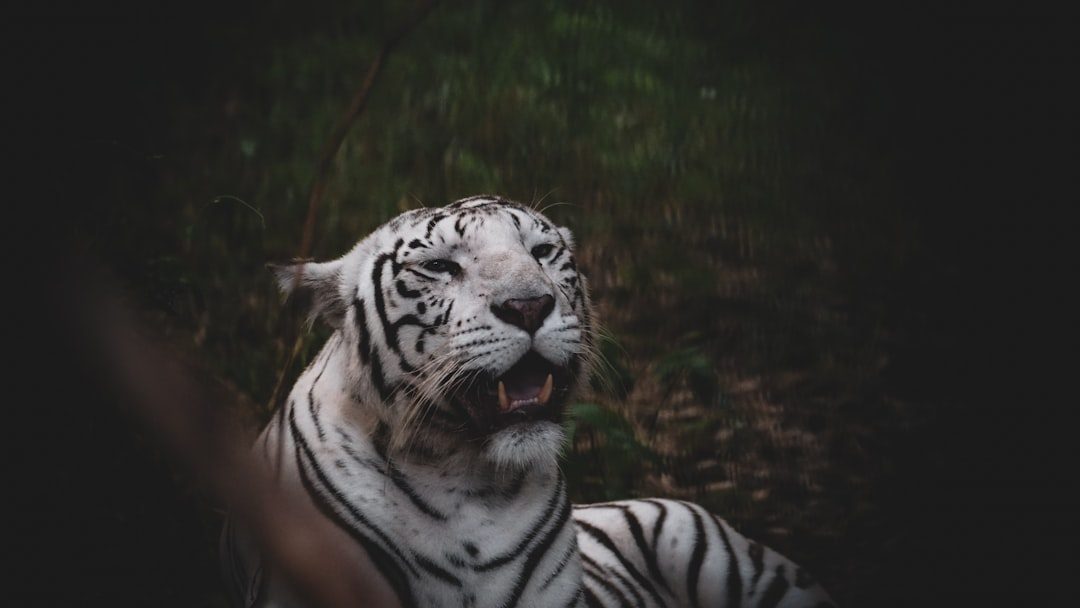
The tiger represents raw feelings and emotions, and is highly intuitive and great at following instincts. There’s no pretense with tigers. They don’t apologize for their intensity or try to make themselves smaller to comfort others. If this is your spirit animal, you’ve probably been told you’re “too much” at some point in your life. Too passionate, too emotional, too intense.
Here’s the thing though. That intensity is your superpower. Tigers don’t survive by being mild. They trust their gut completely. When something feels wrong to you, you don’t need five rational reasons to justify that feeling. Your instincts have been honed through generations of survival. That tightness in your stomach, that resistance you can’t explain, that sudden certainty? That’s your tiger speaking. Listen to it.
Finding Your Emotional Home In Your Animal’s Territory
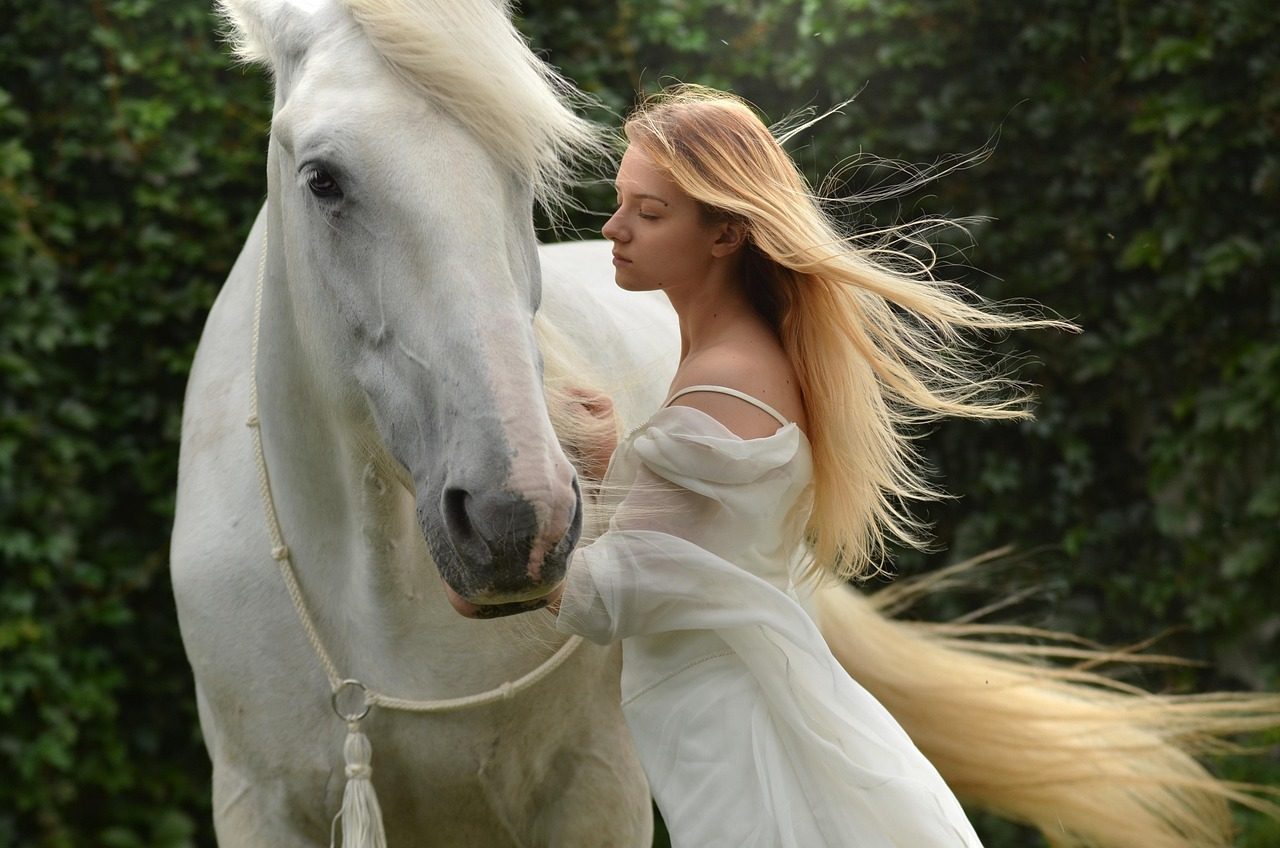
Spirit animals can provide guidance on an aspect of yourself that is already strongly developed or needs to be explored more, and a situation or environment in your everyday life that has a strong emotional impact. Understanding your spirit animal connection offers more than symbolic comfort. It gives you a framework for recognizing your emotional patterns as natural rather than problematic.
Your totem animal can help you recognize and work with your emotions, teaching you to channel them in a constructive and balanced way, and can help you develop your intuition and spiritual abilities. Maybe you’ve spent years trying to force yourself into emotional responses that don’t fit your nature. Perhaps you’ve judged yourself for being too cautious like the rabbit, too solitary like the bear, too fierce like the panther. Your spirit animal validates these patterns as adaptive strategies, not character flaws.
Your emotional blueprint isn’t broken when it differs from others. It’s simply written in a different animal’s language. The owl processes differently than the horse. The snake sheds what no longer serves while the elephant never forgets. Each approach has value, strength, and purpose. Recognizing your animal nature helps you honor your emotional instincts rather than fighting against them.
What aspects of your favorite animal do you see reflected in how you experience and express emotions? The answer might surprise you.