

Every morning, you wake up and face thousands of decisions. What to wear. What to eat. Which route to work. Whether to buy that thing online. Most of these choices feel completely yours, right? Here’s the thing: your brain might be running on autopilot more than you realize. Hidden beneath your conscious awareness, powerful psychological triggers are quietly steering you toward certain paths. Some of these forces evolved over thousands of years to keep our ancestors alive. Others exploit the way your mind processes information in our fast paced world. Understanding these invisible influences isn’t just fascinating. It’s like gaining a superpower that lets you spot when something or someone is pulling your strings. Ready to peek behind the curtain? Let’s dive in.
The Anchoring Effect: Your Mind’s First Impression Problem

Imagine you’re shopping for a sofa online, and the first one you see is priced at fifteen hundred dollars. Suddenly, that eight hundred dollar couch looks like a steal. Your brain relies too heavily on the first piece of information you encounter when making decisions, and in negotiations, initial prices set a standard that influences subsequent discussions. This is anchoring at work, and it happens constantly.
You’re not just vulnerable to this when shopping. People rely more heavily on the first piece of information offered when making decisions, as demonstrated in studies where children estimated jellybeans in a jar closer to whatever anchor number they were given. Salary negotiations, project timelines, even how much you tip at restaurants can all be swayed by whatever number gets planted in your mind first. The scary part is how automatic it feels.
Social Proof: Following The Herd Without Realizing It

The bandwagon effect is a psychological phenomenon in which people do something primarily because others are doing it, regardless of their own beliefs. Think about the last time you chose a crowded restaurant over an empty one. Or bought something because “everyone’s talking about it.” Your brain interprets popularity as a shortcut for quality or correctness.
This trigger operates on multiple levels of your daily life. People adopt certain behaviors simply because others are doing so, and have a tendency to conform to opinions expressed earlier by others or to act in socially desirable ways, which can influence collective behaviors like voting. You might think you’re immune, but honestly, we all fall for it. The question becomes whether you’re making choices based on what truly fits your needs or just following the crowd.
Loss Aversion: Why Losing Hurts More Than Winning Feels Good

Humans fear loss more than they value gain, as losing one hundred dollars hurts more than gaining one hundred dollars feels good. This isn’t just about money. You’ll stay in a bad relationship longer than you should because ending it feels like losing something. You’ll keep watching a terrible movie because you already invested an hour.
Marketers absolutely love this trigger. Phrases like “Don’t miss this offer!” or “Only a few spots left!” trigger fear-based urgency. Your brain shifts into panic mode, worried about what you might lose rather than rationally evaluating what you might gain. Next time you feel that urgent pull to act now, pause and ask yourself: am I being motivated by genuine value or manufactured scarcity?
The Availability Heuristic: When Easy Examples Override Reality

The availability heuristic describes the mental shortcut where someone estimates whether something is likely to occur based on how readily examples come to mind, causing people to overestimate the probability of plane crashes, homicides, and shark attacks because examples are easily remembered. Your perception of risk gets completely warped by what’s vivid in your memory.
It is natural to rely on easily remembered knowledge, but the chances of dying from smoking, drinking or obesity are far greater than encountering a killer shark, yet the perceived threat of the latter is greater. This explains why people fear flying but drive without a second thought, even though statistically, the car ride to the airport is far more dangerous. Your brain grabs whatever’s easiest to recall and runs with it.
Confirmation Bias: Seeking Evidence That You’re Already Right
We all favor ideas that confirm our existing beliefs and what we think we know, and when we conduct research, we all suffer from trying to find sources that justify what we believe about the subject. You see this everywhere. Political debates. Health advice. Parenting philosophies. People cherry pick information that supports their worldview while dismissing contradictory evidence.
This bias leads individuals to seek information that supports their existing beliefs while ignoring contradictory evidence. It’s hard to say for sure, but I think this might be the most dangerous trigger on this list. It creates echo chambers where you become increasingly confident in beliefs that might be completely wrong. Breaking free requires deliberately seeking out perspectives that challenge you, which feels uncomfortable but necessary.
The Affect Heuristic: When Feelings Trump Facts

A mental shortcut uses emotion to influence decisions, with emotion playing the lead role in making decisions quickly or efficiently, and is used while judging the risks and benefits of something depending on positive or negative feelings people associate with a stimulus. If something feels good, your brain assumes it must be low risk and high reward. If it feels bad, the opposite.
Emotions are not just a byproduct of experiences but a driving force in decision making, influencing how we weigh options, analyze risks, and make choices from small daily tasks to life altering decisions. Think about buying a car. The logical choice might be the reliable sedan with great fuel economy. Yet you drive home in the sports car because it made you feel alive. Your emotional responses often overpower rational analysis before you even notice what’s happening.
Authority Bias: Trusting Experts Without Question

The tendency to attribute greater accuracy to the opinion of an authority figure unrelated to its content and be more influenced by that opinion affects decisions more than most people realize. You trust the recommendation because it came from someone with credentials, a title, or perceived expertise. Sometimes that’s smart. Sometimes it leads you astray.
Doctors, scientists, financial advisors, your boss at work. Authority figures wield enormous influence over your choices. The tricky part is that some people express a high degree of confidence about something they’re actually not very skilled at doing, creating a dangerous cocktail where confident authority meets actual incompetence. Always worth asking yourself whether you’re agreeing with the person or genuinely evaluating the idea.
The Framing Effect: How Presentation Changes Everything

People are more likely to buy ground meat that’s labeled as seventy five percent lean than meat that’s labeled twenty five percent fat. Same product. Different frame. Completely different response. The way information gets presented to you dramatically shapes your perception and choices.
Biased decision making seen in the framing effect is due to a lack of mental effort rather than due to emotions. Your brain takes the lazy route, accepting the frame given rather than doing the work to reframe the situation. Medical choices, investment options, political policies. They all get framed in ways designed to push you toward specific conclusions. Learning to recognize the frame is the first step toward seeing past it.
The Representativeness Heuristic: Judging Books By Their Covers

People who make use of the representativeness heuristic categorize objects or other people based on how similar they are to known entities, assuming someone described as quiet is more likely to be a librarian than a politician. You see a pattern or stereotype and your brain runs with it, filling in details that may or may not be accurate.
The representativeness heuristic refers to the tendency of individuals to categorize objects or events based on how similar they are to typical examples, and stereotyping is a type of heuristic that people use to form opinions about things they have never seen or experienced. This shortcut saves mental energy but creates blind spots. You make snap judgments about people’s competence, trustworthiness, even their intentions based on superficial similarities to your existing mental categories. Sometimes you’re right. Sometimes you’re completely off base.
The Default Effect: Taking The Path Of Least Resistance

The tendency to favor the default option when given a choice between several options explains why so many people never change their phone settings, stick with the same bank for decades, or automatically renew subscriptions they don’t use. Your brain conserves energy by accepting whatever’s already in place.
Relying on mental shortcuts in everyday life is effective and leads to faster decision making when timing is more important than accuracy, however cognitive bias can lead us to misunderstand events, facts, or other people. The default option isn’t necessarily the best option. It’s just the easiest one. Companies know this and design systems where the profitable choice for them becomes your default. Being aware of this trigger means actively questioning whether you’re choosing or just accepting what was chosen for you.
Conclusion: Taking Back Control Of Your Choices
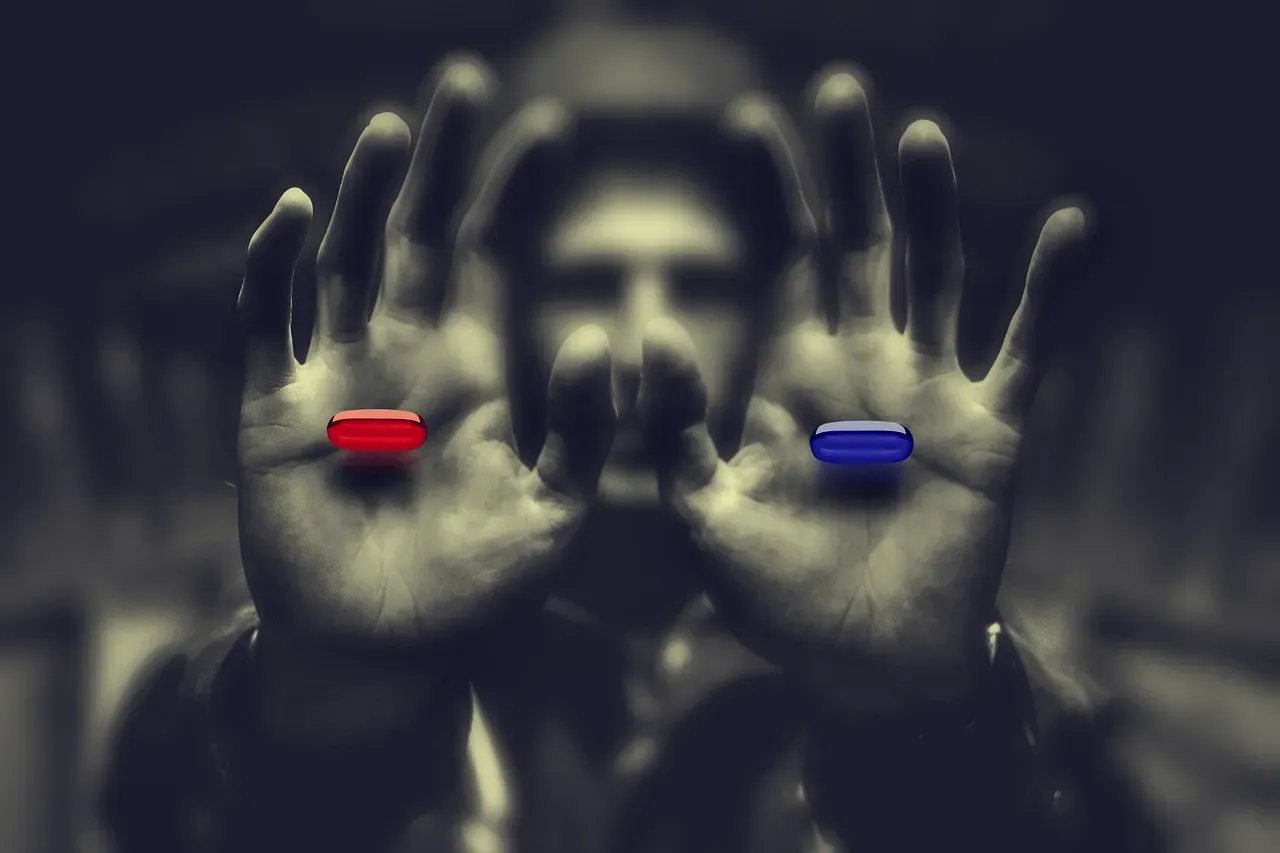
These triggers don’t make you weak, they make you human, and the key is to recognize when your decisions are being shaped by emotion or bias rather than intention. You can’t eliminate these psychological forces. They’re hardwired into how your brain processes the overwhelming flood of information and decisions you face daily. What you can do is develop awareness.
Understanding the origins and effects of cognitive biases is crucial for making better decisions and fostering more inclusive societies, and by becoming aware of these biases and employing strategies to mitigate their influence, we can navigate the complexities of modern life with greater clarity. The next time you’re about to click buy, accept an offer, or make a snap judgment, take a breath. Ask yourself which psychological trigger might be at work. Are you being anchored by an initial number? Following the herd? Avoiding a loss? Simply recognizing these hidden influences gives you the power to choose more deliberately. What surprises you most about your own decision making now that you see these triggers in action?