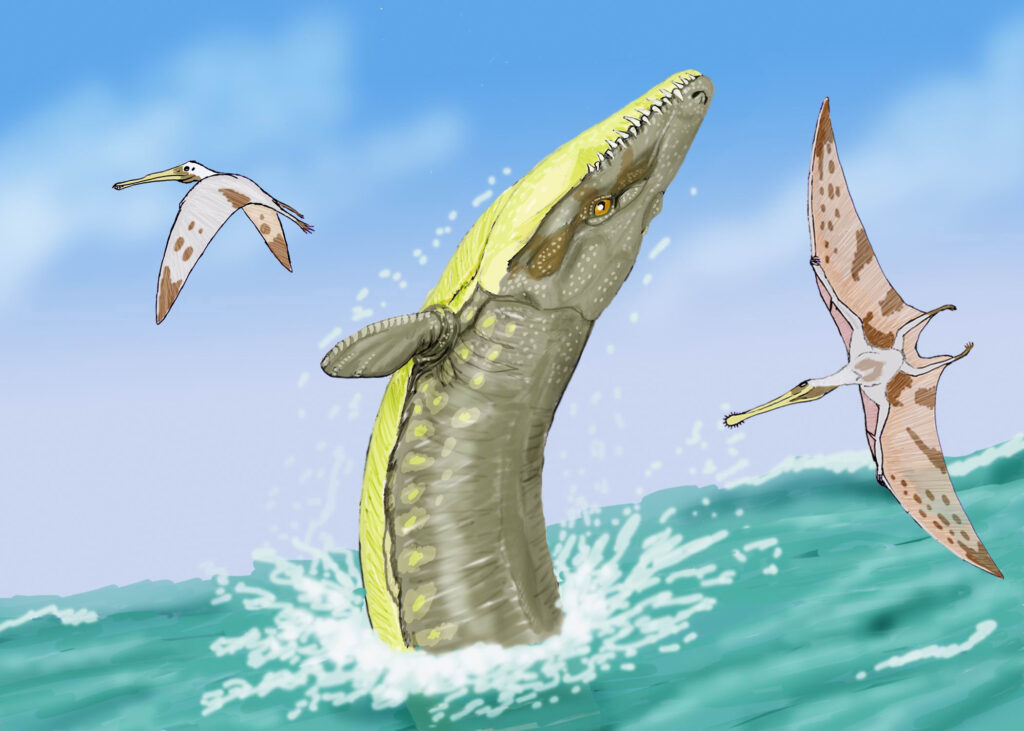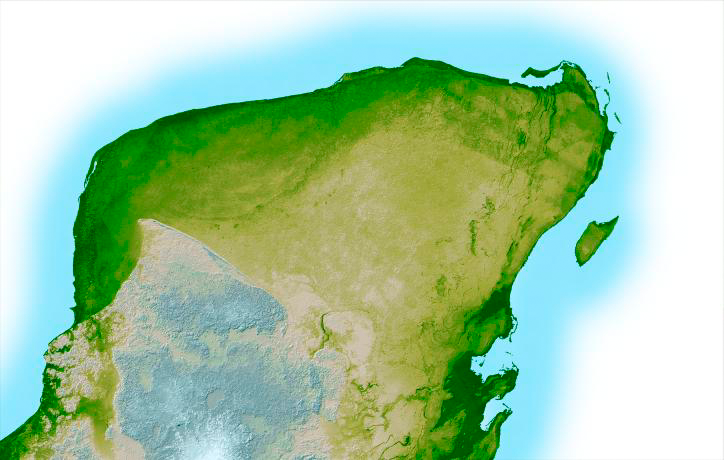
Approximately 66 million years ago, the age of dinosaurs came to an abrupt end when a massive asteroid struck Earth near present-day Mexico. This catastrophic event, known as the Cretaceous-Paleogene (K-Pg) extinction, wiped out approximately 75% of all species on the planet, including the non-avian dinosaurs that had dominated terrestrial ecosystems for over 160 million years. But as scientists continue to study this pivotal moment in Earth’s history, an intriguing question emerges: Did the dinosaurs experience warning signs before their extinction? Was the ecosystem already under stress before the final blow? Recent research suggests that the story of dinosaur extinction might be more complex than previously thought, with potential signs of trouble appearing in the fossil record before the asteroid impact.
The Traditional Extinction Narrative
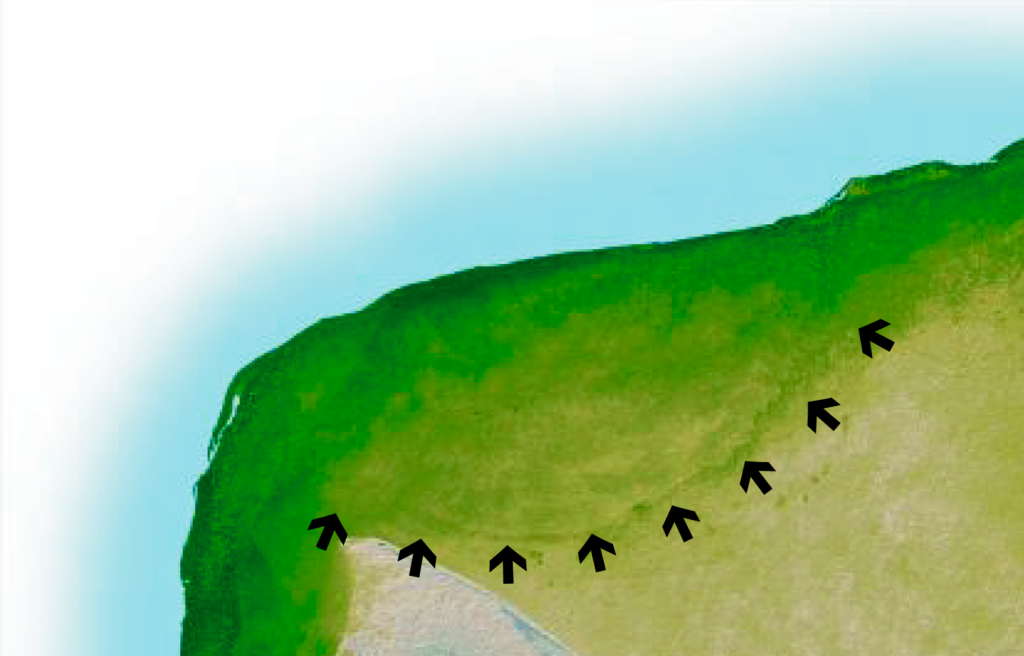
For decades, scientists have attributed the dinosaur extinction primarily to the Chicxulub asteroid impact. This massive collision, involving an asteroid approximately 10-15 kilometers in diameter, released energy equivalent to billions of atomic bombs, triggering tsunamis, wildfires, and ejecting enormous quantities of debris into the atmosphere. The resulting “impact winter” blocked sunlight for months or years, disrupting photosynthesis and collapsing food webs globally. This dramatic scenario has been well-supported by evidence, including the discovery of the Chicxulub crater, a worldwide iridium-rich layer at the K-Pg boundary, and shock-metamorphosed minerals that could only have formed under extreme impact conditions. The traditional view presents the extinction as a sudden catastrophe that caught Earth’s ecosystems, including dinosaurs, completely by surprise.
Deccan Traps: A Volcanic Prelude
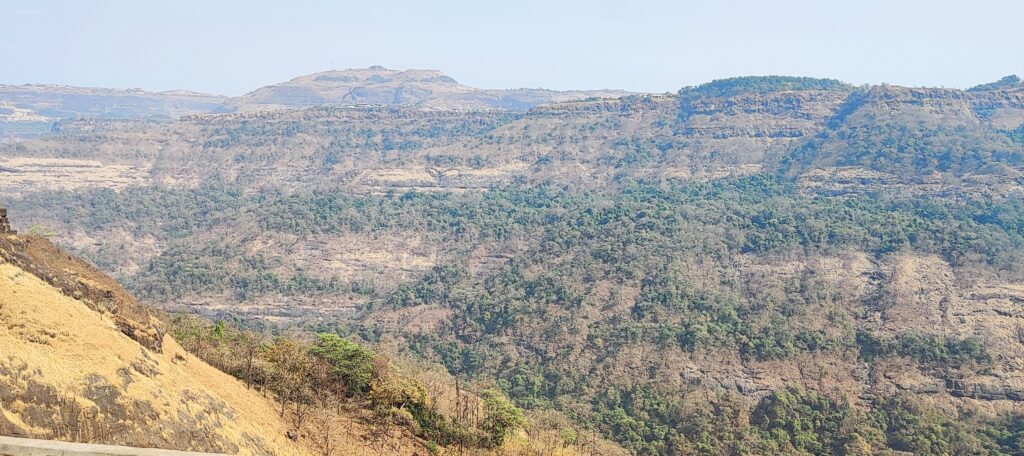
While the asteroid impact theory remains the dominant explanation for dinosaur extinction, scientists have identified another major geological event occurring simultaneously: the Deccan Traps eruptions in what is now India. These massive volcanic eruptions began before the asteroid impact and continued afterward, releasing enormous volumes of lava and greenhouse gases. At their peak, the Deccan Traps may have released up to 100 times more carbon dioxide and sulfur dioxide than modern human emissions, significantly altering global climate patterns. Some paleontologists argue these eruptions created environmental stresses that were already affecting dinosaur populations before the asteroid struck. The temporal overlap between these eruptions and the terminal extinction event suggests dinosaurs may have been facing deteriorating conditions well before the final catastrophe.
Climate Fluctuations in the Late Cretaceous

The last few million years of the Cretaceous period show evidence of significant climate fluctuations that could have stressed dinosaur ecosystems. Ice core data and geological records indicate that temperatures may have dropped by several degrees in some regions, followed by warming periods, creating unstable environmental conditions. Marine sediment records suggest sea levels were changing rapidly during this time, which would have affected coastal habitats where many dinosaur species lived. Plant fossil evidence indicates shifting vegetation patterns that would have disrupted herbivorous dinosaur feeding strategies and, by extension, the carnivores that preyed upon them. These climate oscillations may have placed additional pressure on dinosaur populations, potentially reducing their resilience to catastrophic events.
Biodiversity Signals: Were Dinosaurs Already Declining?
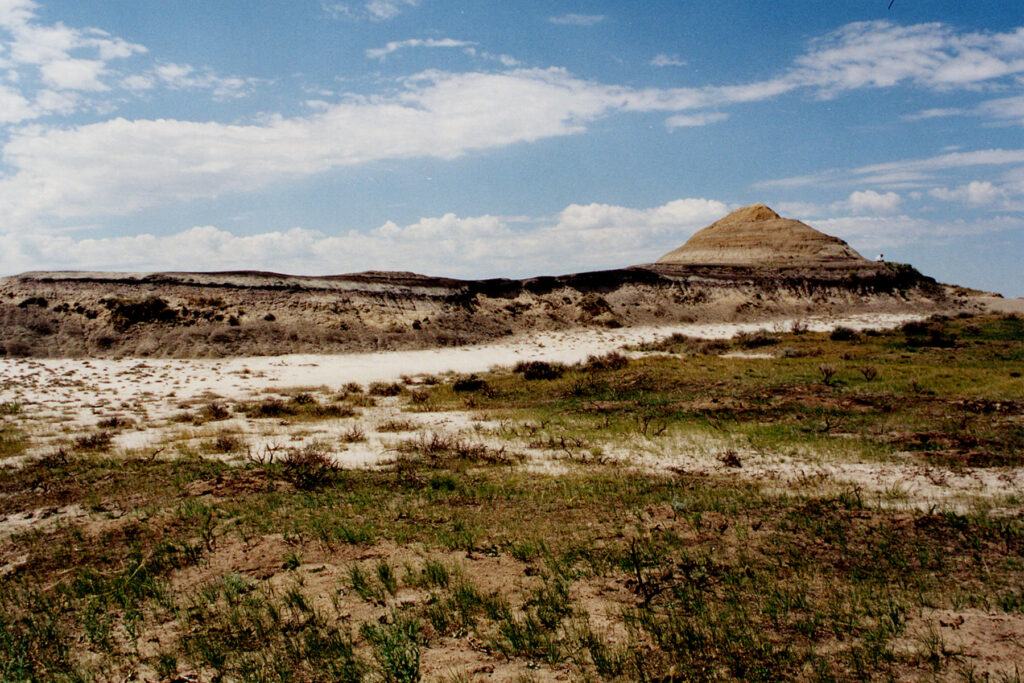
The fossil record from the late Maastrichtian stage (the final age of the Cretaceous period) has been intensely scrutinized for evidence of dinosaur decline before the extinction event. Some studies suggest dinosaur diversity was already decreasing in certain regions, with fewer new species evolving and existing ones becoming more specialized. In North America’s Hell Creek Formation, research has indicated potential decreases in dinosaur diversity during the final million years before the extinction. However, this pattern is not consistent globally, with other regions showing stable or even increasing dinosaur diversity right up to the K-Pg boundary. This geographical variation makes it difficult to determine whether dinosaurs as a whole were experiencing decline or simply undergoing regional ecological shifts.
Ecosystem Fragility: The Food Web Perspective
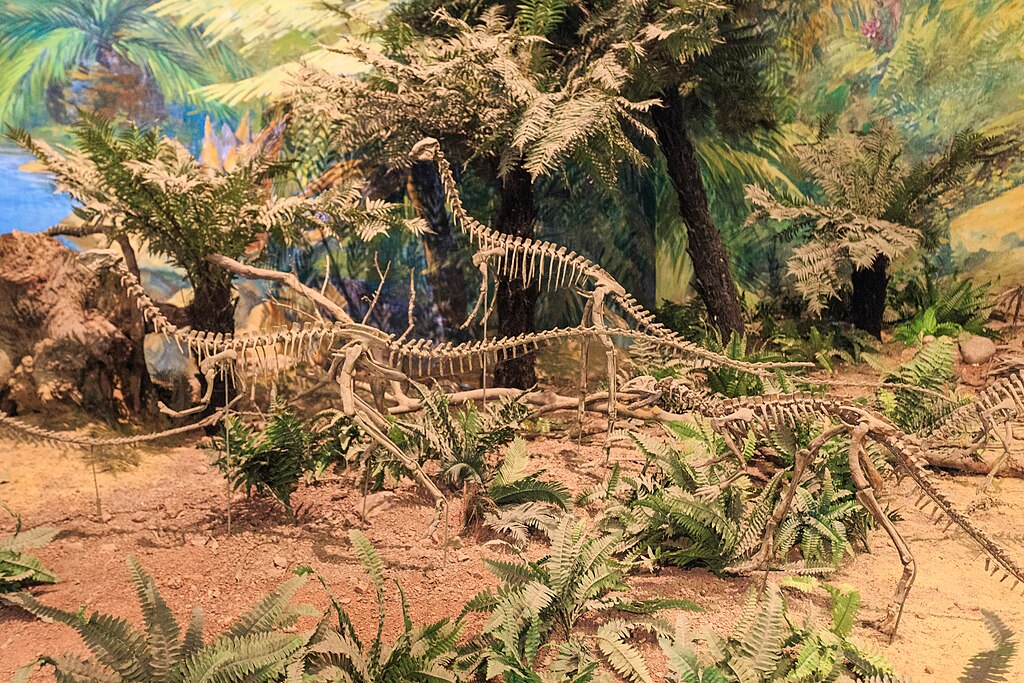
Paleontological research increasingly suggests that Late Cretaceous ecosystems may have been developing vulnerabilities that made them less resilient to catastrophic disturbance. Food web analyses show that dinosaur-dominated ecosystems had become highly specialized, with intricate interdependencies between species. Such specialized systems are typically more vulnerable to disruption than generalized ones. Evidence from plant fossils indicates changing patterns in vegetation that might have stressed herbivorous dinosaurs, creating cascading effects throughout the food web. Additionally, the presence of apex predators like Tyrannosaurus rex represented the culmination of specialized predatory adaptations that required stable prey populations to sustain. These complex ecological relationships may have created systemic fragilities that made dinosaur ecosystems particularly susceptible to collapse when faced with rapid environmental change.
Fossil Evidence of Stress: What the Bones Reveal

Direct evidence from dinosaur fossils provides some tantalizing clues about potential stresses experienced before extinction. Some studies have identified increased rates of developmental abnormalities and pathologies in dinosaur remains from the very latest Cretaceous, possibly indicating environmental stressors affecting growth and health. Analysis of growth rings in dinosaur bones suggests changes in growth patterns in some species, potentially reflecting responses to altered resource availability or climate conditions. Tooth wear patterns in herbivorous dinosaurs from the final stages of the Cretaceous sometimes show changes that might indicate shifts in diet or food quality. Though none of these signals definitively prove dinosaurs were in decline, they suggest that at least some populations may have been experiencing environmental challenges before the asteroid impact.
Marine Ecosystem Changes
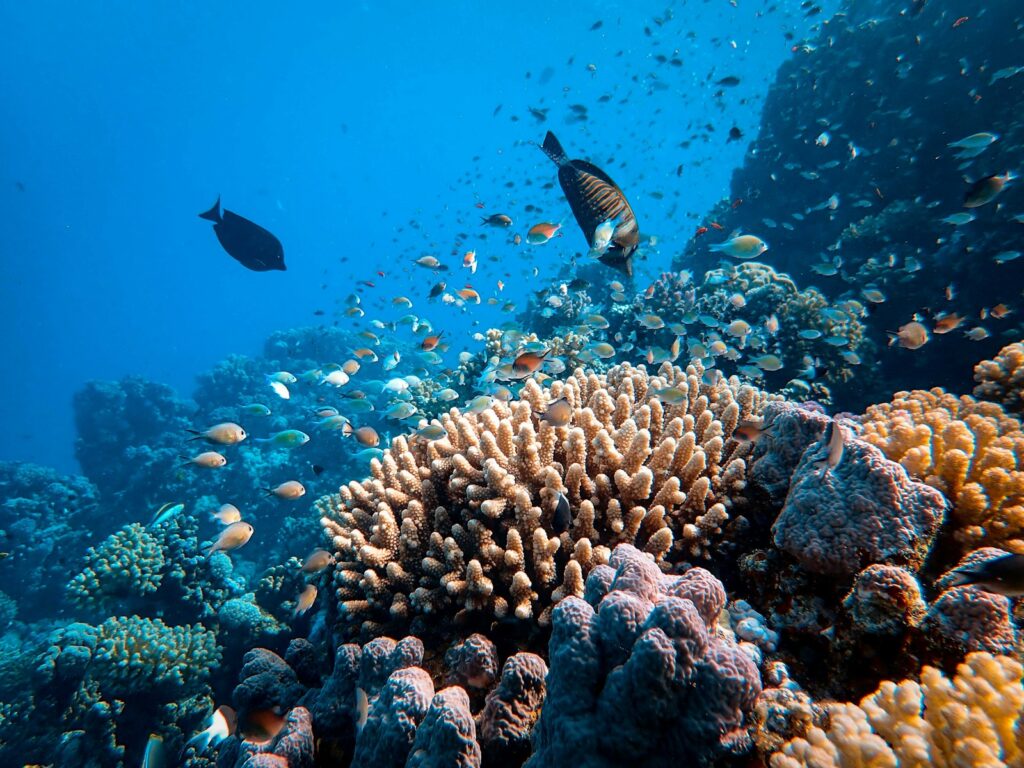
The marine realm provides some of the clearest evidence for ecosystem stress preceding the K-Pg extinction event. Ocean sediment cores show significant changes in marine plankton communities during the last few million years of the Cretaceous, with shifts in species composition and occasional bloom-and-bust cycles. Changes in ocean chemistry, including evidence of acidification events and oxygen depletion in some regions, suggest environmental instability that would have affected marine food webs. While dinosaurs themselves were terrestrial (except for avian species), these marine changes would have affected coastal ecosystems where many dinosaur species lived. Additionally, such marine ecosystem disruptions often reflect broader global environmental changes that would have had parallel effects on land.
Geographic Variation in Extinction Patterns
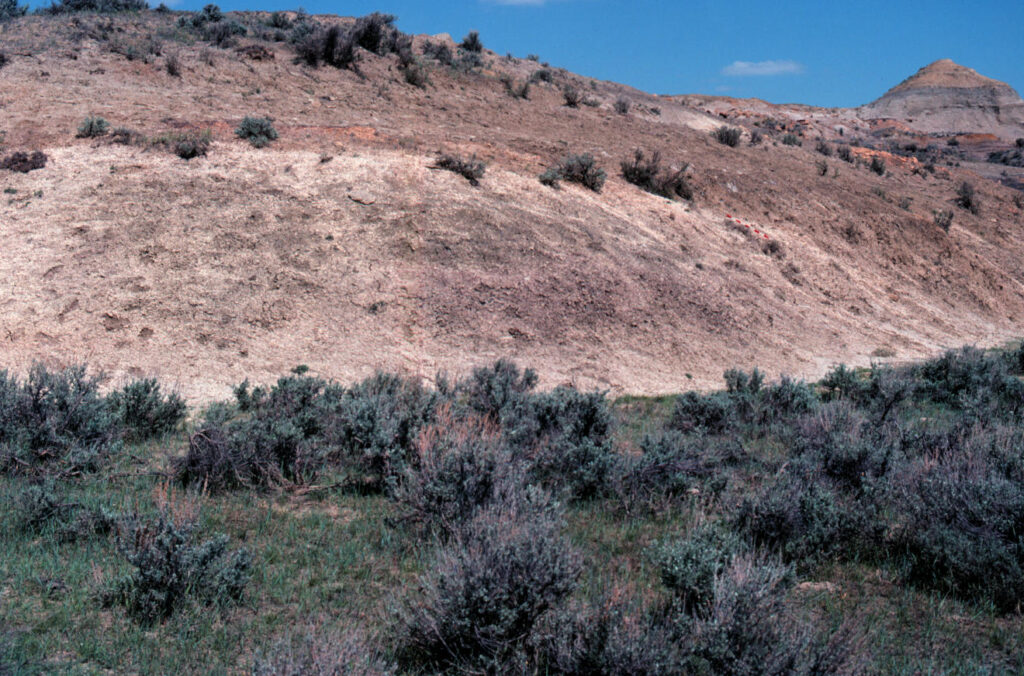
One of the most interesting aspects of the dinosaur extinction is the evidence for geographic variation in how and when species disappeared. Fossil records from different continents show somewhat different patterns of dinosaur diversity leading up to the K-Pg boundary. North American sites like the Hell Creek Formation show potential diversity declines in the final million years, while Asian sites may have maintained more stable dinosaur communities. European fossil assemblages suggest possible habitat fragmentation affecting dinosaur populations before the extinction event. These regional differences could indicate that dinosaurs were experiencing different levels of environmental stress in different parts of the world, possibly related to variable impacts of climate change or volcanic effects from the Deccan Traps. This geographic variation complicates the extinction narrative but might help explain contradictory evidence about whether dinosaurs were declining before the asteroid impact.
The Final Years: Could Dinosaurs Sense Danger?
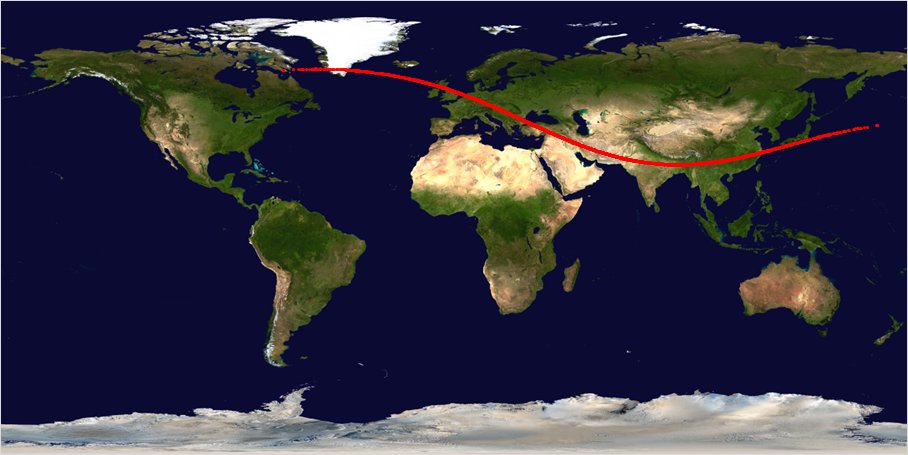
In the most literal sense, dinosaurs almost certainly could not “see it coming” in terms of anticipating the asteroid impact. However, they might have experienced environmental changes in the final thousands or hundreds of years before the impact. The Deccan Traps eruptions would have produced visible atmospheric effects, including unusual sunsets, acid rain, and potentially cooler temperatures in some regions. Plants would have shown stress responses to changing conditions, potentially affecting food availability for herbivorous dinosaurs. Some evidence suggests increased volcanic ash and aerosols in the atmosphere in the time leading up to the impact, which would have created unusual atmospheric conditions. While dinosaurs couldn’t comprehend the concept of extinction, individuals might have experienced deteriorating conditions that affected migration patterns, breeding success, or food availability.
Ecosystem Recovery: What It Reveals About Pre-Impact Conditions

The pattern of ecosystem recovery after the extinction event provides indirect evidence about pre-impact conditions. The selective nature of the extinction, where certain groups survived while others perished, suggests potential pre-existing vulnerabilities in the extinct groups. The relatively rapid recovery of some ecosystems in the early Paleogene period indicates that certain components of the biosphere remained resilient despite the catastrophe. Interestingly, the groups that survived and later thrived (including birds, mammals, and crocodilians) tended to be more generalist species with broader diets and habitat requirements. This pattern supports the hypothesis that Late Cretaceous ecosystems may have been becoming increasingly specialized and therefore vulnerable to disruption. The “empty niche” effect, where surviving species rapidly diversified to fill ecological roles previously occupied by dinosaurs, demonstrates how the extinction created evolutionary opportunities that may have been limited in the specialized ecosystems of the Late Cretaceous.
Modern Analogues: Lessons from Contemporary Extinctions
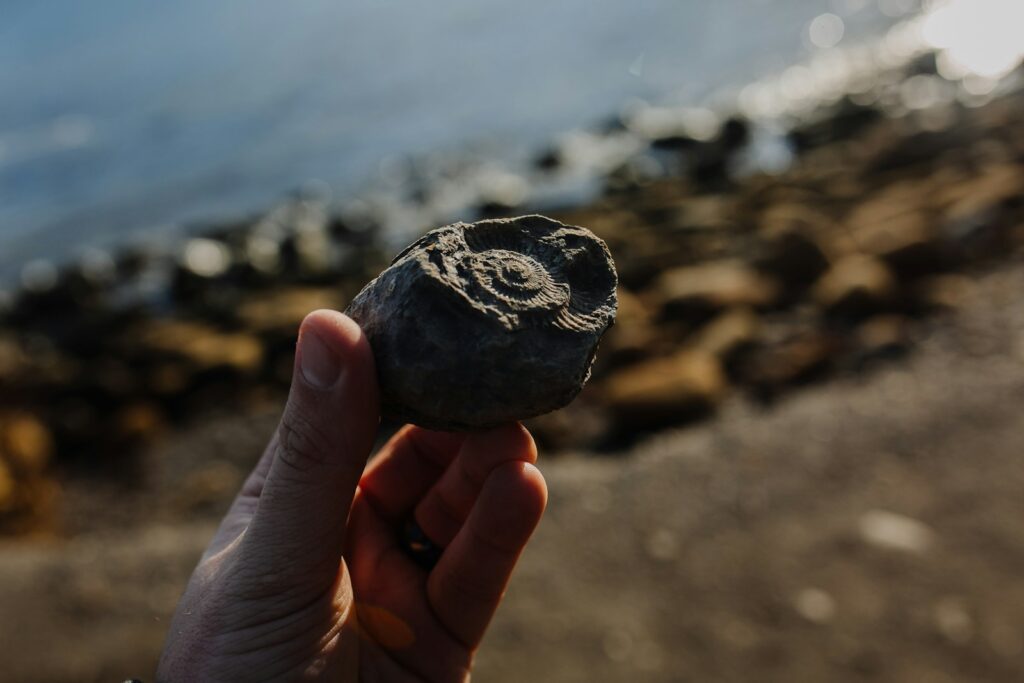
Modern extinction and near-extinction events provide valuable insights into how animal populations respond to environmental stress before collapse. Studies of contemporary species show that populations often display warning signs before collapse, including decreased reproductive success, shrinking geographic ranges, and increased susceptibility to disease. Population genetics research demonstrates that species can experience “extinction debt,” where populations persist for generations despite having crossed a threshold that makes their eventual extinction inevitable without intervention. Conservation biology has identified early warning signals in ecosystem dynamics that often precede major transitions or collapses. These modern observations suggest that if dinosaur populations were under stress before the asteroid impact, they might have displayed similar warning signs that could potentially be detected in the fossil record with sufficiently detailed analysis.
New Research Technologies Revealing Hidden Signals
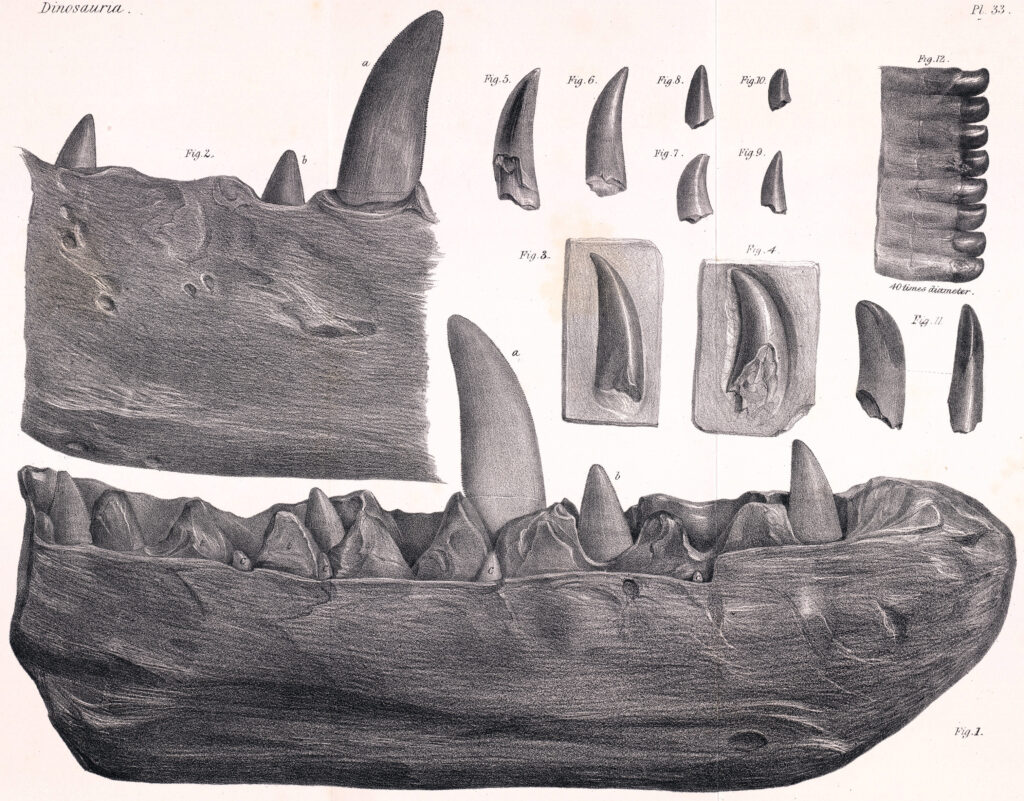
Emerging technologies are providing unprecedented insights into the final chapter of the dinosaur era. Advanced isotope studies can now reveal fine-scale climate changes by analyzing fossil teeth, eggshells, and soil samples from the latest Cretaceous. High-resolution CT scanning allows paleontologists to examine internal bone structures for signs of metabolic stress without damaging precious fossils. DNA extraction techniques, although not applicable to dinosaurs themselves, can analyze ancient environmental DNA from sediments to reconstruct ecosystem composition and changes. Computer modeling has become sophisticated enough to simulate global climate patterns during the Late Cretaceous with increasing accuracy, helping scientists understand the environmental conditions dinosaurs experienced. These technological advances are gradually filling in the picture of the dinosaurs’ final years and may eventually resolve the question of whether they experienced warning signs before their extinction.
The Complexities of Mass Extinction

As our understanding of the K-Pg extinction event has evolved, scientists increasingly recognize that major extinction events rarely have simple, single causes. Rather than viewing the dinosaur extinction as solely the result of an asteroid impact or volcanic activity, many paleontologists now favor a multiple-hit hypothesis where several stressors combined to drive extinctions. The fossil record suggests that throughout Earth’s history, major extinction events typically occur when ecosystems face multiple simultaneous challenges that overwhelm their adaptive capacity. The Late Cretaceous appears to have featured several potential stressors, including climate fluctuations, volcanic activity, and finally the asteroid impact, creating what some researchers call a “perfect storm” for extinction. This perspective suggests that dinosaurs might indeed have experienced preliminary signs of ecological stress, with the asteroid delivering the final, decisive blow to already vulnerable ecosystems.
Early Warning Signs Before the Dinosaurs’ Extinction
The question of whether dinosaurs saw their extinction coming remains partially unresolved, but the evidence increasingly points to a complex scenario where the asteroid impact occurred against a backdrop of environmental changes and potential ecosystem stress. While dinosaurs themselves couldn’t comprehend their impending fate, the fossil record suggests some populations may have been experiencing challenges in the lead-up to the final catastrophe. The dinosaur extinction serves as a profound reminder of how even the most successful groups of organisms can be vulnerable to environmental change, particularly when multiple stressors coincide. As research continues with ever more sophisticated methods, we may eventually develop a clearer picture of the dinosaurs’ final chapter and determine just how much warning, if any, they had before their 160-million-year reign came to an end.