

Dinosaurs dominated Earth for over 165 million years, yet our understanding of their sensory capabilities and cognitive abilities remains limited. Recent paleontological advances, however, have begun to unlock new insights by focusing on an often-overlooked feature: their noses. The nasal passages and olfactory bulbs of dinosaurs provide critical clues about how these ancient creatures experienced their world. Through careful examination of fossil evidence, advanced imaging techniques, and comparative studies with modern animals, scientists are reconstructing the sensory landscapes of dinosaurs and concluding their behavioral complexity. This article explores the fascinating relationship between dinosaur nasal anatomy and what it reveals about their intelligence and sensory capabilities.
The Anatomy of Dinosaur Noses
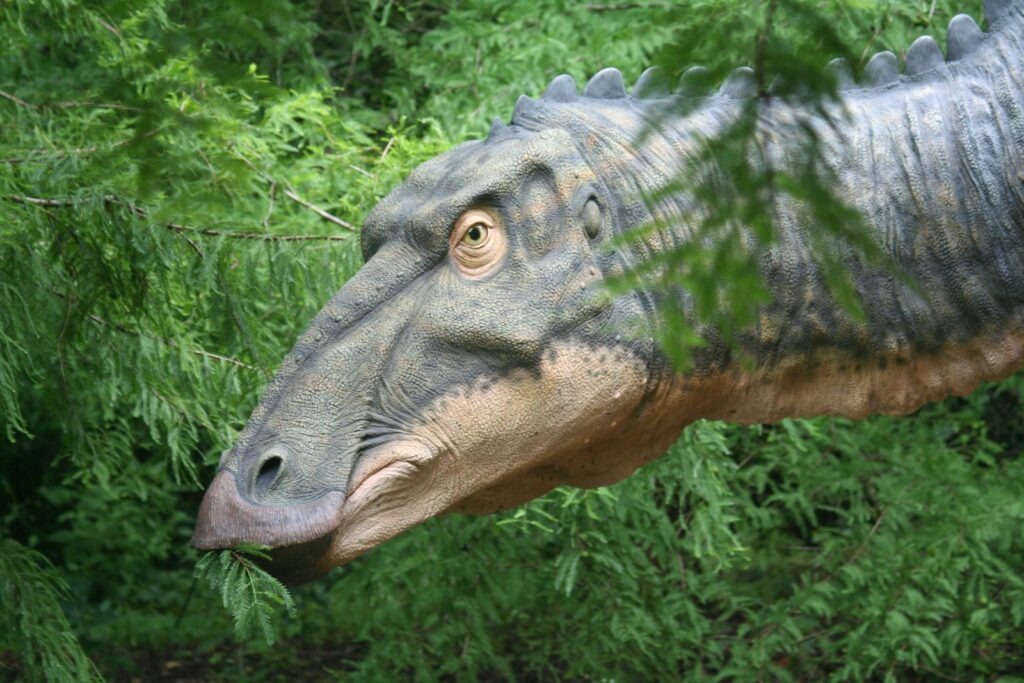
Dinosaur nasal passages were remarkably diverse, reflecting the wide variety of ecological niches these animals occupied throughout their evolutionary history. Unlike the simple nostrils we might imagine, many dinosaurs possessed complex nasal cavities with elaborate internal structures, including turbinates (thin, bony plates) and conchae (scroll-like structures) that helped warm and humidify inhaled air. These structures also significantly increased the surface area available for the olfactory epithelium, tissue containing smell receptors. CT scanning of well-preserved fossils has revealed that some dinosaurs, particularly theropods like Tyrannosaurus rex, had extensive olfactory regions, suggesting they possessed a keen sense of smell. The relative size and complexity of these nasal chambers varied considerably between herbivorous and carnivorous species, with predatory dinosaurs typically showing more developed olfactory systems, likely an adaptation for detecting prey over considerable distances.
The Olfactory Bulb: Window to Dinosaur Intelligence
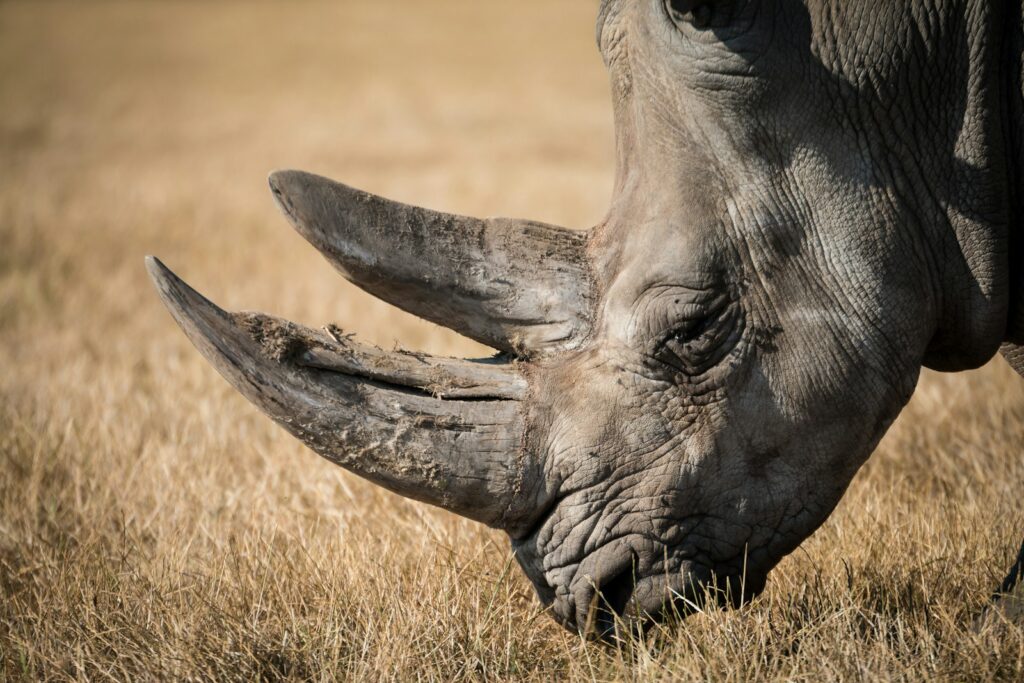
The olfactory bulb—the part of the brain responsible for processing smells—provides critical insights into dinosaur sensory capabilities. Paleontologists can estimate the size of this structure by examining endocasts (natural molds of the brain cavity) or through CT scans of well-preserved skulls. A larger olfactory bulb relative to total brain size generally indicates a more developed sense of smell. Tyrannosaurs and other large theropods possessed remarkably large olfactory bulbs, suggesting smell was crucial to their hunting strategies. This neuroanatomical feature has important implications for intelligence, as complex sensory processing requires sophisticated neural networks. The relationship between olfactory capabilities and cognitive complexity is well-documented in living animals, where keen scent detection often correlates with problem-solving abilities, spatial awareness, and memory—all indicators of intelligence. By analyzing these structures, scientists gain valuable clues about the cognitive potential of different dinosaur species.
Modern Analogues: What Living Animals Teach Us

To interpret fossil evidence accurately, paleontologists rely heavily on comparative studies with extant animals, particularly birds (modern dinosaur descendants) and crocodilians (the closest living relatives to the dinosaur-bird lineage). Birds have retained many aspects of dinosaur brain organization while adapting to flight, providing valuable insights into sensory evolution. Crocodilians, meanwhile, represent a more conservative evolutionary path and may better reflect ancestral conditions in some respects. Both groups demonstrate how olfactory capabilities shape behavior and cognitive traits. For instance, vultures use their sense of smell to locate carrion from great distances, while alligators employ scent detection for hunting, territorial behavior, and identifying potential mates. By examining the relationship between nasal anatomy, brain structure, and behavior in these living relatives, scientists can make more informed interpretations about extinct dinosaurs’ sensory worlds. This comparative approach helps establish a framework for understanding how nasal structures translated to real-world capabilities in prehistoric ecosystems.
Theropod Hunters: Smell-Driven Predators

Among dinosaurs, carnivorous theropods appear to have possessed some of the most sophisticated olfactory systems, rivaling or exceeding those of modern scent-oriented mammals. Tyrannosaurus rex, in particular, had an enormous olfactory bulb relative to its brain size, suggesting it relied heavily on smell for hunting. This sensory adaptation likely allowed it to detect carrion or wounded prey from considerable distances, perhaps even tracking prey through scent trails. Other theropods like Velociraptor and Allosaurus also show evidence of well-developed olfactory capabilities, though not as extreme as T. rex. These adaptations make sense from an ecological perspective, as efficient predation requires the ability to locate prey, sometimes in complex environments like forests where visual detection would be limited. This smell-oriented hunting strategy implies these dinosaurs possessed not just raw sensory input but the neural processing power to interpret complex olfactory information, navigate based on scent gradients, and make decisions about pursuing or abandoning potential prey—all cognitive tasks requiring significant intelligence.
Herbivore Noses: Selective Senses
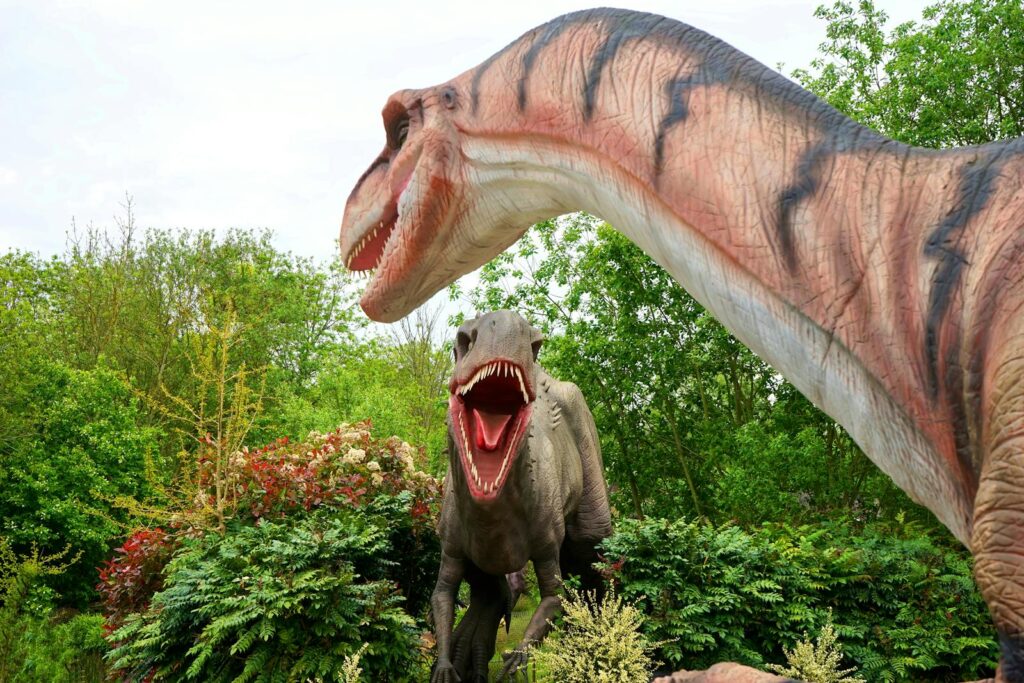
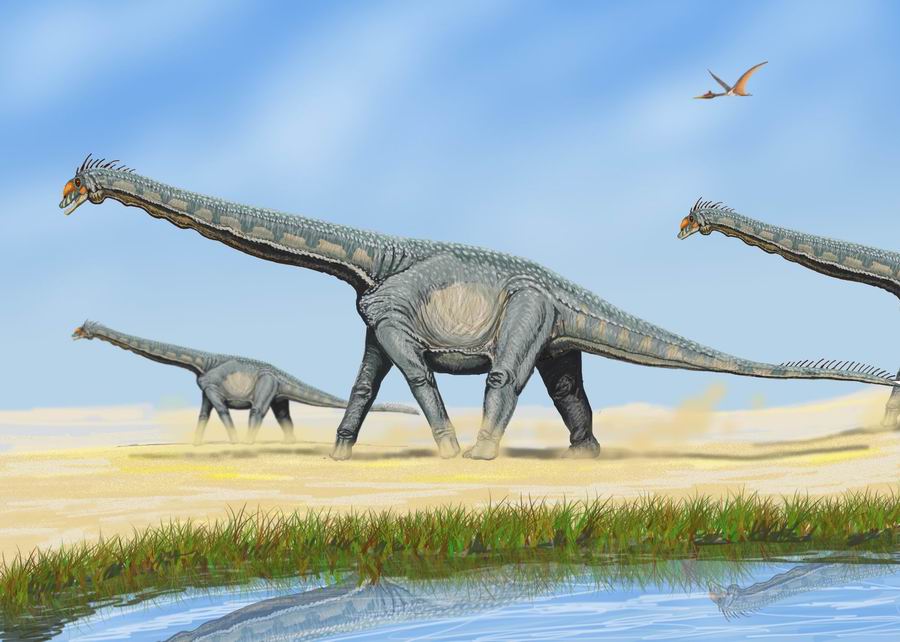
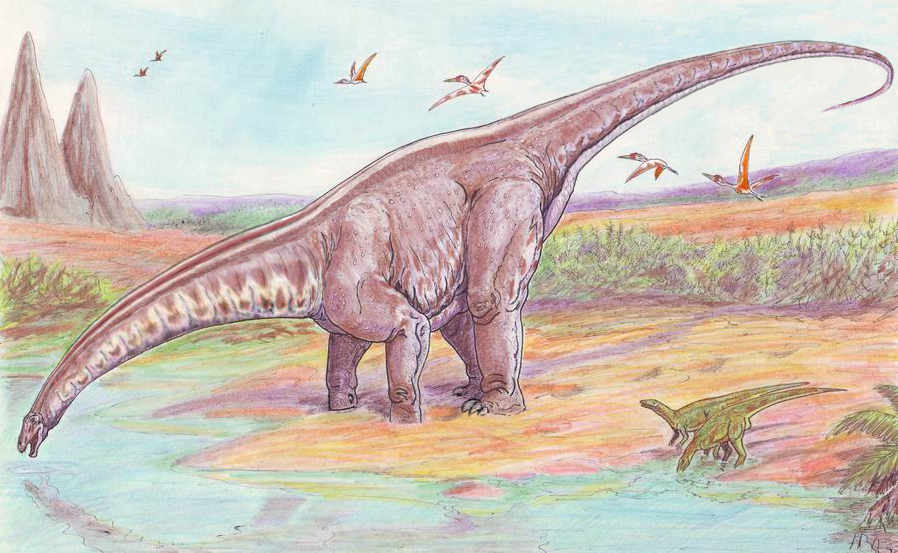
Plant-eating dinosaurs faced entirely different selective pressures than their carnivorous counterparts, resulting in distinctive nasal adaptations. Many herbivorous dinosaurs, particularly sauropods and some ornithischians, possessed relatively smaller olfactory bulbs compared to their overall brain size. This suggests smell, while still important, may have played a less dominant role in their sensory toolkit. However, these dinosaurs likely used their sense of smell in more specialized ways, such as discriminating between toxic and nutritious plants, detecting the ripeness of fruits, or identifying mineral-rich soils for consumption. Hadrosaurs (duck-billed dinosaurs) developed particularly elaborate nasal passages that formed resonating chambers, potentially serving dual functions for vocalization and olfaction. Ceratopsians like Triceratops had large nasal cavities that may have enhanced their ability to detect predators through scent. These adaptations reflect the complex ecological roles herbivores played and suggest that even dinosaurs with relatively smaller olfactory regions still possessed sophisticated sensory capabilities tailored to their specific environmental challenges.
Airflow and Respiration: Beyond Just Smell

Dinosaur nasal passages served crucial respiratory functions beyond simply detecting odors. Advanced computational fluid dynamics studies have revealed how air moved through these complex passages, providing insights into breathing efficiency and thermoregulation. Many dinosaurs possessed convoluted nasal passages that created turbulent airflow, allowing more efficient heat and moisture exchange. This adaptation would have been particularly important for large dinosaurs like sauropods, which needed to manage heat retention and loss effectively. In some species, nasal passages formed elaborate loops and chambers that likely functioned as heat exchangers, cooling blood flowing to the brain while warming incoming air. These respiratory adaptations reflect sophisticated evolutionary solutions to physiological challenges and point to complex internal regulation systems. The dual optimization of respiratory efficiency and sensory capability within the same anatomical structure represents a remarkable evolutionary compromise and suggests dinosaurs possessed highly integrated physiological systems requiring substantial neural control—another indirect indicator of cognitive sophistication.
Nasal Crests and Social Signaling
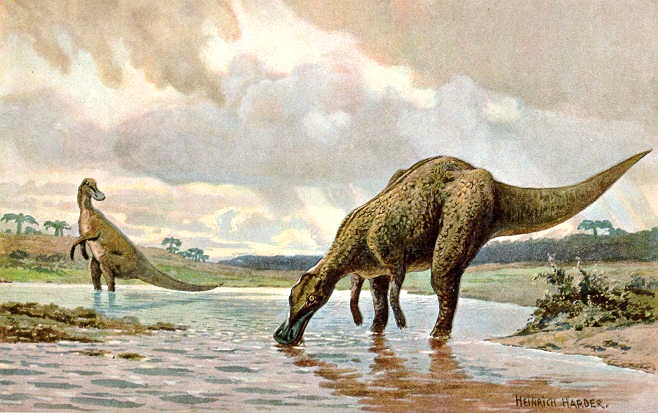
Many dinosaur species, particularly hadrosaurs and some theropods, possessed elaborate nasal crests that served purposes beyond respiration or olfaction. These structures likely played important roles in visual and acoustic signaling for social interactions. Parasaurolophus, with its dramatic tubular crest containing extended nasal passages, could produce distinctive low-frequency sounds by passing air through these chambers. Such adaptations suggest these dinosaurs engaged in complex social behaviors requiring sophisticated communication. The investment in developing and maintaining these elaborate structures indicates strong selection pressure for effective signaling, implying rich social environments where individuals recognized one another, established hierarchies, coordinated group activities, and participated in mating displays. The neural capacity required to engage in such complex social interactions typically correlates with higher cognitive functions in modern animals. Additionally, the integration of sensory capabilities with social signaling through the same anatomical structures demonstrates the multifaceted nature of dinosaur adaptation and suggests their behavioral complexity may have exceeded what fossilized bones alone might indicate.
Temperature Regulation and the Brain

Dinosaur nasal passages played a critical role in protecting their brains from temperature extremes. Studies of nasal blood vessel impressions in fossil skulls reveal sophisticated countercurrent heat exchange systems similar to those in modern birds and mammals. As air passed through the convoluted nasal passages, it would either warm or cool blood flowing through nearby vessels before that blood reached the brain. This mechanism helped maintain optimal brain temperature regardless of environmental conditions or physical exertion. Such thermoregulatory precision is typically associated with endothermic (warm-blooded) animals that maintain high metabolic rates and require stable brain temperatures for optimal neural function. The presence of these adaptations in dinosaurs suggests many species maintained active lifestyles with correspondingly high cognitive demands. Furthermore, the metabolic investment required to maintain brain temperature indicates dinosaur brains were valuable enough to protect, implying these organs provided significant survival advantages through enhanced sensory processing, coordination, memory, and decision-making—all hallmarks of considerable intelligence.
Vomeronasal System: Chemical Detection Beyond Smell

Beyond conventional olfaction, evidence suggests some dinosaurs possessed a vomeronasal organ (VNO)—a secondary chemical detection system specialized for detecting pheromones and other non-volatile molecules. This sensory system, distinct from general smell, plays crucial roles in many modern reptiles for detecting reproductive status, territorial markers, and prey chemicals. Subtle impressions in the palate regions of some dinosaur fossils indicate spaces where this organ may have resided. Particularly well-developed in many theropods, this chemical detection system would have provided dinosaurs with an additional sensory channel for gathering information about their environment and conspecifics. The presence of a vomeronasal system implies that dinosaurs likely engaged in complex chemical communication, using pheromones to coordinate reproductive behaviors, establish territories, or identify family groups. Such specialized chemical communication requires sophisticated neural processing to interpret the signals and integrate them with other sensory information—another indicator that dinosaurs possessed substantial cognitive capabilities beyond what might be expected of “primitive” reptiles.
Evolutionary Changes in Nasal Structure

The fossil record reveals fascinating evolutionary trends in dinosaur nasal anatomy across the Mesozoic Era. Early dinosaurs typically possessed relatively simple nasal passages, but these structures became increasingly complex in later lineages. This evolutionary progression suggests increasing selection pressure for enhanced sensory capabilities and physiological efficiency. Particularly notable is the parallel evolution of elaborate nasal structures in multiple unrelated dinosaur groups, indicating strong adaptive advantages to these features. The transition from basal theropods to birds shows a remarkable conservation of basic nasal architecture despite dramatic changes in overall body plan and lifestyle. As non-avian dinosaurs evolved toward the avian body plan, their olfactory capabilities experienced varying trajectories—some lineages emphasized visual processing at the expense of smell, while others maintained keen olfactory abilities. These diverse evolutionary paths reflect the remarkable adaptability of dinosaur sensory systems and their ability to specialize for particular ecological niches. The repeated independent evolution of complex nasal structures across the dinosaur family tree speaks to the importance of sophisticated sensory processing for survival in diverse Mesozoic environments.
Limitations of Fossil Evidence
Despite remarkable advances in paleontological techniques, significant challenges remain in reconstructing dinosaur sensory capabilities from fossil evidence. Soft tissues rarely preserve, meaning scientists must infer much about nasal function from bony structures alone. While brain endocasts provide valuable information about the size and general shape of brain regions, they cannot reveal internal neuronal organization or connection patterns crucial for understanding cognitive processing. Furthermore, taphonomic processes (changes occurring during fossilization) can distort anatomical structures, potentially leading to misinterpretations. Sampling bias also presents challenges, as well-preserved skulls suitable for detailed nasal cavity analysis represent only a tiny fraction of dinosaur species that ever existed. Additionally, without direct behavioral observations, connecting anatomical features to specific sensory capabilities involves considerable inference based on modern analogues that may not perfectly match extinct forms. Despite these limitations, the combined approach of comparative anatomy, functional morphology, and evolutionary analysis provides increasingly reliable insights into dinosaur sensory worlds, even if many details remain speculative.
Modern Imaging Techniques and New Discoveries

Technological advances have revolutionized our understanding of dinosaur nasal anatomy in recent decades. Computed tomography (CT) scanning allows paleontologists to visualize internal cranial structures without damaging precious fossils, revealing previously inaccessible details of nasal passages and brain cavities. Digital reconstruction techniques permit scientists to create three-dimensional models of soft tissues that are rarely preserved, based on impressions left in surrounding bone. Computational fluid dynamics modeling enables researchers to simulate airflow through reconstructed nasal passages, providing insights into respiratory efficiency and olfactory capability. Synchrotron microtomography, which uses high-powered X-rays, can reveal microscopic structure, including blood vessel pathways and nerve canals that would otherwise remain invisible. These techniques have transformed paleontology from a largely descriptive discipline to one capable of testing functional hypotheses about extinct animals. Recent applications of these technologies have revealed unexpected complexities in dinosaur nasal systems, including specialized temperature-regulating regions, directional airflow patterns similar to birds, and evidence for more extensive olfactory epithelium than previously recognized—all pointing toward sophisticated sensory capabilities and correspondingly complex neural processing.
Implications for Dinosaur Behavior and Ecology

The insights gained from studying dinosaur nasal anatomy have profound implications for understanding how these animals interacted with their environments and each other. Enhanced olfactory capabilities in predatory dinosaurs suggest they likely employed sophisticated hunting strategies, potentially including ambush techniques, scavenging optimization, or even cooperative hunting in some species. The presence of complex communication structures indicates rich social lives involving mate selection, territorial defense, and possibly age-structured social groups with knowledge transfer between generations. Species with specialized nasal structures for detecting specific plant compounds likely demonstrated selective feeding behaviors, navigating complex decisions about food quality and toxicity. Dinosaurs with thermosensitive nasal adaptations could optimize their activity patterns according to environmental conditions, suggesting that behavioral thermoregulation complemented their physiological adaptations. Perhaps most significantly, the substantial investment in sensory processing suggests dinosaurs occupied complex ecological niches requiring constant assessment of environmental variables and adaptive responses. Far from the sluggish, reflexive creatures once imagined, the evidence points toward dinosaurs as sophisticated, responsive animals whose sensory worlds and behavioral repertoires may have rivaled those of many modern mammals.
Conclusion: Beyond the Bones
The study of dinosaur nasal anatomy has progressed from simple description to sophisticated functional analysis, revealing that these ancient creatures possessed far more complex sensory capabilities than previously recognized. Their nasal passages served multiple adaptive functions—from basic respiration to sophisticated olfactory detection, thermoregulation, and social signaling. The evidence increasingly suggests many dinosaur species possessed considerable intelligence, with sensory processing capabilities and corresponding neural architecture supporting complex behaviors. As technology continues to advance, our understanding of dinosaur sensory worlds will undoubtedly deepen further. What remains clear is that dinosaurs were not simply scaled-up modern reptiles but unique organisms with specialized adaptations perfectly suited to their Mesozoic environments. Their nasal anatomies represent remarkable evolutionary solutions to diverse ecological challenges, providing a window into the sensory landscapes of creatures that dominated Earth for over 165 million years—and challenging us to reconsider traditional views about the cognitive capabilities of these fascinating animals.