

Have you ever felt like you’re walking on eggshells in your relationship, constantly questioning yourself and your reality? You’re not alone. Toxic relationships don’t announce themselves with flashing warning signs. They creep in slowly, disguised as love, concern, or even passion.
The truth is, relationships that leave you feeling drained, confused, or diminished aren’t just difficult. They’re harmful. Recognizing the can be the first step toward reclaiming your sense of self and understanding what healthy love actually looks like. Let’s explore these patterns together.
They Constantly Manipulate Your Reality Through Gaslighting

Gaslighting is a form of psychological manipulation where your partner makes you doubt your own perception of reality by denying facts, trivializing your feelings, or twisting events to make you feel confused. When you confront them about something hurtful they said, they tell you it never happened. When you express how their behavior made you feel, they insist you’re being too sensitive or imagining things.
This manipulation is especially dangerous because it undermines your confidence and makes you question your instincts, leading you to distrust your own memory or judgment. You might find yourself constantly second-guessing what you know to be true. Over time, this erosion of your sense of reality becomes a powerful control mechanism that keeps you dependent on their version of events.
Your Needs Are Perpetually Dismissed or Ignored

In a healthy relationship, both people’s needs matter equally. often makes you feel like your needs and desires are constantly on the back burner because they only focus on themselves, showing up as a refusal to compromise, a lack of empathy, and taking you for granted. You might notice that conversations always circle back to their problems, their day, their interests.
One or both partners may show little to no concern for each other’s emotional needs or struggles, resulting in dismissive behavior where your feelings are invalidated or ignored. You start to believe that your emotions don’t matter as much as theirs do. This persistent pattern can make you feel invisible in your own relationship, as if you exist only to serve their emotional requirements without any reciprocation.
They Use Criticism and Belittlement as Weapons

In toxic relationships, one or both partners may frequently criticize, belittle, or degrade the other through actions like mocking your appearance, questioning your intelligence, or dismissing your feelings. This isn’t constructive feedback aimed at helping you grow. It’s designed to make you feel smaller.
When your partner places too much focus on your imperfections, small flaws, or trivial issues, they’re nitpicking, a behavior that’s toxic because it’s driven by unreasonable expectations or a need to control. Over time, you begin to internalize these criticisms, and your self-esteem crumbles. You might find yourself constantly editing who you are, trying desperately to avoid their disapproval. The worst part? They often disguise these attacks as jokes or concern, making it harder for you to call out the harm.
Isolation From Your Support Network Becomes the Norm

People may intentionally try to keep you away from extended family and friends to separate you from people who care about you, often to obtain greater power and control over the relationship, disguised as them wanting to spend more time with you alone. They might criticize your friends, start arguments before you’re supposed to meet them, or make you feel guilty for spending time with anyone else.
Isolation is a powerful tool used by abusers and a clear sign of toxic relationships, starting subtly but eventually leading to being cut off from your support network, making you less likely to seek help or exit the relationship. Before you know it, you’ve drifted away from the people who once knew you best. You’re left feeling alone and increasingly dependent on your toxic partner for all your emotional connection.
Blame Always Lands on You, Never on Them
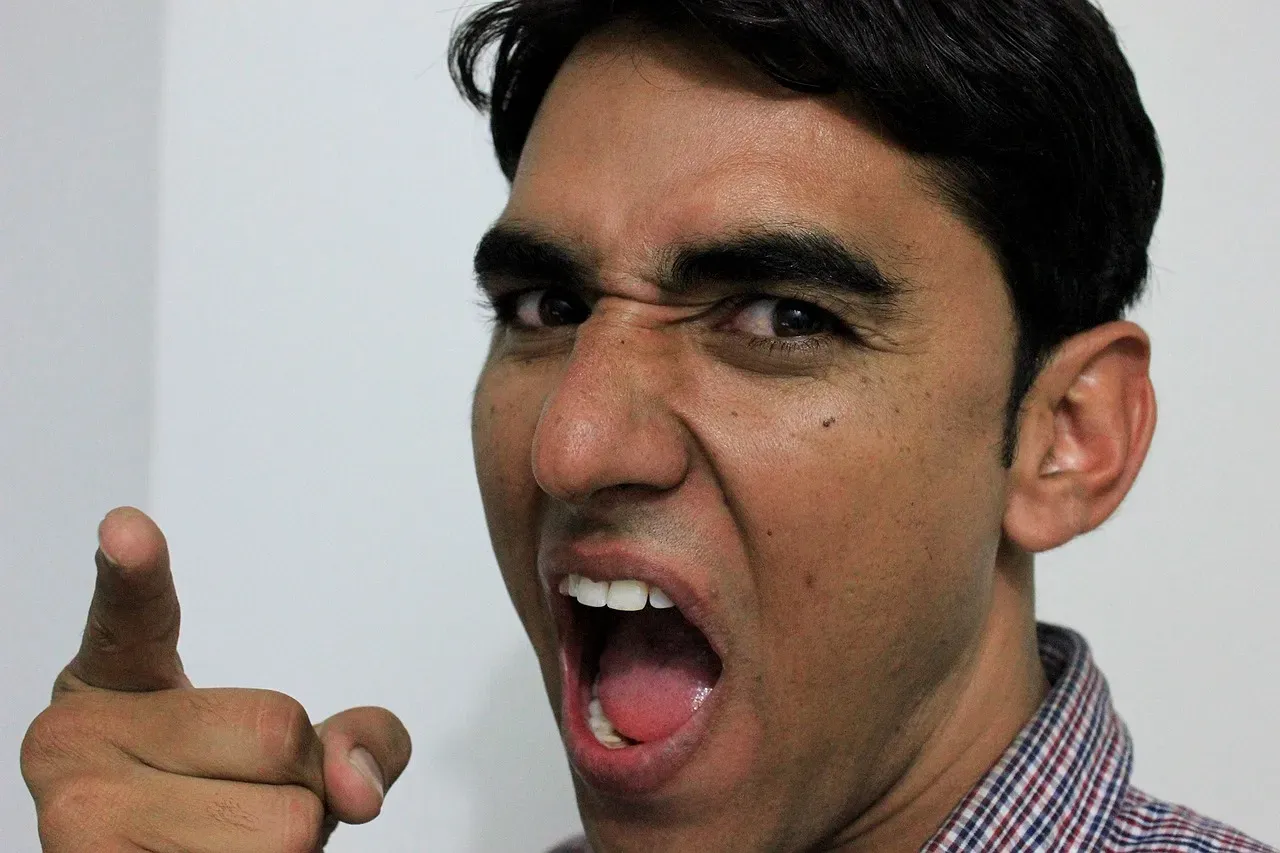
In toxic relationships, one partner may refuse to take responsibility for their actions, often blaming the other person for problems or conflicts in the relationship. When something goes wrong, it’s somehow always your fault. They twist situations to make you the villain in every scenario, no matter how unreasonable that might be.
Blame shifting is when you are upset about something and instead of taking responsibility, they turn it around on you, often coming in the form of statements like “If you wouldn’t have done that, then I wouldn’t have had to react this way.” This constant deflection leaves you feeling guilty for things you didn’t even do. You start apologizing excessively, walking on eggshells, and taking responsibility for their emotions and behaviors. Honestly, it’s exhausting and completely unfair.
Control Disguises Itself as Care and Concern

Your partner might ask where you are all the time, becoming annoyed or irritated when you don’t immediately answer texts or texting you repeatedly until you do, behaviors that might stem from jealousy or lack of trust but can also suggest a need for control. They might track your location, demand access to your phone, or question every decision you make about what you wear or where you go.
Controlling behavior can include dictating what you can wear, who you can see, where you can go, and your decisions and opinions, stripping you of autonomy and freedom, making you feel trapped and powerless. What begins as seemingly protective attention morphs into surveillance. You realize you’re no longer making your own choices because you’re too afraid of their reaction or simply too worn down to fight back.
Emotional Blackmail Keeps You Trapped

Using coercion and guilt as ways to manipulate you includes threats of self-harm or harm to yourself or your family members if you don’t behave in their desirable way, withholding of affection, or making you feel guilty for trying to draw healthy boundaries. They might threaten to leave you, hurt themselves, or ruin your reputation if you don’t comply with their demands.
This form of manipulation plays on your deepest fears and your compassion. You stay not because you want to, but because you’re terrified of what might happen if you leave. Drastic statements and exaggerated language about what the manipulator might do if you don’t fulfill their demands, or reactions like obsessively calling or messaging if you don’t answer at first, are all forms of emotional blackmail. The relationship becomes a prison built from fear rather than a partnership built from love.
Jealousy and Possessiveness Masquerade as Love

Getting intensely angry when your partner talks, touches, calls, texts, hangs out, or even sneezes near another person and then attempting to control their behavior often leads to extreme actions such as hacking into email accounts, looking through text messages, or following them around town. They frame this obsessive behavior as proof of how much they love you.
Jealousy can be more than just checking your phone or demanding to know your whereabouts; it can also manifest as heavy energy, pouting, or passive-aggressive behavior, creating tension and mistrust in the relationship. Let’s be real: love doesn’t seek to imprison. Trust is the foundation of healthy relationships, and when jealousy replaces trust, the relationship becomes suffocating. You shouldn’t have to prove your loyalty every single day.
Aggressive Behavior Creates an Atmosphere of Fear

Aggression is particularly damaging when your partner uses it on you, taking many forms including repeated patterns of verbal, emotional, and mental hostility such as yelling, throwing things, mocking, and humiliating you in front of other people. You might never know when an outburst is coming, which keeps you in a constant state of anxiety.
Anger that involves losing control of emotions in explosive outbursts often happens in an unpredictable way. This unpredictability is a control tactic in itself. You become hypervigilant, constantly monitoring their mood, adjusting your behavior to avoid triggering their rage. Living in fear is not living at all. The constant stress wears you down physically and emotionally, leaving you a shell of who you once were.
They Refuse to Communicate Openly and Honestly

Deliberately ignoring or disengaging from you can be a form of toxic relationship punishment, such as refusing to answer your questions during an argument, walking away mid-conversation, or stopping talking to you for days after a disagreement. They use silence as a weapon to punish and control you.
This behavior shows that you two are not comfortable communicating openly and clearly, as a person has no reason to be passive-aggressive if they feel safe expressing anger or insecurity within a relationship. Healthy relationships thrive on honest communication, even when it’s difficult. When your partner shuts down instead of opening up, problems never get resolved. You’re left feeling shut out, desperate for connection, and willing to compromise your own needs just to break the painful silence.
Conclusion: Your Well-Being Deserves Priority

Recognizing these behavioral traits isn’t about blaming yourself or feeling foolish for not seeing them sooner. What makes toxic relationships particularly dangerous is that they can sometimes go unnoticed or be rationalized as normal, with the toxicity being subtle and slowly intensifying over time, making it challenging to recognize the harmful effects on emotional and mental well-being.
The patterns we’ve explored here represent serious red flags that no one should tolerate in the name of love. You deserve respect, honesty, safety, and genuine care. If you’ve recognized your relationship in these descriptions, know that seeking help is a sign of strength, not weakness. Whether through therapy, support from trusted friends and family, or resources for those experiencing relationship difficulties, there are paths forward.
Your happiness matters. Your mental health matters. You matter. What aspects of your relationship have you been making excuses for? Sometimes asking ourselves the hard questions is where healing begins.