

Dinosaurs dominated Earth for over 165 million years, establishing themselves as one of the most successful groups of animals in our planet’s history. Yet their reign came to a dramatic end 66 million years ago during the Cretaceous-Paleogene (K-Pg) extinction event, which eliminated approximately 75% of all species on Earth. For decades, scientists have debated what caused this mass extinction, with two leading theories emerging: a catastrophic asteroid impact and devastating supervolcanic eruptions. Recent research suggests these cosmic and geological forces may have worked in concert, reshaping Earth’s history and setting the stage for mammals—and eventually humans—to inherit the planet. This article explores how asteroids and supervolcanoes influenced dinosaur evolution, triggered their extinction, and forever changed life on Earth.
The Rise of Dinosaur Dominance

Dinosaurs first appeared during the Triassic Period about 230 million years ago, eventually becoming Earth’s dominant land vertebrates following the Triassic-Jurassic extinction event approximately 201 million years ago. This earlier mass extinction, potentially linked to massive volcanic eruptions, eliminated many competing reptile groups and opened ecological niches that dinosaurs quickly filled. Their evolutionary adaptations—including efficient respiratory systems, lightweight skeletons, and metabolic innovations—allowed them to thrive in diverse environments across the planet. From the massive sauropods weighing up to 70 tons to agile predators like Velociraptor, dinosaurs diversified into hundreds of species occupying virtually every terrestrial ecological niche. This dominance remained unchallenged until the catastrophic events that occurred at the end of the Cretaceous Period dramatically altered the course of evolution.
Understanding Extinction-Level Events

Mass extinctions represent pivotal moments in Earth’s history when significant portions of biodiversity vanish within geologically brief timeframes. These events disrupt ecosystems, eliminate dominant species groups, and create evolutionary opportunities for survivors. The K-Pg extinction that claimed the non-avian dinosaurs ranks among the “Big Five” mass extinctions documented in the fossil record, alongside events like the end-Permian extinction that eliminated over 90% of marine species. Both asteroid impacts and supervolcanic eruptions qualify as potential extinction triggers because they can rapidly alter global environments through mechanisms including extreme temperature fluctuations, acid rain, wildfires, tsunamis, and prolonged darkness from atmospheric particulates. The resulting collapse of food webs typically affects large-bodied species with specialized diets most severely, while smaller, generalist feeders with shorter reproductive cycles often prove more resilient. Understanding these mechanisms helps explain why certain dinosaur lineages perished while others, particularly small, bird-like theropods, managed to survive.
The Chicxulub Impact: A Cosmic Catastrophe
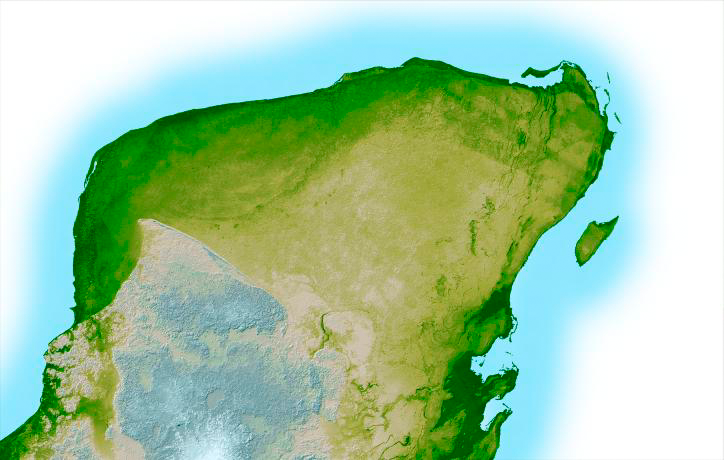
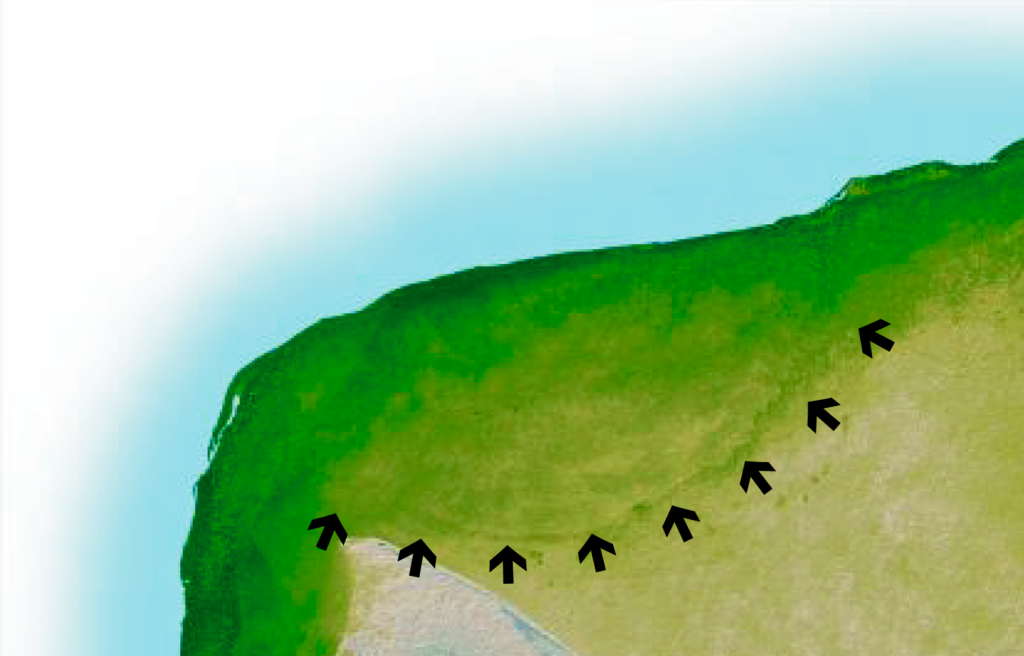
Approximately 66 million years ago, an asteroid roughly 10-15 kilometers in diameter slammed into Earth’s surface near the present-day Yucatán Peninsula in Mexico, creating what we now call the Chicxulub crater. This impact released energy equivalent to billions of atomic bombs, instantly vaporizing the asteroid and substantial portions of Earth’s crust. The collision launched tremendous amounts of debris, sulfur, and carbon dioxide into the atmosphere, triggering a cascade of catastrophic environmental effects. Evidence for this impact includes a globally distributed layer of iridium-rich clay, an element rare on Earth but common in asteroids, precisely at the K-Pg boundary. Additionally, shocked quartz crystals, microscopic spherules of melted rock, and the massive crater itself provide compelling physical evidence for this cosmic catastrophe. Recent drilling projects into the Chicxulub crater have recovered core samples showing how the impact fractured and deformed rocks kilometers deep, demonstrating the immense power that fundamentally altered Earth’s climate and ecosystems in a matter of minutes.
Immediate Aftermath of the Asteroid Impact

The immediate consequences of the Chicxulub impact were swift and devastating for life across the planet. Within minutes, the collision generated a megatsunami estimated at over 100 meters high that devastated coastal regions thousands of kilometers from the impact site. The thermal energy released ignited widespread wildfires across continents, with fossil evidence showing charcoal deposits at the boundary layer. Perhaps most significantly, the impact vaporized sulfur-rich rocks, injecting sulfate aerosols into the stratosphere that blocked sunlight and triggered a rapid global cooling phase often called “impact winter.” Computer models suggest global temperatures may have dropped by 26°C (47°F) following the impact. Photosynthesis would have essentially ceased during this period of darkness, causing the collapse of plant communities and the animal food webs they supported. Recent studies of fossil fish deposits in North Dakota suggest the impact may have occurred in springtime in the Northern Hemisphere, a particularly vulnerable season for reproduction and growth, potentially compounding its devastating effects on ecosystems worldwide.
The Deccan Traps: Earth’s Volcanic Cataclysm
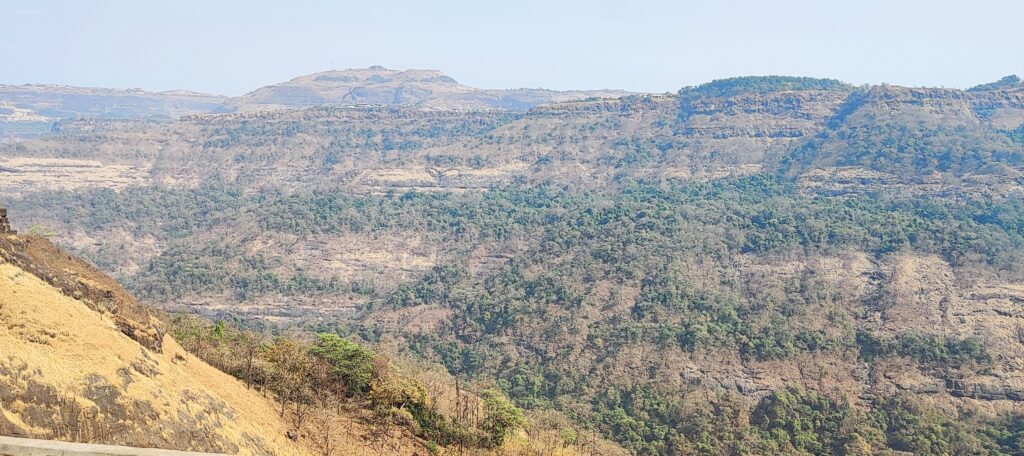
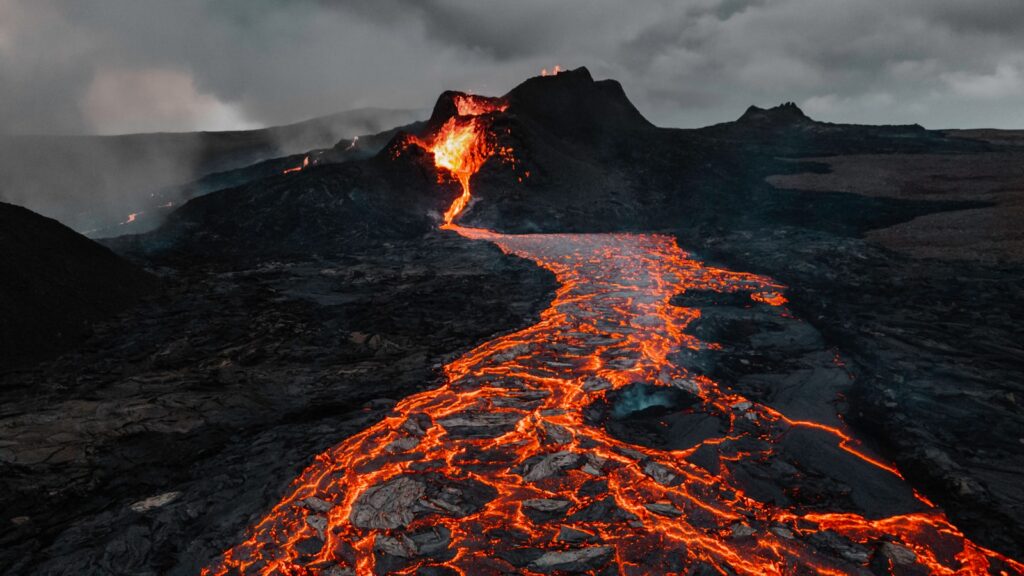
While the asteroid impact commands much attention, equally significant volcanic activity was reshaping Earth’s environment during the late Cretaceous. The Deccan Traps, located in present-day India, represent one of the largest volcanic features on Earth—a vast flood basalt province covering over 500,000 square kilometers with lava flows stacked more than two kilometers thick in places. This supervolcanic eruption system began approximately 66.3 million years ago and continued for nearly a million years, spanning the K-Pg boundary. The scale of these eruptions was immense, releasing an estimated 1.5 million cubic kilometers of lava—enough to cover the entire United States to a depth of 600 feet. More significantly for global ecosystems, these eruptions released enormous quantities of carbon dioxide, sulfur dioxide, and other greenhouse gases that would have caused severe climate fluctuations, acid rain, and ocean acidification. Recent high-precision dating methods have revealed that the most intense phase of Deccan volcanism coincided closely with the asteroid impact, suggesting a potential relationship between these catastrophic events.
Climate Chaos: How Volcanoes Altered the Cretaceous Environment

The environmental effects of the Deccan Traps eruptions would have unfolded more gradually than the asteroid impact, but proved no less devastating to dinosaur ecosystems. Each major eruptive pulse released massive quantities of sulfur dioxide and carbon dioxide, creating a complex pattern of short-term cooling followed by longer-term warming. Marine sediment records indicate multiple episodes of ocean acidification occurred during this period, stressing marine ecosystems already under pressure. Fossil evidence from late Cretaceous plants shows unusual patterns of mutation and stress, consistent with exposure to toxic volcanic gases and acid rain. Paleoclimate reconstructions suggest dinosaurs faced decades or centuries of unstable climate conditions before the asteroid impact, potentially weakening biodiversity and ecosystem resilience. Some researchers propose that volcanic warming may have driven evolutionary changes in dinosaur physiology and distribution patterns during the late Cretaceous, with species migrating toward polar regions to escape equatorial heat. This extended period of environmental stress likely placed dinosaur populations under significant pressure even before the final extinction trigger arrived from space.
The One-Two Punch Hypothesis
Recent scientific consensus increasingly favors a “one-two punch” hypothesis explaining dinosaur extinction, where Deccan volcanism and the Chicxulub impact worked in concert to overwhelm Earth’s ecosystems. This model proposes that intense volcanic activity had already destabilized global climate systems and stressed dinosaur populations when the asteroid delivered the final blow. Evidence supporting this theory includes high-precision radiometric dating showing accelerated Deccan volcanic activity following the impact, suggesting the asteroid’s seismic effects may have intensified ongoing eruptions. Paleontological studies indicate dinosaur diversity was already declining gradually in some regions during the late Cretaceous, potentially due to volcanic climate effects. Computer climate models demonstrate that the combined climate forcing from both catastrophes would have created more severe and longer-lasting environmental disruptions than either event alone. This combined effects hypothesis helps explain the selective pattern of extinction, where certain groups like birds, crocodilians, and small mammals survived while larger dinosaurs perished completely, as these survivors may have been better adapted to withstand the specific combination of environmental stresses created by both catastrophes.
Why Large Dinosaurs Were Particularly Vulnerable

The complete extinction of large-bodied non-avian dinosaurs while other reptile groups survived reflects their particular vulnerabilities to the environmental changes triggered by cosmic and volcanic catastrophes. Large dinosaurs required substantial daily food intake to maintain their metabolisms, making them especially susceptible to food web disruptions caused by the photosynthesis shutdown during the ng impact winter. Their specialized diets and feeding adaptations, highly efficient during normal conditions, became liabilities when plant communities collapsed or shifted in composition. Reproductive biology also played a crucial role in their extinction, as their relatively long generation times and intensive parental investment made population recovery difficult during rapidly changing conditions. Physiological factors likely contributed as well, with research suggesting many dinosaur lineages maintained elevated body temperatures requiring constant energy input to maintain. Computer simulations indicate that species with generation times exceeding 3-4 years faced significantly higher extinction risks during the environmental disruptions at the K-Pg boundary, regardless of their adaptive skills during normal conditions. These vulnerabilities help explain why no non-avian dinosaurs exceeding 15 kilograms in body mass survived into the Paleogene Period.
Birds: The Dinosaurs That Survived

While the K-Pg extinction eliminated all large non-avian dinosaurs, one dinosaur lineage did survive: the birds, which are technically theropod dinosaurs that evolved flight capabilities during the Jurassic Period. Their survival through this catastrophic extinction event offers important insights into the selective pressures at work. Birds possessed several critical advantages during the extinction, including small body sizes requiring less food, the ability to fly long distances to find resources, and relatively quick reproductive cycles allowing faster population recovery. Their beaked mouths could efficiently process seeds, which likely served as crucial food reserves during the period when plant productivity crashed. Recent fossil evidence suggests that ground-dwelling birds suffered higher extinction rates than forest-dwelling species, indicating that woodland habitats may have provided critical refuges. Genetic studies of modern birds indicate they experienced a significant evolutionary bottleneck corresponding with the K-Pg boundary, suggesting that only a small number of bird species survived the extinction to diversify into today’s 10,000+ bird species. Their survival represents an extraordinary evolutionary success story, with dinosaurs continuing to thrive on Earth today in the form of their avian descendants.
Mammals Seize Their Opportunity
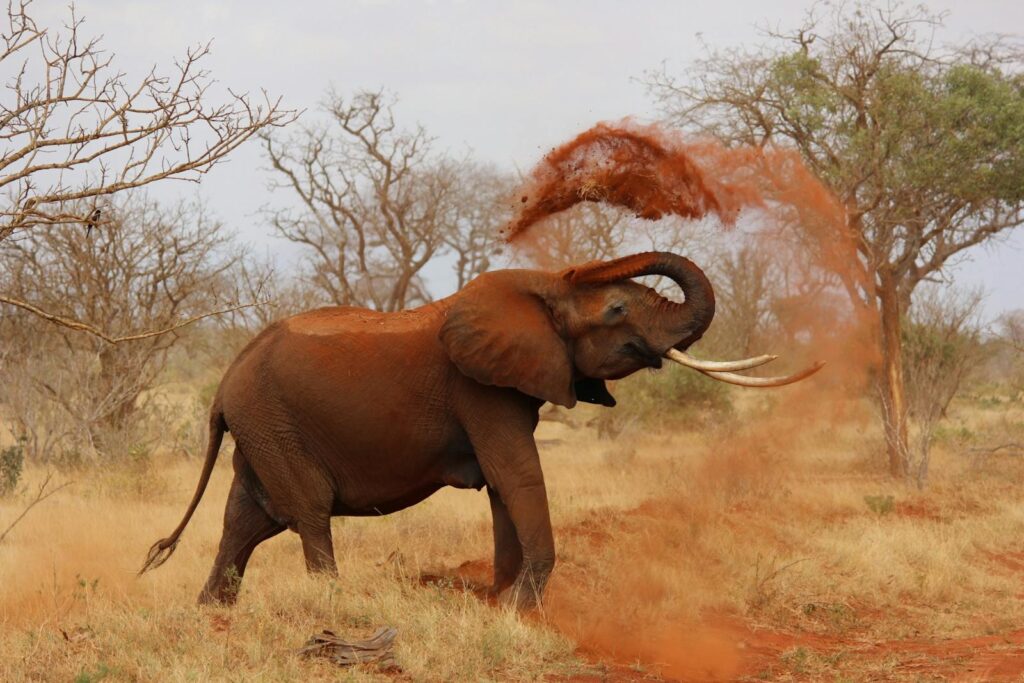
The extinction of non-avian dinosaurs created unprecedented ecological opportunities for mammals, which had existed alongside dinosaurs for over 150 million years but remained predominantly small, nocturnal, and ecologically constrained. Within just a few hundred thousand years after the K-Pg boundary—an evolutionary eyeblink—mammals began rapidly diversifying to fill vacant ecological niches. Recent fossil discoveries from sites in Colorado and New Mexico show how quickly mammals increased in body size and dietary diversity after the extinction event, with some lineages doubling in body mass within the first 300,000 years of the Paleogene. The absence of large dinosaurian predators allowed mammals to occupy daytime niches and develop increasingly specialized herbivorous adaptations without facing predation pressure from theropods. Primates, ungulates, and rodents all trace their earliest diversification to this post-extinction recovery period. This evolutionary radiation established the foundation for mammalian dominance that continues today and eventually led to the evolution of humans. Without the extinction of non-avian dinosaurs, mammals might have remained small, specialized creatures, and human evolution might never have occurred.
Could Dinosaurs Have Survived Without These Catastrophes?

The question of whether dinosaurs would have continued to thrive without the K-Pg extinction events remains one of paleontology’s most fascinating counterfactuals. Evidence from late Cretaceous ecosystems suggests dinosaurs were still highly diverse and evolutionarily innovative immediately before the extinction, with no signs of evolutionary stagnation or inherent vulnerability. New species were continuing to evolve, particularly among horned dinosaurs and duck-billed hadrosaurs, which were reaching their peak diversity just before the asteroid impact. Complex predator-prey dynamics and specialized ecological relationships indicate robust and stable ecosystems rather than declining ones. Some paleontologists speculate that continued dinosaur evolution might have produced increasingly intelligent predatory theropods, as the fossil record shows trends toward larger brain sizes in certain lineages like troodontids. Climate modeling suggests that without the extinction-causing events, dinosaurs could have adapted to the gradually cooling global climate of the early Cenozoic Era. While purely speculative, these scenarios highlight that dinosaur extinction was not evolutionarily inevitable but rather the result of extraordinarily rare catastrophic events occurring in close temporal proximity.
Modern Parallels: Asteroids and Volcanoes Today
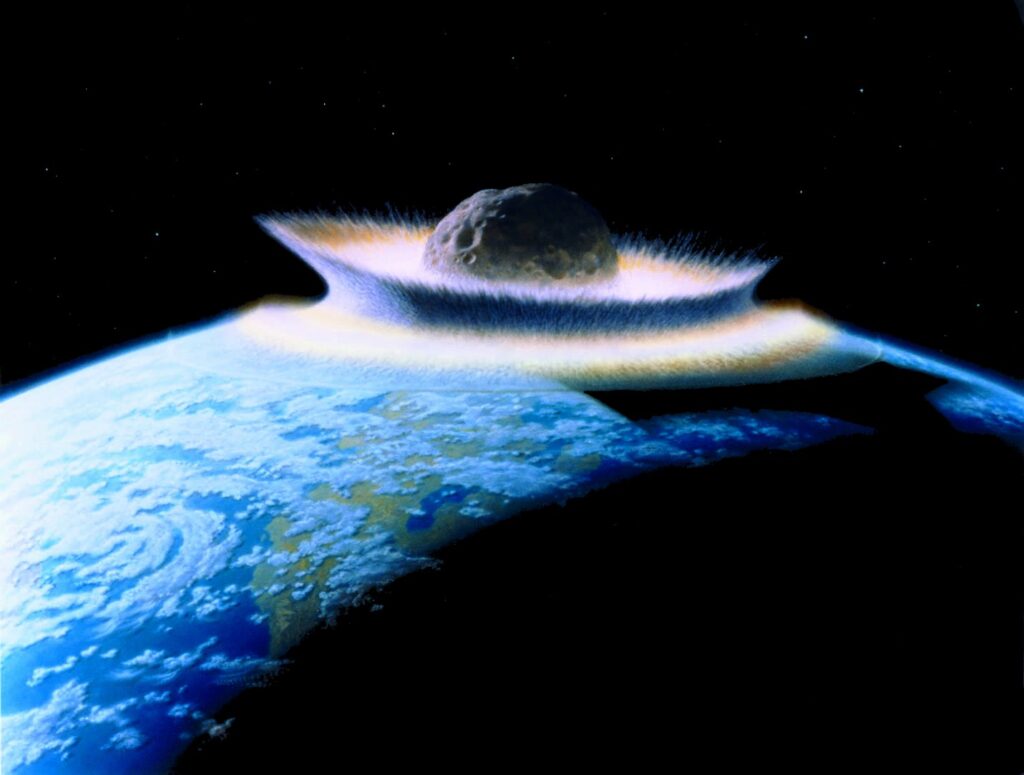
The catastrophic events that eliminated the dinosaurs provide sobering context for understanding similar threats in our modern world. Today, NASA and other space agencies actively track potentially hazardous asteroids through programs like the Planetary Defense Coordination Office, which monitors over 28,000 near-Earth objects. While current calculations suggest no immediate impact threats, ongoing discovery efforts regularly identify previously unknown asteroids, highlighting the continuing cosmic risk. Supervolcanoes remain active on modern Earth, with systems like Yellowstone, Toba in Indonesia, and Campi Flegrei near Naples representing potential eruption sites that could trigger global climate effects. Recent eruptions like 1991’s Mount Pinatubo, which temporarily cooled global temperatures by about 0.5°C, demonstrate that even moderate volcanic events can influence climate. Unlike dinosaurs, however, humans possess technology to potentially mitigate these threats through asteroid deflection capabilities currently being developed and volcanic monitoring systems that provide early warnings. The dinosaur extinction story serves as both a cautionary tale and a motivation for developing planetary defense strategies that might prevent history from repeating itself.
Extinction’s Silver Lining: How Dinosaur Disappearance Shaped Our World

While the extinction of non-avian dinosaurs represents an ecological tragedy of immense proportions, it created evolutionary opportunities that fundamentally shaped our modern world. The disappearance of dominant reptilian megafauna allowed mammals to undergo adaptive radiation, eventually producing the diverse mammalian groups, including primates, that populate Earth today. Without this evolutionary reset, humans would almost certainly never have evolved. The extinction event also shaped modern ecosystems in countless ways, from the diversification of flowering plants that co-evolved with mammalian herbivores to the development of grasslands that emerged in the post-dinosaur world. Even modern energy resources bear the imprint of this extinction, as much of our petroleum developed from marine organisms that thrived in the post-extinction oceans. Paleontological knowledge gained from studying this extinction has enhanced our understanding of evolutionary processes, ecosystem resilience, and climate dynamics. Perhaps most importantly, recognizing how contingent our existence is on this ancient catastrophe provides perspective on our place in Earth’s history and our responsibility to prevent future mass extinctions that might similarly reshape life’s trajectory on our planet.
Conclusion
The dramatic end of the dinosaur era represents one of Earth’s most compelling scientific mysteries, now largely solved through interdisciplinary research combining paleontology, geology, physics, and climate science. The evidence increasingly supports a scenario where long-term volcanic activity from the Deccan Traps weakened and stressed global ecosystems before the Chicxulub asteroid delivered a catastrophic final blow. This combination of disasters created environmental changes too extreme and rapid for large, specialized dinosaurs to survive, while providing unprecedented opportunities for the small mammals and bird-like dinosaurs that endured. The extinction story reminds us of life’s resilience and adaptability, even through Earth’s most devastating episodes. It also highlights how contingent evolutionary history is on rare catastrophic events that can redirect life’s path. As we face modern environmental challenges and potential natural disasters, the dinosaur extinction offers both warning and hope, demonstrating both life’s vulnerability to recover and diversify in the aftermath of even the most severe global catastrophes.