
Ever wonder why you feel so confident about a choice, only to realize later it was based on faulty logic? Or why certain memories feel crystal clear when they never actually happened that way? Your brain is brilliant, sure. It keeps you breathing, moving, and functioning every single day without you having to think about it. The catch? It’s also pulling tricks on you constantly, making decisions and judgments that seem perfectly rational but are anything but.
These aren’t just quirky mental glitches or occasional slip ups. Your brain operates with systematic patterns of deviation from rationality in judgment, and these patterns quietly shape everything from what you buy at the grocery store to how you remember your past. The really unsettling part is that you’re almost never aware when it’s happening. Think about that for a second. Your mind is steering you in directions you didn’t consciously choose, and you’re walking around thinking you’re in complete control. Let’s dive into the hidden mechanics behind your own thoughts.
Your Brain Runs on Autopilot More Than You Realize
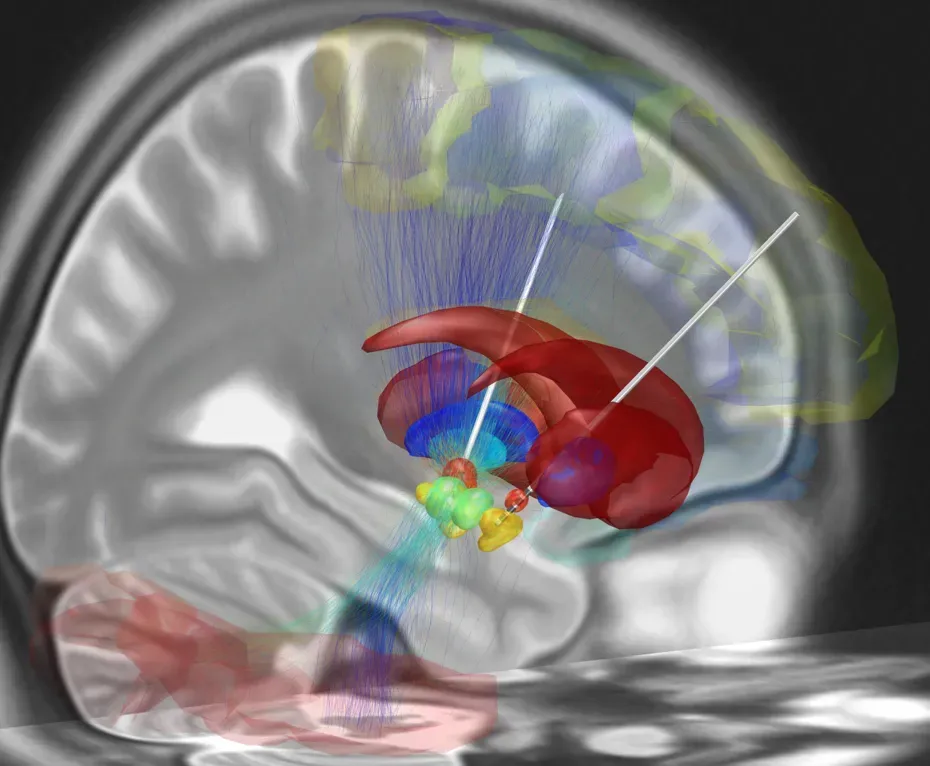
Conscious choice accounts for only a fraction of what you do each day, with around two thirds of your daily behaviors set in motion automatically, triggered by familiar environments, timings or routines. Think about your morning routine. Did you actively decide to brush your teeth today, or did your body just sort of do it while your mind wandered elsewhere?
Your brain wants to do the least amount of work possible, which is why it creates habits. While this sounds lazy, it’s actually a survival mechanism. Your brain wants to create habits to reserve energy for more important tasks. The downside? You end up sleepwalking through huge chunks of your life, making choices without really making them.
Mental Shortcuts Lead You Astray Without Warning

Heuristics are mental shortcuts that your brain uses to make decisions, allowing it to infer information and take almost immediate action. Sounds efficient, right? Here’s the problem. Cognitive shortcuts can pave the way for serious thinking errors, with research showing that the brain’s use of heuristics often results in irrational decision making.
Your mind is constantly choosing speed over accuracy. When you walk into a grocery store and grab the brand you always buy without checking prices or alternatives, that’s a mental shortcut at work. Your brain relies on mental shortcuts to quickly and efficiently manage the constant influx of complex data, meaning your thoughts about experiences aren’t based on accurate reflections of reality but rather on how your brain has synthesized the data. You think you’re being rational, but you’re really just being fast.
You Only See What You Already Believe
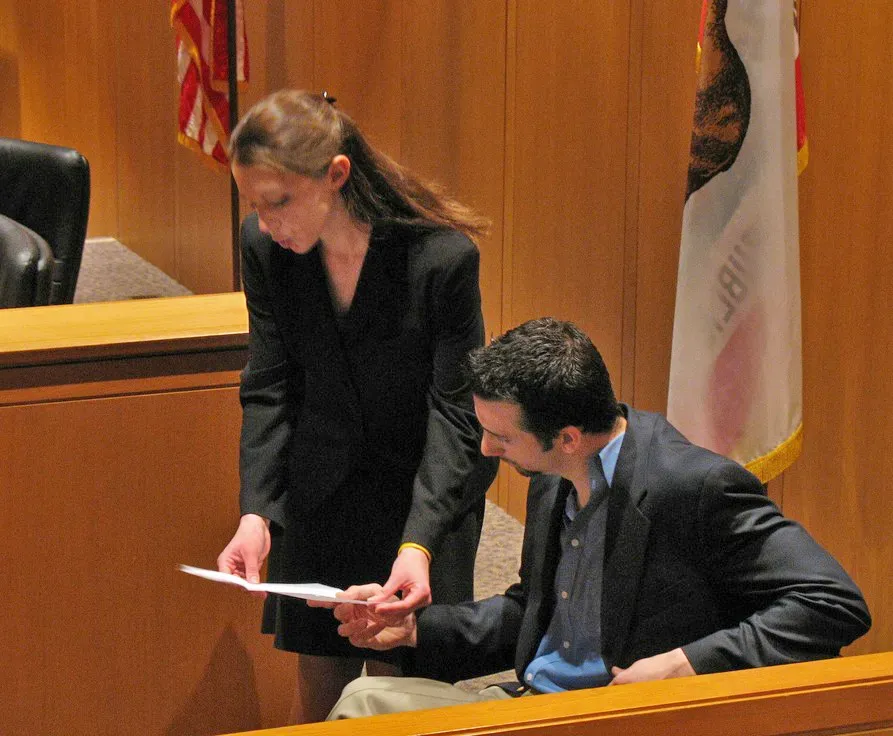
Confirmation bias is the tendency to favor information that is consistent with our assumptions or preconceived ideas and to underestimate or ignore information that works against them. Let’s be real here. You’re not as open minded as you think you are. Your brain actively filters out anything that contradicts what you already believe, making you feel more right than you actually are.
We have the tendency to look out for and favor information that confirms our beliefs and values while ignoring or dismissing information that tells us otherwise, and we are prone to selecting information that aligns with our beliefs. Imagine you believe your coworker is lazy. Every time they take a break, you notice. Every time they work hard, you don’t. Your brain is cherry picking evidence to support the story you’ve already written.
Hindsight Makes You Think You Knew It All Along

Hindsight bias refers to the tendency to perceive past events as more predictable than they actually were. You know that friend who always says “I knew that would happen” after something goes wrong? That’s hindsight bias talking. Hindsight bias is the common tendency for people to perceive past events as having been more predictable than they were, and after an event has occurred people often believe they could have predicted or even known with a high degree of certainty what the outcome would be.
This bias doesn’t just make you annoying at parties. Hindsight bias may cause distortions of memories of what was known or believed before an event occurred and is a significant source of overconfidence in one’s ability to predict the outcomes of future events. You start making riskier decisions because you convince yourself you saw the last disaster coming, when you absolutely did not.
Negative Experiences Stick Like Glue
Our brains prioritize negative experiences over positive ones, rooted in our evolutionary past, stemming from an adaptive need to quickly identify and respond to potential threats. One harsh comment from your boss will haunt you for days, while ten compliments barely register. It’s not fair, honestly, but it’s how your mind works.
In contemporary society, negativity bias can contribute to feelings of anxiety, pessimism, and dissatisfaction. Your ancestors needed to remember where the dangerous predators were, which is great for survival. You, however, end up replaying embarrassing moments from five years ago at three in the morning because your brain thinks that memory might save your life someday.
The First Thing You Hear Becomes Your Reference Point

Anchoring bias is the tendency to misuse information, often the information acquired first, as a reference for making a decision and to no longer take new information into account. Ever notice how the first price you see for a product becomes what you judge all other prices against? That’s not coincidence. Your brain latches onto the first piece of information it gets and refuses to let go.
Retailers know this trick well. They’ll show you an expensive item first, making everything else seem like a bargain in comparison. In psychological jargon, anchoring refers to the difficulty in getting rid of a first impression. Your mind is sticky, and whatever lands on it first tends to stay there, warping every decision that comes after.
You Think You’re Better Than You Actually Are

Overconfidence is a cognitive bias that affects more than half of us, consisting of overestimating one’s abilities, especially in relation to those of others. Most people genuinely believe they’re above average drivers, above average at their jobs, and above average in intelligence. Statistically, that’s impossible, yet here we are.
This bias is particularly dangerous because it makes you underestimate risks. Overconfidence is a trap we can fall into when relying too heavily on cognitive shortcuts, and because these mental processes often operate below our conscious awareness we might not realize how much they’re influencing our judgments, leading to a false sense of certainty about our decisions. You charge ahead thinking you’ve got everything figured out, when really you’re flying blind.
Recent Events Feel More Important Than They Are

The availability heuristic is a cognitive shortcut our minds employ when assessing a topic, relying on immediate examples that come to mind and often prioritizing recent or vivid experiences. If you just watched a news report about a plane crash, you’ll probably feel more anxious about flying, even though statistically nothing has changed about flight safety.
We tend to overestimate the likelihood of events or situations that are easily accessible in our memory. Your brain mistakes what’s memorable for what’s common. That viral video of someone getting attacked by a shark makes you terrified of the ocean, even though you’re exponentially more likely to be injured driving to the beach than swimming in it.
Your Memories Are Rewritten Every Time You Recall Them

Memories can become stronger during the editing and reinforcing process after the fact, however various details can also get accidentally swapped, and we sometimes accidentally inject a detail into the memory that wasn’t there before. That crystal clear memory of your childhood birthday party? It might be half fiction. Your brain is constantly rewriting your past, adding details, removing others, and smoothing out inconsistencies.
Hindsight bias may result from distortions of memories of what we knew or believed before an event occurred, as it is easier to recall information that is consistent with our current knowledge. You’re not deliberately lying when you remember things differently. Your mind is just doing what it does best: making up a story that makes sense to you right now.
You Ignore the Elephant in the Room
When operating on mental autopilot, we might miss crucial information that doesn’t fit neatly into our preexisting mental categories. Think of it like wearing blinders. Your brain filters out massive amounts of information every second, deciding what deserves your attention and what doesn’t. The scary part? It often filters out things that actually matter.
Your brain decides what it should process and what it should discard based on what’s relevant to your immediate needs, interests, and goals, with factors such as your emotional state, physical condition, expectations, and what you’re focusing on influencing this decision. If you’re convinced someone is trustworthy, you might completely miss obvious red flags because your mind has already decided they’re not relevant.
You’re Blind to Your Own Biases
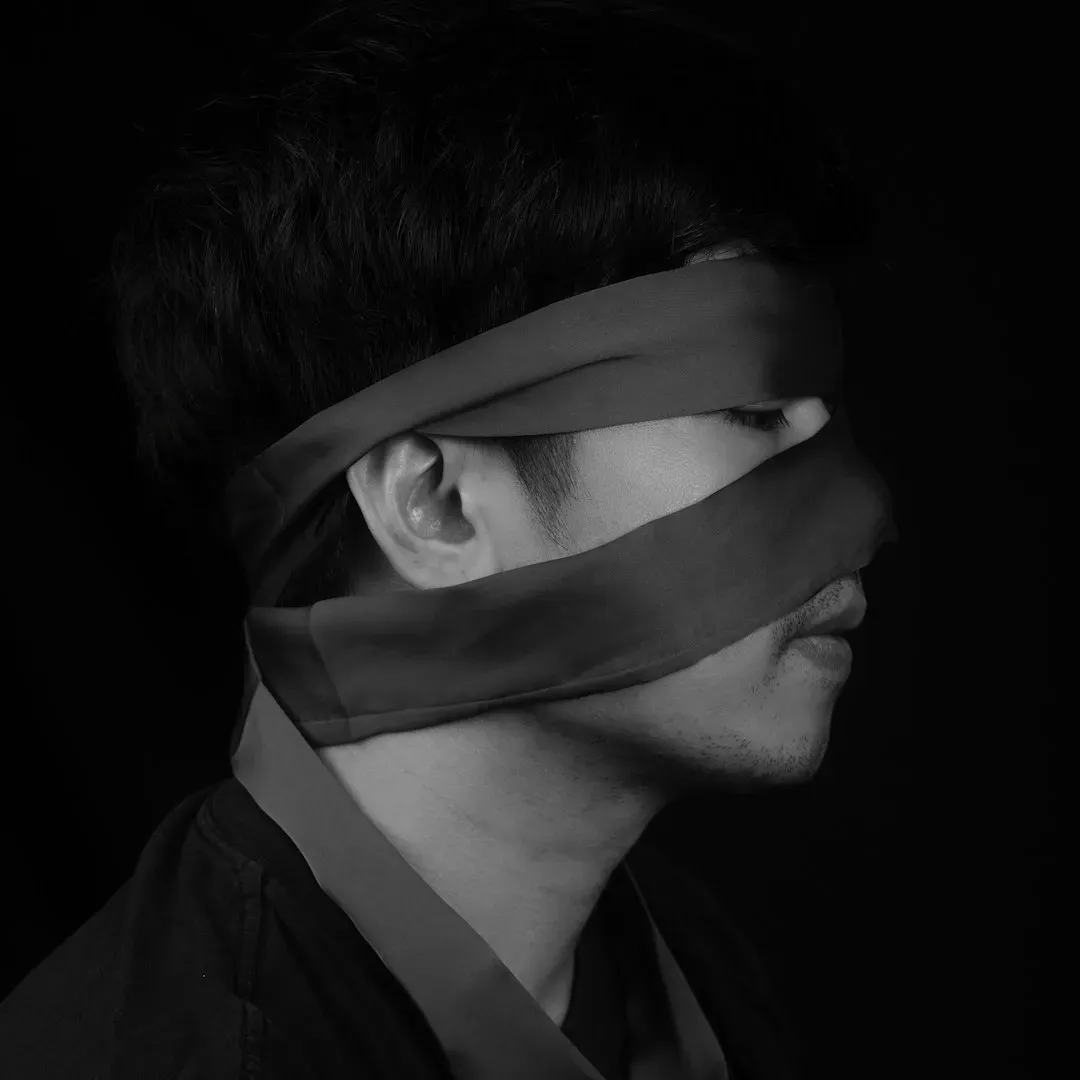
Failing to recognize your cognitive biases is a bias in itself, and arguably this is the most damaging bias because having blind spots means you’re less likely to recognize any of these psychological influences in yourself. Here’s the really maddening part: knowing about these biases doesn’t automatically protect you from them.
We all want to think we are rational and biases are things that afflict other people, however our brains are designed with blind spots and one of their clever tricks is to confer on us the comforting delusion that we personally do not have any biases. You can read this entire article and still fall victim to every single trick mentioned. Your brain is that good at deceiving you.
The Sleeper Effect Makes You Forget Where You Learned Things

The sleeper effect becomes a problem if we originally discount a message that we heard from an unreliable source, but over time we forget the source and its unreliability and begin believing the message. You remember the information, but not where it came from. Was it a credible scientific study or some random post you scrolled past at two in the morning?
Even after learning that a message is false, we may still find ourselves basing our thinking on that faulty belief. Your brain holds onto the content but drops the context, which means you end up believing things without any good reason. That “fact” you’re absolutely certain about might have come from the least reliable source imaginable, and you’d never know.
Breaking Free From Your Own Mind

Here’s the thing about psychological tricks. Your brain isn’t trying to sabotage you. Every cognitive bias is there for a reason, primarily to save our brains time or energy, and if you look at them by the problem they’re trying to solve it becomes easier to understand why they exist, how they’re useful, and the trade offs and resulting mental errors they introduce. These shortcuts helped your ancestors survive, but they’re not always appropriate for modern life.
Simply becoming more aware of common cognitive pitfalls can go a long way in improving decision making. Slow down when making important choices. Question your immediate reactions. Seek out information that challenges your beliefs instead of confirming them. Simply becoming aware of these biases means half your battle against your own worst enemy, yourself, is won. The first step is recognizing that your mind is working behind the scenes, pulling strings you can’t always see. The second step is deciding what to do about it. What hidden tricks has your own mind been playing on you? Have you caught yourself falling into any of these patterns lately?