
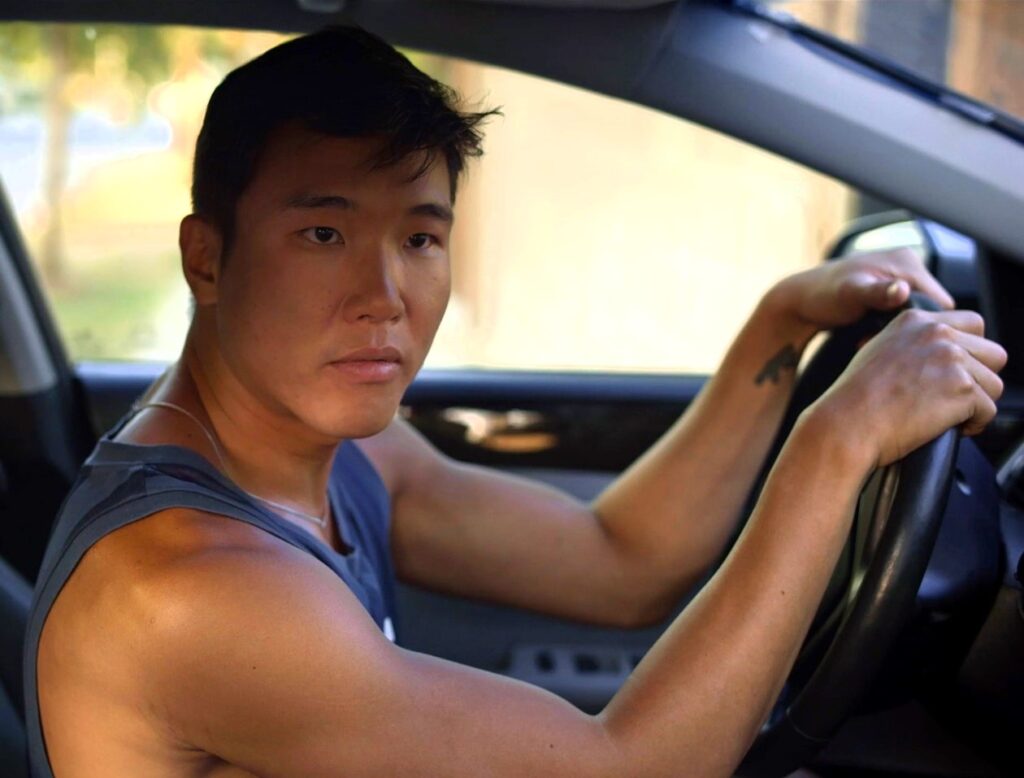
You slide into the back seat, glance at your phone, and assume your Uber driver is focused only on the road ahead. Think again. From the moment you request a ride, your driver is sizing you up in ways you probably never imagined. It’s not about judgment, really. It’s about survival, efficiency, and honestly, just trying to make it through another shift without drama or disaster.
Let’s be real here. Drivers spend hours locked in a confined space with strangers, navigating traffic, dealing with unpredictable passengers, and relying on tips to make ends meet. They’ve learned to read people quickly because every ride is a calculated risk. What you might think is just a casual car ride is actually a complex dance of observations, assessments, and snap decisions that start well before you even step into the vehicle.
Your Passenger Rating Speaks Before You Do

Before your driver picks you up, they know just two details about you: your name and your passenger rating. This number isn’t just some arbitrary score. It’s your reputation in the rideshare world, and drivers take it seriously.
Drivers can see that the passenger has a rating like 4.76 stars, and trust me, they notice. A rating below roughly 4.7 raises eyebrows. Drivers start wondering what happened on your previous rides. Were you rude? Did you slam doors? Were you so intoxicated you became a problem? The rating becomes a predictive tool, helping them decide whether to accept the ride at all or brace themselves for potential trouble.
The Neighborhood You’re In Tells a Story
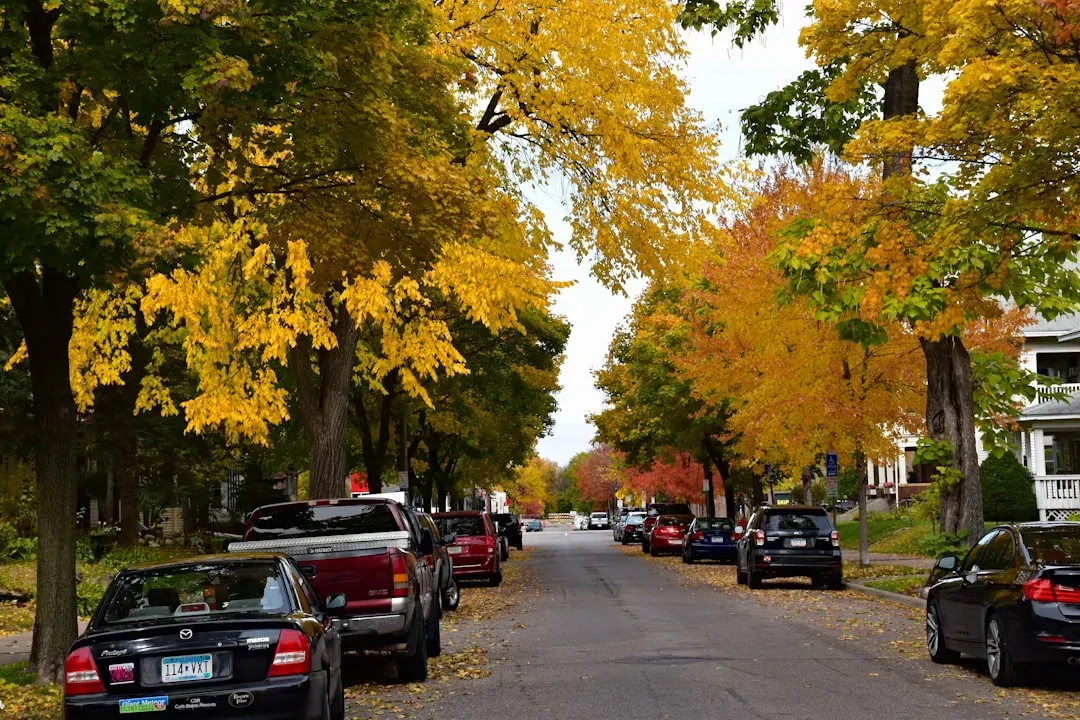
Drivers pay attention to the pickup location, with nicer neighborhoods often equaling better fares and tips, while bad neighborhoods may even signal safety concerns like being set up to be robbed. Geography matters more than you’d think.
Some drivers mentally map out areas based on past experiences. A pickup from a upscale suburb might suggest a respectful passenger who tips well. A late-night request from a sketchy part of town? That’s a different calculation entirely. Uber warns that drivers who routinely decline rides from poorer neighborhoods will get hit with a “destination discrimination” notice from the company, which can lead to them getting fewer rides or even being fired. Still, safety concerns weigh heavily, especially in cities where violence against rideshare drivers has made headlines.
Your Health Status Gets a Quick Scan
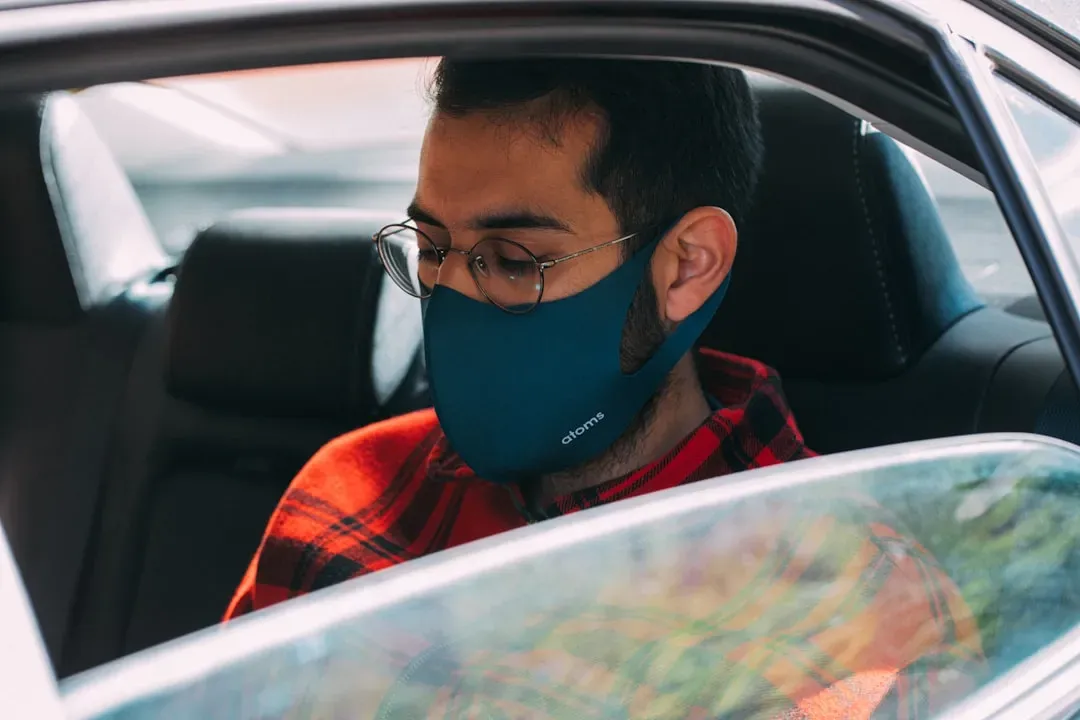
Drivers always look to see if someone seems like they’re sick, injured or otherwise unwell, with one driver noting that one of her biggest worries is getting sick from a passenger since they’re in enclosed spaces a lot. It’s not paranoia. It’s self-preservation.
Drivers have become hyper-aware of passengers who appear ill, particularly in a post-pandemic world. A cough, a pale complexion, or someone who looks like they’re heading to a medical appointment triggers immediate concern. Many people use Uber to head to the doctor and even as a low-budget ambulance, and Angela, an Uber driver in Las Vegas, recently drove a woman to a colon cancer appointment and felt so bad for her that she ended up refunding the fare. Compassion exists, sure, but so does worry about exposure to illness that could sideline a driver for days.
Your Level of Intoxication Is Instantly Assessed
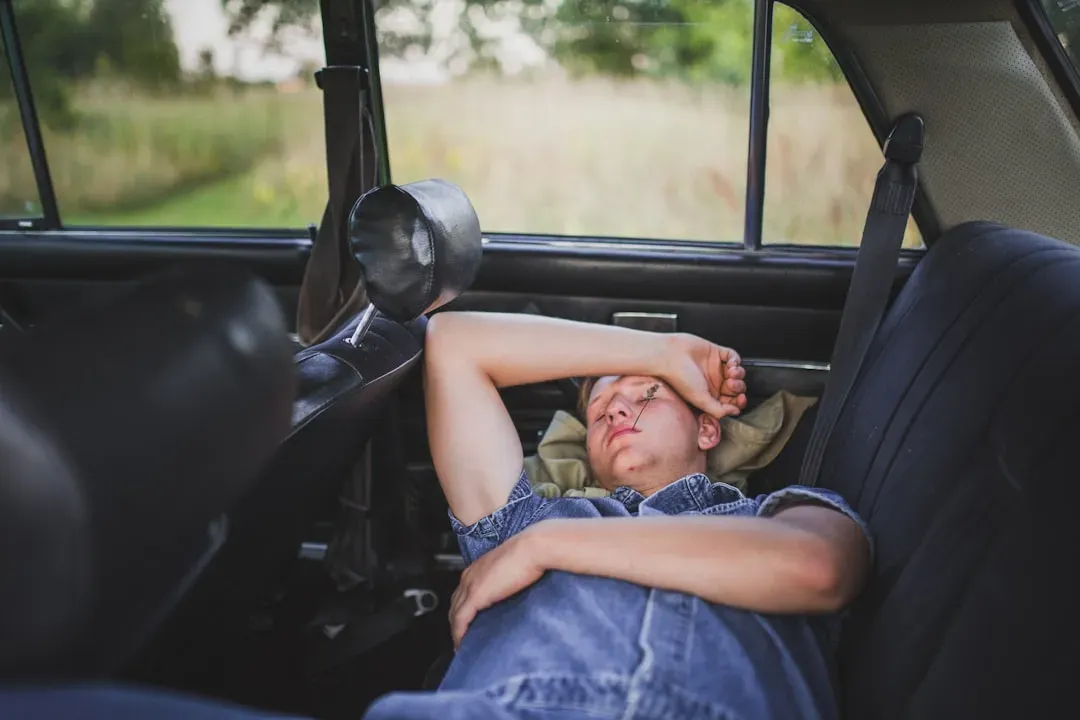
One of the first things drivers notice is whether you’ve been drinking, as a top reason people use a ride-share service is so they can drink without worrying about driving under the influence. Tipsy passengers are expected. Completely wasted ones are a liability.
Vomit is described as “the gift that keeps on giving,” with drivers losing time and money cleaning it up even with the extra fee the rider is charged, and the smell lingering forever, so if you look so drunk you will puke, some drivers will decline the ride. Drivers make split-second judgments about your sobriety level the moment you approach the car. Can you walk straight? Are you slurring your words? Do you look green around the gills? These are the questions running through their minds.
The Size of Your Group Matters More Than You Think
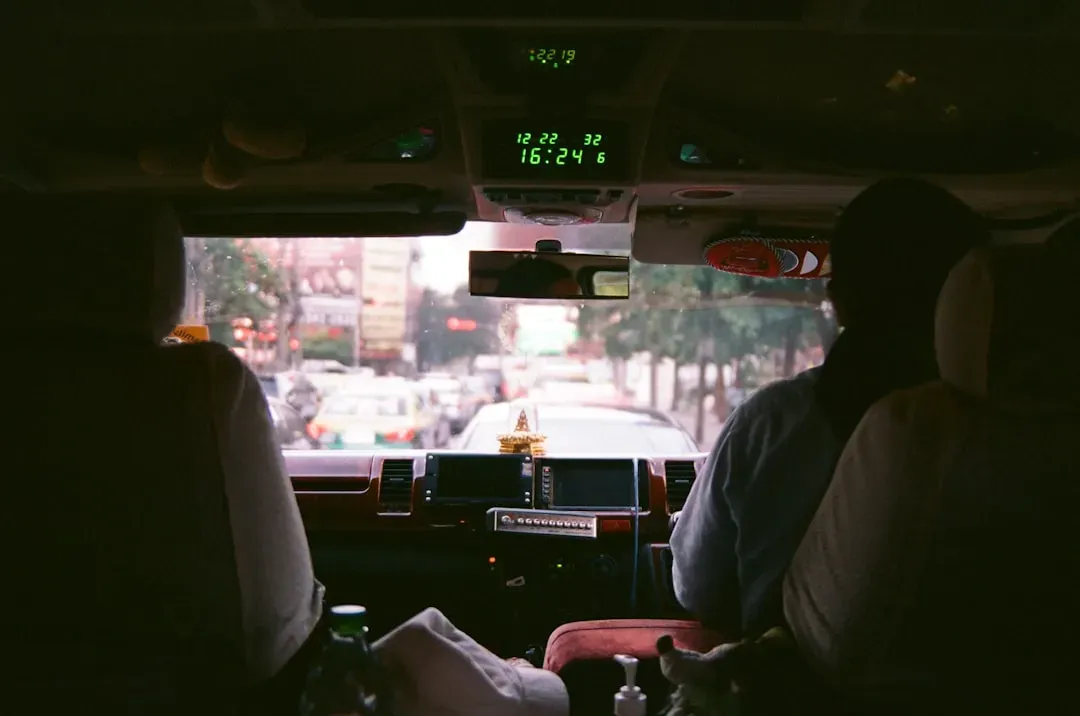
Solo riders are the easiest to deal with, especially because Uber doesn’t pay drivers more for multiple riders as long as everyone is going to the same destination. More passengers means more noise, more mess, and more potential for conflict.
Groups also tend to be louder and more disruptive. A single passenger might sit quietly scrolling through their phone, while a group of four might be laughing, shouting, or playing music from their phones. Drivers notice the energy level immediately and adjust their expectations accordingly. They know that larger groups often correlate with lower tips per person and higher stress levels during the ride.
How Quickly You Respond to the Arrival Notification
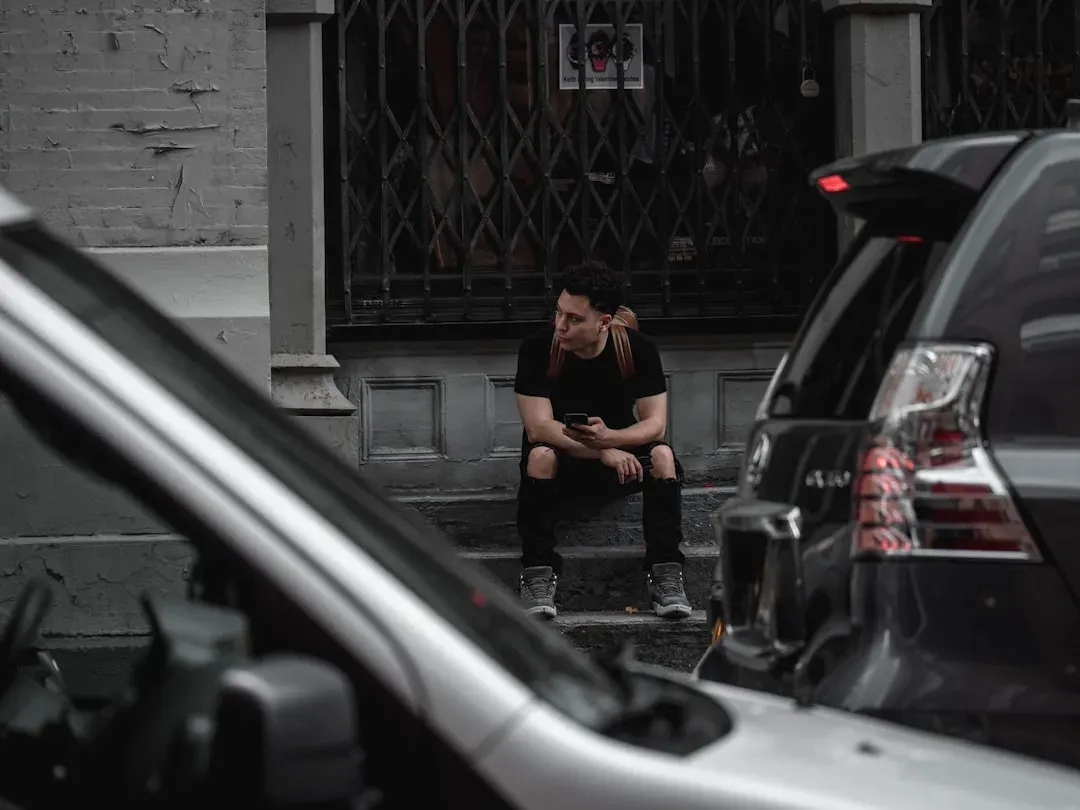
Punctuality isn’t just polite. It’s practical. Drivers notice whether you’re standing outside ready to go or if they’re sitting idle for several minutes waiting for you to emerge. Every minute spent waiting is time they’re not earning money on another ride.
When you make your driver wait, it signals a lack of consideration. Drivers are often juggling back-to-back rides, trying to maximize their earnings during peak hours. A passenger who takes five minutes to come outside after being notified throws off the entire schedule. Some drivers will even cancel the ride if you’re taking too long, especially if they suspect you’re the type who doesn’t tip or rate well.
Your Body Language and Demeanor at Pickup
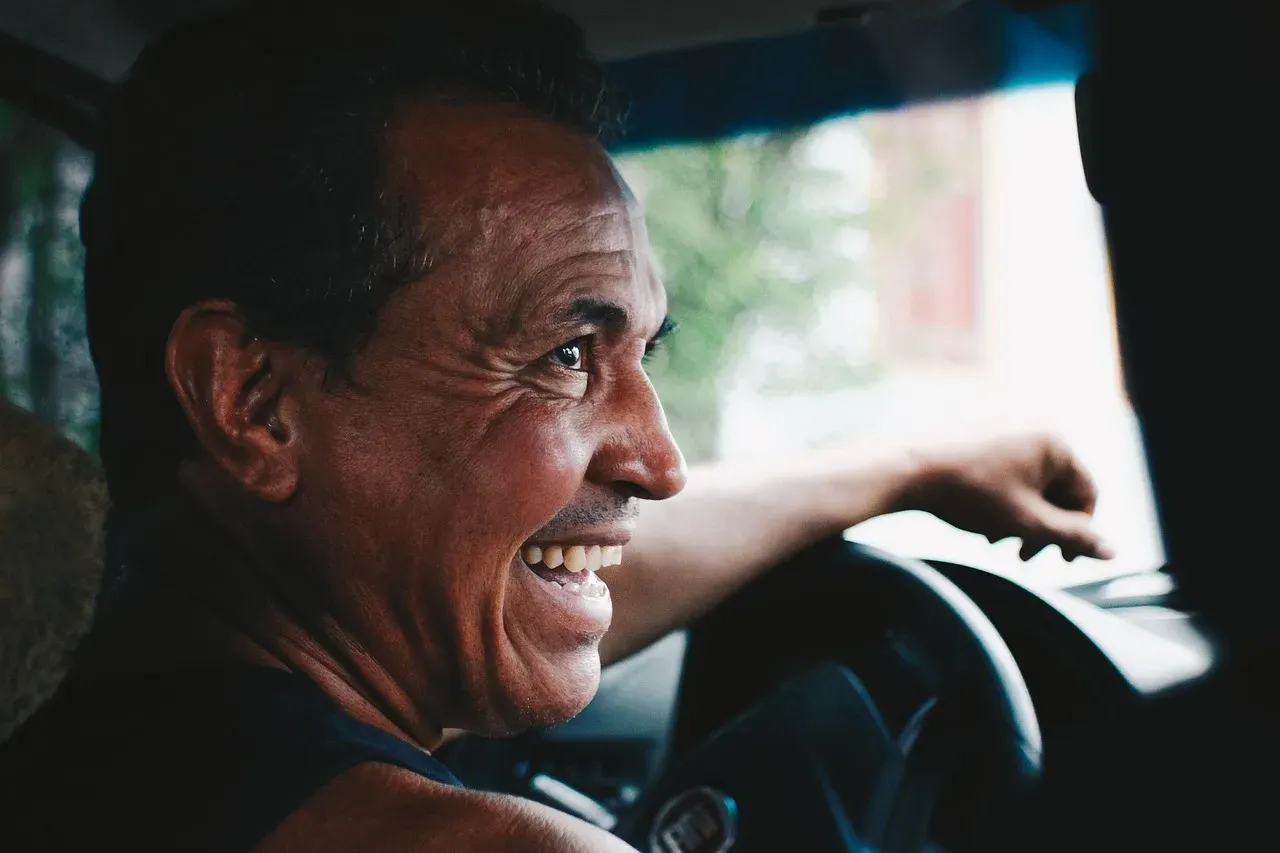
Uber drivers are highly observant and can size you up in a split second, with these observations giving them important intel. Are you smiling and making eye contact, or are you scowling and avoiding interaction entirely?
Drivers pick up on nonverbal cues immediately. Someone who approaches the car with a friendly wave and confirms the driver’s name is signaling respect and cooperation. Someone who yanks the door open without acknowledgment and starts barking directions is sending a very different message. These first impressions shape how the driver interacts with you for the rest of the trip. Politeness goes a long way in setting a positive tone.
Whether You’re Paying Attention to Basic Safety Protocols
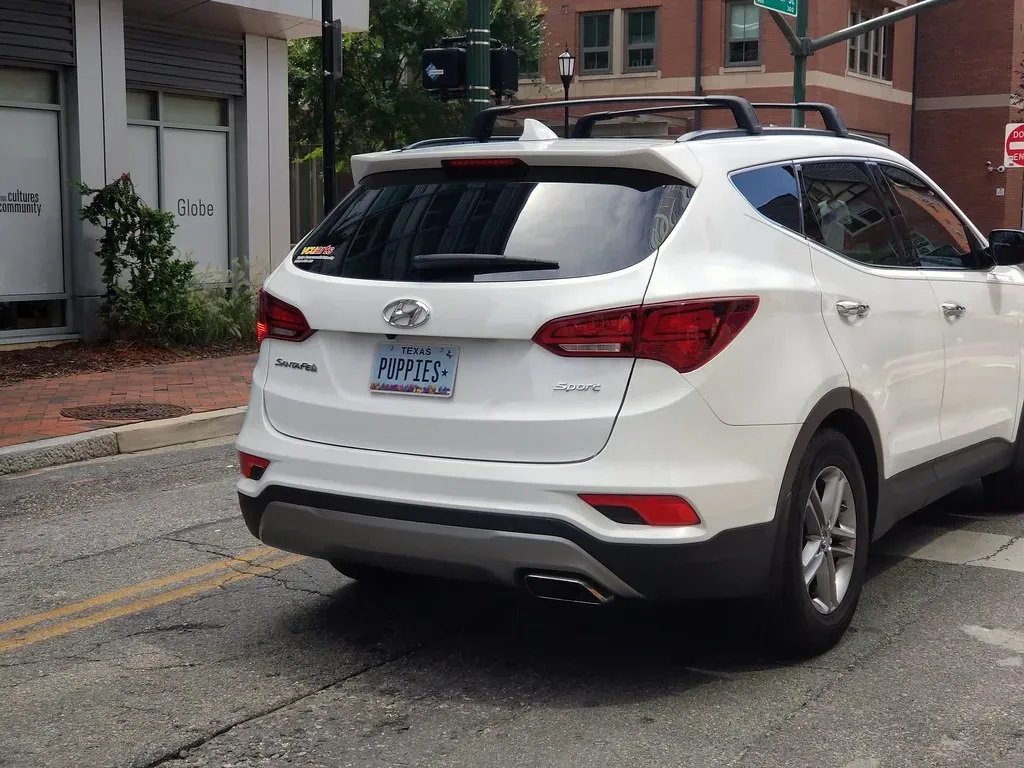
Drivers notice if you verify the car’s make, model, and license plate before getting in. This simple act shows you’re safety-conscious and also confirms you’re not about to climb into the wrong vehicle and cause confusion.
Drivers provide identifying information about their vehicles, including license plate number, vehicle make and model, profile picture, and name, and inaccurate or outdated information creates confusion among riders and can diminish their experience using Uber apps. When you actually check these details, it signals to the driver that you’re an experienced, responsible rider who understands how the system works. Conversely, passengers who jump into random cars or seem confused about basic protocols raise concerns about how the rest of the ride might go.
Your Willingness to Engage or Preference for Silence
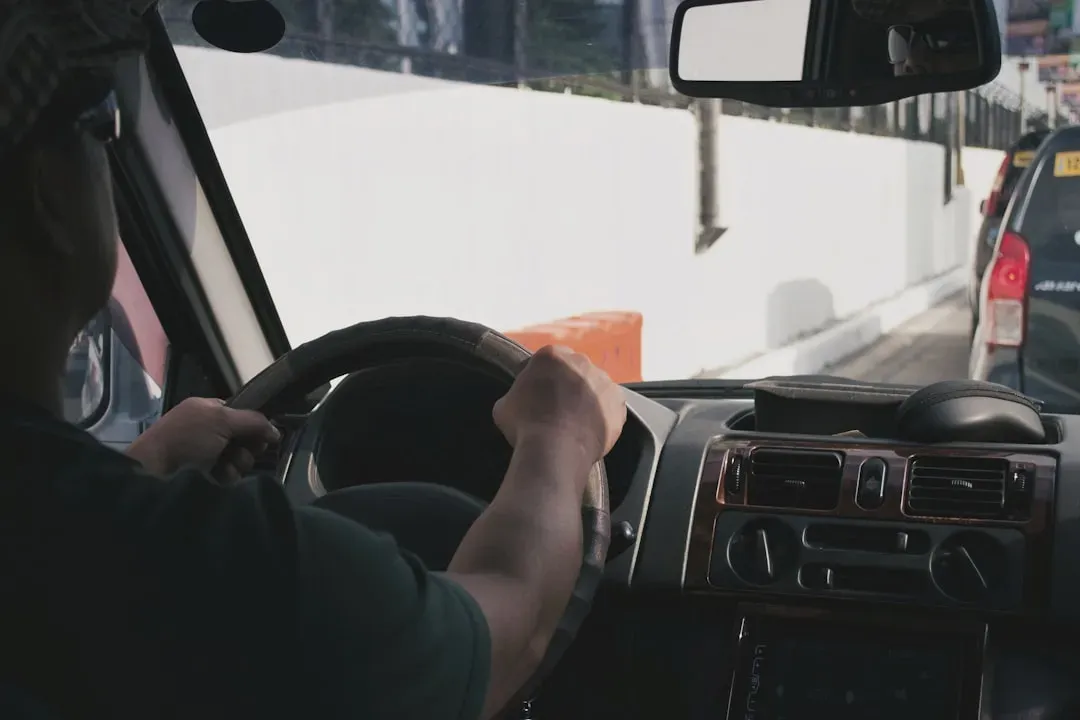
Some drivers are chatty. Others prefer silence. What they’re really doing is gauging your energy to decide how to approach the ride. Are you responding to small talk, or are you giving one-word answers while staring at your phone?
Drivers find that as long as customers are following some basic etiquette rules, people-watching can be fascinating, with one driver noting that “every rider has a story, and getting to hear who people are, what they are doing, where they are going and why is my favorite part of the job.” Drivers read your cues quickly. If you’re friendly and open, they might share stories or ask about your day. If you seem withdrawn or tired, they’ll respect that space and keep things professional.
Conclusion
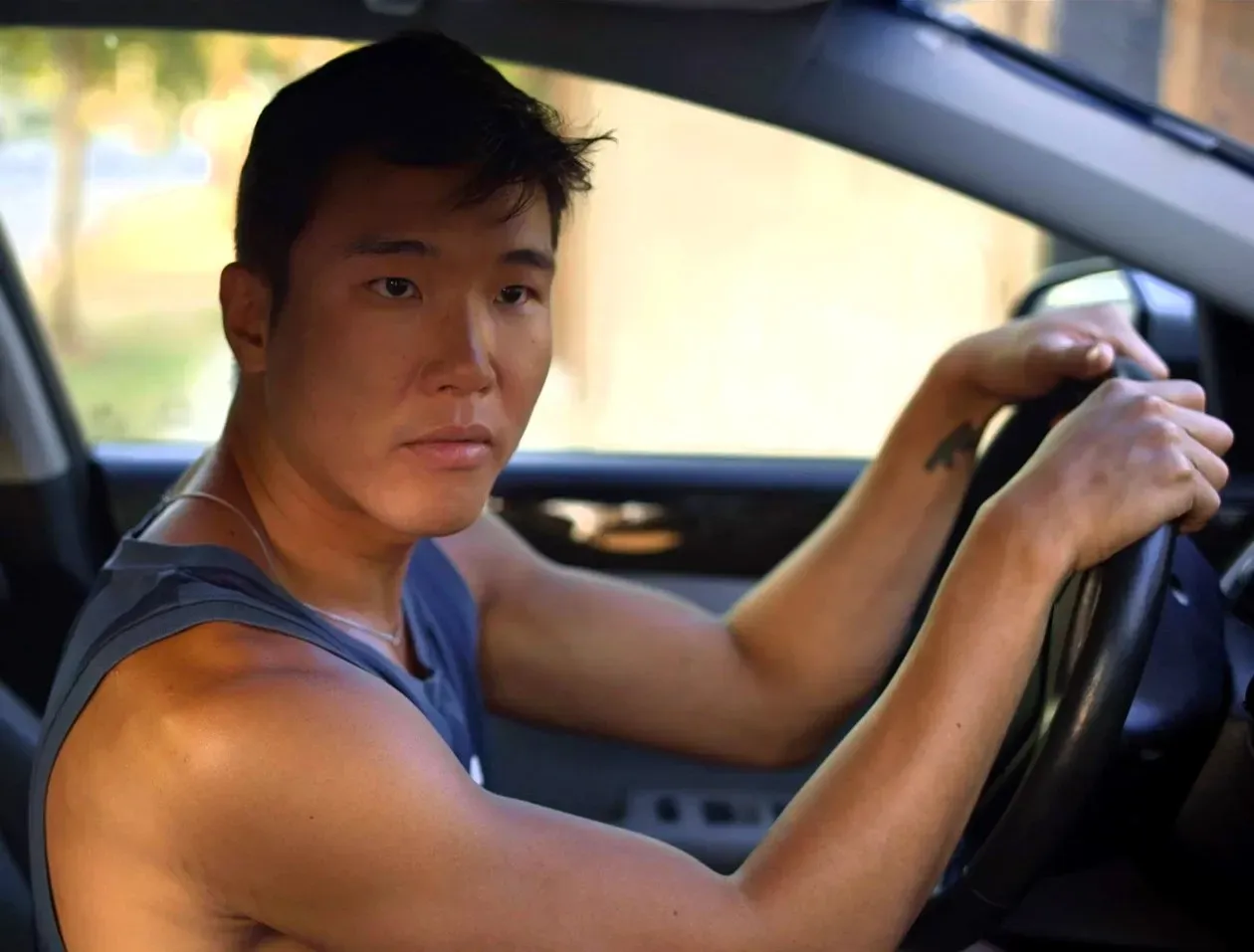
Your Uber driver is processing more information about you than you ever realized. From your passenger rating to your body language, from your sobriety level to your punctuality, every detail contributes to their assessment of what kind of ride this will be. It’s not personal. It’s practical.
These drivers are navigating a gig economy where every decision affects their safety, their earnings, and their overall experience. Understanding what they notice can help you become a better passenger, someone who’s more likely to get picked up quickly, treated well, and maybe even make a driver’s day a little brighter. So next time you request a ride, remember: you’re being noticed long before you say hello. What impression are you leaving?