

You woke up after a decent night of sleep. You grabbed your coffee. You ate breakfast. Yet somehow by midmorning, you’re already feeling exhausted, like someone unplugged your battery while you weren’t looking. Sound familiar?
Here’s the thing that might surprise you: small, everyday habits running on autopilot can gradually drain your energy. The culprits aren’t always obvious. They don’t announce themselves with flashing warning signs. Instead, they quietly chip away at your vitality, leaving you wondering why you can’t seem to keep up anymore.
Let’s be real, you probably already know the basics about getting enough sleep and eating your vegetables. What you might not realize is how certain sneaky behaviors are sabotaging your energy reserves without you even noticing. So let’s dive in and uncover what’s really going on.
Making Too Many Trivial Decisions Throughout Your Day

Your morning starts with an innocent question: what should you wear? Then comes what to eat for breakfast, which route to take to work, what playlist to listen to, and on and on. These might seem harmless, yet decision fatigue reduces self-control and cognitive capacity, causing behavioral lapses combined with impaired reasoning. This explains why trivial choices, like what to wear or eat, and many more throughout your day, can leave you mentally exhausted before tackling important tasks.
Think about how much mental bandwidth you’re spending on things that don’t really matter. Your brain treats every choice like a little puzzle to solve, and after solving dozens of them before lunch, you’re running on fumes. Set aside a specific time, say a Sunday evening, to make many decisions all at once. For example, plan your outfits for the week, choose your meals in advance, or create themed playlists ahead of time. By batching these decisions, you can reduce the number of choices you face later and conserve mental energy for more important or creative tasks.
Honestly, once you start automating the small stuff, you’ll notice how much clearer your mind feels. It’s like decluttering your mental desktop.
Constantly Juggling Multiple Tasks at Once

You’re answering emails while eating lunch, scrolling through your phone during a meeting, and listening to a podcast while doing household chores. Feels productive, right? Wrong. Multitasking can kill your productivity and deplete your mental energy. When you take on several tasks at once, it affects your focus, and you drain your mental energy trying to balance all those activities. Multitasking might be appealing, but it forces the brain to switch between tasks, causing inefficiency and mental fatigue.
Your brain wasn’t designed to do multiple complex things simultaneously. What you’re actually doing is rapidly switching between tasks, and each switch costs you energy. Instead, try focusing on one thing at a time. Set a timer for twenty or thirty minutes and commit to a single activity. You’ll be amazed at how much more you accomplish with far less exhaustion.
Reaching for Sugar and Caffeine When Energy Dips

That afternoon slump hits, and your first instinct is to grab a candy bar or your third cup of coffee. It gives you a jolt, sure, but what happens next? While caffeine and sugar may deliver an initial surge, they also lead to energy crashes later on when blood sugar levels drop sharply. Reaching for caffeinated drinks or high-sugar snacks in the mid-afternoon is a recipe for a slump. Instead of providing long-lasting sustained energy, these boosts leave you crashing and craving more not long after.
I know it sounds counterintuitive, especially when you feel like you desperately need that pick-me-up. The reality is you’re creating a vicious cycle that keeps you trapped in the energy rollercoaster. Try cutting back on simple carbs and sugary foods, and limit regular caffeine intake to earlier in the day. Replace stimulants with more nutritious foods that energize you steadily throughout the day, without the highs and lows. Think nuts, whole grains, or a piece of fruit with some protein.
Staying Glued to Screens Before Bedtime

You finally crawl into bed after a long day, but before you sleep, you scroll through social media for “just a few minutes.” Those minutes turn into an hour. Excessive exposure to digital devices overstimulates your brain, reducing your ability to truly rest. Studies show that blue light exposure before bed suppresses melatonin production, delaying sleep onset and reducing sleep quality. Additionally, the constant flood of notifications triggers a dopamine response, making it harder to focus and unwind.
Your phone is essentially hijacking your sleep preparation time. Even when you do fall asleep, the quality suffers, leaving you feeling groggy the next morning. The fix is simpler than you might think: Set a digital curfew at least an hour before bed and use blue-light filters on devices. Try practicing screen-free wind-down activities like reading or meditation. Your future well-rested self will thank you.
Not Drinking Nearly Enough Water

You might not realize it, but that dragging feeling could be your body literally crying out for water. It’s tough to feel lively and energized when even mildly dehydrated. One common reason many people drag during the day is that they simply aren’t drinking enough water. However, adequate hydration is mandatory for cellular function, blood flow, temperature regulation, and more.
Dehydration doesn’t just make you thirsty. It affects your concentration, your mood, and definitely your energy levels. Most adults need to consume around 11 to 13 cups of fluids a day. More than half of this should come from plain water. Carry a water bottle with you at all times and make a point of sipping throughout the day. Sometimes the simplest solutions are the most effective.
Living Under Constant Low-Grade Stress
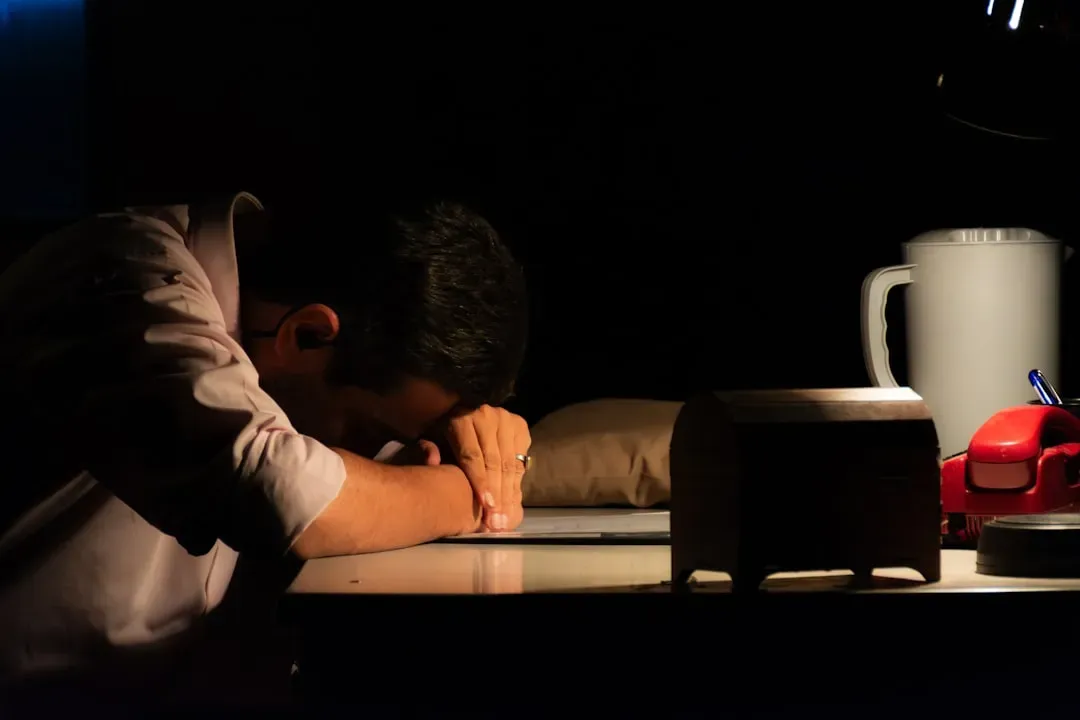
Maybe you don’t feel overwhelmingly stressed. You’re handling things, getting by, managing. Yet there’s always that background hum of worry, that mental tab left open in your mind. Constant low-grade stress and anxiety rob us of good energy. Even if we don’t feel that we’re under pressure, constant worrying and negativity will take their toll. Chronic stress causes inflammation and hormonal imbalances in our system that can zap motivation.
Your body was designed to handle short bursts of stress, not the nonstop kind that modern life dishes out. Stress-induced emotions consume massive amounts of energy. Talking with a friend or relative, joining a support group, or seeing a psychotherapist can all help diffuse the stress response. Relaxation therapies like meditation, yoga, and tai chi are also effective tools for reducing stress. Even five minutes of deep breathing can shift your nervous system from fight-or-flight mode to rest-and-digest.
Skipping Regular Physical Movement
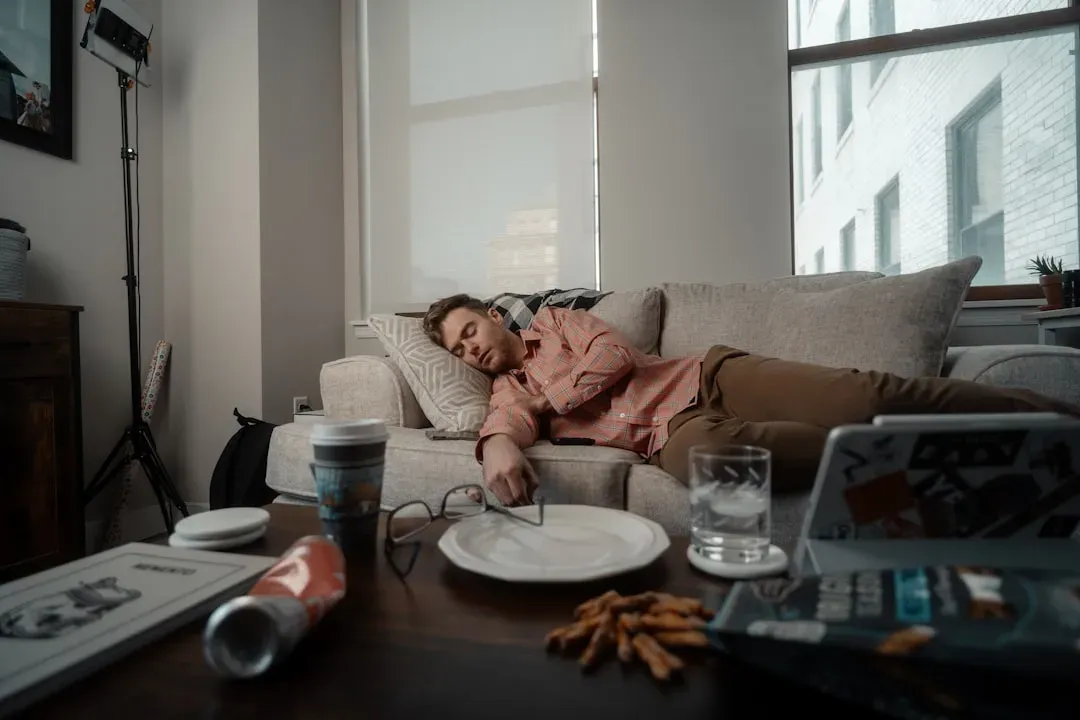
When you’re exhausted, the last thing you want to do is exercise. The couch is calling your name. Yet ironically, sitting still all day might be exactly what’s making you so tired. Getting your heart rate up regularly throughout the day is amazing at increasing your energy. While interval training and intense workouts are great, even just walking daily, climbing stairs, or dancing around during commercial breaks can boost circulation and blood flow. This energizes your entire system and makes you feel lighter and more awake.
You don’t need to become a gym enthusiast or run marathons. Aim for 30 minutes of moderate exercise like brisk walking at least five days a week. Or, combine short 10-minute sessions throughout your day if that’s easier. Movement sends oxygen and nutrients throughout your body, waking up cells that have been sitting dormant. It’s hard to believe until you try it, but even a quick walk around the block can completely shift your energy.
Your Path to Sustainable Energy

Looking back at these seven habits, you might recognize yourself in several of them. That’s completely normal. The modern world practically encourages these energy-draining behaviors, from the endless decision-making to the screen addiction to the stress culture we all navigate.
The good news is that awareness is the first step toward change. You don’t need to overhaul your entire life overnight. Start with one habit that resonates most with you. Maybe it’s putting your phone away an hour before bed, or keeping a water bottle on your desk, or taking a short walk during lunch. Small shifts compound over time, and before you know it, you’ll notice that your energy doesn’t disappear by midafternoon anymore.
Which of these habits do you think drains your energy the most? Have you noticed any patterns in your own daily routine?