

Have you ever wished you could just peek inside someone’s head and know exactly what they’re thinking? That colleague who seems pleasant but something feels off. The date who says they’re having fun but keeps glancing at their phone. The friend who claims everything’s fine when you know it isn’t.
Here’s the thing: you actually can read minds, just not in the mystical way movies portray it. Real mind reading happens through observation, through picking up the tiny signals people broadcast constantly without even realizing it. Your brain already processes thousands of these cues every day. The trick is learning to tune in consciously to what you’re already sensing on autopilot. Ready to unlock this superpower?
Watch for Microexpressions That Betray True Feelings

Let’s start with something wild. Your face can flash a genuine emotion in roughly one thirtieth of a second, faster than a blink, yet it contains all kinds of information about your mental state. These momentary flashes typically last less than a fraction of a second, yet they can betray feelings you’re actively trying to conceal, slipping through before conscious control reasserts itself.
Microexpressions occur in everyone, often without their knowledge, and there’s no way to prevent them from occurring. Think about that power for a moment. Someone can be smiling and nodding along, but if you catch that brief flash of contempt or disgust crossing their features, you know the real story. The face and its expressions are the window to the soul if you know how to read them, and you can tell a lot about someone by their face. Trained observers can learn to spot these brief windows into genuine feeling, gaining insight into what someone truly experiences beneath their composed exterior, though the challenge lies in their speed and subtlety.
Decode What Eyes Really Reveal About Engagement

Eye contact is a huge nonverbal cue where holding someone’s gaze steady usually signals engagement, whereas looking away can indicate disengagement or discomfort. Simple enough, right? Except not all eye contact means the same thing. You can tell when a person is looking directly in your eye versus looking through you, almost past your eyes like a blank stare.
Eye contact signals interest and attention while looking away can suggest discomfort, with widened eyes indicating surprise or fear and narrowed, tense eyes showing anger or confusion. The eyes don’t lie, even when the mouth does. Sustained, comfortable eye contact typically indicates engagement and honesty, while excessive staring might signal dominance and averted eyes could suggest discomfort or dishonesty. Pay attention next time someone claims they’re totally fine with your decision while their eyes dart everywhere except toward you.
Notice How Arms and Posture Telegraph Inner States

When someone’s arms are crossed, it can signal they’re closed off, uncomfortable, or distressed. Though honestly, some people just find it comfortable, so don’t jump to conclusions from one signal alone. An open stance with relaxed shoulders signals receptiveness, while crossed arms might indicate defensiveness, and how someone’s posture shifts during conversations often reveals comfort levels more accurately than their words.
Confidence manifests through upright posture, squared shoulders, and a relaxed yet alert bearing, while slouching, hunched shoulders, and a downward gaze often signal low spirits, insecurity, or withdrawal. The degree of openness in stance also communicates receptivity or defensiveness, with an open posture inviting connection and demonstrating willingness to interact. It’s remarkable how much you can learn just by watching how someone holds themselves in space.
Listen to What Tone of Voice Actually Says

Words are just part of the message. Emotional prosody refers to aspects of the voice like the rhythm and pitch of speech that convey emotional meaning beyond the words themselves, where spoken words like “I’m fine” can mean different things depending on tone of voice. Think about how many ways you can say “that’s great” and convey completely opposite meanings.
How we say something is just as important as what we say, with vocal cues like tone, inflection, and volume adding meaning to our words. The importance of nonverbal signals lies in their ability to convey emotions and attitudes that may not be explicitly verbalized, where a person’s tone can signal enthusiasm, frustration, or empathy. Listen beyond the content next time. That tight, controlled tone? That rising pitch at the end suggesting uncertainty? Your ears know things your brain hasn’t processed yet.
Catch the Power of Mirroring and Connection

Here’s something you’ve been doing your whole life without realizing it. Mirroring refers to the subconscious imitation of another person’s gestures, posture, or facial expressions, indicating rapport and connection, where people comfortable and engaged in conversation often begin to mirror each other’s body language without realizing it, fostering trust and mutual understanding.
People tend to mirror each other, whether facial expressions or body language, when they’re engaged. Watch for this in your next conversation. When someone starts matching your gestures and posture, you’ve connected. When they deliberately don’t mirror you, when there’s a mismatch in energy, that tells you something too. Mirroring can also be used intentionally to build rapport by subtly matching the other person’s body language to create empathy and understanding, though it’s important to do this naturally as overdoing it can come across as insincere or manipulative.
Read Inconsistencies Between Words and Body Language
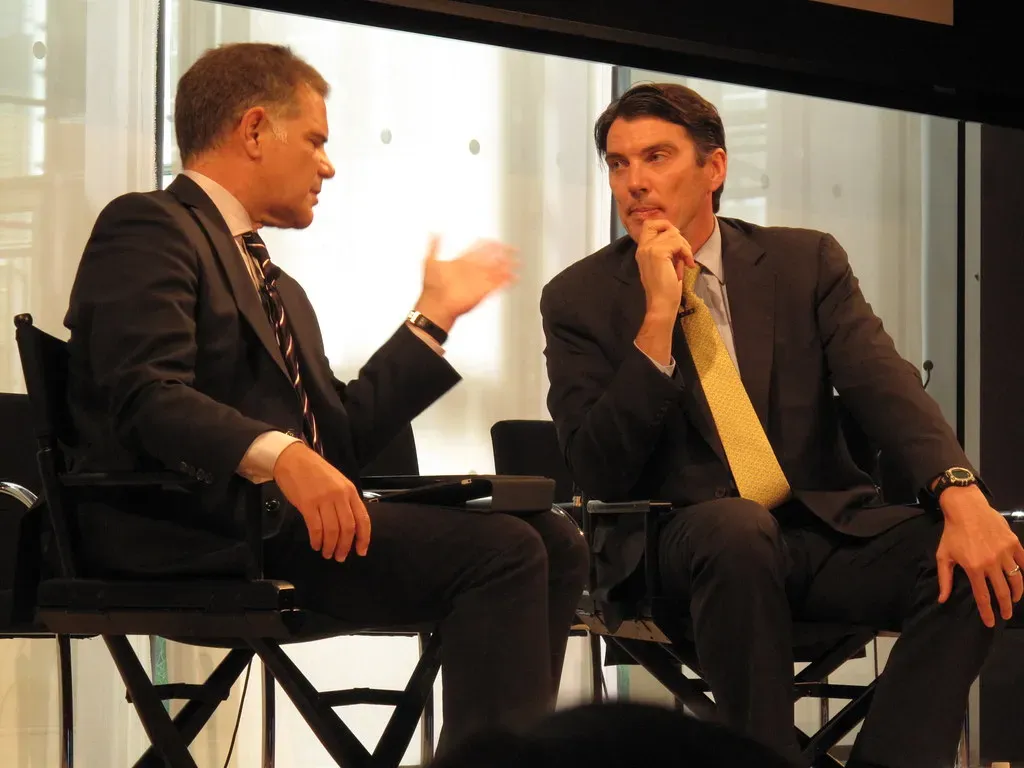
It’s important to pay attention to inconsistencies, as nonverbal communication should reinforce what is being said, checking if the person is saying one thing but their body language is conveying something else, like telling you “yes” while shaking their head no. Those mismatches are gold mines of information.
Look at nonverbal communication signals as a group rather than reading too much into a single gesture, considering all the nonverbal signals from eye contact to tone of voice and body language to see if their cues are consistent or inconsistent with their words. Trust your instincts, don’t dismiss your gut feelings, and if you get the sense that someone isn’t being honest or that something isn’t adding up, you may be picking up on a mismatch between verbal and nonverbal cues. Your unconscious mind is a pattern recognition machine. Let it work for you.
Decode What Hands and Gestures Communicate

Animated hand movements often indicate enthusiasm while fidgeting suggests nervousness, and hidden hands might signal dishonesty or withholding information. Ever notice how when someone’s really passionate about something, their hands come alive? Their whole body gets involved in telling the story.
Contrast that with someone who keeps their hands tucked away, invisible, guarded. What are they holding back? Hands are incredibly expressive tools that most people barely think about controlling consciously. That makes them perfect for reading genuine states. Open palms suggest honesty and openness. Clenched fists reveal tension or anger even when the face stays calm. Watch the hands, they’ll tell you stories the mouth won’t.
Understand Personal Space and Proximity Signals

How closely we stand or sit next to others gives clues about our relationship and comfort level, with intimate distance being one to two feet, personal distance two to four feet, social distance four to twelve feet, and public distance twelve plus feet. People literally back away from discomfort and lean into connection.
Leaning in during conversation shows interest and openness, generally positive in most cultures, though the degree of physical closeness varies. Notice who moves closer to you and who maintains distance. Those spatial relationships tell you everything about comfort, trust, and attraction. When someone consistently maintains more distance than the social norm, they’re setting a boundary. When they close that gap, they’re inviting connection. Space speaks volumes.
Spot Stress Signals in Real Time

Feet are more accurate than the face in revealing sentiments and intentions, with all of our body constantly transmitting vital information, and there are over 215 behaviors associated with psychological discomfort, most of which are not in the face. Let that sink in. The face is actually the least reliable part because people know to control it.
Stress compromises your ability to communicate, and when you’re stressed out, you’re more likely to misread other people, send confusing or off putting nonverbal signals, and lapse into unhealthy knee jerk patterns of behavior. Watch for fidgeting, foot tapping, rapid blinking, touching the face or neck. These are pacifying behaviors that reveal discomfort the person may not even be aware they’re experiencing. The body has a thousand ways to leak stress before the conscious mind admits it.
Notice the Timing and Context of Signals

Context is critical when interpreting microexpressions, where you should consider the situation and the person’s body language, tone of voice, and words to get a complete picture of their feelings. This is huge. The same gesture means different things in different contexts, with different people, in different cultures.
Context matters, where you should always consider the situation, your relationship with the speaker, and cultural expectations when interpreting behavior, as a comment or gesture that’s playful in one setting may be inappropriate in another. Someone crossing their arms in a cold room means something totally different than crossing them right after you criticize their idea. Social cues can vary significantly across different cultures, where what might be a positive signal in one culture could be misinterpreted in another, though individuals often rely on social cues to gauge emotional states, intentions, and reactions of others. Never read signals in isolation.
Practice Emotional Awareness in Yourself First

Here’s something most people miss: you can’t accurately read others if you’re not tuned into yourself. Many of us are disconnected from our emotions, especially strong ones like anger, sadness, and fear, because we’ve been taught to shut off our feelings, but while you can deny or numb them, you can’t eliminate them as they’re still there affecting your behavior, and by developing emotional awareness you’ll gain greater control over how you think and act.
You can learn to read facial expressions in others by getting to know how emotions appear on your own face, where it’s advised to look in a mirror and remember a personal experience that made you angry, sad, fearful or disgusted so you can see how your expression changes as the emotion washes over you. Once you’ve developed your abilities to manage stress and recognize emotions, you’ll start to become better at reading the nonverbal signals sent by others. Self awareness is the foundation. Master your inner landscape first, then reading others becomes exponentially easier.
Bringing It All Together

Reading people isn’t magic. It’s observation, pattern recognition, and trusting what your instincts already know. Social cues are verbal or nonverbal signals expressed through face, body, voice, and motion that guide conversations and social interactions by influencing our impressions of and responses to others, serving several purposes in navigating the social world as humans rely heavily on the ability to understand other peoples’ mental states and make predictions about their behavior.
Start practicing these techniques today. Watch a conversation from across the room with the sound off. Notice what you can tell just from the body language. Then pay closer attention in your own interactions. The signals are always there. You just need to train yourself to see them. If you struggle to understand the subtleties of social interaction, your social skills can improve with consistent practice, and by becoming aware of the different types of social cues and practicing your skills, you can begin feeling more confident socially.
The ability to read people transforms every interaction you have. It deepens relationships, prevents misunderstandings, and gives you an edge in negotiations. Most importantly, it connects you more authentically to the humans around you. So what subtle signals have you been missing? Start paying attention, you might be surprised by what you discover.