
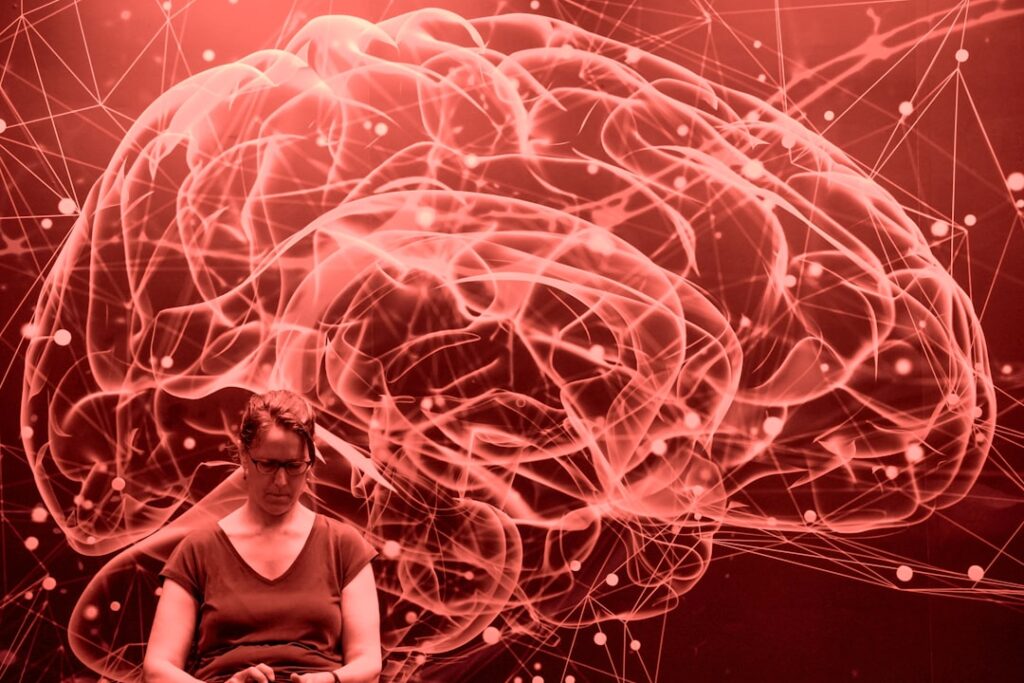
Have you ever woken from a vivid dream and wondered what your mind was trying to tell you? Or found yourself repeating the same patterns, making the same choices, even though you swore you’d change? You’re not alone. mind is working behind the scenes right now, shaping your thoughts, influencing your decisions, and quietly running the show while you think you’re in control.
The subconscious drives roughly the vast majority of the human experience. That means most of what you do, feel, and believe isn’t coming from conscious thought at all. It’s like the wizard behind the curtain, pulling levers you didn’t even know existed. Understanding this hidden realm isn’t just fascinating – it’s transformative. So let’s dive into the psychological keys that can help you unlock the mysteries of your own mind and tap into its incredible power.
Your Subconscious Stores Everything You’ve Ever Experienced
Think of your subconscious as a massive, invisible database. Its function is to store and retrieve data, ensuring you respond exactly the way you’re programmed. Every conversation you’ve had, every face you’ve seen, every emotion you’ve felt – it’s all filed away somewhere in the depths of your mind.
The subconscious encompasses a vast reservoir of thoughts, feelings, memories, desires, and automatic bodily functions that influence behavior, emotions, and perceptions. Even experiences you think you’ve forgotten are still there, quietly shaping how you see the world. This isn’t some mystical idea – it’s how your brain works. Your conscious mind can only handle so much at once, so your subconscious takes on the heavy lifting, processing and storing information around the clock.
It Operates Below Your Conscious Awareness

Here’s the thing: you’re not aware of most of what your subconscious is doing. Unlike the conscious mind, which is responsible for active awareness and logical reasoning, the subconscious mind operates silently and unconsciously, influencing thoughts, actions, and experiences without deliberate control. It’s working when you’re driving home on autopilot, when you get a gut feeling about someone, or when you suddenly remember someone’s name hours after trying to recall it.
This hidden layer of your mind doesn’t rest. The subconscious mind lies just below the surface of your conscious mind and houses things like emotions, memories, instinctual impulses, and primal directives for survival. You might consciously know you should eat healthier or stop procrastinating, but if your subconscious has different programming, you’ll struggle. That’s why willpower alone often fails.
Dreams Are Direct Messages from Your Subconscious

Ever had a dream that felt so real you woke up confused? Dreams are a very specific and unique form of communication with our subconscious mind, and when dreams feel clear and realistic, it’s usually to communicate something with us. Your subconscious doesn’t speak in straightforward language – it uses symbols, emotions, and bizarre scenarios to get your attention.
Recent studies using fMRI and EEG technologies reveal that dreams play vital roles in emotional regulation, problem-solving, and creativity, and may assist in processing trauma, consolidating memories, and maintaining psychological balance. Those recurring dreams you keep having? They’re not random. Your mind is trying to work through something, whether it’s unresolved stress, hidden fears, or even unexpressed desires. Honestly, paying attention to your dreams can be like having a personal therapist working the night shift.
It Maintains Your Mental and Physical Balance

Your subconscious isn’t just storing memories – it’s actively keeping you alive. Your subconscious mind has a homeostatic impulse, keeping your body temperature regulated, breathing regular, and heart beating at a certain rate, while maintaining balance among hundreds of chemicals in billions of cells. All of this happens without you thinking about it.
Your subconscious also practices homeostasis in your mental realm, keeping you thinking and acting in a manner consistent with what you’ve done and said in the past, storing all your habits of thinking and acting, and working to keep you in your comfort zones. This is why change feels so uncomfortable. Your subconscious resists anything new because it’s programmed to keep you safe and stable, even if that means keeping you stuck.
Accessing It Requires Quieting Your Conscious Mind

If you want to tap into your subconscious, you need to get out of your own way. Meditation and mindfulness are essential to awakening the potential of the subconscious mind, and when you quiet outside distractions and turn inward, you enter a heightened state of awareness and unlock access to your innate wisdom. It’s hard to say for sure, but practices like meditation, hypnosis, and even creative activities can create a bridge between your conscious and subconscious minds.
Theta brain waves, which help you access your subconscious mind, are more prominent between sleeping and waking, making you more receptive to new programming. This is why so many people suggest morning and evening rituals – your brain is naturally more open to subconscious input during these times. Journaling, visualization, and simply sitting in silence can help you listen to what your subconscious is trying to say.
Your Subconscious Can Be Reprogrammed
Let’s be real – if your subconscious was set in stone, you’d be doomed to repeat the same patterns forever. Thankfully, that’s not the case. The subconscious mind is constantly learning from the conscious mind, which means it can be controlled and programmed, though programming the subconscious mind takes intentional work. You’re not stuck with the programming you received as a child.
Repetition is key to reprogramming the subconscious, and when you learn that roughly the vast majority of your day is controlled by your subconscious mind and not the conscious mind you think is in control, it changes everything. Affirmations, visualization, and consistent new behaviors can literally rewire your brain. It’s not instant, and it’s not magic – it’s neuroscience. The more you repeat a new thought or behavior, the more it becomes ingrained in your subconscious.
Childhood Programming Shapes Your Adult Life

You might not like hearing this, but a lot of who you are today was decided before you turned seven. Your subconscious mind starts being programmed in the last trimester of pregnancy until you are around seven, and this period is the most intense part of programming, which is why kids are like sponges and pick up everything around them in these years. Those early experiences created the blueprint for how you see yourself and the world.
The fundamental behaviors, beliefs, and attitudes that we observe early in life become hardwired in our subconscious minds, and once programmed into the database of the unconscious, they control much of our life, including our biology, unless an effort is made to reprogram them. This explains why you might have unexplained fears or limiting beliefs you can’t trace back to a specific memory. Your subconscious absorbed messages from your parents, teachers, and environment long before you could consciously filter them.
It Communicates Through Intuition and Gut Feelings

You know that feeling when something just doesn’t sit right, even though logically everything seems fine? That’s your subconscious talking. It often comes in the form of a gut feeling, an inner knowing that you can’t quite put your finger on, and if you find yourself during times of transition or challenges, your subconscious is often the voice you’ve been missing. Your subconscious processes information faster than your conscious mind can keep up with.
Some people have a much closer connection with the non-conscious or subconscious parts of their mind, with their conscious and subconscious mind influencing each other to an unusually high degree in everyday life, and for those with stronger subconscious input, the mind may simply register more of what others discard. Learning to trust these signals takes practice, especially in a world that values logic over intuition. Still, your subconscious is picking up on patterns and cues you’re not consciously aware of.
Understanding It Leads to Greater Self-Awareness and Growth

Honestly, exploring your subconscious is one of the most powerful things you can do for personal growth. By exploring the depths of the subconscious, individuals can gain insights into their underlying beliefs, motivations, and patterns of behavior, leading to personal growth, healing, and self-discovery. It’s like turning on the lights in a room you’ve been stumbling around in the dark.
Many patients have found their subconscious to be a source of great wisdom and knowledge, which they have used to help resolve their psychological problems, and given the wealth of resources available through interactions with the subconscious, it can serve as a long-term resource throughout their lives. When you understand why you react the way you do, why certain patterns keep repeating, you gain the power to change them. It’s not about blaming your past or your subconscious – it’s about taking responsibility for reprogramming it to support the life you actually want to live.
Conclusion

Your subconscious mind is far more powerful than you might have imagined. It’s the silent architect of your daily life, the keeper of your memories, and the source of your deepest wisdom. Understanding these nine psychological keys gives you a roadmap to tap into this hidden realm and harness its potential for transformation.
The journey isn’t always comfortable. It requires you to face hidden fears, challenge old beliefs, and sit with uncomfortable truths. Yet, the rewards – greater self-awareness, improved mental health, and the ability to create lasting change – are worth every moment of introspection. What messages has your subconscious been sending you lately? What would you discover if you started paying closer attention?