
The debate surrounding the repatriation of fossils has intensified in recent years, challenging museums, researchers, and governments to reconsider who rightfully owns the remnants of Earth’s prehistoric life. These ancient remains—some millions of years old—carry scientific significance and cultural meaning that transcend modern political boundaries. As countries increasingly demand the return of fossils excavated from their territories during colonial eras or through questionable acquisitions, the scientific community finds itself at an ethical crossroads. This complex issue touches on sovereignty, scientific access, conservation capabilities, and the fundamental question of whether fossils represent universal heritage or national patrimony. The answers to these questions will shape not only museum collections worldwide but also our collective understanding of prehistoric life on Earth.
The Colonial Legacy of Fossil Collection

The history of paleontology is deeply intertwined with colonialism, as European powers extracted fossils from their colonies alongside other natural resources. During the 19th and early 20th centuries, famous expeditions such as Roy Chapman Andrews’ journeys to Mongolia or the German East Africa expeditions resulted in thousands of specimens being transported to Western institutions. These collecting practices rarely considered the sovereignty or interests of local populations. Instead, fossils were treated as scientific treasure to be claimed by those with the means to extract them. This historical context has left many countries feeling that their natural heritage was appropriated without consent, creating a legacy of scientific imperialism that continues to influence modern repatriation debates. The unequal power dynamics that facilitated these collections now fuel demands for justice and return.
Legal Frameworks Governing Fossil Ownership
The legal landscape surrounding fossil ownership varies dramatically across countries, creating a complex patchwork of regulations. Nations like Mongolia, China, and Argentina have enacted strict laws declaring fossils as state property, prohibiting their export without explicit permission. In contrast, countries like the United States allow private ownership of fossils found on private land, creating a legal fossil market. International agreements such as the 1970 UNESCO Convention on Cultural Property provide some framework for addressing illicitly exported cultural materials, though their application to paleontological specimens remains inconsistent. Further complicating matters, many controversial fossil collections left their countries of origin before modern protective legislation existed, raising questions about retroactive application of current laws. These legal ambiguities often leave repatriation claims to be decided through diplomatic channels rather than clear judicial processes.
Scientific Access and Research Implications

The scientific community has expressed valid concerns about how repatriation might affect research access to important specimens. Fossils serve as the primary data for understanding extinct life, and researchers require physical access to conduct detailed studies. Some fear that repatriation could restrict this access if specimens are returned to countries with limited research infrastructure or closed scientific communities. Conversely, proponents of repatriation argue that modern digital technologies like CT scanning and 3D printing can mitigate these concerns by creating detailed replicas for widespread study. Additionally, repatriation could potentially stimulate scientific collaboration and capacity-building in countries of origin, ultimately expanding rather than restricting research opportunities. The scientific dilemma centers on whether physical proximity to specimens or broad collaborative access better serves paleontological progress.
Conservation Capacity and Specimen Preservation
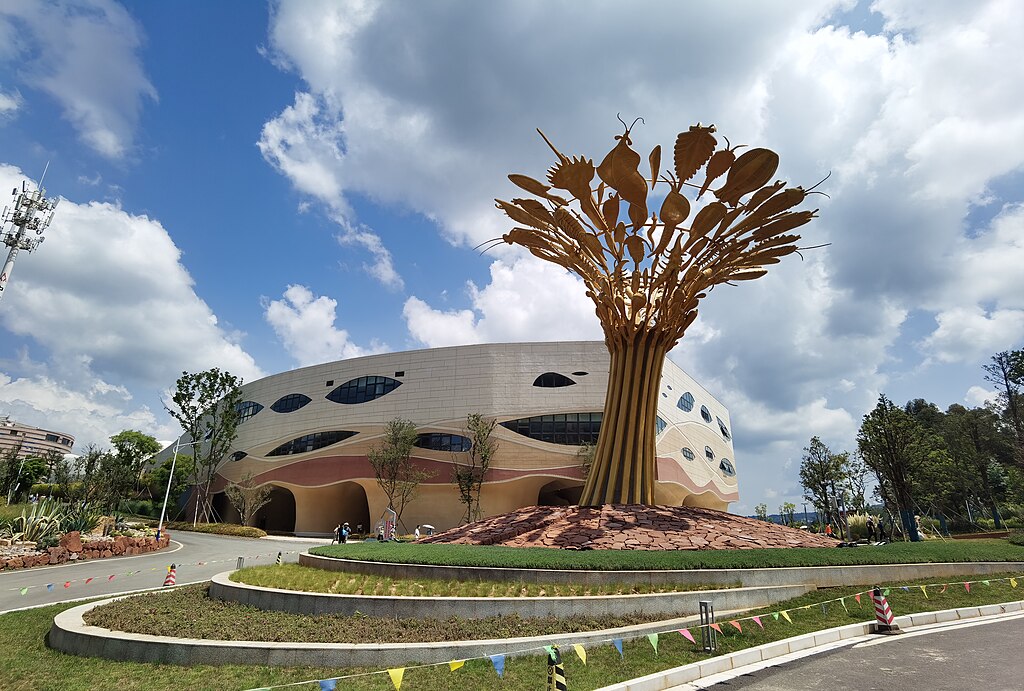
One of the most practical considerations in the repatriation debate concerns conservation capabilities and long-term preservation of often fragile fossil materials. Major museums in wealthy nations have developed sophisticated conservation facilities, climate-controlled storage, and teams of specialists dedicated to fossil preservation. Critics of repatriation express concern that some countries requesting fossil returns may lack comparable infrastructure and expertise, potentially putting irreplaceable specimens at risk of deterioration. This argument, however, has been criticized as paternalistic and outdated, as many formerly colonized nations have developed world-class museums and conservation facilities. Furthermore, international partnerships can help build conservation capacity where needed. The challenge lies in ensuring that specimen preservation remains paramount while acknowledging that conservation expertise is not the exclusive domain of Western institutions.
High-Profile Repatriation Cases
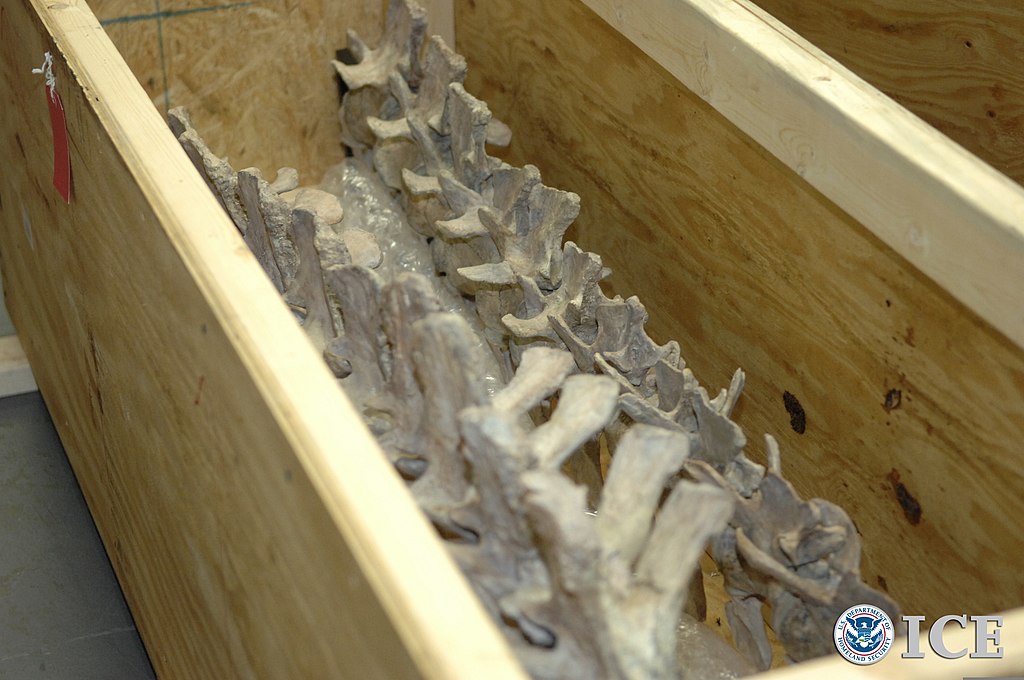
Several landmark fossil repatriation cases have shaped the ongoing global conversation. Mongolia’s successful campaign to recover numerous illegally exported dinosaur specimens, including a nearly complete Tarbosaurus bataar skeleton that sold at auction for over $1 million in 2012, demonstrated how countries can assert their patrimony laws internationally. Brazil’s fight to repatriate the Ubirajara jubatus specimen from Germany highlighted the tensions between colonial-era collections and modern sovereignty claims. Similarly, Argentina’s efforts to recover dinosaur fossils from European and North American institutions have established important precedents. These high-profile cases have brought public attention to the issue and encouraged museums to review their collections more carefully. Each successful repatriation establishes new norms that influence how institutions approach their historic collections and contemporary acquisition policies.
Cultural Identity and National Heritage

Beyond scientific value, fossils often carry profound cultural significance for their countries of origin. Many nations view their paleontological heritage as integral to their national identity and storytelling. In Mongolia, dinosaur fossils represent a source of cultural pride and connection to the land’s ancient history. Similarly, South American countries like Argentina see their unique dinosaur fossils as emblematic of their natural heritage and worthy of celebration within their own cultural context. This perspective challenges the notion that fossils belong exclusively to the scientific community rather than to specific cultural or national groups. The cultural dimension of fossil ownership acknowledges that these specimens can simultaneously serve as scientific data points and powerful symbols of national identity. This dual nature complicates purely scientific approaches to determining where fossils should ultimately reside.
Alternative Models: Shared Stewardship and Rotating Exhibitions

Innovators in the museum world have begun exploring collaborative approaches that move beyond the binary of keeping or returning fossils. Shared stewardship arrangements acknowledge both the scientific importance and cultural significance of specimens through formal agreements between institutions. These partnerships might include provisions for rotating exhibitions, where specimens spend time in both their country of origin and international research institutions. Digital repatriation represents another middle path, with high-resolution 3D scans making specimens virtually accessible worldwide while physical examples remain in their countries of origin. The American Museum of Natural History’s collaboration with Mongolian institutions exemplifies this approach, combining specimen returns with capacity building and ongoing research partnerships. These creative solutions suggest that the future of fossil custodianship may involve more nuanced arrangements than simple possession.
Economic Dimensions: Tourism and Local Development
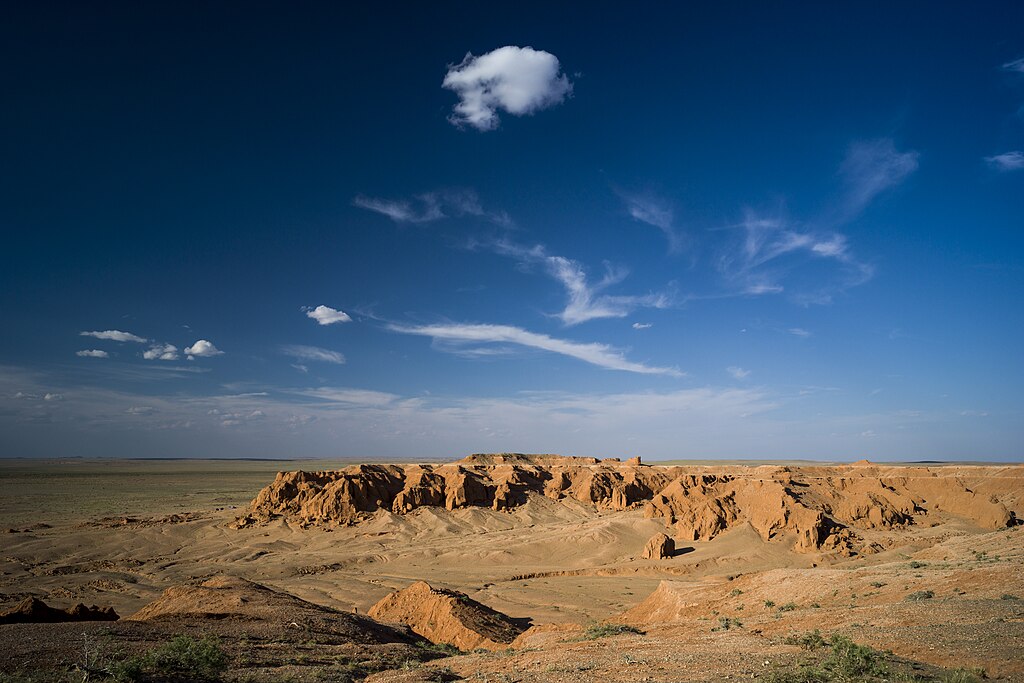
The economic impact of fossil repatriation deserves consideration in the broader debate, as paleontological heritage increasingly drives tourism and development. Countries seeking repatriation often aim to build local museum infrastructure that can attract visitors and stimulate regional economies. Mongolia’s Flaming Cliffs and Argentina’s dinosaur-rich Neuquén Province demonstrate how fossil sites and associated museums can become significant tourism draws. Local communities near fossil discoveries have legitimate interest in benefiting economically from their regional prehistoric heritage. However, the practical realities of developing sustainable paleotourism require significant investment and expertise. The economic dimension adds another layer of complexity to repatriation decisions, particularly in regions where fossil resources could contribute meaningfully to sustainable development goals through properly managed heritage tourism.
Ethical Considerations for Future Excavations
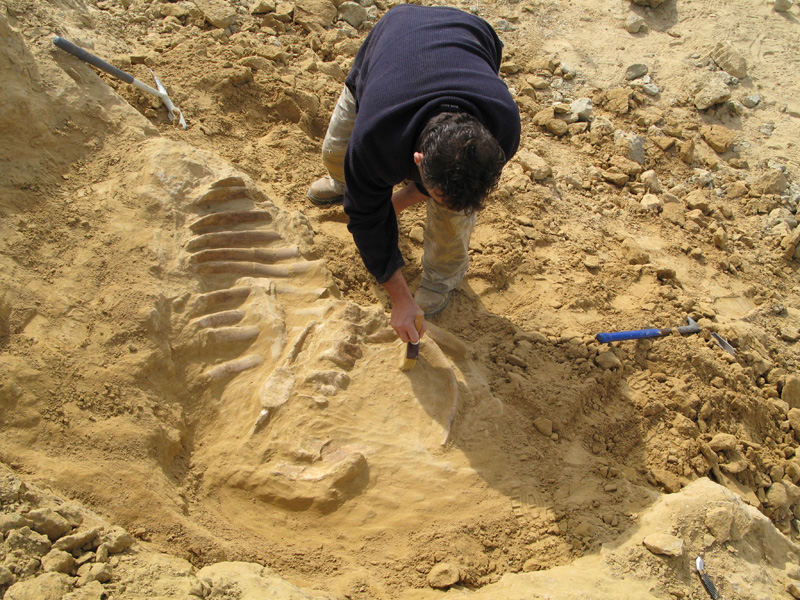
The repatriation debate has catalyzed important reconsiderations of ethical practices in contemporary paleontological fieldwork. Modern excavations increasingly involve formal agreements between international research teams and host countries, explicitly addressing specimen ownership, research access, and ultimate repository locations before work begins. These partnerships often include capacity-building components, where local scientists receive training and participate fully in research. The growing consensus holds that fossils collected today should benefit both global scientific understanding and local communities. Organizations like the Society of Vertebrate Paleontology have developed ethical guidelines that acknowledge both scientific needs and the sovereignty of host nations. These evolving ethical frameworks aim to prevent future repatriation controversies by establishing clear, equitable terms for fossil excavation and study from the outset.
Common Ground: Universal Access in a Digital Age
Digital technologies are transforming possibilities for reconciling national ownership with global scientific access. Advanced imaging techniques now allow researchers to create virtual specimens with exceptional detail, capturing internal structures through CT scanning and surface features through photogrammetry. These digital assets can be shared globally while physical specimens remain in their countries of origin. Major digitization initiatives like GB3D and MorphoSource are building virtual collections accessible to researchers regardless of geographic location. While digital surrogates cannot entirely replace access to physical specimens for some research purposes, they significantly mitigate concerns about research restrictions following repatriation. The digital revolution in paleontology offers common ground where scientific progress and national sovereignty need not conflict, potentially transforming a contentious debate into a collaborative opportunity through technological innovation.
Museum Perspectives and Institutional Challenges

Museums worldwide face practical and philosophical challenges as they reconsider their roles as fossil custodians in light of repatriation debates. Many institutions have built their identities around iconic specimens that may now be subject to repatriation claims, creating existential concerns about their future missions. Practical considerations abound, from the financial implications of returning key exhibits to the logistical challenges of safely transporting fragile specimens internationally. Museums must also navigate public opinion, as visitors may question empty display cases or wonder about the ethics of remaining collections. Forward-thinking institutions are proactively reviewing their collections, researching acquisition histories, and developing transparent policies for handling repatriation requests. This institutional soul-searching represents a fundamental shift in museum philosophy—from collecting the world’s treasures to serving as responsible stewards in a more equitable global knowledge ecosystem.
Indigenous Perspectives on Fossil Heritage

Indigenous communities often bring distinct perspectives to fossil repatriation discussions that transcend conventional scientific or national interests. For many indigenous peoples, the relationship with land and its ancient inhabitants carries spiritual significance that Western scientific frameworks may not fully appreciate. In Australia, Aboriginal communities have asserted rights regarding fossils found on their traditional territories, viewing them as connected to creation stories and cultural knowledge systems. Similarly, Native American tribes have sought involvement in decisions about paleontological remains from their ancestral lands. These indigenous perspectives challenge the binary framework of nation-state ownership versus global scientific heritage by introducing a third dimension of traditional cultural connections to ancient remains. Incorporating indigenous voices in repatriation discussions recognizes that prehistoric remains can simultaneously hold scientific value, national significance, and profound cultural meaning for the original inhabitants of the lands where fossils are found.
Toward a Global Ethical Framework

The future of fossil repatriation likely depends on developing comprehensive ethical frameworks that balance multiple legitimate interests. An ideal approach would honor the sovereignty of nations while ensuring scientific access, prioritize specimen conservation while respecting cultural significance, and address historical injustices without impeding future research. International organizations like UNESCO, ICOM (International Council of Museums), and scientific societies could collaborate to establish clearer guidelines for evaluating repatriation claims. These frameworks might consider factors such as acquisition circumstances, conservation capabilities, research access guarantees, and cultural significance to reach balanced decisions. Moving from case-by-case controversies toward principled frameworks would benefit all stakeholders by providing consistency and predictability. The development of such ethical frameworks represents an opportunity to transform a contentious issue into a model for how science, culture, and national interests can find common ground in our shared stewardship of Earth’s prehistoric heritage.
Conclusion: Balancing Past Injustices with Future Knowledge

The repatriation of fossils ultimately challenges us to reconcile multiple valid perspectives on who rightfully stewards our planet’s prehistoric heritage. There is no single answer that satisfies all concerns, but thoughtful approaches can balance addressing historical inequities with ensuring scientific progress continues. The most promising path forward appears to involve collaborative stewardship models, where institutions and nations partner rather than claim exclusive ownership. Digital technologies increasingly enable this cooperation by making knowledge accessible across borders while physical specimens reside in culturally appropriate locations. As this debate evolves, the paleontological community has an opportunity to pioneer more equitable approaches to studying our shared natural heritage. By acknowledging both the scientific and cultural dimensions of fossil remains, we can develop frameworks that honor the past while serving knowledge creation for future generations. In this way, the question of who owns the prehistoric past may ultimately lead us toward more thoughtful custodianship of our collective natural history.