

You ever get that weird feeling in your gut when someone walks into the room? That unsettling sensation that something’s off, even though their smile says everything’s fine? We’re surrounded by people every single day, colleagues, friends, family members, even acquaintances at the coffee shop. Most of us like to believe we’re pretty good at reading people.
Yet here’s the thing. The human brain is brilliant at hiding discomfort, masking dislike, and wrapping hostility in polite conversation. What your subconscious picks up on, however, rarely lies. Your body senses tension before your conscious mind can name it. Let’s be real, not everyone who acts friendly toward you actually likes you. Some people have become absolute masters at concealing their true feelings, putting on performances worthy of an award.
But the truth always leaks out somehow. It shows up in the smallest gestures, the briefest facial expressions, the way someone positions their body when you’re near. Psychology has spent decades studying these hidden signals, and what researchers have discovered is fascinating. So let’s dive in.
Their Smile Doesn’t Reach Their Eyes

A fake smile that only engages the mouth muscles is called a “non-Duchenne smile,” and you’ve probably seen it a hundred times without consciously recognizing it. When someone genuinely likes you, their entire face lights up. The corners of their eyes crinkle, creating those little crow’s feet we get when we’re truly happy.
When someone’s just going through the motions, only their mouth moves while the eyes stay flat, almost watchful. Their smile switches on and off quickly, appearing when others are watching, then fading the second attention moves away. You might catch them looking at you with what seems like warmth, only to notice a certain coldness behind it all. Honestly, once you learn to spot this difference, you can’t unsee it.
They Keep Physical Distance From You
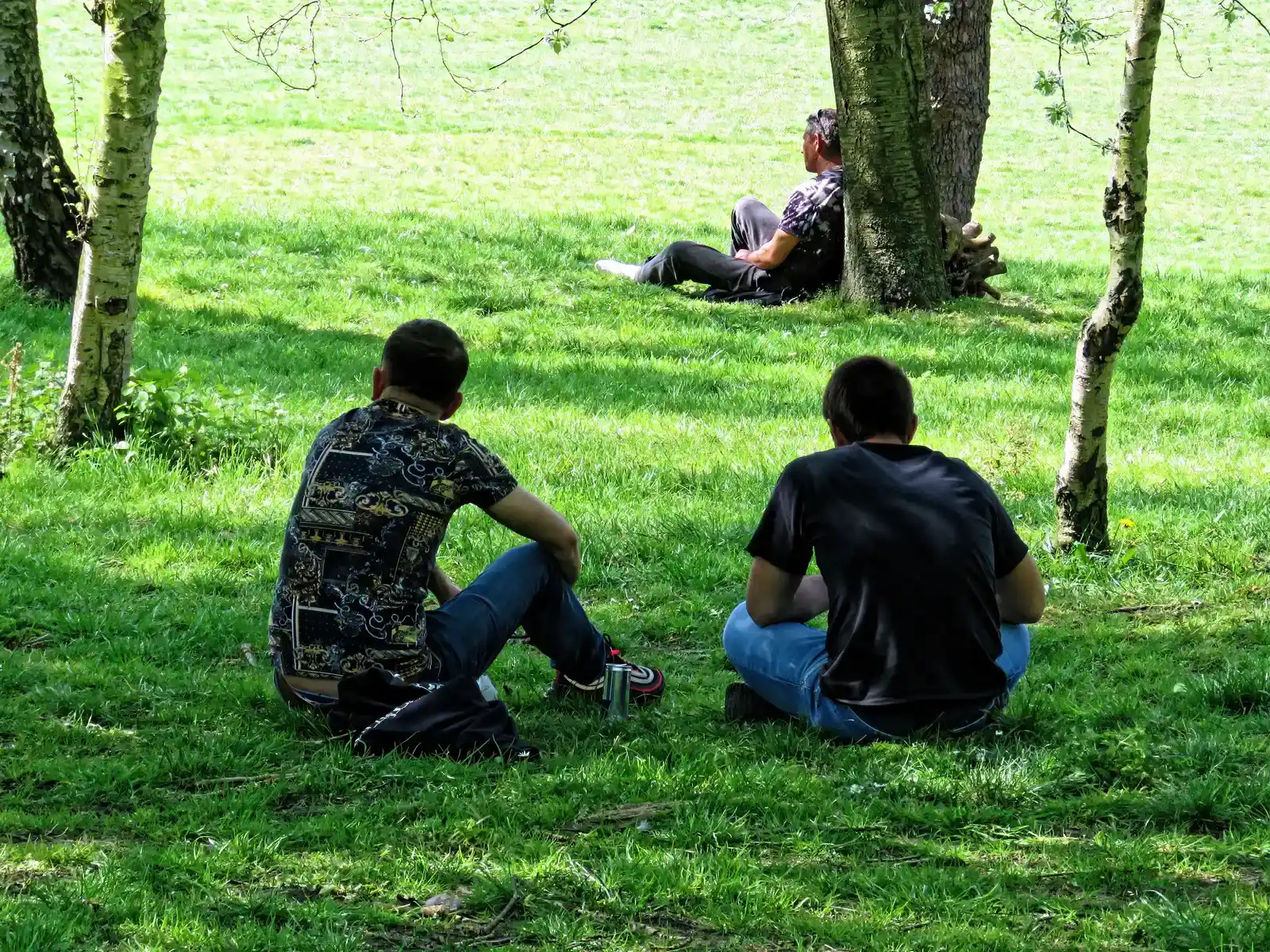
Ever notice how people naturally gravitate toward those they like? When someone doesn’t like you, they put as much distance between the two of you as possible, including getting up and moving further away to another seat if you sit down near them, or backing away during a conversation.
Our belly is an extremely vulnerable area where many vital organs are located, so we subconsciously try to protect it, which is why we turn our belly away from someone we dislike or mistrust. This isn’t always dramatic or obvious. Sometimes it’s just a subtle shift, a slight lean backward, or them angling their torso away even while they’re still talking to you. They will avoid touching you or getting close to you. You feel it more than see it, that invisible wall they’ve constructed between you.
Their Feet Point Away From You

Someone’s feet and legs reveal their true feelings more than anything else because people can fake their facial expressions, but they can’t control their feet and legs when they are distressed or uncomfortable. I know it sounds crazy, but this is one of the most reliable indicators.
If a person is standing with one foot facing you and the other one facing another direction entirely, then they’re already planning their escape, and if both of their feet are turned away from you, then you have about five seconds before they take off running. If someone’s feet are facing away from you, it could mean that they’re trying to keep their distance, and if the person points their feet towards an exit while speaking with you, then chances are good that she wants to leave the conversation because we usually point our feet toward where we want to go or what we like. Next time you’re in a group conversation, just glance down. The feet never lie.
They Never Initiate Contact

When someone doesn’t actually like you, they’ll respond to keep up appearances, but they won’t invest effort in sustaining the relationship, and their responses might be polite but brief, closing down conversation rather than encouraging it. Think about your interactions with this person. Who’s always reaching out first?
If someone doesn’t like your company, they will naturally make less of an effort to stay in touch, and you’ll often find yourself calling, texting, or making plans first. They might answer when you contact them, sure. They might even be pleasant about it. Yet they never pick up the phone themselves. They never suggest getting together. It’s always you doing the heavy lifting, and after a while, that pattern becomes exhausting.
Conversations Feel Like Pulling Teeth

When someone secretly dislikes you, conversation with them often feels like walking through mud, where you ask open questions and they give short, dry replies, and you may hear a lot of “yeah,” “sure,” or “I guess,” without much extra detail.
Genuine interest shows up as follow-up questions, and with friendly people, you might hear “How did you get into that?” or “What happened next?” but with this person, the talk stops at the surface as you offer stories and they offer dead ends. There’s no flow, no natural back-and-forth. You leave these exchanges feeling drained rather than energized. Here’s the thing: people who like you want to know more about you. Those who don’t? They’re just waiting for an excuse to end the conversation.
They’re Excessively Polite Around You

This one catches people off guard. People who secretly don’t like you might actually be excessively polite around you, using formal language, maintaining a professional distance, and rarely letting down their guard to reveal their true feelings, and this excessive politeness is a kind of armor, a shield they use to prevent any genuine connection.
If someone doesn’t like you, they may react by acting extremely polite. While everyone else gets casual conversation, inside jokes, and relaxed banter, you get stiff formality. It’s like they’ve built an emotional moat around themselves, and you’re permanently stuck on the other side. If you notice someone being overly polite and formal with you, especially when others around them are more relaxed and casual, it could potentially be a sign that they’re not particularly fond of you. The coldness wrapped in courtesy is somehow worse than open hostility.
They Forget Details About Your Life
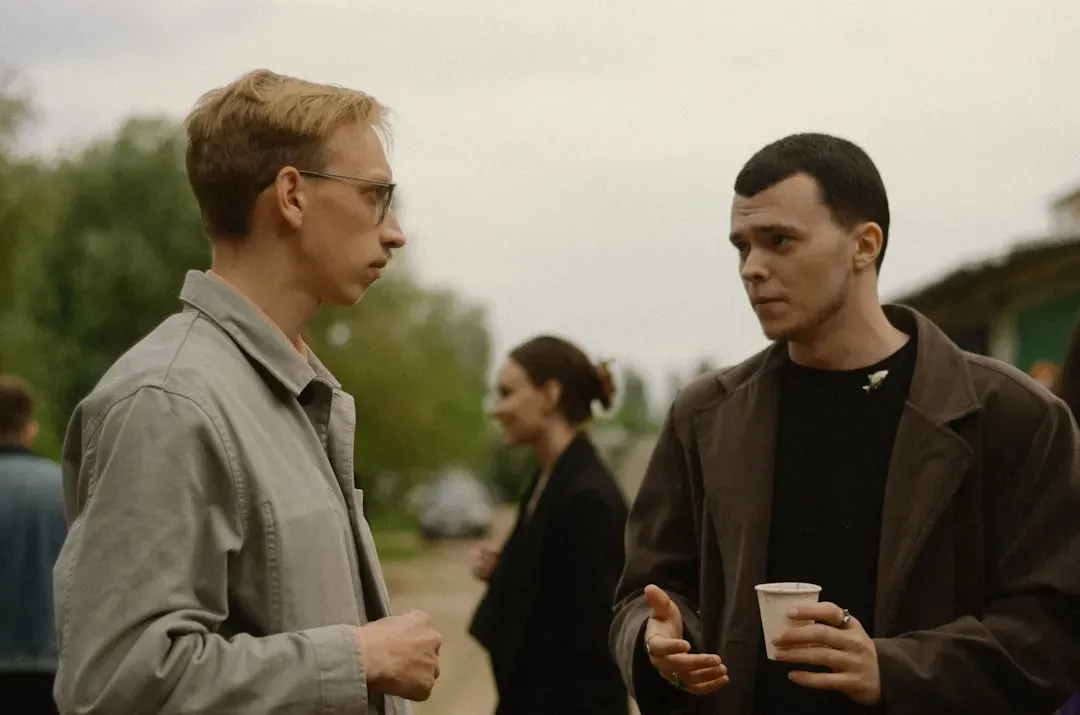
Psychological studies have shown that people are more likely to remember details about individuals they view positively, so if someone constantly forgets the details you’ve shared about your life, like your dog’s name, your favorite book, or even important dates like your birthday, it might be because they have a low opinion of you.
You’ve mentioned your upcoming vacation three times, yet they act surprised when you bring it up again. You told them about your family situation, and they ask questions that prove they weren’t listening at all. They don’t make the effort to really get to know you because it’s all about them, and when you know the other person reasonably well but he or she can’t even answer basic questions about you and your life, that’s a clear sign. Memory isn’t the issue here. Priority is.
The Room Goes Quiet When You Enter

Have you ever walked into a meeting or the break room and felt the energy shift, where the room fell quiet, people looked down at their feet or exchanged glances at one another, and things felt awkward, which could mean they were just talking about you, or they were talking about something they don’t want to share with you.
When someone secretly dislikes you, a common habit is to fall quiet when you walk in, where voices drop, topics change, or the whole group suddenly becomes very focused on their phones. Imagine walking into the break room and hearing laughter, and as you step through the door, the sound fades as people glance at you, then look away, and the air feels heavier, as if you interrupted something you were never meant to join. That moment when you realize you’re the outsider? Yeah, that cuts deep.
Conclusion

The human body is terrible at hiding discomfort, and even if someone is polite with their words, their posture, gestures, and micro-expressions often tell a different story entirely. That unsettled feeling you get around certain people is your subconscious picking up on these subtle cues. Learning to recognize these signs isn’t about becoming paranoid or cynical. It’s about protecting your energy and investing it where it’s actually valued.
Not everyone needs to like you, and that’s perfectly okay, but what matters is surrounding yourself with people whose kindness is genuine, whose friendship is authentic, and whose presence adds value to your life rather than draining it. Psychology research on “thin-slicing” shows that we can make surprisingly accurate judgments about people’s attitudes toward us in just a few seconds of observation, and your gut isn’t paranoia but data your brain has processed beneath conscious awareness. Trust what your body tells you. If multiple signs from this list show up consistently with someone, you’re not imagining things.
What patterns have you noticed in your own life? Share your thoughts in the comments below.