The extinction of dinosaurs represents one of Earth’s most dramatic chapters, often portrayed in popular media as a catastrophic event that simultaneously wiped out all dinosaurs. However, this simplified narrative fails to capture the complex reality revealed by decades of paleontological research. The truth about dinosaur extinction involves a nuanced timeline, varying patterns across different species and regions, and surprising survivors that challenge our understanding of what really happened 66 million years ago. Far from an instantaneous mass death, the disappearance of non-avian dinosaurs unfolded as a complex ecological process with important implications for understanding extinction events, evolutionary transitions, and the rise of mammals that would eventually lead to human existence.
The Myth of Simultaneous Extinction

For generations, many people have pictured dinosaur extinction as a single dramatic moment when an asteroid struck Earth, immediately killing all dinosaurs worldwide. This simplified narrative persists in movies, books, and even some educational materials. While an asteroid impact did occur approximately 66 million years ago at what is now the Yucatán Peninsula in Mexico, the extinction process was far more complicated than instant annihilation. Recent evidence from fossil records indicates that dinosaur diversity was already declining in some regions before the impact, suggesting multiple stressors were affecting dinosaur populations. The process of extinction likely played out over thousands to hundreds of thousands of years rather than mere days or weeks, challenging the “instant death” scenario many imagine.
The Geological Time Scale Perspective
Understanding dinosaur extinction requires grasping the vast timescales involved in geological and evolutionary processes. The end-Cretaceous extinction marking the boundary between the Mesozoic and Cenozoic eras occurred approximately 66 million years ago, but even this relatively well-defined boundary represents a transition spanning thousands of years. Paleontologists determine the timing of extinctions by analyzing fossil-bearing rock layers, where even a seemingly thin boundary layer can represent substantial time periods. The geological record shows that the latest Cretaceous saw changes in sea levels, increased volcanic activity from the Deccan Traps in India, and climate fluctuations—all occurring over extended timeframes. These gradual changes created environmental stresses that affected different dinosaur populations at different rates and times depending on their geographic location and ecological niches.
Geographic Variations in Extinction Patterns
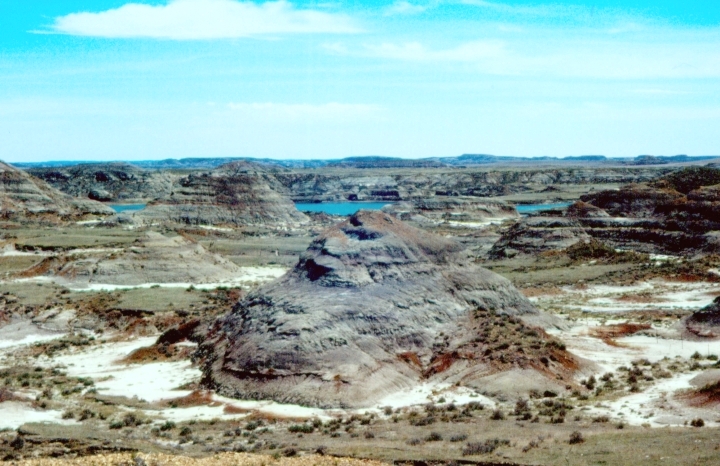
Dinosaur extinction did not occur uniformly across the planet, with significant regional variations now evident in the fossil record. Research from sites in North America, particularly the Hell Creek Formation, shows patterns different from those observed in Europe, Asia, or the Southern Hemisphere. Some regions appear to have experienced more abrupt dinosaur community collapses, while others show more gradual transitions with certain species persisting longer after the asteroid impact. These geographic variations reflect differences in local environmental conditions, ecosystem resilience, and the distribution of resources in the aftermath of the impact. For example, recent discoveries suggest that dinosaurs in the Southern Hemisphere may have persisted longer than their northern counterparts, possibly due to different patterns of environmental devastation following the Chicxulub impact event.
The Chicxulub Impact: Catalyst, Not Solo Actor

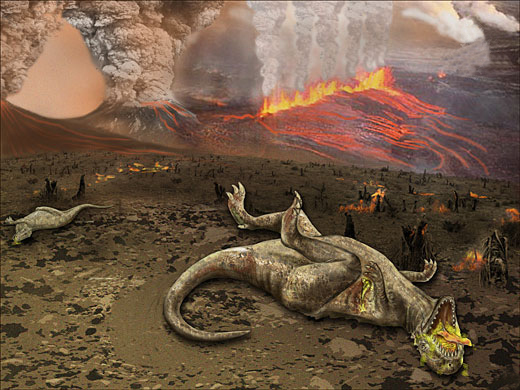
The asteroid impact at Chicxulub undoubtedly played a critical role in dinosaur extinction, but it acted more as a catalyst within a complex system rather than a single cause. The massive impact, estimated to have released energy equivalent to billions of Hiroshima bombs, triggered tsunamis, widespread fires, and ejected dust and debris into the atmosphere, creating what’s often called an “impact winter.” This dramatic climate change severely disrupted ecosystems worldwide, but it did not instantaneously kill all dinosaurs. Instead, it set in motion a cascade of environmental changes that affected food webs, reducing primary productivity through decreased photosynthesis and creating ripple effects throughout terrestrial and marine ecosystems. Different dinosaur species, with varying adaptations and ecological requirements, responded differently to these changes, leading to staggered extinction patterns rather than a simultaneous die-off.
Deccan Traps: The Other Major Player
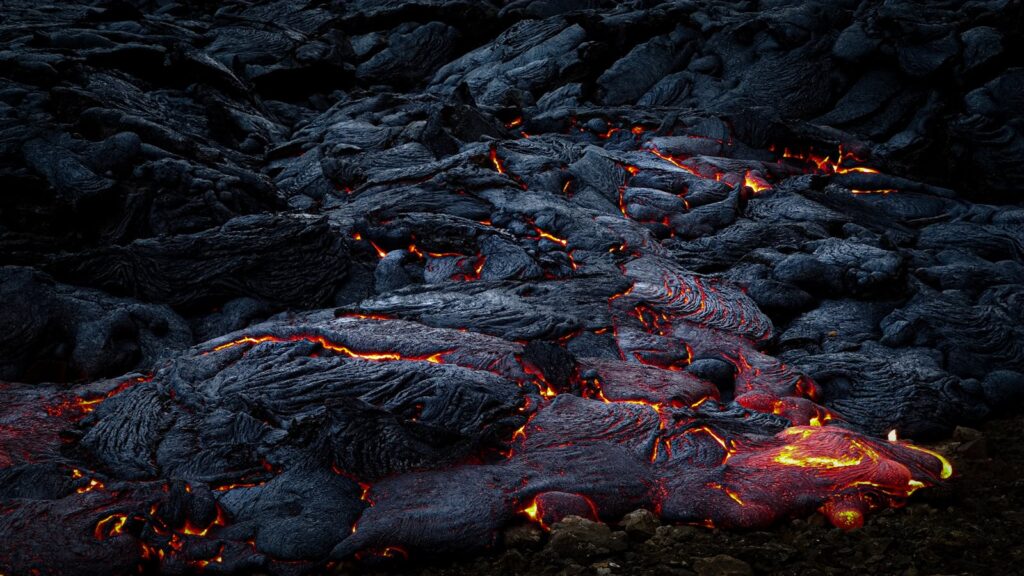
The massive volcanic eruptions of the Deccan Traps in what is now India represent another significant factor in the end-Cretaceous extinction event that is often overshadowed by the asteroid impact narrative. These eruptions began before the Chicxulub impact and continued for approximately a million years, releasing enormous quantities of carbon dioxide, sulfur dioxide, and other greenhouse gases into the atmosphere. The resulting climate effects included acid rain, global warming, followed by cooling periods, and ocean acidification that stressed ecosystems worldwide. Recent precise dating of these lava flows reveals that the most intense period of volcanic activity coincided closely with the time of extinction, suggesting a potential one-two punch scenario where volcanic activity had already weakened dinosaur populations before the asteroid delivered the final blow. This long-term environmental stress explains why some dinosaur groups were already declining before the famous impact.
Differential Survival Rates Among Dinosaur Groups

Not all dinosaur groups faced identical extinction trajectories at the end of the Cretaceous period. Fossil evidence indicates that some lineages were already experiencing diversity declines before the asteroid impact, while others remained stable or were even diversifying. Large-bodied herbivores like ceratopsians and hadrosaurs appear to have been particularly vulnerable, perhaps due to their specialized diets and significant caloric needs. In contrast, some smaller theropods and omnivorous dinosaurs may have persisted longer due to dietary flexibility and reduced resource requirements. This pattern of differential survival challenges the notion of simultaneous extinction and demonstrates how ecological factors like body size, diet specialization, and reproductive strategies influenced extinction vulnerability. The fossil record shows that dinosaur communities weren’t simply extinguished but underwent complex reorganizations with some groups disappearing earlier than others.
The Survivors: Birds as Living Dinosaurs

Perhaps the most compelling evidence against the “all dinosaurs died at once” narrative is the simple fact that dinosaurs still exist today in the form of birds. Modern birds are direct descendants of theropod dinosaurs, specifically a group of small, feathered maniraptoran dinosaurs. This evolutionary relationship means that, rather than complete extinction, dinosaurs experienced a severe bottleneck event where only certain avian lineages survived. The characteristics that helped these dinosaurs survive—including smaller body size, flight capability, warm-bloodedness, and possibly more sophisticated behaviors—provided crucial advantages during the extinction crisis. Birds represent a remarkable case of evolutionary continuity through a mass extinction event, demonstrating that the dinosaur extinction was selective rather than complete. Their survival fundamentally challenges the popular conception that dinosaurs disappeared entirely from Earth.
The “Three-Meter Rule” and Size-Selective Extinction

One of the most intriguing patterns in the end-Cretaceous extinction is what paleontologists call the “three-meter rule”—the observation that few terrestrial vertebrates weighing more than about 25 kilograms (55 pounds) survived the extinction event. This pattern suggests that the extinction was strongly size-selective, with larger-bodied animals facing much higher extinction rates than their smaller counterparts. The reasons for this size bias likely include the greater food requirements of larger animals, making them more vulnerable to food chain disruptions caused by reduced photosynthesis after the impact. Additionally, smaller animals could utilize more sheltered microhabitats, had shorter generation times, allowing faster adaptation, and could subsist on alternative food sources like seeds, insects, and scavenged materials that remained available even when plant productivity crashed. This size-selective extinction pattern explains why small, bird-like dinosaurs had better survival odds than their larger relatives.
The “Fern Spike” and Ecological Recovery Timeline

The fossil record preserves not just the extinction of dinosaurs but also the recovery of ecosystems afterwards, providing crucial information about the timeline of these events. One well-documented phenomenon is the “fern spike”—a dramatic increase in fern spores in sediment layers immediately following the K-Pg boundary. Ferns are pioneer species that quickly colonize disturbed environments, and their abundance indicates a major ecological disruption consistent with the asteroid impact scenario. However, the presence of this fern spike and subsequent stages of ecological recovery, including the return of diverse plant communities and the gradual appearance of new mammal species, demonstrates that environmental restoration occurred progressively over hundreds of thousands of years. This extended recovery period reinforces the understanding that the extinction itself was not instantaneous but a process that unfolded over ecologically significant timeframes.
Fossil Record Gaps and the Challenge of Precise Timing
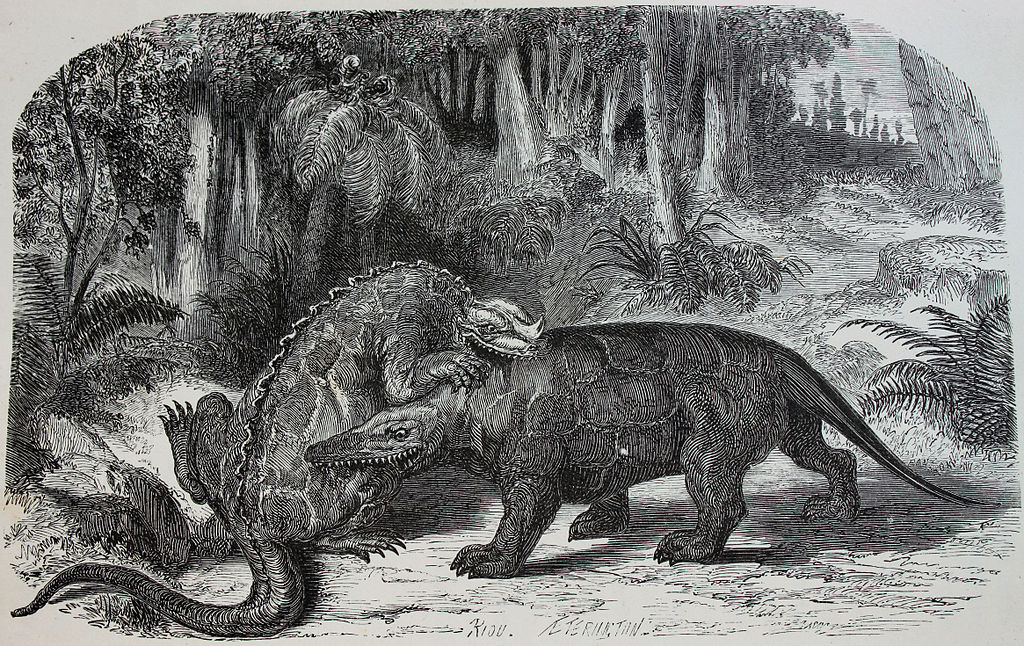
Determining the exact timing and pattern of dinosaur extinction is complicated by inherent limitations in the fossil record. Fossilization itself is an exceptionally rare event, preserving only a tiny fraction of ancient life, and the geological processes that create and preserve fossils vary considerably across different environments. These limitations create what paleontologists call the Signor-Lipps effect—the phenomenon where the last known fossil of a species almost certainly doesn’t represent the last living individual of that species. This statistical reality means that species may have persisted for considerable time beyond their last known fossil occurrence. Recent refinements in dating techniques and more extensive fossil sampling have narrowed these gaps, but scientists must still contend with substantial uncertainty when attempting to reconstruct the precise timeline of dinosaur disappearance, making claims of simultaneous extinction particularly problematic.
Modern Research Methods Revealing Extinction Complexity

Advances in research methodologies have dramatically enhanced our understanding of dinosaur extinction patterns in recent decades. High-precision radiometric dating now allows paleontologists to determine the age of fossil-bearing rocks with unprecedented accuracy, sometimes to within a few thousand years—a remarkable achievement when studying events from 66 million years ago. Geochemical analyses of ancient soils, marine sediments, and fossil materials provide detailed information about environmental conditions before, during, and after the extinction event. Computer modeling of climate effects, ecological networks, and population dynamics helps scientists test hypotheses about extinction mechanisms and timelines. Additionally, the discovery of exceptionally preserved fossil sites worldwide has substantially improved the fossil record’s resolution. These methodological advances consistently support a complex extinction scenario with regional variations and differential timing, definitively contradicting the oversimplified “instant death” narrative.
Implications for Understanding Modern Extinctions

The nuanced understanding of dinosaur extinction has profound relevance for interpreting the extinction crisis unfolding in our modern world. By recognizing that even the dramatic end-Cretaceous extinction involved complex ecological processes rather than instantaneous death, scientists gain valuable insights into how modern ecosystems might respond to severe environmental stresses. The differential vulnerability of dinosaur species based on body size, ecological specialization, and geographic location parallels patterns observed in contemporary extinction risk assessments. Today’s biodiversity faces multiple simultaneous threats, including habitat destruction, climate change, pollution, and overexploitation—a situation with disturbing parallels to the multiple stressors present during the dinosaur extinction. By studying the complex dynamics of past extinction events, conservation biologists gain crucial context for interpreting current biodiversity trends and developing more effective conservation strategies in our rapidly changing world.
The extinction of non-avian dinosaurs represents one of Earth’s most significant evolutionary transitions, but it was far from the instantaneous, uniform event often portrayed in popular culture. Instead, it unfolded as a complex ecological process with regional variations, differential impacts across species, and survivors that continue the dinosaur lineage today as birds. This more nuanced understanding, supported by decades of rigorous scientific research, not only provides a more accurate picture of Earth’s past but also offers valuable insights into extinction dynamics that may help humanity address the biodiversity challenges of our own time. As we face unprecedented global environmental changes, the lessons from dinosaur extinction remind us that even catastrophic events produce complex outcomes that unfold across both time and space.