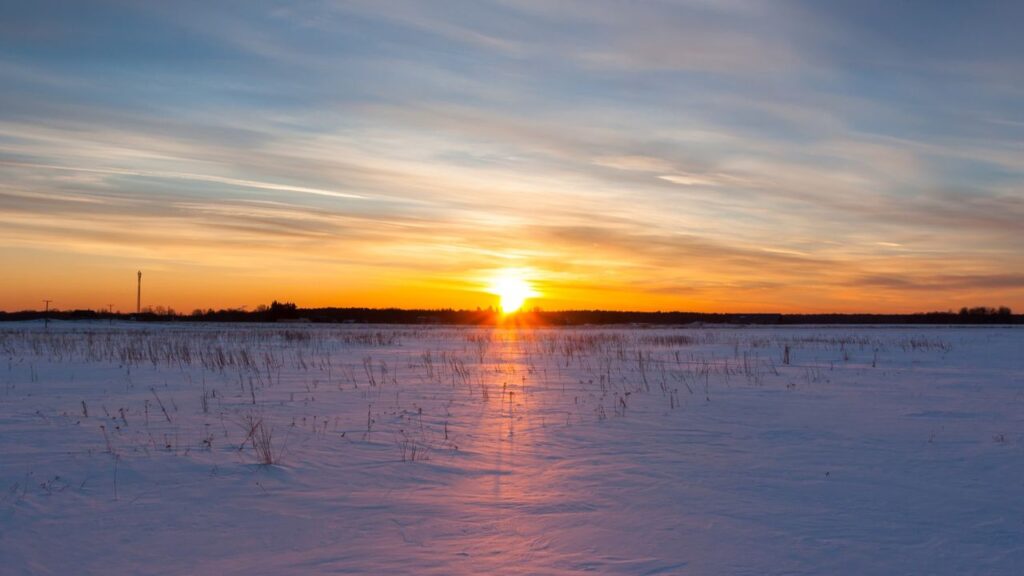
On December 21, 2025, the Northern Hemisphere experienced its briefest daylight of the year as the winter solstice arrived at 10:03 a.m. Eastern Time.
A Pivotal Moment in Earth’s Orbit
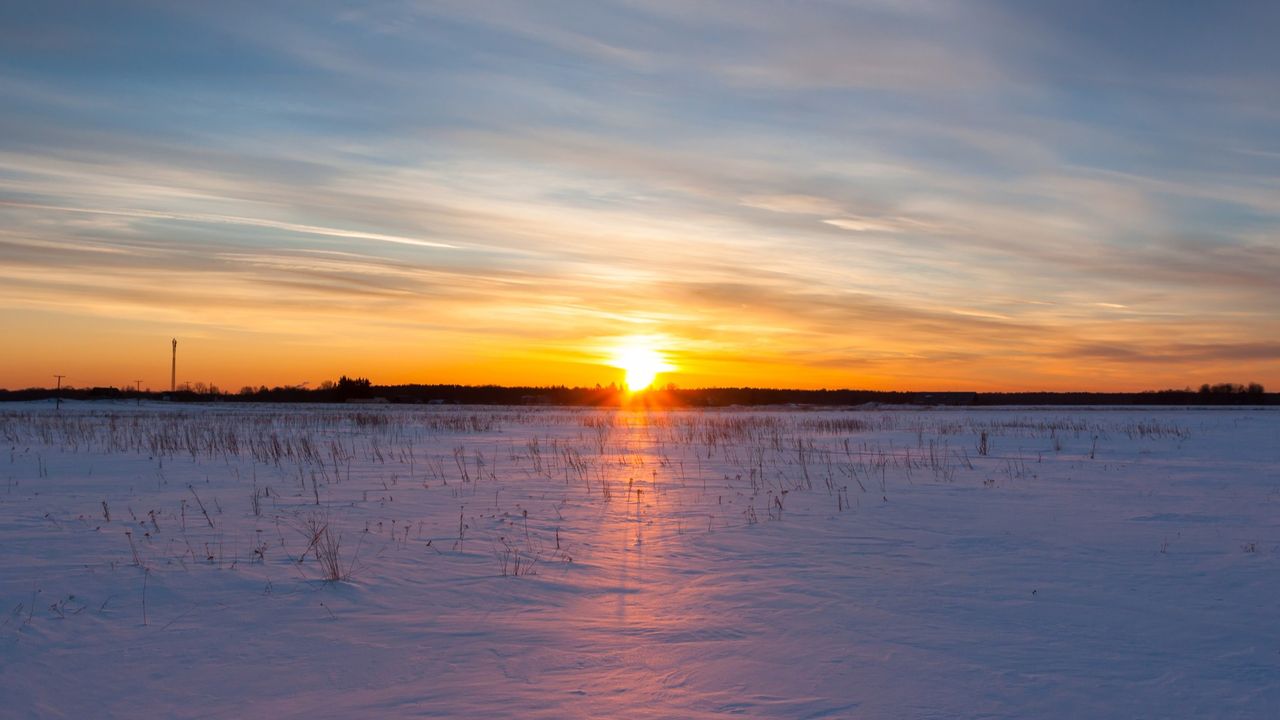
The winter solstice arrived with a stark reminder of seasonal extremes, tilting the Northern Hemisphere farthest from the sun and plunging regions into their darkest hours. This event, rooted in the planet’s axial tilt of about 23.5 degrees, created the shortest day and longest night for billions. Astronomers noted the precise timing marked the official start of astronomical winter, a period that extends until the spring equinox in March.
Earth’s journey around the sun, combined with its spin axis, produced this phenomenon. As the planet reached this position, sunlight struck the Northern Hemisphere at the most oblique angle possible. Shadows lengthened dramatically, and daylight dwindled to mere hours in many latitudes. Residents from Canada to Europe reported sunrises delayed until after 8 a.m. and sunsets before 5 p.m. in mid-northern areas. This alignment ensured that, for the next three months, winter’s grip would tighten before gradually loosening.
The Science Behind the Shortest Day
Understanding the solstice requires grasping how Earth’s tilt influences light distribution. The Northern Hemisphere leaned away from the sun, reducing the sun’s path across the sky and minimizing exposure. In contrast, the Southern Hemisphere tilted toward the sun, enjoying its longest day and the onset of summer. This balance highlighted the planet’s dual seasonal rhythms, with the solstice acting as a turning point.
Daylight varied widely by location during this event. Near the equator, differences remained subtle, but farther north, the impact intensified. For instance, cities like London saw about seven hours of light, while Oslo managed under six. The solstice itself lasted only an instant, yet its effects shaped daily life for weeks. Scientists emphasized that while the day was shortest, the tilt began shifting immediately afterward, promising incrementally longer days ahead. This gradual change offered hope amid the cold.
Cultural and Historical Significance
Throughout history, communities marked the winter solstice with rituals celebrating light’s return. Ancient cultures, from Stonehenge observers to Roman festival participants, viewed it as a rebirth symbol. Modern observances included gatherings at sacred sites and reflections on the year’s end. The event fostered a sense of unity, as people worldwide acknowledged the shared celestial cycle.
In 2025, interest surged with public astronomy events and educational programs. Museums and observatories hosted viewings, explaining the solstice’s role in calendars and agriculture. Traditions like Yule logs and solstice feasts persisted, blending old customs with contemporary awareness. These practices underscored the solstice’s enduring appeal, bridging science and human experience across generations.
Impacts on Daily Life and Environment
The solstice influenced more than just hours of light; it affected weather patterns and ecosystems. Colder temperatures solidified in the north, prompting wildlife adaptations like hibernation. Human routines adjusted too, with earlier evenings encouraging indoor activities and seasonal preparations. Energy demands rose for heating, while shorter days impacted moods for some, leading to greater emphasis on wellness practices.
Environmentalists highlighted the solstice as a cue for reflection on climate influences. Though the event itself remained unchanged, broader shifts in global temperatures altered winter’s severity. Conservation efforts gained momentum, urging sustainable habits during the season. As nights lengthened, opportunities emerged for stargazing, with clearer skies revealing constellations unhindered by daylight.
- The solstice occurs twice yearly, once per hemisphere.
- It signals the start of winter in the north and summer in the south.
- Earth’s tilt causes the sun to appear lower in the sky.
- Post-solstice, daylight increases by about one minute per day initially.
- Historical sites like Newgrange in Ireland align with the solstice sunrise.
- No leap year adjustments affect the date, which falls between December 20-22.
Key Takeaways
- The 2025 winter solstice marked the Northern Hemisphere’s minimal daylight at 10:03 a.m. ET.
- Axial tilt drives the seasonal shift, ensuring balanced year-round light distribution.
- Longer days begin immediately after, building toward spring.
As the solstice passed, it served as a poignant reminder of nature’s cycles and resilience, inviting contemplation on the balance between darkness and light. With winter now underway, the promise of renewal loomed on the horizon – what traditions will you embrace this season? Share your thoughts in the comments.