
You’ve probably met someone and instantly thought, “I trust this person,” without quite knowing why. That feeling isn’t magic. Your brain is picking up on countless tiny signals that most people never consciously notice. In a world where we’re constantly bombarded with advice about spotting liars and manipulators, it’s refreshing to flip the script and focus on recognizing the genuinely trustworthy people walking among us.
The beautiful thing about these cues is that they’re usually involuntary. They’re the little breadcrumbs left behind by someone’s true character, revealed through actions rather than words. So let’s dive into the subtle psychological signs that someone has a soul you can truly rely on.
They Show Genuine Remorse When They’ve Messed Up
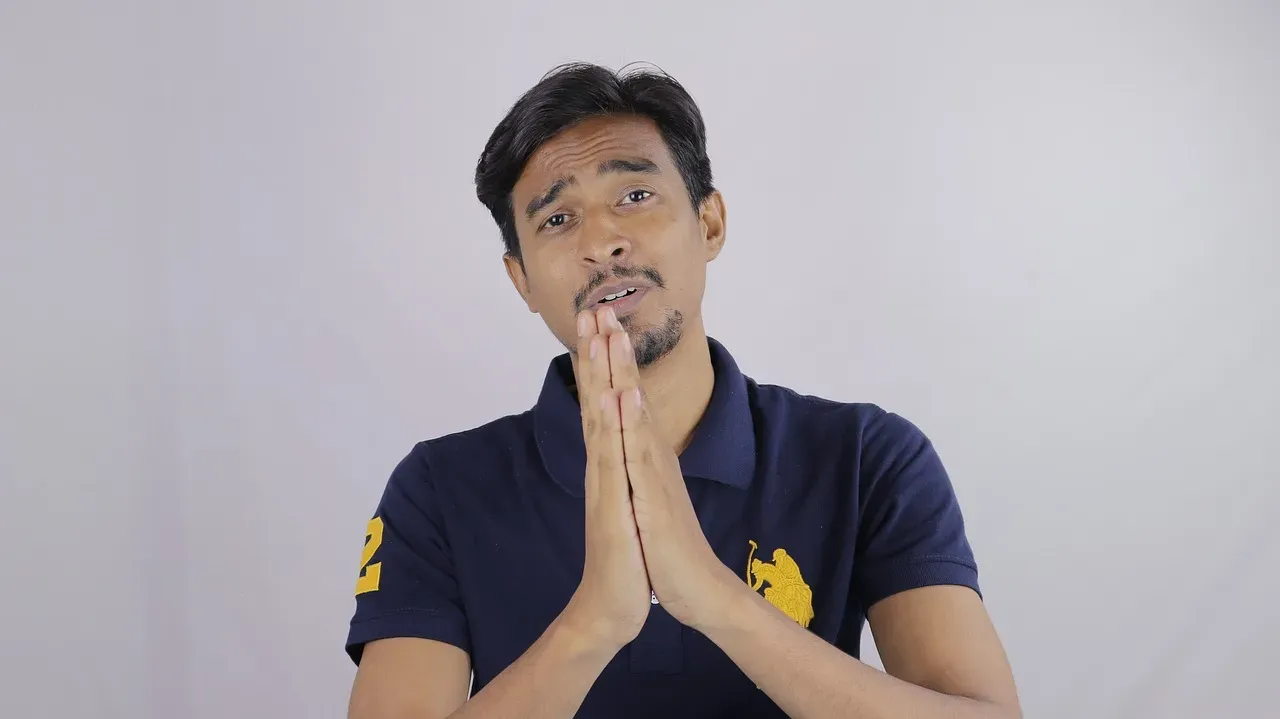
People who are guilt-prone tend to avoid engaging in behaviors that might harm or disappoint others, and if they do commit a wrongdoing, guilt motivates them to take action to try to make things right again. Think about it: when someone screws up, do they immediately start defending themselves, or do they pause and genuinely acknowledge what they’ve done?
Research suggests that a tendency to feel guilt may be one of the strongest predictors of trustworthiness, as people who are high in guilt-proneness are more likely to be trustworthy, and those who fear feeling guilty in the future will try to avoid any action that causes this to occur. I know it sounds strange, valuing guilt as a positive trait. Yet it’s that very discomfort with doing wrong that keeps trustworthy people on the straight and narrow.
You can observe how they respond to past transgressions and whether they appear to experience remorse, and see if they are concerned about the effects their actions have on others. Trustworthy folks don’t just mouth the words “I’m sorry” while their eyes dart away. Their apologies land differently because they genuinely mean them.
Their Words Match Their Actions Every Single Time

Ever notice how some people are all talk? They promise the world but deliver nothing. Trustworthy individuals are refreshingly different.
Consistency is the cornerstone of honesty, and if a man’s words don’t align with his actions, it raises a red flag about his sincerity, whereas genuinely honest men show a pattern of congruence between what they say and what they do. This isn’t just about keeping promises. It’s about living in a way where your life reflects what you claim to value.
They match their words and feelings with their thoughts and actions, and they do not think one thing and speak another. When someone tells you they’ll call, they call. When they say family matters most, you actually see them prioritizing their family. The alignment is almost eerie because it’s so rare.
Consistency is a hallmark of extremely honest individuals, as their words and actions consistently align with their values and principles over time, even when no one is watching.
They Maintain Eye Contact Without Making It Weird

Maintaining eye contact not only exudes confidence but also builds trust, as research shows that we tend to see people who avert their gaze as less sincere, socially anxious and deceptive, while we’re more likely to believe someone who looks at us directly. There’s something about steady eye contact that signals honesty.
Now, here’s the thing. Eye contact etiquette is a behavior many people need to learn, as giving too much stare time can come across as intense, giving too little seems disinterested or unsure, and in Western culture, looking your conversation partner in the eye seventy percent of the time is a good guideline.
Trustworthy people have mastered this balance naturally. Their gaze feels comfortable rather than challenging or evasive. It’s like they’re fully present with you, not scanning for exits or checking their phone every five seconds. They look at you because they’re genuinely interested in what you’re saying.
They Keep Open Body Language Without Realizing It

You can tell a lot about someone by how they hold themselves. One of the fundamental cues that make you seem instantly trustworthy is maintaining an open posture, which involves keeping your arms uncrossed, shoulders relaxed, and chest open, serving as a non-verbal way of saying, “I have nothing to hide”.
An open posture signifies confidence, honesty, and receptivity, and it signals to others that you’re comfortable in your skin and open to interaction. Think about the last time someone crossed their arms while talking to you. Did it feel welcoming? Probably not.
Trustworthy people don’t create physical barriers between you two, as they don’t cross their arms, hold objects in front of their torso, or position furniture as subtle shields, but instead keep their body open and accessible, signaling that they have nothing to hide or protect from you. Their body speaks before their mouth does, broadcasting safety and authenticity.
They Remember the Little Things You Tell Them

Genuinely good people have a remarkable ability to remember the little things you’ve shared with them, asking about your job interview from last week, remembering that you were worried about your sick pet, or bringing up something you mentioned in passing months ago, and this isn’t about having a good memory – it’s about caring enough to pay attention.
I’ve noticed this with certain friends who’ll check in about something minor I mentioned weeks ago. It catches me off guard every time. It shows they were actually listening, not just waiting for their turn to talk.
Most people are so caught up in their own lives that they forget these details almost immediately. So when you encounter someone who remembers, who asks follow-up questions, who shows they were paying attention? That’s someone whose trustworthiness extends beyond their words into genuine care.
They Celebrate Your Wins Without Jealousy

One of the most telling signs of genuine goodness is how someone reacts to other people’s achievements, as genuinely good people don’t feel threatened by others’ success, instead celebrating it wholeheartedly, and they won’t try to one-up your good news or make subtle comments that diminish your achievements.
Think about announcing good news. Do certain people light up, while others seem to deflate? This reaction comes from a place of inner security and genuine care for others, as they understand that someone else’s success doesn’t diminish their own worth or opportunities.
Watch how someone handles recognition and praise, as genuinely good people are quick to acknowledge others’ contributions and share credit for successes, and they don’t hog the spotlight or take credit for work they didn’t do. Trustworthy souls genuinely want to see you thrive. Your success doesn’t threaten them because they’re secure in themselves.
They’re Consistent Across All Situations and People

Perhaps one of the most subtle yet powerful signs of genuine goodness is consistency, as genuinely good people don’t turn their kindness on and off depending on who’s watching or what they might gain, treating the janitor with the same respect they show the CEO, and being polite to service workers even when they’re having a bad day.
I always watch how people treat servers in restaurants or cashiers in stores. That tells you everything you need to know about their character. Their moral compass doesn’t shift based on convenience or social pressure, and this consistency extends to their values and principles.
Prior interaction and face-to-face contact are important in evaluating others. Over time, you’ll notice that trustworthy people don’t have different versions of themselves for different audiences. What you see is genuinely what you get, whether you’re the CEO or the intern.
They Lean In When You’re Speaking

During conversations, they lean slightly toward you rather than maintaining rigid upright posture or leaning away, and this forward inclination happens automatically when someone feels drawn to and safe with another person, indicating they want to be closer rather than maintaining distance.
There’s a difference between slouching and leaning, as leaning toward the other party conveys interest and engagement, and your body language says that you’re listening, a trustworthy trait. It’s one of those tiny shifts that your brain registers without you consciously noticing.
Leaning in is a universal sign of interest and engagement, and it can subtly convey your interest and make you come across as more trustworthy. When someone leans in, they’re signaling that your words matter, that they want to understand you better. That simple gesture creates connection.
They Admit When They’re Wrong Without Drama

Let’s be real: admitting fault is uncomfortable. Nobody’s perfect and we all make mistakes, yet it’s how we handle these mistakes that truly defines our character, as psychology suggests that those who can admit when they’re wrong and take responsibility for their actions display a high level of emotional maturity, and acknowledging our faults is indeed a sign of strength, not weakness.
A genuinely good person will be able to accept their faults without shifting blame or making excuses, instead owning up to their mistakes and learning from them, understanding that mistakes are part of being human and using them as opportunities for growth.
I’ve seen people go to absurd lengths to avoid saying “I was wrong.” They’ll twist logic, blame circumstances, or simply disappear. Trustworthy people? They just own it. They say, “My bad,” and move forward. No theatrics, no elaborate excuses. Just honesty.
They Respect Confidentiality Like It’s Sacred

Respecting confidentiality signals trustworthiness, as when people share personal information with you, they need to know it won’t go any further. This might seem obvious, yet you’d be surprised how many people treat secrets like currency to spend.
When someone confides in him, he knows it’s a sign of trust that shouldn’t be taken lightly, and he won’t misuse the information or share it with others without permission. Trustworthy individuals understand that being entrusted with someone’s vulnerability is an honor, not gossip fodder for lunch conversations.
Gossipping is the bane of an honest person’s existence, as they like treating people with utmost kindness, telling the truth when it needs to be told rather than speculating about matters that are not their business, and honest people are rational enough to know that gossip is not to be trusted. If someone never participates in gossip, never shares what others have confided in them, you’ve found someone worth keeping close.
Conclusion: Trust Your Gut, But Watch for These Signs

It’s not one single non-verbal movement or cue that determines a person’s trustworthiness, but rather sets of cues, and when participants expressed these cues, their partners expected certain behaviors at a gut level. Trustworthiness isn’t about perfection. It’s about patterns of behavior that reveal someone’s true character over time.
This snap judgment is a product of the brain’s intuitive, rapid processing system that relies on subtle cues like facial expressions, body language, and vocal tone to evaluate trustworthiness almost instantly. Your instincts pick up on these signals faster than your conscious mind can process them.
The next time you meet someone new, pay attention to these subtle cues. Does their body language broadcast openness? Do they celebrate your successes? Can they admit when they’re wrong? These small signals add up to paint a picture of someone’s soul. In a world where authenticity can feel rare, recognizing these trustworthy traits helps you surround yourself with people who genuinely have your back. What subtle signs have you noticed in people you trust most?