

You’ve probably heard it a thousand times before. Be independent. Don’t rely on others for your happiness. Stand strong on your own two feet. These messages get drummed into us from every angle, and honestly, there’s truth in them. Emotional independence sounds like the golden ticket to a healthy, balanced life. Yet here’s the thing nobody really talks about: there’s a shadow lurking behind all that self-sufficiency. When you become too , you might just find yourself trapped in a different kind of prison, one built by your own walls.
The journey toward emotional independence isn’t always what it seems. Sure, learning to regulate your emotions without constantly seeking validation sounds empowering. You develop the ability to regulate your emotions and feel good about yourself even when difficult situations present themselves, without seeking constant approval, attention, and validation from another person. That’s the dream, right? Yet the path gets murky when self-reliance morphs into something darker, something that keeps people at arm’s length even when you desperately need connection. Let’s dive into what really happens when emotional independence goes too far.
When Self-Sufficiency Becomes Isolation

Think about the person who never asks for help, no matter what. They’re drowning in stress yet still insist everything’s fine. They appear detached as they withdraw to protect themselves, yet may end up feeling very lonely and isolated. Independent people can fear that others do not understand or like them and become more independent as a form of self-protection.
This pattern sneaks up on you. What starts as healthy boundaries slowly transforms into walls so high nobody can climb over them. You convince yourself that needing others means weakness, that vulnerability equals danger. The irony? When you’ve learned to rely only on yourself, closeness may feel threatening rather than comforting. You might struggle to be vulnerable, avoid leaning on your partner during hard times, or feel uneasy when someone offers to care for you. Eventually, you’re standing alone wondering why everyone feels so distant, not realizing you pushed them there.
The Emotional Detachment That Pushes Others Away

Here’s where things get uncomfortable. Independent, tough-minded people can appear so detached that they come across as unfeeling. They can be judged as self-centred, disinterested in others’ concerns or emotions, with little awareness of or interest in organisational politics. Sound harsh? Maybe, yet there’s truth in that perception.
When you pride yourself on not needing anyone, people start to notice. They might interpret your independence as coldness or indifference. Your colleagues feel excluded from projects because you prefer working alone. Friends stop reaching out because you never seem available emotionally. While they are highly self-sufficient and able to get things done, others may find them difficult to work with because they feel excluded from decisions or projects. However, they may keep others at a distance, appear invulnerable to persuasion, and make others angry and frustrated. The very quality you thought would make you stronger actually fractures your relationships.
Hyper-Independence as a Trauma Response

Let’s be real for a second. Sometimes extreme emotional independence isn’t really about strength at all. Hyper-independence isn’t just being “independent.” It’s a survival strategy. One often rooted in trauma. It’s when self-reliance becomes the only option you trust.
Perhaps you learned early on that asking for help meant disappointment. Maybe the people who should have been there for you simply weren’t. When your emotions weren’t met with care, comfort, or attunement, you likely learned that relying on others wasn’t safe or effective. You adapted. You became the strong one, the one who doesn’t ask for anything. Because asking meant risking rejection, disappointment, or shame. So now you carry everything alone, convinced that’s just who you are. You may be called “strong,” “capable,” or “unstoppable.” But behind that strength can be a lifetime of unspoken emotional labor, chronic burnout, and quiet loneliness. That badge of honor starts to feel awfully heavy.
The Manipulation Risk Nobody Mentions

This might surprise you, but emotional intelligence and independence can have a genuinely dark side when misused. When people hone their emotional skills, they can also become better at manipulating others. Someone who’s highly attuned to emotions yet emotionally detached can use that knowledge strategically.
When people hone their emotional skills, they become better at manipulating others. When you know what others are feeling, you can tug at their heartstrings and motivate them to act against their own best interests. It’s the Jekyll and Hyde aspect of emotional awareness. The person who understands emotions intimately but remains personally detached can weaponize that understanding. They know exactly which buttons to push while keeping their own emotional fortress intact. The result? Relationships that feel one-sided, where one person gives endlessly while the other remains untouchable.
Losing Balance Between Togetherness and Individuality

People struggle with two competing forces: togetherness and individuality. Too much togetherness, and we lose our sense-of-self; too much individuality, and we aren’t emotionally attached. Finding that sweet spot between independence and connection might be the hardest balancing act we face.
When you swing too far toward independence, something crucial gets lost. In undifferentiated or emotionally fused relationships, the individuals involved may struggle to tell the difference between their thoughts and feelings and those of the other person. They may not be able to tolerate the anxiety of hearing their loved ones express negative emotions and may even perceive these sentiments as threats to the relationship. Wait, that describes emotional fusion, not independence, right? Exactly. Yet hyper-independence creates its own problems. You become so separate that genuine intimacy becomes impossible. You protect yourself so fiercely that nobody can reach you, even when you wish they could.
When Emotional Independence Damages Relationships

Romantic relationships take the hardest hit when one partner becomes too . When a person is hyper-independent, it can impact things like trust and communication in a relationship. It can also keep a person from reaching out for help when they really need it.
Your partner wants to support you, but you shut them out. They offer care, and you bristle. Hyper independence can have a profound impact on relationships. When you’ve learned to rely only on yourself, closeness may feel threatening rather than comforting. You might struggle to be vulnerable, avoid leaning on your partner during hard times, or feel uneasy when someone offers to care for you. This can lead to emotional distance, misunderstandings, or feelings of isolation – even in committed partnerships. They start feeling unnecessary, like a spectator in your life rather than a partner. Eventually, the relationship crumbles not from lack of love, but from lack of access.
The Stress and Burnout of Doing Everything Alone

Carrying the entire weight of your emotional world on your shoulders gets exhausting. Upon measuring levels of the stress hormone cortisol in participants, researchers found that students who were rated as more emotionally intelligent exhibited a greater stress response than those with lower EQ. It also took longer for their stress levels to return to baseline. What this tells us is that while emotionally intelligent people are better equipped to interpret how others are feeling, their empathy can lead them to feel everything a little too personally.
When you refuse to share your burdens, they don’t get lighter. They accumulate. Every problem becomes yours alone to solve, every emotional wave yours alone to ride. Hyper-independence may lead a person to isolate themselves and make it difficult to build meaningful relationships. They might not ask for help, even when they need it. Individuals who are hyper-independent might go through many mental health challenges on their own and bear all of the weight. There’s no relief valve, no safety net. Eventually, something has to give. That something is usually your mental health, your physical wellbeing, or the relationships you’ve been keeping at a distance.
The Difficulty of Receiving Care and Support

Here’s something that might hit close to home. You might find yourself exhausted from doing everything alone, yet still feel uncomfortable accepting support. That discomfort isn’t weakness – it’s a reflection of early experiences where asking for help wasn’t met with care, but with dismissal, criticism, or emotional absence. This kind of emotional conditioning can make receiving help feel unsafe, even when it’s offered.
Someone offers to help with groceries, and you decline automatically. A friend asks what’s wrong, and you say “nothing” even though everything feels wrong. Accepting care feels like admitting defeat, like betraying the fortress you’ve built. The problem? Even when help is available, it might not feel available. Your brain has been rewired to reject support, convinced that accepting it means danger or disappointment. So you stay stuck, unable to let anyone in, yet desperately lonely behind your walls.
Avoiding Vulnerability at All Costs

Emotionally intelligent people are so aware of those around them that they shy away from correcting negative behaviours or making decisions that might prove unpopular. The flipside of the coin is that emotionally intelligent people are so aware of those around them that they shy away from correcting negative behaviours or making decisions that might prove unpopular. While this is understandable, it becomes problematic at the senior levels of an organisation, where leaders are often expected to be the drivers of change and deliver results.
This avoidance extends beyond professional settings. In personal relationships, avoiding vulnerability means never fully showing up. You might share surface-level feelings but never the raw, messy truth underneath. Being hyper-independent in a relationship can lead to challenges such as emotional distance, lack of communication, lack of trust, and other problems. Sometimes, when a person is hyper independent in a relationship, they might be emotionally unavailable, causing both people to feel disconnected and find it hard to build their relationship. Your partner knows what you did today but has no idea what you’re really feeling. That distance grows until you’re sharing a life with someone who feels like a stranger.
Finding Your Way Back to Healthy Connection
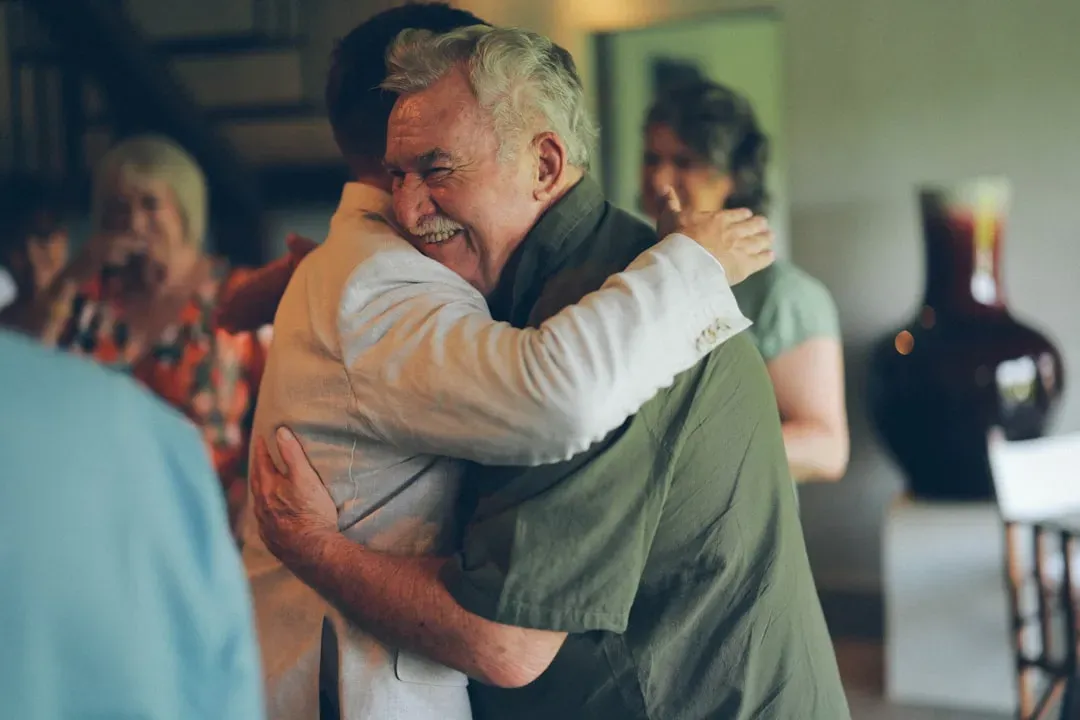
So what now? Recognizing the dark side of emotional independence matters because awareness opens doors. Your independence is a strength, but so is your ability to connect, receive, and be supported. Healing doesn’t mean giving up who you are; it means expanding your options.
The goal isn’t to swing back to complete emotional dependence. That’s just trading one prison for another. Instead, you’re aiming for something messier and more human: interdependence. people are able to have meaningful connections to other people without compromising their own authentic selves. They are able to hold on to themselves (their feelings, desires, thoughts) within their relationships with other people. This means learning to ask for help sometimes, letting people see your struggles, accepting care without feeling threatened. It means recognizing that true strength includes knowing when you need support and being brave enough to reach for it.
The dark side of emotional independence isn’t something to fear, but something to understand. When you recognize that your self-sufficiency might be keeping you lonely, isolated, or disconnected, you can start making different choices. Small steps toward vulnerability, toward letting people in, toward asking for help when you need it. Those steps might feel terrifying at first, yet they lead somewhere beautiful: toward relationships where you can be both strong and soft, independent and connected, fully yourself yet never truly alone. What aspects of hyper-independence do you recognize in yourself?