If you could step outside tomorrow and see a brachiosaur’s head drifting above the tree line like a living crane, your entire sense of what it means to live on Earth would snap into a new shape. Thinking about a world where dinosaurs never died out is more than just a cool movie premise; it forces you to ask what evolution, civilization, and even your daily routine might look like if one ancient catastrophe simply never happened. You are not just tweaking a timeline; you’re ripping out one of the biggest turning points in the history of life and watching everything rearrange itself.
Scientists cannot give you a precise script of this alternate Earth, but they can sketch the boundaries of what is plausible based on what you know about evolution, climate, and ecosystems. When you follow that logic, you end up in a surprisingly grounded, and sometimes unsettling, version of a dinosaur-filled present. This is not about fire-breathing monsters or fantasy worlds; it is about asking, very seriously, what your place on this planet would be if dinosaurs had simply kept going.
A World Without the Asteroid: How Different Would Earth Really Look?
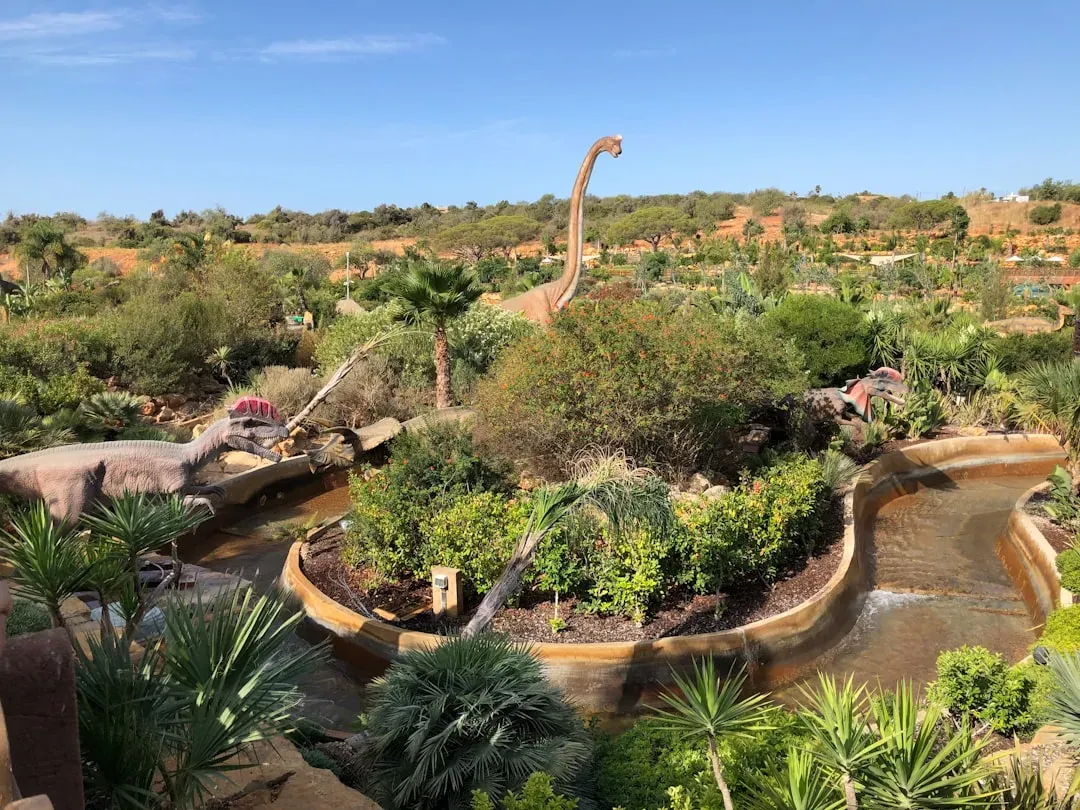
First, you have to remove the trigger: the massive asteroid that slammed into what is now Mexico about sixty-six million years ago and helped wipe out roughly three quarters of all species on Earth. If that impact never happened, large dinosaurs on land, in the air, and at sea would not have faced the same sudden global shock of firestorms, darkness, and collapsing food chains. Instead, they would have continued to evolve under slowly changing climates, shifting continents, and ongoing competition with other life forms. You would be looking at a planet where dinosaur lineages had tens of millions more years to branch out.
That does not mean Earth today would be unrecognizable rock and jungle. Plate tectonics would still drag continents around, ice ages could still come and go, and oceans would still rise and fall. You would probably still have mountain ranges, coastlines, and forests that feel roughly familiar, but the cast of large animals dominating those landscapes could be wildly different. Instead of herds of antelope, bison, and deer, you might find herds of medium-sized plant‑eating dinosaurs filling those roles. The broad strokes of climate and geography might look similar, but the details of who lives where would feel like you’ve stepped into another planet’s nature documentary.
Would You Still Be Here? Dinosaurs and the Fate of Mammals
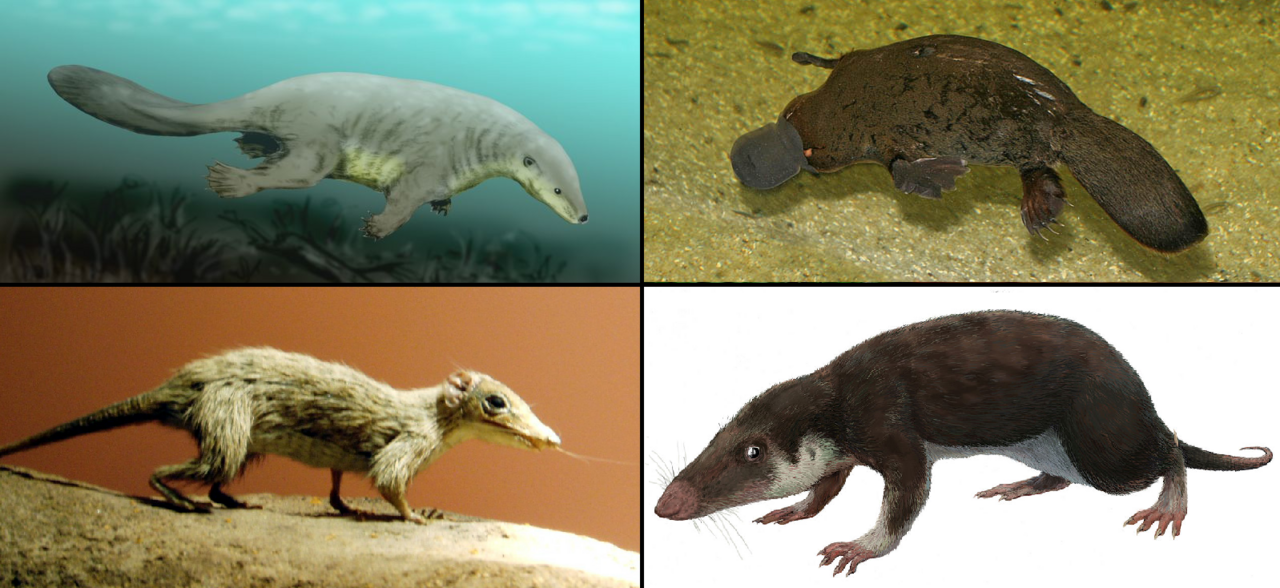
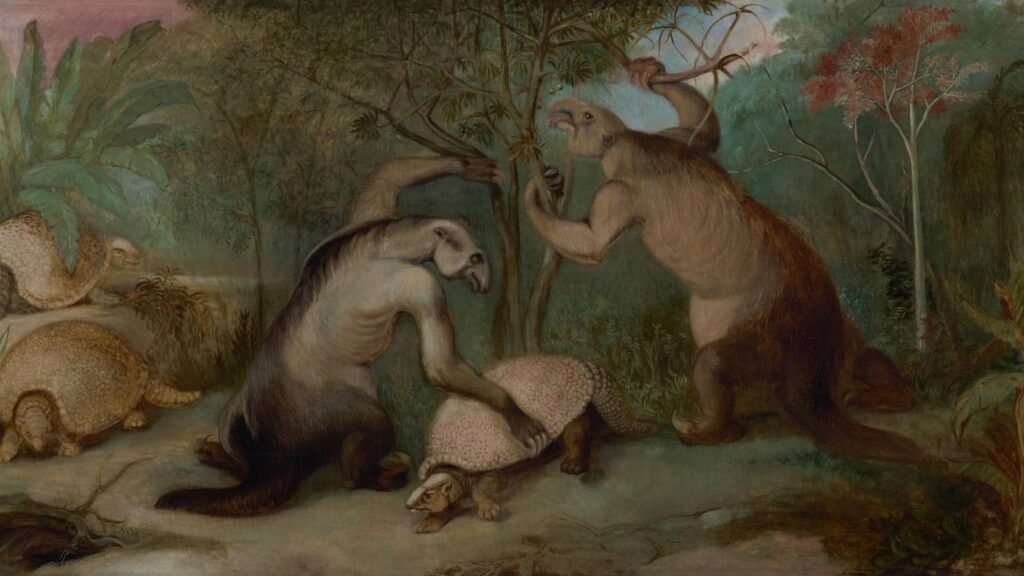
When you ask whether dinosaurs would still be here, you also have to ask a more uncomfortable follow‑up: would you? Mammals did exist alongside dinosaurs for well over a hundred million years, but they mostly stayed small, nocturnal, and out of the way while giant reptiles ruled the large‑animal niches. The asteroid disaster cracked open those niches, clearing room for some mammals to grow bigger, spread wider, and eventually give rise to primates and, much later, humans. Without that clearing event, your ancestors would have faced far more intense competition at every step.
In a no‑asteroid world, it is possible that mammals still would have found some way to expand, but you would be betting against a dominant group that had already proven extremely successful for a very long time. You might still have furry animals, perhaps some that become moderately large or specialized, but the odds of one primate lineage evolving big brains, upright walking, and complex language under the shadow of thriving dinosaurs are not great. If you could somehow visit that alternate Earth, you might look around and realize that there is no one like you there at all.
If Intelligence Evolved in Dinosaurs Instead of Humans
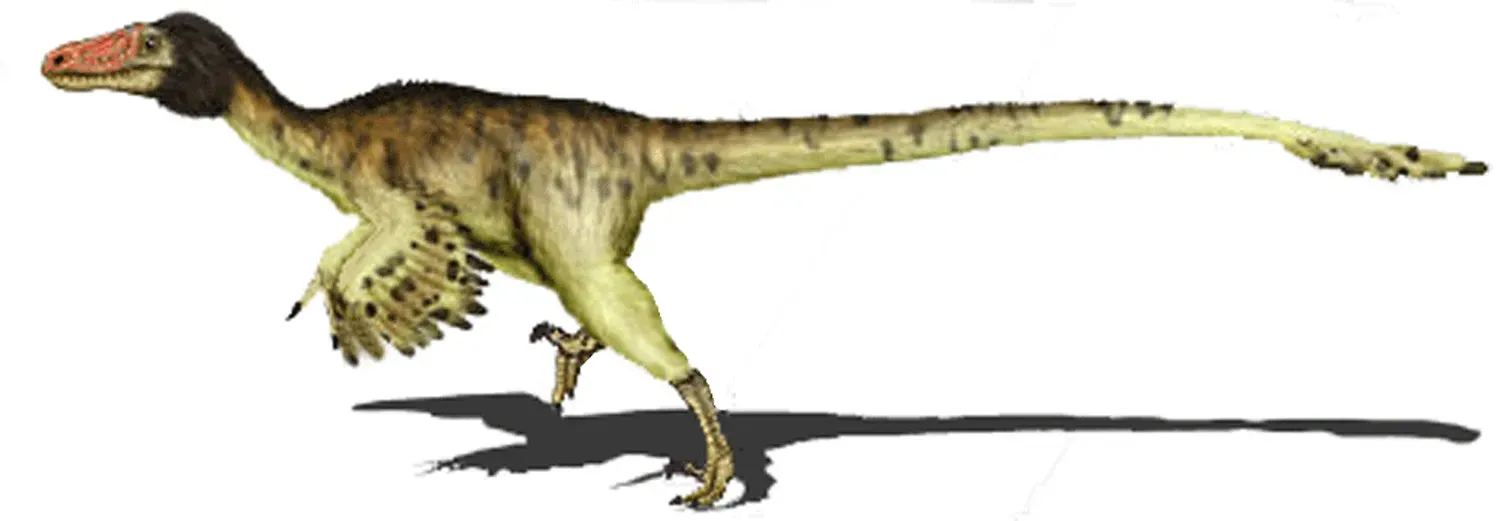
Of course, there is another twist you have to consider: what if the intelligence you associate with humans had taken root in a dinosaur lineage instead? Some small, lightly built theropod dinosaurs already showed traits you see today in birds, such as relatively large brains for their body size, good vision, and complex behavior. Over tens of millions more years, some researchers have speculated that certain dinosaur groups could have continued moving toward greater brain complexity, problem‑solving skills, and flexible behavior. In that case, you might be sharing the planet with, or completely replaced by, a very different kind of thinking animal.
Picture a world where tool‑using, socially organized, feathered descendants of raptor‑like dinosaurs fill the role that humans hold now. Cities might still rise, but they could be built to suit bodies with tails, different hands, and different senses. Technology might still advance, but the priorities could skew toward what matters to a species descended from predators or agile climbers instead of primates. You would not just be swapping one costume for another; you would be living on a planet shaped by minds that evolved from an entirely different starting point.
What Everyday Life Might Look Like in a Dinosaur‑Ruled Present
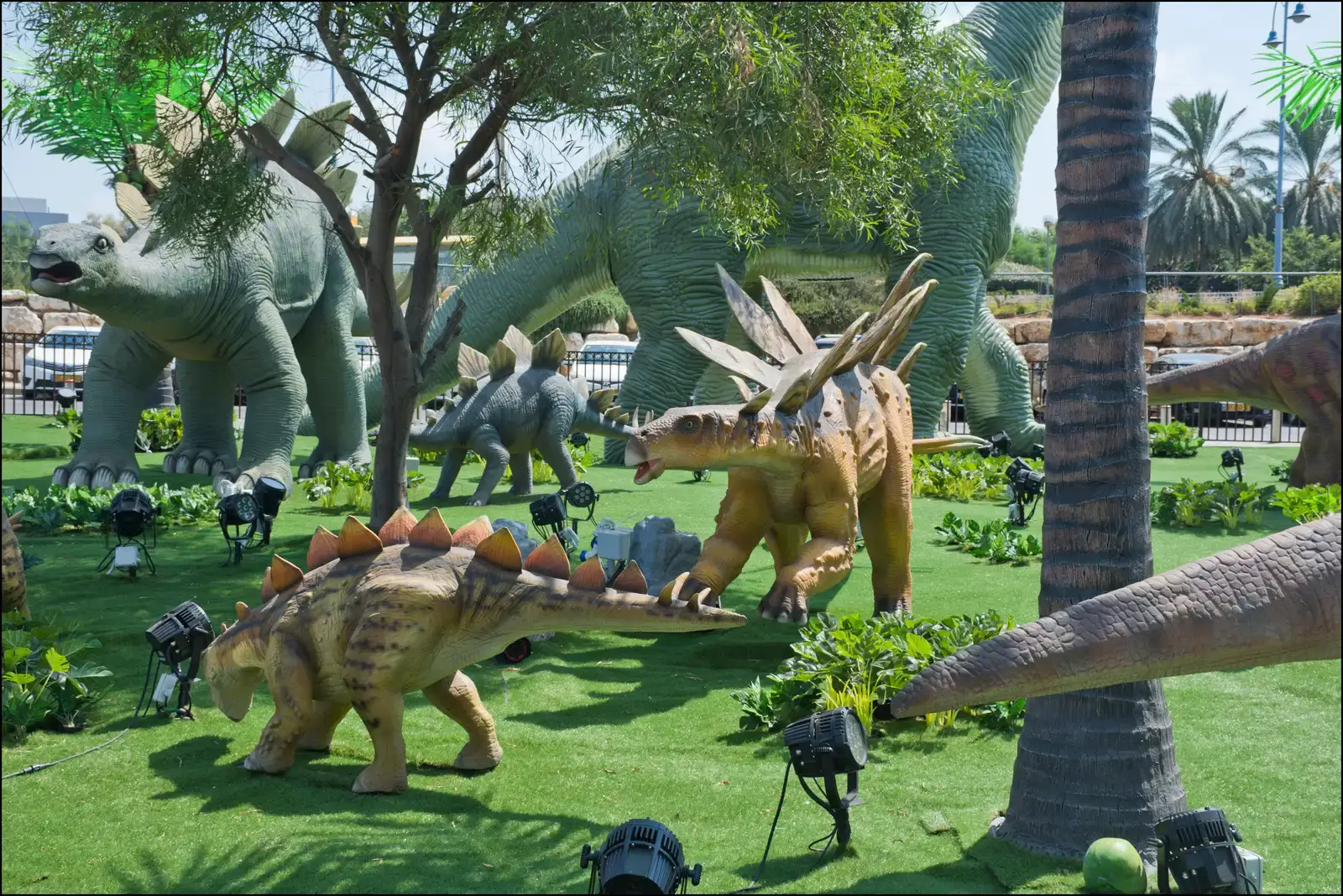
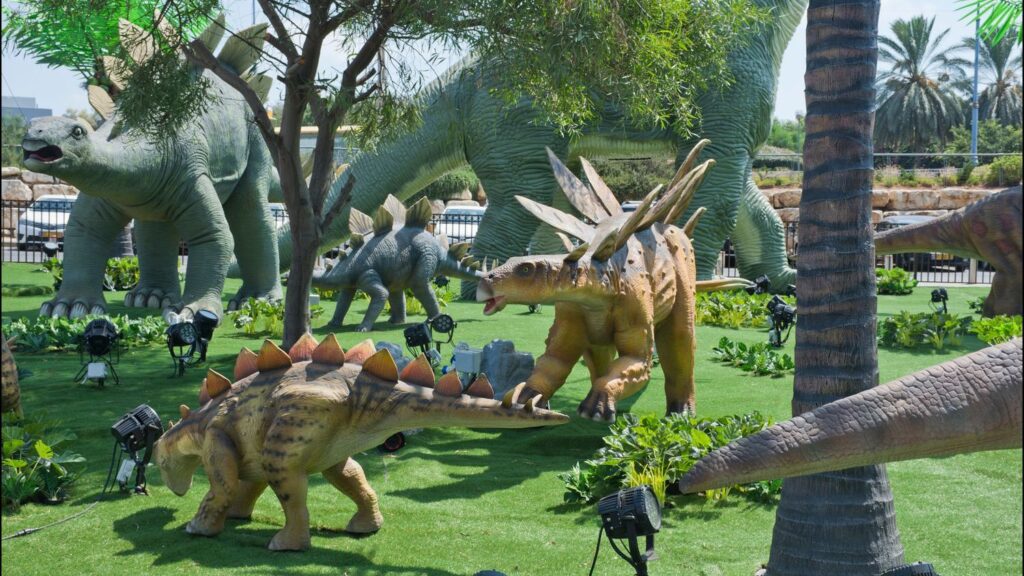
Imagine walking through your neighborhood with towering sauropods grazing in the distance like living skyscrapers, while smaller plant‑eating dinosaurs move through parks the way you see deer or wild boar today. Predatory dinosaurs might patrol the edges of wild zones, filling the ecological positions now held by big cats, wolves, or crocodiles. If humans somehow did evolve alongside them, every settlement you build would have to be designed with these enormous, sometimes dangerous neighbors in mind. Fences, barriers, and early‑warning systems would not be luxuries; they would be as basic as having a door lock.
Your food systems would also look very different. Instead of raising cows, pigs, or chickens on a massive scale, you might domesticate smaller herbivorous dinosaurs for meat, eggs, or even transport. Certain medium‑sized species could be the dinosaur equivalents of goats or llamas, while agile, bird‑like dinosaurs might fill the role of poultry. Farming would mean not only protecting your crops from insects and rodents but also from curious or hungry reptilian giants that could flatten fields in an afternoon. Everyday life would be a constant negotiation between your needs and the moods of animals that have been at the top of the food chain far longer than your species has.
How Ecosystems and Climate Could Shift Under Continued Dinosaur Rule
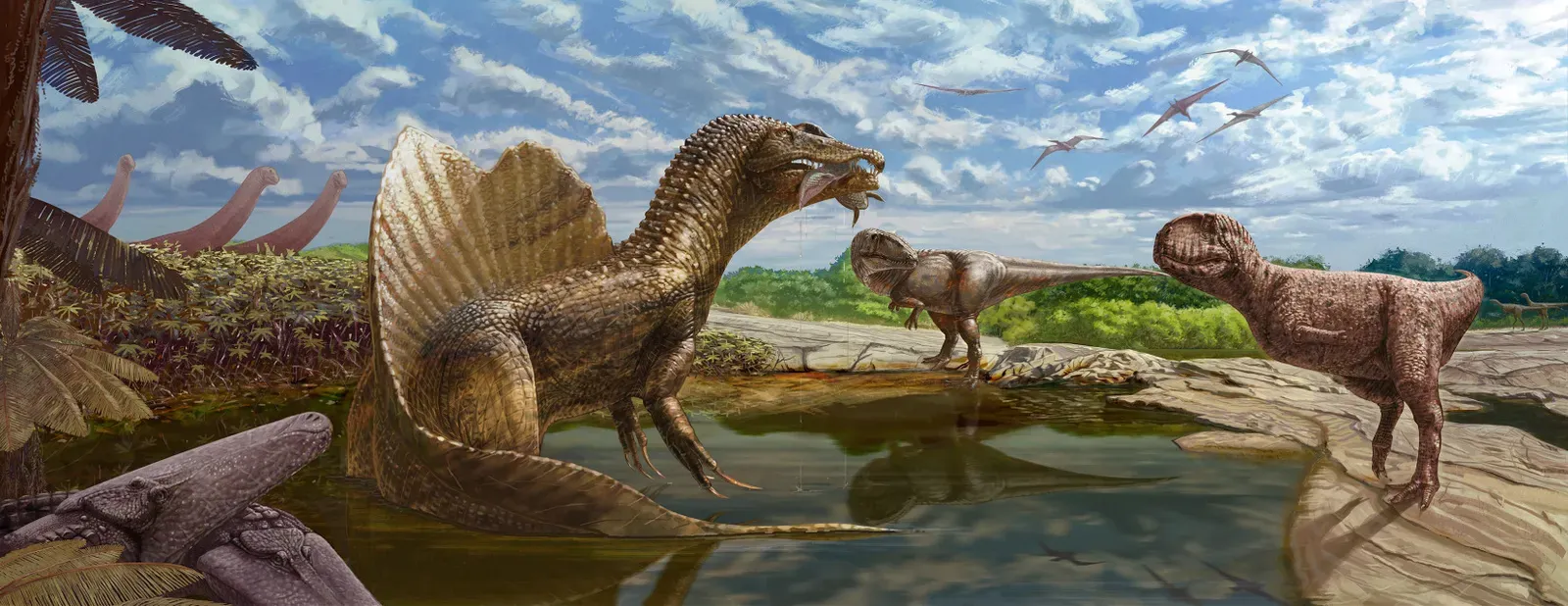
On a planet where dinosaurs never died out, ecosystems would likely feature a more continuous line of large reptilian herbivores and predators across most continents. Just as elephants, bison, and large herbivores shape vegetation today by knocking down trees, trampling soil, and spreading seeds, herds of sauropods or duck‑billed dinosaurs could have sculpted landscapes on an even larger scale. Their movements and feeding habits would influence where forests grow, where grasslands dominate, and where wetlands form. You would be living on a planet whose vegetation patterns were co‑designed by reptiles the size of buildings.
That kind of large‑animal pressure can even feed back into climate. When huge herbivores change plant cover, they indirectly alter how much carbon ecosystems store, how reflective the land surface is, and how water cycles through landscapes. While you cannot say exactly how dinosaur‑shaped ecosystems would have affected global temperatures, you can safely say that Earth’s environmental story would not be identical to the one you know. Instead of the mammal‑driven world that set the stage for human agriculture and industry, you might face a climate history pulled in different directions by tens of millions of years of dinosaur activity.
Would Birds Still Exist as You Know Them?

Here is a twist that often surprises you: in a sense, dinosaurs never truly vanished, because birds are the surviving branch of one dinosaur lineage. In your real timeline, the asteroid killed off all non‑bird dinosaurs, but some small, adaptable, feathered species made it through and diversified into the birds you see everywhere today. In a world where large dinosaurs never died out, those early birds would still exist, but they might not have exploded into such a wide range of forms and lifestyles. When powerful relatives dominate many of the same niches, it is harder for smaller lineages to spread and specialize.
You might still have flying dinosaurs that you would call birds, but they could be fewer in number or more restricted in their diversity. Instead of the vast array of songbirds, waterfowl, raptors, and ground birds you know, you might see a more limited cast overshadowed by their non‑flying cousins. Your skies might feel quieter, your wetlands less crowded with flocks, and your backyards missing many of the familiar shapes and sounds. In this alternative world, the dominance of big dinosaurs might dim the colorful, noisy explosion of bird life that brightens your real one.
Technology, Cities, and Space Travel in a Dinosaur Timeline
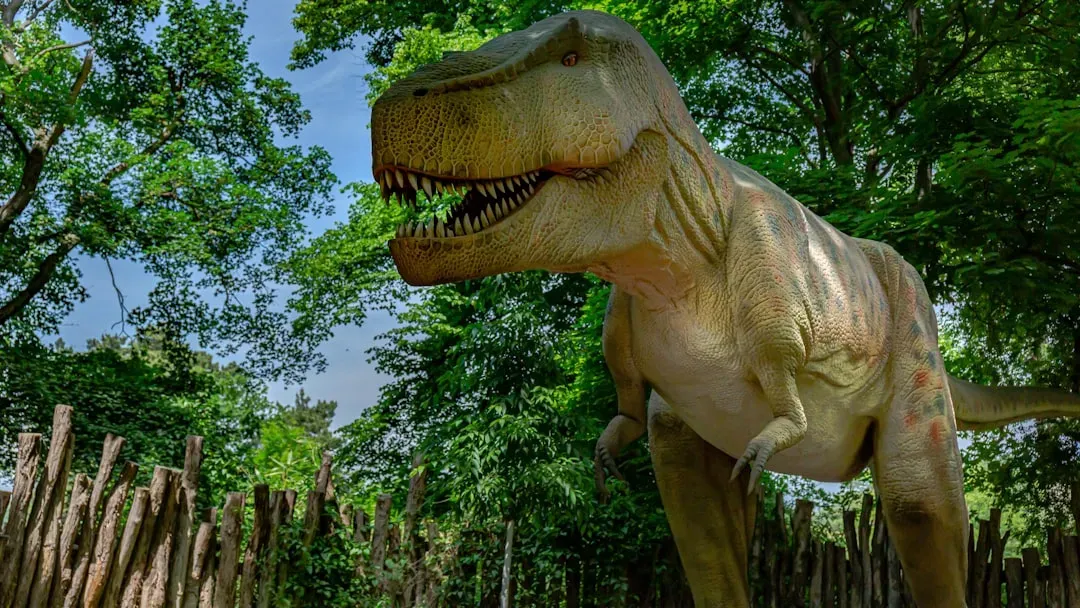
If you imagine that intelligent, tool‑using life did emerge in a dinosaur‑dominated world, you can start to picture what its technology and cities might look like. The basic physics of fire, metal, and electricity do not change, so any advanced species has access to the same raw possibilities you do. However, bodies shaped by different evolutionary pressures would handle tools, build structures, and navigate spaces in new ways. If you had a tail, different joint angles, or different senses, your buildings, vehicles, and devices would have to match those needs, not human ones.
Even the path to space might feel altered. A technologically advanced dinosaur lineage could still experiment with rockets, satellites, and planetary exploration, but the timing and priorities might not mirror your history. Maybe they become obsessed with studying other planets earlier, or maybe they focus for far longer on managing the challenges of sharing a world with huge wild relatives. You cannot know the specifics, but you can safely say this: if intelligent dinosaurs ever turned their eyes outward, they would carry a very different cultural memory of Earth’s past than you do.
What This Thought Experiment Really Tells You About Your Place in History
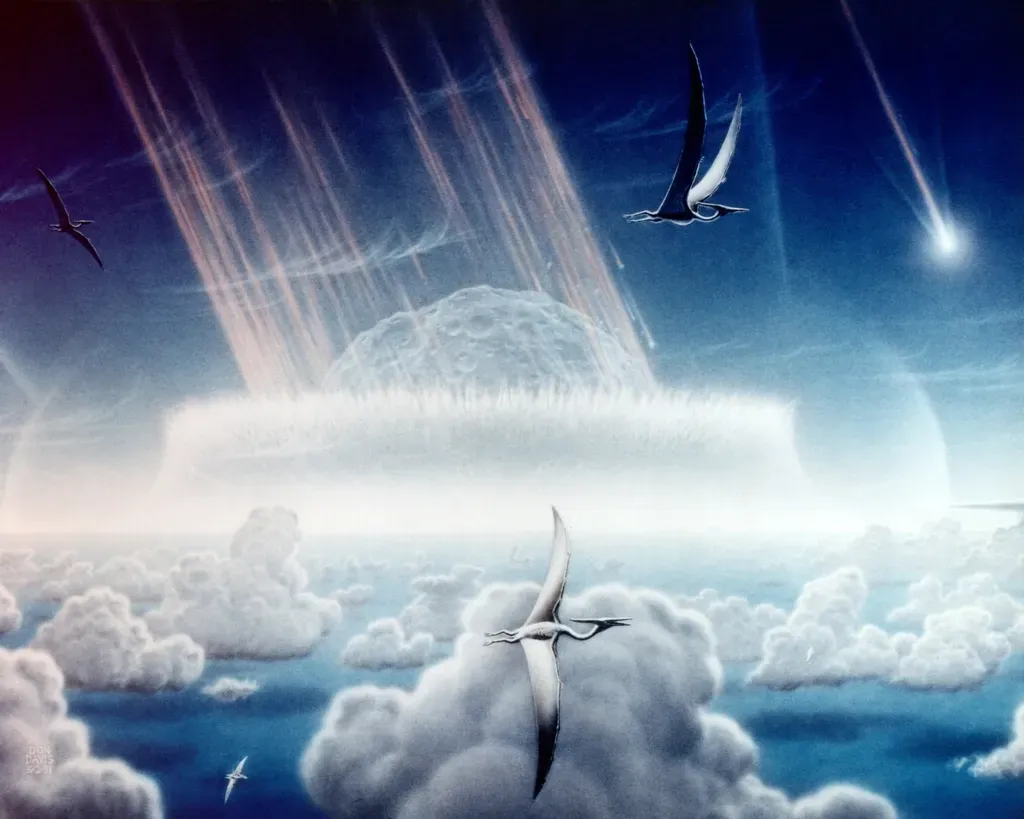
When you sit with this alternate timeline long enough, you begin to see your own existence as far less inevitable than it might feel day to day. The only reason you can even speculate about dinosaurs is because a particular rock in space hit Earth at a particular angle at a particular moment, clearing room for mammals, primates, and eventually you. In that light, your species looks less like the star of the show and more like a character that walked onstage because another act was suddenly cut short. You are not guaranteed; you are a consequence of one ancient, violent stroke of luck.
Thinking about a world where dinosaurs never died out also humbles you in another way: it reminds you how quickly dominance can vanish and how tightly your future is tied to planetary events you do not fully control. Just as those animals could be wiped out by a shifting climate or an incoming asteroid, you too are vulnerable to large‑scale changes you only partly understand and only partially manage. The real power of this what‑if is not the image of giant reptiles stomping through your city, but the realization that your entire story rests on fragile, contingent events. When you look up at the night sky, do you still feel as certain that your version of Earth was the only way things could have turned out?