
Have you ever noticed how your partner shifts their feet when you’re talking, or how they avoid meeting your eyes during tense conversations? These tiny, almost imperceptible movements reveal volumes about what’s really happening beneath the surface. Words are easy to control. You can rehearse what to say, soften your tone, or sugarcoat difficult truths. Yet your body often tells a completely different story, one that’s far more honest and revealing than any carefully chosen phrase.
Your nonverbal cues speak louder than words, often betraying emotions you’d rather keep hidden. Understanding this silent language transforms how you connect with others. It’s not about becoming a mind reader or mastering manipulation tactics. Instead, it’s about tuning into the subtle cues that genuinely matter in building trust, intimacy, and lasting connection with those you care about most.
The Power of Eye Contact in Romantic Connections
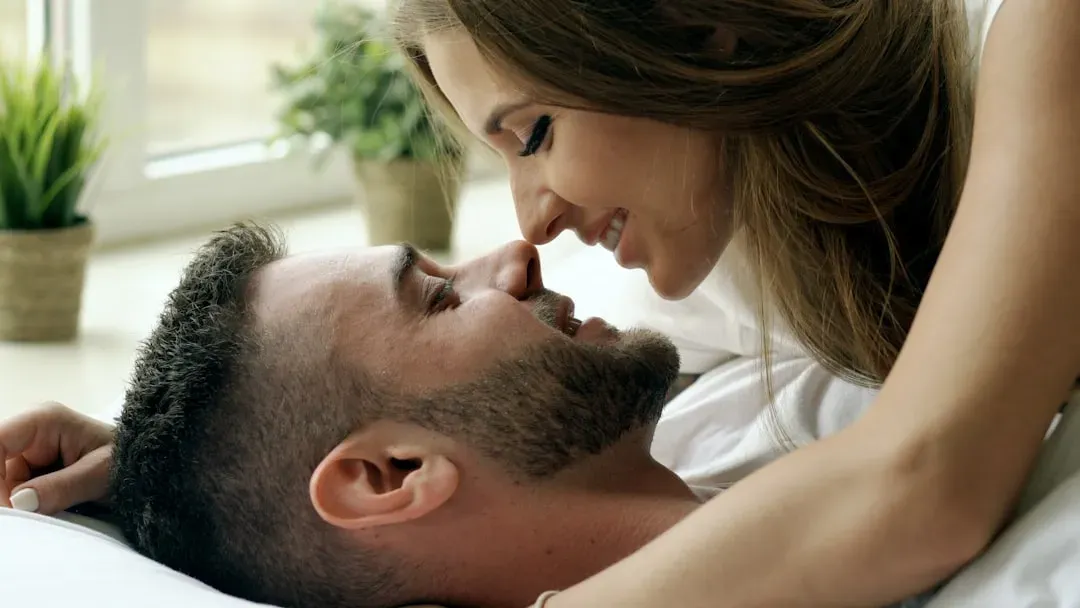
Eye contact stands as one of the most immediate and powerful indicators of genuine attraction, where gazes linger just a moment longer than usual. When you catch someone holding your gaze, something shifts in the air between you. This locked eye contact encourages the release of oxytocin, linked to bonding and trust, creating an invisible thread that pulls you closer together.
Prolonged eye gazing has been shown to increase feelings of connection and love even between strangers, while healthy eye contact strengthens trust and intimacy in relationships. Yet there’s a delicate balance here. When someone holds your gaze for a second too long then suddenly looks away, that’s fear stepping in. They’re caught between wanting to communicate everything with their eyes and shutting down before it becomes too obvious.
Mirroring Behaviors and Emotional Synchronization
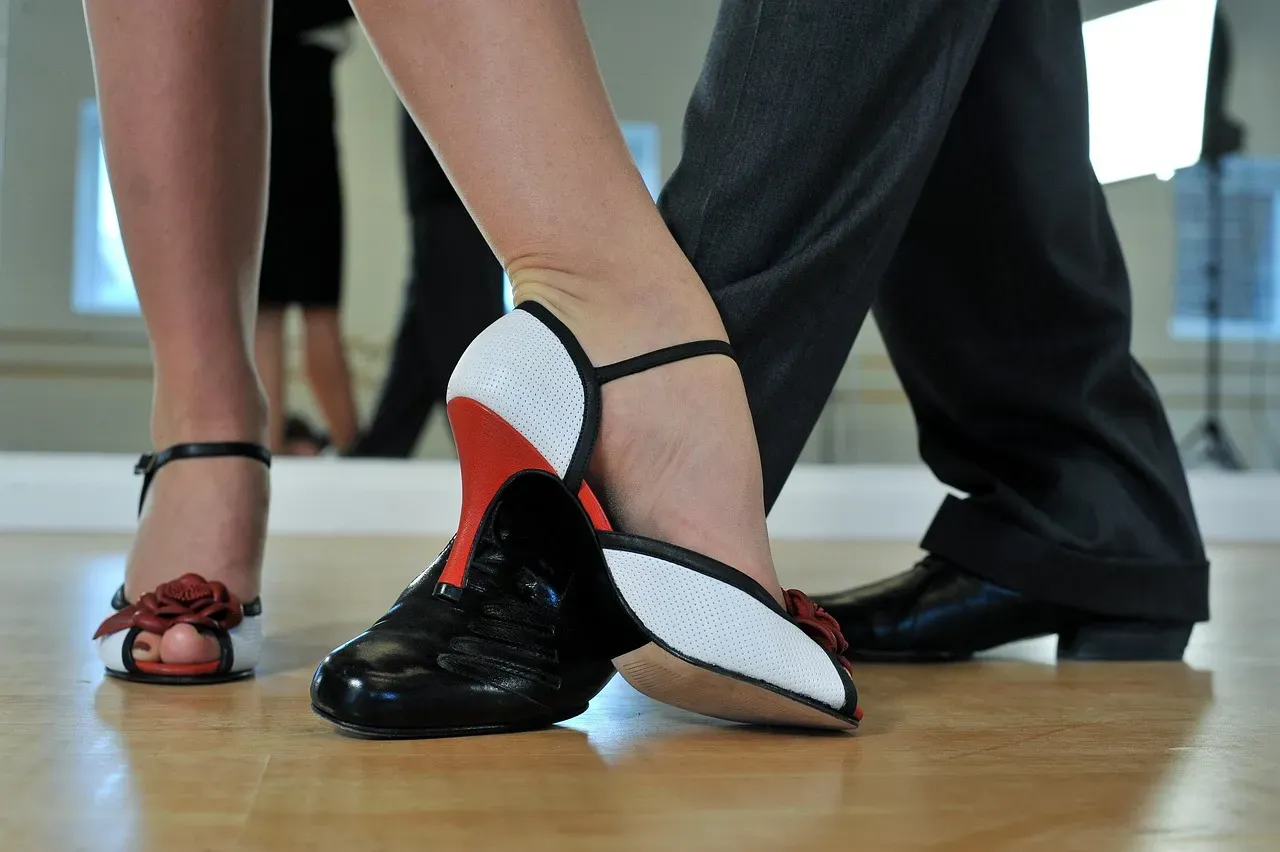
Mirroring happens when someone subtly mimics your posture, movements, or even speech patterns, as simple as taking a sip of coffee right after you do. This unconscious dance reveals something profound about connection. Mirroring signifies rapport, showing the other person feels in sync with you, like two instruments playing in perfect harmony without a conductor.
Some couples in love can even move and breathe in sync as they mirror one another. Think about it. When was the last time you noticed yourself automatically adjusting your posture to match someone you care about? Couples who moved in sync with each other, including synchronized footsteps and breathing patterns, felt closer to their romantic partners than couples whose body language was out of sync. This synchronization isn’t something you can fake or force.
The Unspoken Language of Physical Touch

Touch perhaps represents the most consistent body language channel of love, as couples engage in tie signs like holding hands, arms around shoulders, or touching knees when seated. A gentle touch on your arm during conversation carries weight far beyond its physical presence. A subtle touch can create sexual arousal or simply provide reassurance, that wordless affirmation of “I’m here for you.”
Spouses who fail to have meaningful touch in their marriage will not be as close, literally and figuratively, as those who make these patterns part of their everyday routine. Here’s the thing, though. Touch isn’t just about frequency. It’s about intention and timing. Light, casual touches on your arm or shoulder during conversation indicate attraction, establishing a physical connection while maintaining the interaction’s casual nature.
Decoding Proximity and Personal Space

Most romantic relationships occur in the intimate distance zone of zero to two feet, such as when couples stay by each other’s side at social gatherings, touching shoulders or within inches. Watch how people position themselves around someone they’re drawn to. According to research, even the way the body is angled towards someone can nonverbally communicate affection, with facing someone directly considered an intimate cue.
When someone leans closer during conversations, even subtly by tilting their head or angling their torso toward you, it’s a sign they want to be connected. I’ve noticed this countless times. You could be in a crowded room with dozens of people talking, yet somehow two individuals create an invisible bubble around themselves. People might lean sideways toward you, blocking out distractions and forming a bubble, creating a boundary against the rest of the room.
Reading Facial Expressions and Micro-Signals

Facial expressions are the most powerful form of nonverbal communication because they instantly reveal emotions like joy, sadness, anger, or surprise, often speaking louder than words. Lovers display positive emotions in their facial expressions, but unlike expressions of joy or elation, they are more muted and subtle, like the fleeting smile or momentarily raised eyebrow that only the lovers can detect.
In close relationships, being attuned to facial expressions helps respond with empathy, and when someone’s words say I’m fine but their face shows sadness or stress, it’s the face we should believe. These micro-expressions flash across someone’s face in milliseconds, too quick to consciously control. Face expressions such as smiling, following the partner with the eyes, or raising the eyebrows while looking at each other are signs showing that a couple is attracted.
Understanding Tone of Voice and Vocal Cues

Our words say what we want, but our tone conveys the meaning. You’ve probably experienced this disconnect yourself, where someone says they’re not angry but their clipped, sharp tone tells a completely different story. Your tone includes more than just volume, it also includes pitch, pronunciation, and exclamation, making a small request into an accentuated complaint or something simple sound like an annoyance.
Changing tone of voice to a softer and warmer tone while interacting shows couples are attracted to each other. Think about how your voice naturally softens when speaking to someone you care deeply about. It’s hard to say for sure, but I think that shift happens without conscious thought. The warmth just flows naturally when genuine affection exists. A good tip involves thinking about what you want to say first before speaking, as we can often catch ourselves from using an unhealthy tone if we just take a minute to stop.
Recognizing Withdrawal and Defensive Postures
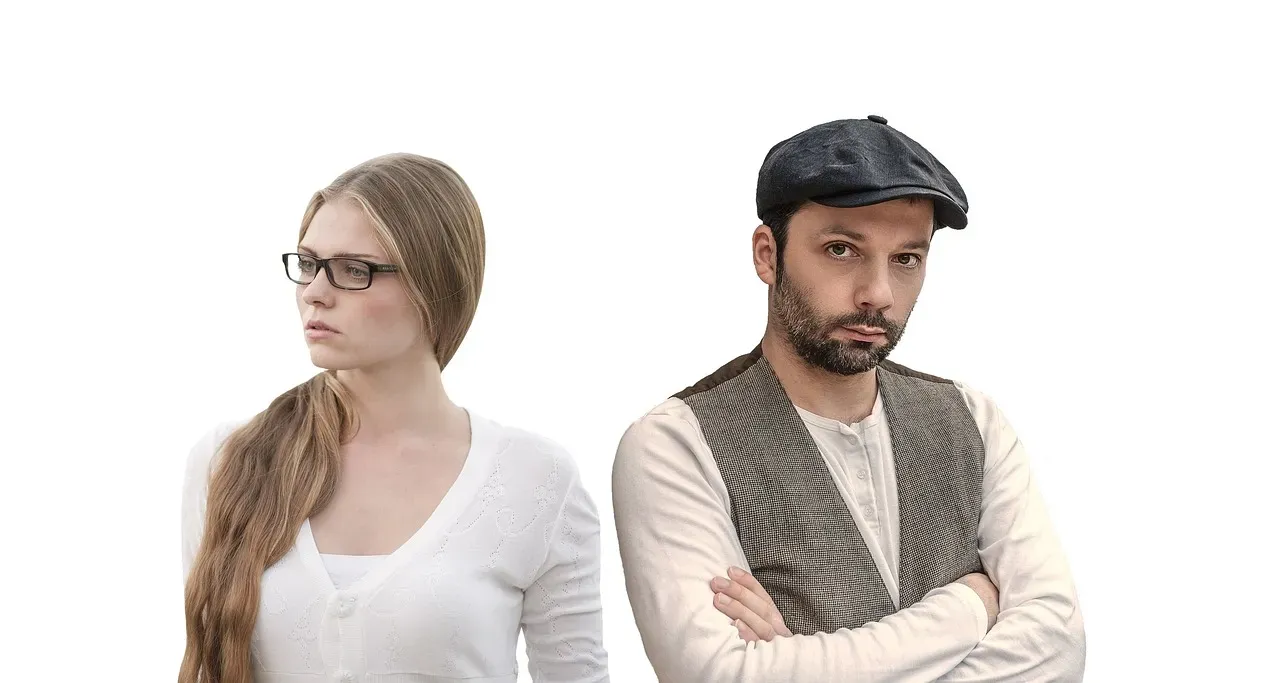
Individuals with more approach goals displayed more positive involvement like head nods and smiles and less avoidant withdrawal like shaking head or folded arms, with the reverse pattern for avoidance goals. Crossed arms get a bad reputation in relationship advice articles. Sometimes crossed arms just mean you’re cold or comfortable. Crossing your arms could signal that you’re defensive or closed off when you’re actually standing too close to an AC vent.
A simple shake of the head when a partner is talking, something many people don’t even know they’re doing, says no or you’re wrong. Context matters enormously here. When interpreting mixed signals to resolve uncertainty, the importance lies in interpreting whether the desire to physically or emotionally disengage stems from feelings about you or your relationship, as a partner struggling with discomfort or anxiety may be pulling away from having a relationship with anyone.
The Secret Messages Hidden in Nervous Habits

Love makes people restless, causing them to play with their sleeve, tap their fingers on the table, or run a hand through their hair more often than usual. These fidgety movements aren’t just random nervous energy. Hair touching can be flirtatious, where twirling or gently brushing hair while smiling or maintaining eye contact is a subconscious display of attraction.
People experiencing hidden romantic feelings showed measurable increases in cortisol and testosterone during interactions with their crush, a biological signature of both anxiety and desire working together in an exhausting internal battle. Let’s be real, when you’re around someone who makes your heart race, your body betrays you in a hundred tiny ways. Pupil dilation, where those tiny black circles grow larger when we’re intrigued, is an unconscious response linked to arousal or excitement that we can’t typically control.
Communication During Conflict and Tension

In marriage, your eyes can communicate warmth or disgust, contentment or dissatisfaction, love or hatred, approval or disappointment. Conflict brings out the rawest forms of nonverbal communication. Heightened conflict or tension in the relationship may indicate unresolved issues, where your partner may become more argumentative, defensive, or critical, leading to frequent disagreements.
Your silent messages may contradict your spoken ones, confusing your spouse, causing wives to ask why husbands say one thing and act totally different or husbands to question why partners act cold when they claim attraction. I’ve watched couples say they’re fine while their entire body screams the opposite. If you sense a mismatch between verbal and nonverbal signals, asking gently works best, such as noting you say you’re okay but seem a bit tense.
Building Awareness to Strengthen Your Connection

The beauty of nonverbal communication is that it’s always happening, and the key is to become conscious of the signals we send and receive, using this awareness to enhance our relationships. Learning this language isn’t about perfection or catching every tiny gesture. By improving how you understand and use body language and nonverbal communication, you can express what you really mean, connect better with others, and build stronger, more rewarding relationships.
Body language in relationships is learned through experience. Start paying closer attention today. Notice how your partner’s posture shifts when discussing sensitive topics. Open body language, maintaining eye contact, uncrossing your arms, and giving head nods are subtle ways to build rapport, making relationships stronger without exchanging a word. If something simply feels off, it might be less about the verbal and all about the nonverbal aspects of your relationship, where you and your partner have fallen into unsatisfying nonverbal communication patterns, which can be resolved by talking.
reveals truths that words often conceal. From the way eyes linger a fraction too long to the unconscious lean toward someone you care about, these signals create the foundation for genuine connection. Understanding this wordless dialogue doesn’t mean you need to analyze every gesture or second guess every interaction. Instead, it invites you to become more present, more attuned, and more authentic in how you show up for the people who matter most. What do you think about it? Have you noticed any of these patterns in your own relationships?