
Have you ever wondered why some people just seem to get you? They understand what you’re going through without you having to say much. Maybe they know exactly when to listen and when to offer support.
These naturally empathetic people aren’t born with some magical gift that the rest of us lack. What they possess is a set of learnable habits that anyone can develop with intention and practice. Let’s dive into what makes these individuals tick and how you can bring more of that understanding energy into your own life.
You Cultivate Genuine Curiosity About Strangers
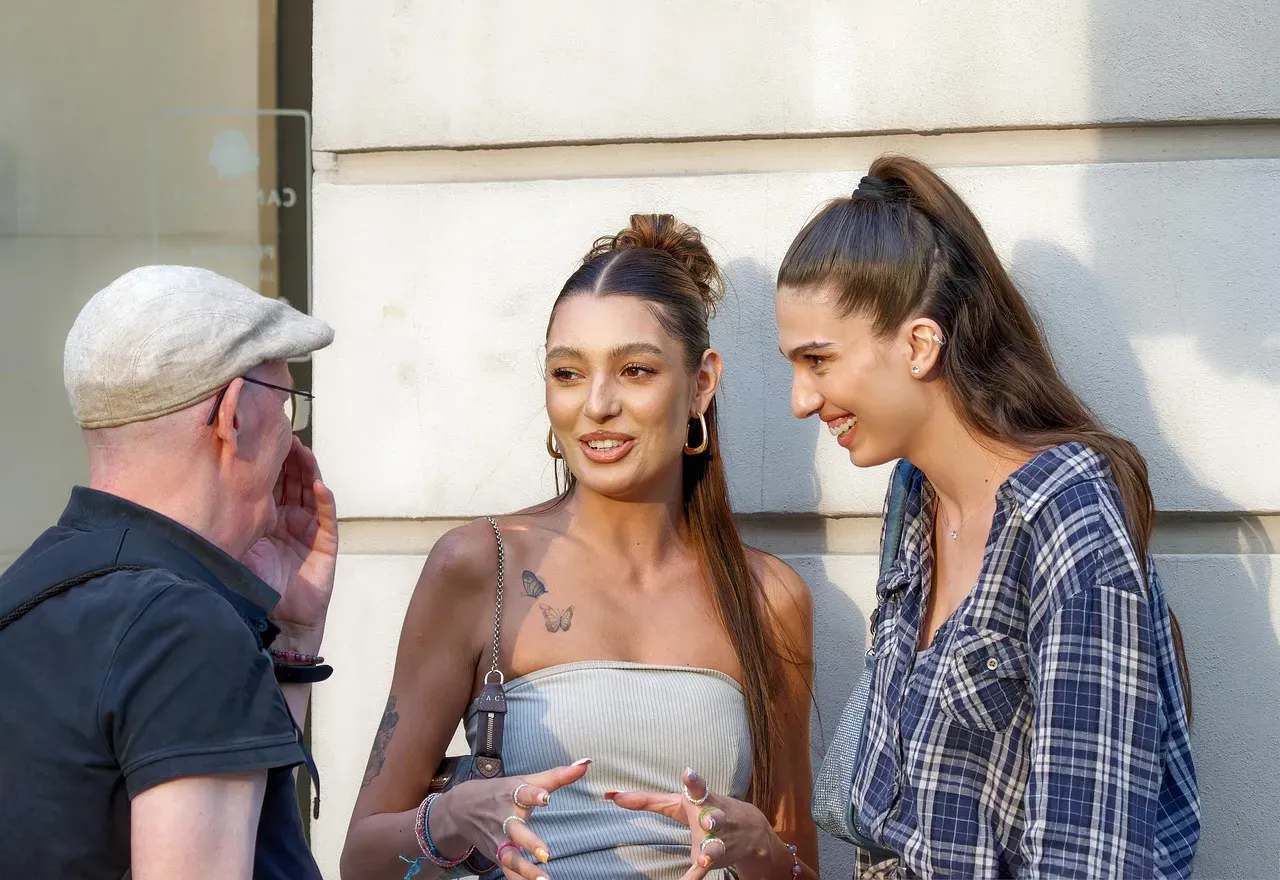
Highly empathetic people have an insatiable curiosity about strangers, talking to people they encounter while retaining that natural inquisitiveness we all had as children. Think about it – when was the last time you struck up a conversation with someone at a coffee shop or on public transit? These individuals see each person as a potential story waiting to unfold.
This curiosity expands empathy when you talk to people outside your usual social circle, encountering lives and worldviews very different from your own. You can start small by simply asking open-ended questions when you meet someone new. Instead of sticking to surface-level small talk, try asking what brought them to where they are today or what they’re passionate about. The key is approaching people with genuine interest rather than making it feel like an interrogation.
You Practice Active and Intentional Listening

Here’s the thing – most of us don’t really listen. Most people are not able to listen well because they are busy thinking about their response, and responses have rarely made situations better. Empathetic individuals break this pattern completely.
Active listening involves intentionally working to comprehend and retain information, using techniques like removing distractions, direct eye contact, and mimicking body language to improve conversational engagement. Put your phone away. Make eye contact. Nod when appropriate. These small gestures signal that you’re truly present. Empathetic people know how powerful silence can be – they don’t interrupt or talk over other people and think before they speak. Sometimes the most empathetic thing you can do is simply shut up and be there.
You Challenge Your Own Preconceptions

Highly empathetic people challenge their own preconceptions and prejudices by searching for what they share with people rather than what divides them. This isn’t easy. We all carry biases shaped by our experiences, upbringing, and the media we consume.
Start paying attention to your snap judgments. When you catch yourself making an assumption about someone based on their appearance, background, or beliefs, pause and question it. Ask yourself what you might have in common with this person instead of focusing on differences. The practice of self-reflection helps uncover biases that may hinder understanding others’ perspectives, allowing for greater empathy. It’s uncomfortable work, honestly, but it’s necessary if you want to truly connect with people who seem different from you.
You Notice and Respond to Nonverbal Cues
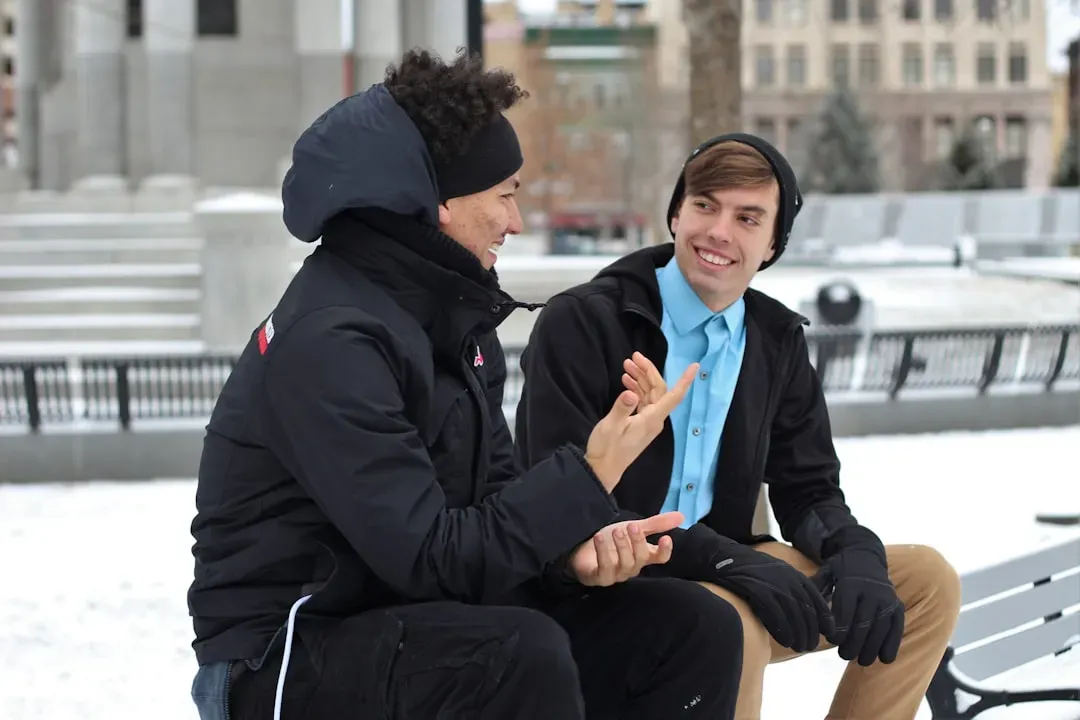
People say a lot without words through facial expressions, gestures, and posture, and these silent signals can tell you how someone is feeling. Empathetic people are masters at reading the room. They notice when someone tenses up, when a smile doesn’t quite reach their eyes, or when someone suddenly goes quiet.
If you notice someone tensing up, pulling away, or suddenly dodging eye contact, those are important clues that you can use empathy to reach out, gently asking them to describe what’s happening for them. Practice this skill by observing people in public spaces without making judgments. Watch how body language shifts during conversations. The more you tune into these nonverbal signals, the better you’ll become at sensing what’s really going on beneath the surface.
You Extend Compassion to Yourself First

Empathy has to start at home – you can’t just give of yourself emotionally until there’s nothing left, and by building self-compassion, we increase our capacity for empathy. This might sound counterintuitive, but you can’t pour from an empty cup.
Start by practicing kindness towards yourself, especially in times of struggle, reflecting on how you would treat a friend in similar situations and applying that same inner dialogue to yourself. Think about something you’re struggling with right now. What would you say to a close friend dealing with the same issue? Chances are you’d be patient, understanding, and encouraging. Now give yourself that same grace. Self-compassion lays the emotional groundwork needed to appreciate and respond to the emotions of others.
You Ask Questions Instead of Offering Solutions

Empathetic people ask questions to better understand another person’s perspective instead of offering their opinion. We’ve all been there – a friend shares a problem and we immediately jump into fix-it mode. It feels helpful, but it often misses the mark.
Try this instead: ask open-ended questions that allow the other person to explore their own feelings and thoughts. Questions like “How did that make you feel?” or “What do you think you need right now?” give people space to process. Being curious, asking thoughtful questions, and allowing the other person to respond show empathy and provide you with information to better clarify the conversation. Sometimes people don’t want solutions – they just want to be heard and understood.
You Use Inclusive Language

Research shows changing your language is a step toward adopting an empathic attitude, with people who use more second-person pronouns being better at interpreting others’ thoughts, feelings, and behaviors. Pay attention to how you talk about challenges and goals.
When you want to genuinely connect with someone, create a bond by talking about your shared goals in terms of “we” and “us” so other people feel empowered and supported. Instead of saying “You should handle this,” try “How can we work through this together?” This subtle shift in language creates a sense of partnership rather than judgment. It signals that you’re in this together, not standing on the outside looking in.
You Practice Perspective-Taking Through Role-Play

Role-playing is one of the most effective empathy exercises for perspective-taking, and by actively putting yourself in another person’s role, you start to sense their challenges and motivations. This goes beyond just imagining how you would feel in someone’s shoes – it’s about understanding how they feel based on their unique life experiences.
You don’t need formal training to practice this. When conflict arises, take a moment to genuinely consider the other person’s viewpoint. What pressures might they be under? What fears or hopes might be driving their behavior? Highly empathetic people make it a habit to imagine themselves in the place of another person – to think what they might be thinking, feel what they might be feeling, and do what they do so they can understand why they believe what they believe. This mental exercise can completely shift how you approach difficult conversations.
You Engage in Small Acts of Kindness

Notice when others perform kind acts for you, and as opportunities arise, perform simple acts to benefit someone else, perhaps without them knowing, then reflect at the end of each day on the acts of kindness received and how you’ve improved other people’s day. Empathy isn’t just about understanding – it’s about action.
These acts don’t need to be grand gestures. Hold the door open. Pick up your partner’s favorite snack when you’re out. Send a text to check on someone who’s been on your mind. At some point in your day, especially when you’re stressed or feel like you don’t have any spare bandwidth, spend in some small way on someone in your life, like sending a text message of support to someone having a hard time or picking up your partner’s favorite coffee when running errands. These tiny moments of connection add up and keep your empathy muscles active.
You Embrace Vulnerability and Share Your Own Experiences

The willingness to open up and express yourself to another generates a desire for the other person to understand you better as well, as empathy doesn’t spur interrogation but a natural curiosity to learn more about people. Empathy is a two-way street. When you share your own struggles and experiences appropriately, you create space for others to do the same.
This doesn’t mean dumping all your problems on someone. It means being honest about your humanity. Admit when you’re struggling. Share a relevant story from your own life when someone opens up to you. This vulnerability builds trust and deepens connections in ways that keeping everything surface-level never could. People connect with realness, not perfection.
Building Empathy Is a Lifelong Journey

Researchers throughout the 21st century have proven that empathy is a learned behavior, and our brains process the intricate interplay between motor, sensory, and emotional areas to help us understand the way others experience things. The beautiful thing about empathy is that it’s never too late to develop it. You’re not stuck with whatever level you have right now.
Empathy doesn’t stop developing in childhood – we can nurture its growth throughout our lives and use it as a radical force for social transformation. Start with one habit from this list. Maybe it’s putting your phone away during conversations or practicing self-compassion when you mess up. Small, consistent efforts add up over time. The more you practice these habits, the more natural they’ll become until one day you realize you’ve become one of those people who just gets it.
So, what will you try first? Maybe start by genuinely listening to the next person who talks to you, or perhaps challenge one assumption you’ve been holding. Whatever you choose, know that you’re taking a step toward deeper connections and a more understanding world. What do you think – are you ready to develop your empathy muscles?