
Ever catch yourself hesitating before speaking up in a meeting, or replaying conversations in your head wondering if you said the right thing? You’re definitely not alone in that. Most of us wrestle with confidence at some point, whether it’s on a daily basis or during those particularly challenging moments when everything feels like it matters just a bit too much.
Here’s the thing though. Confidence isn’t some mysterious quality reserved for a lucky few or something you need to be born with. It’s actually more like a muscle that you can train, strengthen, and develop over time. The science behind confidence reveals fascinating insights into how our brains work, how our bodies influence our mindset, and most importantly, how you can hack your own psychology to feel more self-assured. Ready to discover what actually works? Let’s dive in.
Power Posing Your Way to Self-Assurance

Standing in a high-power pose with hands on hips, chest open, and chin slightly raised for just two minutes can boost testosterone and lower cortisol. Your body language doesn’t just communicate confidence to others; it actually changes how you feel inside. This simple practice increases testosterone levels while decreasing stress hormones, making you feel more powerful throughout the day.
Think about the last time you slouched versus when you stood tall. The difference in how you felt was probably dramatic. Even when you’re not feeling particularly confident, adopting these poses can trick your brain into believing you are. Try standing like a superhero for two minutes before your next important event and notice how your internal state shifts.
Talk to Yourself Like You’re Your Own Best Friend

Swapping self-doubt for encouragement, like saying “I’ve prepared for this, I can handle it” instead of “I can’t do this,” and even speaking to yourself in third person creates emotional distance and improves self-regulation. Your inner dialogue shapes your reality more than you might realize. The words running through your mind aren’t just random noise; they’re actively programming how you approach challenges.
Repeating positive statements like “I am an excellent public speaker, and people want to hear my ideas” every day, either in your head or out loud, makes you feel less anxious and more prepared. Yeah, it might feel a bit silly at first. Honestly though, athletes and public speakers use this technique constantly because it genuinely works.
Visualize Success Before It Happens

Your brain responds to imagined experiences almost like real ones, so spending a few minutes visualizing yourself succeeding at a task, including how you look, sound, and feel, primes your brain to recognize success as familiar rather than threatening. Professional athletes have been doing this for decades, and the research backs up why it’s so effective.
Visualization research shows that imagining successful outcomes improves actual performance by up to 23%. Before your next presentation or difficult conversation, close your eyes and mentally rehearse the entire scene going exactly as you want it to. Picture the positive responses, feel the satisfaction of handling it well, and let that mental blueprint guide your actual performance.
Dress Like You Mean Business

The clothes you wear can affect your cognitive processes, increase your performance, and heighten other people’s impressions of you. There’s real psychological truth to the saying “dress for success.” When you wear something that makes you feel good, it changes how you carry yourself, how you think, and how confidently you approach situations.
You probably have that one outfit hanging in your closet that makes you feel unstoppable. Wearing clothes that make you feel good and being well-groomed can boost your self-assurance in both social and professional settings. It doesn’t mean you need to spend a fortune on designer labels or wear uncomfortable formal wear every day. It’s about choosing clothes that align with the confident version of yourself you want to embody.
Master the Art of Confident Movement

Taking longer strides, keeping your head up, and making eye contact creates a confident walk that makes a strong first impression. The way you move through space communicates volumes before you even open your mouth. People unconsciously pick up on these physical cues and respond accordingly.
Moving slowly, maintaining eye contact, and using big gestures shows confident body language and boosts . Next time you’re walking down the street or entering a room, pay attention to your pace and posture. Are you rushing and looking down, or are you moving deliberately with your gaze forward? Small adjustments in how you physically navigate your environment can create surprisingly significant shifts in how you feel.
Build Through Small Wins

Setting goals and targets, however small, and then meeting and beating them gives you momentum and satisfaction, creating positivity and self-confidence that can be the springboard to setting more goals. Confidence isn’t built through one massive achievement; it’s constructed brick by brick through consistent small successes. Each tiny victory sends signals to your brain that you’re capable.
Think of it like compound interest for your self-belief. Maybe you commit to speaking up once in every meeting for a week, or you tackle one task you’ve been avoiding each day. By setting and achieving small, realistic goals, you can gradually build . The momentum from these wins creates a positive feedback loop that makes tackling bigger challenges feel more manageable.
Stop the Social Media Comparison Trap
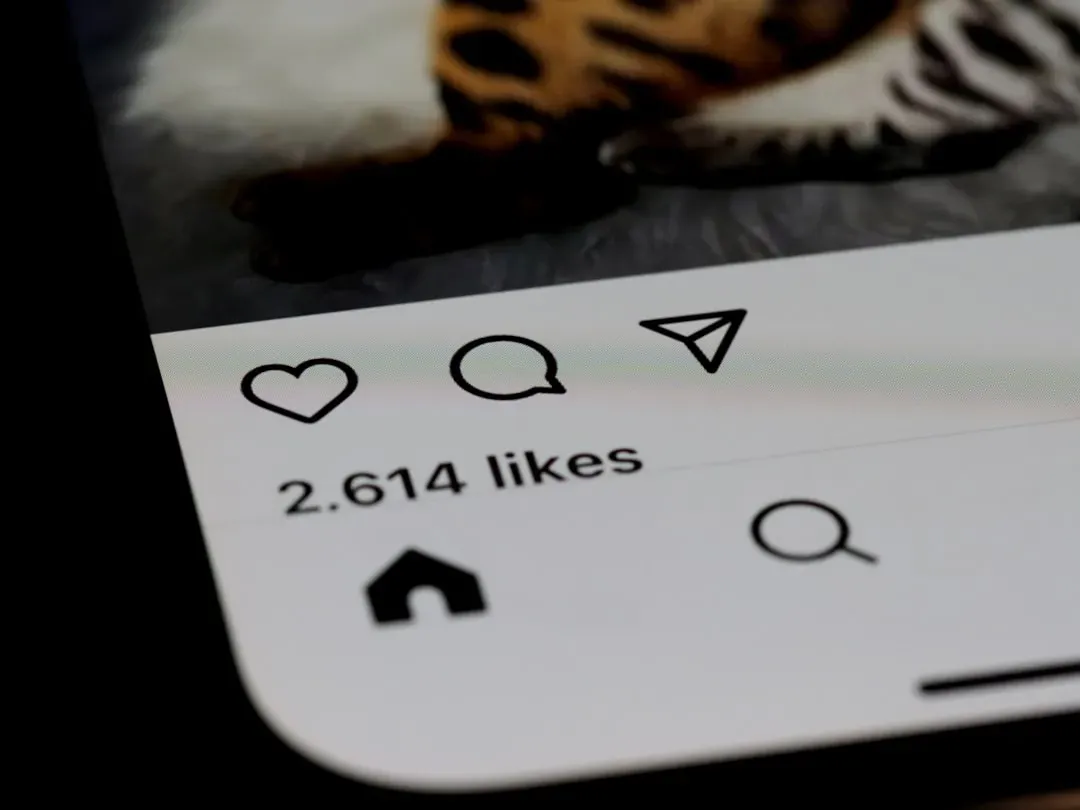
It’s easy to waste time on social media comparing yourself to others, but those posts don’t reflect reality, nobody’s life is perfect, and confidence comes from believing in your own abilities and journey rather than comparing yourself to people only sharing glamorous moments. Let’s be real, you’re comparing your behind-the-scenes reality to everyone else’s highlight reel. That’s a recipe for feeling inadequate no matter how well you’re actually doing.
Comparison is the thief of joy and confidence, and limiting screen time or curating your feed to follow only empowering accounts can improve confidence. Consider setting boundaries around when and how you use social media. Maybe that means unfollowing accounts that make you feel less-than, or simply spending less time scrolling mindlessly. will thank you for it.
Practice Mindfulness to Quiet Self-Doubt
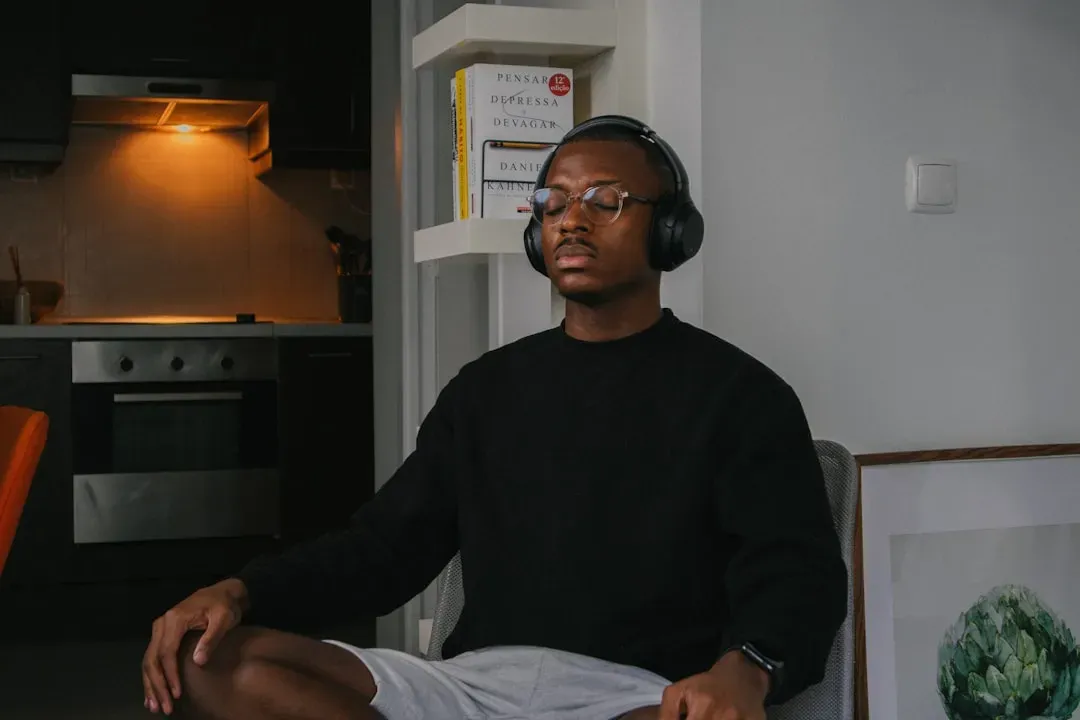
Mindfulness meditation teaches you to focus on present experiences, helps reduce negative thought patterns, improves focus, promotes relaxation, and fosters a more confident mindset by helping you become aware of thoughts without becoming entangled in them. When you’re constantly worrying about what might go wrong or ruminating on past mistakes, confidence evaporates. Mindfulness brings you back to the present moment where you can actually take effective action.
Mindfulness and meditation help reduce anxiety and increase self-awareness, leading to more self-confidence, and studies show these practices lower stress and increase overall emotional well-being. You don’t need to become a meditation expert or spend hours sitting cross-legged. Even five minutes a day of simply observing your breath and noticing your thoughts can create meaningful shifts in how you relate to yourself and your abilities.
Face Small Fears to Build Resilience

You can increase your tolerance for discomfort by forcing yourself into awkward situations like talking to a stranger, and 99% of the time it’s a painless experience that teaches you to face your fears. Confidence grows in the gap between your comfort zone and full-blown panic. By deliberately choosing small challenges that make you slightly uncomfortable, you teach your brain that you can handle uncertainty.
Systematic exposure to mild stress builds resilience and self-efficacy over time. Maybe it’s making small talk with the barista, raising your hand to ask a question, or trying something new where you might not be immediately great. Each time you survive one of these micro-challenges and realize it wasn’t as terrible as your anxiety predicted, baseline rises a little higher.
Celebrate Your Achievements, No Matter How Small

Writing down one thing you did well each day, even something small like speaking up in class or handling a tough email, builds a personal library of wins your brain can refer back to when feeling low, reminding you that you’ve overcome before and can do it again. We’re often quick to dismiss our successes while magnifying our failures. Flipping that script is essential for building lasting confidence.
Acknowledging achievements, no matter how small, reinforces feelings of competence and confidence, like rewarding yourself for meeting milestones such as taking your 50th cycling class or earning a certification at work. Keep a confidence journal where you jot down daily wins. Over time, you’ll have concrete evidence of your capabilities to draw on during moments of doubt. Your past successes become proof of your future potential.
Conclusion: Journey Starts Now

Building confidence isn’t about becoming someone you’re not or pretending everything is perfect. It’s about developing genuine self-belief through practical, science-backed strategies that rewire how you think, feel, and act. Confidence is a skill that you develop through practice, and these techniques work because they address the actual brain structures and patterns that create genuine confidence.
The beauty of these psychological tricks is that they work cumulatively. You don’t need to master all ten at once. Start with one or two that resonate most with you, practice them consistently, and notice how naturally begins to grow. Maybe it’s adopting power poses before important meetings, or perhaps it’s finally addressing that negative self-talk that’s been holding you back for years.
Remember, everyone struggles with confidence sometimes, even the people who seem to have it all figured out. The difference is that confident people have learned how to manage those doubts and move forward anyway. You now have the tools to do the same. Which trick will you try first? What might change in your life when you start believing in yourself just a little bit more?