
Have ever walked into a room and noticed people suddenly get quiet? Maybe conversations shift, or someone avoids meeting r eyes. It’s a peculiar feeling, one that leaves wondering if ‘ve done something wrong. The truth is, might not have done anything at all. Sometimes, people experience fear or intimidation around certain individuals, even when there’s no malicious intent behind it. Understanding these subtle cues can help navigate social situations with more awareness and perhaps adjust r approach when needed.
Let’s be real, nobody wants to be the person everyone’s afraid of. Yet, recognizing when others feel intimidated can actually improve r relationships and communication. So let’s dive in and explore the telltale signs that might reveal when people are genuinely fearful in r presence.
They Avoid Making Eye Contact With You
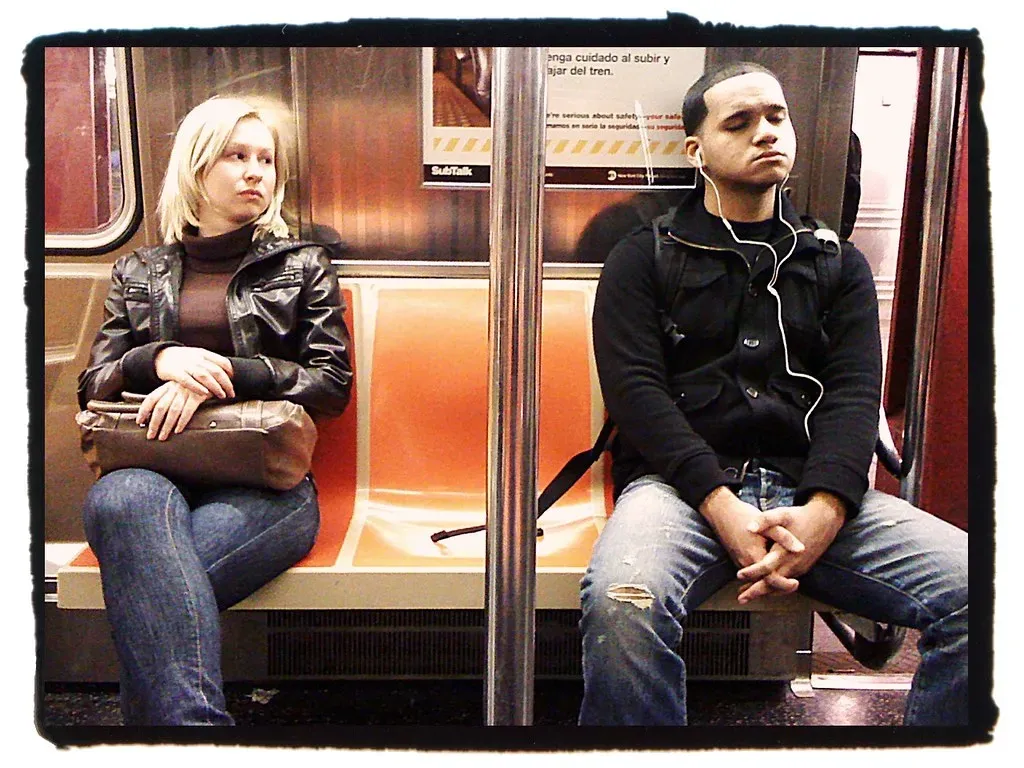
Eye contact avoidance is a telltale sign someone finds you intimidating. Think about it like this: when you’re uncomfortable around someone, the last thing you want to do is lock eyes with them. People might nervously look around when you talk to them, or maybe they start doing something else to appear busy, like folding papers or checking something on their phone.
Eye contact is one of those things that can be pretty revealing, with eyes darting around, avoiding direct contact. I’ve noticed this myself in professional settings where someone seems more interested in their shoes than the conversation at hand. If a co-worker is open and engaged with others but acts differently with you, it’s a sign they are intimidated by you.
Their Body Language Becomes Defensive

When someone feels threatened or uneasy around you, their body instinctively creates barriers. Their body language often mirrors their inner unease, with arms crossed over the chest, stiff posture, or a physical barrier like a bag or a desk between you and them. It’s fascinating how our bodies react before our minds can even process what’s happening.
People keep their distance in the same room as you, sit on a chair furthest away from you, or just simply take a few steps back when you approach them. This physical retreat isn’t personal, honestly. Physical distance creates the perfect protective barrier, allowing someone to install safety between them and the person they are intimidated by.
They Keep Apologizing Excessively

When somebody accidentally bumps into you and follows with repeated apologies, the difference between a normal and intimidating sorry could be in the way the apology is brought up. Sure, polite apologies are standard social behavior, but there’s a threshold where it crosses into something more revealing.
When they seem very nervous, with a serious look on their face and their eyes wide open, and even if you say “It’s okay” multiple times, they still don’t really seem relaxed, maybe you could take it as a sign you’re intimidating to them. I think this one’s particularly sad because it shows genuine anxiety. These individuals are walking on eggshells, worried about your reaction to even the smallest mishap.
Nobody Ever Disagrees With You

Here’s something that might sound like a positive at first but is actually quite concerning. Does everyone always tell you you’re right about pretty much everything, and no matter the topic, people don’t usually oppose your opinion? Maybe they’re actually scared of your reaction.
Refusing to offer constructive feedback or calling you out when you’re wrong is a sign that other people are afraid of how you’ll react. If you only receive positive feedback, it might be down to you being an intimidating person. Think about it: healthy relationships and work environments thrive on honest dialogue. When r response to disagreement, you’re missing out on valuable perspectives and genuine connections.
They Display Nervous Physical Behaviors

Fidgeting, faltering over words, or unbalanced giggling are obvious signs of nervousness and possibly intimidation. They’re fairly overpowered by your presence. The human body has a difficult time hiding anxiety, no matter how hard someone tries to maintain composure.
Wide eyes, raised eyebrows, furrowed brows, avoid eye contact, slouching, hunched, crossed arms, busy hands, shaking or tapping legs or feet, rocking back and forth, rapid breathing, and speaking very quickly or not at all show hyper-awareness. It’s hard to say for sure sometimes, but when you see a cluster of these behaviors, the pattern becomes unmistakable. Someone exhibiting multiple nervous tics simultaneously is probably experiencing genuine discomfort in your presence.
Their Voice Changes When Speaking To You

The tone of their voice can be revealing, as when someone is speaking quietly or in a high-pitched voice, it usually means they feel submissive or intimidated by the other side. Voice modulation is one of those involuntary responses that people struggle to control under stress.
Try paying attention to how they speak with other people, and compare it to your last conversation. If there’s a difference, maybe they really do find you intimidating. I’ve witnessed this firsthand where someone who’s normally animated and confident becomes almost whisper-quiet during our interactions. The contrast can be jarring and honestly quite revealing about the dynamic at play.
They Try To Overcompensate Around You
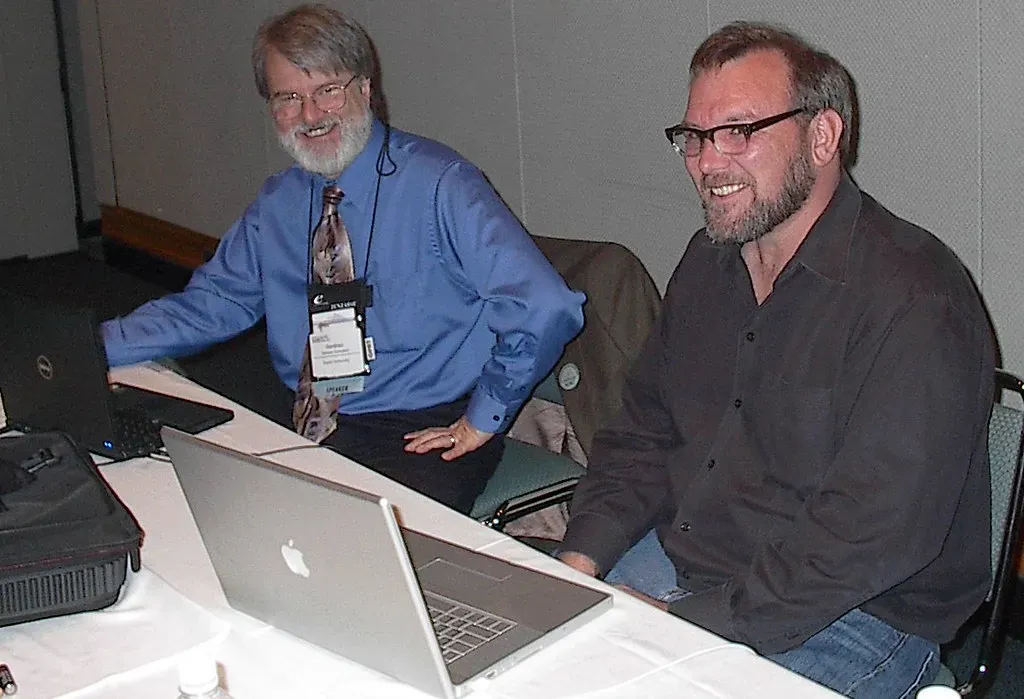
Some people suddenly sound more assertive or boastful when they’re uncomfortable. When people feel threatened or intimidated, they often try to puff themselves up, talking louder, using bigger words, or sharing stories designed to impress. It may seem like they’re trying to dominate the conversation, but in reality, it’s their way of dealing with the intimidation they’re feeling.
When respect crosses into excessive territory – like consistent compliments or overstated gestures – it may be a sign of intimidation. It’s their way of saying, “Don’t harm me,” without really saying it. This behavioral pattern is almost like watching someone wear emotional armor. They’re protecting themselves by projecting confidence they don’t genuinely feel.
People Actively Avoid Interacting With You

Intimidation can sometimes lead to complete avoidance. If someone keeps finding excuses to dodge meetings, conversations, or even casual encounters, it might not be about dislike – it’s about discomfort. This is perhaps one of the most isolating signs because it creates distance without explanation.
If a co-worker is intimidated by you, they are more likely to avoid speaking to you, in person and virtually, passing on social events you are attending, sending emails or messages instead of calling you, saying ‘yes’ to all your ideas to avoid confrontation, and being overly apologetic. They might also avoid asking you any questions about your personal life because they are afraid of opening up to you about their own. The cumulative effect creates an invisible wall that prevents authentic human connection.
Conclusion

Recognizing these signs doesn’t mean you need to completely change who you are. Accepting that you might be intimidating to others doesn’t mean you’re a bad person. It’s simply an opportunity for growth and better communication with those around you. Sometimes a small adjustment in how you approach conversations, offer a genuine smile, or express warmth can make all the difference.
The goal isn’t to shrink yourself or dim your light to make others comfortable. Rather, it’s about being aware of your impact and choosing to create space where people feel safe to be themselves. Those who push past initial intimidation often find something unexpected – reliability. The same qualities that intimidate, like clarity, boundaries, and competence, create trust.
What do you think? Have you noticed any of these signs in your own interactions? It’s worth reflecting on, because sometimes the smallest shift in awareness can transform how we connect with the people around us.