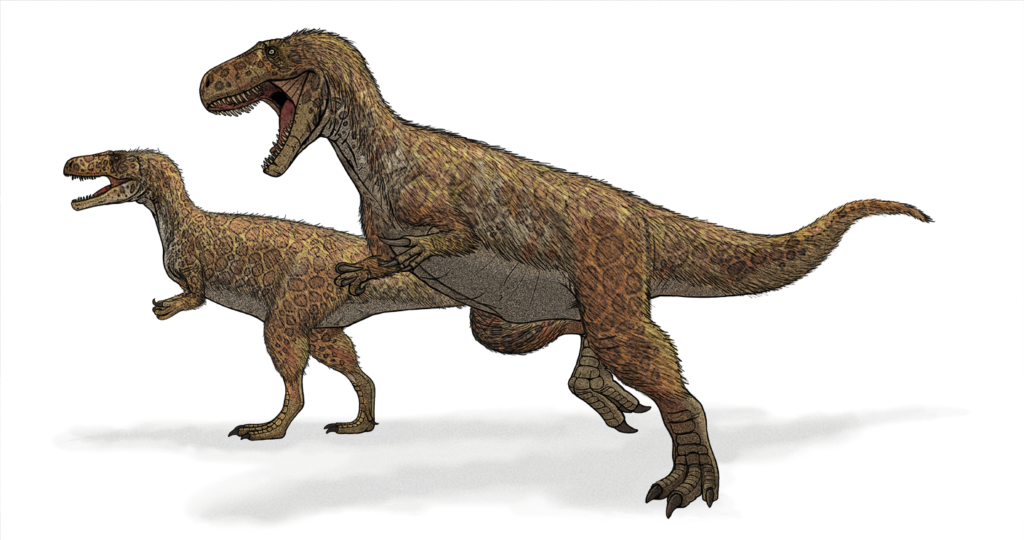
When you picture dinosaurs, you probably see dramatic scenes from movies: roaring predators, thundering herds, and lonely giants silhouetted against a prehistoric sky. But the most intimate stories of their lives are not in their skeletons. They are pressed quietly into stone under your feet, where dinosaur tracks capture moments of fear, play, care, and routine that bones alone can never show you.
Once you start looking at fossil footprints through this lens, they stop being just cool marks in rock and start feeling like snapshots from a lost family photo album. You begin to see anxious parents, wandering toddlers, nervous herds, and even awkward teenage dinosaurs, all frozen mid-step. It is strangely emotional: these animals are unimaginably distant in time, yet their footprints reveal instincts and behaviors that feel disarmingly familiar.
How Dinosaur Footprints Become Family Time Capsules
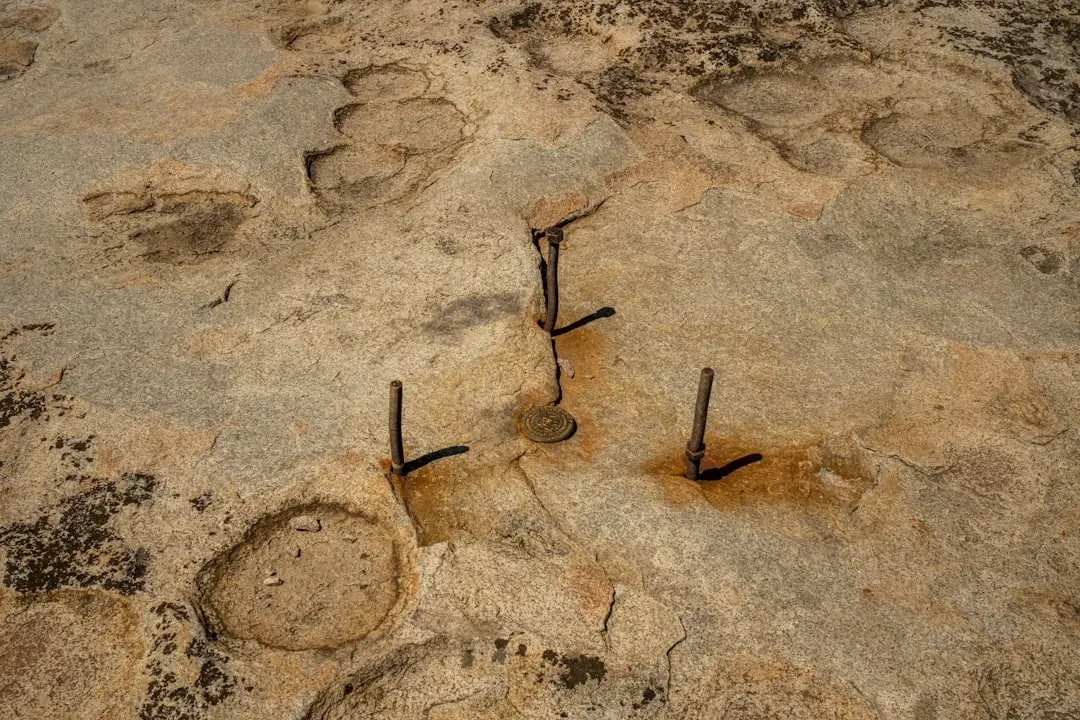
You might assume that a footprint is just a shallow hole in mud, but for it to survive for tens of millions of years, a surprisingly lucky chain of events has to happen. A dinosaur has to walk across soft sediment at just the right moisture level, firm enough to hold its shape but not so hard that the print is shallow and vague. Then, that print has to be covered quickly by another layer of sediment, protecting it from erosion, trampling, or being washed away.
Over immense spans of time, those stacked layers turn to stone, and the once-soft prints become fossilized records that you can read. When you stand at a tracksite today, you are not looking at a single footprint so much as a preserved moment on a prehistoric landscape, like a paused video. If several dinosaurs walked across the same surface, the rock sometimes holds a frozen crowd scene: large tracks, tiny ones, overlapping paths, and sudden changes in direction that hint at complex social interactions.
Reading Sizes and Spacing: Spotting Parents, Teens, and Toddlers
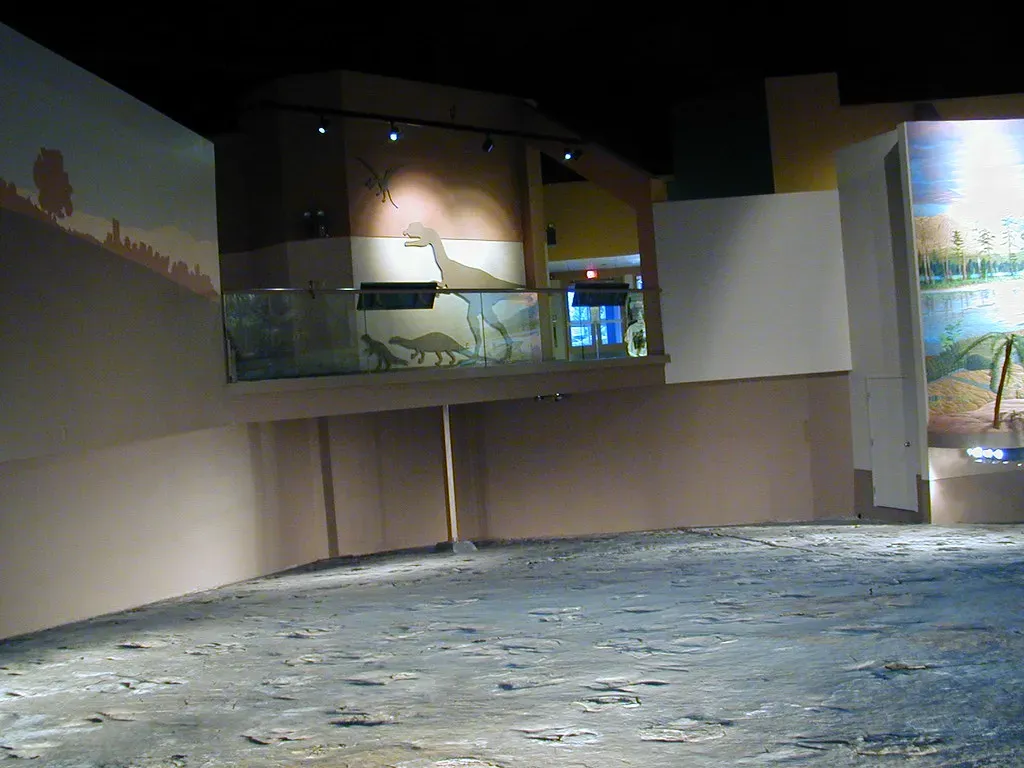
When you look at a dinosaur trackway, the first thing that jumps out is size, but the real story emerges when you compare sizes and spacing together. If you see huge footprints alongside much smaller ones, moving in the same direction with similar stride patterns, you are probably looking at adults and juveniles traveling together. The smaller prints often fall just inside or slightly behind the larger ones, the way a child might stick close to a parent’s side on a busy sidewalk.
You can also gauge something like age stages by how the track spacing changes. Longer, more confident strides usually suggest larger, more mature individuals, while shorter, choppier tracks might come from younger animals still finding their balance and pace. When you see a band of medium-sized tracks traveling with very large and very small ones, it starts to look like a multigenerational group, not unlike an extended family walking a trail together.
Trackways That Reveal Dinosaurs Moving in Groups
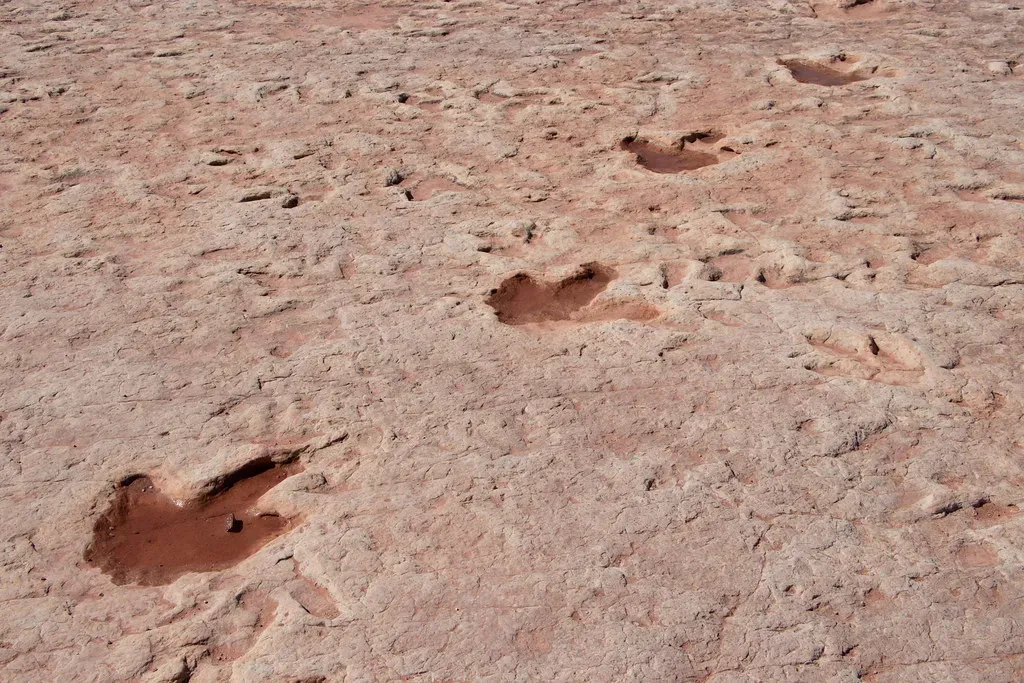
If you come to a broad rock surface covered in parallel dinosaur trackways all heading in nearly the same direction, you are almost certainly seeing evidence of group movement. The patterns can look eerily like a modern herd of wildebeest, with lanes of footprints that suggest animals walking side by side or in loose columns. When individual trackways maintain a consistent distance from one another over long distances, it hints at some kind of spacing behavior, as if each dinosaur was keeping a comfortable buffer from its neighbor.
Some tracksites show several size classes of the same type of footprint all aligned, reinforcing the idea that adults, subadults, and juveniles were moving together rather than separately. That kind of pattern is hard to explain with random individuals wandering alone across the same surface at different times. Instead, you are likely seeing a coordinated group on the move, which strongly suggests social behavior and, at least in some cases, some form of family or herd structure.
Tiny Footprints: Clues to Dinosaur Childcare and Protection
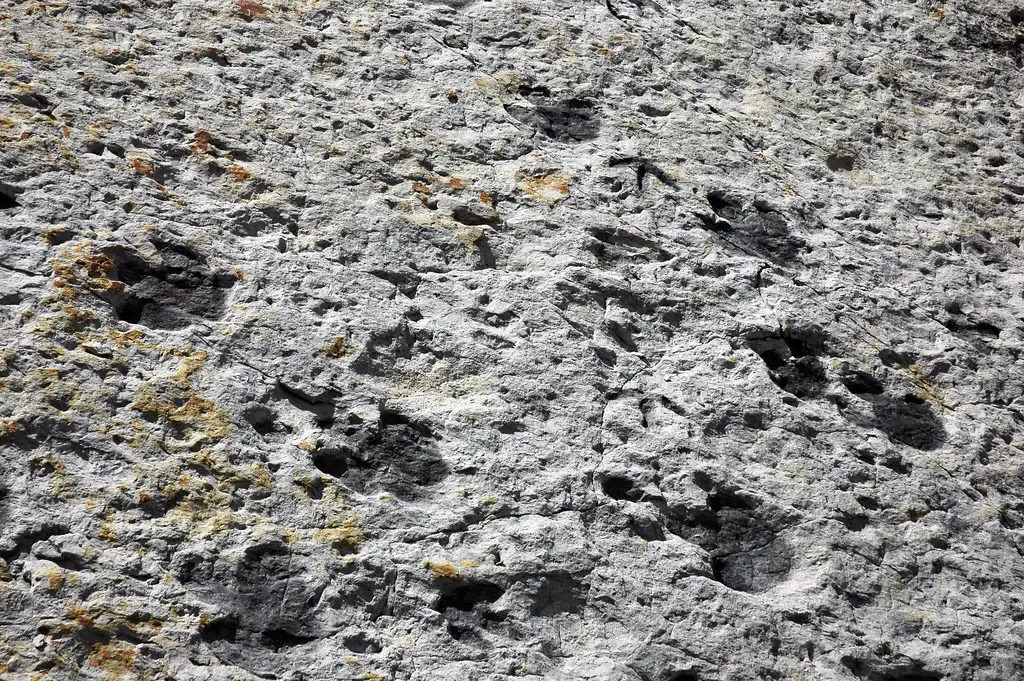
Small dinosaur tracks on their own just tell you that young animals were present, but where you find them relative to big tracks changes the story completely. When you see clusters of tiny footprints staying close to or weaving around larger adult tracks, you are probably looking at young dinosaurs that were moving under the protection of bigger individuals. In some sites, the smallest tracks are largely confined to the center of a broad lane of larger footprints, as if the adults formed a loose ring around the most vulnerable members.
You also sometimes see juvenile tracks that rarely stray far from one side of a larger trackway, like a youngster that keeps to the same side of an adult, the way a child might hold onto a parent’s sleeve in a crowd. Those patterns give you a strong hint that these animals were not just leaving their young to fend for themselves. Instead, they were likely investing time and energy in keeping offspring close, which pushes you toward a picture of dinosaurs as attentive caregivers rather than cold, indifferent reptiles.
Moments of Panic: When Tracks Capture Hunts and Escapes
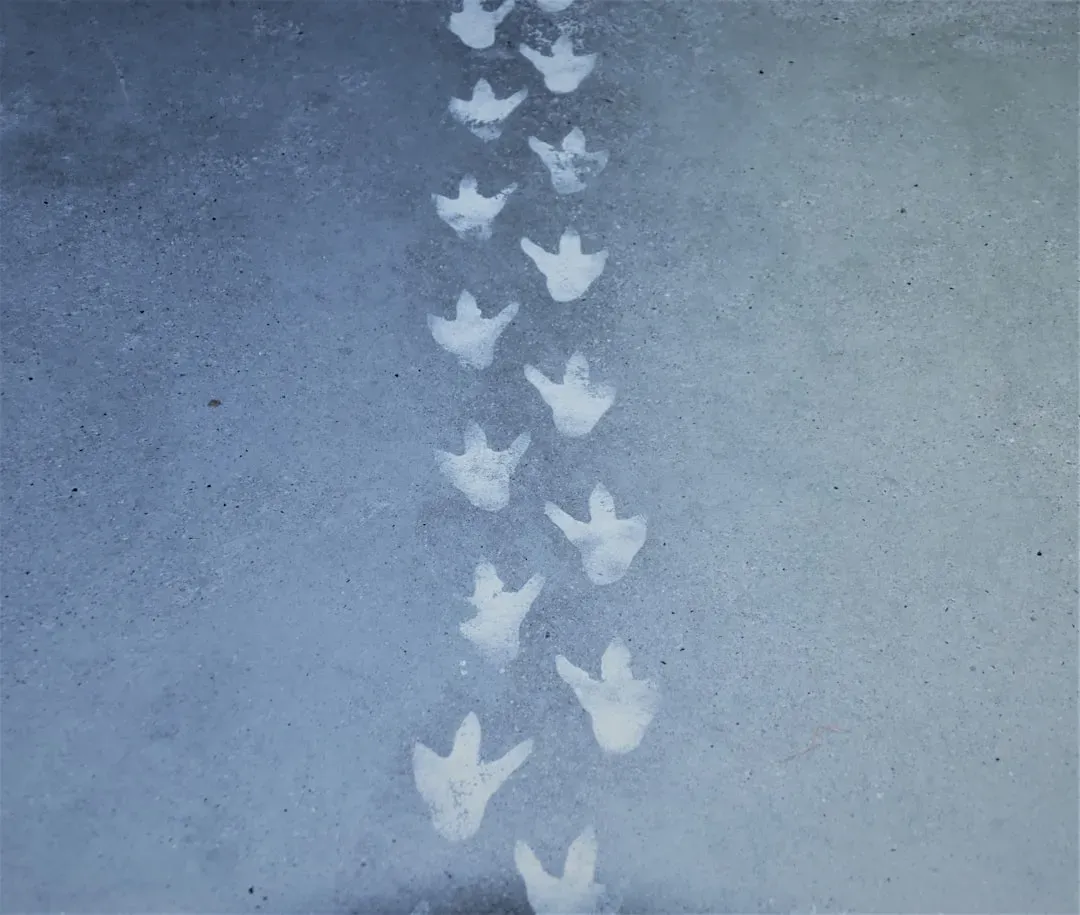
Not all trackways tell calm family stories; some feel more like the climax of a thriller. When you see prey animal tracks that suddenly change direction, with strides stretching out dramatically, you are probably witnessing a panicked run. If, nearby, you find a second set of tracks from a carnivorous dinosaur that converges and follows the same zigzag path, it starts to look like a chase sequence drawn across stone. The ground itself becomes a storyboard of terror and pursuit.
Now place that scenario in the context of a herd with young. If juvenile tracks are interspersed with adult ones and then suddenly scatter or tighten up as the strides lengthen, you might be seeing a group reacting to danger. Adults could have been bunching closer to the young, or the whole herd might have been surging forward to escape. You cannot know the exact outcome, but you can feel the tension: a family or herd jolted out of routine, forced into a frightening sprint that just happened to be preserved forever.
Play, Loops, and Detours: Signs of Curious Young Dinosaurs
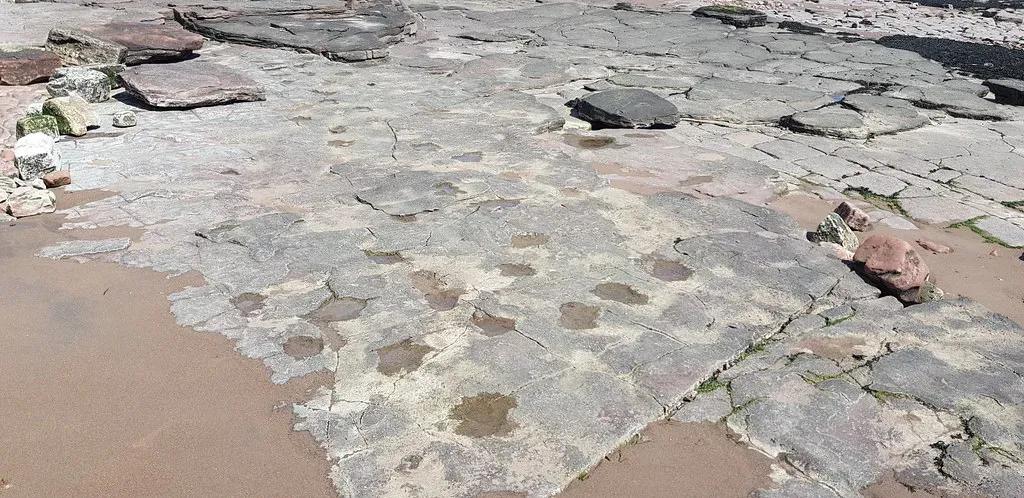
Not every odd footprint pattern has to be about survival; some may simply be about curiosity. At certain sites, you find small trackways that loop, double back, or wander in ways that make little sense if you imagine a focused adult. Instead, they look like the paths of restless, easily distracted youngsters. A row of small tracks might suddenly veer off, circle an area, then rejoin a main route, a bit like a child darting over to explore a puddle before running to catch up with the group.
You also see places where shorter, erratic trackways cross and re-cross the same patch of ground, while larger, more measured tracks pass straight through. That contrast suggests the older animals had a destination in mind, while the younger ones were mixing movement with bursts of exploration. You cannot prove that what you are seeing is playful behavior in the way you define it today, but the patterns feel familiar enough that it is hard not to picture curious young dinosaurs testing boundaries while staying within sight of adults.
What Tracks Can Never Tell You About Dinosaur Families
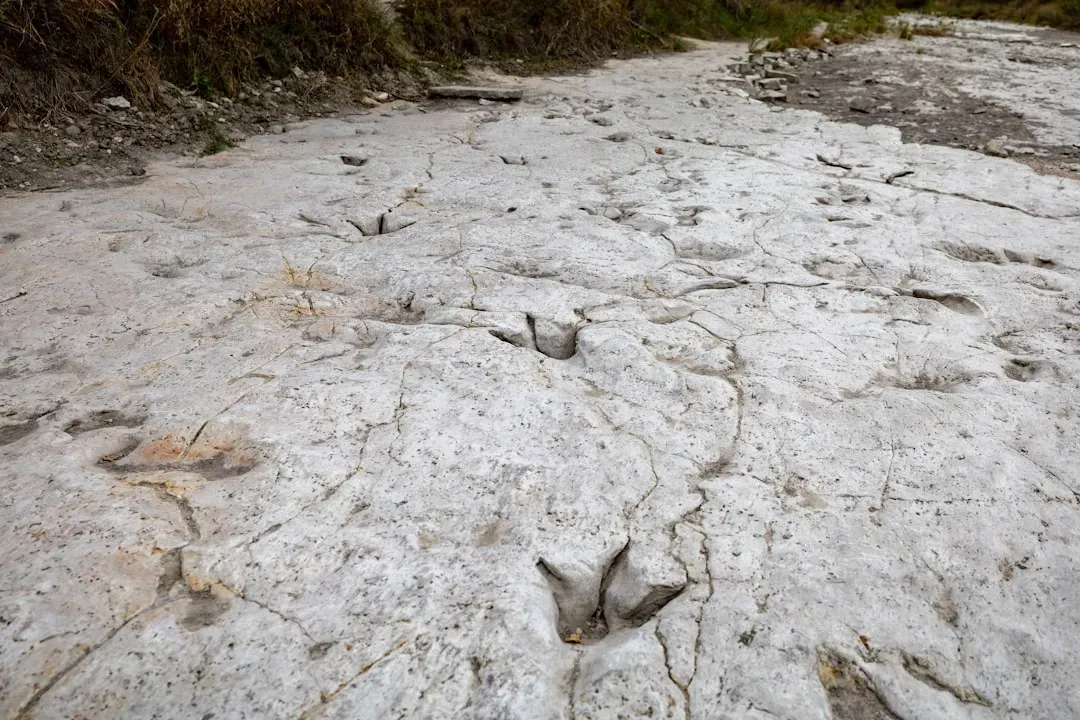
As vivid as these patterns are, you need to be honest about what tracks cannot reveal. Footprints do not tell you what color a dinosaur’s skin was, whether it made soft calls to its young, or how it responded emotionally to danger or loss. You also cannot read specific family relationships from the rock; you can infer adults and juveniles moving together, but you cannot say with certainty who was a parent, sibling, or unrelated group member. The stone records movement, not identity or emotion.
You also have to admit that some track patterns can be interpreted in more than one way. Parallel paths might come from a single individual walking the same route on different days, and overlapping tracks from different animals may have been laid down hours, days, or even longer apart. That is why paleontologists compare many sites and look for repeated, consistent patterns before they talk about family groups or social behavior. When you respect those limits, the stories you draw from the tracks stay grounded instead of drifting into wishful thinking.
When you step back and look at all this together, dinosaur tracks stop feeling like random marks and start to read like fragments of family life written in an alien script. You see adults pacing themselves to match smaller strides, groups holding a steady formation, youngsters veering off and then hurrying back, and sudden panicked bursts that speak of predators just out of view. Each trackway is humble on its own, but together they sketch a picture of dinosaurs as social, attentive, and sometimes vulnerable animals, not solitary movie monsters.
The most striking part is that you recognize so much of this behavior from your own life: the way groups move, protect, wander, and react under pressure has not changed as much as you might expect in tens of millions of years. So, the next time you see fossilized dinosaur tracks, try reading them as pages from a very old family story rather than just geological curiosities. If you could stand beside those animals for a single moment, watching their families move across the mud, would the scene really feel as unfamiliar as you once imagined?