You ever notice how some folks seem totally energized after a wild night out, while others feel like they’ve been hit by a truck? It’s not just about being antisocial or shy. There’s something deeper happening beneath the surface, something wired into the very fabric of who you are. Let’s be real – the world can feel overwhelming, with its constant noise, demands, and expectations.
If you find yourself craving solitude like it’s oxygen, you’re not alone in that need. Understanding why you recharge differently can help you embrace your nature instead of fighting it. So let’s dive into the psychological traits that define people who need alone time to feel like themselves again.
You Have Higher Baseline Brain Arousal Levels

Your brain might be operating at higher arousal levels at baseline than others, making you more mentally alert and sensitive to external stimulation that can overwhelm your nervous system. Think of it like a volume knob that’s already turned up higher than most people’s. Every conversation, every notification, every bit of sensory input gets amplified.
You react differently to stimulation compared to extroverts. While others might thrive in bustling environments with multiple conversations happening at once, you find those same situations mentally exhausting. It’s not weakness – it’s just how you’re wired. Your nervous system needs that quiet downtime to regulate itself and return to equilibrium.
You’re Less Motivated by External Social Rewards

Here’s something interesting about your psychology. One reason you need alone time relates to how you respond to rewards. Social status, networking opportunities, or meeting new people might not excite you the way they do for extroverts. When compared to extroverts, you’re less engaged, motivated, and energized by the possibilities for rewards around you.
You might enjoy spending time alone partly because of acetylcholine, a neurotransmitter that can produce a sense of happiness when you engage in inward-focused activities, such as quietly reflecting or enjoying hobbies. Your brain literally rewards you for turning inward rather than outward. That’s why reading a book or pursuing a solo hobby can feel more satisfying than another social gathering.
You Possess Strong Introspective Capabilities

You’re introspective, and alone time gives you the space to connect with yourself and engage in thoughtful self-reflection, allowing you to hear your inner voice, clarify your needs, and identify your goals. This isn’t navel-gazing – it’s essential mental housekeeping. Without this internal dialogue, you’d feel disconnected from yourself.
Your capacity for introspection and self-reflection is associated with enjoying solitude. You probably need time to process experiences, digest conversations, and understand your own reactions to events. Other people might process externally through talking, but you need that internal space to make sense of things.
You Experience Social Interactions as Energy-Depleting

Even the most introverted individuals can enjoy socializing, but you find social interactions mentally and emotionally taxing since your nervous system is sensitive to external stimulation. It’s like your social battery has a smaller capacity than others. You might have a fantastic time at a party, but afterward, you’re completely drained.
You have a social battery that’s more limited than those who exhibit extroverted traits, and you reach your stimulation capacity sooner, meaning you need to leave situations at an earlier time. This is why you might be the first to leave gatherings or need to decline back-to-back social plans. You’re not being difficult – you’re protecting your mental resources.
You Have Enhanced Emotional Regulation Needs
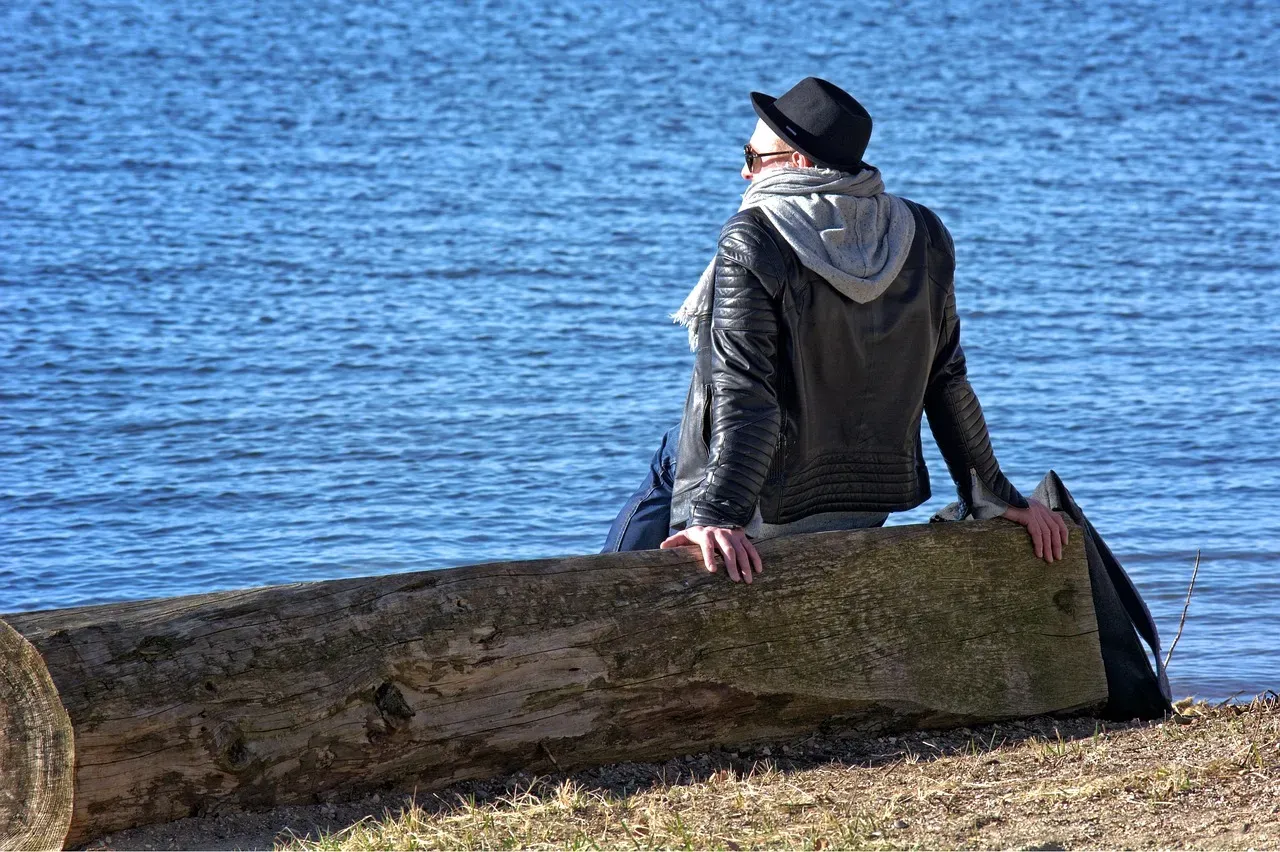
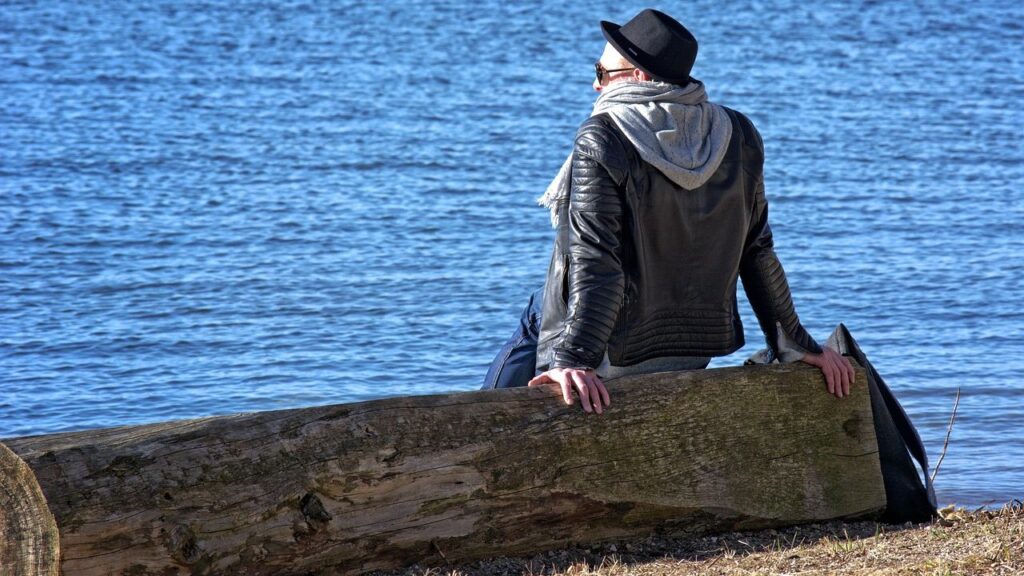
Your desire to retreat to solitude serves the purpose of emotional regulation. When emotions run high – whether from stress, excitement, or overstimulation – you need that quiet space to process and settle them. Just 15 minutes of solitude can have an emotional deactivation effect, lowering high-arousal emotions including excitement and anxiety, and increasing low-arousal feelings such as calmness.
You’re probably also deeply empathetic, meaning you easily absorb other people’s emotions. Spending time around others means you’re not just managing your own emotional state but unconsciously picking up on everyone else’s too. That’s exhausting. Solitude gives you the chance to separate what’s yours from what you’ve absorbed from others.
You’re Driven by Intrinsic Rather Than Extrinsic Motivation
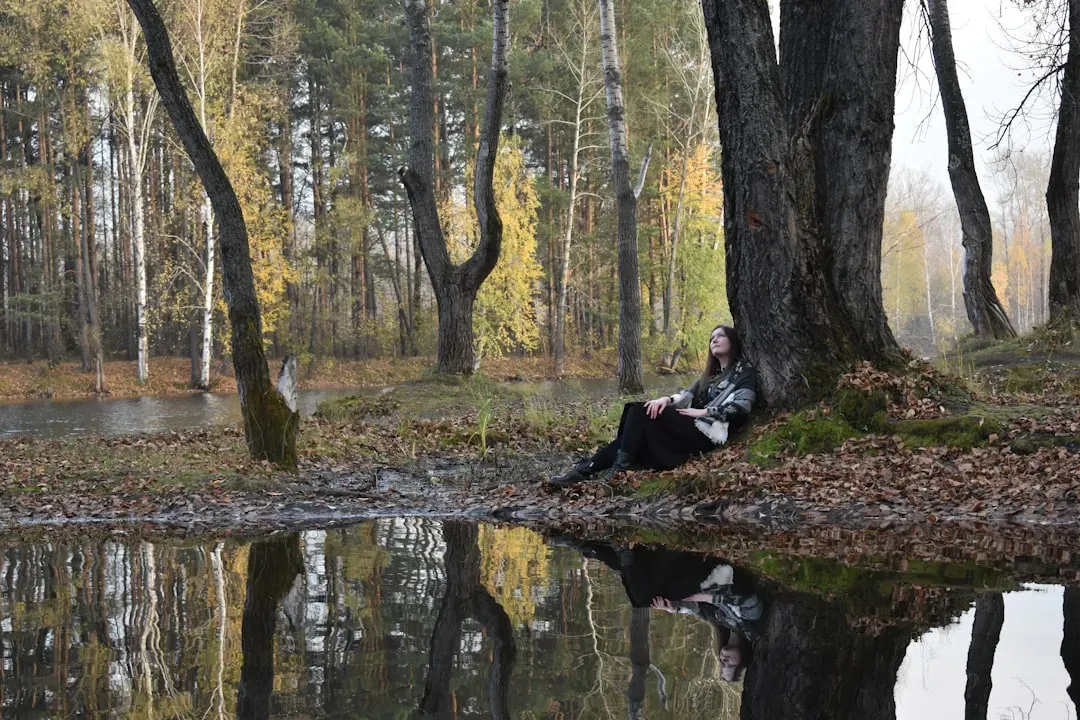
A defining characteristic is being intrinsically motivated to spend time alone, having an intentional purpose for deciding to take time for yourself. You don’t need external validation or social proof to feel fulfilled. Your sense of satisfaction comes from within – from pursuing interests that genuinely captivate you, not from what others think is worthwhile.
Those high in openness focus on creativity and self-discovery during solitude, while introverts use it to relax and restore their energy. Your alone time isn’t wasted – it’s productive in ways that matter to your internal world. Whether you’re creating something, learning, or simply being, that time serves a meaningful purpose.
You Value Independence and Self-Reliance

To you, solitude is just another way of having a healthy mindset, reflecting inner strength and independence. You’ve probably always been comfortable making decisions on your own and don’t need constant input from others. This independence isn’t about pushing people away – it’s about having a strong sense of self that doesn’t require constant external reinforcement.
Besides a preference for solitude, other personality traits include thoughtfulness, independence, creativity, and reticence. You probably prefer to work through problems yourself before seeking help, and you find satisfaction in self-sufficiency. This trait makes you resilient but also means you need space to maintain that sense of autonomy.
You Experience Heightened Creativity in Solitude
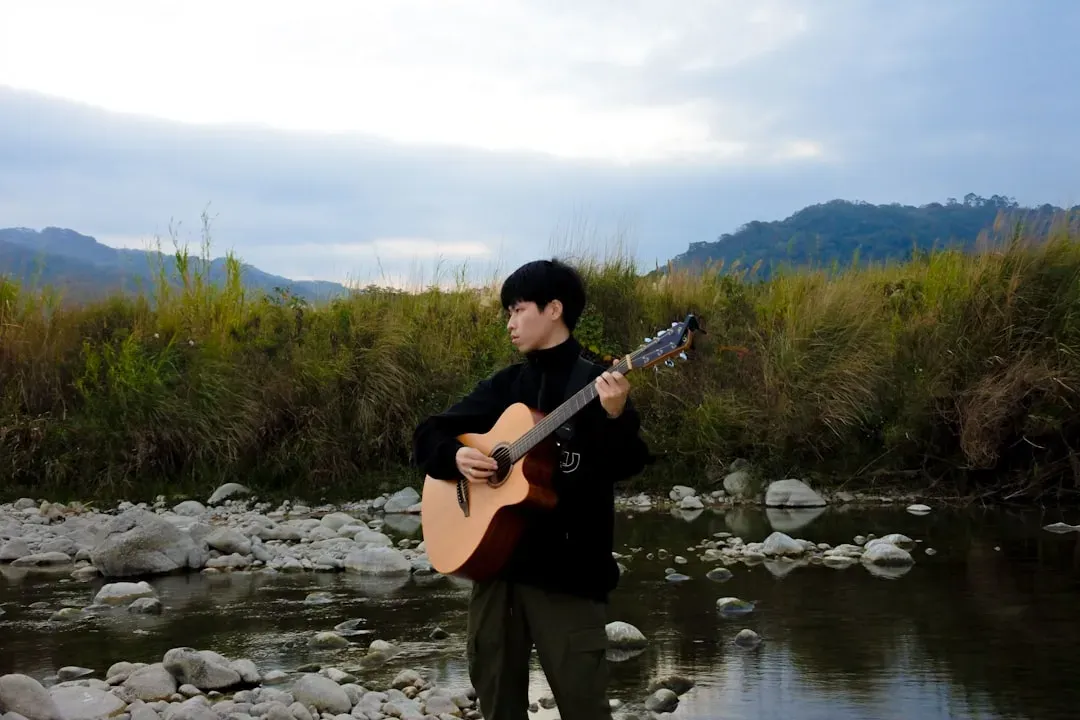
For unsociable people, solitude not only does not harm wellbeing but allows them to be more creative. Some of your best ideas probably come when you’re alone – in the shower, on a walk, or just sitting quietly. Mindsets recognizing that solitude benefits self-connection, as well as in-situ factors of creativity and curiosity, play important roles.
Without the distraction of other people’s opinions, expectations, or conversations, your mind can wander freely. You can explore ideas without judgment, experiment without an audience, and develop thoughts fully before sharing them. This creative incubation needs silence and space – things that social settings simply can’t provide.
Conclusion
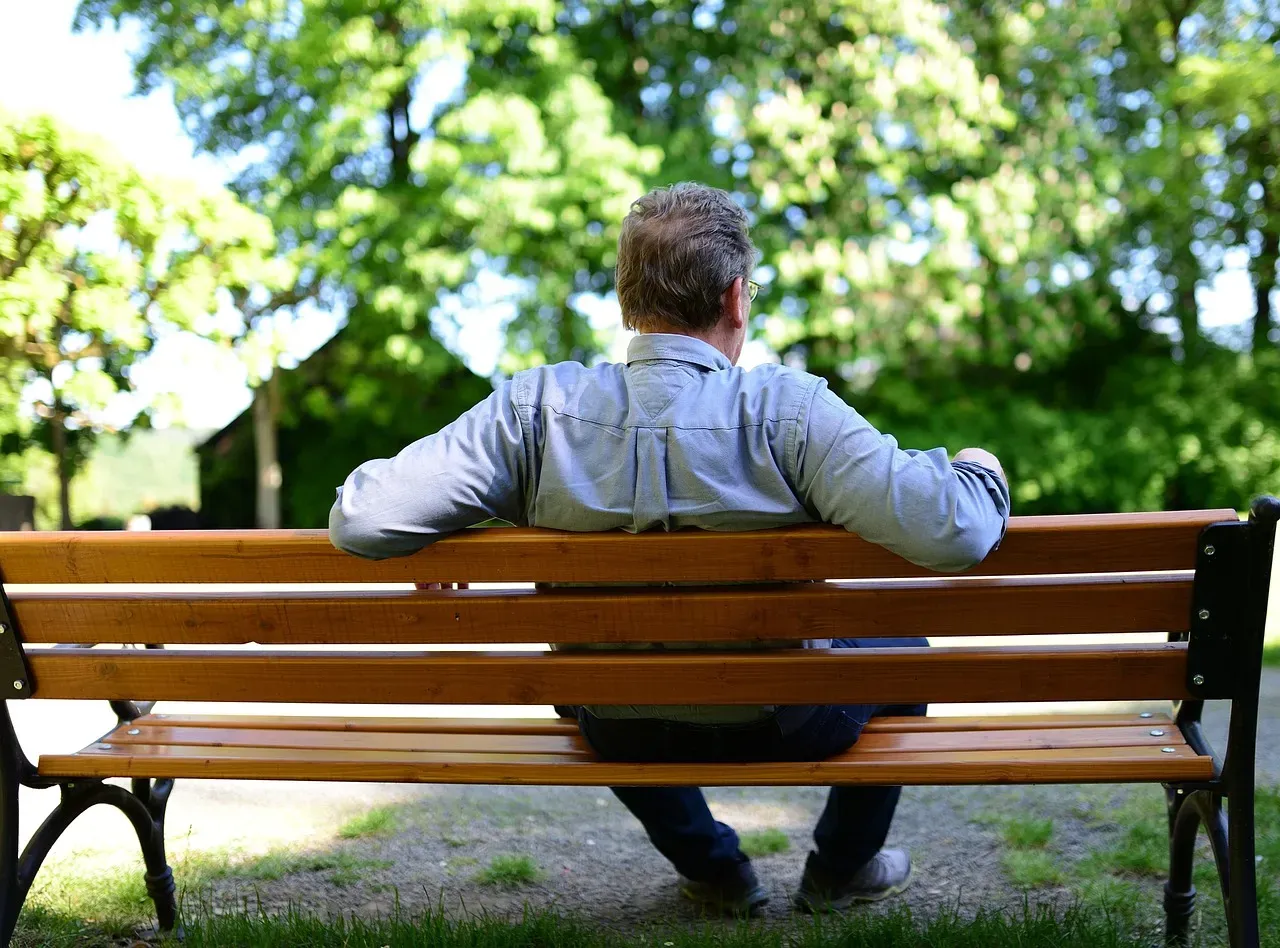
Understanding these psychological traits isn’t about labeling yourself or creating barriers between you and others. It’s about recognizing what you genuinely need to function at your best. You need alone time because your brain is wired that way – it isn’t necessarily a reflection of how you feel about people or your relationships.
The world often celebrates constant connectivity and social engagement, but that doesn’t make it right for everyone. You need alone time because it helps you rest and restore your energy, allowing you to feel grounded and engage with others without feeling exhausted or overwhelmed. There’s nothing wrong with needing solitude. Actually, honoring that need makes you a healthier, more authentic version of yourself.
What’s your relationship with solitude like? Do you give yourself permission to recharge, or do you feel guilty about needing that time alone?