

Life has a way of throwing curveballs. Relationships crumble. Trust gets shattered. Words cut deep. The past can feel like an anchor weighing you down, making it hard to see a brighter tomorrow. Maybe you’ve tried to move forward, but those old wounds keep resurfacing when you least expect them.
Here’s the thing: you deserve peace. Not the kind that comes from pretending nothing happened, but real, lasting peace that allows you to remember without being paralyzed by pain. Letting go of the past is one of the hardest, yet most liberating things you can do, and healing isn’t about forcing yourself to forget but about making peace with what was so that it no longer controls what is. So let’s explore how you can truly master this art and reclaim your life.
Understand Why Your Brain Holds On So Tightly

Your brain isn’t trying to sabotage you. Actually, it thinks it’s protecting you. When something hurts you, your brain files that experience under “important – remember this!” due to negativity bias that helped our ancestors survive dangerous situations. The problem? This same mechanism can trap you in cycles of reliving painful memories.
Many of us get stuck in the past because of our need for certainty, which is fundamentally about survival, and letting go means stepping into the unknown. Think about it. Even when something is terrible, at least it’s familiar. The unknown feels risky, even if what you’re holding onto is actively hurting you.
Acknowledge the Pain Without Drowning in It

Avoidance of pain increases it, and to heal, you must pass through the doorway of grief and honor your pain. I know it sounds counterintuitive. Wouldn’t ignoring the hurt make it go away faster? Actually, no. Suppressing emotions is like trying to hold a beach ball underwater. Eventually, it’s going to burst to the surface with more force than before.
The first step in letting go of past hurt is acknowledging the pain and giving yourself permission to feel it, because suppressing or denying your emotions can prolong the healing process. Sit with your feelings. Whether it’s sadness, anger, or disappointment, these emotions are natural responses to what you’ve experienced. Let them exist without judgment.
Stop Asking Why and Start Asking What

You spend countless hours wondering why it happened to you. Why did they betray you? Why didn’t things work out differently? The truth is, obsessing over this why is a waste of energy, and your healing shouldn’t get held up because you never got the answer. Sometimes you’ll never know the full story, and that’s okay.
Instead of asking why did this happen, ask how and what, such as how do I get past this, what did I learn from this, and how do I prevent this from happening again. These questions empower you. They shift your focus from being a victim of circumstances to being an active participant in your own healing. What can you control right now? What lessons emerged from this mess?
Challenge the Stories You’re Telling Yourself

Sadness can evolve into intense emotional pain or depression when a loss is followed by negative thoughts, which are “after the comma” beliefs because they tend to form after the event that led you to hurt. For example, after a breakup, you might think, “They left, and I’ll never find love again.” That second part? That’s the story your mind created, not necessarily the truth.
Cognitive Behavioral Therapy helps identify and challenge negative thought patterns that contribute to distress, and by recognizing these thoughts, you can begin to change and replace them with more balanced perspectives. Question the validity of your negative thoughts. Is there actual evidence supporting them, or are they based on fear and assumptions?
Practice Forgiveness as an Act of Self-Liberation

Let’s be real: forgiveness is tough. It might be the single hardest thing on this entire list. Forgiveness is one of the most powerful tools for letting go of past hurt, and it doesn’t mean condoning harmful actions but releasing the hold that anger, resentment, or bitterness has on you. You’re not doing this for the person who hurt you. You’re doing it for yourself.
A 2023 study suggested that forgiveness boosts mental health by reducing depression and anxiety, while earlier evidence indicates it also eases stress, improves sleep, and lowers blood pressure and heart rate. The science backs it up. Forgiveness isn’t weakness or surrender. It’s reclaiming your power and choosing peace over perpetual pain. You can forgive someone and still maintain boundaries. You can forgive without reconciling.
Ground Yourself in the Present Moment
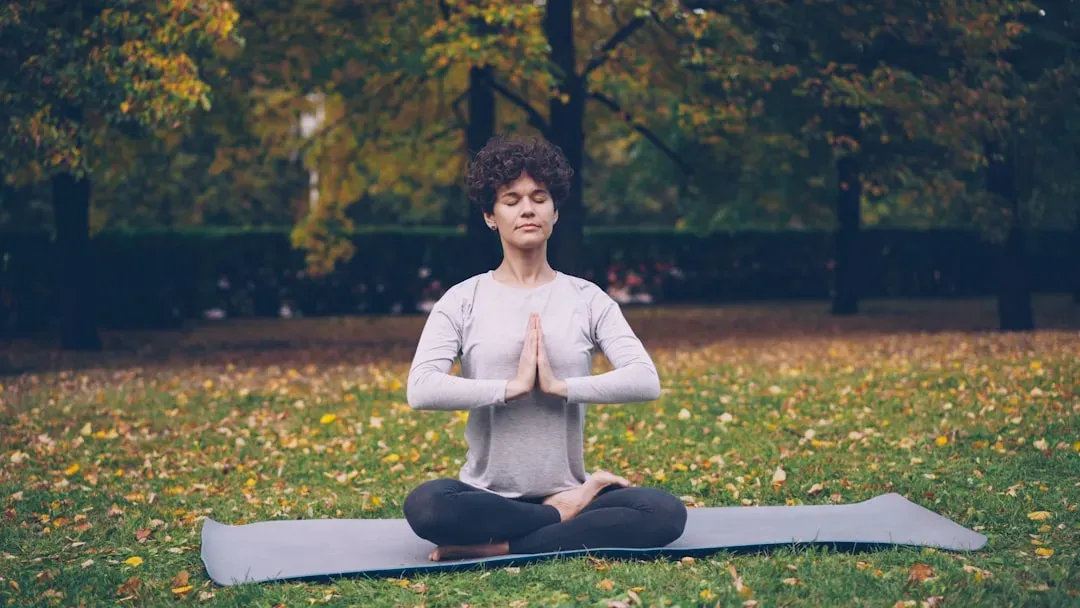
The more we can bring our focus to the present moment, the less impact our past or future has on us, and when we start practicing being present, our hurts have less control over us. Your mind loves to time travel, doesn’t it? One minute you’re making coffee, the next you’re replaying that argument from three years ago.
Grounding yourself in the present moment through mindfulness practices such as meditation or deep breathing can help you focus on the here and now instead of replaying past events, and by shifting your attention to the present, you can start building a life that feels meaningful. When you catch yourself spiraling into the past, try the 5-4-3-2-1 technique: identify five things you can see, four you can touch, three you can hear, two you can smell, and one you can taste. It pulls you back to right now, where your power actually lives.
Create Physical and Emotional Distance When Necessary

Sometimes healing requires space. Creating physical or psychological distance between ourselves and the person or situation can help with letting go for the simple reason that we are not having to think about it, process it, or being reminded of it as much. If someone keeps reopening your wounds, it’s okay to step back.
Distance yourself from toxic relationships because not everyone deserves access to your healing journey, your peace is not negotiable, and healthy boundaries reinforce self-respect and emotional security. This isn’t about holding grudges. It’s about protecting your mental and emotional wellbeing. You can wish someone well from afar while acknowledging that proximity to them is harmful for you.
Invest in Self-Care and Build a Support Network

Practicing self-care can look like setting boundaries, saying no, doing the things that bring us joy and comfort, listening to our own needs first, and the more we implement self-care, the more empowered we are. Self-care isn’t selfish. It’s essential maintenance for your mind, body, and spirit.
We can’t do life alone, and we can’t expect ourselves to get through our hurts alone, and allowing ourselves to lean on loved ones and their support reminds us of the good that is in our lives. Find your people. Whether it’s friends, family, or a therapist, surround yourself with individuals who validate your pain and support your growth. Isolation amplifies hurt, but connection heals.
Recognize That Time Alone Doesn’t Heal All Wounds

Time does not heal all wounds, and letting time go by may make you feel better, but unless you are actively working on your healing, time will not heal those emotional wounds because healing in the emotional sense is an action word that is not passive. You’ve probably heard the phrase “time heals all wounds” a thousand times. It’s comforting, but honestly? It’s not entirely accurate.
Motivation is rarely a prerequisite for letting go – it is a byproduct of movement, and far too many people wait to feel “ready” but that sense of readiness seldom arrives on its own, so begin the work before you feel like it. Healing requires intentional effort. It means doing the uncomfortable work of processing emotions, challenging negative thoughts, and building new patterns. Waiting for time to magically fix everything is like expecting a garden to flourish without watering it.
Moving Forward With Peace and Purpose

There is no single timeline that applies to every person when it comes to emotional release because healing is highly dependent on the nature, duration, and emotional intensity of the original experience, and letting go is not a one-time event but a process that unfolds in emotional layers. Give yourself grace throughout this journey. Some days you’ll feel strong and liberated. Other days, old pain might resurface, and that’s completely normal.
Healing is not about erasing the past but about building a life where the past no longer defines you, so acknowledge your progress even if small, release the need for closure because you don’t need an apology to heal, create a vision for your future, focus on what brings you joy, and remember that peace is within your power to create. You’ve carried these burdens long enough. The art of letting go isn’t about forgetting what happened. It’s about refusing to let those experiences dictate your future.
Did you expect that healing could be this intentional and within your control? What steps will you take today to lighten the load you’ve been carrying? Your future self is waiting on the other side of this pain, and trust me, they’re so proud of you for starting this journey.