You’ve probably felt it. That unsettling sense that something is missing despite all the wellness apps, biohacking tools, and cutting-edge recovery gadgets we have at our fingertips. Here’s the thing: our ancestors might have been onto something profound. They didn’t need technology to find peace or heal their bodies because they understood something we’re only beginning to rediscover in our hyperconnected, burnout-fueled lives.
Centuries before gym memberships and meditation apps, ancient cultures developed practices so powerful that they’ve survived millennia. Honestly, it’s fascinating. These weren’t just rituals for the sake of tradition. They were sophisticated systems designed to restore balance when life felt overwhelming. Sound familiar? Whether it’s the demanding job, endless notifications, or simply the pace of modern existence wearing you down, these time-tested practices offer something uniquely valuable. They remind us to slow down, reconnect, and remember that wellness isn’t something you download. It’s something you practice.
Ayurvedic Morning Rituals: The Science of Life
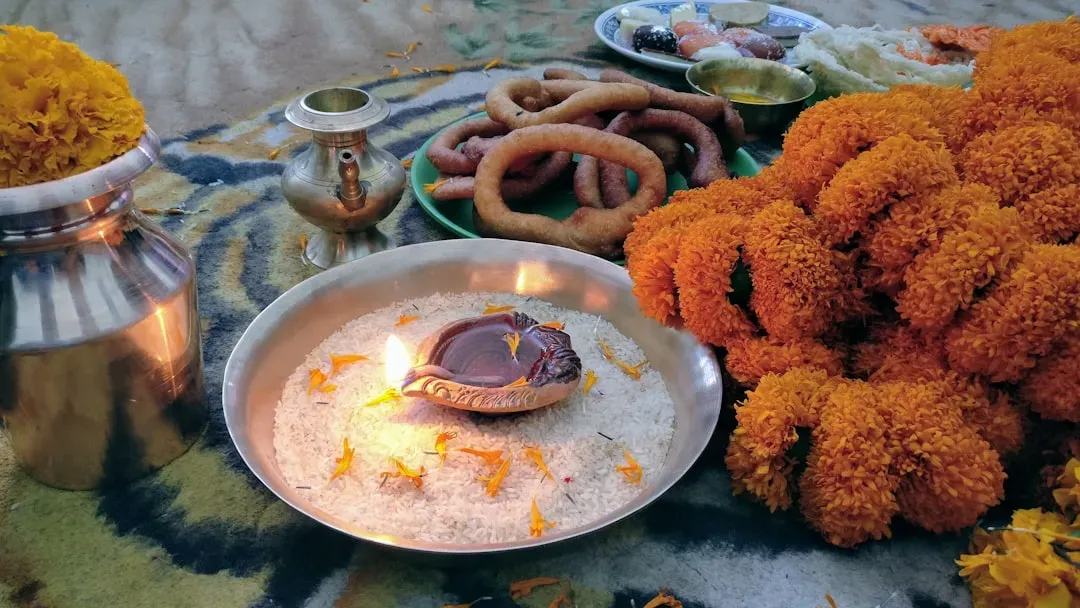
Ayurveda, meaning “the science of life” in Sanskrit, is a five-thousand-year-old practice that places great emphasis on maintaining balance in life with the right thinking, diet, lifestyle, and use of herbs. The morning routine, called dinacharya, forms the cornerstone of this ancient Indian tradition. It’s not about perfection. It’s about intention.
What makes this ritual so effective is its personalized approach. Each person has a unique pattern of energy or dosha, an individual combination of physical, mental, and emotional characteristics, which comprises their own constitution. Your morning becomes a foundation for the entire day when you align your practices with your body’s natural rhythms. Think tongue scraping, oil pulling, warm water with lemon. These aren’t random acts but deliberate choices designed to awaken your digestive fire and clear accumulated toxins from sleep.
Breathwork: The Ancient Gateway to Calm
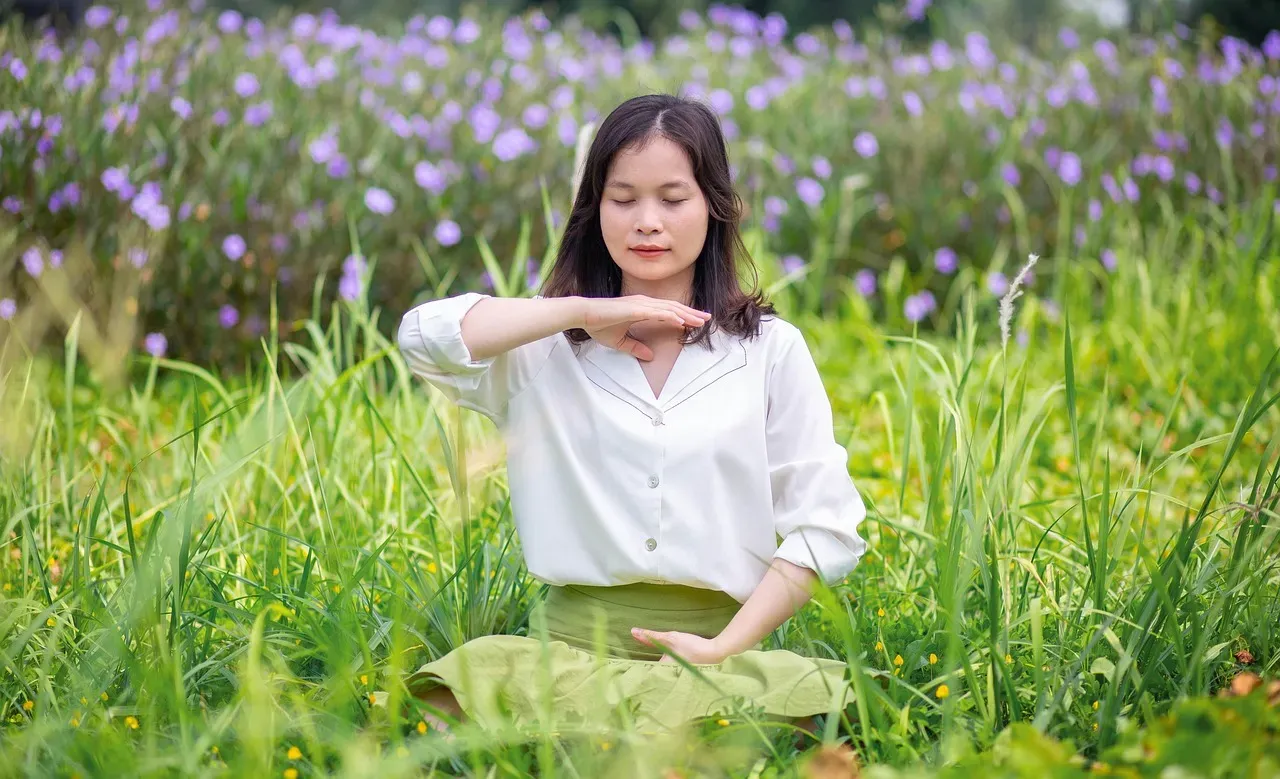
The origins of breathwork can be traced back to the pranayama practices of the yogis of ancient India, and the qigong breathing exercises of ancient China, both still used in the respective traditional medicine systems of ayurveda and Chinese medicine today. Your breath is always with you, yet how often do you actually notice it? This is where the magic happens.
Breathwork dampens the acute stress response and can prevent the development of chronic stress-related health problems, while deep abdominal breathing activates the body’s relaxation response and helps to reduce blood pressure and improve circulation. Let’s be real: in moments of panic or overwhelm, your breath becomes shallow and rapid. Ancient practitioners understood that consciously changing your breathing pattern could shift your entire nervous system. It’s like having a reset button hardwired into your body.
Forest Bathing: Nature’s Healing Embrace
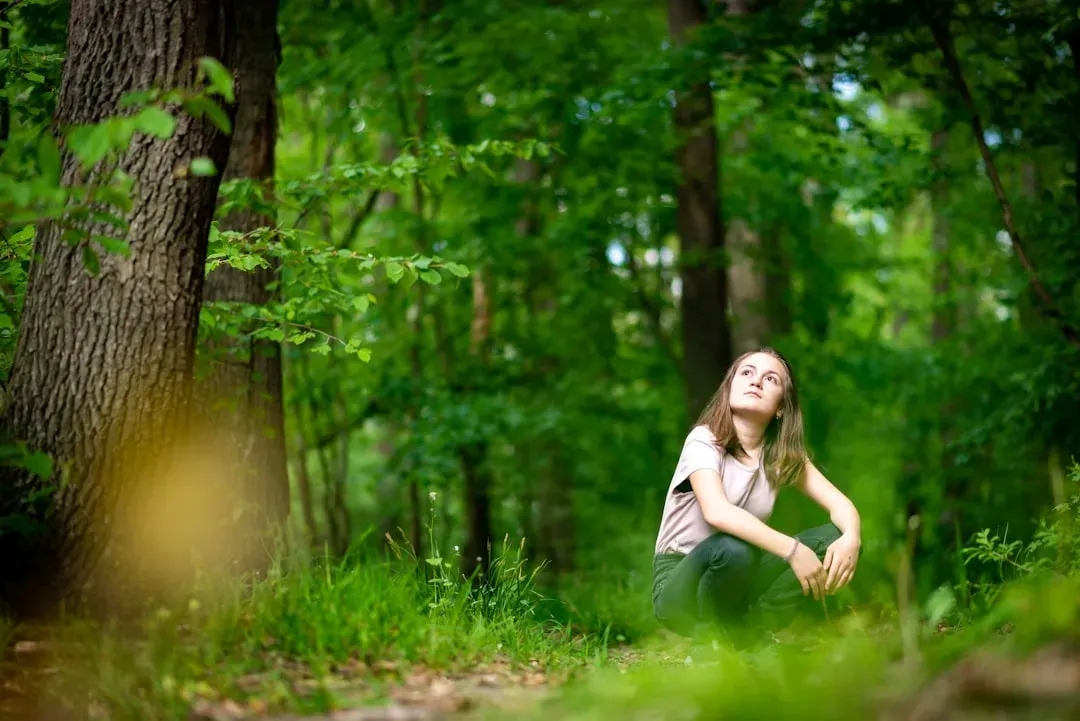
The practice was developed by the Japanese during the 1980s and is a cornerstone for preventative health, stress management and healing in Japan, with the term Shinrin-yoku translating as “taking in the forest atmosphere” or “forest bathing.” Don’t worry, you won’t actually need a bathtub. The concept is simpler and far more profound than you might imagine.
A scientific review found that spending time in nature can significantly boost activity of white blood cells called natural killer cells, with three days of forest bathing increasing NK activity, number of NK cells, as well as the levels of intracellular anti-cancer proteins. Walking slowly through a wooded area without your phone, letting the sounds of birdsong and rustling leaves wash over you, this is medicine the pharmaceutical companies can’t bottle. The nature-immersed group saw reduced oxidative stress, lower cortisol levels and less inflammatory markers along with greater signs of energy and vigor compared to the city-immersed group.
Sound Healing: Vibrational Medicine for the Soul
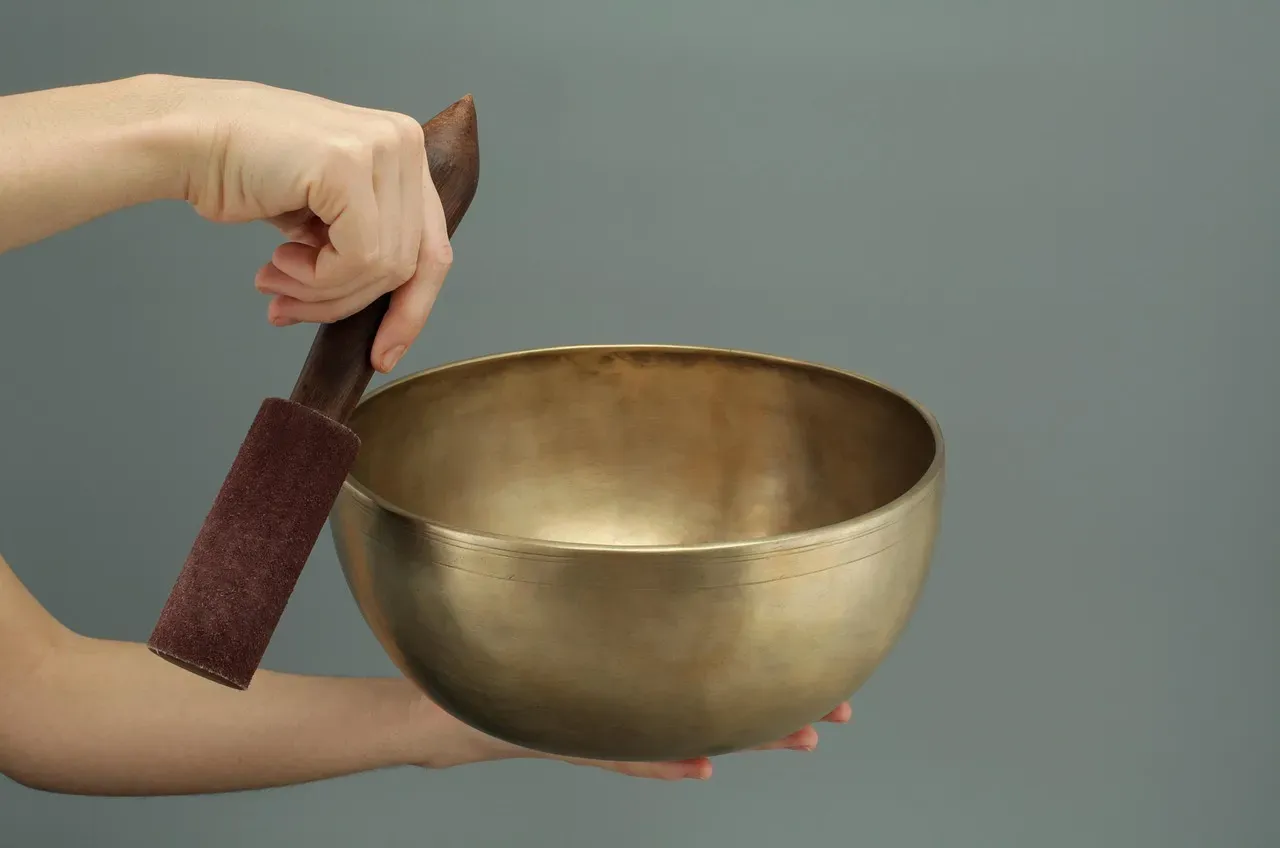
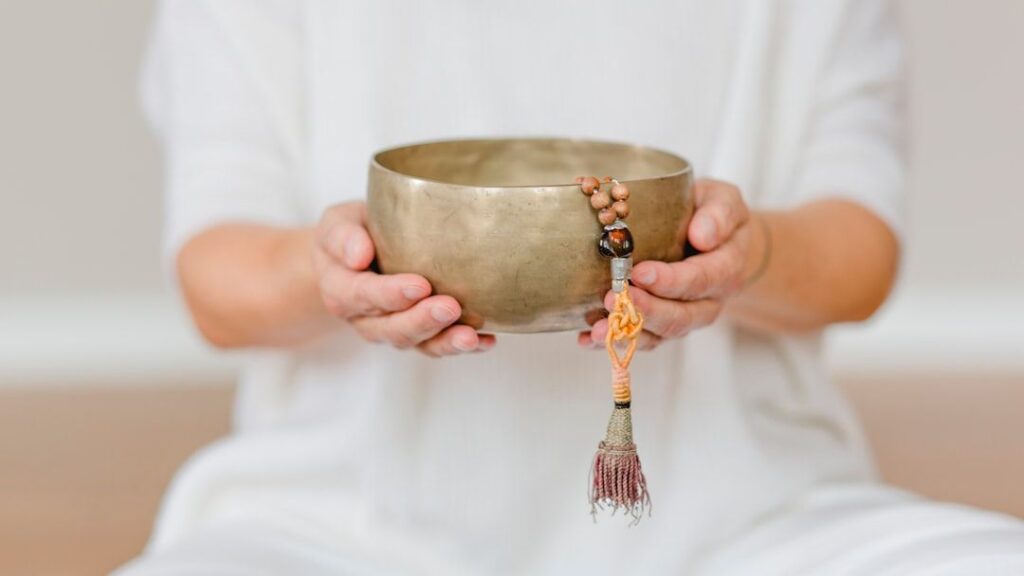
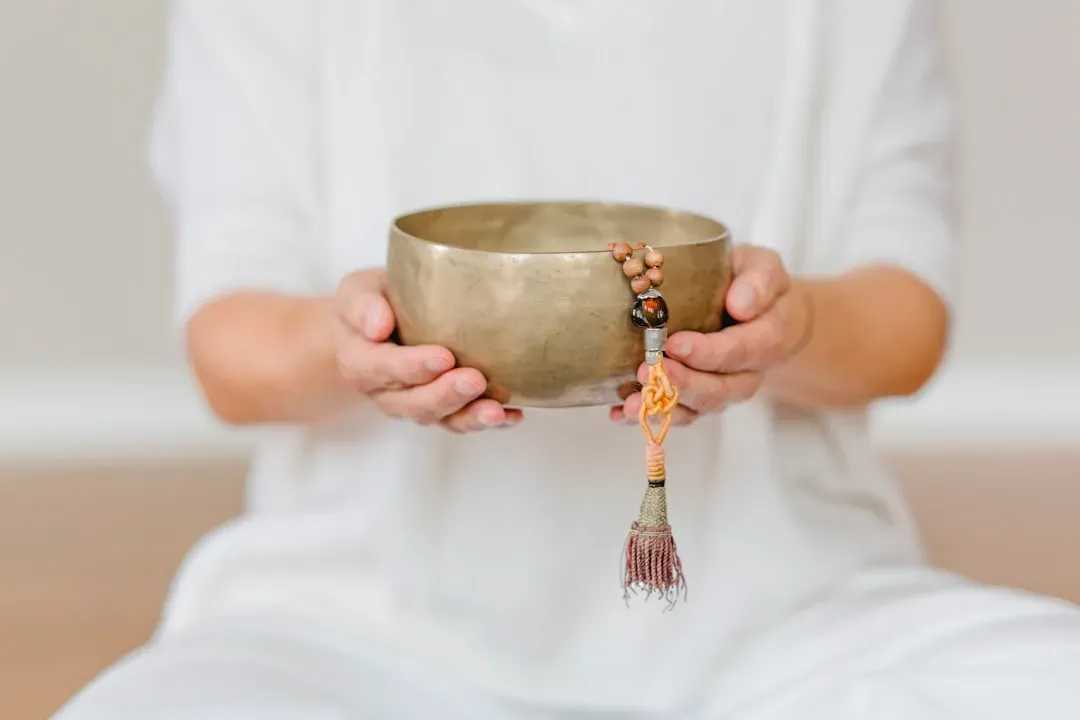
Sound healing therapy is an ancient practice originating in Tibetan and Himalayan cultures, with sound healers using Tibetan singing bowls, metal bowls that were once used in spiritual and healing ceremonies conducted by monks in Nepal and Tibet. The idea that sound could heal might seem strange at first. Yet cultures spanning thousands of years understood what modern neuroscience is now confirming.
Sound healing works by activating the parasympathetic nervous system, slowing down breath rate, heart rate and even brainwaves, putting you into an almost trance-like state, sending a signal to your body that you are safe and therefore allowing you to fully relax. Whether it’s the resonant tones of singing bowls, the rhythmic beating of drums, or even humming, these vibrations literally change your physiology. I know it sounds crazy, but it works. One study showed that sound bowl therapy can improve anxiety, tension, and fatigue, boost mood, and increase spiritual well-being.
Cacao Ceremonies: The Food of the Gods
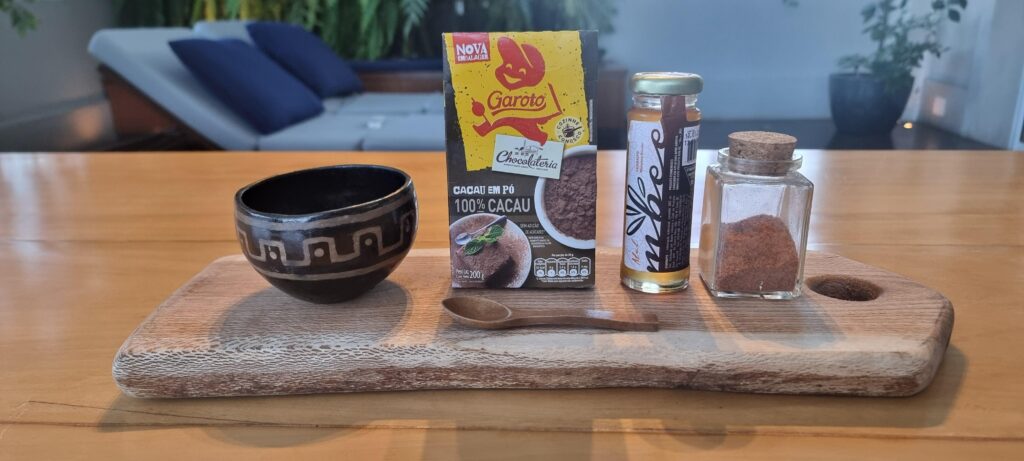
Rituals such as the cacao ceremony were routinely practiced for self-renewal and when sourced thoughtfully, prepared ceremonially, and enjoyed with intention, cacao is a potent energetic medicine that heals, connects, and inspires. The Mayans and Aztecs knew cacao as more than just chocolate. It was sacred.
Rich in antioxidants and theobromine, cacao is celebrated for its heart-opening and mood-enhancing properties. You can create your own ritual at home by preparing ceremonial-grade cacao with intention, perhaps lighting a candle and setting a meaningful purpose for your day. It’s a beautiful alternative to your morning coffee rush, offering energy without the jitters, connection without distraction. The warmth, the bitterness, the ritual itself becomes a meditation.
Japanese Hot Spring Bathing: Water as Therapy
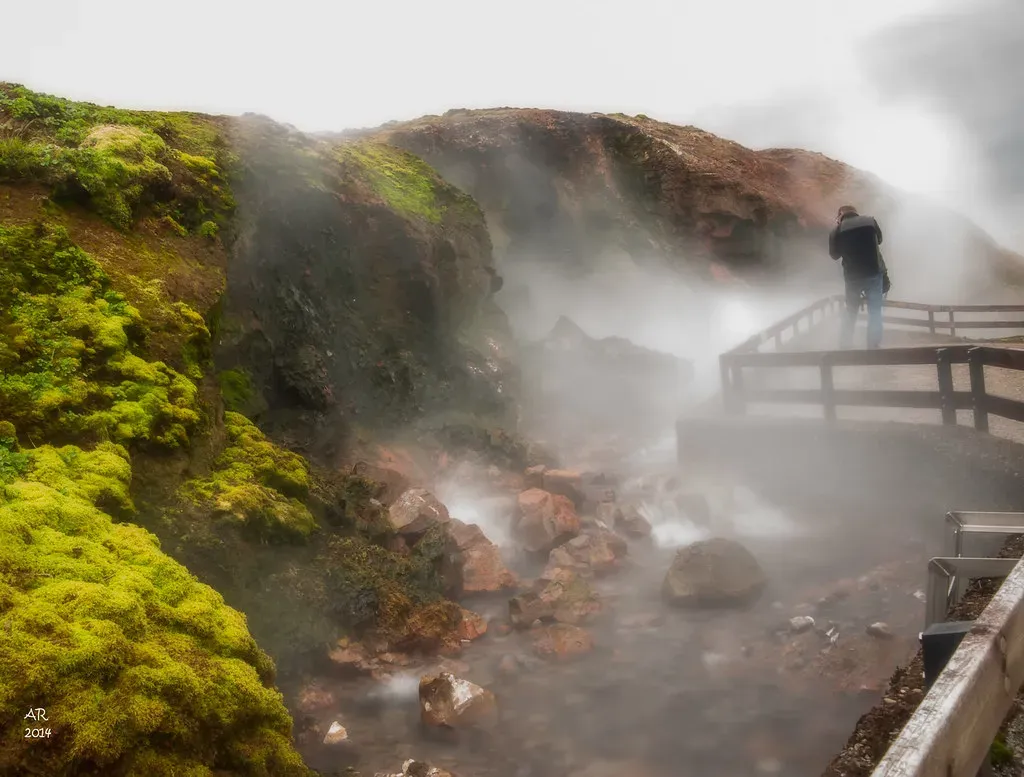
Japanese bathing ritual in an onsen, naturally occurring hot springs found throughout the island nation, were believed to possess mystical and holy powers because of the mineral content of the geothermal spring water. Water has always been more than just H2O to ancient cultures. It was transformation itself.
In Japanese philosophy, onsen is the diametric opposite of everything in normal, hectic day-to-day life, about taking a chance to take some time off in order to relax and embrace one’s inner solace, with a meditative process that sets in while sitting in warm water, leaving you with little else to do than find your way closer to Nirvana. The mineral-rich waters ease muscle tension while the enforced stillness calms the racing mind. You can’t scroll through emails in a hot spring. That’s precisely the point.
Cold Water Immersion: Ancient Shock Therapy

Ancient societies, renowned for their wisdom, recognized the therapeutic potential of exposing the body to cold temperatures, with the evolution of cold plunge therapy traced through various cultures from the Greeks and Romans to the traditional practices of Asia and Scandinavia. Yes, willingly plunging into freezing water sounds insane. Yet this practice has persisted across cultures for good reason.
Greek physician Hippocrates advocated for the use of cold water to treat fever and fatigue, with Greeks also utilizing cold baths as part of their athletic training regimes, recognizing the benefits of cold water in reducing inflammation and aiding muscle recovery. Public bathhouses featured frigidaria, cold pools designed to invigorate the body after hot baths, with athletes in ancient Olympic games using cold-water immersion to enhance performance and recovery. The shock to your system activates ancient survival mechanisms, flooding your body with endorphins and sharpening mental focus. It’s uncomfortable, sure. That discomfort teaches resilience.
Fangotherapy: The Power of Mud
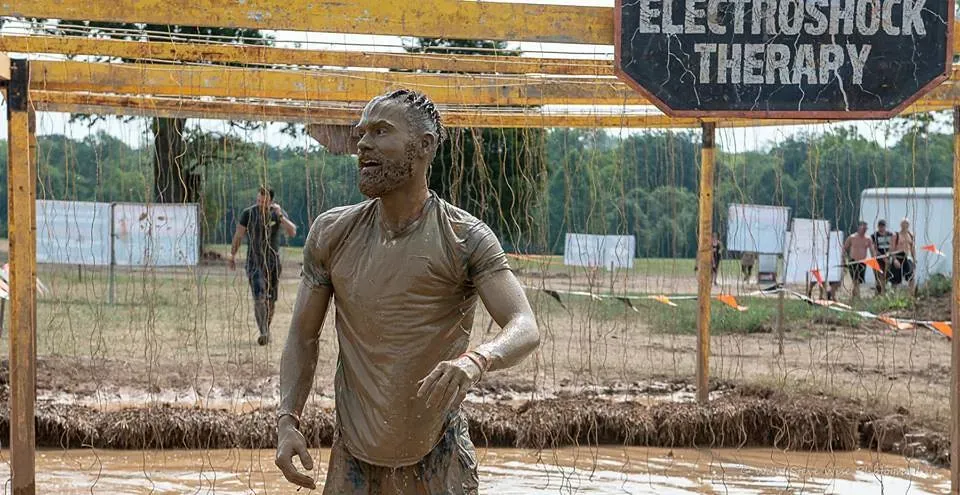
The use of mud in beauty treatments has been traced as far back as ancient Egypt, with clay from the banks of the Nile being used on the face and body to improve skin and texture, also popular in Italy during the Roman times, with fangotherapy reaching peak popularity in Europe due to the growth of the Roman empire. Mud might seem primitive, but ancient healers understood what modern dermatology confirms: the earth itself holds medicine.
Known for its detoxifying properties, it also improves skin texture and relieves muscle aches with the healing benefits coming from minerals like sulfur, magnesium, and zinc. Spreading mineral-rich mud over your body draws out impurities while delivering essential minerals directly through your skin. It’s messy, grounding, and surprisingly luxurious. Analgesic and detoxifying mud baths have been used since ancient times to minimize muscle aches and pains and draw out toxins from the skin and body. The experience connects you quite literally to the earth beneath your feet.
Meditation and Mindfulness: The Art of Presence
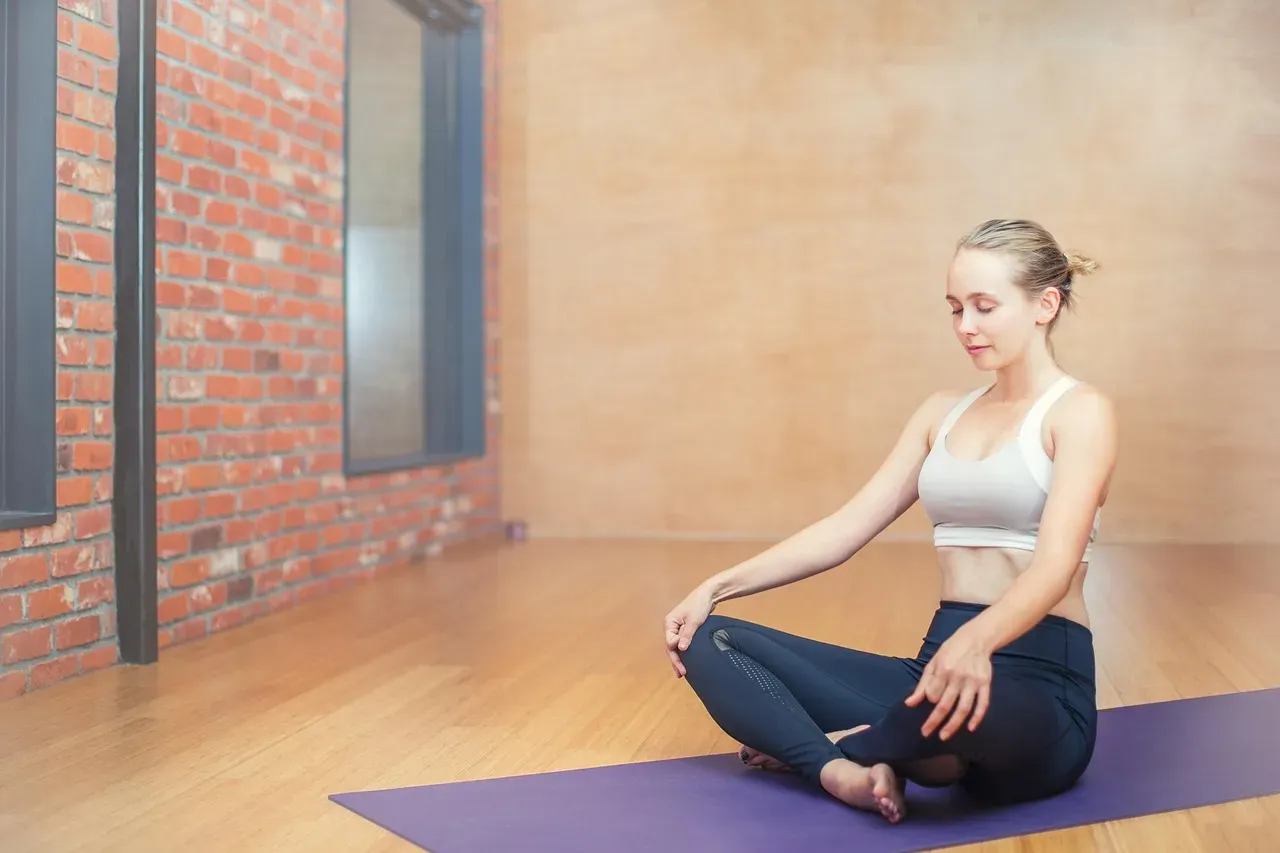
The practice of mindfulness encourages us to be fully present, allowing us to experience life without the clouds of judgment or distraction, with this ancient technique proven effective in reducing anxiety and improving overall well-being, making it a perfect antidote to modern life’s chaos. Sitting still and doing nothing feels almost revolutionary in our productivity-obsessed culture.
Meditation, often paired with mindfulness, offers a pathway to calm the mind and restore focus, with the act of bringing our attention inwards creating profound shifts in our mental state. You don’t need to be a monk or sit for hours. Even a simple daily ritual like sitting quietly with your thoughts for five minutes can lay the groundwork for deeper engagement with both your internal and external worlds, promoting a sense of serenity amidst daily distractions. The hardest part? Actually committing to those five minutes.
Gratitude Practices: Ancient Wisdom for Modern Hearts
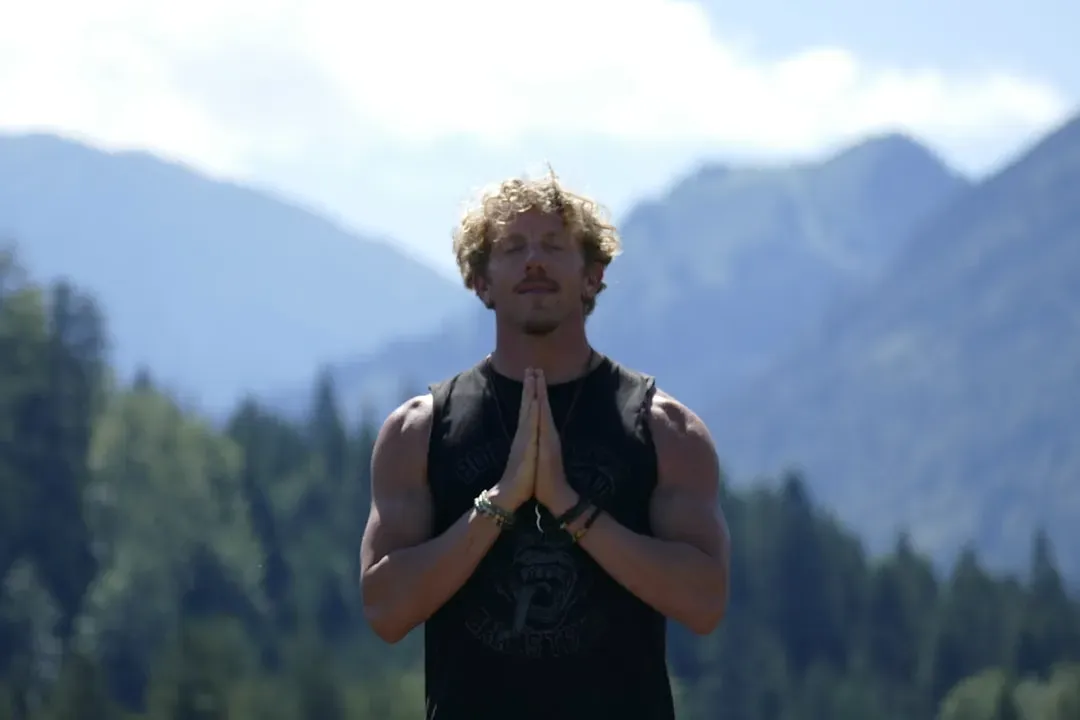
Simple acts of gratitude were often embedded in ancestral rituals, with studies showing that expressing gratitude can enhance happiness and reduce stress, making this practice a valuable component of mental wellness. Our ancestors didn’t take their blessings for granted because survival was precarious. Gratitude wasn’t optional; it was essential.
Starting or ending your day by acknowledging three things you’re grateful for might sound trite. Do it consistently for a month and watch what shifts. The practice rewires your brain to notice abundance rather than scarcity, joy rather than lack. It’s deceptively simple yet remarkably transformative. You’re training your mind to seek out the good, even when life feels overwhelming. Especially then.
Communal Rituals: The Healing Power of Togetherness
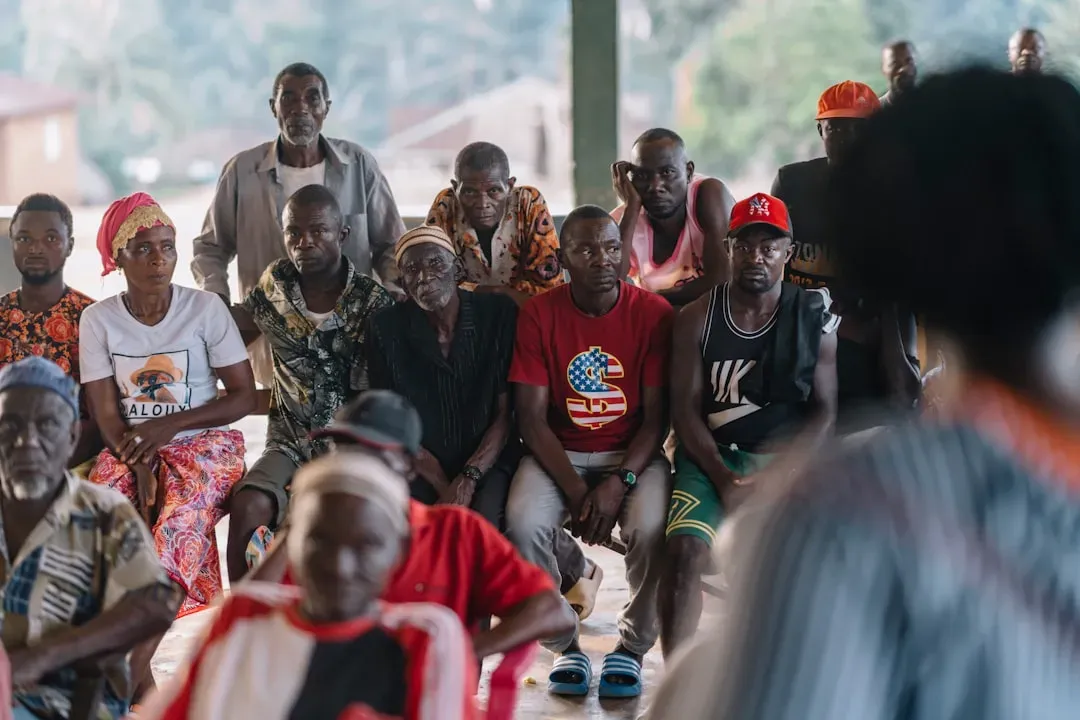
Communal gatherings, storytelling, and rituals helped strengthen bonds and provided emotional support in ancient communities, with the ancestral wellness approach emphasizing connecting with others, finding ways to celebrate shared experiences, and creating a sense of belonging. We’ve become isolated in our individualized wellness journeys. Ancient cultures knew better.
Ancient rituals remind us that true wellness has always been collective, that you are not well alone but well in relationship to others, to place, to time, and to something larger than yourself. Whether it’s a weekly dinner with friends, a group exercise class, or simply gathering to share stories, these moments of connection feed a fundamental human need. Loneliness is an epidemic. Community is the cure. The meal matters less than the faces around the table.
Grounding or Earthing: Reconnecting with the Planet
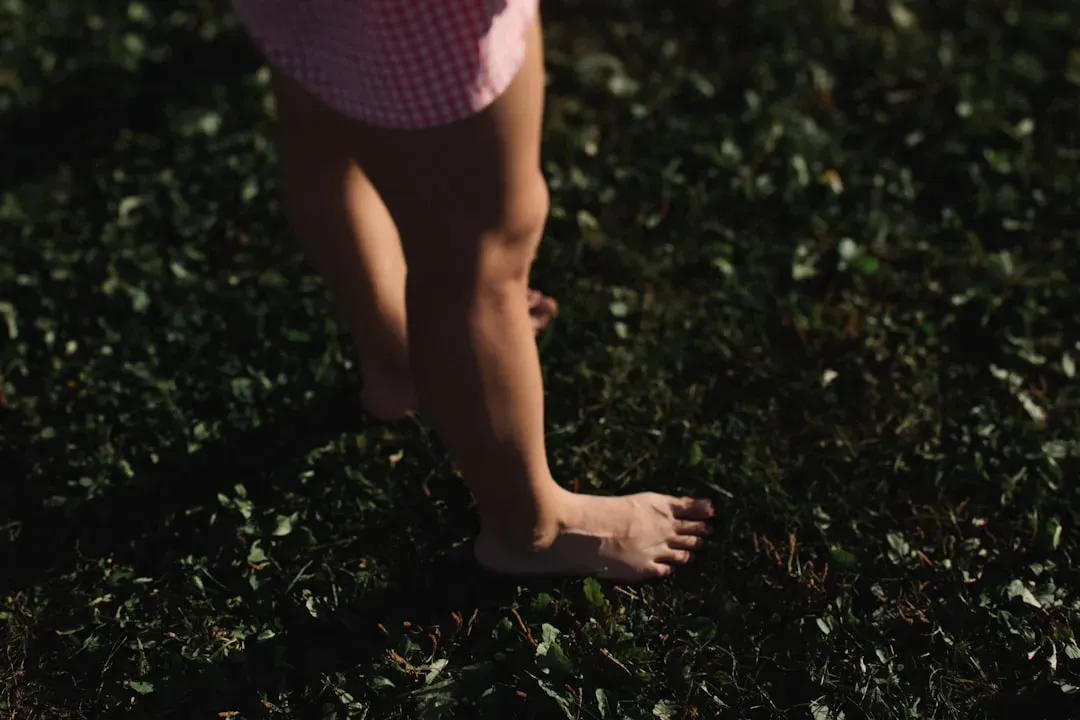
Grounding, also known as earthing, involves direct contact with the earth’s surface, such as walking barefoot on grass or soil, with some proponents believing that grounding can improve sleep, reduce pain, and enhance mood, though research on its benefits is ongoing. When did you last walk barefoot on actual earth? Not carpet, not concrete, but soil or grass?
When we take our shoes and socks off occasionally, or get in the garden we literally get an influx of negatively charged ions that come into the human body, dowsing the inflammatory fires that line our tissues, shown to significantly reduce chronic inflammatory illnesses and pain, improving blood profiles, and helping regulate our body clock, particularly our sleep-wake cycle and other circadian rhythms. The practice costs nothing and requires only your willingness to look slightly unconventional. Feel the grass. Feel the earth. Feel yourself remember that you’re part of something infinitely larger.
Finding Your Balance in Ancient Wisdom
The beauty of these ancient rituals lies not in their exoticism but in their accessibility. You don’t need expensive equipment, exotic locations, or hours of free time. What you need is intention and consistency. These practices survived millennia because they work, because they address fundamental human needs that haven’t changed despite our technological advances.
Start small. Choose one practice that resonates with you. Maybe it’s five minutes of breathwork each morning or a weekly forest walk. Perhaps it’s finally trying that cold shower everyone keeps talking about. The specific ritual matters less than your commitment to it. Our ancestors understood something we’re desperately trying to relearn: wellness isn’t a destination or a product. It’s a daily practice of remembering who we are beneath all the noise and hurry.
Which ancient ritual will you bring into your life this week? The path to balance has been here all along, waiting patiently for you to walk it. What do you think about bringing these timeless practices into your modern routine?