
Have you ever found yourself stuck in a relationship that drains you, yet somehow you can’t seem to let go? Maybe you’ve watched someone you care about circle back to the same toxic patterns again and again. It’s confusing, painful, and honestly pretty frustrating. You think to yourself, this doesn’t make sense.
Here’s the thing. The way we attach to people isn’t random. Your brain has been quietly taking notes since you were too small to remember, building a blueprint for what love and connection should feel like. Sometimes that blueprint gets a little warped along the way. What you’re about to discover might just change how you see your relationships forever.
The Childhood Blueprint That Shapes Your Love Life

In the field of psychology, attachment theory proposes that interpersonal experiences early in life should shape how people think, feel and behave in close relationships in adulthood, with positive, soothing and supportive experiences with primary caregivers playing an important and lasting role in shaping secure attachments. Your earliest experiences with the people who raised you created what psychologists call an internal working model. Think of it like a mental guidebook for relationships that you carry everywhere.
People who had more conflict with their mothers, were less close to their mothers or had mothers who were reportedly harsher and showed less warmth during childhood and adolescence tended to feel more insecure in their adult relationships. When caregivers were inconsistent, emotionally distant, or even harmful, you learned to expect that same unpredictability from others. Children with caregivers who provide for them develop secure attachment styles, whereas those with inconsistent or inattentive caregivers develop insecure attachment styles.
When Chaos Feels Like Home

Let’s be real. Sometimes the very thing that hurts us feels strangely comfortable. People chase volatility in relationships because chaos feels familiar, and when someone gives you calm and consistency, it feels uncomfortable if you’ve never had it. Your nervous system gets so used to drama and unpredictability that stability actually triggers alarm bells.
If you grew up in a home where love came with conditions, emotional neglect, or chaos, you may unconsciously believe that dysfunction is just part of relationships, and when someone gives you the silent treatment, lashes out, or ignores your emotional needs, it might feel familiar – and familiarity can feel safe, even when it’s harmful. You might find yourself sabotaging perfectly good relationships because the peace feels wrong somehow. This isn’t weakness or foolishness. It’s your brain trying to protect you using outdated information.
Your Self Worth Hangs in the Balance

In an unhealthy attachment, your sense of self-worth may totally depend on your partner’s regard, and when you disagree or experience other conflict, this might entirely disrupt your perception of yourself. Imagine building your entire sense of value on someone else’s shifting moods and opinions. Exhausting, right?
When you define yourself through another person’s eyes, every small disagreement becomes an existential crisis. You might feel hurt, empty, anxious, or depressed, and your self-esteem might diminish, with these feelings persisting until they show they still care about you, whether that’s giving a gift, offering physical affection, or complimenting you. You’re essentially giving someone else the remote control to your emotional state. Toxic relationships wear down your self-worth over time, and you may start to believe you deserve the way you’re being treated, or that no one better will come along, especially if you’ve internalized your partner’s criticisms.
The Jealousy Trap and Enmeshment
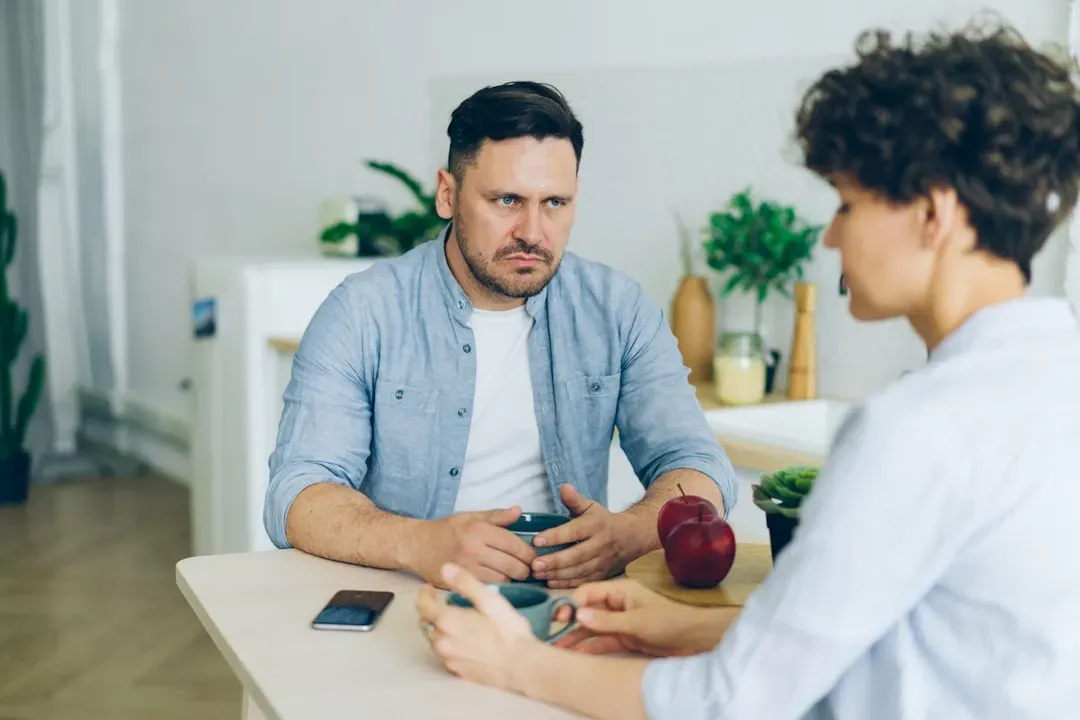
Significant jealousy is one of the key signs of an unhealthy emotional attachment such as when a person spends a lot of time thinking and worrying about what their partner is doing. Constant suspicion eats away at relationships from the inside. You check phones, question innocent interactions, and create scenarios in your head that probably aren’t even happening.
When you have a strong need for your partner’s presence, it means you have a hard time being independent from the partner, and some people call this being enmeshed, meaning if one partner leaves then they feel lost and alone. You can’t remember the last time you did something alone without feeling anxious. Your hobbies? Forgotten. Your friends? You barely see them anymore. Some people commit all of their energy and resources to a relationship, they are no longer an individual and only see themselves as part of the relationship, and once you lose sight of yourself, the relationship becomes flawed.
The Trauma Bond That Keeps You Hooked

The cycle of highs and lows – affection followed by abuse, promises followed by betrayal – can create a powerful emotional attachment called trauma bonding, where your brain learns to associate brief moments of relief or affection with intense love, even when the overall relationship is damaging, keeping you hooked and always waiting for the next good moment. It’s like your nervous system becomes addicted to the emotional rollercoaster.
The psychological foundation of trauma bonds involves intermittent reinforcement, a conditioning process where unpredictable rewards create strong behavioral patterns, and in abusive relationships, sporadic displays of love and affection between periods of harmful behavior can generate psychological dependency. You remember those perfect moments when they were kind, when they seemed to really see you. You hold onto those like a lifeline, convincing yourself that’s the real person underneath all the hurt.
Fear of Being Alone Overpowers Everything Else

Even if you find a relationship to be toxic or dissatisfactory you tend to remain in the relationship because of one primary emotion: fear of being abandoned, as fear keeps us stuck in unhealthy attachments and its primary job is to prevent isolation, loneliness, and loss. The thought of being alone terrifies you more than staying in something painful.
You tell yourself stories. Maybe no one else will want me. What if I end up alone forever? Never being alone and continuing to jump into new relationships is a sign of unhealthy emotional attachment, as when you don’t allow the space to build a relationship with yourself then you become co-dependent on others to get needs met. The irony? By avoiding loneliness, you end up feeling lonelier than ever in a relationship that doesn’t truly nourish you.
Breaking the Pattern Starts with Awareness

Grab a journal and map out your relationship history, writing down your key relationships and identifying any common threads – whether it’s the type of partner you attract, the dynamics that play out, or how each relationship ends, being specific because the more detailed you can be, the easier it will be to spot your patterns. Recognition is the first real step toward change.
To be more specific in your healing journey, try to identify your attachment style first, as this will help you become more aware of which thoughts, emotions, and behaviors are unhealthy. Once you can name what’s happening, you take away some of its power. Self-reflection is key to understanding personal triggers and reactions, and journaling can help identify recurring patterns and emotions. Write it all down without judgment. Just observe. What keeps showing up? Who keeps showing up?
Practical Steps to Rewire Your Attachment Style

Therapy can be invaluable in addressing deep-rooted attachment issues, as cognitive-behavioral techniques help reframe negative thought patterns and mindfulness practices aid in managing anxiety and staying present in relationships. You don’t have to do this alone. Professional support gives you tools that actually work.
Boundaries are essential for healthy relationships, including the relationship with yourself, as setting boundaries helps you protect your mental and emotional wellbeing, as well as your time and energy. Start small. Maybe that means saying no to plans when you’re exhausted. Maybe it’s not responding to texts immediately just because someone expects it. Setting healthy boundaries protects both partners’ well-being, and building a support network outside the romantic relationship reduces pressure on a single partner, while cultivating friendships and interests promotes personal growth and stability.
Conclusion

It’s possible to change attachment styles and heal or end those bonds that hurt you, and it may start with self-awareness and continue with boundaries, self-care, and professional support. The patterns that feel so permanent right now? They’re actually more flexible than you think. Your brain is capable of learning new ways to connect, trust, and love.
You have the power to break the cycle, and by identifying your patterns, challenging old beliefs, and doing the inner work, you can create a new path for yourself – one that leads to healthier, more fulfilling relationships. It takes courage to look at these painful patterns honestly. It takes even more courage to choose differently. The relationships you deserve are waiting on the other side of this work. What would it feel like to finally trust yourself enough to reach for them?